
Smart Cabin Solutions: Common Integration Mistakes and How to Avoid Them
Smart cabin solutions can improve safety, comfort, and service efficiency—but poor integration often creates hidden faults, inconsistent diagnostics, and costly maintenance delays. In connected mobility environments, from passenger vehicles and specialty transport to marine cabins and intelligent seating platforms, integration quality determines whether systems perform as a reliable whole or fail as disconnected parts. For maintenance-focused operations, the biggest risks often do not come from one defective module, but from weak interfaces between sensors, controllers, wiring, software, and safety logic. This article explains the most common integration mistakes in smart cabin solutions, how those mistakes vary by application scenario, and what practical steps can reduce downtime while protecting long-term reliability.
When Smart Cabin Solutions Face Different Operating Scenarios, Integration Priorities Change
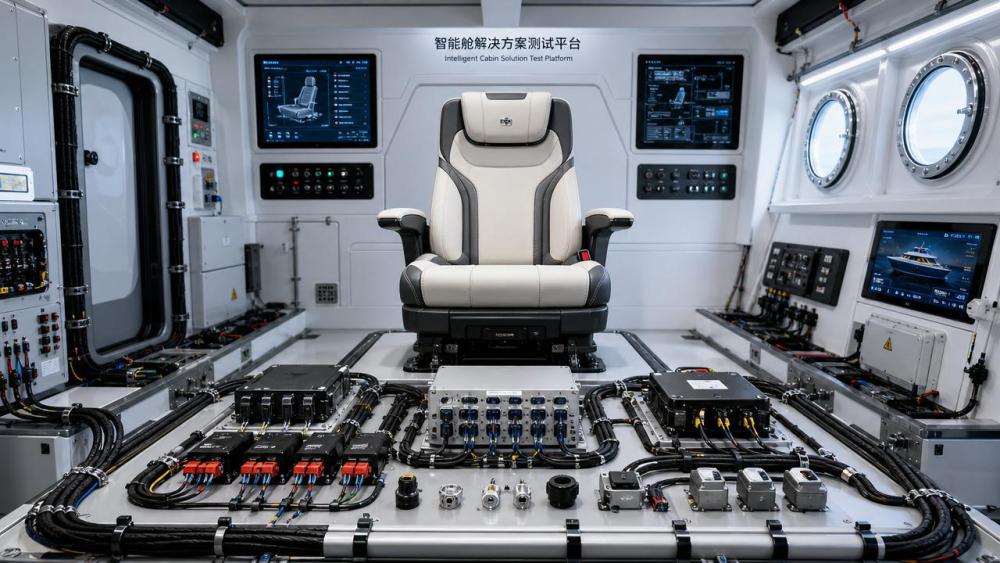
Not all smart cabin solutions operate under the same conditions. A premium automotive cockpit, a commercial fleet cabin, a marine bridge seating zone, and a safety-focused passenger compartment may all use connected displays, seat modules, occupant sensing, HVAC controls, restraint interfaces, and data networks. Yet their environmental loads, service intervals, compliance requirements, and user expectations differ significantly.
That is why integration mistakes often begin with a wrong assumption: treating every cabin architecture as if it had the same electrical tolerance, software behavior, connector strategy, or maintenance workflow. In reality, smart cabin solutions should be matched to scenario-specific demands such as vibration exposure, moisture risk, electromagnetic interference, multi-supplier compatibility, and fault traceability. Good integration starts with correct scenario judgment, not with fast installation.
Scenario 1: Premium Passenger Cabins Where Comfort Features Overload the Core Network
In high-spec passenger cabins, smart cabin solutions often combine seat adjustment, ventilation, massage, memory profiles, ambient lighting, occupant detection, infotainment, and climate coordination. The common mistake is integrating comfort functions onto a network or controller architecture already carrying safety-critical signals without clear prioritization rules. This can lead to delayed responses, unstable communication, or intermittent diagnostic conflicts that are difficult to reproduce.
Another frequent issue is poor component matching. Seat sensors, body control modules, and human-machine interface units may technically communicate, yet still use inconsistent message timing, firmware assumptions, or fault code structures. In smart cabin solutions, “compatible” does not always mean “stable under real-world load.” Avoid this by validating communication latency, startup sequencing, and fallback behavior under peak feature usage rather than only under ideal bench conditions.
Key judgment points
- Whether comfort features share bandwidth with safety-relevant functions
- Whether wake-up, sleep, and reset sequences are coordinated across modules
- Whether diagnostics can identify root cause instead of reporting generic communication loss
Scenario 2: Fleet and Service Cabins Where Downtime Costs More Than Feature Loss
In commercial and service fleets, smart cabin solutions are judged less by novelty and more by uptime, repair speed, and predictable maintenance. A typical mistake here is overcomplicating the cabin architecture with too many vendor-specific gateways, software tools, or proprietary harness adaptations. When faults occur, technicians may need multiple diagnostic paths just to identify one failed node, extending service delays.
Another mistake is placing advanced cabin modules in locations that simplify assembly but complicate access. If a seat controller, occupancy sensor connector, or display interface requires partial cabin disassembly for routine inspection, maintenance efficiency collapses. Smart cabin solutions in fleet scenarios should be integrated with serviceability in mind: accessible connectors, modular replacement paths, standardized fault labeling, and software version traceability.
The practical lesson is clear: a feature-rich system that cannot be diagnosed quickly is a weak integration choice for high-utilization cabins. Reliability in these smart cabin solutions depends as much on maintenance design as on technical capability.
Scenario 3: Marine and Harsh-Environment Cabins Where Physical Conditions Break Good Designs
Marine and other harsh-environment cabins create a different risk profile for smart cabin solutions. Here, integration errors often stem from underestimating moisture ingress, salt exposure, vibration, grounding complexity, and electromagnetic noise. A seat control unit or cabin display may work well in a controlled lab but fail prematurely once cable routing, connector sealing, or shielding meets a real operating environment.
A common mistake is mixing components with different environmental ratings in the same cabin subsystem. One module may be sealed and vibration-resistant, while its adjacent connector, bracket, or harness clip is not. Integration is only as strong as the weakest interface. For smart cabin solutions used in marine navigation support zones, operator seating systems, or mission-critical enclosed cabins, installation practices must be evaluated as a system: cable bend radius, corrosion-resistant terminals, grounding paths, isolation from high-power equipment, and inspection intervals.
Core prevention actions
- Use matched environmental protection levels across modules, connectors, and harnesses
- Separate signal routes from high-noise power circuits where possible
- Verify grounding strategy during installation, not only in design review
- Test smart cabin solutions under vibration, humidity, and thermal cycling before full deployment
Scenario 4: Safety-Critical Cabins Where Interface Mistakes Create Hidden Compliance Risk
Some smart cabin solutions interact directly or indirectly with passive safety components such as seatbelt reminders, occupancy classification, airbag suppression logic, seat position sensors, and post-crash response features. In these scenarios, the most dangerous mistake is assuming that if the cabin feature works visually, it is properly integrated functionally. A seat adjustment module may move correctly while transmitting position data with a calibration offset that affects restraint logic.
Another hidden error is software updates applied to one subsystem without verifying their downstream effect on related safety signals. Smart cabin solutions should never be treated as isolated convenience packages when their data influences protection systems. Version control, change documentation, and revalidation after updates are essential, especially where compliance requirements or crash-related performance could be affected.
How Scenario Demands Change Integration Requirements
Practical Selection and Adaptation Advice for Smart Cabin Solutions
To avoid recurring integration issues, smart cabin solutions should be selected and deployed according to measurable fit, not brochure-level feature comparison. A practical adaptation framework includes the following actions:
- Map every cabin function to its communication path, power source, and failure impact.
- Confirm protocol compatibility at message, timing, and diagnostic levels—not only connector level.
- Use installation checklists that include grounding, shielding, routing, and environmental sealing.
- Create a service plan before deployment, including spare strategy, software records, and fault isolation steps.
- Run pilot validation under realistic load cases, including simultaneous feature usage and adverse conditions.
For organizations tracking advanced mobility intelligence, this is where cross-domain knowledge matters. Smart cabin solutions increasingly sit at the intersection of seating mechanics, occupant sensing, passive safety logic, lightweight structures, and digital control networks. Strong integration decisions come from understanding these interactions early.
The Most Overlooked Misjudgments in Smart Cabin Solutions
Several errors repeatedly appear across industries. First, teams often assume that successful prototype integration proves production readiness. It does not. Production introduces variation in harness routing, software revisions, supplier substitutions, and installation consistency. Second, minor intermittent faults are often dismissed if they do not block immediate operation. In smart cabin solutions, small communication drops can later produce major diagnostic confusion or occupant dissatisfaction.
Third, environmental and safety interactions are often reviewed separately. This creates blind spots. A connector chosen for durability may complicate maintenance. A software patch intended to improve seat comfort may influence occupancy status timing. Smart cabin solutions fail most often at these intersections, where no single subsystem owner sees the full impact alone.
Next Steps to Reduce Failure Risk Before Problems Reach the Cabin
The best next step is to audit current smart cabin solutions by scenario rather than by product category alone. Identify which cabins prioritize uptime, which face harsh environmental stress, which include safety-linked data, and which combine many comfort functions on shared networks. Then compare those realities against current interface design, diagnostic visibility, environmental protection, and software governance.
A focused integration review can quickly reveal whether recurring cabin faults come from component quality or from architecture mismatch. For long-term reliability, smart cabin solutions should be validated as operating ecosystems—electrical, mechanical, digital, and service-related together. That approach reduces hidden failure points, shortens repair cycles, and supports safer, more dependable cabin performance across evolving mobility platforms.
Related News
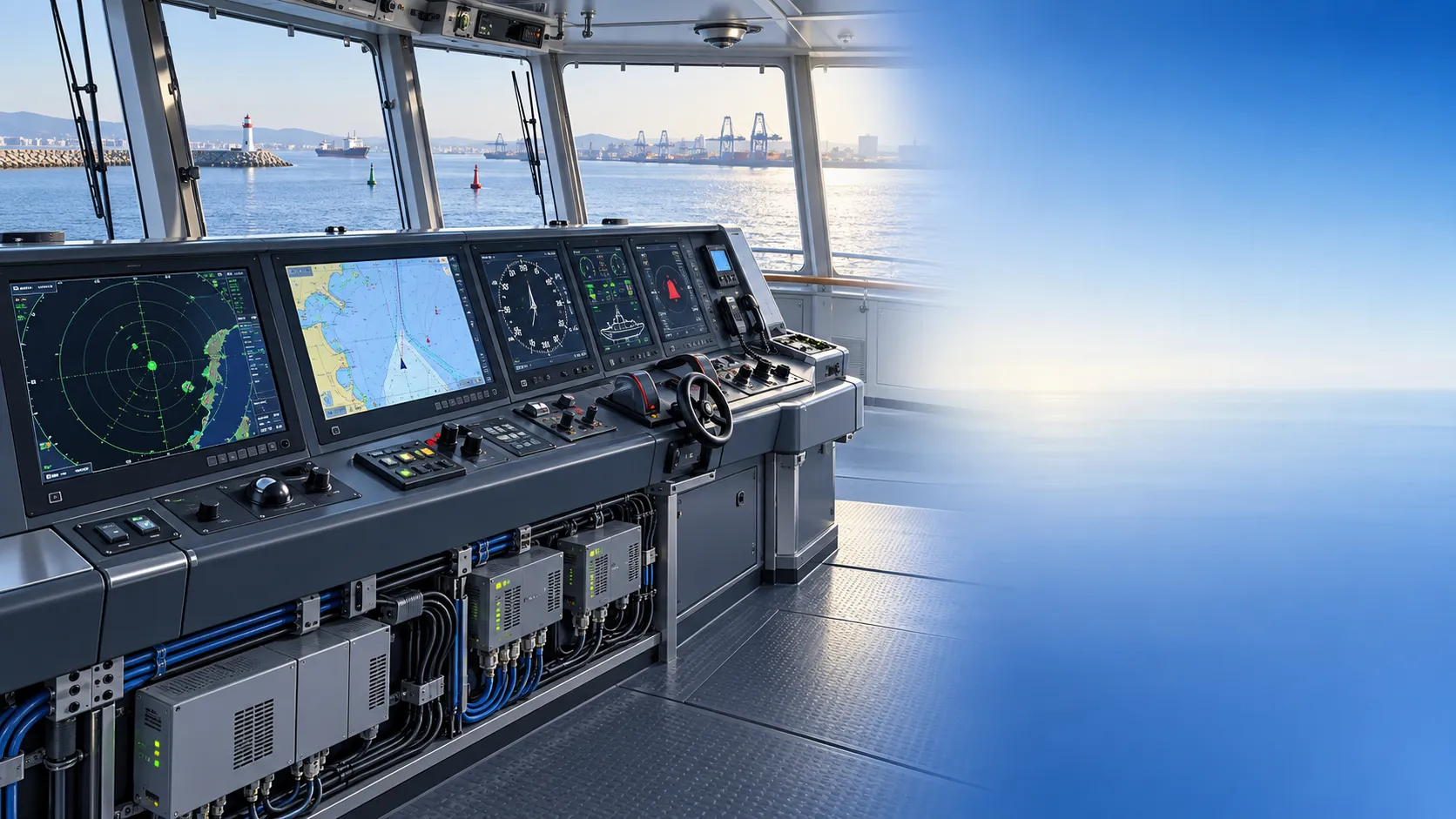
How to Specify Integrated Marine Electronics for Reliable Bridge Operations
Integrated marine electronics: learn how to specify reliable bridge systems with clear data flows, redundancy, alarm control, lifecycle interfaces, and operational testing.

How to Evaluate Navigation Radar Manufacturers for Commercial Vessel Projects
Navigation radar manufacturers: learn how to compare performance, compliance, integration, support, and lifecycle cost for commercial vessel projects.
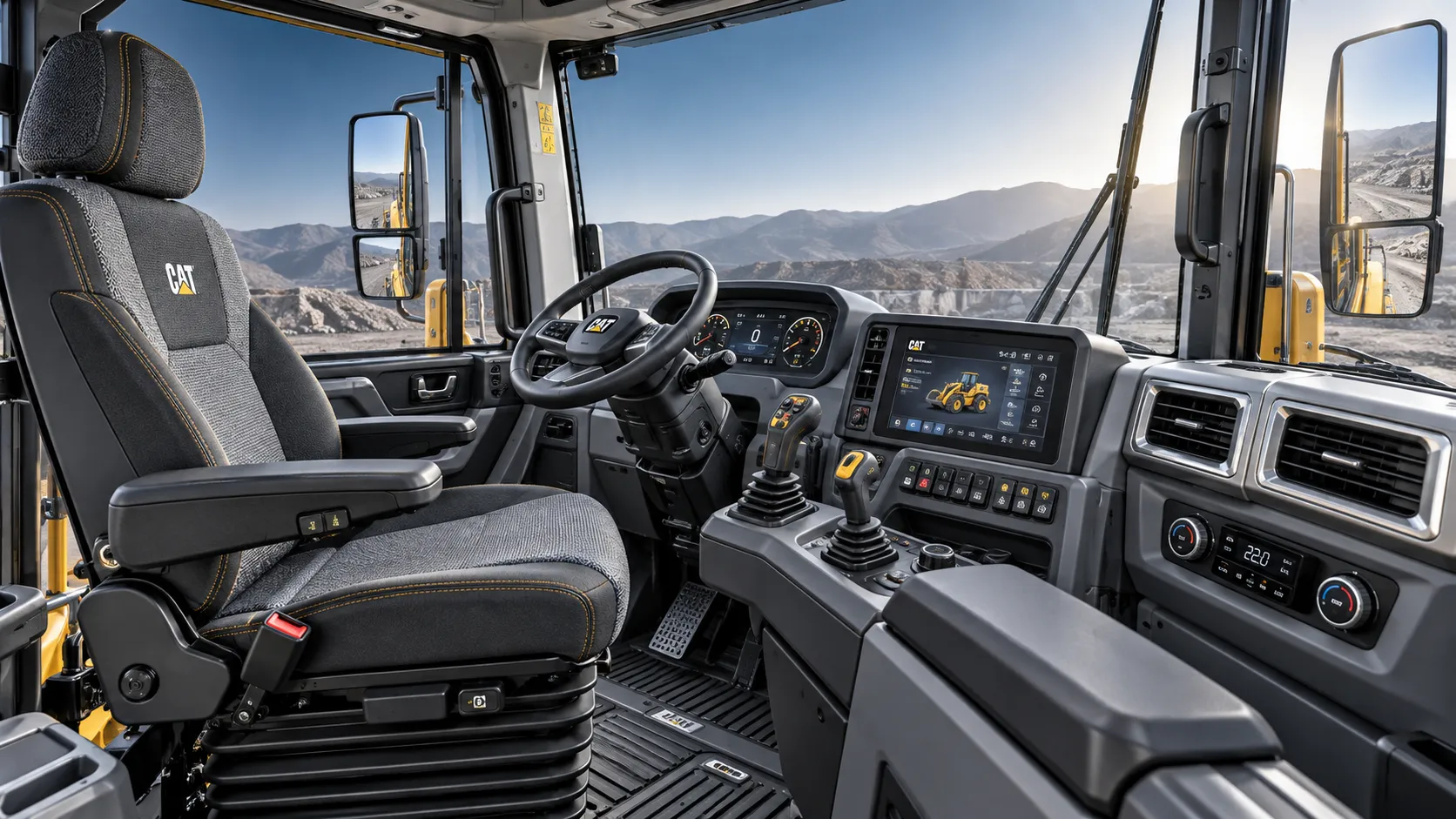
How Adjustable Cabin Ergonomics Reduce Operator Fatigue in Long-Shift Vehicles
Adjustable cabin ergonomics reduces operator fatigue through better seating, reach, visibility, vibration control, and climate comfort for safer long-shift vehicles.
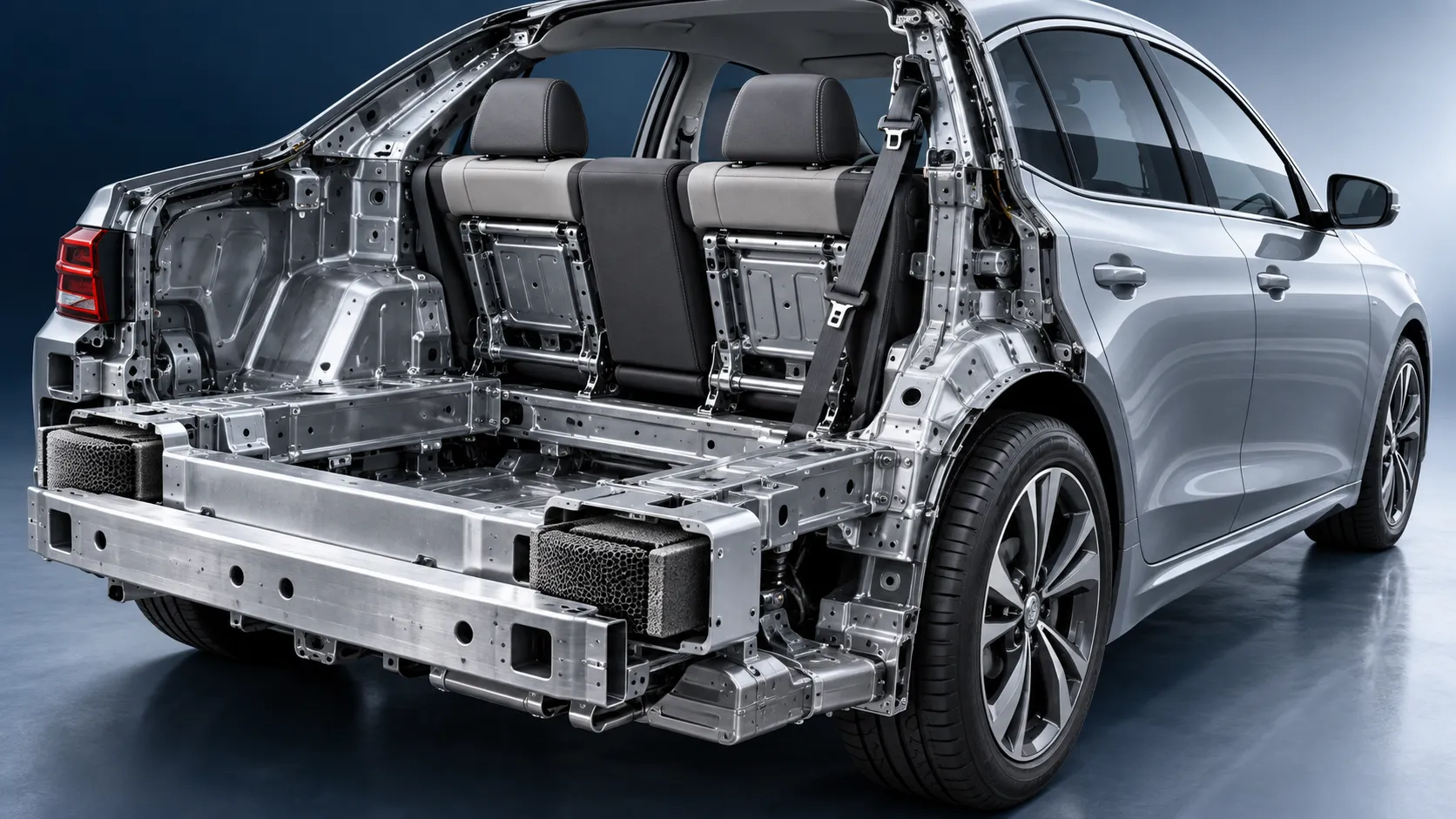
How Rear-Impact Safety Components Work Together to Protect Vehicle Occupants
Explore how automotive safety components for rear impact work together—from crash structures and seats to head restraints and belts—to enhance occupant protection.
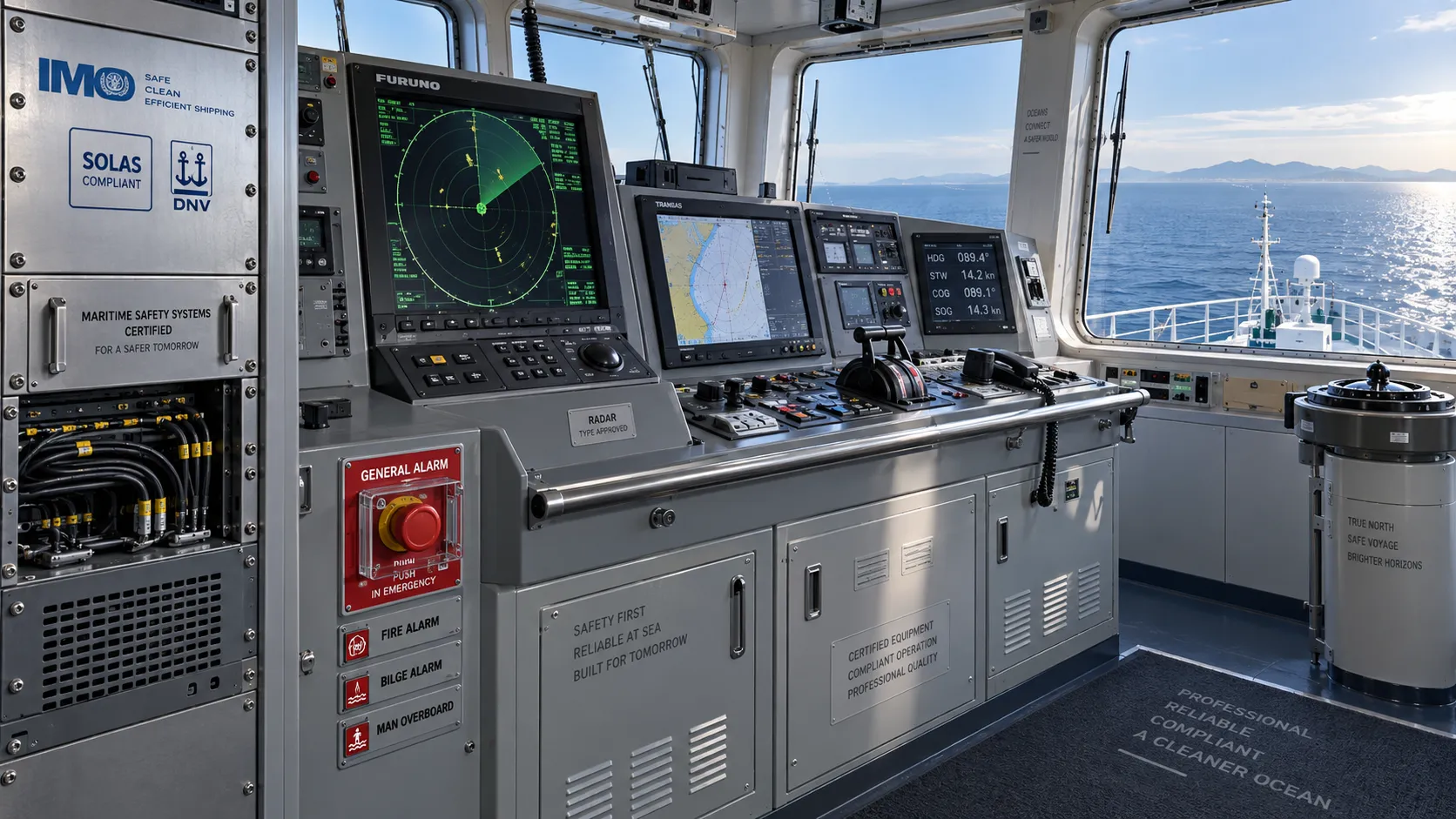
How to Evaluate a Marine Safety Systems Manufacturer for Vessel Compliance and Reliability
Marine safety systems manufacturer evaluation guide: verify compliance, engineering quality, lifecycle costs, and global service support for safer, reliable vessel operations.
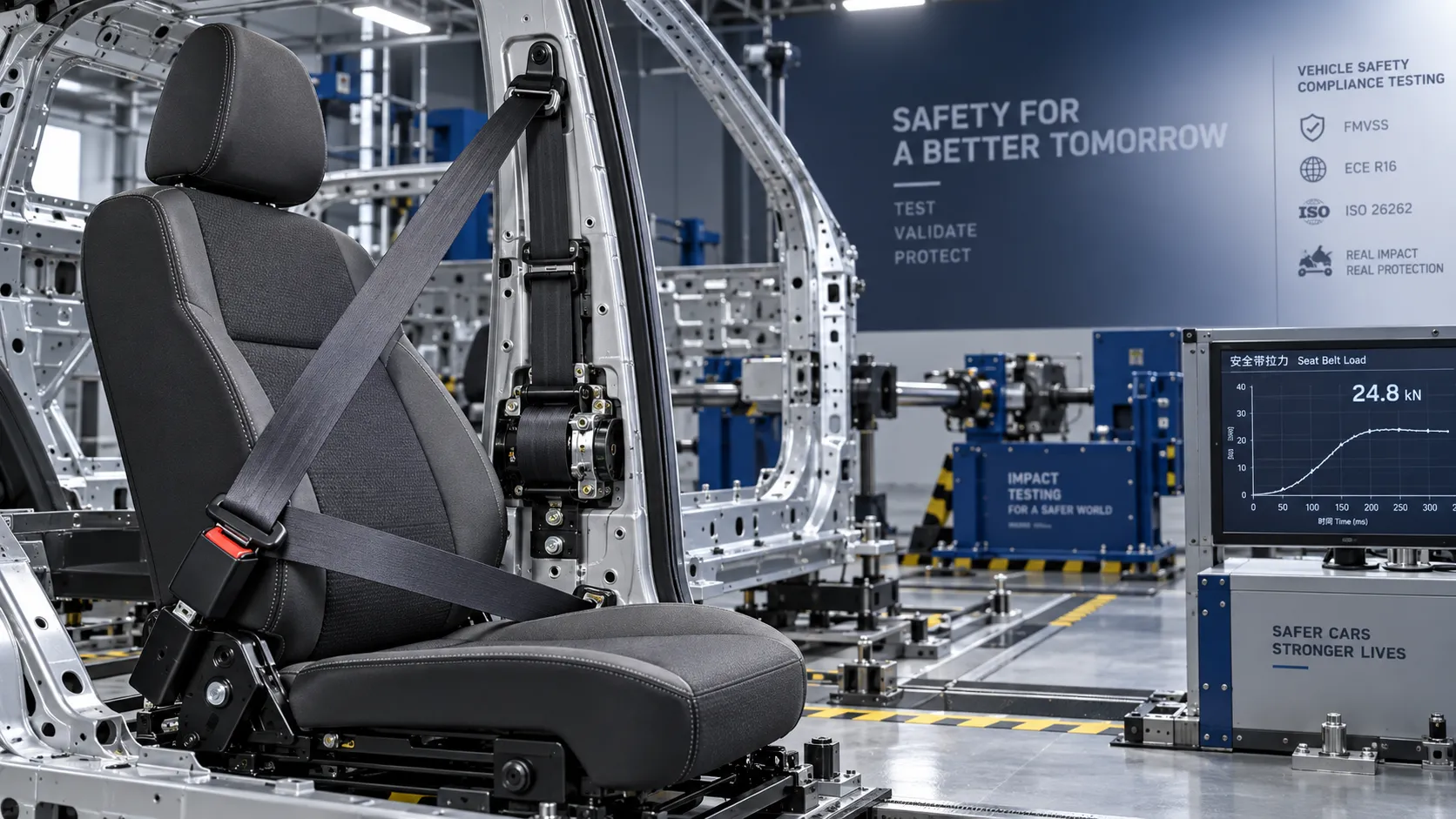
Crash Test Regulations for Seatbelts: Key Compliance Requirements Explained
Crash test regulations seatbelts explained: explore FMVSS, UN rules, anchorage strength, and dynamic restraint testing for safer, compliant vehicle systems.
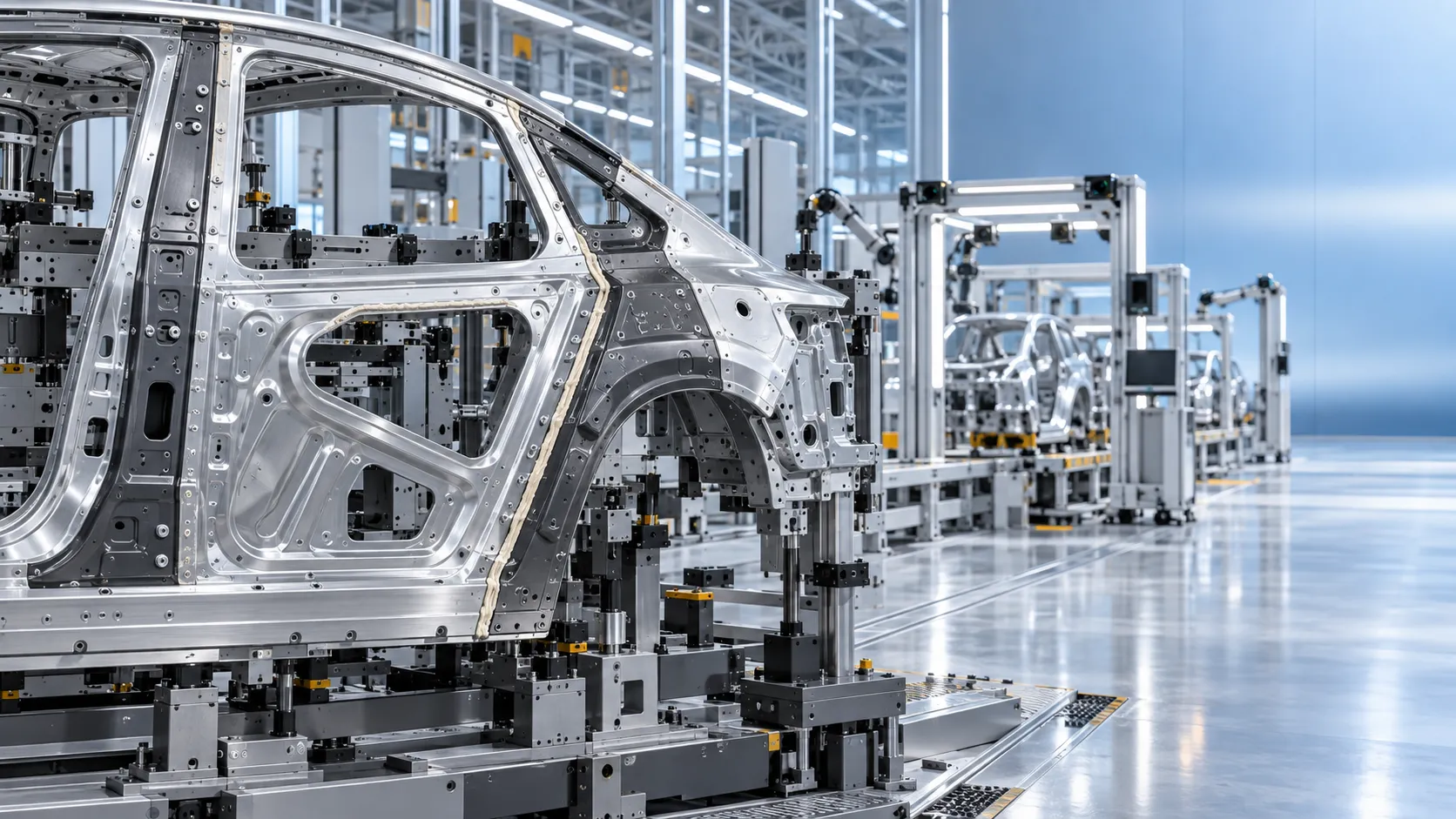
How to Calculate the Total Cost of Automotive Lightweighting for a Vehicle Program
Automotive lightweight solutions cost: learn how to calculate program-level costs, including materials, tooling, joining, validation, risk, and vehicle-level value.
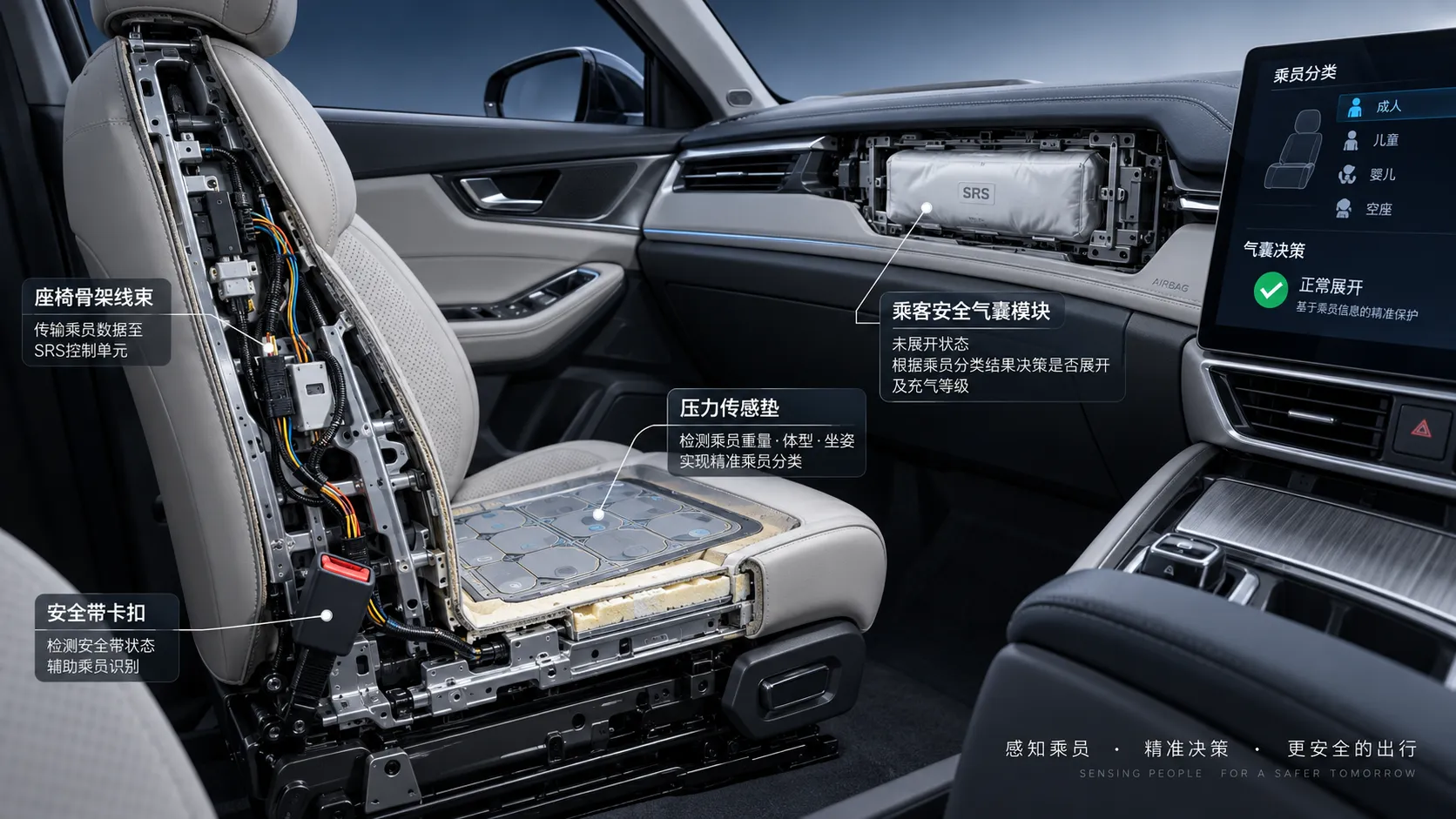
How Automotive Seat Occupancy Sensing Improves Airbag Deployment Decisions
Automotive seat occupancy sensing helps optimize airbag deployment decisions, improving passenger classification, safety diagnostics, and compliance across real-world conditions.
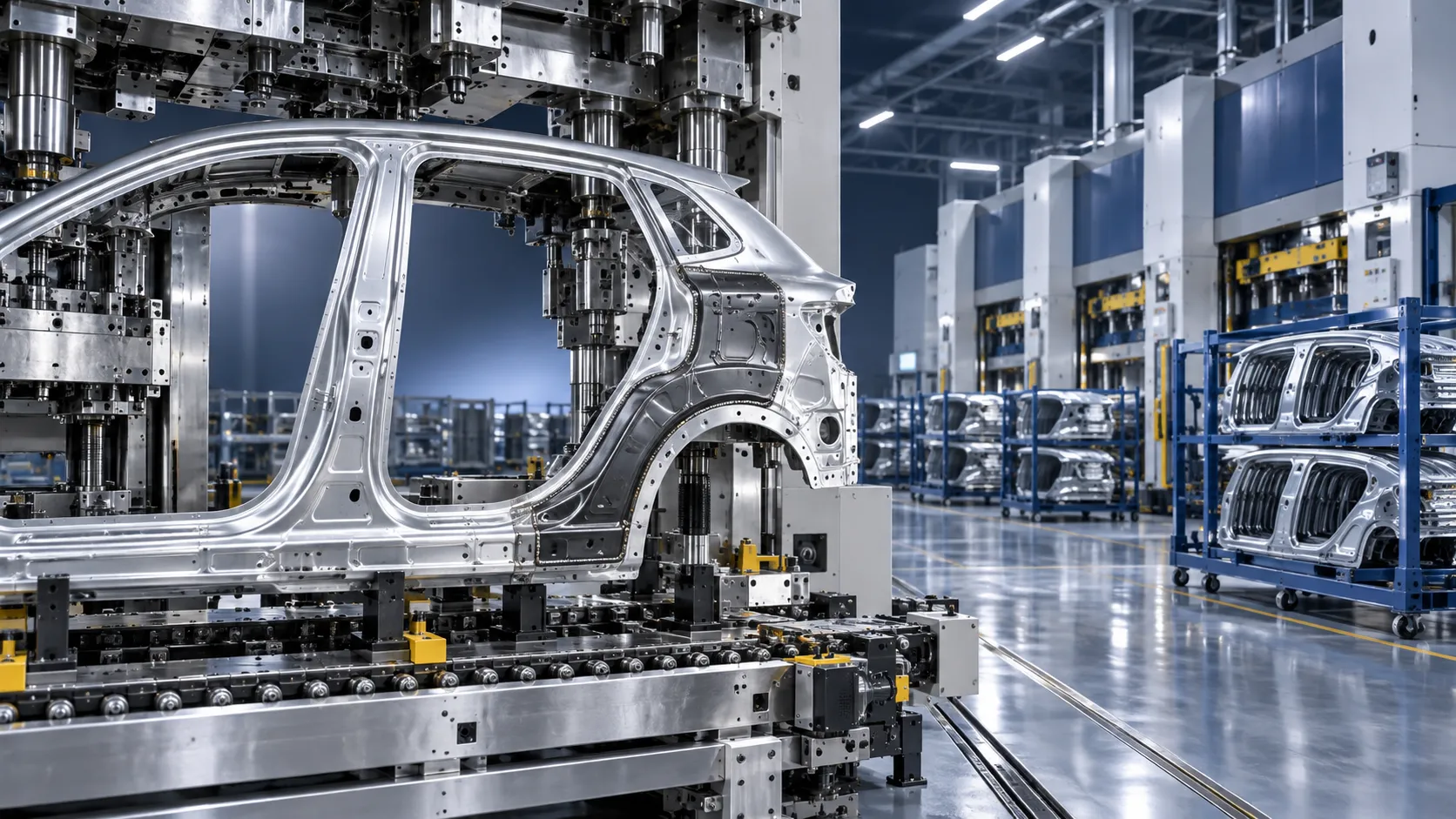
What Drives Lightweight Body Component Costs in High-Volume Vehicle Programs?
Lightweight body components cost depends on material yield, forming, joining, tooling, validation, and logistics. Explore proven ways to optimize total vehicle program cost.
Related News
- 00
0000-00
What European OEMs Should Evaluate When Sourcing Memory Seat Modules - 00
0000-00
How to Evaluate Custom Smart Automotive Seating for Premium Vehicle Programs? - 00
0000-00
How to Evaluate Custom Smart Seating Solutions for Comfort, Safety, and Integration? - 00
0000-00
What Affects Memory Seat Modules Price? Cost Drivers and Spec Trade-Offs - 00
0000-00
Smart Seat Systems Price Breakdown: What Drives Cost Across Sensors, Motors, and Modules?
Weekly Insights
Stay ahead with our curated technology reports delivered every Monday.