
Intelligent Cabin Systems: Which Features Matter Most for New Models?
As automakers race to differentiate new models, intelligent cabin systems have become a decisive factor for safety, comfort, and brand value. For project managers and engineering leaders, the real challenge is not adding more features, but prioritizing the ones that improve occupant protection, user experience, system integration, and long-term compliance. This article explores which capabilities matter most and how to align cabin innovation with practical development goals.
For most teams evaluating intelligent cabin systems, the core question is simple: which features create measurable product value without adding unnecessary integration risk, cost, or validation burden. The short answer is that the most important features are not always the most visible ones. In new vehicle programs, the strongest priorities are usually occupant monitoring, smart seating intelligence, passive safety coordination, intuitive human-machine interfaces, and software architectures that remain upgradeable over the vehicle lifecycle.
For project managers and engineering leads, this means feature selection should be based on system impact rather than novelty. A panoramic display may look impressive at launch, but if driver distraction increases, thermal loads rise, wiring becomes more complex, and compliance testing expands, the business case can weaken quickly. By contrast, cabin features that improve safety performance, support platform reuse, reduce warranty risk, and enable future software updates often deliver better long-term returns.
What is the real search intent behind “intelligent cabin systems” for new models?
When professionals search for this topic, they are rarely looking for a generic definition. They usually want a practical prioritization framework. They need to know which intelligent cabin systems deserve investment in current and next-generation vehicle platforms, how those features influence safety and user experience, and where the technical and commercial trade-offs sit.
In the context of new model development, the search intent is closely tied to decision making. Readers want to compare feature categories, understand what matters most to end users and regulators, and avoid overengineering. For engineering organizations, the interest is even more specific: which systems can be integrated on schedule, validated efficiently, and scaled across trims or regions without creating downstream complexity.
That is why broad discussions about “the future cockpit” are often less useful than focused analysis. Teams need guidance on prioritization, integration dependencies, data handling, compliance exposure, cost impact, and the relationship between comfort functions and core cabin safety performance.
Which cabin features matter most in new vehicle programs?
The most valuable intelligent cabin systems tend to fall into five priority groups. These are the systems most likely to influence safety outcomes, user satisfaction, feature differentiation, and platform competitiveness at the same time.
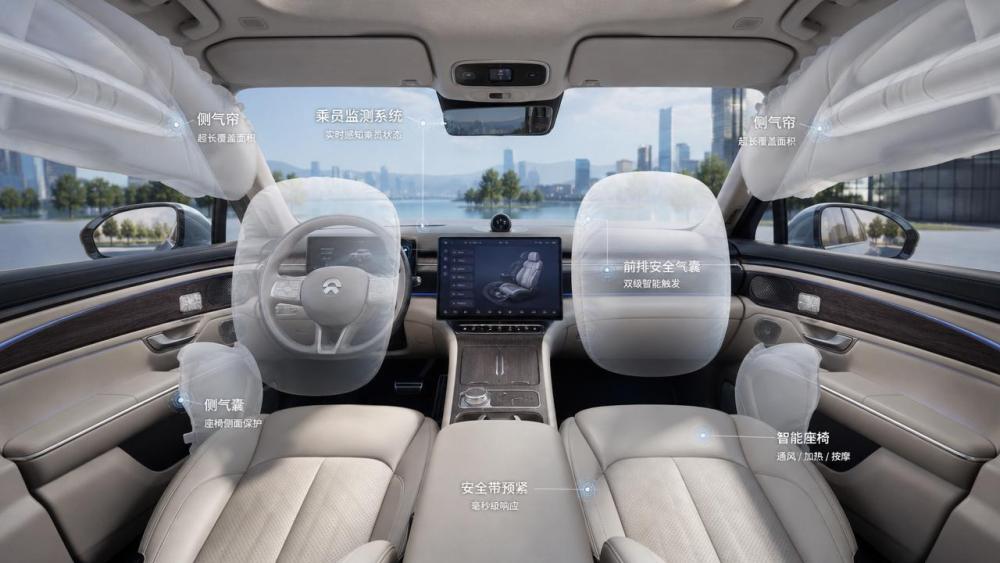
1. Occupant monitoring and in-cabin sensing. Camera-based and sensor-fusion occupant monitoring is moving from a premium feature to a strategic requirement. It supports driver attention tracking, child presence detection, seat occupancy classification, airbag deployment logic, and seatbelt reminder intelligence. For project teams, this is a high-value feature because it links user safety, regulation readiness, and software-defined expansion potential.
2. Smart seating systems. Seats are no longer just comfort modules. In advanced cabins, they integrate posture sensing, memory profiles, fatigue reduction, heating and ventilation control, and even biometrics. For vehicles targeting premium segments, long-distance travel, or semi-automated driving scenarios, seat intelligence has direct impact on perceived quality and occupant well-being. It also connects closely with passive safety packaging and restraint performance.
3. Integrated passive safety coordination. One of the most underestimated intelligent cabin systems is the coordination layer between seating position, seatbelt systems, airbag assemblies, and occupant classification. In modern cabins, safety systems should not operate as isolated components. Their intelligence comes from timing, data sharing, and adaptive response. Features that improve restraint adaptation across occupant sizes and seating postures matter more than cosmetic cabin effects.
4. Human-machine interface simplicity. Large displays and voice assistants receive attention, but what matters most is reduction of cognitive load. The best HMI systems are not the ones with the most functions. They are the ones that help drivers access essential controls quickly, interpret alerts correctly, and maintain focus. For project leaders, HMI value should be measured in usability, error reduction, and hardware-software efficiency, not only in screen size.
5. Upgradeable software and zonal or centralized electronics compatibility. New models increasingly depend on software continuity. Cabin features that can be updated over the air, diagnosed remotely, and reused across product lines offer stronger lifecycle value. Intelligent cabin systems should therefore be assessed not only as hardware features, but as part of an architecture strategy that supports future functions without redesigning the entire cabin network.
What do project managers and engineering leaders care about most?
Target readers in program management and engineering leadership usually care less about feature marketing language and more about execution realities. Their questions are direct. Will this feature improve safety ratings or customer perception? How much integration effort will it require? What new suppliers, sensors, software stacks, and validation scenarios will it introduce? Can it be reused on another platform? Will it create regional compliance issues?
They also care about timing and dependency management. Intelligent cabin systems often cross multiple domains, including seat structures, body electronics, occupant sensing, infotainment, restraint systems, thermal management, and cybersecurity. A feature that looks simple in a concept review can become difficult when packaging, latency, ECU allocation, or functional safety responsibilities are clarified.
Another top concern is whether the feature supports a clear trim strategy. Some cabin functions make sense only in premium variants, while others should be standardized because they improve baseline safety, reduce option complexity, or strengthen regulatory readiness. Decision makers need to know which category each feature belongs to before freezing the architecture.
How should teams prioritize intelligent cabin systems for real product value?
A practical prioritization model starts with four filters: safety contribution, user-perceived value, integration complexity, and lifecycle scalability. If a cabin feature scores well across at least three of these dimensions, it is usually a strong candidate for early development.
Safety contribution should be evaluated first. Does the feature improve occupant protection directly, support safer behavior, or enhance system response during a collision event? Occupant sensing, adaptive restraint coordination, and seatbelt intelligence typically score high here.
User-perceived value is the second filter. Does the customer notice and appreciate the function in daily use? Seat memory, personalized climate zones, intuitive alerts, and fatigue-reducing seating often perform well because they affect every trip, not just edge cases.
Integration complexity prevents teams from overcommitting. Some intelligent cabin systems require extensive rewiring, added compute power, new sensor cleaning strategies, expanded software testing, and human factors validation. Their value may still justify inclusion, but the complexity must be visible early.
Lifecycle scalability is especially important for platform planning. Can the feature be rolled out across trims, body styles, or future facelifts? Can software updates improve it later? Features with scalable architecture often create better return on engineering investment than standalone innovations tied to one model year.
Why occupant protection features should usually outrank comfort-only functions
In many new model discussions, comfort features receive disproportionate attention because they are easy to demonstrate. However, for long-term product strength, intelligent cabin systems connected to occupant protection usually deserve higher priority. They support safety ratings, regulatory alignment, legal defensibility, and brand trust in ways that ambient entertainment features cannot.
This is especially true as cabins become more flexible. Reclined seating positions, larger center screens, and alternative interior layouts all place pressure on restraint system assumptions. Without better occupant sensing and smarter coordination between seating, seatbelt systems, and airbags, these design freedoms can create safety performance gaps.
For engineering leaders, this means cabin intelligence should be treated as a protection ecosystem. Smart seating systems must be evaluated not only for comfort, but also for posture stability, sensor integration, crash compatibility, and how consistently they support seatbelt geometry and airbag effectiveness. The same logic applies to in-cabin monitoring. Its value is not just detecting distraction. It is helping the vehicle understand who is present, how they are positioned, and what protection response is appropriate.
How intelligent seating is becoming a strategic differentiator
Among all intelligent cabin systems, seating is becoming one of the most strategically important areas because it sits at the intersection of comfort, safety, packaging, and premium experience. For GNCS-aligned industries, this matters even more because smart seats link skeletal mechanics, sensing layers, climate management, and occupant protection logic in one assembly.
New models increasingly use seats to deliver visible innovation without compromising core architecture. Features such as pressure distribution sensing, automatic posture adjustment, memory-linked personalization, ventilation, and entry-exit assistance are easier for customers to appreciate than deeper software functions. Yet they also offer engineering value when designed correctly, because they can feed occupant state data into safety systems and reduce fatigue on long journeys.
The challenge is that intelligent seating can become expensive and difficult to validate if feature ambition is not matched with platform discipline. Project managers should therefore ask whether seat intelligence is modular, whether sensor placement is robust under real-world wear, whether thermal and electrical loads are controlled, and whether the software logic remains stable across occupant sizes and behaviors.
What integration risks are most often underestimated?
The first underestimated risk is sensor dependency. Many intelligent cabin systems rely on multiple inputs from cameras, pressure mats, buckle sensors, seat track position sensors, steering touch detection, microphones, and climate controls. If these inputs are not synchronized properly, feature reliability suffers. Poor calibration or inconsistent data quality can undermine both safety and customer trust.
The second risk is software interaction complexity. A single cabin event may affect several systems at once. For example, an occupant detection change can influence seatbelt reminders, airbag suppression logic, comfort settings, and HMI notifications. Without strong systems engineering and requirement traceability, conflicts appear late in validation.
The third risk is compliance spillover. Features that involve driver monitoring, in-cabin cameras, biometric sensing, or child detection may trigger privacy, cybersecurity, homologation, and regional legal review. Teams that treat these issues as post-design tasks often face delays.
The fourth risk is user acceptance. Some intelligent cabin systems are technically excellent but feel intrusive, confusing, or inconsistent in real use. A feature that misclassifies a bag as a passenger, generates too many warnings, or requires deep menu navigation can damage perceived quality even if it works as specified.
How to evaluate ROI without reducing the decision to cost alone
Return on investment for intelligent cabin systems should not be measured only by bill-of-material impact. Project leaders should weigh at least six factors: contribution to safety performance, effect on take rate, influence on brand positioning, platform reuse potential, software monetization or update value, and reduction of warranty or legal exposure.
For example, a robust occupant monitoring system may increase upfront cost, but it can support compliance pathways, strengthen adaptive restraint behavior, improve safety perception, and create a foundation for future driver state services. Likewise, a well-engineered smart seating platform may justify itself through trim differentiation, customer retention, and reduced redesign work in future models.
By contrast, some highly visible cabin features deliver weak strategic return if they cannot scale, require expensive hardware unique to one model, or create support issues after launch. This is why disciplined feature governance matters. The smartest choice is often the feature that serves both present product goals and future platform evolution.
A practical decision framework for new model teams
If your team is selecting intelligent cabin systems for a new model, start with a ranked matrix rather than a feature wish list. Group candidate functions into three tiers.
Tier 1: Must-have systems. These include features that support occupant protection, regulation readiness, core usability, and architecture continuity. Occupant monitoring, adaptive restraint coordination, reliable seat sensing, and intuitive HMI for critical controls usually belong here.
Tier 2: High-value differentiators. These features improve premium perception and daily comfort while still supporting strategic goals. Advanced smart seating, personalized cabin profiles, zoned thermal comfort, and refined voice interaction often fit this tier if their integration path is mature.
Tier 3: Nice-to-have features. These functions may support marketing but should not drive architecture decisions unless they serve a clear target segment. Decorative lighting complexity, novelty interaction modes, or highly specific entertainment functions often belong here.
Once this structure is in place, teams should validate each feature against supplier maturity, software readiness, regional regulation, serviceability, and cross-domain test requirements. That process often reveals that the best intelligent cabin systems are the ones that strengthen the vehicle as a whole, not just the showroom impression.
Conclusion: focus on systems that improve safety, usability, and scalability
For new vehicle programs, the intelligent cabin systems that matter most are the ones that combine occupant protection, clear user benefit, manageable integration, and long-term scalability. In practical terms, this usually means prioritizing occupant monitoring, smart seating intelligence, passive safety coordination, low-distraction HMI, and upgrade-ready electronic architecture ahead of purely cosmetic or isolated features.
For project managers and engineering leaders, the winning strategy is not to ask which cabin technologies are most fashionable. It is to ask which ones make the vehicle safer, easier to use, more competitive, and more future-ready without destabilizing the program. Teams that apply that lens will make better trade-offs, reduce launch risk, and build cabins that create lasting value rather than short-lived novelty.
In short, the future of intelligent cabin systems will be defined less by feature count and more by feature relevance. The best new models will be the ones where safety intelligence, seating innovation, and system architecture work together as one coherent cabin strategy.
Related News
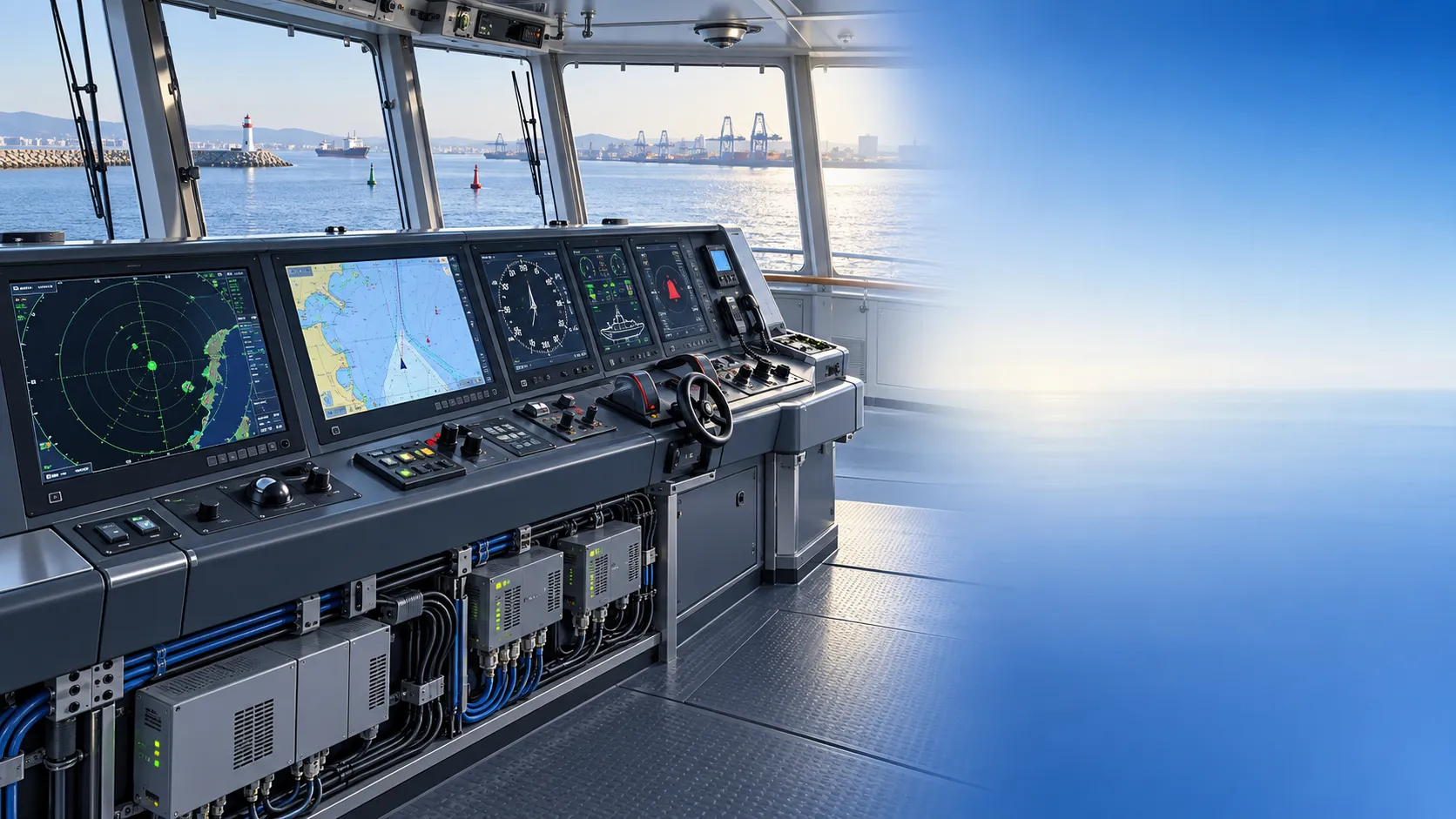
How to Specify Integrated Marine Electronics for Reliable Bridge Operations
Integrated marine electronics: learn how to specify reliable bridge systems with clear data flows, redundancy, alarm control, lifecycle interfaces, and operational testing.

How to Evaluate Navigation Radar Manufacturers for Commercial Vessel Projects
Navigation radar manufacturers: learn how to compare performance, compliance, integration, support, and lifecycle cost for commercial vessel projects.
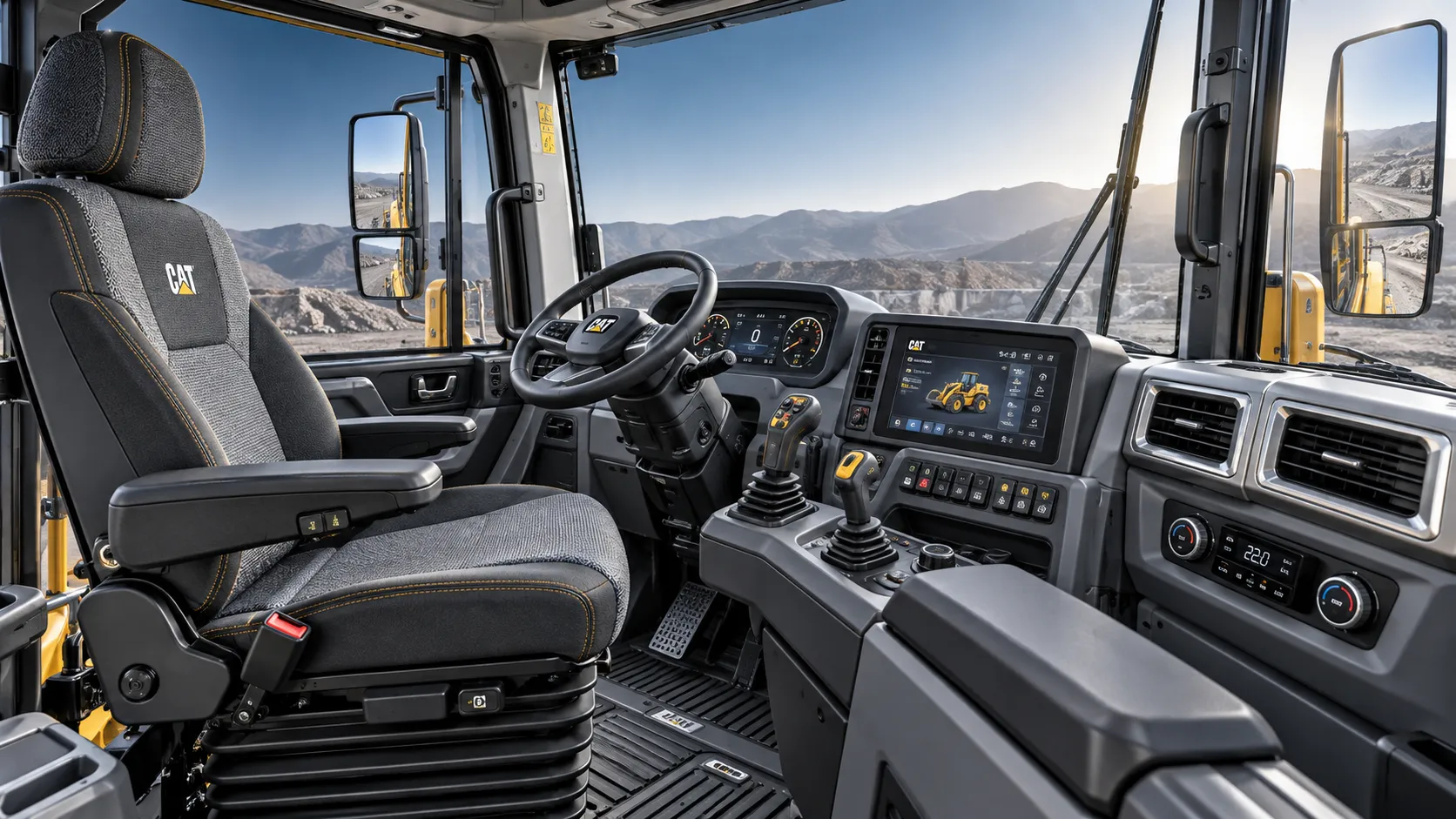
How Adjustable Cabin Ergonomics Reduce Operator Fatigue in Long-Shift Vehicles
Adjustable cabin ergonomics reduces operator fatigue through better seating, reach, visibility, vibration control, and climate comfort for safer long-shift vehicles.
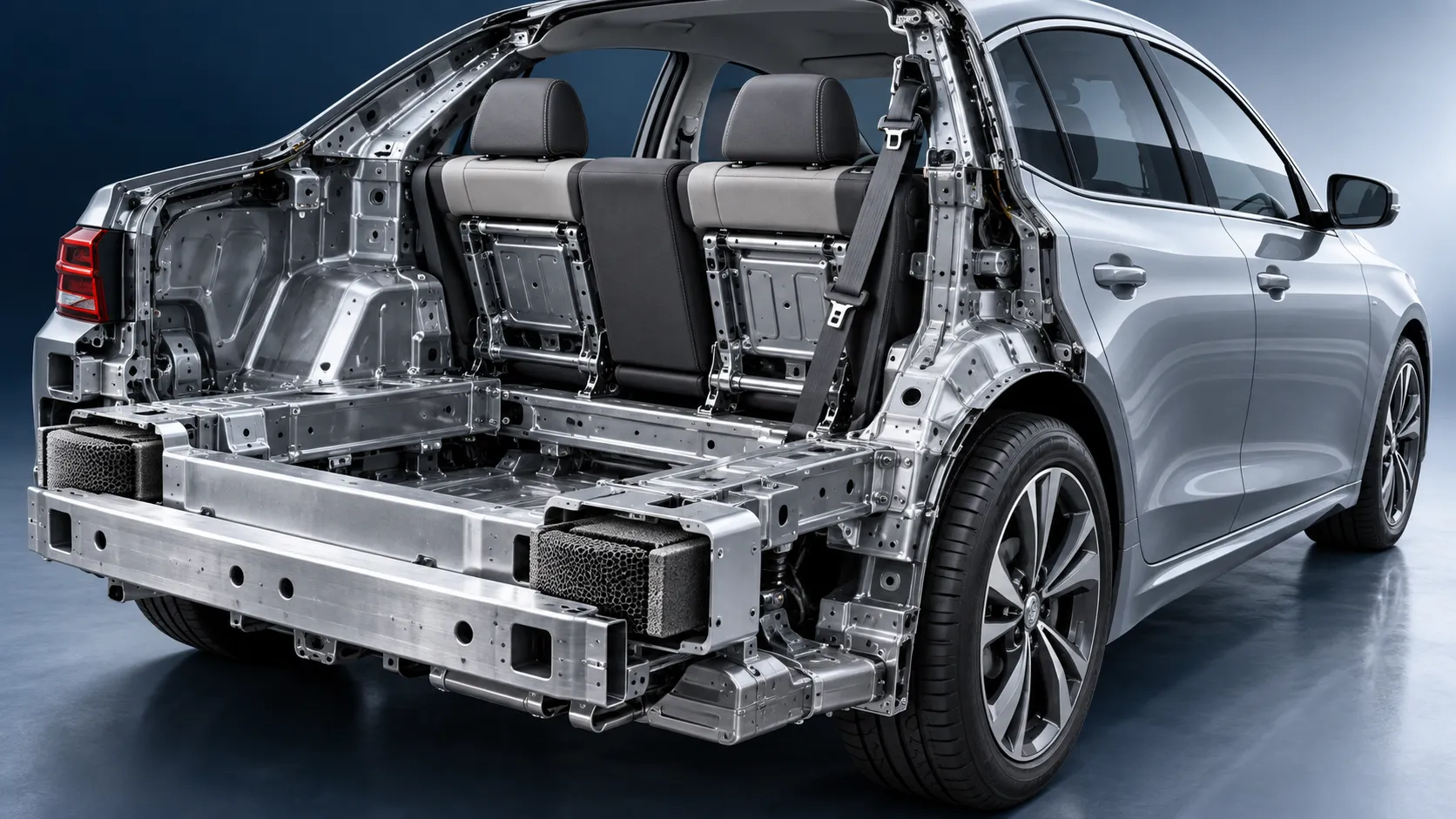
How Rear-Impact Safety Components Work Together to Protect Vehicle Occupants
Explore how automotive safety components for rear impact work together—from crash structures and seats to head restraints and belts—to enhance occupant protection.
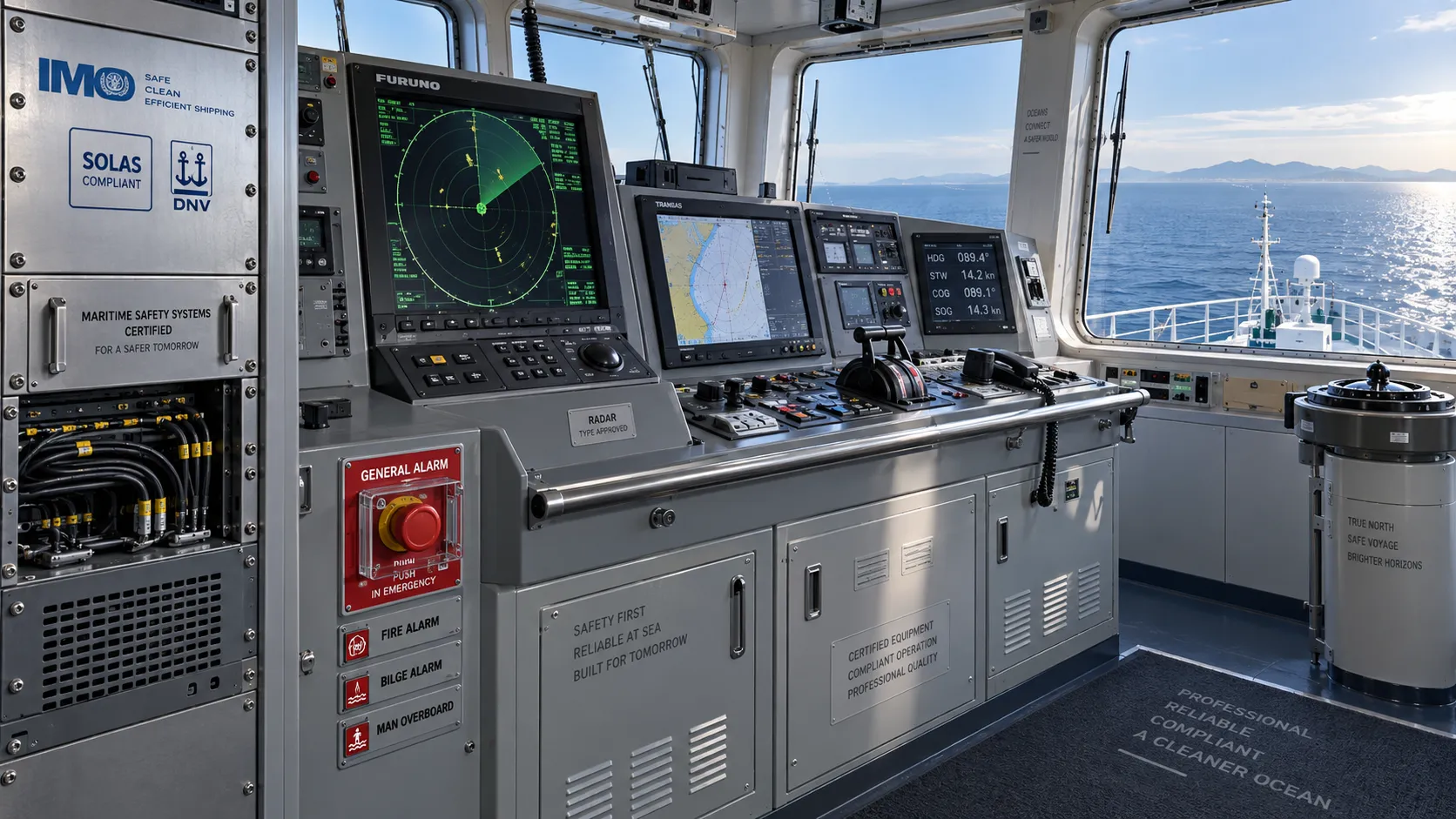
How to Evaluate a Marine Safety Systems Manufacturer for Vessel Compliance and Reliability
Marine safety systems manufacturer evaluation guide: verify compliance, engineering quality, lifecycle costs, and global service support for safer, reliable vessel operations.
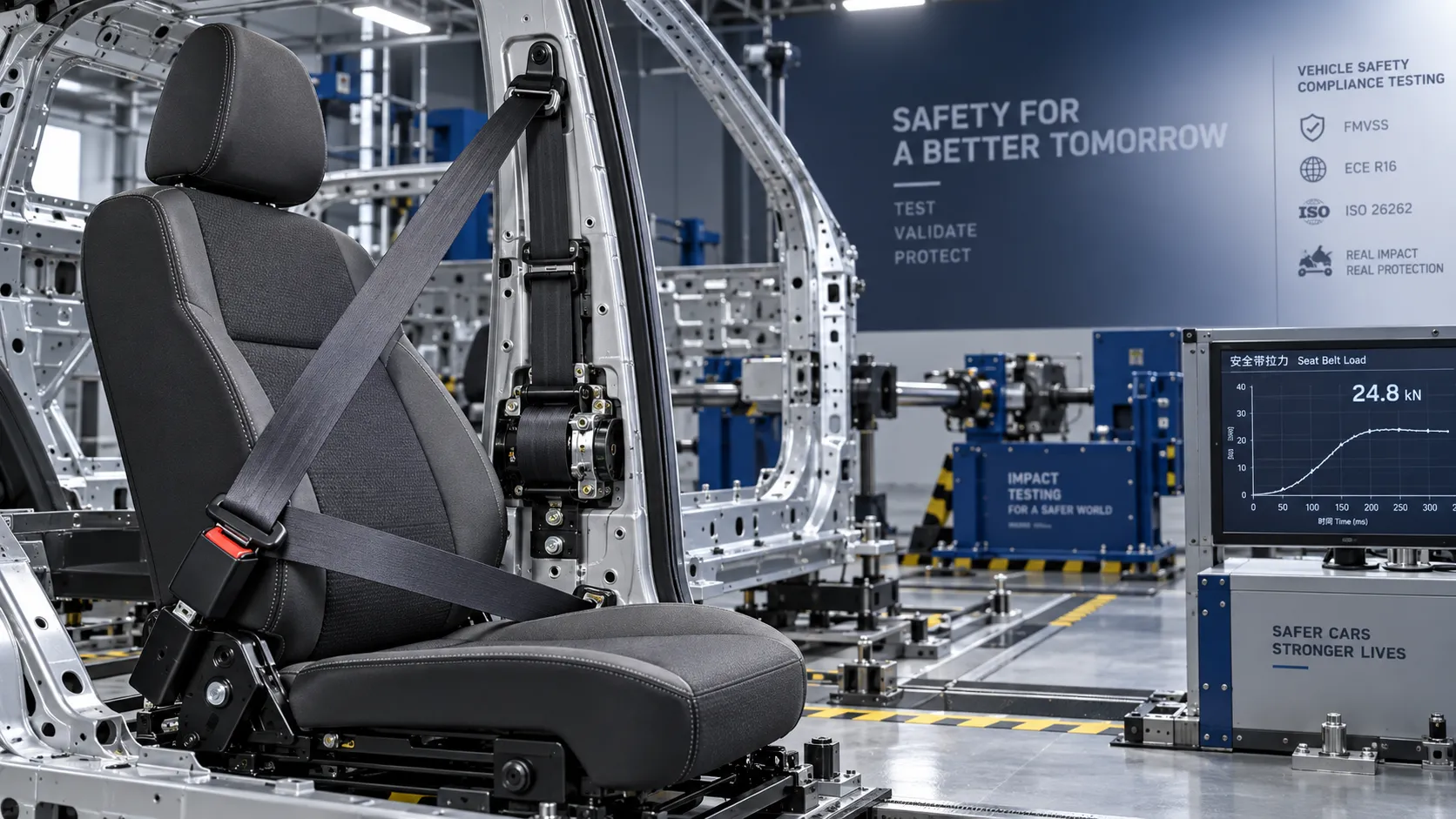
Crash Test Regulations for Seatbelts: Key Compliance Requirements Explained
Crash test regulations seatbelts explained: explore FMVSS, UN rules, anchorage strength, and dynamic restraint testing for safer, compliant vehicle systems.
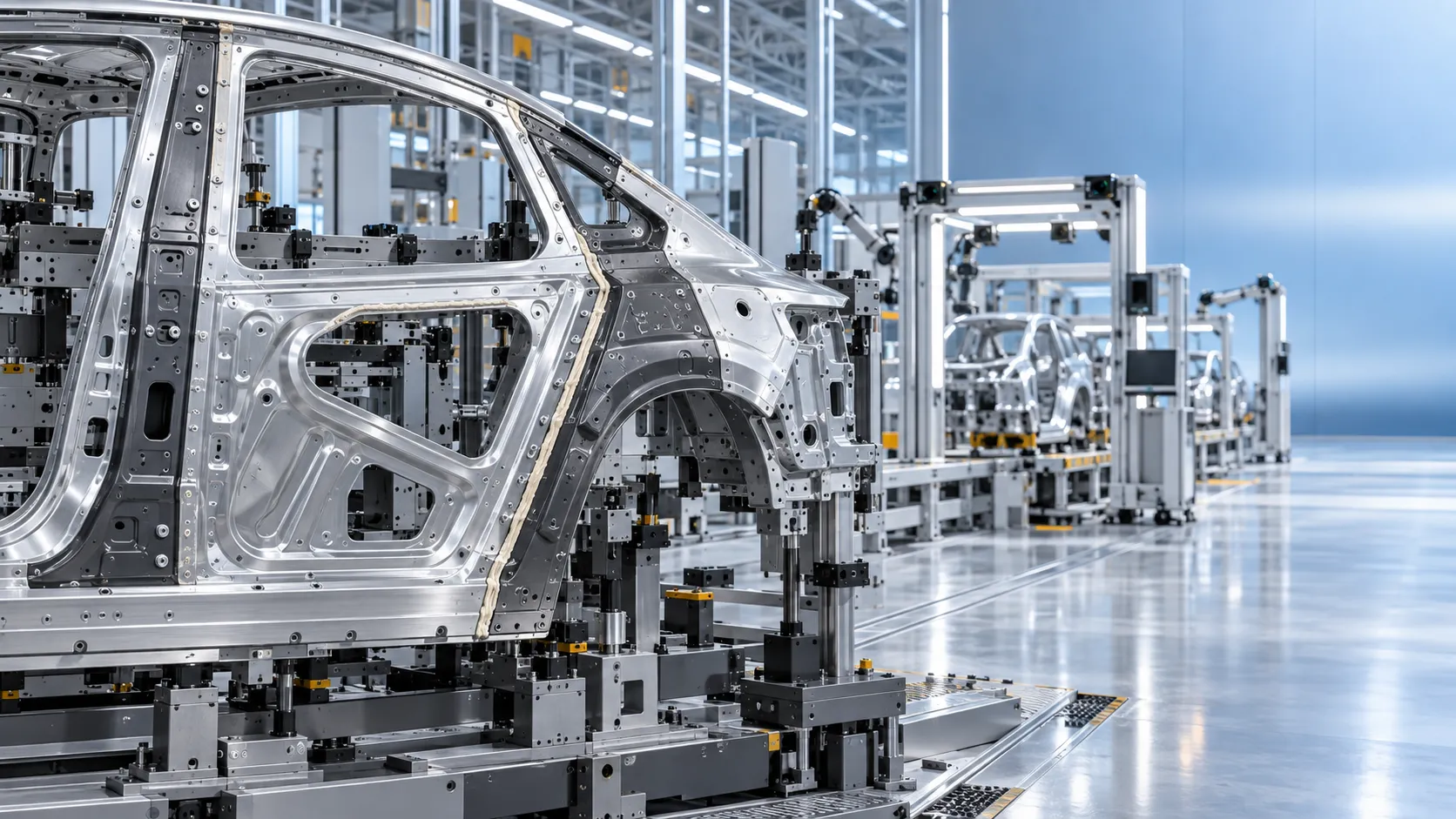
How to Calculate the Total Cost of Automotive Lightweighting for a Vehicle Program
Automotive lightweight solutions cost: learn how to calculate program-level costs, including materials, tooling, joining, validation, risk, and vehicle-level value.
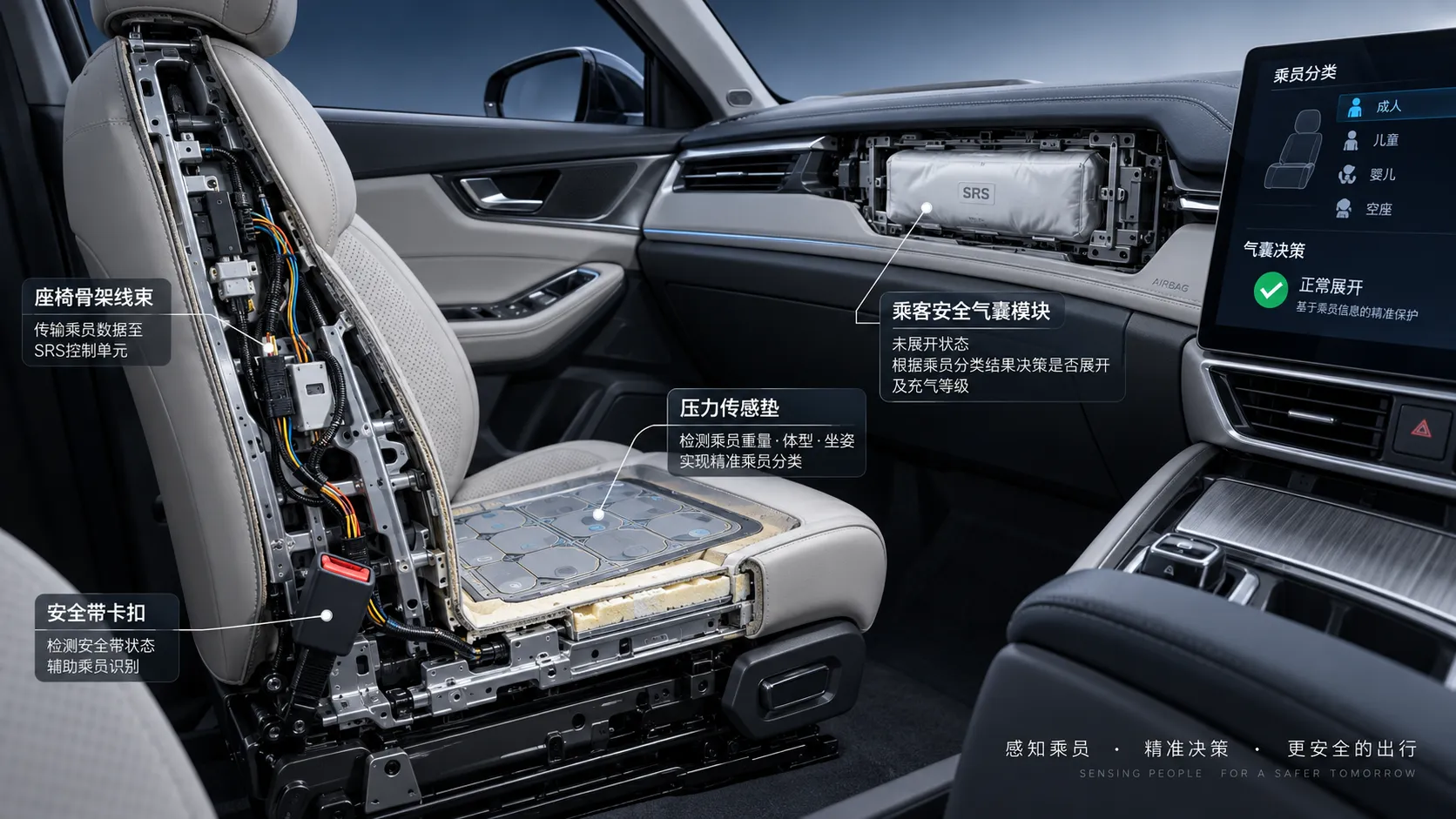
How Automotive Seat Occupancy Sensing Improves Airbag Deployment Decisions
Automotive seat occupancy sensing helps optimize airbag deployment decisions, improving passenger classification, safety diagnostics, and compliance across real-world conditions.
What Drives Lightweight Body Component Costs in High-Volume Vehicle Programs?
Lightweight body components cost depends on material yield, forming, joining, tooling, validation, and logistics. Explore proven ways to optimize total vehicle program cost.
Related News
- 00
0000-00
What European OEMs Should Evaluate When Sourcing Memory Seat Modules - 00
0000-00
How to Evaluate Custom Smart Automotive Seating for Premium Vehicle Programs? - 00
0000-00
How to Evaluate Custom Smart Seating Solutions for Comfort, Safety, and Integration? - 00
0000-00
What Affects Memory Seat Modules Price? Cost Drivers and Spec Trade-Offs - 00
0000-00
Smart Seat Systems Price Breakdown: What Drives Cost Across Sensors, Motors, and Modules?
Weekly Insights
Stay ahead with our curated technology reports delivered every Monday.