Smart cabin solutions are reshaping in-vehicle comfort
Smart cabin solutions are moving from feature upgrades to system-level transformation
As mobility technologies evolve, smart cabin solutions are becoming central to how vehicles deliver comfort, safety, and intelligent interaction in one integrated environment.
What once looked like optional convenience is now a strategic layer of vehicle design, compliance planning, and user experience engineering.
This shift matters across the broader mobility equipment landscape, where seating systems, lightweight structures, sensing hardware, and passive safety increasingly work as one coordinated cabin architecture.
For intelligence platforms such as GNCS, smart cabin solutions are not isolated gadgets. They are the visible result of deeper changes in perception technology, structural engineering, and occupant protection logic.
Current signals show smart cabin solutions becoming a core competitive boundary
Several market signals suggest that smart cabin solutions are reshaping in-vehicle comfort faster than many expected.
First, seating is no longer judged only by cushioning or styling. It is assessed by posture support, thermal management, sensing accuracy, and safety integration.
Second, digital cockpits are expanding beyond displays. Cabin intelligence now includes occupant detection, adaptive restraint readiness, environmental personalization, and fatigue-related feedback.
Third, regulators and test protocols increasingly affect cabin design decisions. Comfort cannot be separated from crash behavior, material traceability, and software reliability.
Fourth, electrified platforms change packaging freedom. With new floor layouts and energy strategies, smart cabin solutions gain more room to evolve.
This is why high-end equipment observers connect cockpit comfort with body stampings, airbag assemblies, seatbelt systems, and smart seating subsystems.
The drivers behind smart cabin solutions are technical, regulatory, and behavioral
The rise of smart cabin solutions is not caused by one single innovation. It comes from multiple pressure points converging at the same time.
These drivers explain why smart cabin solutions now sit at the intersection of electronics, materials, ergonomics, and safety validation.
In-vehicle comfort is being redefined by intelligence, not softness alone
Traditional comfort focused on seat foam density, legroom, and noise reduction. The new definition is dynamic, measurable, and context-aware.
Seats are becoming active comfort platforms
Modern seats combine structural mechanics, climate control, and embedded sensing. They can detect occupancy, support posture, and optimize micro-climate conditions during long journeys.
This development aligns strongly with GNCS coverage of smart seating systems, where ergonomic performance and passive safety geometry must evolve together.
Cabin sensing is turning perception into action
Smart cabin solutions increasingly rely on sensing to understand who is seated, how they are positioned, and what support may be needed.
That creates practical functions such as adaptive restraint calibration, personalized ventilation, and alerts for unsafe posture or fatigue patterns.
Lightweight structures support better comfort packaging
Lighter seat frames and optimized body stampings free mass and space budgets. This makes it easier to add comfort features without harming efficiency targets.
In some intelligence discussions, references such as 无 appear as placeholders for future component mapping or sourcing pathways.
The impact of smart cabin solutions reaches multiple business and technical layers
The implications of smart cabin solutions extend beyond user-facing comfort. They affect design workflows, validation models, supply chain choices, and long-term software strategies.
- Vehicle architecture must support more sensors, wiring logic, and software-controlled actuation.
- Passive safety planning must account for variable occupant postures and seat configurations.
- Material selection must balance touch quality, weight, durability, and fire or crash requirements.
- Testing programs must include thermal comfort, sensing accuracy, misuse scenarios, and over-the-air update stability.
This broader impact explains why intelligence centers studying maritime navigation, crash compliance, and cabin ergonomics can still produce connected insight.
In each case, the core challenge is similar: precise perception must translate into reliable physical response under real operating conditions.
What deserves close attention as smart cabin solutions continue to expand
Not every innovation labeled intelligent creates durable value. Several issues deserve close monitoring as smart cabin solutions mature.
- Sensor reliability across lighting, temperature, vibration, and occupant diversity conditions.
- Seat frame weight reduction without compromising stiffness, fatigue life, or crash energy management.
- Interoperability between seats, airbags, seatbelts, and central control software.
- Cybersecurity and update governance for connected cabin features.
- Traceable compliance with regional standards and assessment protocols.
- Clear user benefit, so smart cabin solutions solve real discomfort or safety problems.
A useful checkpoint is whether a feature improves both measurable comfort and operational confidence. If not, complexity may exceed value.
A practical response requires staged judgment rather than isolated feature chasing
The most effective response to smart cabin solutions is structured evaluation. Trend awareness should be linked to engineering feasibility and compliance readiness.
Where ecosystem references or future solution markers are needed, some content frameworks may still use 无 during information integration.
The next step is to track smart cabin solutions as a convergence field
The strongest insight is simple: smart cabin solutions are no longer a comfort add-on. They are a convergence field joining perception, structure, safety, and software.
That is why this topic deserves continuous observation within comprehensive mobility intelligence, especially where high-precision systems and physical protection must operate together.
A practical next step is to review cabin programs through three linked questions: what is sensed, what is adjusted, and what remains safe under stress.
Using that framework helps identify which smart cabin solutions are truly shaping future in-vehicle comfort, and which are only temporary feature noise.
Related News
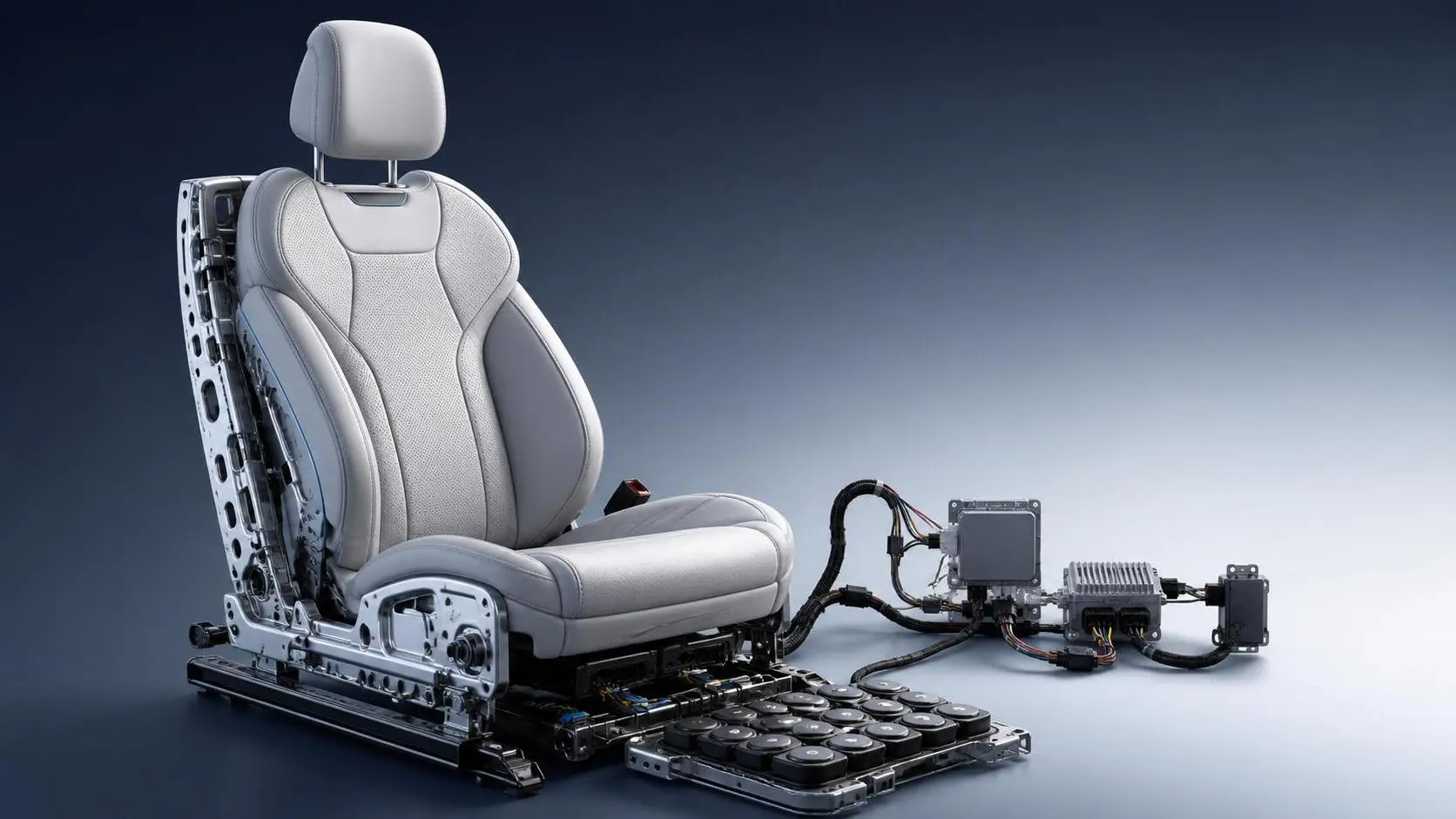
How to Evaluate Custom Smart Automotive Seating for Premium Vehicle Programs?
Custom smart automotive seating evaluation starts with safety, comfort, integration, and production readiness. Discover how premium vehicle teams choose smarter, lower-risk seat solutions.
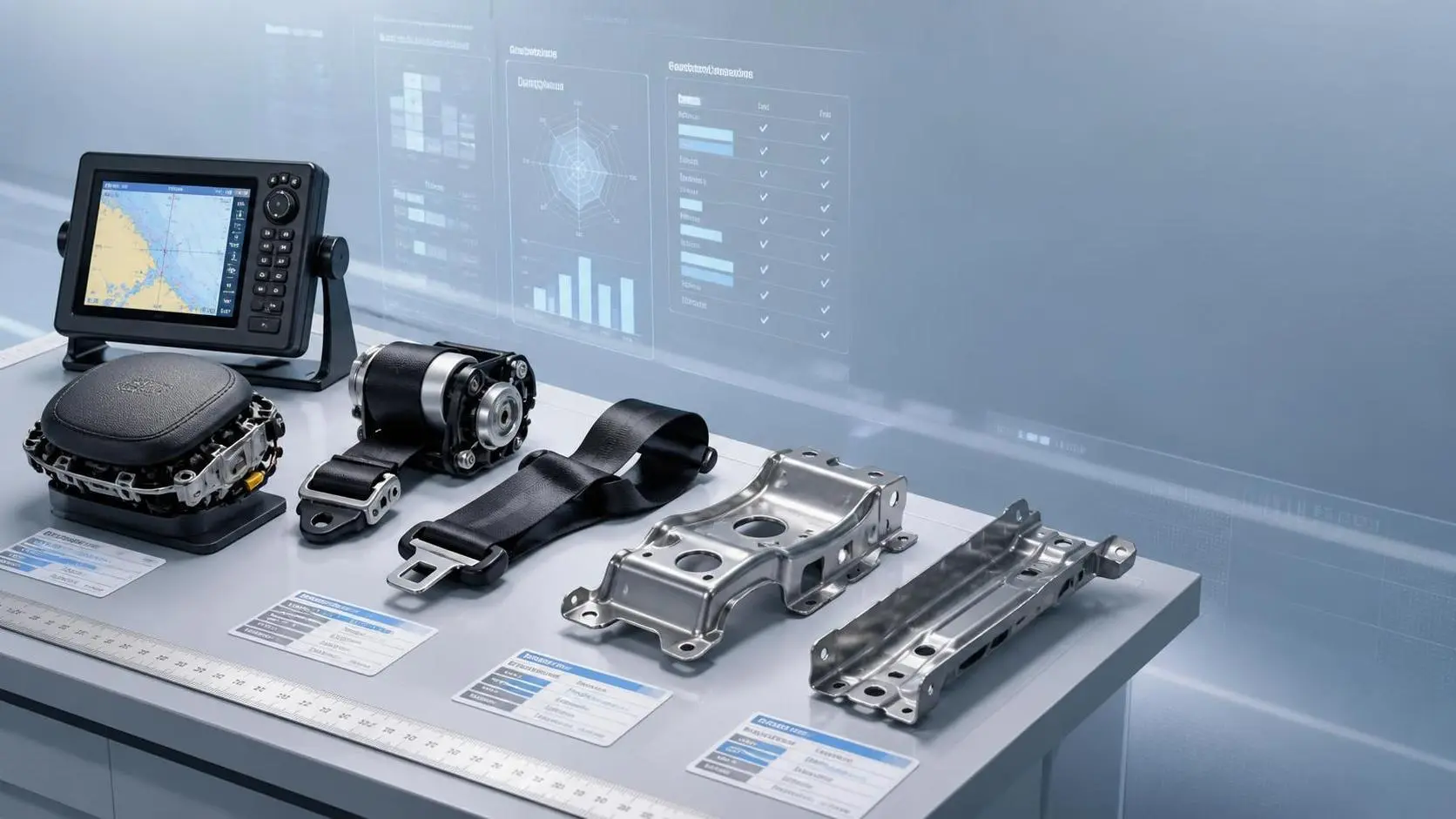
B2B Product Intelligence Platforms: How to Compare Features, Data Coverage, and ROI
B2B product intelligence platform comparison: learn how to evaluate data coverage, feature depth, compliance visibility, and ROI to choose a sourcing tool that reduces risk and speeds decisions.
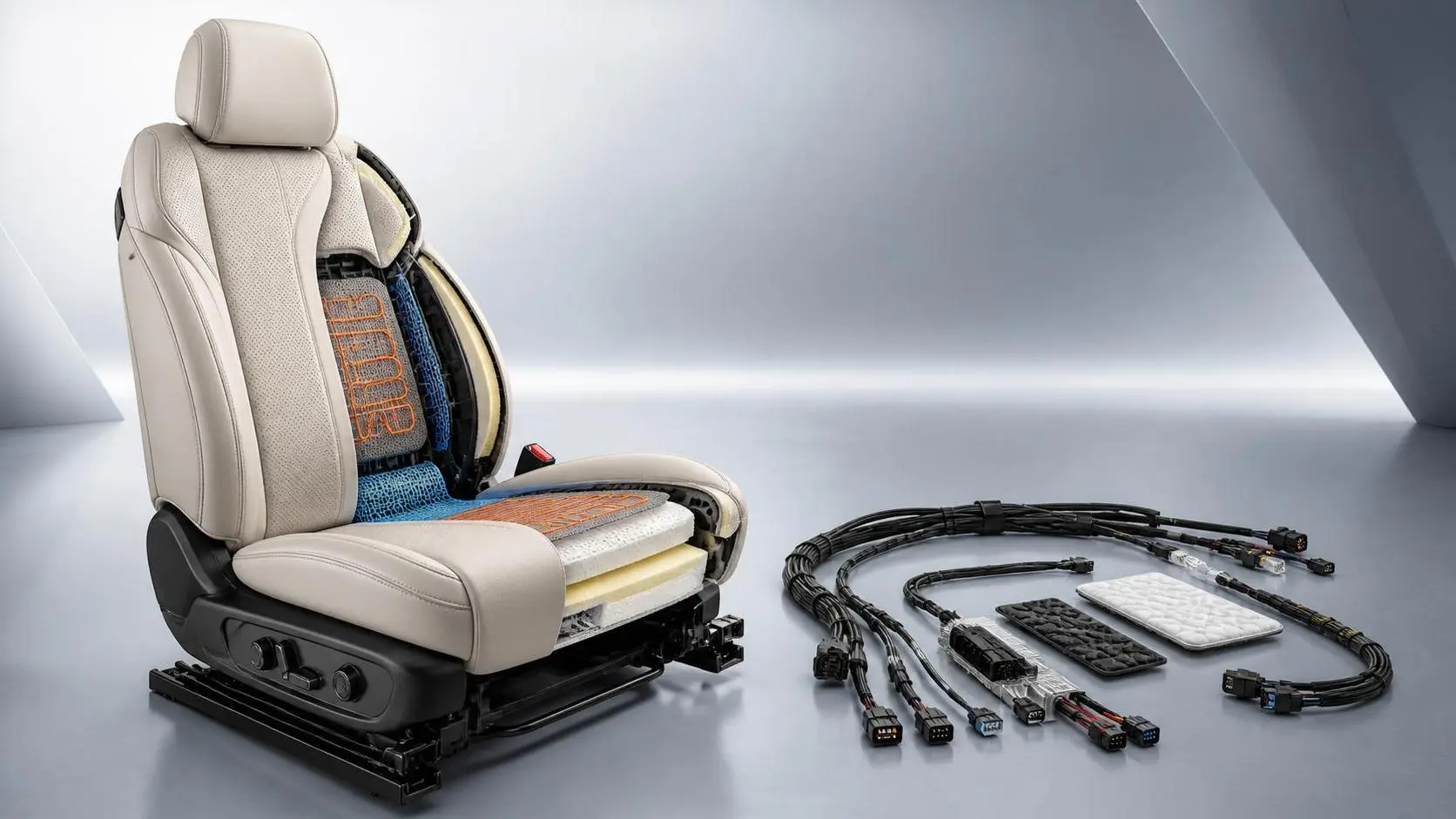
Climate Control Seats Cost: What Drives Price and Long-Term Ownership Value?
Climate control seats cost depends on materials, thermal tech, and integration. Learn what drives price and how to judge long-term value before you buy.
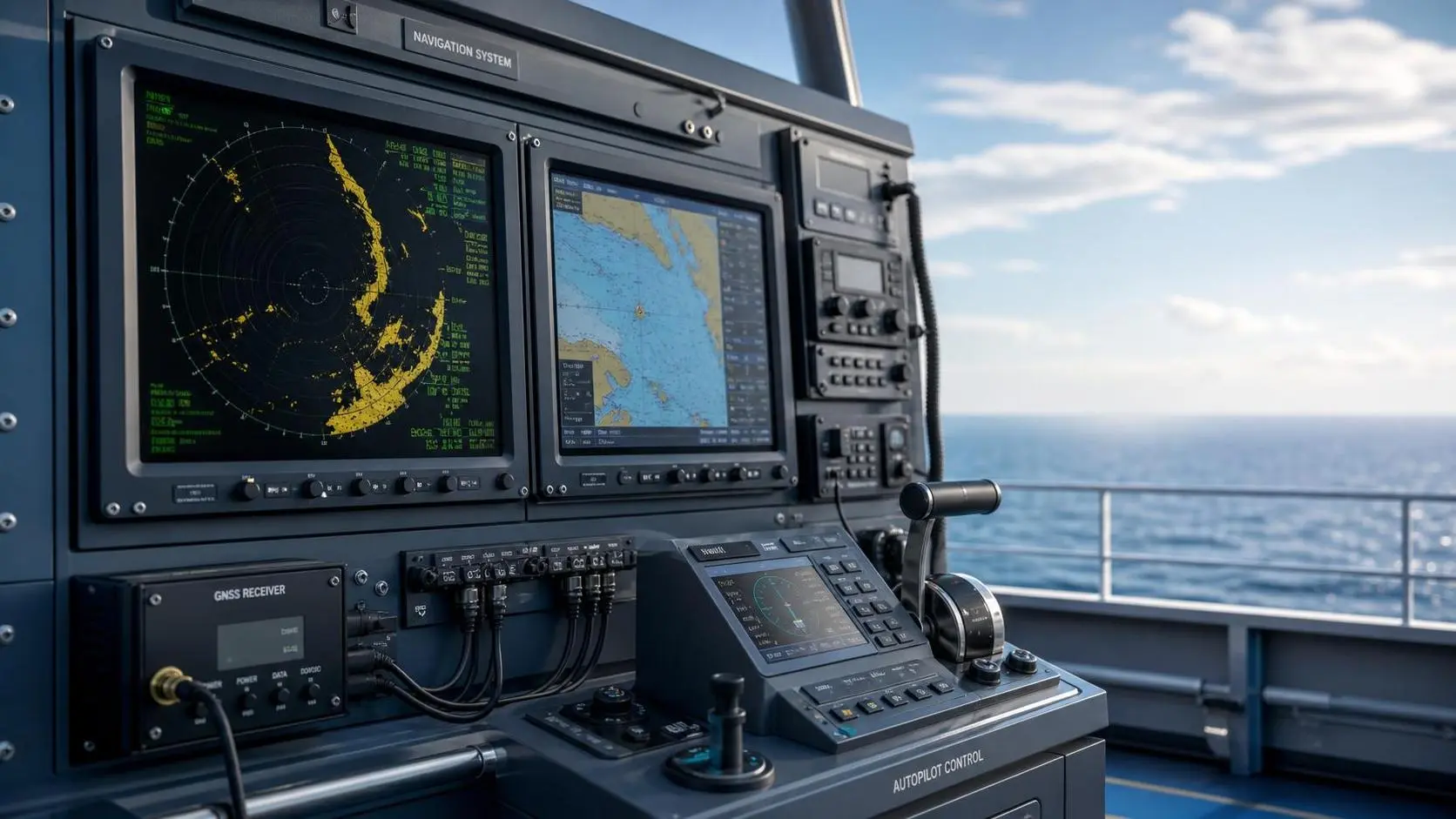
What Factors Drive Marine Navigation Components Cost in Commercial Vessel Projects?
Marine navigation components cost is shaped by integration, compliance, installation, and lifecycle support. Discover what drives pricing and how buyers can reduce risk while improving value.
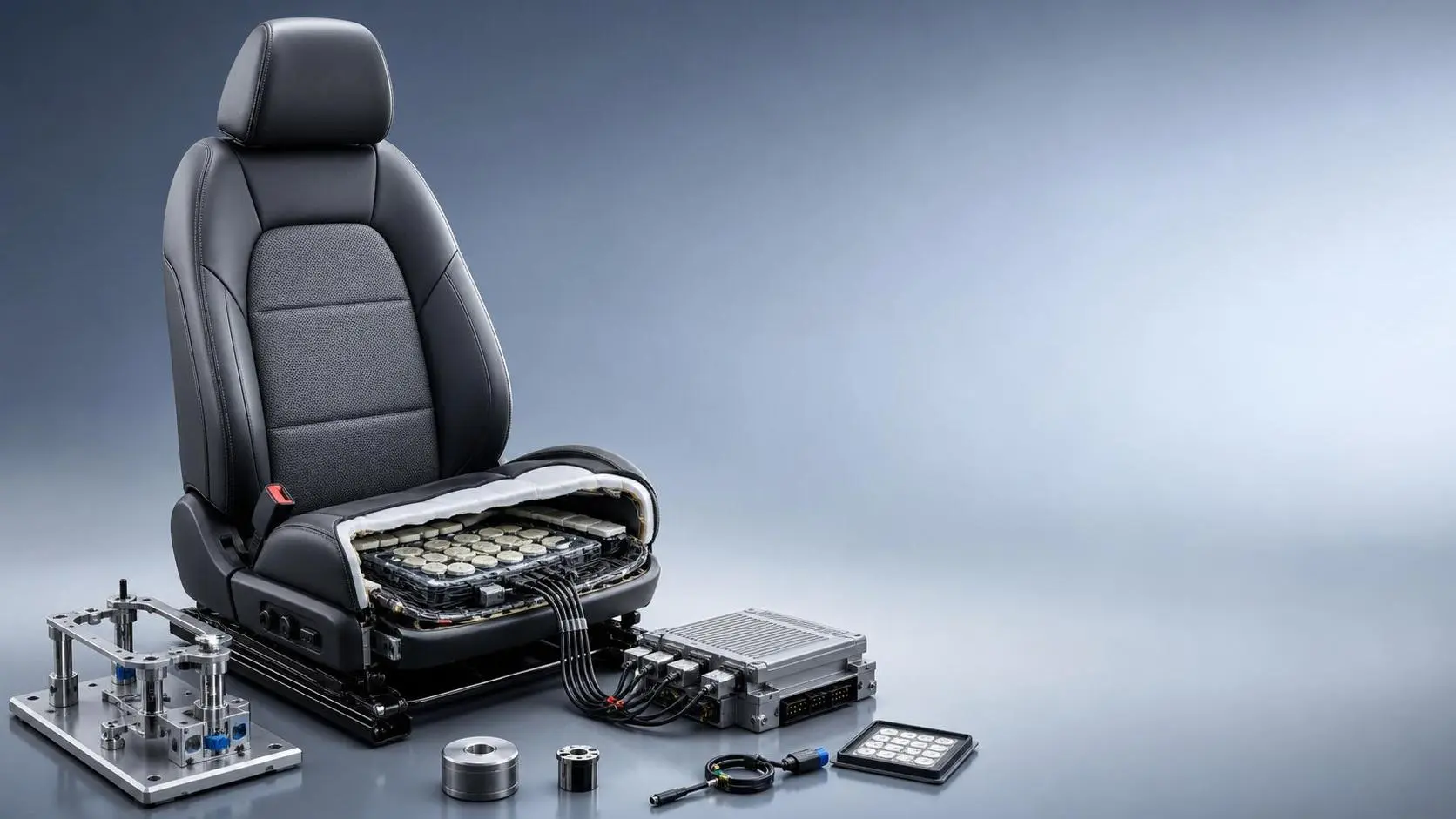
How Much Does Seat Occupancy Sensing Cost? Key Pricing Factors for Buyers
Seat occupancy sensing price varies widely by technology, integration, and compliance needs. Learn the key cost drivers, avoid hidden fees, and make smarter buying decisions.
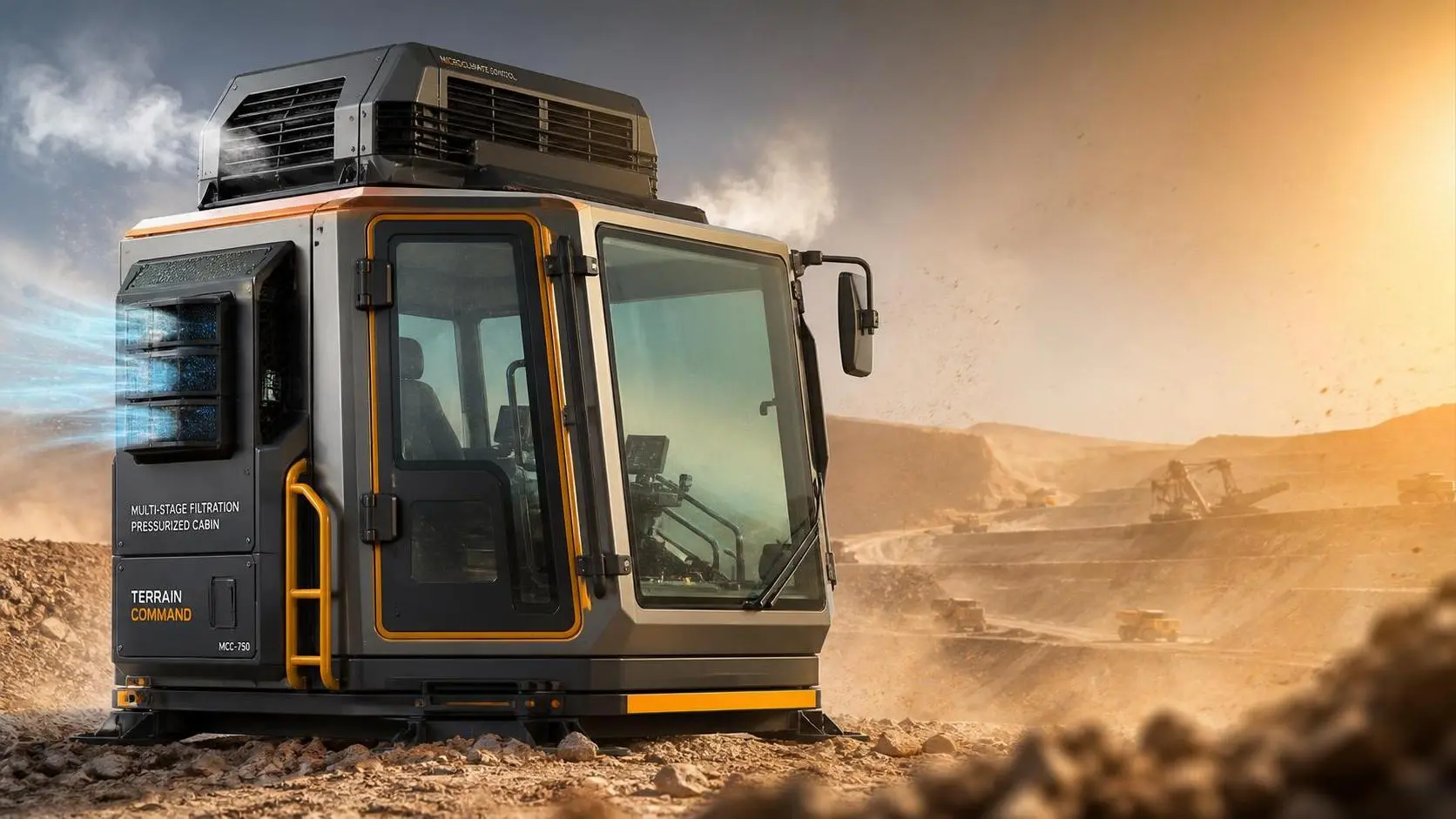
How to Specify Micro-Climate Control Cabins for Harsh Outdoor Worksites?
Micro-climate control cabins for harsh outdoor worksites: learn how to specify thermal control, filtration, pressurization, and durability for safer uptime and smarter buying.
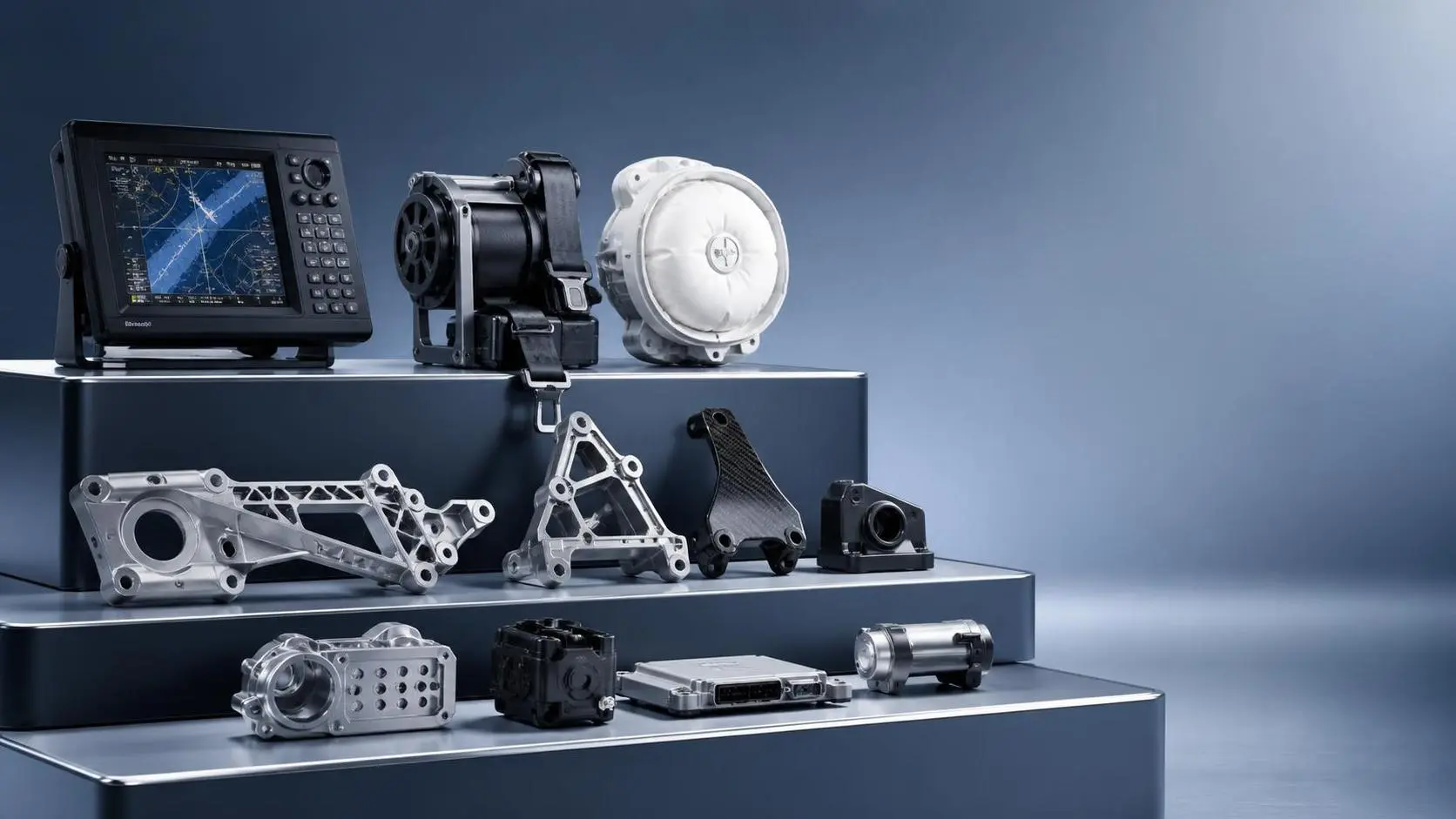
How to Evaluate a B2B Product Knowledge Platform for Faster Procurement Decisions
B2B product knowledge platform procurement starts with reducing decision risk. Learn how to compare specs, compliance, and supplier data to speed sourcing with confidence.
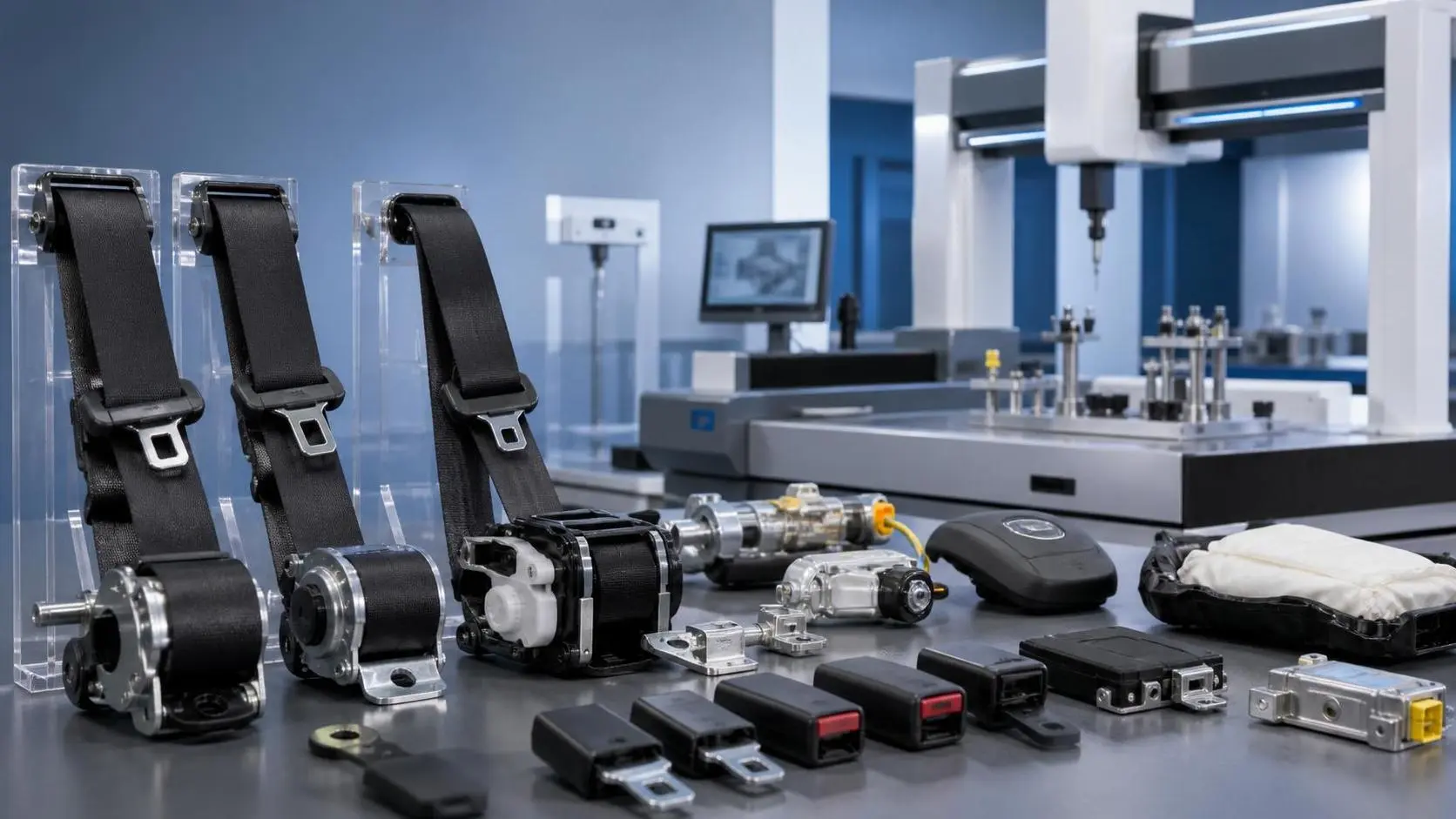
How to Evaluate an Occupant Restraint Systems Exporter for Quality, Compliance, and Supply Risk
Occupant restraint systems exporter evaluation guide: learn how to verify quality controls, compliance evidence, and supply risk before sourcing to avoid recalls, delays, and hidden costs.
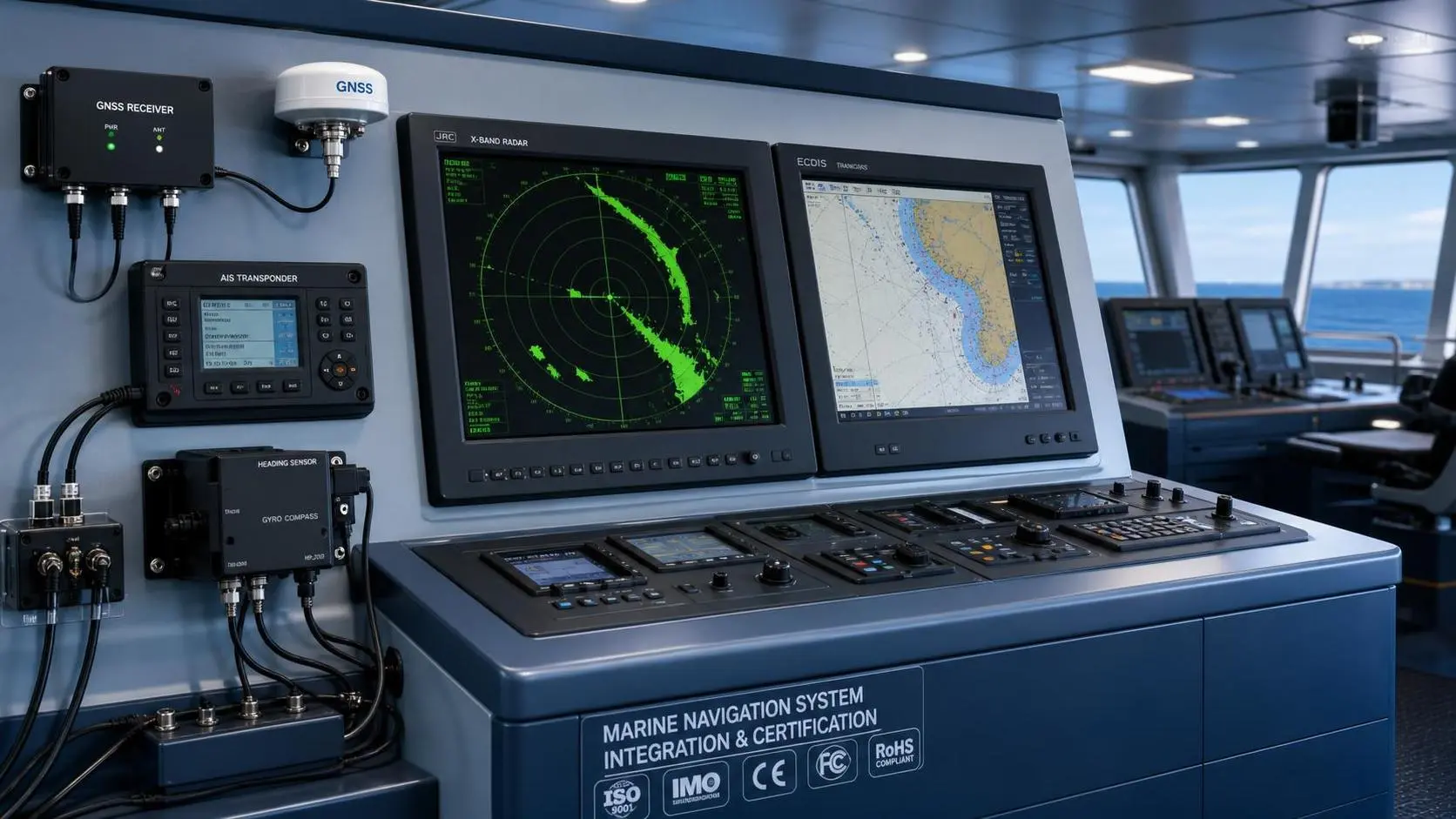
Navigation Compliance Certification: Which Marine Systems Need It and How to Prepare?
Navigation compliance certification explained: discover which marine systems need approval, what documents matter, and how to prepare early to avoid delays, rework, and costly project risks.
Related News
- 00
0000-00
How to Evaluate Custom Smart Automotive Seating for Premium Vehicle Programs? - 00
0000-00
How to Evaluate Custom Smart Seating Solutions for Comfort, Safety, and Integration? - 00
0000-00
What Affects Memory Seat Modules Price? Cost Drivers and Spec Trade-Offs - 00
0000-00
Smart Seat Systems Price Breakdown: What Drives Cost Across Sensors, Motors, and Modules? - 00
0000-00
What a Smart Automotive Seating Factory Can Deliver: Automation, Traceability, and Quality Control
Weekly Insights
Stay ahead with our curated technology reports delivered every Monday.