
Lightweight Body Components: Where They Deliver the Best Value in Vehicle Design
Where lightweight body components create measurable value
Lightweight body components matter most when mass reduction improves more than one target at once.
In vehicle development, that usually means efficiency, crash response, emissions compliance, and packaging freedom moving together.
The strongest gains rarely come from chasing the lightest part everywhere.
They come from placing lightweight body components in zones where stiffness paths, energy flow, and joining strategy already support the change.
That is why GNCS often frames lightweighting through the same lens used for passive safety and structural intelligence.
A lighter panel is valuable only if it still works with crash load paths, seat anchorage, restraint timing, and manufacturing limits.
In practice, the best value appears in vehicle zones where every kilogram removed supports range, handling, or compliance without creating new downstream penalties.
Why different vehicle zones ask for different decisions
Not all lightweight body components carry the same job.
A closure panel, a rocker reinforcement, and a seat cross-member face very different stress histories.
Some parts mainly affect inertial mass and center of gravity.
Others shape intrusion control, belt geometry stability, or repair economics after minor impacts.
This is where many programs misjudge lightweight body components.
They compare material density, yet overlook forming complexity, corrosion management, mixed-material joining, and regional crash protocols.
A sound decision starts with the operating scenario of the part, not the material brochure.
The usual questions behind the specification
- Does the component influence primary crash load paths or mainly local stiffness?
- Will lower mass improve range, braking, ride, or rollover behavior in a visible way?
- Can current stamping, casting, bonding, or welding assets handle the material change?
- Will repairs, validation cycles, and certification become more difficult?
Closures and upper body zones often show the fastest return
Hoods, doors, liftgates, and roof structures are common starting points for lightweight body components.
The reason is simple.
These zones sit higher on the vehicle, so weight reduction improves center of gravity as well as total mass.
That matters in electric crossovers, performance sedans, and larger multi-purpose vehicles.
Aluminum closures often deliver value when outer panel quality, corrosion design, and hinge durability are under control.
Composite liftgates can work well when geometry is complex and local hardware loads are carefully reinforced.
Roof modules are different.
Here, lightweight body components can improve rollover dynamics, yet they must not weaken roof crush performance or noise control.
The better judgment is to weigh mass benefit against sealing strategy, glass integration, and assembly tolerance sensitivity.
Underbody and side structures reward precision, not aggressive substitution
Programs often assume the heaviest underbody parts should be replaced first.
In reality, this is where lightweight body components require the most discipline.
Floor cross-members, rockers, pillars, and battery protection structures are deeply tied to crash energy management.
If a material switch changes deformation timing, restraint systems may need recalibration.
That adds cost beyond the part itself.
This is why hot-stamped steel remains highly competitive in lower structures.
It supports thin-wall design while preserving high intrusion resistance.
Lightweight body components in these zones deliver the best value when engineers redesign the section, not when they only swap materials.
Tailored blanks, multi-thickness stampings, and selective reinforcement usually outperform simplistic substitution.
Where the trade-off becomes more demanding
Side impact and small-overlap conditions expose weak assumptions quickly.
A lighter rail or pillar may look efficient in isolation.
Yet if joining methods reduce local robustness, the full body response can degrade.
GNCS regularly tracks this cross-functional link between body stampings and passive safety outcomes.
That perspective is useful because structural mass, airbag timing, and belt load management rarely behave as separate topics.
Electric platforms change where lightweight body components pay back
Battery-electric vehicles change the business case for lightweight body components.
The battery already adds substantial mass and shifts packaging priorities.
That makes weight reduction in upper body and closure systems especially attractive.
It can recover handling balance without directly touching the battery enclosure.
At the same time, lightweight body components around the floor become more sensitive.
They must protect cells during pole impacts, road strikes, and offset crashes.
This leads to a split strategy.
Use lighter materials where mass sits high or far from crash-critical load paths.
Keep highly engineered steel or hybrid structures where containment and energy absorption dominate.
Material choice works best when joining and validation stay realistic
Lightweight body components are not chosen by material strength alone.
They succeed when the full manufacturing route stays stable.
Aluminum can remove significant mass, but springback control and galvanic corrosion protection must be resolved early.
Magnesium offers strong savings in selected brackets or seat-related structures, yet creep, coating, and joining limits narrow its practical window.
Composites reduce part count in some closures and modules.
Still, cycle time, repair methods, and dimensional repeatability can become bottlenecks.
For many programs, the highest-value lightweight body components are still advanced steel parts redesigned through hot stamping and section optimization.
They fit existing automotive safety logic while protecting industrial feasibility.
The common misreads that weaken a lightweighting program
One frequent mistake is valuing lightweight body components by kilogram saved alone.
A part may become lighter, while tooling cost, scrap rate, and revalidation expense erase the benefit.
Another weak assumption is treating similar vehicle types as identical.
A city EV, a premium SUV, and a commercial van absorb value from lightweight body components in very different ways.
- Ignoring seat, belt, and airbag interactions after structural changes.
- Underestimating repair network readiness for mixed-material structures.
- Assuming laboratory corrosion results equal real service durability.
- Using one global solution despite different IIHS, E-NCAP, or local demands.
The better approach is to read lightweight body components as part of a system.
GNCS emphasizes this systems view because body structures, passive safety hardware, and cabin packaging influence one another under real loads.
A practical way to judge fit before launch
Before approving new lightweight body components, map the decision in layers.
Start with the vehicle zone and the role it plays during impact and normal use.
Then compare material options against joining method, tooling capability, corrosion plan, and repair route.
Finally, check whether the expected mass reduction improves the platform target that matters most.
That may be EV range, rollover margin, payload, small-overlap performance, or total program cost.
If the answer remains vague, the component is probably not the right first move.
The best next step is to rank lightweight body components by scenario value, not by technical novelty.
Review upper body zones, closure modules, and structural safety parts separately.
Then define the limits on crash behavior, manufacturability, validation effort, and lifecycle cost before freezing the architecture.
Related News

How to Specify Integrated Marine Electronics for Reliable Bridge Operations
Integrated marine electronics: learn how to specify reliable bridge systems with clear data flows, redundancy, alarm control, lifecycle interfaces, and operational testing.

How to Evaluate Navigation Radar Manufacturers for Commercial Vessel Projects
Navigation radar manufacturers: learn how to compare performance, compliance, integration, support, and lifecycle cost for commercial vessel projects.
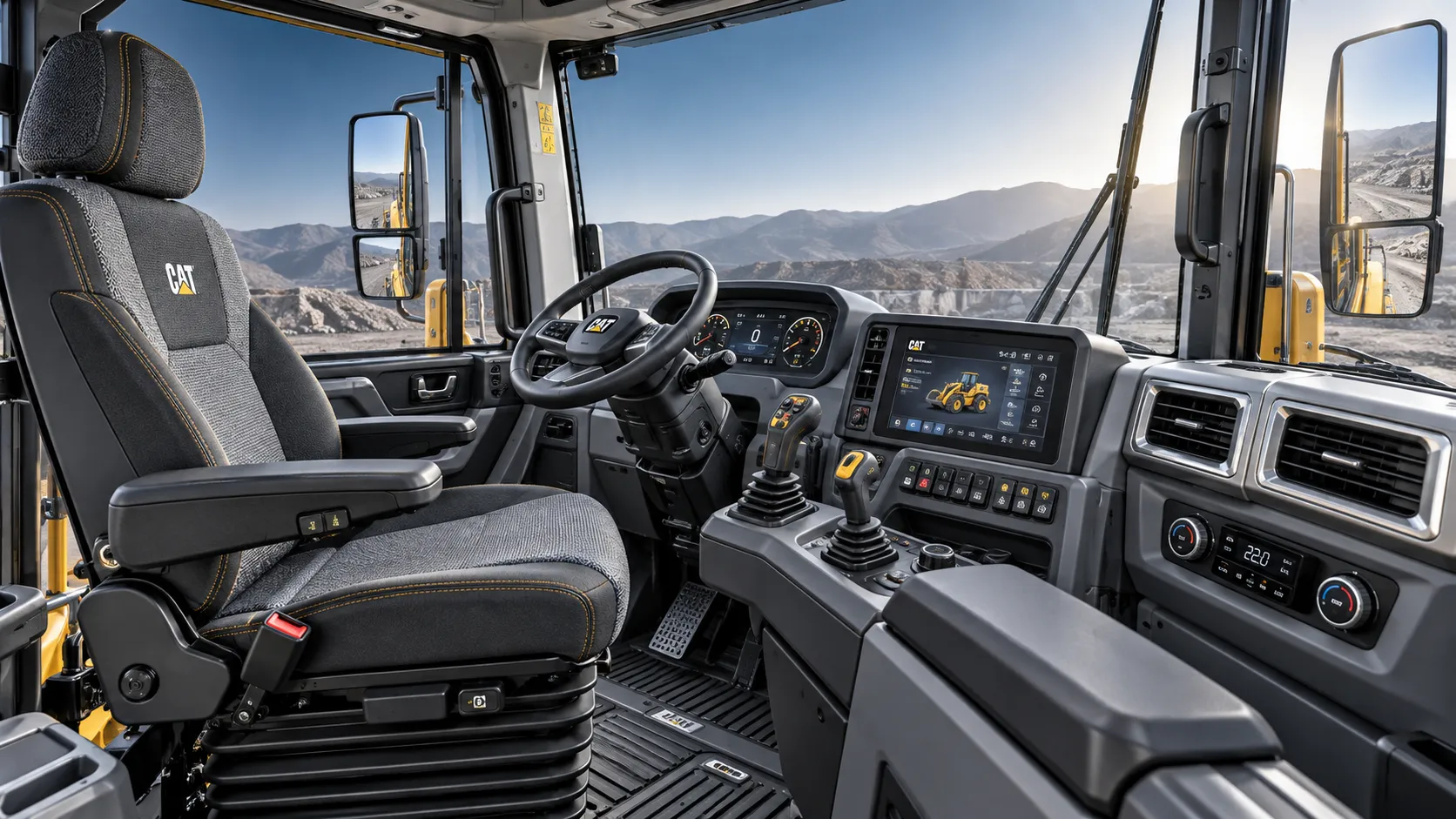
How Adjustable Cabin Ergonomics Reduce Operator Fatigue in Long-Shift Vehicles
Adjustable cabin ergonomics reduces operator fatigue through better seating, reach, visibility, vibration control, and climate comfort for safer long-shift vehicles.
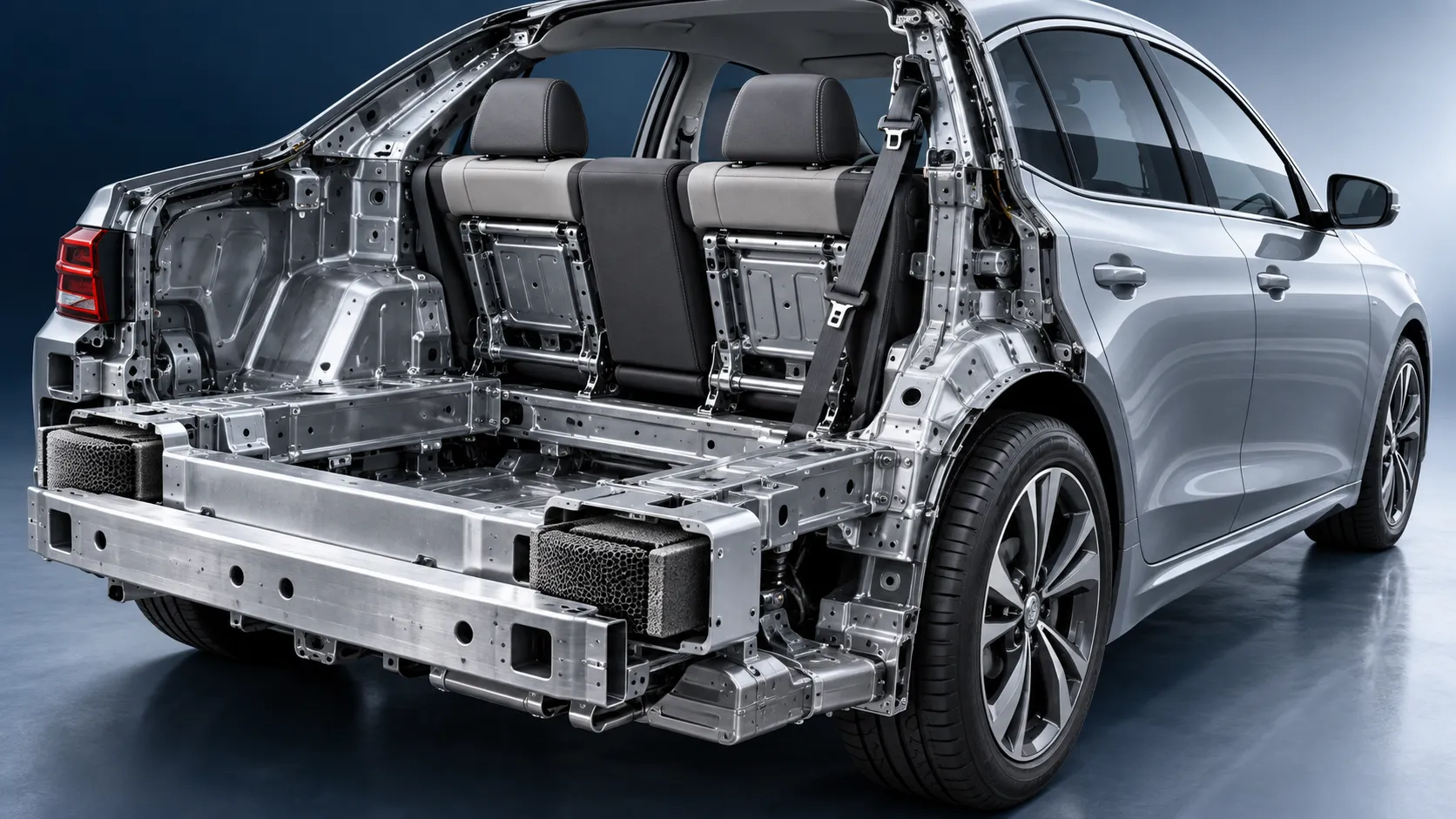
How Rear-Impact Safety Components Work Together to Protect Vehicle Occupants
Explore how automotive safety components for rear impact work together—from crash structures and seats to head restraints and belts—to enhance occupant protection.

How to Evaluate a Marine Safety Systems Manufacturer for Vessel Compliance and Reliability
Marine safety systems manufacturer evaluation guide: verify compliance, engineering quality, lifecycle costs, and global service support for safer, reliable vessel operations.
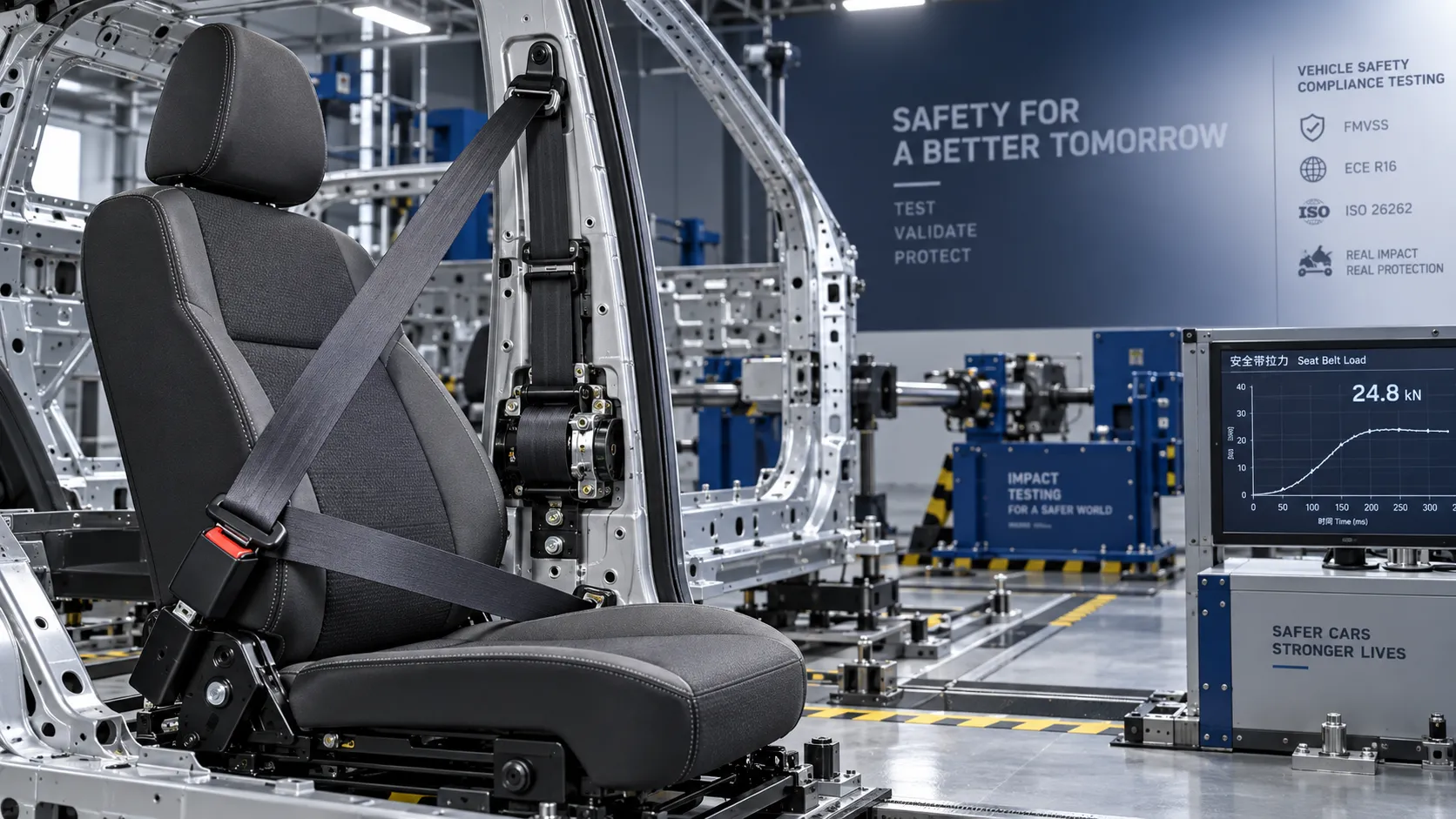
Crash Test Regulations for Seatbelts: Key Compliance Requirements Explained
Crash test regulations seatbelts explained: explore FMVSS, UN rules, anchorage strength, and dynamic restraint testing for safer, compliant vehicle systems.

How to Calculate the Total Cost of Automotive Lightweighting for a Vehicle Program
Automotive lightweight solutions cost: learn how to calculate program-level costs, including materials, tooling, joining, validation, risk, and vehicle-level value.

How Automotive Seat Occupancy Sensing Improves Airbag Deployment Decisions
Automotive seat occupancy sensing helps optimize airbag deployment decisions, improving passenger classification, safety diagnostics, and compliance across real-world conditions.

What Drives Lightweight Body Component Costs in High-Volume Vehicle Programs?
Lightweight body components cost depends on material yield, forming, joining, tooling, validation, and logistics. Explore proven ways to optimize total vehicle program cost.
Related News
- 00
0000-00
How to Evaluate an Aluminum Automotive Stampings Supplier for Cost, Quality, and Lead Time - 00
0000-00
How to Evaluate Aluminum for Vehicle Lightweight Solutions: Key Trade-Offs in Cost, Strength, and Formability - 00
0000-00
Stamped Aluminum Body Parts: Key Grades, Forming Limits, and Best-Fit Vehicle Applications - 00
0000-00
How Aluminum Automotive Stampings for Body Panels Improve Weight, Corrosion Resistance, and Formability - 00
0000-00
Automotive Lightweight Solutions: How to Compare Materials, Processes, and Cost Drivers
Weekly Insights
Stay ahead with our curated technology reports delivered every Monday.