
Industrial Product Information Equipment: Key Specs to Compare Before You Buy
Industrial Product Information Equipment: what should be checked before any quote is accepted?
Industrial product information equipment is often treated as a data tool. In reality, it shapes cost control, compliance speed, and technical confidence across complex sourcing decisions.
That matters even more when the equipment supports marine navigation, passive safety, lightweight structures, or smart cabin systems, where one missing parameter can distort the whole comparison.
A practical review should go beyond brochure claims. The stronger approach is to compare how information is collected, validated, updated, and connected to real operating requirements.
Within sectors followed closely by GNCS, technical decisions rarely sit in one silo. Navigation accuracy, crash energy management, and seat system intelligence increasingly depend on reliable industrial product information equipment.
So the real buying question is not only which platform looks advanced. It is which one supports lower-risk decisions over time.
Is industrial product information equipment just a database, or something more operational?
The short answer: it should be operational.
Basic systems store specifications, drawings, certificates, and revision records. Better industrial product information equipment turns that data into a working comparison environment for selection and approval.
In actual use, the difference appears quickly. A static repository can tell you a radar has a stated range. It may not show firmware history, signal-processing compatibility, or regional certification status.
The same gap appears in passive safety components. A file archive may list inflator chemistry or pretensioner force values. It often fails to connect them to test cycles, sourcing changes, or homologation impact.
For this reason, industrial product information equipment should be judged as decision infrastructure. It needs to support comparison, traceability, exception handling, and supplier-side verification.
That is also why intelligence-led platforms in the GNCS ecosystem put emphasis on stitching technical data with compliance signals and commercial timing, rather than publishing raw information alone.
Which specifications actually help separate a useful platform from a risky one?
When comparing industrial product information equipment, six specifications usually decide whether the tool saves time or creates hidden cost.
- Data depth: not just headline specs, but test conditions, tolerances, revisions, and linked standards.
- Update cadence: whether changes are near real time, scheduled, or manually delayed.
- Verification method: source documents, lab references, supplier declarations, or independent review.
- Cross-domain coverage: marine, body structures, airbags, seatbelts, and seating data in one logic model.
- Search structure: parameter-based filtering, revision tracking, and comparison by application scenario.
- Integration readiness: export format, ERP/PLM links, API support, and permission control.
Many buyers focus first on interface design. That is understandable, but not enough. The hidden value of industrial product information equipment usually sits behind the screen, inside validation rules and update discipline.
For example, in marine navigation systems, signal sensitivity and environmental resistance should be searchable alongside certification pathways. In seat systems, frame material, actuator load, thermal functions, and sensing logic should not sit in separate blind folders.
A quick comparison table helps clarify what to ask before moving into pricing discussions.
How do application scenarios change the comparison criteria?
This is where many evaluations become too generic. The same industrial product information equipment may look strong in one category and weak in another.
For marine navigation, the key issue is precision under changing environments. Positioning integrity, radar update behavior, sonar compatibility, and cloud update support should be visible together.
For auto body stampings, the focus shifts toward material grade, forming process window, dimensional stability, corrosion performance, and crash energy absorption.
Airbag assemblies need another lens. Propellant evolution, deployment timing, microelectronic controls, and regional safety approvals all affect selection risk.
Seatbelt systems demand strong visibility into pretensioning logic, force-limiting behavior, anchorage compatibility, and durability testing under repeated load conditions.
Smart seat assemblies bring yet another layer. Skeletal mechanics, occupant sensing, heating or ventilation modules, and frame weight reduction all need coordinated data.
That cross-domain visibility is one reason GNCS has relevance beyond a news function. Its intelligence model follows perception, protection, structure, and cabin interaction as connected technical decisions.
In practical terms, industrial product information equipment should let you compare by scenario, not only by part number.
What costs are easy to miss when the platform price looks reasonable?
The license fee is rarely the full cost. A lower-priced platform can become expensive if validation effort stays manual.
One common hidden cost is engineering review time. If industrial product information equipment lacks parameter consistency, internal teams spend hours normalizing files before they can compare options.
Another is compliance delay. Missing updates on maritime rules, crash protocols, or seat safety requirements can push rework into late sourcing stages.
Supplier communication is another cost center. When the system cannot trace document versions or approval notes, every clarification round becomes slower.
There is also replacement risk. If the platform does not fit internal PLM, ERP, or quality workflows, the apparent savings disappear in duplicate handling and migration work.
A useful way to frame total value is to look at four timelines: onboarding time, comparison time, approval time, and update response time.
- Onboarding time shows how quickly structured data becomes usable.
- Comparison time shows whether teams can screen alternatives without spreadsheet rebuilding.
- Approval time reveals how smoothly compliance and technical signoff are linked.
- Update response time shows resilience when regulations or component revisions change.
If those four timelines stay long, the industrial product information equipment is not truly cost-efficient, even when the subscription price looks attractive.
Where do buying teams misjudge risk most often?
The first mistake is assuming all data sources are equally trustworthy. They are not.
Supplier-fed data is useful, but it needs clear timestamps, revision ownership, and verification status. Otherwise, industrial product information equipment becomes a polished container for uncertain inputs.
The second mistake is comparing only nominal specifications. Two seatbelt systems may share similar force limits on paper, yet differ in deployment consistency, platform fit, and certification burden.
The third mistake is ignoring future updates. In sectors influenced by cloud ECDIS protocols, non-toxic inflator chemistry, or lightweight seat frame materials, change is part of the lifecycle.
Here is a compact risk check worth using before selection:
- Can the system show where each critical value came from?
- Can it alert users when standards or revisions change?
- Can it compare alternatives inside the same test logic?
- Can it support both engineering review and sourcing documentation?
- Can it scale from one category to related systems without rebuilding taxonomy?
If several answers are no, the risk is not theoretical. It will show up later in cycle time, claim exposure, or poor replacement control.
What is a sensible next step before making the final decision?
A sensible decision process starts with a narrow pilot, not a broad promise.
Choose one live comparison case. It could be a navigation electronics update, a hot-stamped body component review, or a seat module sourcing round.
Then test the industrial product information equipment against real tasks: spec filtering, standards lookup, revision traceability, alternative comparison, and export into existing workflows.
This reveals far more than a demo. It shows whether the platform can support the kind of precise piloting and ultimate guarding that GNCS treats as central across mobility equipment categories.
Before signing, document a short evaluation standard covering data quality, compliance mapping, integration effort, update reliability, and total operating cost.
The best industrial product information equipment is not simply the one with the most content. It is the one that helps decisions stay accurate when technical, regulatory, and commercial pressures start moving at the same time.
From there, the next action is straightforward: define the must-have parameters, test them in one scenario, and compare the long-term decision value before comparing price alone.
Related News
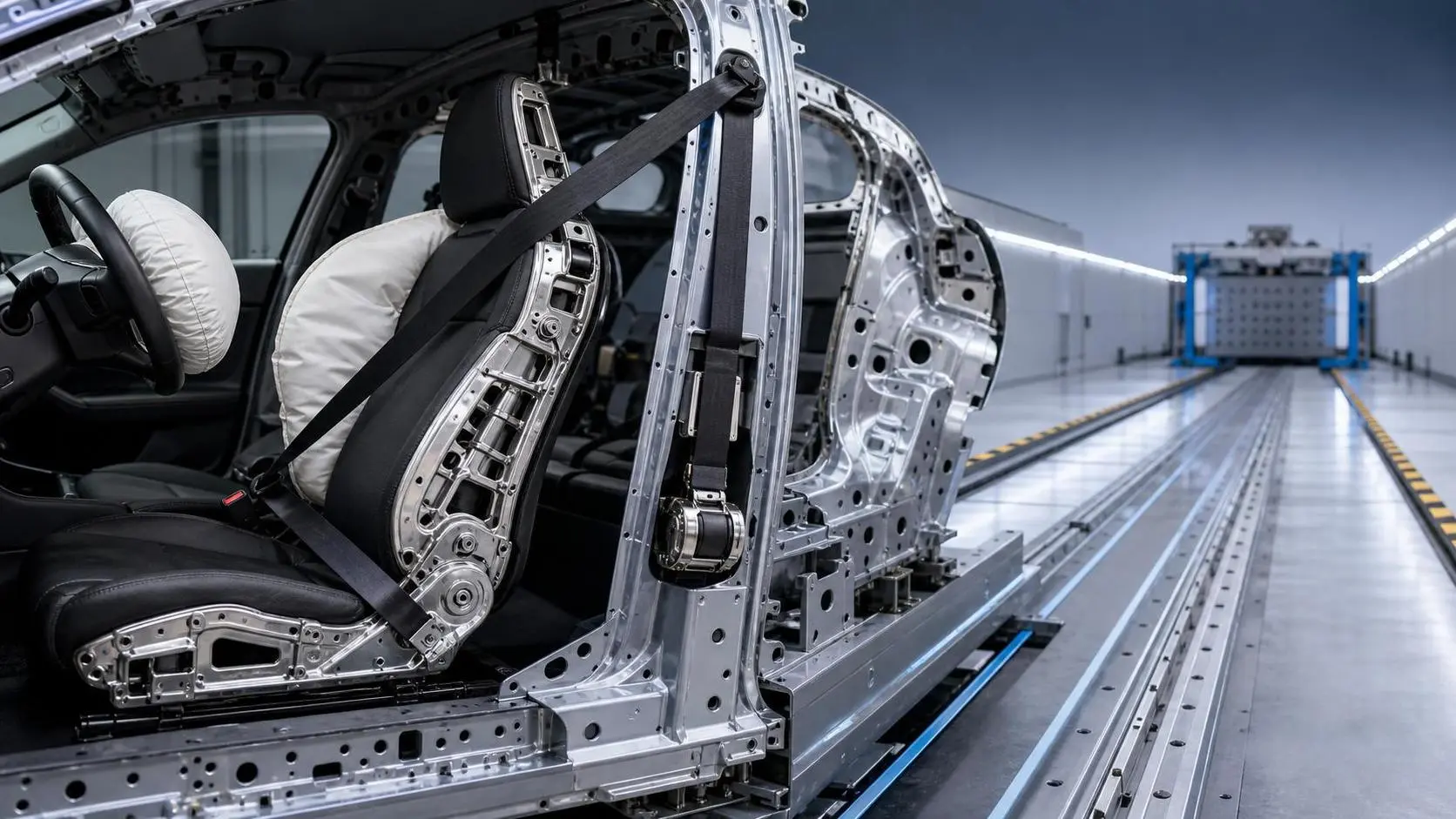
Which Passive Safety Engineering Standards Apply to Automotive Restraint Systems?
Passive safety engineering standards for automotive restraint systems: explore FMVSS, UN regulations, seatbelts, airbags, anchors, and compliance planning.
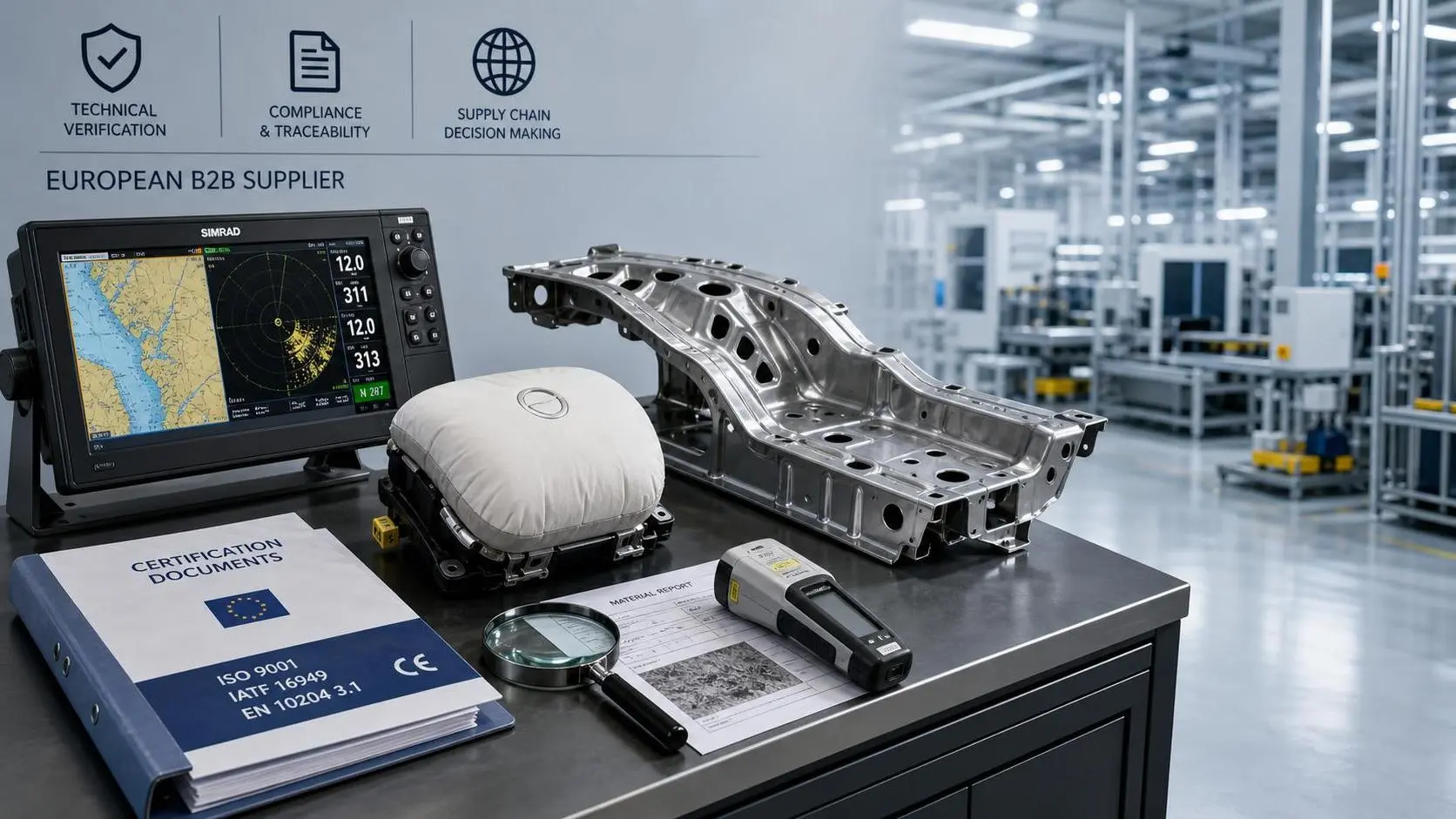
How European B2B Teams Can Evaluate Product Intelligence Platforms for Sourcing
B2B product intelligence platform Europe: learn how procurement teams assess suppliers, compliance data, technical capabilities, and sourcing risks with confidence.
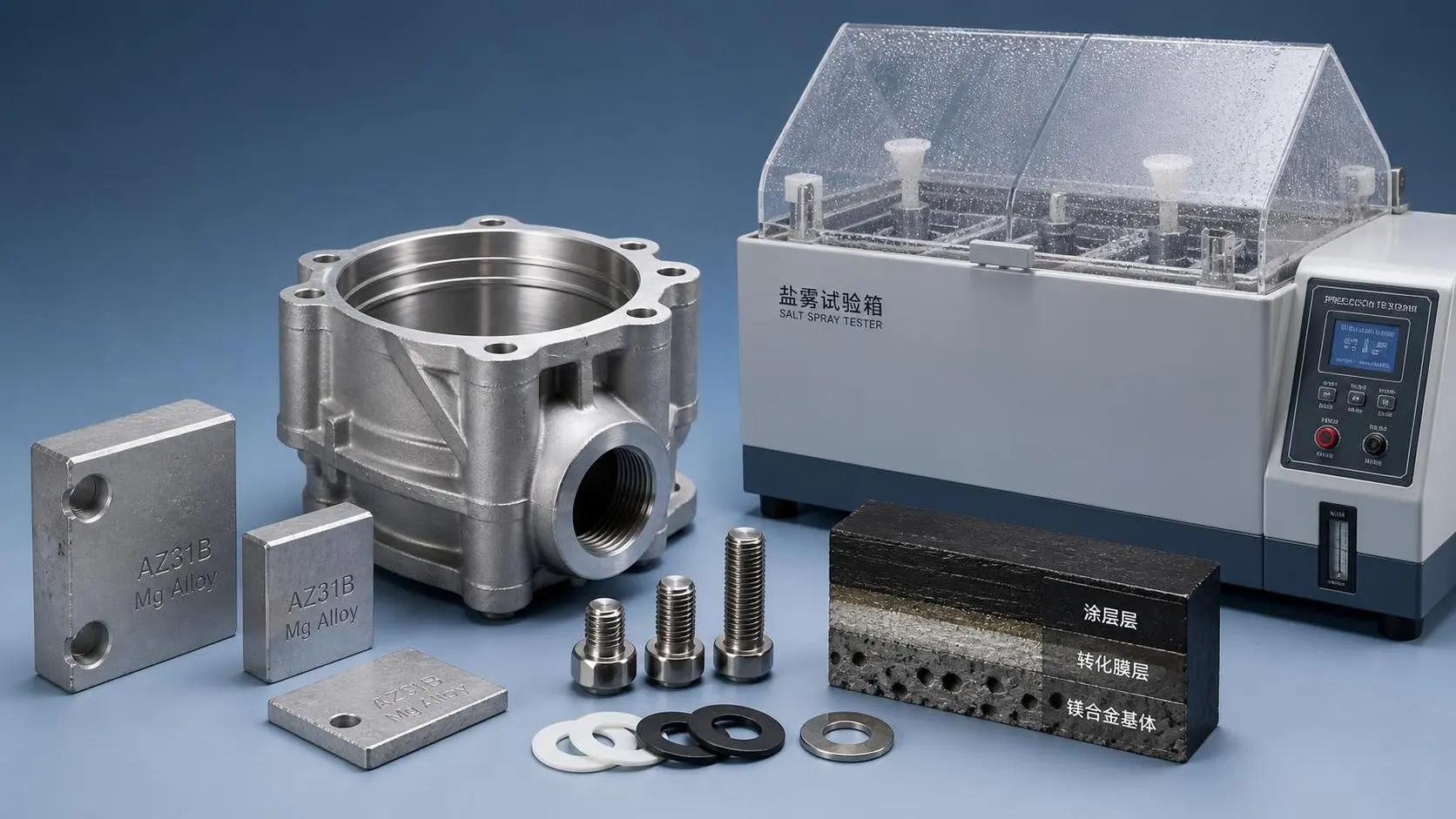
How to Evaluate Magnesium Alloys Corrosion Resistance for Marine Parts?
Magnesium alloys corrosion resistance for marine parts depends on more than alloy grade. Learn how to assess coatings, galvanic risk, geometry, and real-world exposure before you decide.
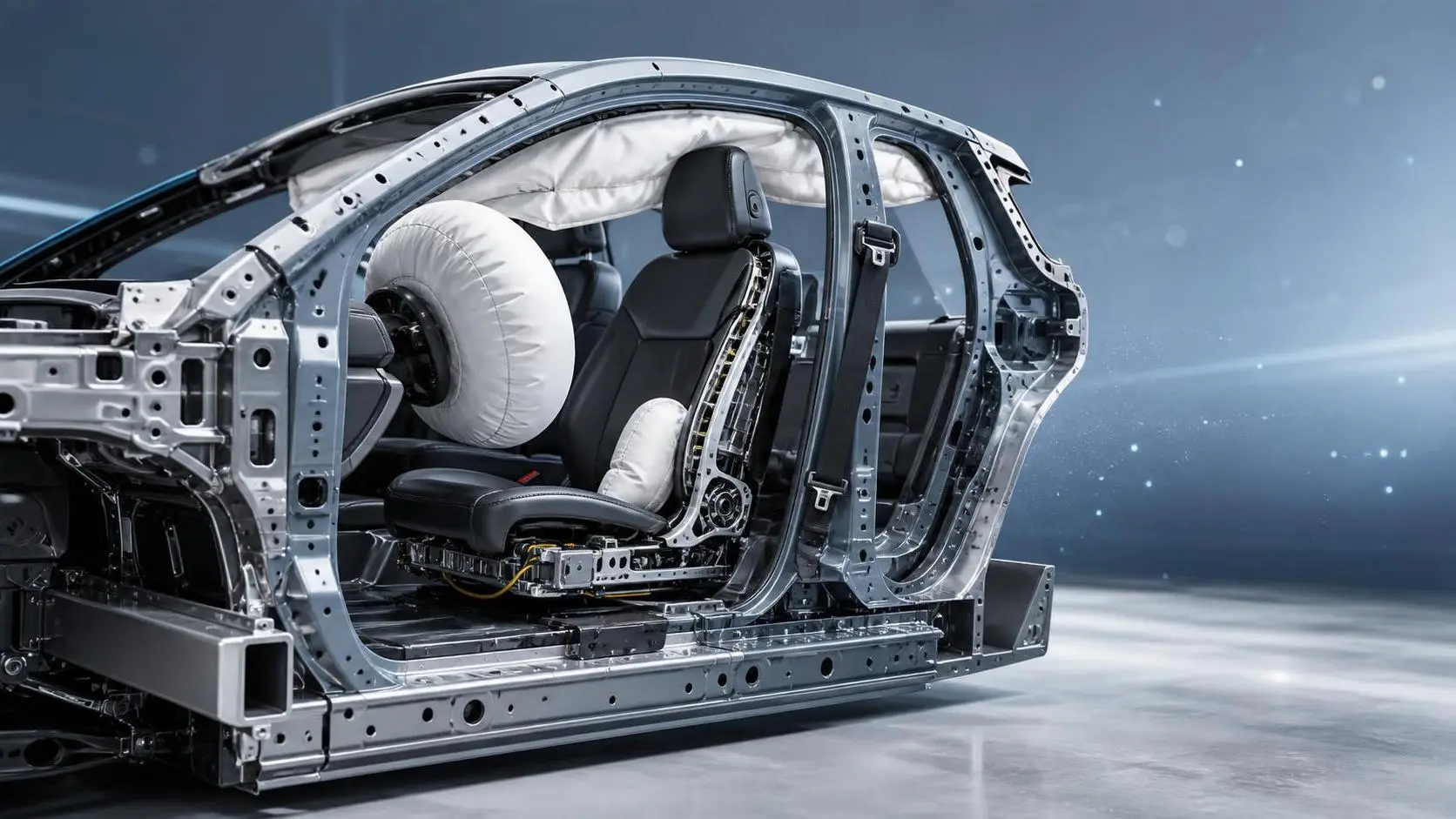
How to Evaluate Mobility Safety Systems for Safer Vehicle Platform Design
Mobility safety systems evaluation starts with platform architecture, crash energy management, and seat-restraint timing. Learn how to choose safer, validation-ready vehicle designs.
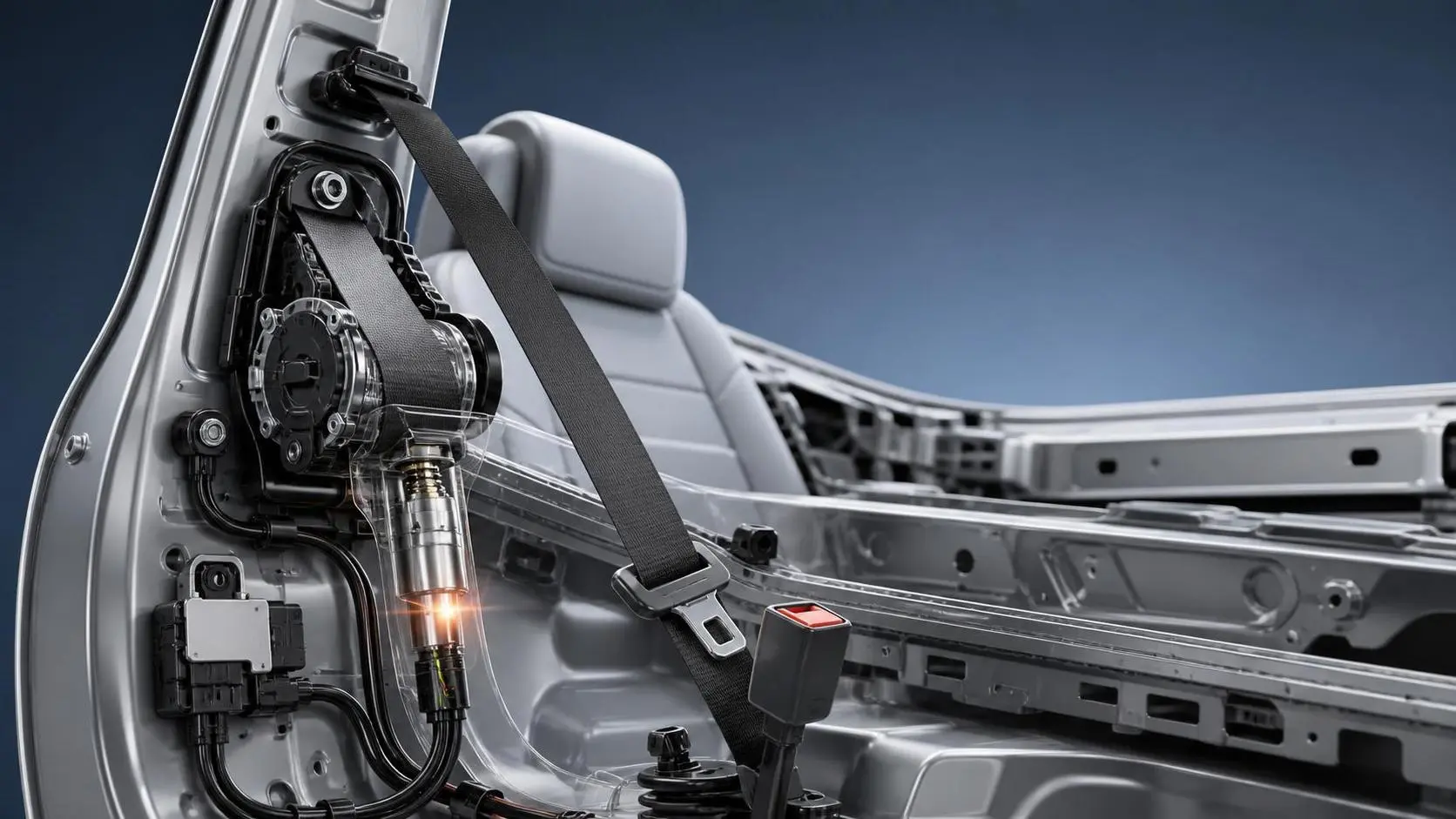
How Seat Belt Pretensioners for EVs Improve Crash Safety and System Response
Seat belt pretensioners for EVs improve crash timing, occupant control, and system response. Discover how smarter integration boosts EV safety performance.
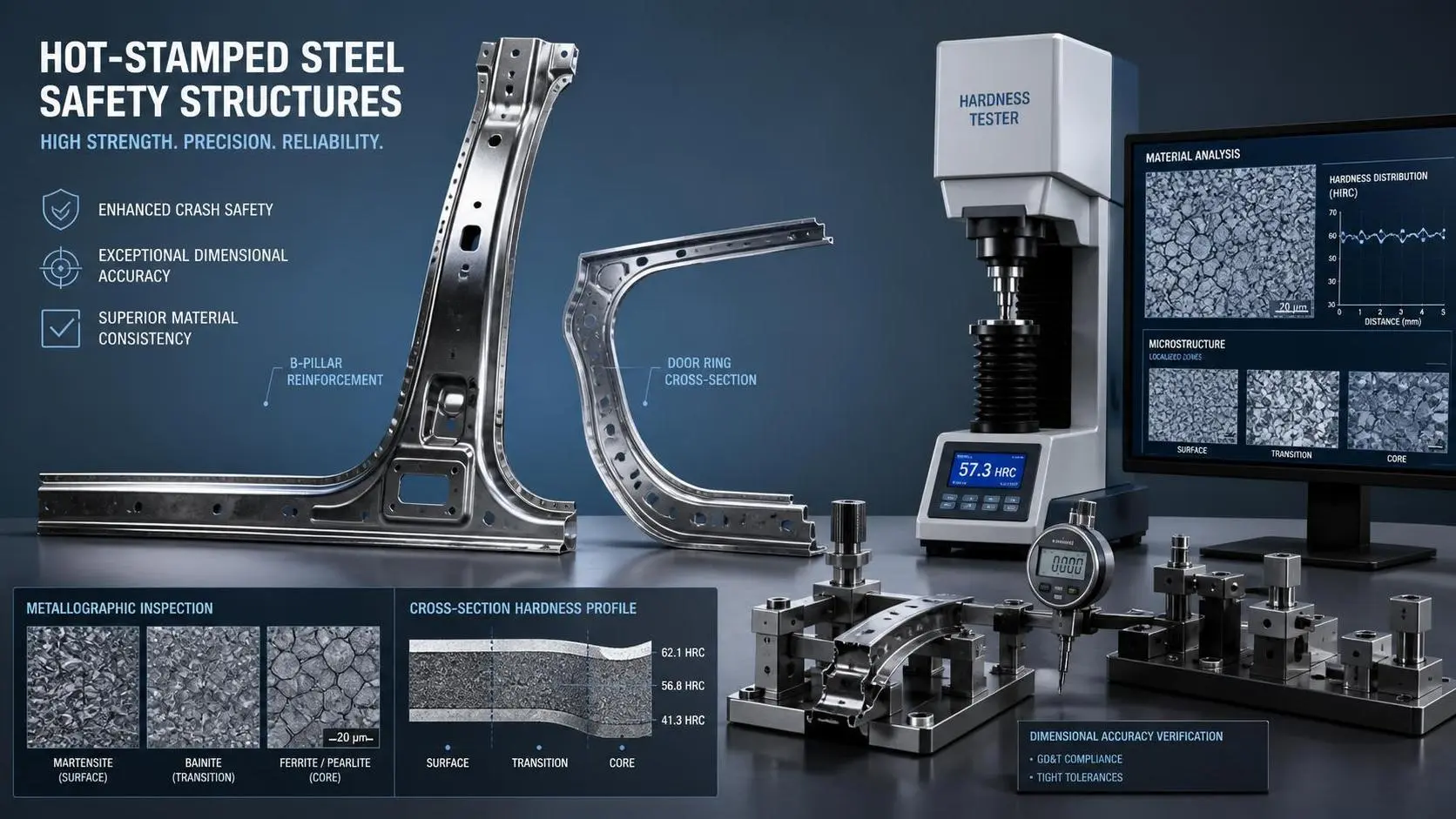
How to Evaluate High Strength Hot Stamped Steel Parts for Crash-Safety Applications
High strength hot stamped steel parts for crash-safety applications: learn how to assess strength, microstructure, dimensional accuracy, and process stability for safer sourcing decisions.
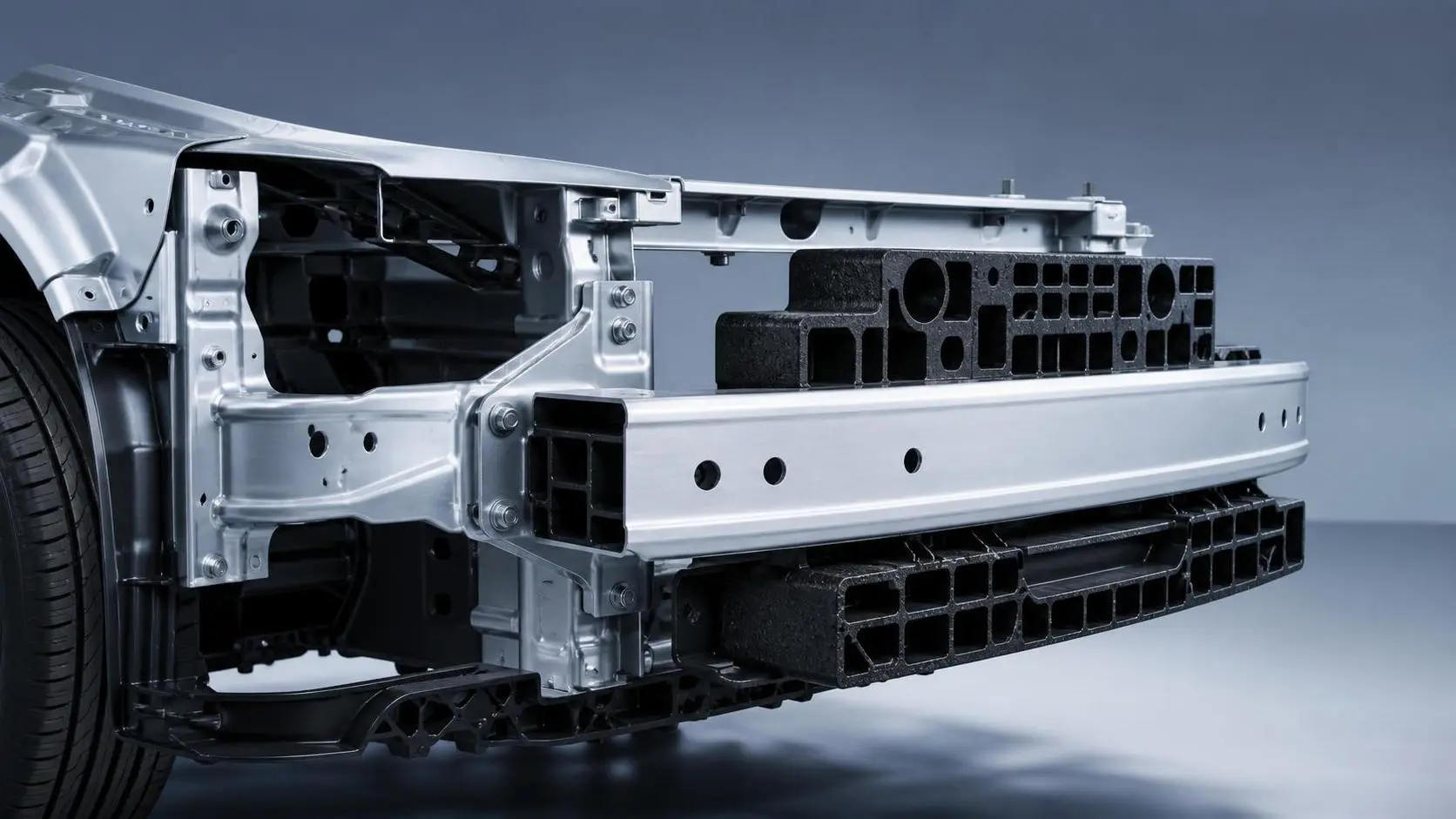
How Crash Management Components Reduce Repair Costs and Improve Impact Performance
Crash management components help reduce repair costs, protect critical vehicle structures, and improve impact performance. Learn how smarter design supports safer, more cost-efficient mobility programs.
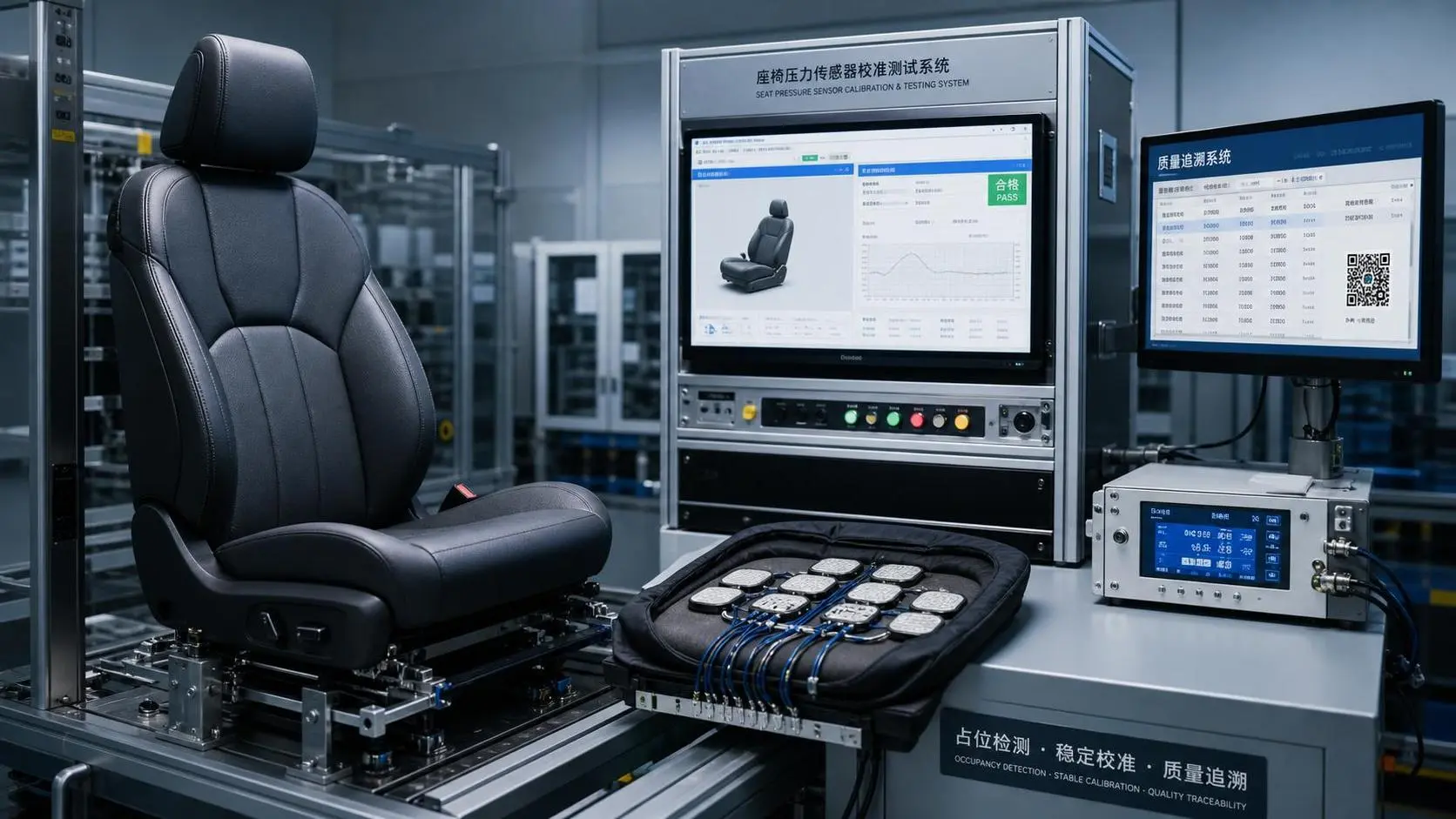
How to Evaluate a Seat Sensing Systems Factory for Automotive Safety Programs
Seat sensing systems factory selection goes beyond price. Learn how to assess quality control, validation, PPAP readiness, and long-term supply reliability for safer automotive programs.
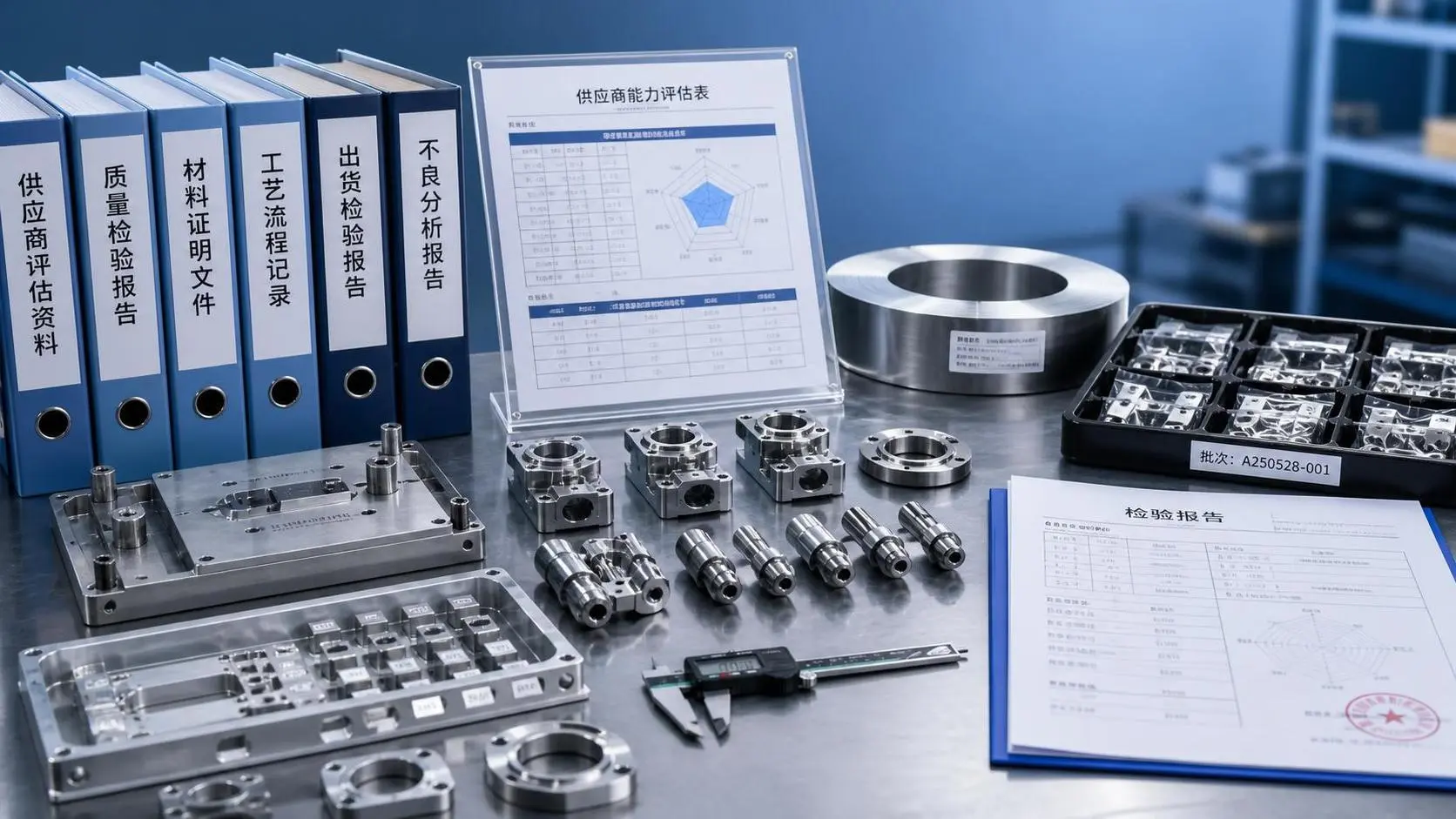
Supplier Capability Evaluation Process: Key Criteria for B2B Sourcing Decisions
Supplier capability evaluation process explained: learn the key criteria for B2B sourcing decisions, reduce supplier risk, and choose partners with confidence.
Related News
- 00
0000-00
How European B2B Teams Can Evaluate Product Intelligence Platforms for Sourcing - 00
0000-00
How to Evaluate Magnesium Alloys Corrosion Resistance for Marine Parts? - 00
0000-00
How to Evaluate Mobility Safety Systems for Safer Vehicle Platform Design - 00
0000-00
How Crash Management Components Reduce Repair Costs and Improve Impact Performance - 00
0000-00
Supplier Capability Evaluation Process: Key Criteria for B2B Sourcing Decisions
Weekly Insights
Stay ahead with our curated technology reports delivered every Monday.