
Specification Guidance for Safety Components: How to Read Ratings, Tolerances, and Test Data
Specification guidance safety components begins with a simple reality: critical parts rarely fail because a datasheet was missing. They fail because a rating was read too casually, a tolerance was treated as nominal, or a test result was assumed to apply everywhere.
That matters across marine navigation, lightweight body structures, airbags, seatbelts, and smart seating. In each case, specification language connects design intent, compliance evidence, and operational risk. Reading it well turns technical paperwork into a reliable decision tool.
For a platform like GNCS, which tracks precision perception and physical containment protection, this topic sits at the center of industry judgment. Ratings, tolerances, and test data are where performance claims become comparable, defensible, and useful.
Why specification reading now carries more weight
Safety components now operate inside tighter performance windows. Lightweight structures must absorb energy without excessive mass. Navigation electronics must keep accuracy under interference, vibration, and weather stress.
At the same time, global compliance pressure is rising. Maritime requirements, IIHS updates, E-NCAP protocols, material traceability expectations, and software-linked functions all raise the cost of vague interpretation.
This is why specification guidance safety components has become more than a technical reading exercise. It supports sourcing decisions, validation planning, risk reviews, and even commercial positioning in premium supply chains.
What a specification is really telling you
A datasheet is not only a list of numbers. It is a controlled statement about what a component should do, under which conditions, and with what evidence.
Most safety specifications include four layers. The first is the nominal value. The second is the allowable variation. The third is the test method. The fourth is the boundary condition.
If one layer is ignored, the whole reading can become misleading. A force limiter rating, radar detection sensitivity, or seat frame yield value only makes sense when all four layers are read together.
Ratings are not promises without conditions
A rating usually expresses intended performance at a defined point. It may refer to load, pressure, voltage, deployment time, corrosion resistance, signal range, or energy absorption.
The mistake is to read that figure as universally available. A radar range may depend on sea state and target reflectivity. An inflator output may depend on temperature. A stamped part strength may depend on forming history.
Good specification guidance safety components therefore asks two questions immediately: rated under what conditions, and measured by which method?
Tolerances define the real production window
Tolerance is where practical quality lives. Nominal thickness, trigger timing, sensor response, bolt torque, or foam density may look acceptable at centerline values, yet still create failure risk at the edges.
This is especially important in multi-part systems. A seatbelt retractor, pretensioner, anchor geometry, and seat structure may each be within tolerance, while stack-up effects still alter occupant kinematics.
In marine electronics, tolerance can show up as frequency stability, heading drift, or enclosure sealing variation. Small deviations may be acceptable individually, but harmful when environmental loads overlap.
Test data must be read with context
Test results often look authoritative because they are numerical. Yet numbers without context can travel farther than they should.
A crash pulse result from one vehicle architecture does not automatically transfer to another. Salt spray hours do not fully predict field corrosion life. Bench deployment data may not represent full-system behavior.
The stronger reading habit is to identify sample size, pass criteria, standard reference, failure mode, and whether the test reflects certification, development screening, or marketing demonstration.
How this applies across GNCS focus areas
Although each sector uses different vocabulary, the logic of specification guidance safety components stays consistent. The decision framework changes less than the hardware.
This cross-sector view is useful because many supply chains now overlap. A single program may combine digital sensing, structural materials, occupant protection, and connected compliance records.
Where readers should slow down
Some specification sections deserve more scrutiny than others. These are usually the places where field performance diverges from brochure language.
- Environmental conditions: temperature, humidity, corrosion, vibration, salt exposure, electromagnetic noise.
- Reference standards: check whether the cited version is current and relevant to the target market.
- Test setup: lab fixtures, mounting conditions, sample preparation, and calibration methods can change results.
- Statistical language: average, minimum, characteristic value, and design allowable are not interchangeable.
- Durability claims: cycle counts and accelerated aging should be linked to a realistic duty profile.
This is where specification guidance safety components becomes practical rather than theoretical. A careful reader can often identify risk before prototype failure or compliance delay makes it expensive.
Turning data into a usable comparison
Comparing two components is rarely about finding the highest number. It is about finding the better fit between operating demand, compliance target, integration constraint, and manufacturing stability.
A useful comparison starts by normalizing the basics. Align units. Align standards. Align the temperature range. Align whether the values are typical, minimum, or guaranteed.
Then review what is missing. Missing data can matter as much as published data. If one supplier provides full tolerance bands and another provides only nominal values, the apparent simplicity may hide more uncertainty.
GNCS often frames this as intelligence stitching. Separate data points only become useful when linked to regulation, process capability, and field conditions. That is how an isolated number becomes decision-grade information.
A practical reading sequence
- Confirm the function the component must protect or enable.
- Identify the critical rating tied to that function.
- Read the tolerance and production variation around that rating.
- Check the cited test method and environmental conditions.
- Compare certification evidence with actual application demands.
- Record open gaps before making a final comparison.
What stronger specification habits can prevent
Better reading reduces several familiar failures. One is overconfidence in peak performance values. Another is underestimating edge-case behavior. A third is selecting components that pass tests yet fit the wrong system context.
In mobility equipment, these mistakes do not stay on paper. They can affect vessel situational awareness, crash energy paths, deployment timing, occupant restraint behavior, and long-term cabin reliability.
That is why specification guidance safety components supports both technical rigor and commercial credibility. Clear reading standards make audits easier, supplier discussions sharper, and engineering changes easier to justify.
A sensible next step
The next move is not to collect more datasheets blindly. It is to build a tighter reading framework for the few parameters that truly govern safety, compliance, and integration.
Start by mapping one component family against its key ratings, tolerance bands, and test references. Then compare those findings against actual operating conditions, not only supplier claims.
For anyone following GNCS coverage, that approach fits naturally with the wider market picture: precise piloting, stronger containment protection, and better decisions built from evidence that has been read with care.
Related News

Which Passive Safety Engineering Standards Apply to Automotive Restraint Systems?
Passive safety engineering standards for automotive restraint systems: explore FMVSS, UN regulations, seatbelts, airbags, anchors, and compliance planning.

How European B2B Teams Can Evaluate Product Intelligence Platforms for Sourcing
B2B product intelligence platform Europe: learn how procurement teams assess suppliers, compliance data, technical capabilities, and sourcing risks with confidence.
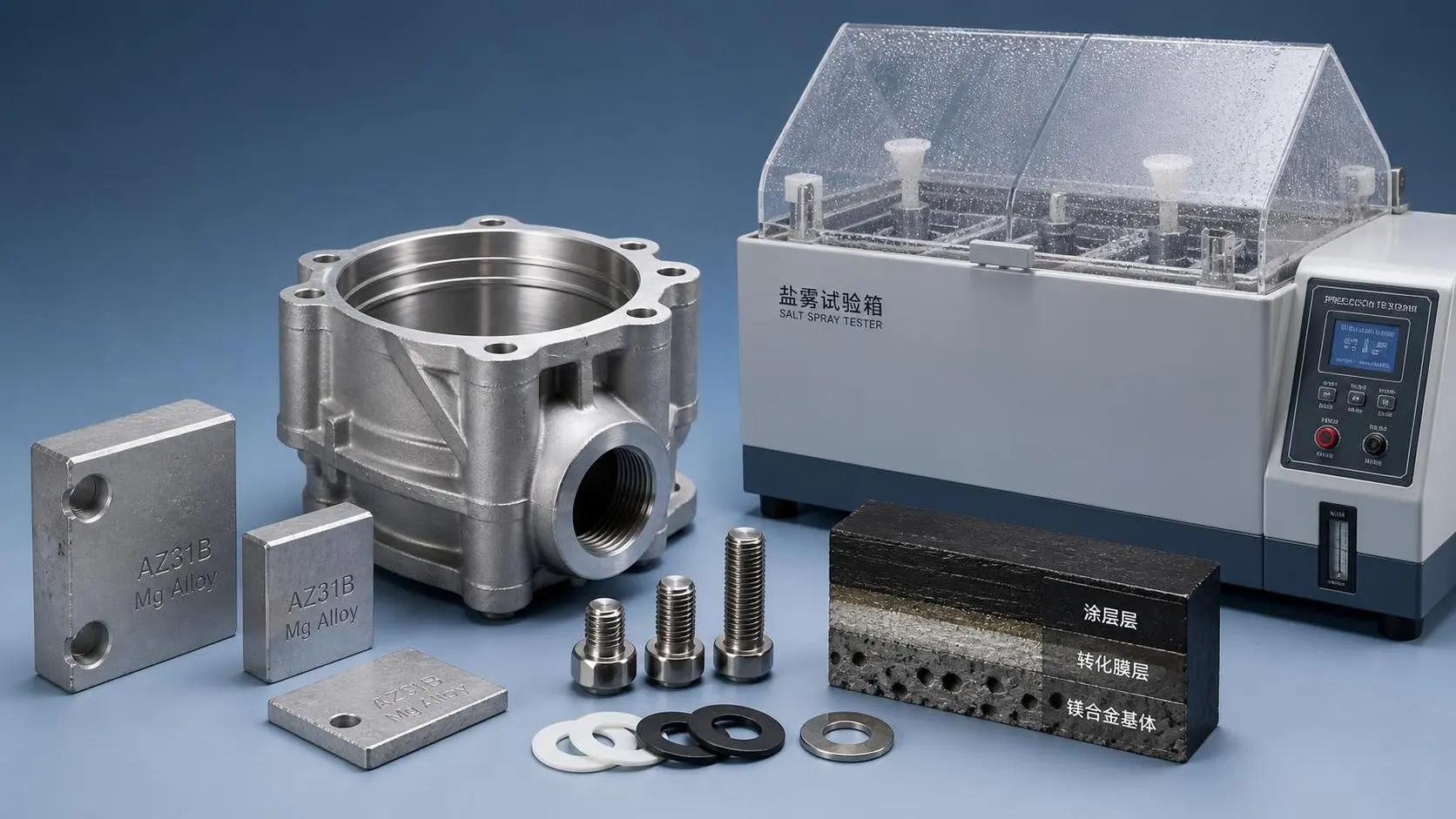
How to Evaluate Magnesium Alloys Corrosion Resistance for Marine Parts?
Magnesium alloys corrosion resistance for marine parts depends on more than alloy grade. Learn how to assess coatings, galvanic risk, geometry, and real-world exposure before you decide.

How to Evaluate Mobility Safety Systems for Safer Vehicle Platform Design
Mobility safety systems evaluation starts with platform architecture, crash energy management, and seat-restraint timing. Learn how to choose safer, validation-ready vehicle designs.

How Seat Belt Pretensioners for EVs Improve Crash Safety and System Response
Seat belt pretensioners for EVs improve crash timing, occupant control, and system response. Discover how smarter integration boosts EV safety performance.
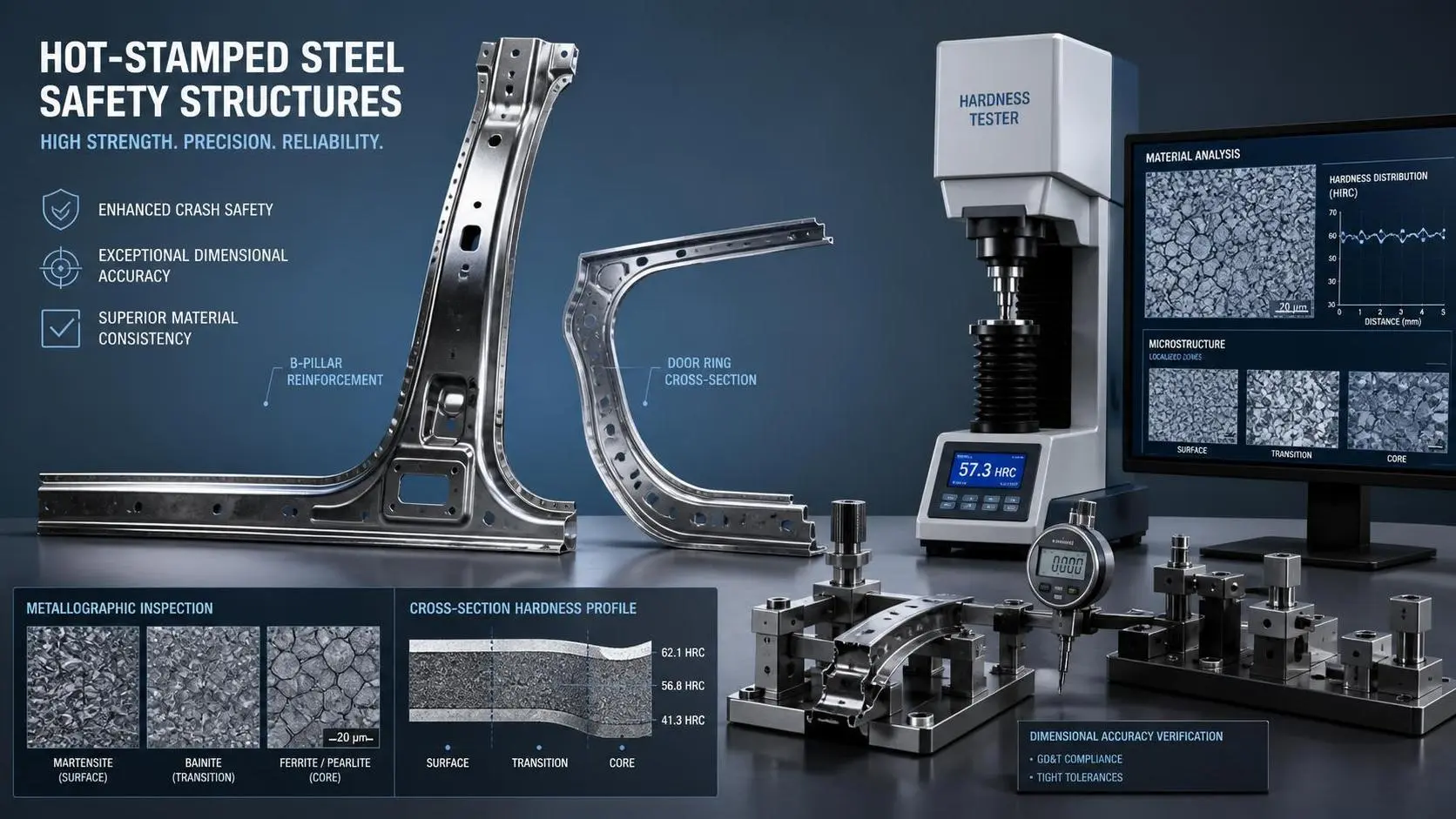
How to Evaluate High Strength Hot Stamped Steel Parts for Crash-Safety Applications
High strength hot stamped steel parts for crash-safety applications: learn how to assess strength, microstructure, dimensional accuracy, and process stability for safer sourcing decisions.

How Crash Management Components Reduce Repair Costs and Improve Impact Performance
Crash management components help reduce repair costs, protect critical vehicle structures, and improve impact performance. Learn how smarter design supports safer, more cost-efficient mobility programs.

How to Evaluate a Seat Sensing Systems Factory for Automotive Safety Programs
Seat sensing systems factory selection goes beyond price. Learn how to assess quality control, validation, PPAP readiness, and long-term supply reliability for safer automotive programs.
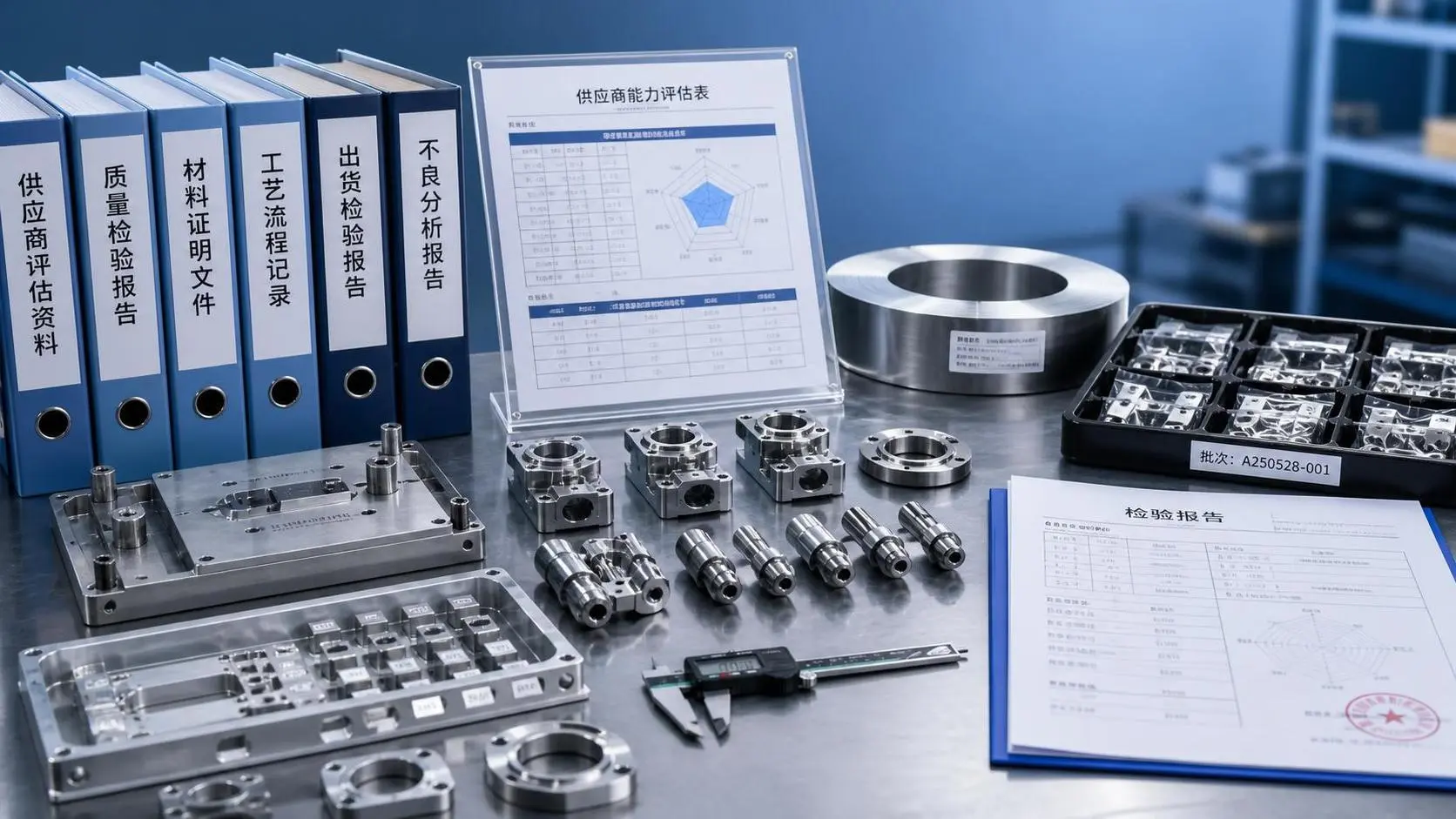
Supplier Capability Evaluation Process: Key Criteria for B2B Sourcing Decisions
Supplier capability evaluation process explained: learn the key criteria for B2B sourcing decisions, reduce supplier risk, and choose partners with confidence.
Related News
- 00
0000-00
How European B2B Teams Can Evaluate Product Intelligence Platforms for Sourcing - 00
0000-00
How to Evaluate Magnesium Alloys Corrosion Resistance for Marine Parts? - 00
0000-00
How to Evaluate Mobility Safety Systems for Safer Vehicle Platform Design - 00
0000-00
How Crash Management Components Reduce Repair Costs and Improve Impact Performance - 00
0000-00
Supplier Capability Evaluation Process: Key Criteria for B2B Sourcing Decisions
Weekly Insights
Stay ahead with our curated technology reports delivered every Monday.