
Automotive Inflator Technology Price: What Drives Cost Across Types and Performance Levels?
Automotive inflator technology price is being reset by performance expectations
Automotive inflator technology price is no longer explained by volume discounts alone.
Across passive safety programs, the cost gap between basic and advanced inflator designs has widened.
That shift reflects a broader mobility reality.
Vehicle platforms are becoming lighter, cabins are becoming smarter, and compliance pressure is becoming less forgiving.
In that environment, inflators are judged by chemistry, response precision, thermal stability, packaging limits, and validation depth.
This is why automotive inflator technology price now moves with technical risk as much as with manufacturing cost.
From the GNCS view of cabin protection, inflators sit at the intersection of physical containment, electronics coordination, and regulation-led engineering.
That makes price analysis more useful when it is treated as a system question, not a line-item question.
Why the market signal has become more visible
Recent demand patterns show a clearer separation between commodity inflators and application-specific inflator solutions.
Frontal airbags, side airbags, curtain airbags, and knee airbags do not carry the same design burden.
As vehicle interiors change, deployment timing and gas output profiles matter more than before.
The result is straightforward.
Automotive inflator technology price increasingly tracks deployment consistency under varied crash conditions.
Another signal comes from platform consolidation.
Global programs want shared architectures, yet safety tuning still varies by region, body style, and restraint strategy.
That creates pressure for inflators with tighter tolerances and broader validation coverage.
Those requirements carry engineering cost, tooling cost, and certification cost.
The cost conversation is moving upstream
In earlier cycles, buyers often focused on nominal unit price near sourcing milestones.
Now the more decisive questions appear earlier.
Can the inflator support lightweight body structures?
Will the chemistry remain compliant across target markets?
How much validation is needed for integration with seatbelt systems and seat-based sensing?
These upstream questions increasingly define the final automotive inflator technology price.
The biggest cost drivers are technical, regulatory, and structural
Price differences across inflator technologies usually come from a handful of persistent drivers.
What matters is how those drivers combine inside a specific program.
The table looks simple, but the interaction between these items is where most cost surprises begin.
A lower nominal inflator price can become expensive after additional validation, redesign, or regional approval work.
Different inflator types create very different price logic
Pyrotechnic inflators often remain attractive for cost-sensitive programs because they are compact and mature.
Yet their automotive inflator technology price can rise quickly when cleaner propellants or tighter thermal performance are required.
Stored gas inflators usually carry a different cost profile.
They may offer stable output benefits, but vessel integrity, sealing confidence, and packaging constraints reshape the economics.
Hybrid inflators tend to sit higher on the price ladder.
That is not only about material content.
It reflects the complexity of balancing stored gas architecture with pyrotechnic initiation and crash-specific output targets.
From recent industry movement, one pattern is especially clear.
Higher-performance restraint systems make price comparison less meaningful when inflator categories are treated as interchangeable.
Performance levels matter more than labels
- Entry-level applications emphasize cost stability, basic reliability, and qualification within standard deployment windows.
- Mid-tier programs usually demand better output control across temperature ranges and crash pulse variations.
- High-performance applications prioritize precise timing, compact integration, and stronger consistency with sensor-driven restraint strategies.
This tiering explains why automotive inflator technology price can differ sharply even within the same supplier portfolio.
The pressure is not only inside the inflator
More advanced cabins are changing the boundary conditions around airbag systems.
Smart seating, occupant sensing, lightweight structures, and stricter side-impact targets all influence inflator selection.
That means automotive inflator technology price must be read together with the surrounding restraint architecture.
GNCS tracks this as a cross-domain issue rather than a single component issue.
The same logic appears across mobility equipment.
Marine navigation hardware is not priced only by hardware count; it is priced by signal reliability, compliance, and system integration.
Inflators are moving in a similar direction.
The component still looks small on the bill of materials, but its downstream influence is large.
Where the cost impact shows up later
A narrow sourcing view often misses secondary cost exposure.
- Program delays when validation results vary across thermal or humidity conditions.
- Engineering changes when inflator packaging conflicts with seat, trim, or body constraints.
- Inventory and logistics premiums when hazardous material handling becomes restrictive.
- Warranty and recall exposure when process traceability is weak.
These factors rarely appear in the opening quotation, yet they materially alter total landed value.
What deserves closer attention in the next sourcing cycle
The most useful response is not chasing the lowest automotive inflator technology price.
It is building a cleaner comparison framework.
From current market behavior, several checkpoints stand out.
- Separate quoted unit price from validation cost, compliance cost, and integration cost.
- Map inflator chemistry choices against target regulations and sustainability requirements.
- Check whether performance claims are supported by repeatability data, not only nominal specifications.
- Compare regional production footprints to reduce logistics and disruption exposure.
- Review how inflator design aligns with seatbelt timing, seat architecture, and crash pulse tuning.
More disciplined comparison usually reveals that the lowest quote is not always the lowest-risk option.
A practical reading of the road ahead
Automotive inflator technology price will likely remain volatile where chemistry transitions and regulatory divergence continue.
At the same time, mature high-volume applications should still see competitive pressure.
So the market is not moving in one direction.
It is splitting between stable mainstream demand and higher-value specialized demand.
That split matters for planning.
A useful next step is to group programs by restraint complexity, regional compliance burden, and acceptable validation risk.
Then compare automotive inflator technology price within those groups, not across unrelated applications.
This approach gives a more realistic view of cost, resilience, and performance fit.
In a market shaped by tighter safety expectations, the better judgment often comes from reading the hidden drivers behind the number.
Related News
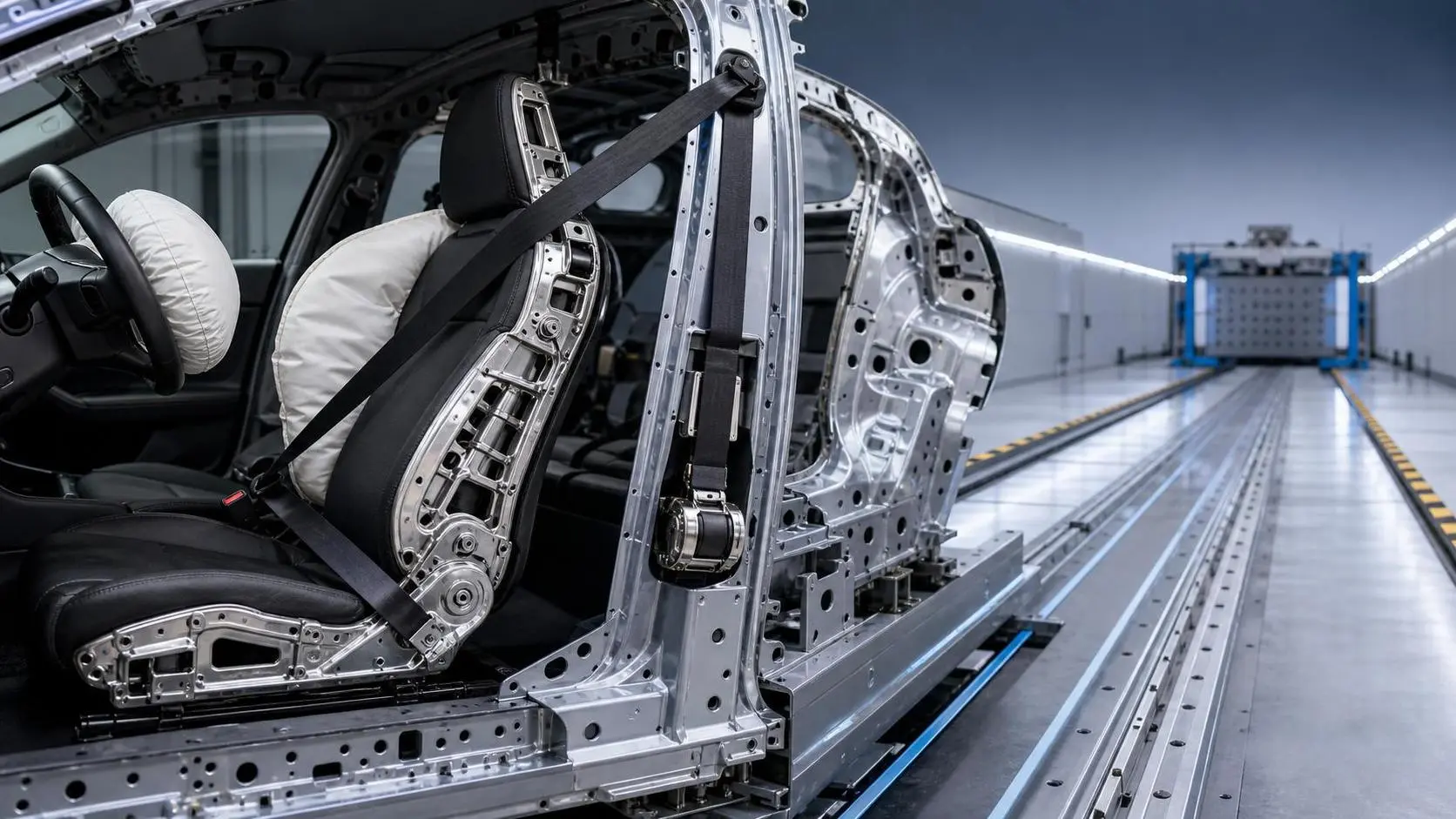
Which Passive Safety Engineering Standards Apply to Automotive Restraint Systems?
Passive safety engineering standards for automotive restraint systems: explore FMVSS, UN regulations, seatbelts, airbags, anchors, and compliance planning.
How European B2B Teams Can Evaluate Product Intelligence Platforms for Sourcing
B2B product intelligence platform Europe: learn how procurement teams assess suppliers, compliance data, technical capabilities, and sourcing risks with confidence.
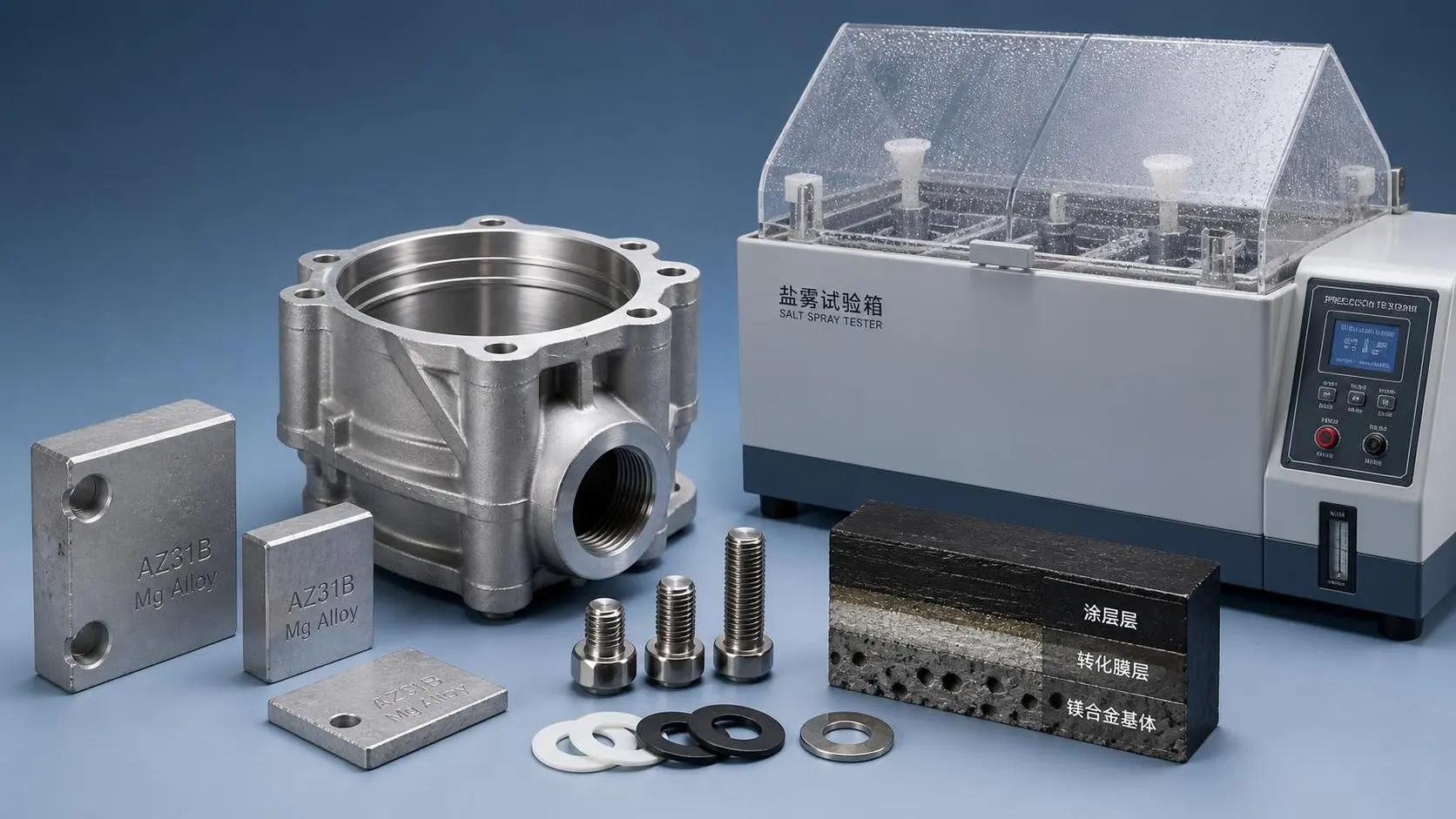
How to Evaluate Magnesium Alloys Corrosion Resistance for Marine Parts?
Magnesium alloys corrosion resistance for marine parts depends on more than alloy grade. Learn how to assess coatings, galvanic risk, geometry, and real-world exposure before you decide.
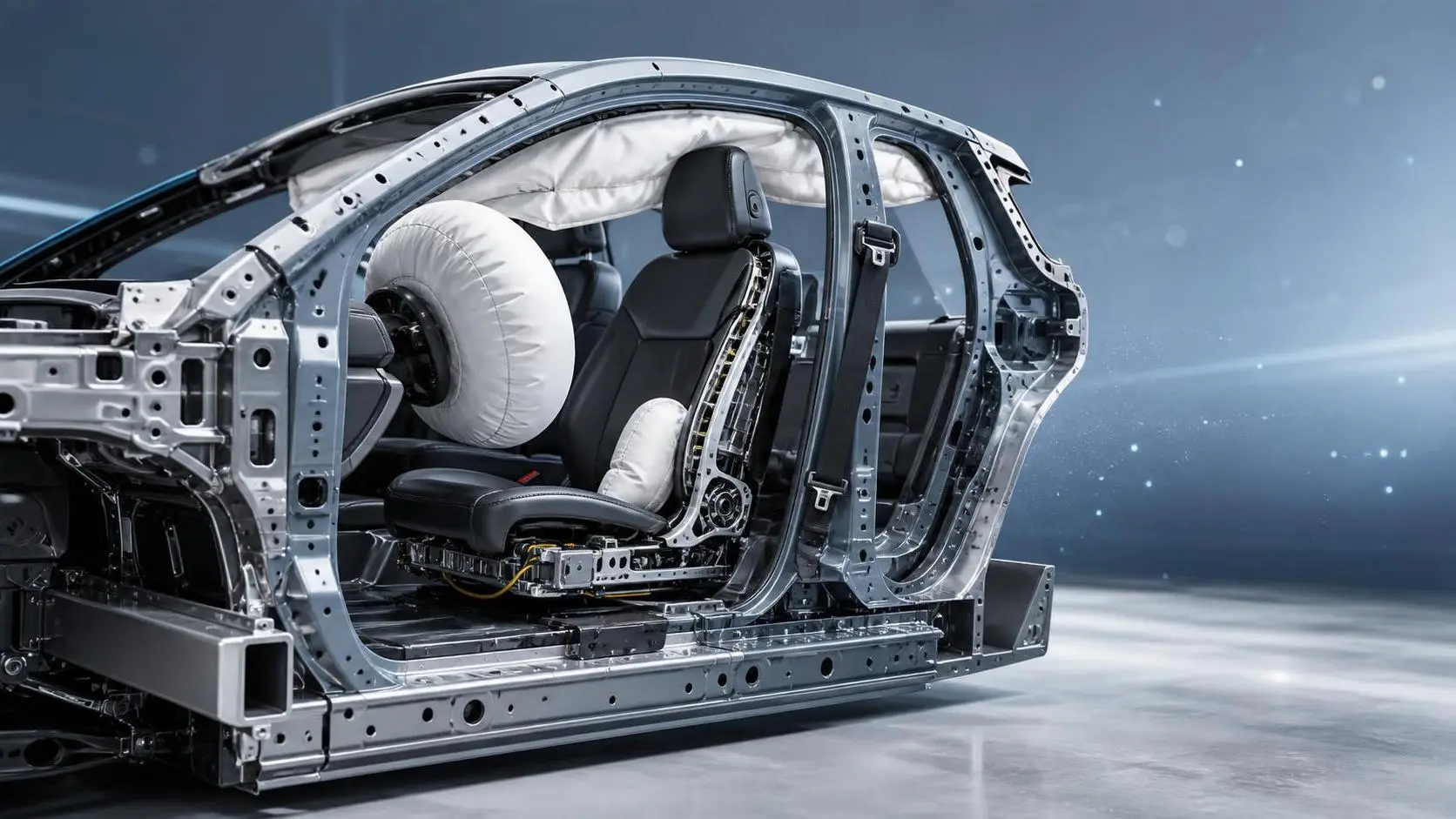
How to Evaluate Mobility Safety Systems for Safer Vehicle Platform Design
Mobility safety systems evaluation starts with platform architecture, crash energy management, and seat-restraint timing. Learn how to choose safer, validation-ready vehicle designs.
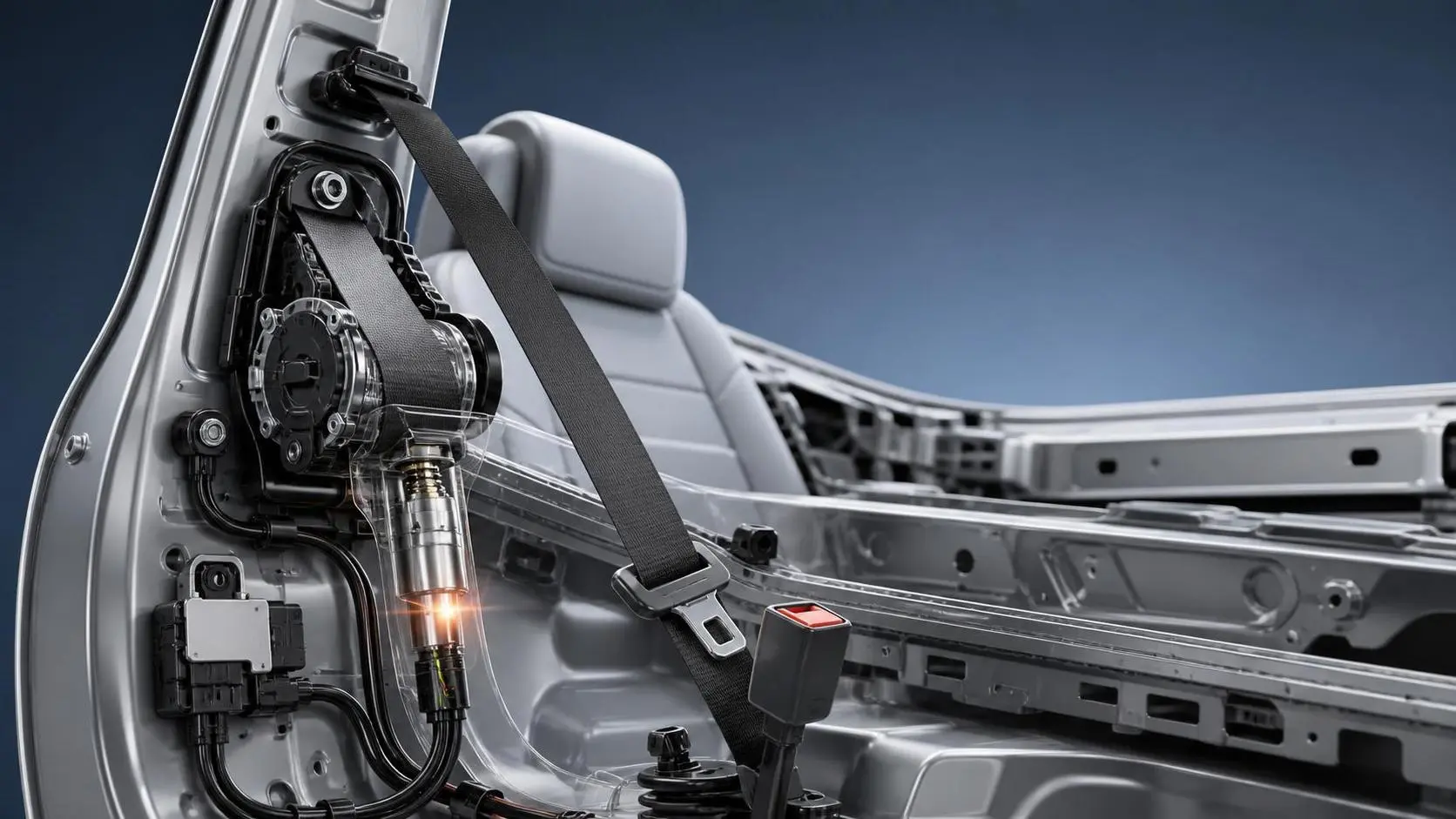
How Seat Belt Pretensioners for EVs Improve Crash Safety and System Response
Seat belt pretensioners for EVs improve crash timing, occupant control, and system response. Discover how smarter integration boosts EV safety performance.
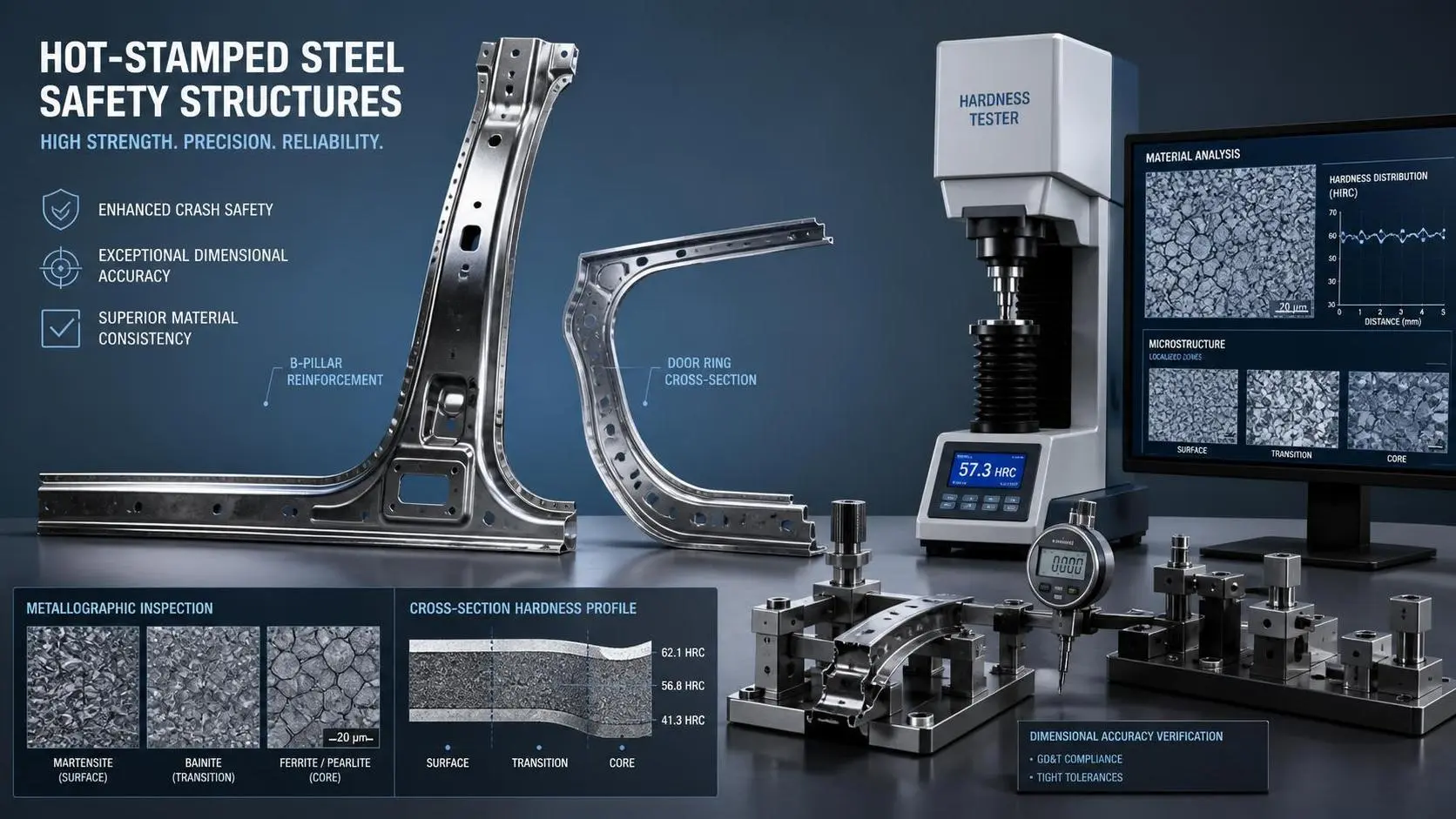
How to Evaluate High Strength Hot Stamped Steel Parts for Crash-Safety Applications
High strength hot stamped steel parts for crash-safety applications: learn how to assess strength, microstructure, dimensional accuracy, and process stability for safer sourcing decisions.
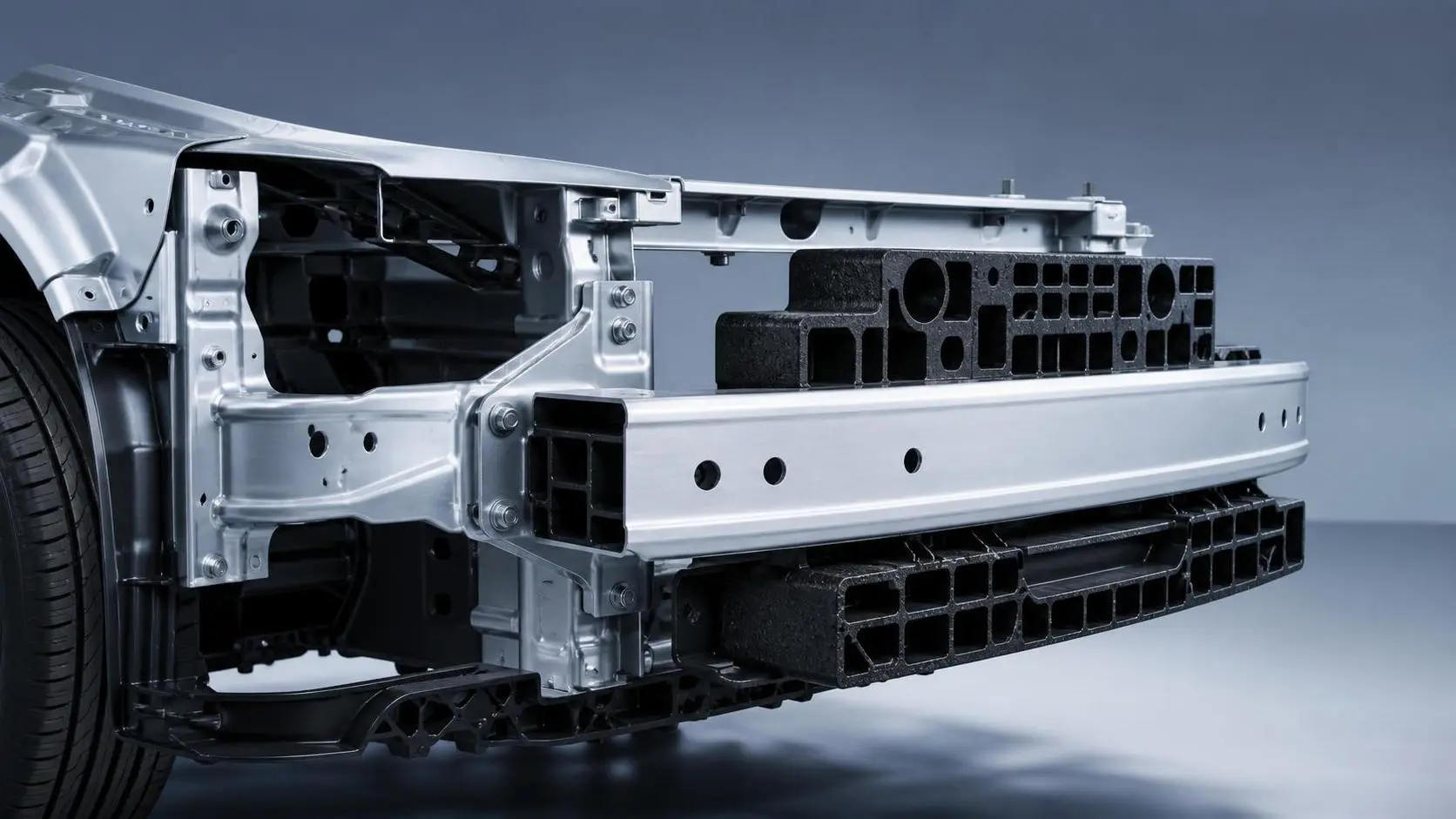
How Crash Management Components Reduce Repair Costs and Improve Impact Performance
Crash management components help reduce repair costs, protect critical vehicle structures, and improve impact performance. Learn how smarter design supports safer, more cost-efficient mobility programs.
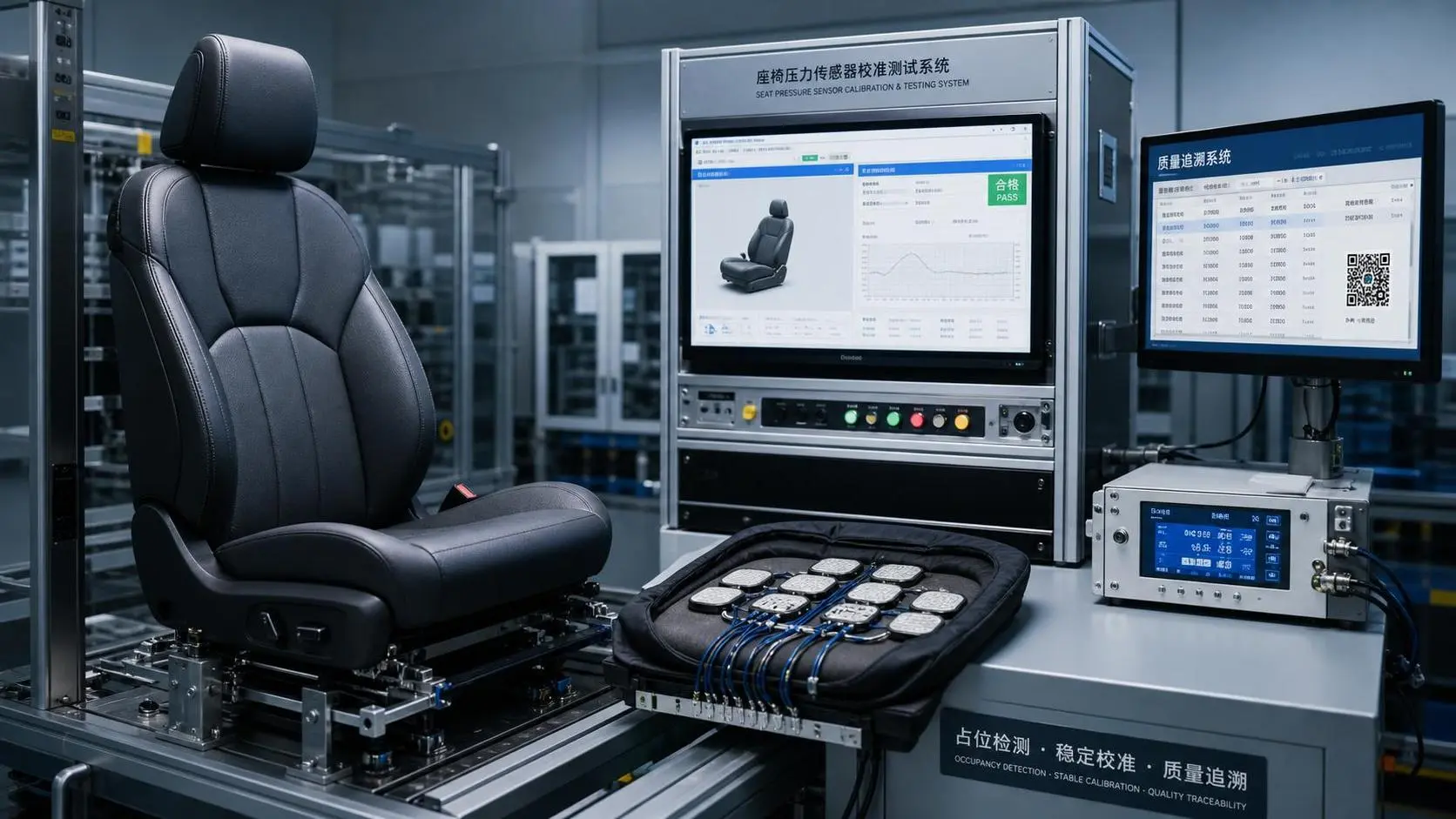
How to Evaluate a Seat Sensing Systems Factory for Automotive Safety Programs
Seat sensing systems factory selection goes beyond price. Learn how to assess quality control, validation, PPAP readiness, and long-term supply reliability for safer automotive programs.
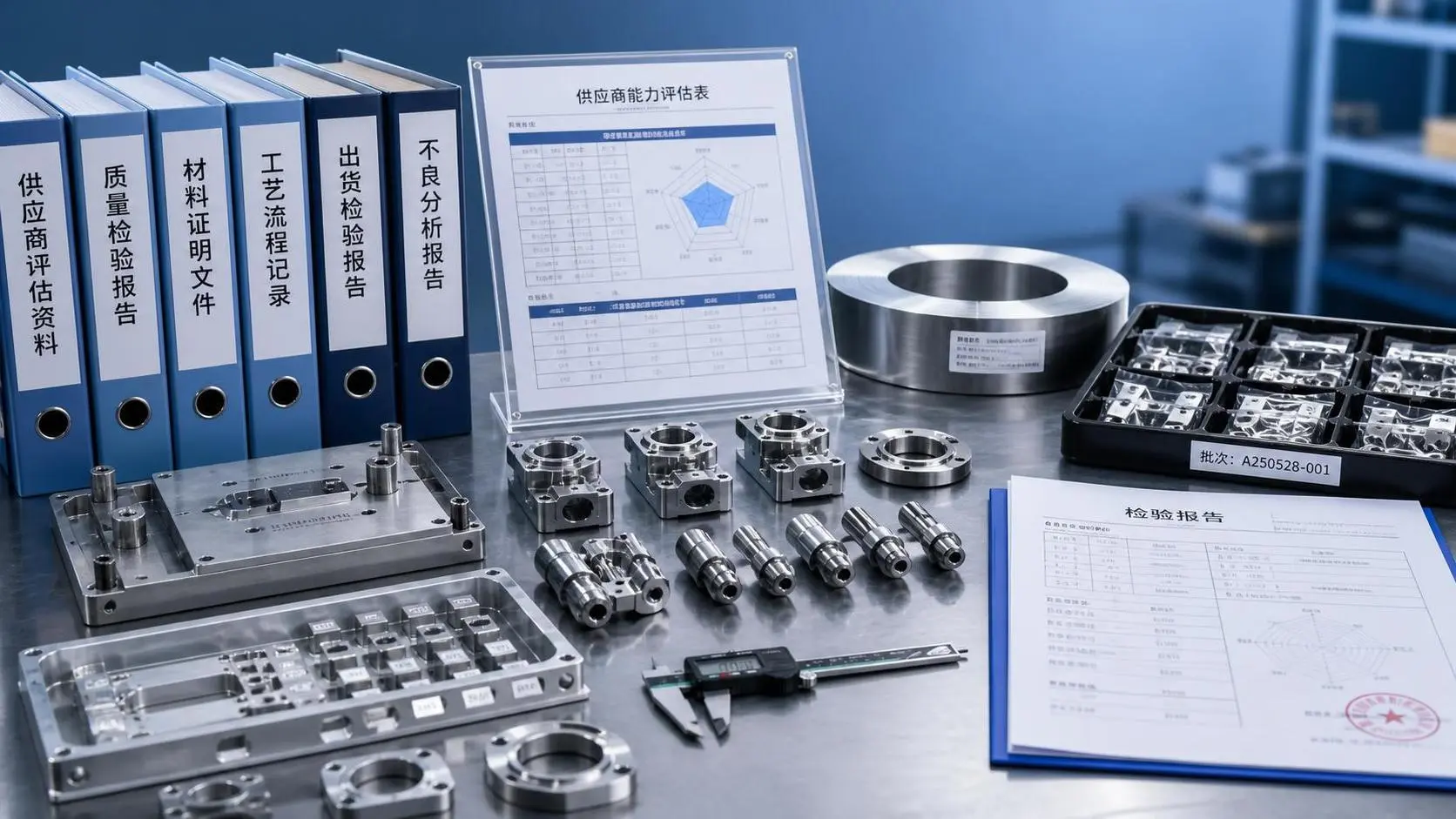
Supplier Capability Evaluation Process: Key Criteria for B2B Sourcing Decisions
Supplier capability evaluation process explained: learn the key criteria for B2B sourcing decisions, reduce supplier risk, and choose partners with confidence.
Related News
- 00
0000-00
Automotive Inflator Technology Price: What Drives Cost Across Types and Performance Levels? - 00
0000-00
Inflator Technology Price Breakdown: What Drives Cost Across Materials, Output, and Certification - 00
0000-00
How to Evaluate Certified Automotive Inflator Technology for Safety, Output, and Integration - 00
0000-00
Non-Toxic Propellants for Inflators: Key Types, Performance Trade-Offs, and Safety Standards - 00
0000-00
Airbag Inflators Manufacturer Comparison: Pyrotechnic vs Hybrid vs Stored Gas Designs
Weekly Insights
Stay ahead with our curated technology reports delivered every Monday.