
Private Label Product Sourcing Components: Supplier Audit Checklist and Cost Risks to Review
Private Label Product Sourcing Components: Supplier Audit Checklist and Cost Risks to Review
For procurement teams, private label product sourcing components demand more than price comparisons.
They require disciplined supplier audits, compliance checks, and a practical view of hidden cost exposure.
That becomes even more important in safety-critical and precision-driven sectors.
Marine navigation hardware, passive safety parts, lightweight structures, and smart seating systems all share one reality.
A sourcing mistake rarely stays small.
It turns into delays, recalls, non-compliance, warranty claims, or damaged customer trust.
This guide breaks down how to review private label product sourcing components with a checklist that works in real buying situations.
It also highlights the cost risks that quietly erode margins long before a purchase order looks expensive.
Why private label product sourcing components need a deeper audit
Private label product sourcing components often appear straightforward during quotation.
The drawings are clear, the samples pass, and the price looks competitive.
In practice, the real risk sits behind the sample.
Can the supplier hold tolerances at scale?
Can they trace material lots, manage engineering changes, and respond to defects fast enough?
This is especially relevant for assemblies linked to navigation accuracy, crash energy absorption, restraint performance, or long-term cabin durability.
A supplier audit for private label product sourcing components should therefore test process capability, not just sales presentation.
Supplier audit checklist for private label product sourcing components
A useful audit checklist should help buyers verify facts quickly and compare suppliers consistently.
The following review points cover the areas that usually drive quality, continuity, and total landed cost.
1. Company profile and operating stability
- Years in production for similar private label product sourcing components.
- Ownership structure, legal entity status, and export history.
- Major customer concentration and dependency risk.
- Financial health indicators and plant expansion pressure.
A factory under cash stress may quote low and recover margin later through change requests or unstable delivery.
2. Quality system and certification control
- ISO 9001, IATF 16949, or sector-specific certificates where relevant.
- Document control for drawings, revisions, and work instructions.
- Incoming, in-process, and final inspection plans.
- Corrective action routines, CAPA closure, and complaint response timing.
For private label product sourcing components, certification alone is not enough.
Buyers need evidence that the system is actually used on the shop floor.
3. Process capability and production discipline
- Equipment list, maintenance records, and calibration status.
- Critical process controls for stamping, molding, welding, electronics, or assembly.
- Cp, Cpk, FAI, PPAP, or other validation records where applicable.
- Line balancing, changeover discipline, and operator training.
A good audit question is simple.
What happens when volume doubles or a tolerance tightens?
The answer often reveals whether a supplier can truly support private label product sourcing components over time.
4. Material traceability and sub-supplier management
- Approved vendor lists and qualification rules.
- Material certificates, batch records, and lot traceability.
- Controls for resin, steel grade, fabric, propellant, electronics, or fasteners.
- Sub-tier audit frequency and incoming risk classification.
This matters because many failures in private label product sourcing components begin with uncontrolled sub-suppliers.
5. Compliance, testing, and product liability readiness
- Regulatory knowledge for destination markets.
- Lab testing capability, third-party validation, and retention samples.
- REACH, RoHS, IMDS, flammability, corrosion, or safety documentation.
- Recall procedure and product liability insurance status.
For technical sectors, compliance gaps usually cost more than production defects.
Hidden cost risks in private label product sourcing components
The quoted unit price rarely reflects the true cost of private label product sourcing components.
Several cost items stay outside the quotation until a project is already moving.
Tooling and engineering change costs
Custom dies, molds, fixtures, and test jigs can reshape the business case quickly.
Buyers should confirm ownership, maintenance responsibility, spare inserts, and end-of-program transfer rights.
Engineering changes are another frequent cost leak.
Even a minor revision can trigger new validation, scrap, and schedule loss.
Yield loss and defect containment costs
Private label product sourcing components with tight tolerances often carry hidden yield assumptions.
If the real scrap rate is higher, the supplier may reduce inspection, substitute materials, or push back on claims.
Containment costs also add up fast.
Sorting, line stoppage, premium freight, and emergency rework usually hit the buyer first.
Logistics, packaging, and inventory exposure
Freight volatility is only one part of the picture.
Packaging design, export compliance, moisture protection, and returnable systems also affect landed cost.
For private label product sourcing components, long replenishment cycles can force higher safety stock.
That ties up working capital and increases obsolescence risk when specifications change.
Compliance and warranty liability
A non-compliant shipment can lead to customs delays, retesting, market withdrawal, or legal exposure.
In high-risk applications, warranty reserves should be part of the sourcing decision from day one.
A practical cost review table
How to compare suppliers without relying on price alone
When reviewing private label product sourcing components, a weighted scorecard usually works better than open-ended impressions.
Score suppliers across four categories.
- Commercial fit: price structure, payment terms, and cost transparency.
- Operational fit: lead time, capacity, and planning response.
- Technical fit: process control, testing, and change management.
- Risk fit: compliance maturity, traceability, and recovery readiness.
This approach helps private label product sourcing components get evaluated against total business impact.
It also creates a defensible record when internal stakeholders question why the lowest quote was not selected.
Questions worth asking before contract award
- Which process step creates the highest defect risk?
- What evidence supports stable output at forecast volume?
- How are private label product sourcing components traced back to material lots?
- What is the exact response window for a field complaint?
- Who pays for revalidation after engineering changes?
- What backup plan exists for labor shortage, power loss, or key machine failure?
Clear answers reduce ambiguity.
Ambiguity, more often than not, is where sourcing cost overruns begin.
Final takeaway
Private label product sourcing components should be reviewed as a risk-and-cost system, not a simple purchasing line.
The strongest sourcing decisions combine supplier audits, traceability checks, compliance evidence, and full cost mapping.
In actual procurement work, this discipline protects margins before problems become visible.
It also improves negotiating leverage because the discussion shifts from quoted price to verified capability.
For teams buying private label product sourcing components across technical industries, that shift is often the difference between a smooth launch and an expensive recovery.
Use the checklist early, quantify the hidden costs, and make supplier selection decisions with facts that hold up under pressure.
Related News

Which Passive Safety Engineering Standards Apply to Automotive Restraint Systems?
Passive safety engineering standards for automotive restraint systems: explore FMVSS, UN regulations, seatbelts, airbags, anchors, and compliance planning.
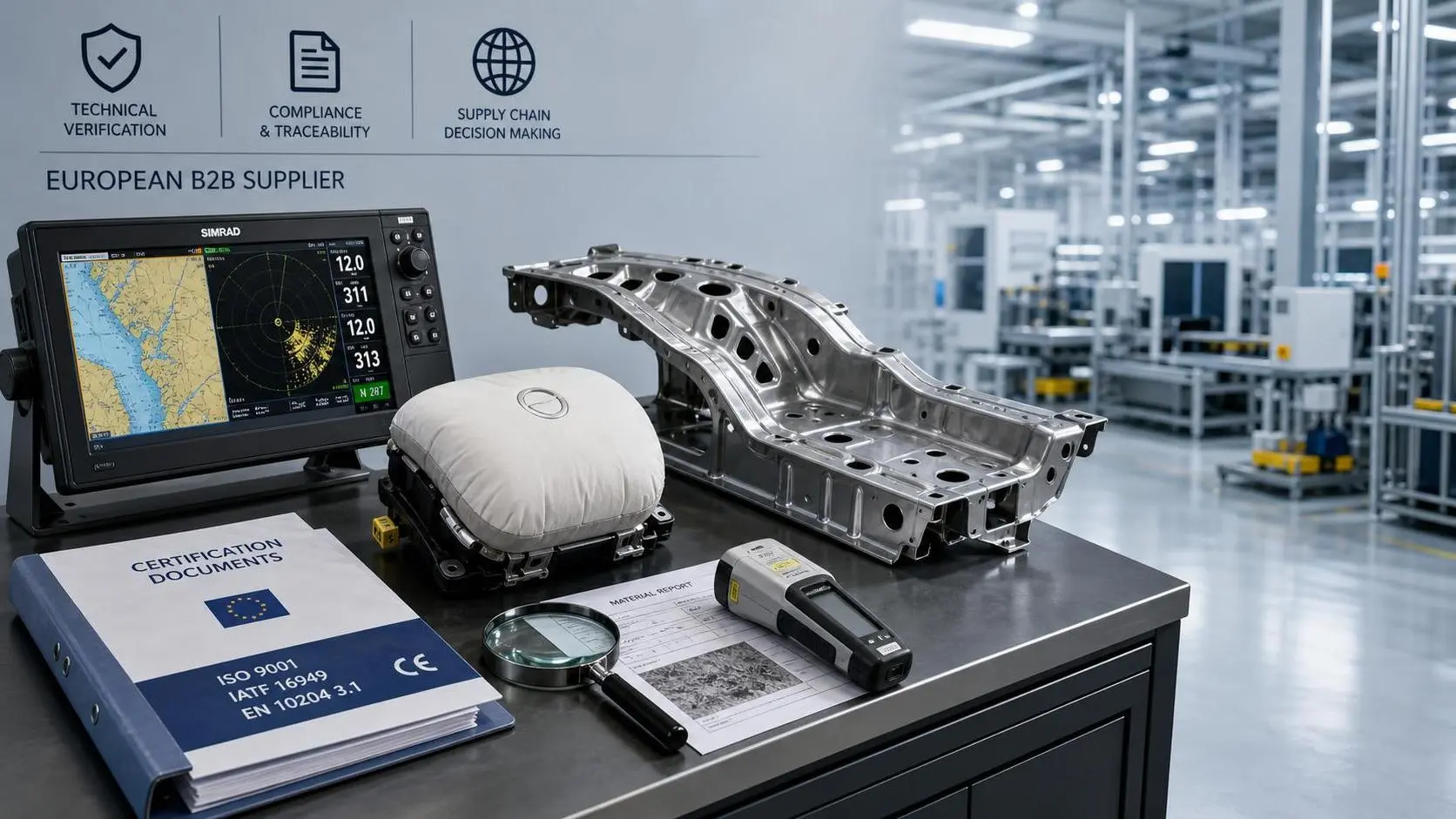
How European B2B Teams Can Evaluate Product Intelligence Platforms for Sourcing
B2B product intelligence platform Europe: learn how procurement teams assess suppliers, compliance data, technical capabilities, and sourcing risks with confidence.
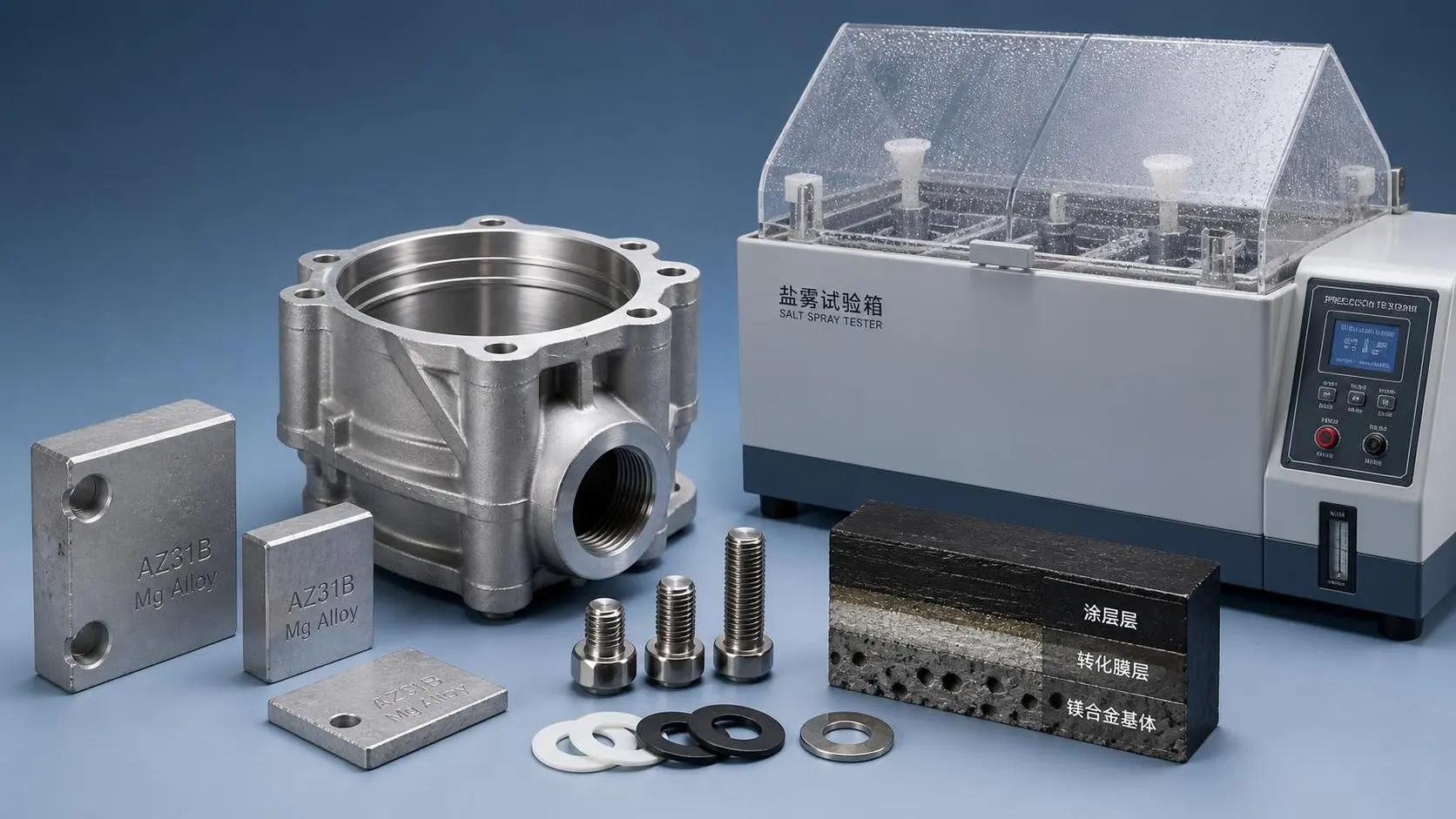
How to Evaluate Magnesium Alloys Corrosion Resistance for Marine Parts?
Magnesium alloys corrosion resistance for marine parts depends on more than alloy grade. Learn how to assess coatings, galvanic risk, geometry, and real-world exposure before you decide.

How to Evaluate Mobility Safety Systems for Safer Vehicle Platform Design
Mobility safety systems evaluation starts with platform architecture, crash energy management, and seat-restraint timing. Learn how to choose safer, validation-ready vehicle designs.
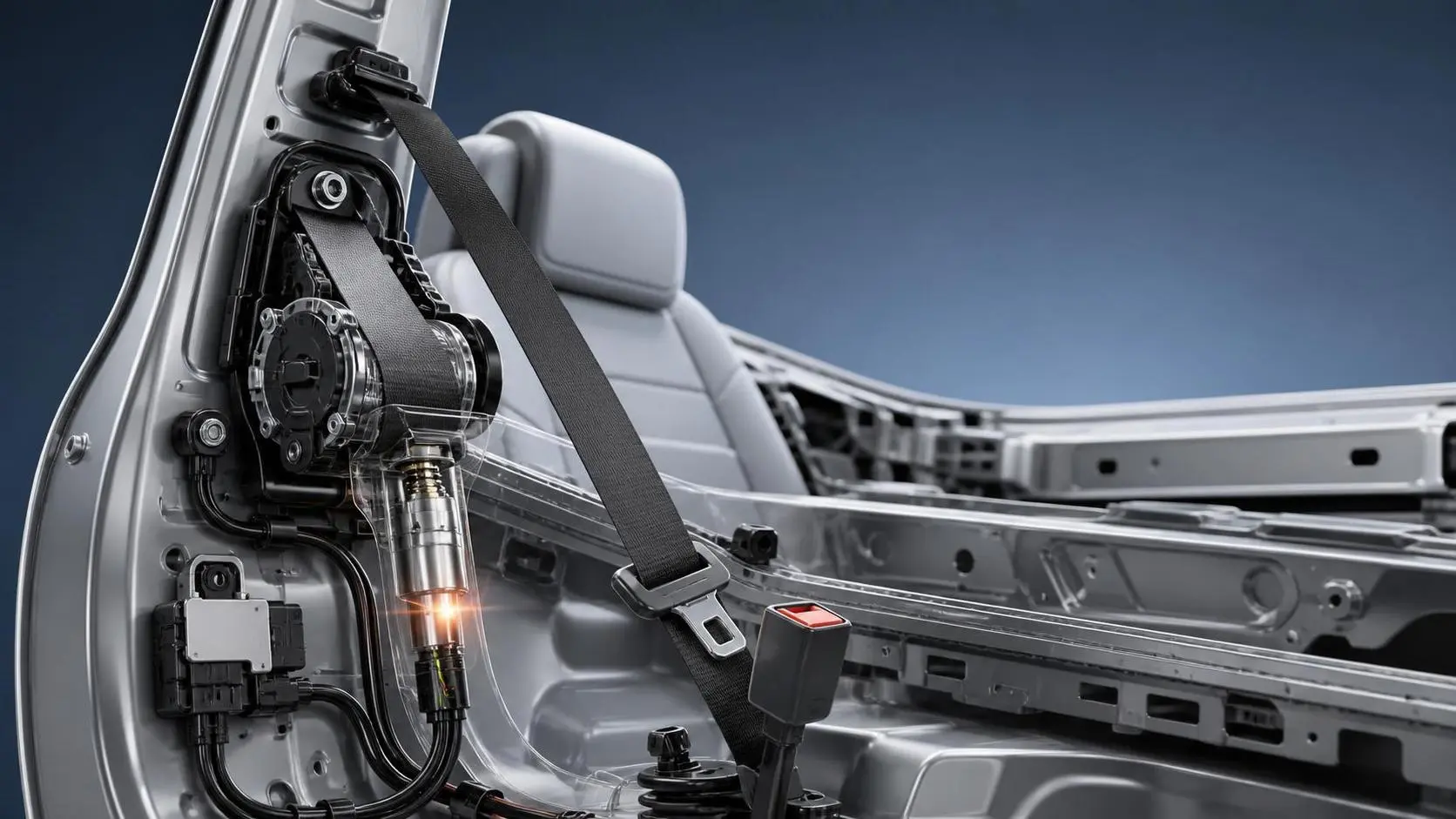
How Seat Belt Pretensioners for EVs Improve Crash Safety and System Response
Seat belt pretensioners for EVs improve crash timing, occupant control, and system response. Discover how smarter integration boosts EV safety performance.
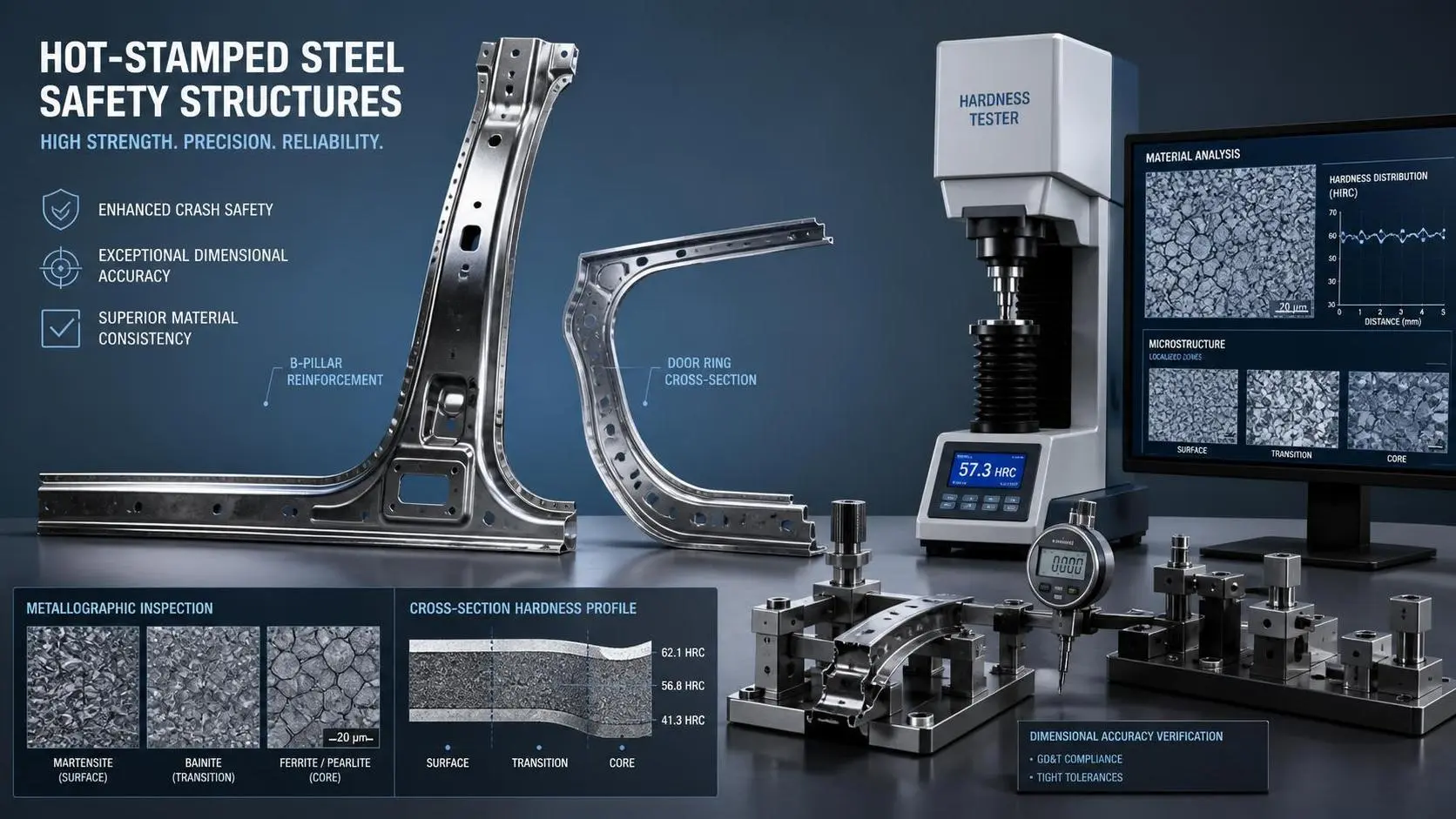
How to Evaluate High Strength Hot Stamped Steel Parts for Crash-Safety Applications
High strength hot stamped steel parts for crash-safety applications: learn how to assess strength, microstructure, dimensional accuracy, and process stability for safer sourcing decisions.
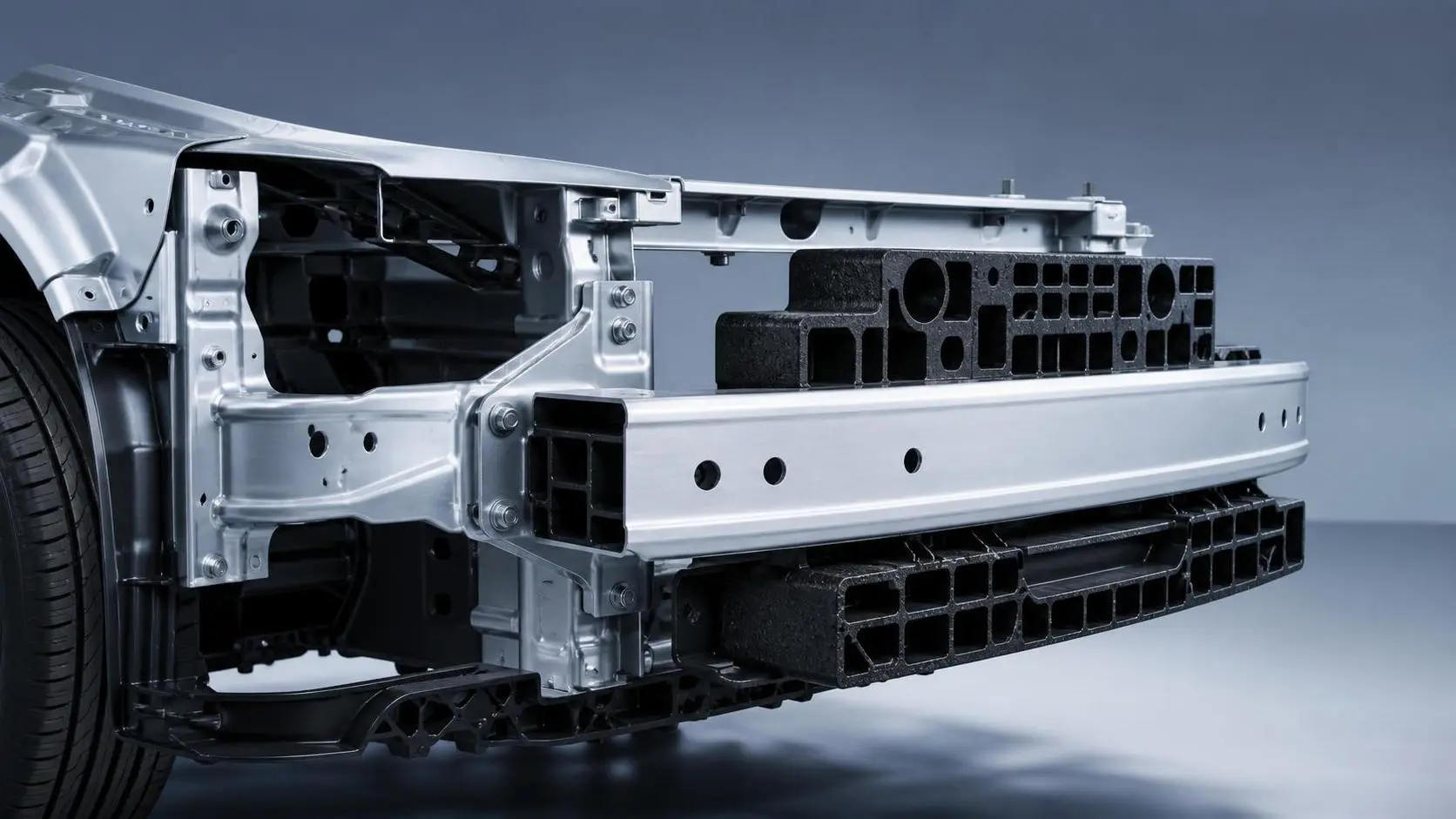
How Crash Management Components Reduce Repair Costs and Improve Impact Performance
Crash management components help reduce repair costs, protect critical vehicle structures, and improve impact performance. Learn how smarter design supports safer, more cost-efficient mobility programs.
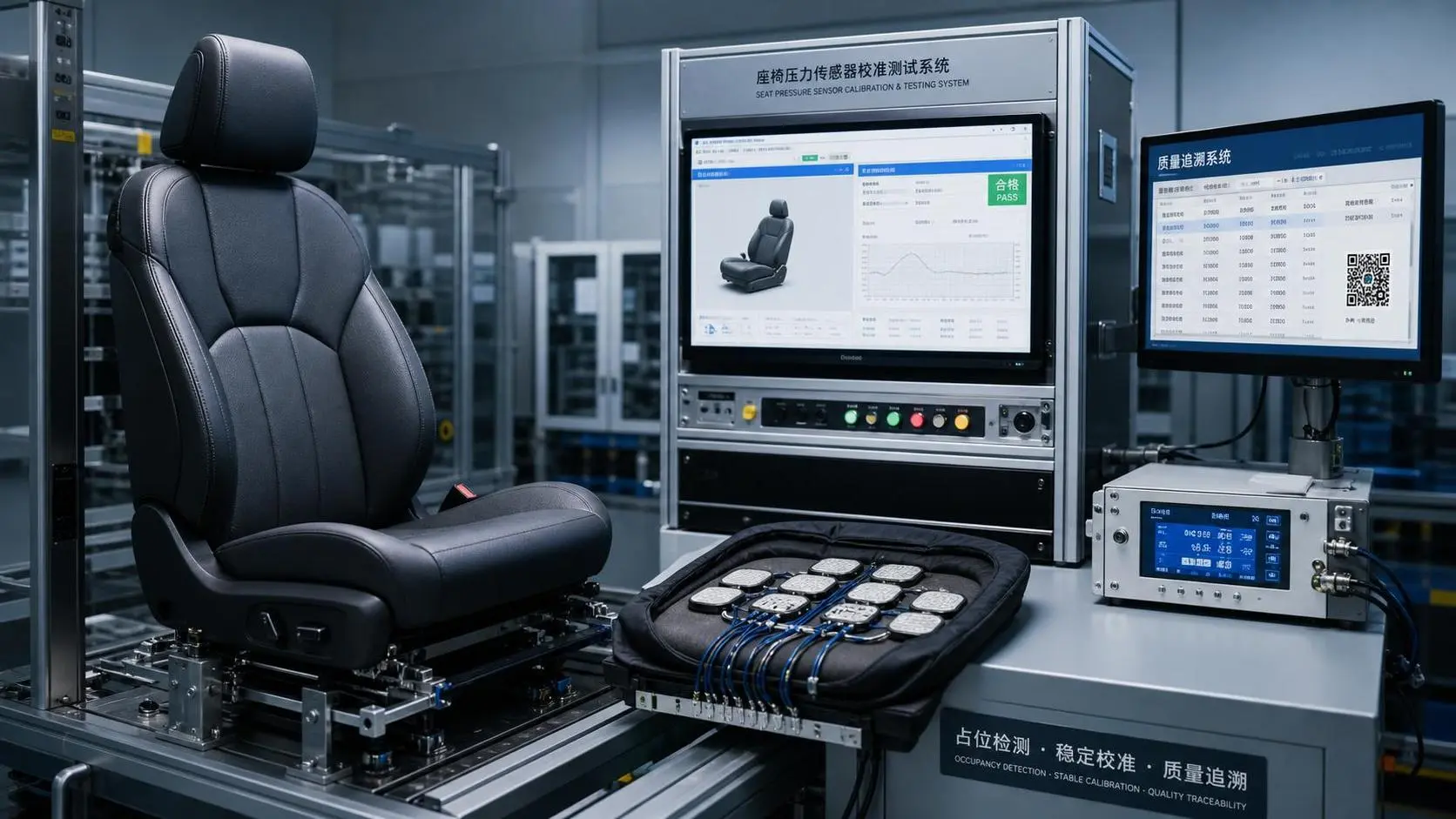
How to Evaluate a Seat Sensing Systems Factory for Automotive Safety Programs
Seat sensing systems factory selection goes beyond price. Learn how to assess quality control, validation, PPAP readiness, and long-term supply reliability for safer automotive programs.
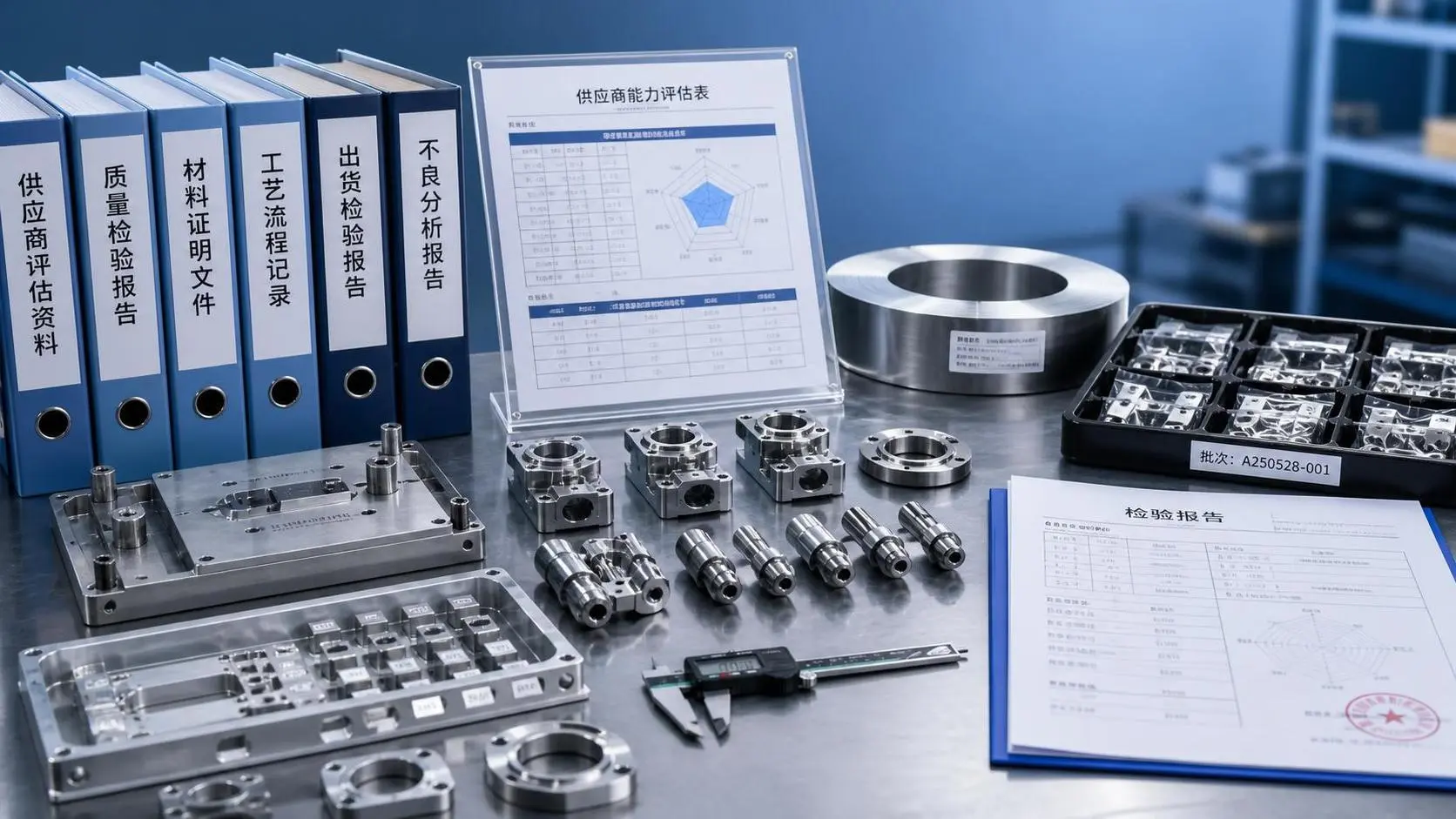
Supplier Capability Evaluation Process: Key Criteria for B2B Sourcing Decisions
Supplier capability evaluation process explained: learn the key criteria for B2B sourcing decisions, reduce supplier risk, and choose partners with confidence.
Related News
- 00
0000-00
How European B2B Teams Can Evaluate Product Intelligence Platforms for Sourcing - 00
0000-00
How to Evaluate Magnesium Alloys Corrosion Resistance for Marine Parts? - 00
0000-00
How to Evaluate Mobility Safety Systems for Safer Vehicle Platform Design - 00
0000-00
How Crash Management Components Reduce Repair Costs and Improve Impact Performance - 00
0000-00
Supplier Capability Evaluation Process: Key Criteria for B2B Sourcing Decisions
Weekly Insights
Stay ahead with our curated technology reports delivered every Monday.