
How to Structure Application Engineering Content for Technical Products and Complex Solutions
How to Structure Application Engineering Content for Technical Products and Complex Solutions
For project leaders managing technical products and complex solutions, effective application engineering content is essential for turning deep expertise into clear buying confidence.
In industries shaped by compliance, safety, performance, and integration, content must do more than describe features.
It needs to explain how a solution works in the field, what risks it reduces, and why implementation is realistic.
That is especially true for platforms like GNCS, where marine navigation, passive safety, and smart cabin systems intersect.
Well-structured application engineering content helps technical buyers compare options, align internal teams, and move decisions forward with fewer misunderstandings.
The goal is simple: make complex engineering easier to trust, evaluate, and apply.
Start with the Real Application Context
Strong application engineering content begins with the operating environment, not the product brochure.
Decision-makers want to see where the solution fits, what conditions it faces, and what operational pressure shapes performance.
For marine navigation systems, that may include rough weather, electromagnetic interference, route density, and compliance with international standards.
For airbag assemblies or seatbelt systems, the context shifts to crash pulse behavior, occupant variation, testing regimes, and integration with vehicle electronics.
This opening section should answer three practical questions:
- What application problem is being solved?
- What operating constraints affect the solution?
- Why does this problem matter commercially or technically?
When application engineering content starts here, the rest of the story becomes easier to follow and more credible.
Build Around the Problem-Solution Structure
A clear problem-solution structure keeps technical content focused and useful.
Many teams overload application engineering content with specifications before showing why those specifications matter.
A better structure is to move in this order:
- Define the application challenge.
- Show the engineering constraints behind it.
- Explain the solution architecture.
- Connect features to measurable outcomes.
- Clarify deployment and validation steps.
This approach works across complex solutions.
In auto body stampings, for example, lightweight design alone is not the story.
The story is how hot stamping, material selection, and geometry control support crash energy management without sacrificing manufacturability.
That is what effective application engineering content should make visible.
Translate Features into Operational Value
Technical buyers rarely struggle to find feature lists.
What they struggle with is understanding how those features change project outcomes.
Application engineering content should therefore connect every major feature to a practical effect.
- Higher positioning accuracy can support safer route planning and lower navigation error.
- Improved force-limiting behavior can reduce injury risk across different occupant sizes.
- Magnesium seat frame strategies can improve weight targets without ignoring stiffness needs.
- Cloud-based update protocols can shorten maintenance cycles and improve regulatory responsiveness.
This is where application engineering content becomes commercially useful.
It helps stakeholders connect engineering language with cost, lead time, validation effort, and compliance confidence.
That connection is often the difference between interest and action.
Use a Repeatable Content Framework
Consistency matters when technical portfolios are broad.
A repeatable framework makes application engineering content easier to produce, compare, and maintain.
A practical structure often includes these sections:
1. Application Overview
Describe the use case, target environment, and common implementation scenario.
2. Engineering Challenge
Identify the performance barriers, compliance demands, or integration risks.
3. Solution Design
Explain the core design logic, subsystems, and technical mechanisms.
4. Performance Evidence
Show relevant metrics, test references, simulation results, or field outcomes.
5. Integration Considerations
Clarify interfaces, dependencies, software or hardware impacts, and rollout needs.
6. Business Impact
Summarize cost, risk, time, and strategic value.
This framework keeps application engineering content rigorous without making it heavy.
Make Compliance and Validation Easy to Find
In technical products, credibility depends on evidence.
From recent market shifts, a stronger signal is the growing weight of compliance traceability and validation transparency.
Application engineering content should never hide this information deep inside long narrative sections.
It should clearly show which standards, test methods, and approval paths matter.
For GNCS-related sectors, this may include maritime regulations, ECDIS update requirements, IIHS references, E-NCAP expectations, or internal qualification protocols.
A compact table can help:
When compliance details are clear, content becomes easier to defend in technical and purchasing discussions.
Write for Cross-Functional Decision Flow
Complex solutions are rarely approved by one function alone.
Engineering, sourcing, quality, compliance, and program teams all read application engineering content differently.
This means the structure must support several reading paths.
One reader may scan for integration effort.
Another may focus on regulation gaps.
A commercial lead may look for supply reliability and premium differentiation.
In actual business settings, this is why application engineering content should use short sections, descriptive subheads, concise bullets, and direct evidence.
Dense walls of text slow down internal alignment and often weaken perceived expertise.
Clear structure signals disciplined thinking.
Avoid Common Content Mistakes
Even technically strong teams often miss basic content discipline.
The most common issues are predictable:
- Too much product description, too little application context.
- Performance claims without test framing.
- No explanation of integration workload.
- Compliance mentioned vaguely, without scope.
- No distinction between baseline capability and optional configuration.
These gaps create friction because they force readers to guess.
Good application engineering content reduces guesswork.
It makes technical value easier to verify, compare, and approve.
Turn Content into a Working Decision Tool
The best application engineering content does not end at awareness.
It supports next-step action.
That means each content asset should help the reader do something concrete.
- Assess technical fit for a target platform or program.
- Identify validation needs before sourcing engagement.
- Compare implementation risks across suppliers or architectures.
- Prepare internal justification for pilot evaluation.
For a portal like GNCS, this is where editorial depth becomes strategic value.
By linking market signals, engineering logic, and compliance realities, application engineering content becomes more than information.
It becomes a practical decision asset.
If the structure is clear, the value story is easier to believe.
If the evidence is visible, the risk story is easier to manage.
And if the application engineering content speaks directly to implementation reality, commercial conversations move faster and with better technical alignment.
The practical next step is to audit existing content against this structure, tighten weak sections, and rebuild around real application decisions rather than generic product messaging.
Related News
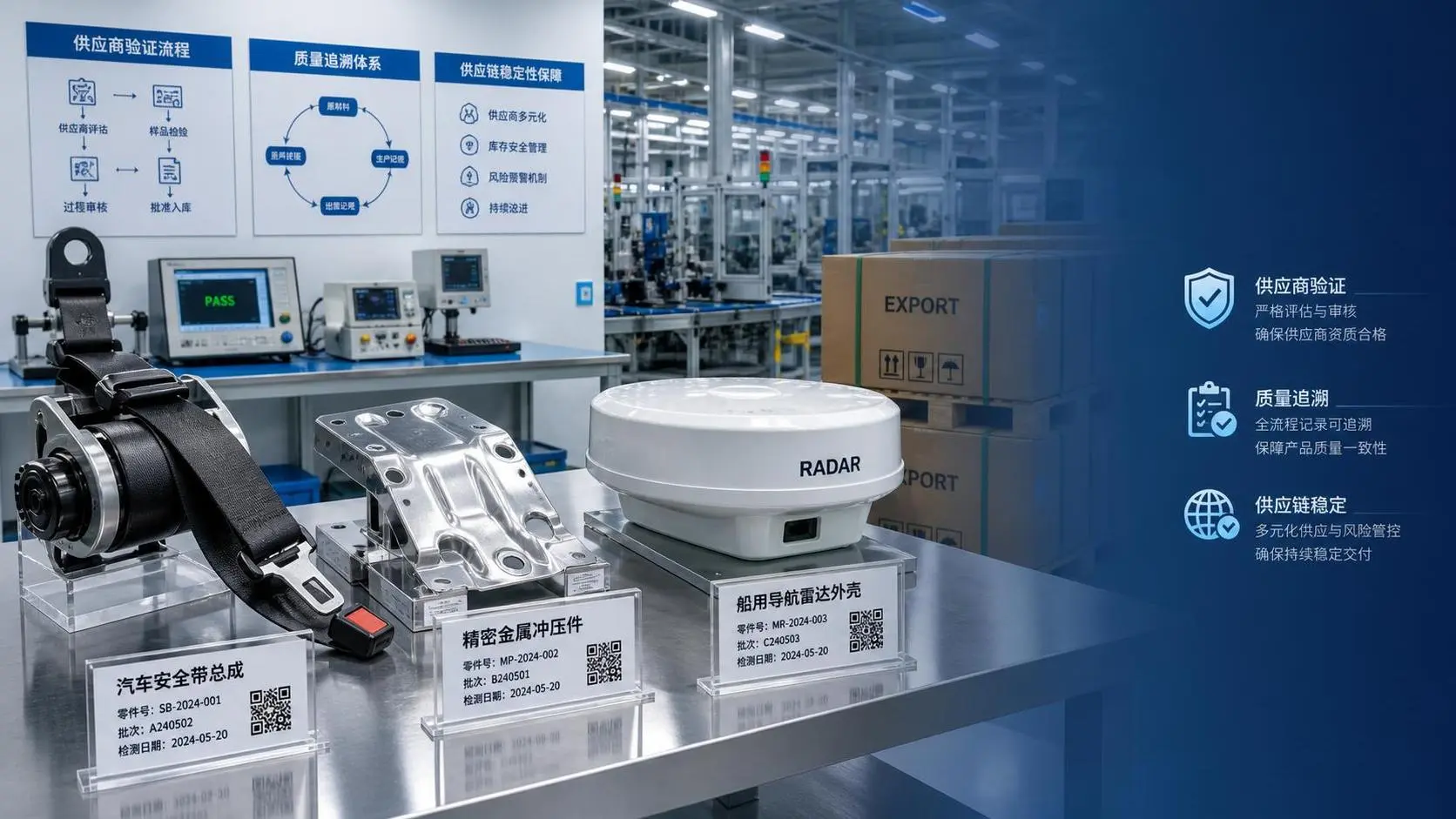
Industrial Sourcing Information: How Buyers Vet Suppliers, Costs, and Supply Risks
Industrial sourcing information guide for vetting suppliers, calculating landed costs, managing compliance, and reducing supply-chain risks in marine and automotive safety programs.

Which Passive Safety Engineering Standards Apply to Automotive Restraint Systems?
Passive safety engineering standards for automotive restraint systems: explore FMVSS, UN regulations, seatbelts, airbags, anchors, and compliance planning.

How European B2B Teams Can Evaluate Product Intelligence Platforms for Sourcing
B2B product intelligence platform Europe: learn how procurement teams assess suppliers, compliance data, technical capabilities, and sourcing risks with confidence.

How to Evaluate Magnesium Alloys Corrosion Resistance for Marine Parts?
Magnesium alloys corrosion resistance for marine parts depends on more than alloy grade. Learn how to assess coatings, galvanic risk, geometry, and real-world exposure before you decide.

How to Evaluate Mobility Safety Systems for Safer Vehicle Platform Design
Mobility safety systems evaluation starts with platform architecture, crash energy management, and seat-restraint timing. Learn how to choose safer, validation-ready vehicle designs.

How Seat Belt Pretensioners for EVs Improve Crash Safety and System Response
Seat belt pretensioners for EVs improve crash timing, occupant control, and system response. Discover how smarter integration boosts EV safety performance.
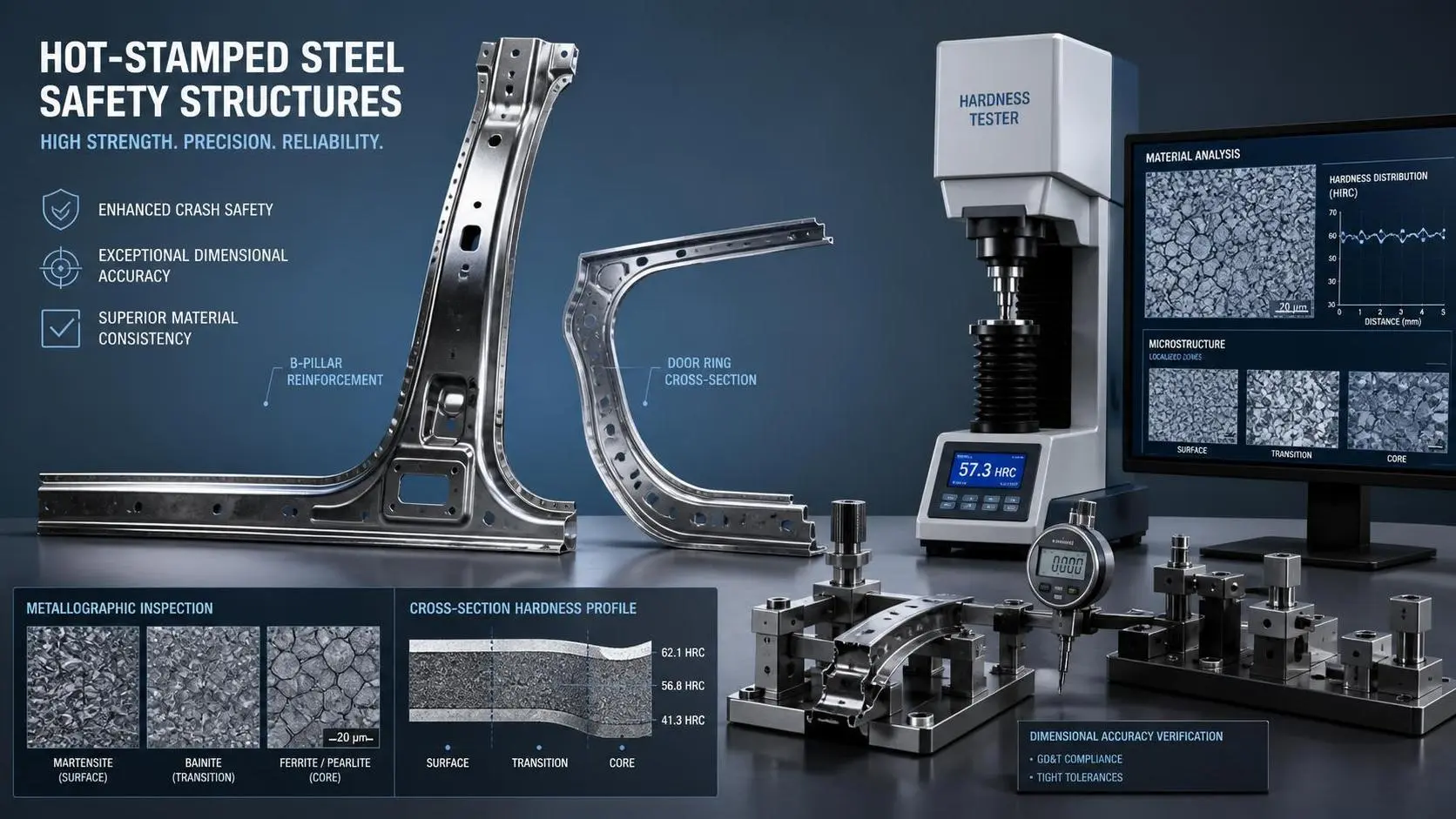
How to Evaluate High Strength Hot Stamped Steel Parts for Crash-Safety Applications
High strength hot stamped steel parts for crash-safety applications: learn how to assess strength, microstructure, dimensional accuracy, and process stability for safer sourcing decisions.

How Crash Management Components Reduce Repair Costs and Improve Impact Performance
Crash management components help reduce repair costs, protect critical vehicle structures, and improve impact performance. Learn how smarter design supports safer, more cost-efficient mobility programs.

How to Evaluate a Seat Sensing Systems Factory for Automotive Safety Programs
Seat sensing systems factory selection goes beyond price. Learn how to assess quality control, validation, PPAP readiness, and long-term supply reliability for safer automotive programs.
Related News
- 00
0000-00
Industrial Sourcing Information: How Buyers Vet Suppliers, Costs, and Supply Risks - 00
0000-00
How European B2B Teams Can Evaluate Product Intelligence Platforms for Sourcing - 00
0000-00
How to Evaluate Magnesium Alloys Corrosion Resistance for Marine Parts? - 00
0000-00
How to Evaluate Mobility Safety Systems for Safer Vehicle Platform Design - 00
0000-00
How Crash Management Components Reduce Repair Costs and Improve Impact Performance
Weekly Insights
Stay ahead with our curated technology reports delivered every Monday.