
Vehicle Lightweight Engineering for Body Structures: How to Balance Mass, Stiffness, and Cost
Vehicle Lightweight Engineering for Body Structures: How to Balance Mass, Stiffness, and Cost
For project leaders, vehicle lightweight engineering for body structures is no longer just a design target. It is a practical decision problem shaped by performance, compliance, launch timing, and total program cost.
The pressure is easy to understand. Lighter structures support range, emissions, payload, and crash targets. At the same time, stiffness cannot drop, and budgets rarely expand with engineering ambition.
That is why vehicle lightweight engineering for body structures now sits at the center of sourcing and platform planning. The right choice is rarely the lightest concept on paper.
In real programs, the better choice is the one that protects stiffness, controls tooling risk, fits plant capability, and delivers a believable cost curve through SOP and scale-up.
This article looks at how to balance mass, stiffness, and cost through material selection, structural optimization, and manufacturing strategy, with a strong focus on procurement-facing decisions.
Why Vehicle Lightweight Engineering for Body Structures Has Become a Cost Decision
A few years ago, lightweighting was often discussed as an engineering upgrade. Today, it is tied directly to business cases, certification paths, and supplier competitiveness.
More visible signals are coming from electrification, stricter safety expectations, and unstable raw material pricing. These factors change how teams evaluate body structure sourcing.
For example, every kilogram saved in a body-in-white can influence battery sizing, energy consumption, and downstream component loads. But the savings only matter if the structure still performs.
This is where vehicle lightweight engineering for body structures becomes a trade-off exercise. Buyers are not purchasing material alone. They are purchasing a performance system and a manufacturing route.
From a procurement angle, the real question is simple: which design path creates stable value across mass, stiffness, tooling, scrap, joining, warranty risk, and program timing?
Start With the Right Performance Priorities
Not all body structures need the same lightweight strategy. Front rails, pillars, floor systems, roof bows, and closures each respond differently to loading and crash requirements.
Teams often lose time by setting a global mass target before defining local structural priorities. That usually leads to redesign loops, supplier friction, and hidden cost growth.
A better sequence is to rank body structure requirements in this order:
- Crash load paths and energy absorption needs
- Global and local stiffness targets
- Corrosion, fatigue, and durability exposure
- Joining compatibility with adjacent parts
- Factory readiness and launch timing
- Piece cost and lifecycle cost impact
This framework helps vehicle lightweight engineering for body structures stay grounded. It keeps material choices from drifting into isolated technical wins that fail at system level.
In practice, the strongest sourcing teams ask for stiffness and crash evidence early, not just density or tensile strength claims. That shift avoids many late-stage surprises.
Material Selection: Where Mass Savings Often Begin
Material strategy is still the first lever in vehicle lightweight engineering for body structures. Yet the smartest programs rarely depend on one material family alone.
Advanced high-strength steel remains attractive because it balances cost, formability, crash behavior, and supply maturity. Hot stamping adds further value in intrusion-critical zones.
Aluminum offers stronger mass reduction potential, especially in closures, front structures, and selected floor applications. However, joining methods, springback control, and scrap economics require closer attention.
Magnesium and composites can unlock additional savings, but they usually fit better in targeted modules than in broad body-in-white rollouts. Their cost and process windows remain narrower.
For fast decision-making, compare materials across four dimensions:
The key point is this: material substitution alone rarely solves vehicle lightweight engineering for body structures. Real value appears when material choice and section design move together.
Structural Optimization: Protecting Stiffness Without Chasing Extra Mass
When teams focus only on thinner gauges, stiffness can fall quickly. The more reliable path is structural optimization built around geometry, bead design, section depth, and load transfer efficiency.
This is especially important in EV platforms, where battery integration changes floor stiffness, torsional behavior, and underbody packaging. Old benchmarks do not always transfer cleanly.
Useful optimization methods typically include:
- Tailored blanks to place strength only where loads demand it
- Closed sections to raise bending and torsional stiffness
- Topology refinement to reduce inactive material
- Multi-material nodes for localized performance gains
- Adhesive-assisted joining to improve stiffness and NVH
In actual sourcing reviews, structural optimization deserves the same attention as raw material price. A cheaper sheet may become expensive if reinforcements, weld count, or rework increase later.
Well-executed vehicle lightweight engineering for body structures removes unnecessary mass while preserving stiffness through smarter architecture, not only stronger materials.
Manufacturing Strategy Often Decides the Real Cost
This is the point many business cases miss. Theoretical lightness does not equal program value if the manufacturing route adds unstable cost, yield loss, or capacity bottlenecks.
For body structures, manufacturing cost is shaped by stamping complexity, die life, cycle time, scrap rate, joining technology, heat treatment, inspection burden, and repairability.
Take aluminum as an example. It may lower mass significantly, but rivets, adhesives, galvanic isolation, and training requirements can change the cost picture fast.
Hot-stamped steel presents a different pattern. Material performance is strong, yet furnace investment, die cooling control, and line integration need disciplined supplier capability.
Before nomination, ask suppliers for evidence in these areas:
- Stable forming results at target production volume
- Joining compatibility with mixed materials
- Process capability and scrap assumptions
- Tool maintenance strategy and uptime history
- Dimensional control plans for stiffness-critical parts
- Repair, service, and warranty implications
In other words, vehicle lightweight engineering for body structures must be priced as a manufacturing ecosystem, not as a simple material delta.
How to Compare Supplier Proposals More Rigorously
Supplier quotes can look similar while hiding very different execution risks. That is why lightweight body structure sourcing needs a broader comparison model.
Start by separating quoted piece price from delivered program value. Then score each proposal against technical and operational proof points.
A practical evaluation grid should cover:
- Mass saved per vehicle and per cost increment
- Stiffness retention under real load cases
- Crash simulation maturity and test correlation
- Tooling amortization and break-even volume
- Launch readiness and APQP discipline
- Regional supply resilience and raw material exposure
This approach turns vehicle lightweight engineering for body structures into a measurable sourcing decision. It also gives program teams a stronger basis for internal alignment.
The strongest proposals usually show balanced trade-offs, not extreme promises. When a supplier claims large mass reduction with little cost impact, the joining and tooling story should be checked carefully.
Common Risks in Vehicle Lightweight Engineering for Body Structures
Several risks appear repeatedly across programs. None are unusual, but each can distort cost and timing if ignored too long.
The most common issues include:
- Choosing a low-density material without validating joining cost
- Reducing gauge before confirming stiffness margins
- Underestimating scrap and springback effects
- Treating crash and NVH requirements separately
- Accepting supplier simulations without correlation data
- Ignoring repair complexity in downstream cost models
These risks are manageable when cross-functional reviews happen early. Purchasing, CAE, manufacturing, quality, and body engineering need the same baseline assumptions.
That coordination matters because vehicle lightweight engineering for body structures is not a single department problem. It is a full-program performance and cost discipline.
A Practical Decision Path for Better Outcomes
A workable decision path starts with clarity. Define where mass reduction matters most, where stiffness is non-negotiable, and where cost flexibility actually exists.
Then ask suppliers to present complete solutions, including material, section logic, joining route, tooling assumptions, and validated manufacturing capability.
Shortlist proposals using total value, not isolated unit price. A slightly higher piece cost may still win if it protects stiffness, shortens launch risk, and reduces secondary parts.
That is the practical core of vehicle lightweight engineering for body structures. Balance comes from disciplined trade-off management, not from chasing the lightest possible number.
As mobility platforms become more demanding, the programs that perform best will be those that combine structural intelligence with commercial discipline from the start.
For teams evaluating the next body structure program, the right next step is straightforward: compare lightweight concepts through verified stiffness, real manufacturing cost, and supplier execution proof before locking the sourcing path.
Related News
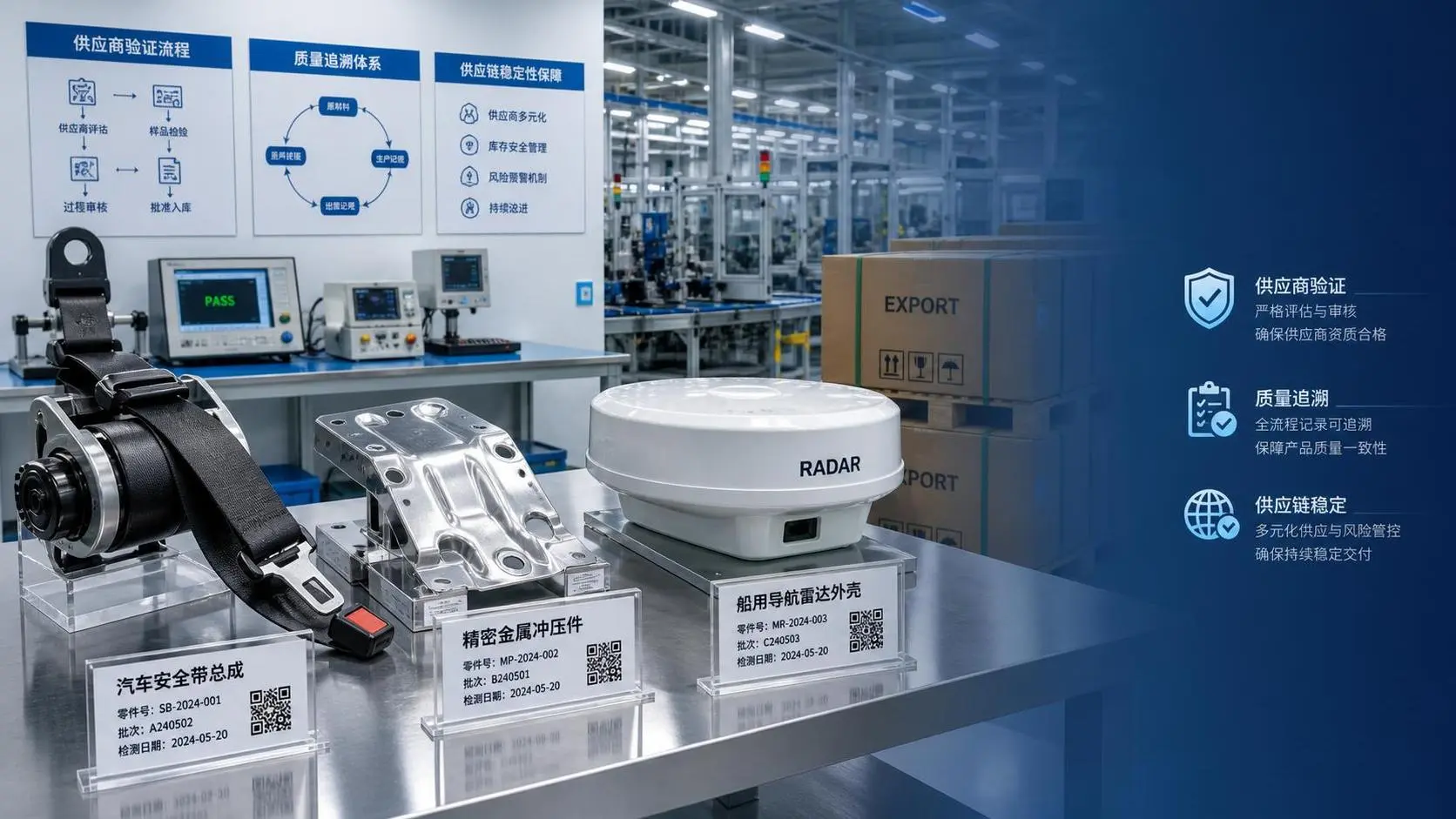
Industrial Sourcing Information: How Buyers Vet Suppliers, Costs, and Supply Risks
Industrial sourcing information guide for vetting suppliers, calculating landed costs, managing compliance, and reducing supply-chain risks in marine and automotive safety programs.

Which Passive Safety Engineering Standards Apply to Automotive Restraint Systems?
Passive safety engineering standards for automotive restraint systems: explore FMVSS, UN regulations, seatbelts, airbags, anchors, and compliance planning.

How European B2B Teams Can Evaluate Product Intelligence Platforms for Sourcing
B2B product intelligence platform Europe: learn how procurement teams assess suppliers, compliance data, technical capabilities, and sourcing risks with confidence.
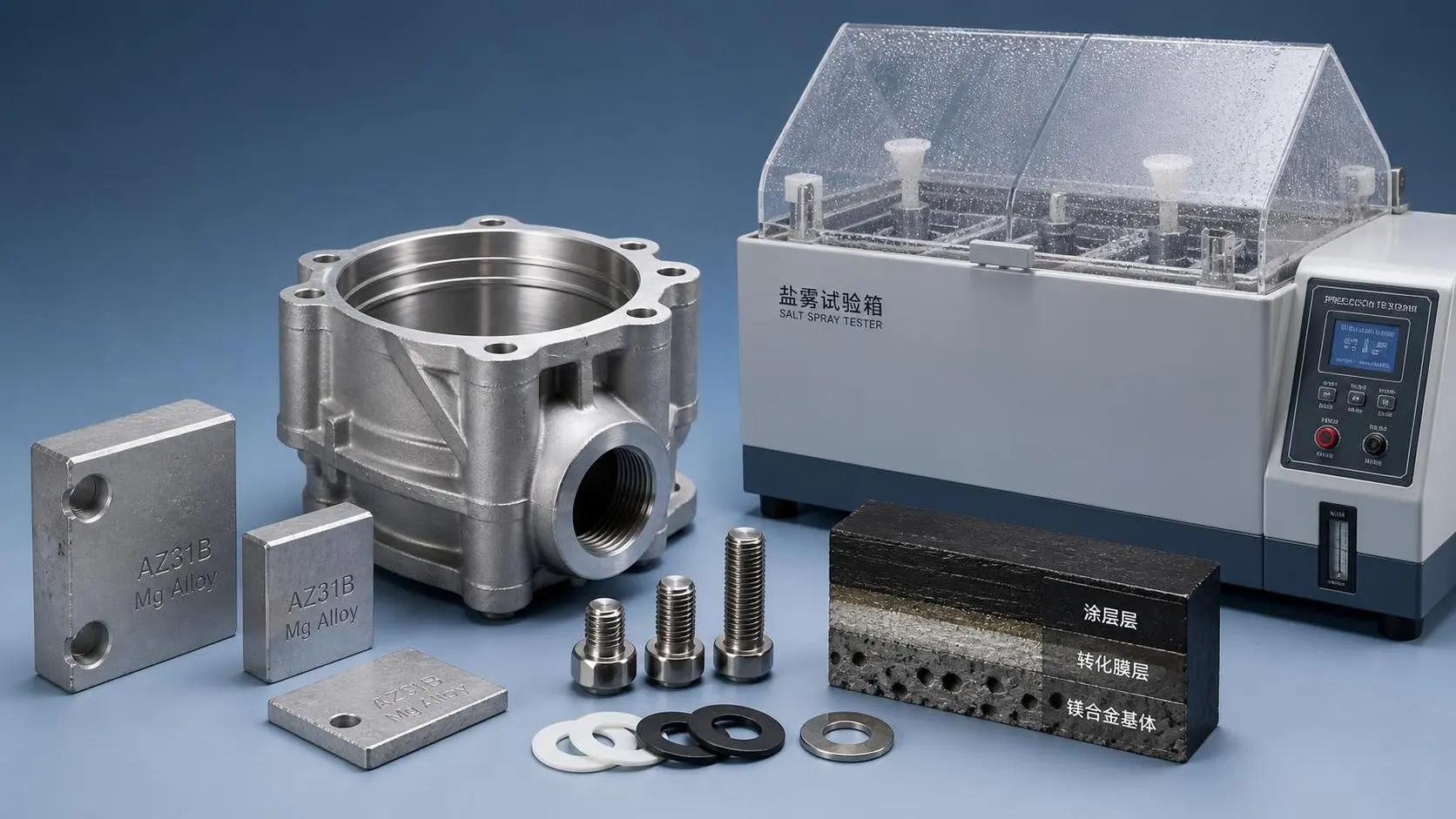
How to Evaluate Magnesium Alloys Corrosion Resistance for Marine Parts?
Magnesium alloys corrosion resistance for marine parts depends on more than alloy grade. Learn how to assess coatings, galvanic risk, geometry, and real-world exposure before you decide.

How to Evaluate Mobility Safety Systems for Safer Vehicle Platform Design
Mobility safety systems evaluation starts with platform architecture, crash energy management, and seat-restraint timing. Learn how to choose safer, validation-ready vehicle designs.

How Seat Belt Pretensioners for EVs Improve Crash Safety and System Response
Seat belt pretensioners for EVs improve crash timing, occupant control, and system response. Discover how smarter integration boosts EV safety performance.
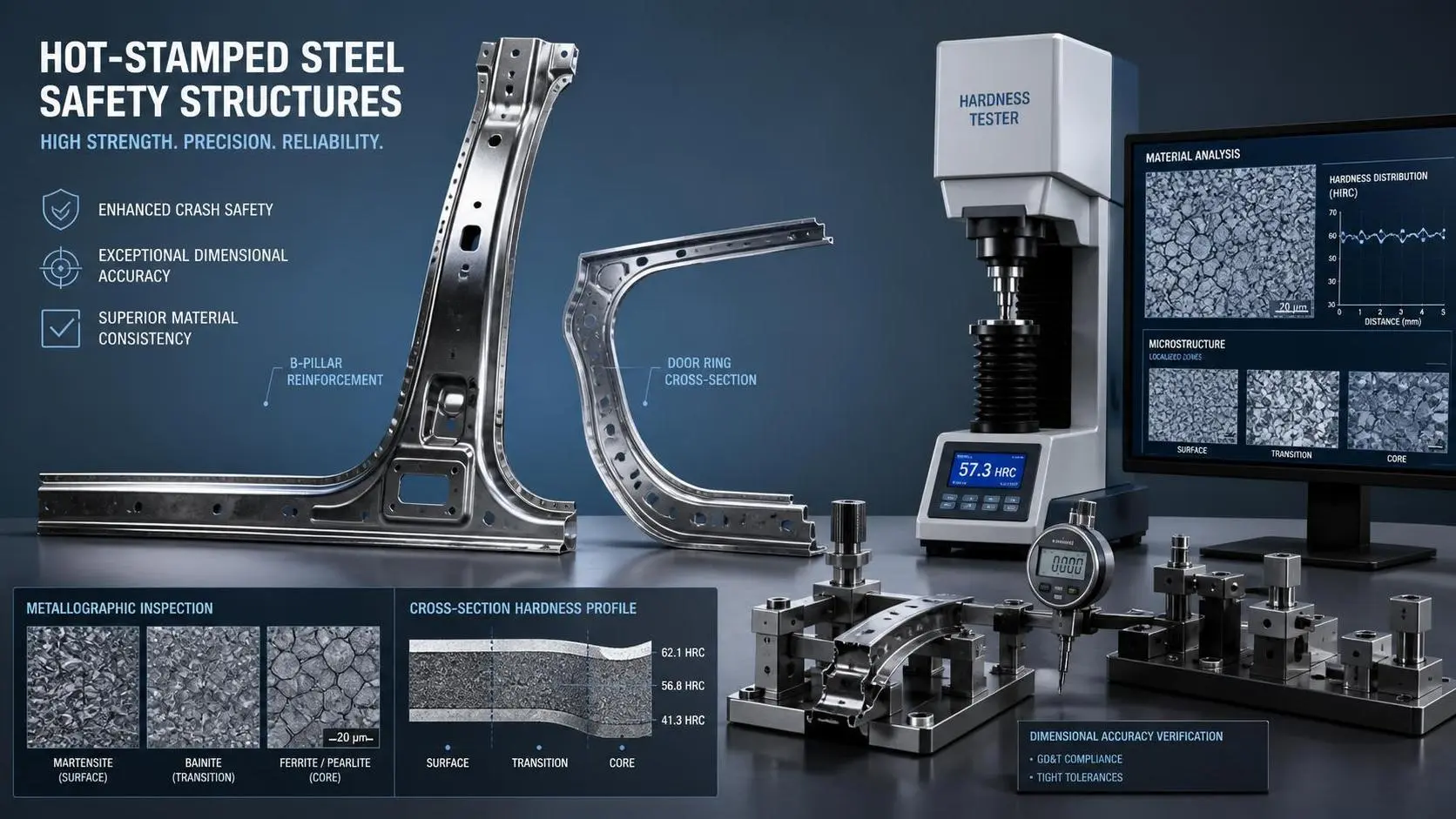
How to Evaluate High Strength Hot Stamped Steel Parts for Crash-Safety Applications
High strength hot stamped steel parts for crash-safety applications: learn how to assess strength, microstructure, dimensional accuracy, and process stability for safer sourcing decisions.
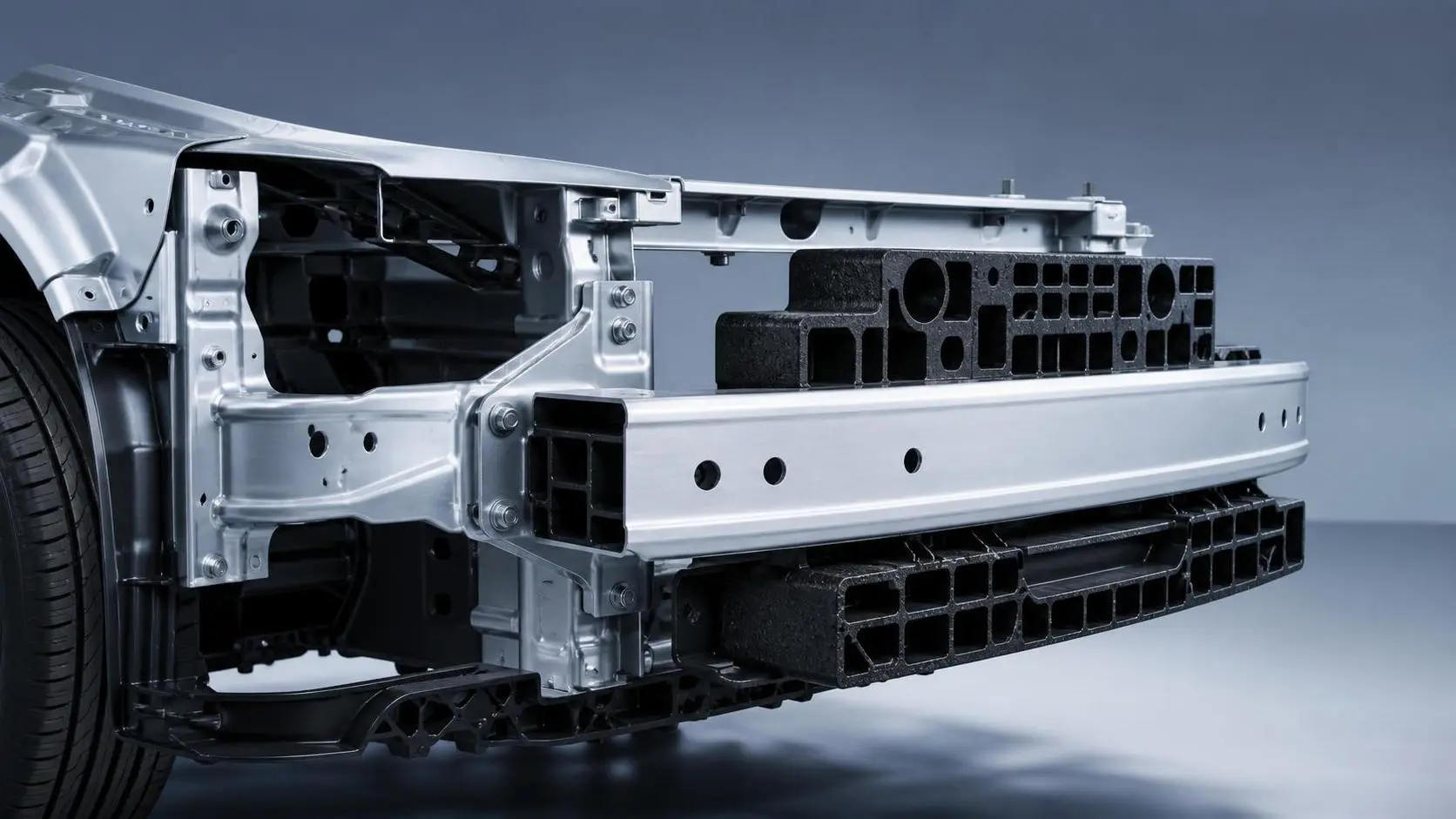
How Crash Management Components Reduce Repair Costs and Improve Impact Performance
Crash management components help reduce repair costs, protect critical vehicle structures, and improve impact performance. Learn how smarter design supports safer, more cost-efficient mobility programs.
How to Evaluate a Seat Sensing Systems Factory for Automotive Safety Programs
Seat sensing systems factory selection goes beyond price. Learn how to assess quality control, validation, PPAP readiness, and long-term supply reliability for safer automotive programs.
Related News
- 00
0000-00
Industrial Sourcing Information: How Buyers Vet Suppliers, Costs, and Supply Risks - 00
0000-00
How European B2B Teams Can Evaluate Product Intelligence Platforms for Sourcing - 00
0000-00
How to Evaluate Magnesium Alloys Corrosion Resistance for Marine Parts? - 00
0000-00
How to Evaluate Mobility Safety Systems for Safer Vehicle Platform Design - 00
0000-00
How Crash Management Components Reduce Repair Costs and Improve Impact Performance
Weekly Insights
Stay ahead with our curated technology reports delivered every Monday.