
High Strength Steel Stampings vs Aluminum Parts: Which Fits Your Load and Cost Targets?
Material selection has become a program-level decision, not just a drawing note. When weight reduction, crash performance, tooling budgets, and launch timing all compete, the comparison between high strength steel stampings and aluminum parts deserves a more practical lens. In automotive lightweight structures and safety-related assemblies, the right answer rarely comes from density alone. It comes from how the part carries load, how it is formed, how it joins the body system, and how the total cost behaves across the full production cycle.
Why this comparison matters now
Across mobility industries, lightweighting is no longer isolated from safety. GNCS tracks this shift closely because body structures, restraint systems, and cabin protection all depend on predictable energy management.
That is why high strength steel stampings remain central in many platforms, even as aluminum expands into closures, battery enclosures, and selected structural zones.
The pressure is also commercial. Raw material prices fluctuate, launch windows tighten, and compliance demands from IIHS and E-NCAP continue to influence structural design decisions.
In that environment, choosing between high strength steel stampings and aluminum parts is really about balancing load paths, manufacturing maturity, and cost targets without creating downstream risk.
The core difference is not just weight
Aluminum is lighter by density, but lighter material does not automatically produce a lighter or cheaper assembly. Part geometry, thickness, reinforcements, joining strategy, and stiffness requirements change the equation.
High strength steel stampings offer high tensile performance and strong crash energy control in a compact section. That makes them attractive when packaging space is tight.
Aluminum parts often need greater section thickness or different shapes to reach comparable stiffness. In return, they can deliver meaningful mass savings in the right architecture.
Simple comparisons often miss this point. Programs do not buy kilograms in isolation. They buy structural behavior, manufacturability, and repeatable quality.
Load targets and crash behavior
For intrusion resistance, occupant cell protection, and controlled collapse zones, high strength steel stampings frequently provide a more direct route to performance.
This is especially true in pillars, rails, cross members, side impact reinforcements, and other safety-critical stampings with limited design envelope.
Aluminum performs well when the structure can be redesigned around it. It is less effective when teams try to swap material without revisiting geometry and joining methods.
Where high strength steel stampings usually lead
In many body-in-white programs, high strength steel stampings remain the preferred option for parts that must absorb or redirect collision energy with minimal section growth.
Hot stamped boron steel and advanced high-strength grades also support thinner gauges while preserving structural integrity. That improves mass efficiency without sacrificing safety margins.
Another advantage is ecosystem maturity. Tooling suppliers, stamping lines, weld processes, and validation routines for high strength steel stampings are widely established.
- Strong fit for safety cage components and anti-intrusion structures
- Efficient load carrying in compact packaging spaces
- Broad supply chain familiarity in high-volume production
- Reliable crash repeatability when process control is stable
From a program view, these benefits reduce technical uncertainty. That matters when launch timing is tight and validation loops are expensive.
Where aluminum parts make more sense
Aluminum is compelling when the business case values mass reduction more heavily than raw piece price or process familiarity. Closures are a common example.
Hoods, doors, liftgates, seat structures, and battery enclosures can benefit from aluminum when reducing upper-body mass or extending range is a visible target.
It also helps when corrosion performance or modular extrusion and casting combinations support a different body strategy.
Still, aluminum rarely wins by material substitution alone. It tends to succeed when the platform is designed around multi-material integration from the start.
The hidden cost drivers
The visible material premium is only one part of the cost model. Joining changes can be just as important.
Adhesives, rivets, isolation treatments, and dedicated repair procedures often add cost and operational complexity. Scrap handling and springback control can also affect yield.
That does not make aluminum a poor option. It simply means the business case should include manufacturing and service realities, not just theoretical mass savings.
A practical comparison for program decisions
A side-by-side view can clarify where each material typically creates value.
This pattern explains why many successful programs use both. High strength steel stampings protect the core load path, while aluminum parts remove mass where geometry and economics support it.
Applications that deserve a closer look
In GNCS coverage, this issue extends beyond body panels. It touches passive safety, occupant packaging, and the structural interfaces that support cabin protection.
For example, seat structures and restraint anchorage zones require precise load transfer. Here, the decision between high strength steel stampings and aluminum parts should reflect both dynamic loads and fatigue behavior.
Battery-electric platforms add another layer. Weight matters more, yet crash containment around the passenger cell and battery pack remains unforgiving.
That is why mixed-material design is growing, not because one material replaced the other, but because each solves a different engineering problem.
Typical fit by component type
- A-pillars, B-pillars, roof rails, and side impact beams often favor high strength steel stampings
- Hoods, decklids, doors, and some seat frames often favor aluminum where mass reduction is prioritized
- Cross-car structures and battery surrounds may use hybrid strategies
- Repair-sensitive fleets may prefer materials with simpler downstream service pathways
What to check before locking the material
A sound decision starts with the function of the part, not the material trend. Load case definition should come first.
Then the team should compare manufacturing routes, joining implications, corrosion interfaces, and validation timing. A lighter part that delays launch can erase its own value.
Cost reviews should also separate piece price from system cost. Tooling, scrap, process speed, inspection, repair, and warranty exposure all belong in the same model.
- Define target loads, stiffness, and crash energy role
- Model gauge, geometry, and joining as one system
- Test feasibility with realistic forming assumptions
- Quantify total landed cost, not material cost alone
- Check serviceability and compliance implications early
In many cases, high strength steel stampings stay ahead because they deliver proven structural efficiency with fewer process changes. In others, aluminum earns its place through platform-level mass benefits.
A better next step than a simple material swap
The most useful question is not whether steel or aluminum is better in general. It is whether the selected material supports the real load path, commercial target, and industrial capability of the program.
For many structures, high strength steel stampings continue to set the baseline for crash-focused efficiency. Aluminum parts add value where architecture, joining strategy, and lifecycle economics support the change.
A disciplined review should compare part function, body integration, and total program cost side by side. That approach creates a stronger decision than chasing weight reduction in isolation.
If the next evaluation starts with load maps, section space, joining routes, and validation risk, the choice between high strength steel stampings and aluminum parts becomes much clearer.
Related News

How to Specify Integrated Marine Electronics for Reliable Bridge Operations
Integrated marine electronics: learn how to specify reliable bridge systems with clear data flows, redundancy, alarm control, lifecycle interfaces, and operational testing.

How to Evaluate Navigation Radar Manufacturers for Commercial Vessel Projects
Navigation radar manufacturers: learn how to compare performance, compliance, integration, support, and lifecycle cost for commercial vessel projects.
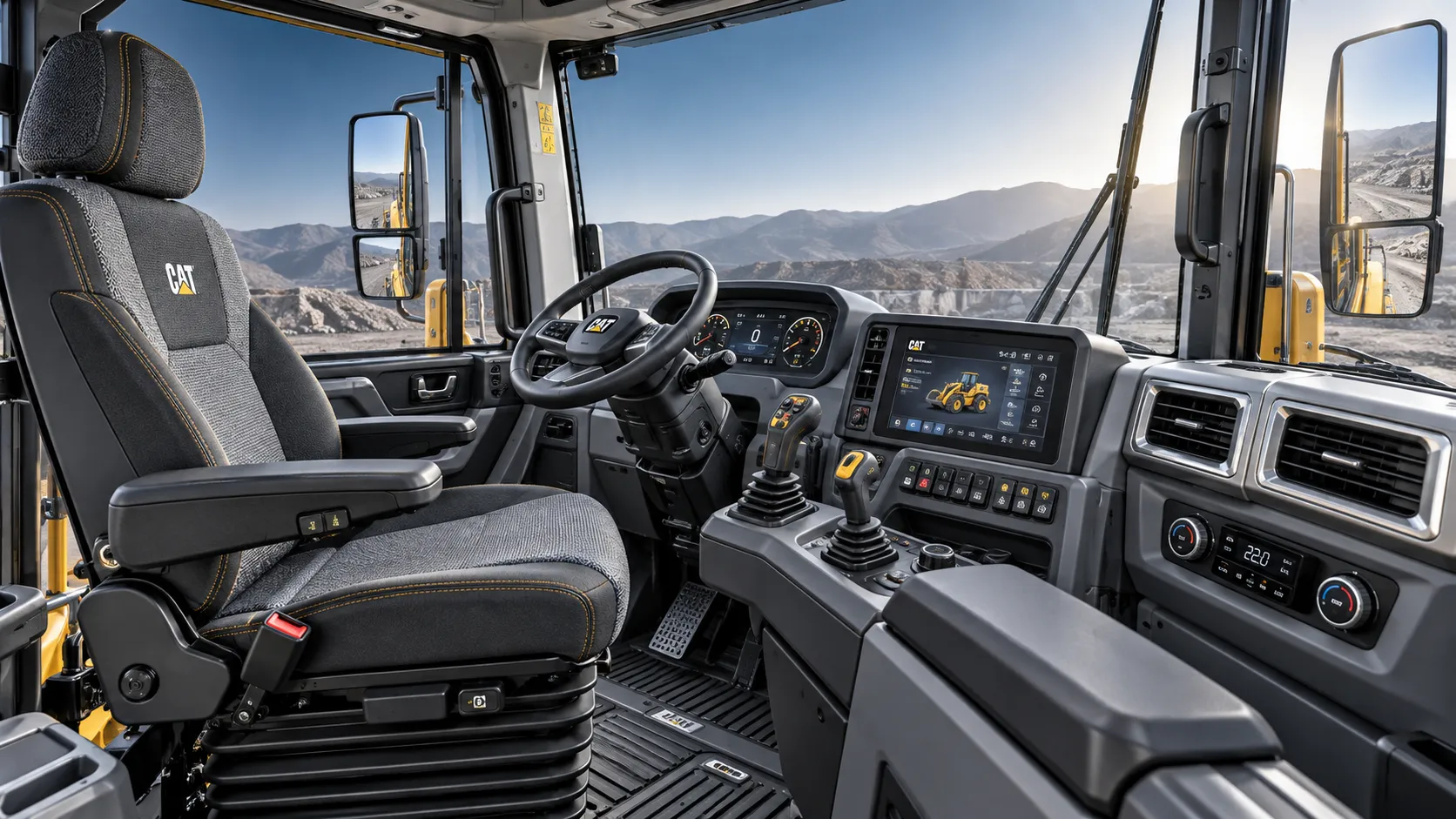
How Adjustable Cabin Ergonomics Reduce Operator Fatigue in Long-Shift Vehicles
Adjustable cabin ergonomics reduces operator fatigue through better seating, reach, visibility, vibration control, and climate comfort for safer long-shift vehicles.
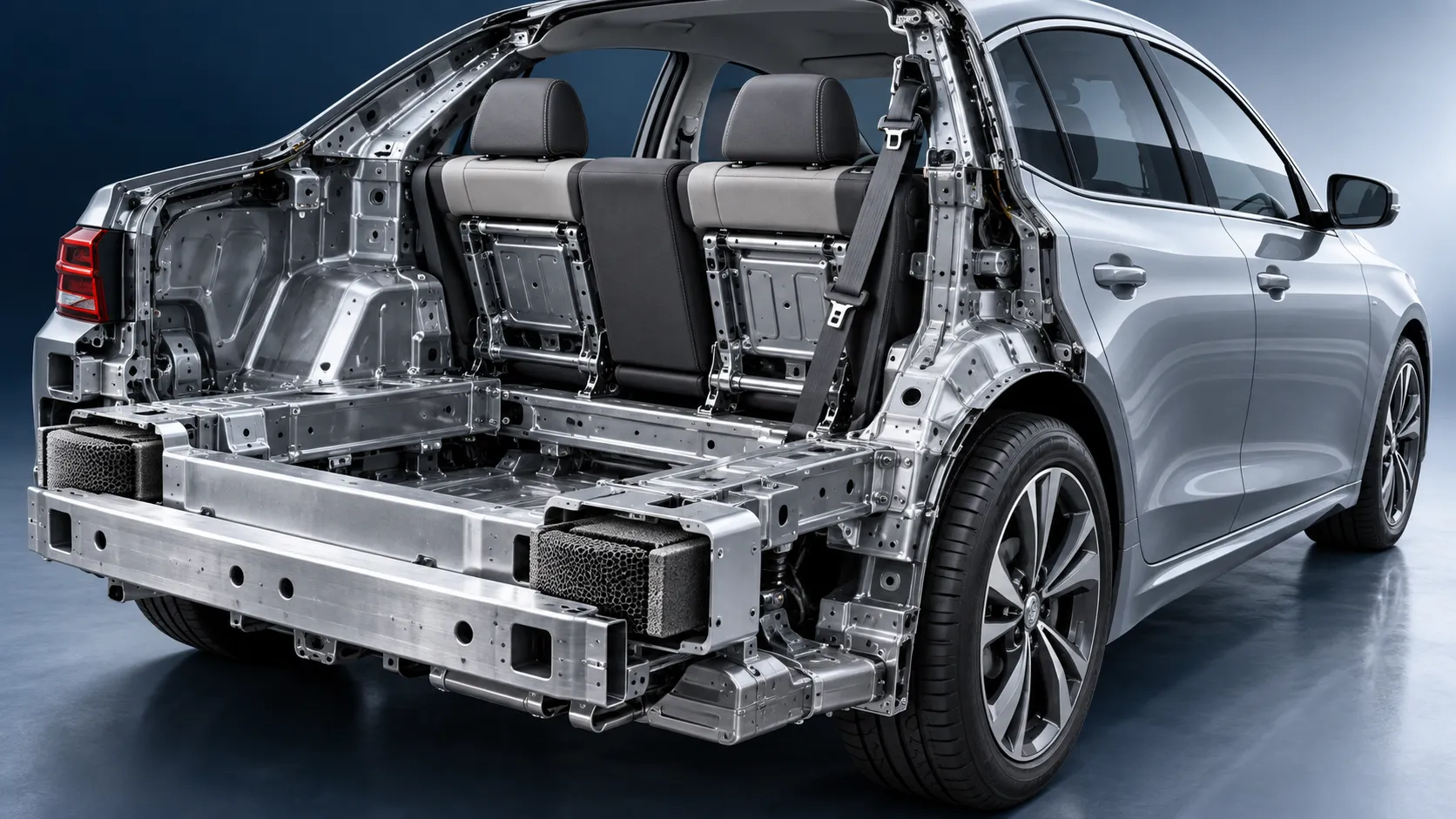
How Rear-Impact Safety Components Work Together to Protect Vehicle Occupants
Explore how automotive safety components for rear impact work together—from crash structures and seats to head restraints and belts—to enhance occupant protection.
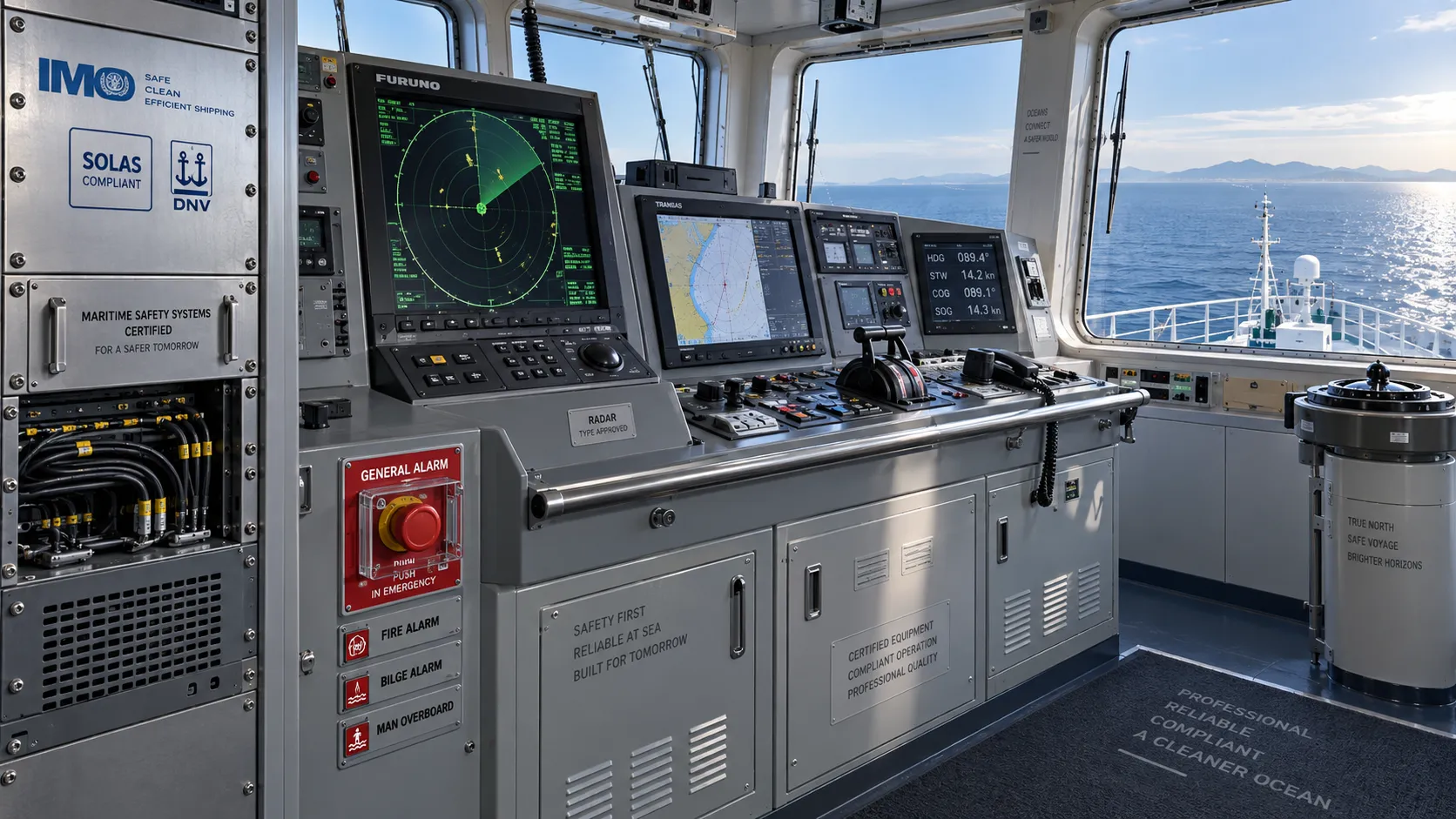
How to Evaluate a Marine Safety Systems Manufacturer for Vessel Compliance and Reliability
Marine safety systems manufacturer evaluation guide: verify compliance, engineering quality, lifecycle costs, and global service support for safer, reliable vessel operations.
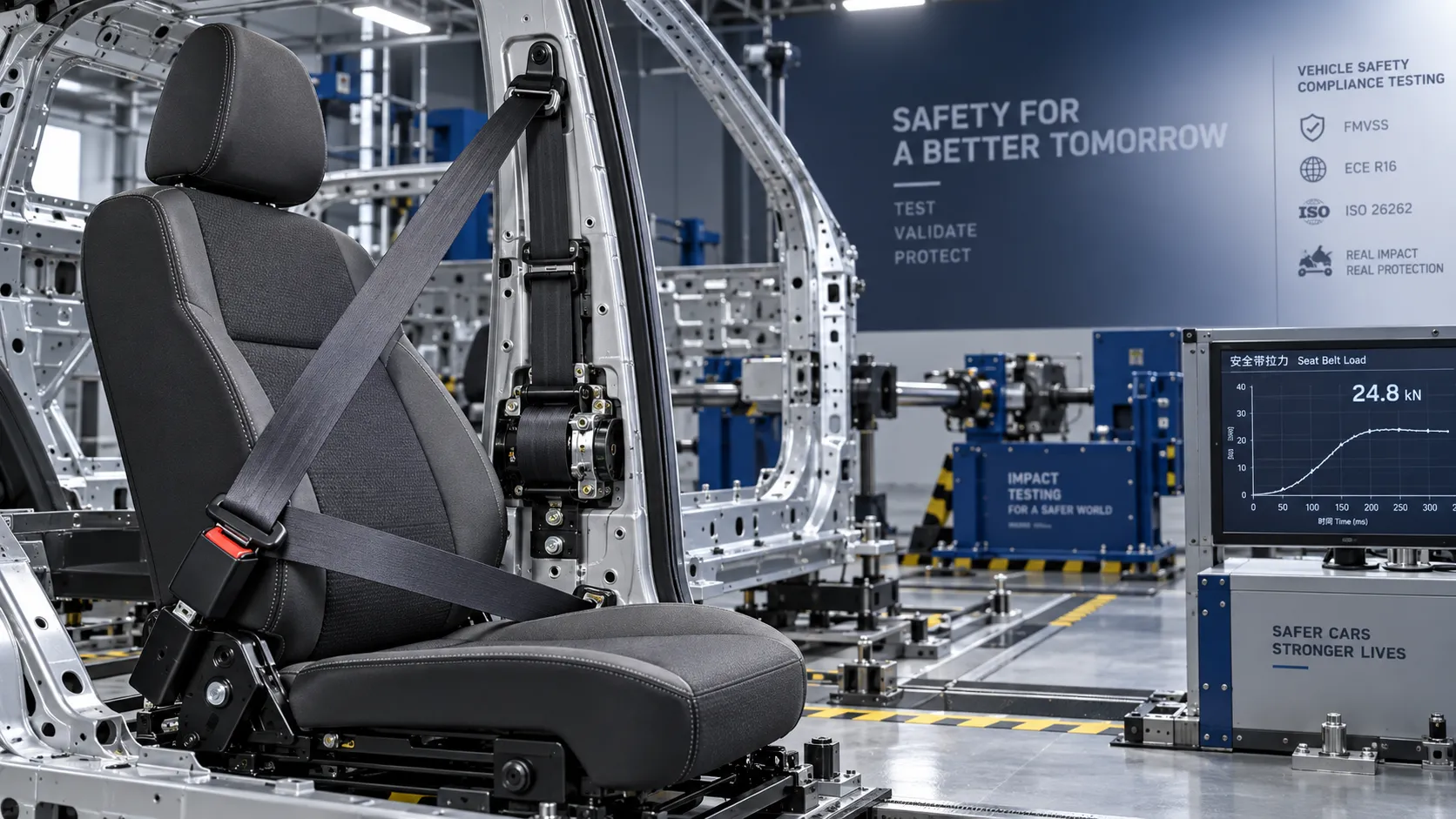
Crash Test Regulations for Seatbelts: Key Compliance Requirements Explained
Crash test regulations seatbelts explained: explore FMVSS, UN rules, anchorage strength, and dynamic restraint testing for safer, compliant vehicle systems.

How to Calculate the Total Cost of Automotive Lightweighting for a Vehicle Program
Automotive lightweight solutions cost: learn how to calculate program-level costs, including materials, tooling, joining, validation, risk, and vehicle-level value.

How Automotive Seat Occupancy Sensing Improves Airbag Deployment Decisions
Automotive seat occupancy sensing helps optimize airbag deployment decisions, improving passenger classification, safety diagnostics, and compliance across real-world conditions.

What Drives Lightweight Body Component Costs in High-Volume Vehicle Programs?
Lightweight body components cost depends on material yield, forming, joining, tooling, validation, and logistics. Explore proven ways to optimize total vehicle program cost.
Related News
- 00
0000-00
How to Evaluate High Strength Hot Stamped Steel Parts for Crash-Safety Applications - 00
0000-00
How to Evaluate Steel Auto Body Stampings for Strength, Fit, and Cost - 00
0000-00
Vehicle Lightweight Engineering for Body Structures vs High-Strength Steel: When to Use Which - 00
0000-00
Vehicle Lightweight Solutions for Structural Parts: When to Use Aluminum, HSS, or Hot Stamping - 00
0000-00
How to Evaluate High Strength Steel Stampings for Seat Structures: Key Grades and Forming Limits
Weekly Insights
Stay ahead with our curated technology reports delivered every Monday.