
How to Evaluate Manufacturing Sourcing Information for Quality Control Risk
How to Evaluate Manufacturing Sourcing Information for Quality Control Risk
For procurement professionals, evaluating manufacturing sourcing information quality control is no longer optional. It directly affects supplier risk, compliance exposure, delivery stability, and final product performance.
This is especially true in industries linked to marine navigation, passive safety, structural stampings, and smart cabin systems. A weak sourcing decision can quietly become a quality failure later.
In practice, the real issue is not lack of data. It is knowing which sourcing information matters, which signals are misleading, and how to judge quality control risk before orders scale.
A structured review makes supplier comparison more realistic. It also helps buyers avoid hidden process weakness, unstable materials, and certification gaps that only appear after launch.
Why Manufacturing Sourcing Information Matters More Than Price
Many sourcing decisions still start with quotation sheets. That is necessary, but it is not enough for serious quality control risk assessment.
Manufacturing sourcing information quality control should reveal how a supplier actually operates. That includes process capability, traceability discipline, engineering response speed, and change control maturity.
A low unit cost can hide expensive downstream problems. Scrap, field failures, delayed validation, and audit nonconformities usually cost far more than the original savings.
This also means sourcing data should be reviewed as decision intelligence, not just vendor paperwork. Buyers need evidence that production quality can remain stable under real operating pressure.
What Information Should Be Reviewed First
The fastest way to reduce quality control risk is to separate high-value signals from general marketing claims. Not every supplier presentation reflects manufacturing reality.
Core sourcing documents
- Quality certifications such as IATF 16949, ISO 9001, or sector-specific approvals
- Process flow charts and control plans
- PFMEA and documented risk controls
- Material certificates and approved supplier lists
- Inspection standards, gauge management records, and calibration logs
- PPAP, sample validation, and corrective action history
These records show whether manufacturing sourcing information quality control is backed by repeatable systems. They also expose whether the supplier can explain risk in a disciplined way.
Operational signals behind the paperwork
- Actual defect rate trends over six to twelve months
- Customer complaint closure speed
- Engineering change response time
- Batch traceability depth
- Capacity utilization during peak demand
- Sub-tier supplier control practices
From a procurement standpoint, these are often more useful than polished capability slides. They show how the supplier performs when speed, volume, and compliance all move at once.
How to Identify Quality Control Risk Early
Early risk detection depends on asking better questions. Buyers should not only ask what controls exist. They should ask where failures usually happen and how those failures are contained.
This approach is useful across high-precision and safety-critical products. Whether sourcing radar modules, stamped structures, inflator parts, or seating components, weak process control leaves similar footprints.
Common warning signs
- Certificates are valid, but supporting records are incomplete or outdated.
- Inspection frequency is high, yet root cause prevention is weak.
- Material substitution history is not clearly documented.
- Key dimensions are checked, but process capability data is missing.
- Corrective actions focus on sorting rather than process redesign.
- Sub-suppliers are used, but control responsibility is vague.
Each sign increases quality control risk in a different way. Some raise defect probability. Others increase the chance that a problem will spread before it is detected.
In actual sourcing reviews, the biggest risk is often inconsistency. A supplier may pass audits but still struggle with shift-to-shift variation, maintenance discipline, or tooling stability.
A Practical Evaluation Framework for Procurement Teams
A useful review model should be simple enough to apply quickly. At the same time, it must be strong enough to compare suppliers beyond cost and lead time.
This table gives procurement teams a more balanced way to review manufacturing sourcing information quality control. It also keeps supplier discussions focused on evidence, not assumptions.
Over time, this framework becomes useful for supplier scorecards, new vendor qualification, annual business reviews, and cost-risk tradeoff analysis.
Industry-Specific Risk Signals Worth Watching
Not all quality control risk looks the same. The sourcing information needed for evaluation should reflect the product’s function, safety impact, and compliance burden.
Marine navigation systems
Check software update discipline, EMC testing evidence, component reliability records, and environmental durability data. Signal stability matters as much as physical build quality.
Auto body stampings
Focus on die maintenance, material consistency, dimensional capability, and hot stamping control windows. Small variation can create major downstream assembly issues.
Airbag and seatbelt components
Review traceability, reaction consistency, electronics validation, and containment testing discipline. For these products, quality control risk quickly becomes safety and liability risk.
Auto seat assemblies
Pay attention to frame strength, actuator reliability, foam consistency, and sensor integration. Multi-part assemblies often fail because one sub-tier process is not tightly managed.
How to Turn Sourcing Information Into Better Decisions
Good sourcing decisions come from connecting cost with control. That means manufacturing sourcing information quality control should feed directly into supplier selection and negotiation strategy.
For example, a supplier with slightly higher pricing may offer stronger traceability, lower variation, and faster corrective action. In many cases, that is the lower total-cost option.
More importantly, documented sourcing information creates leverage. It helps define audit priorities, contract terms, launch controls, and escalation triggers before quality issues affect customers.
Action steps that work
- Build a supplier review checklist tied to quality control risk, not only commercial terms
- Require evidence for critical process controls before nomination
- Score suppliers on traceability, response speed, and process capability
- Flag sub-tier dependency where material or safety performance is sensitive
- Review sourcing data again after engineering changes or volume increases
This kind of discipline makes procurement more predictive. It also reduces the gap between supplier onboarding and long-term quality assurance.
As supply chains become more technical, manufacturing sourcing information quality control will keep growing in strategic value. Better decisions now usually prevent harder conversations later.
The practical move is clear: review sourcing information with the same rigor used for pricing and delivery. That is how quality control risk becomes manageable before it becomes expensive.
Related News
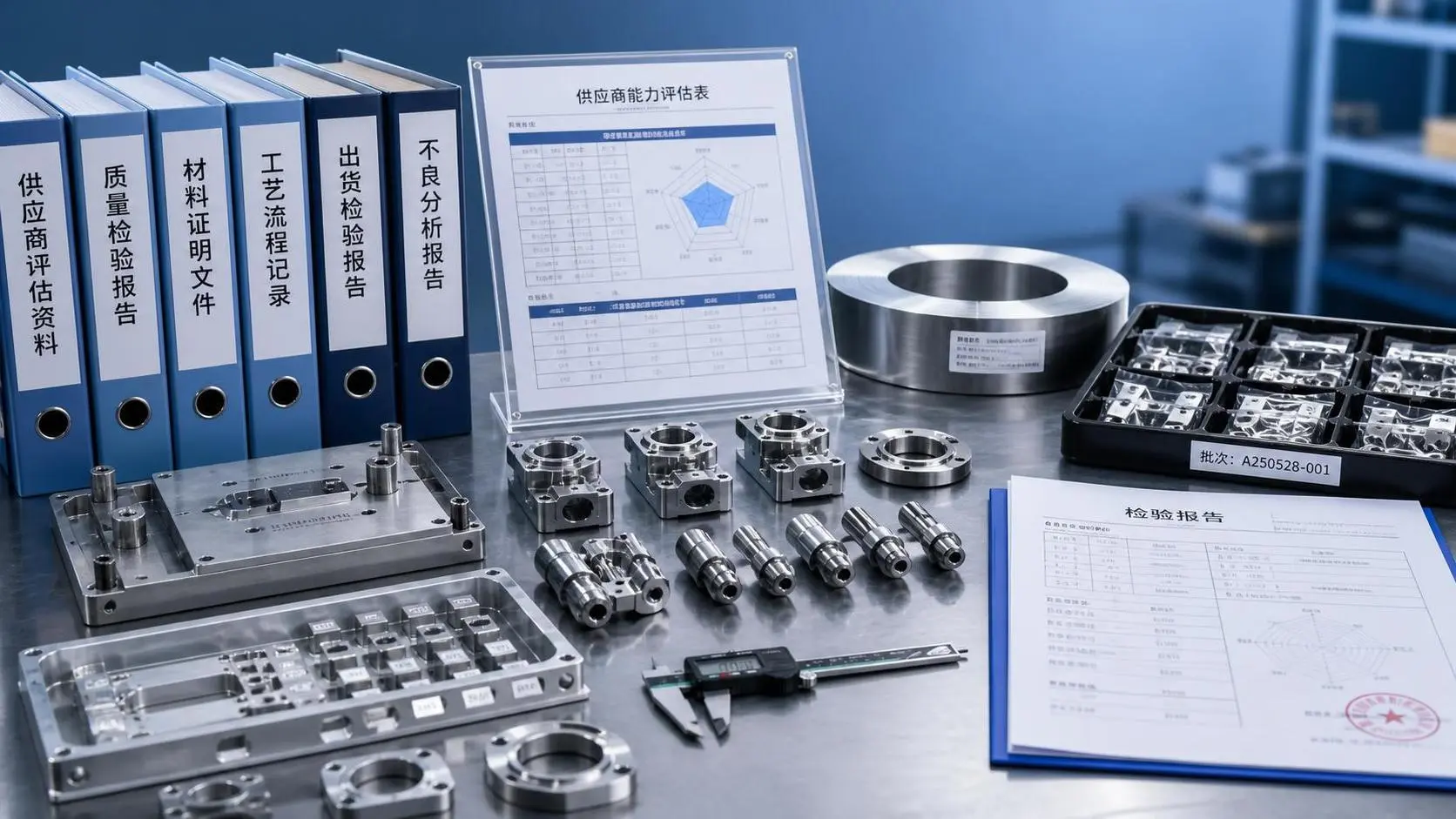
Supplier Capability Evaluation Process: Key Criteria for B2B Sourcing Decisions
Supplier capability evaluation process explained: learn the key criteria for B2B sourcing decisions, reduce supplier risk, and choose partners with confidence.
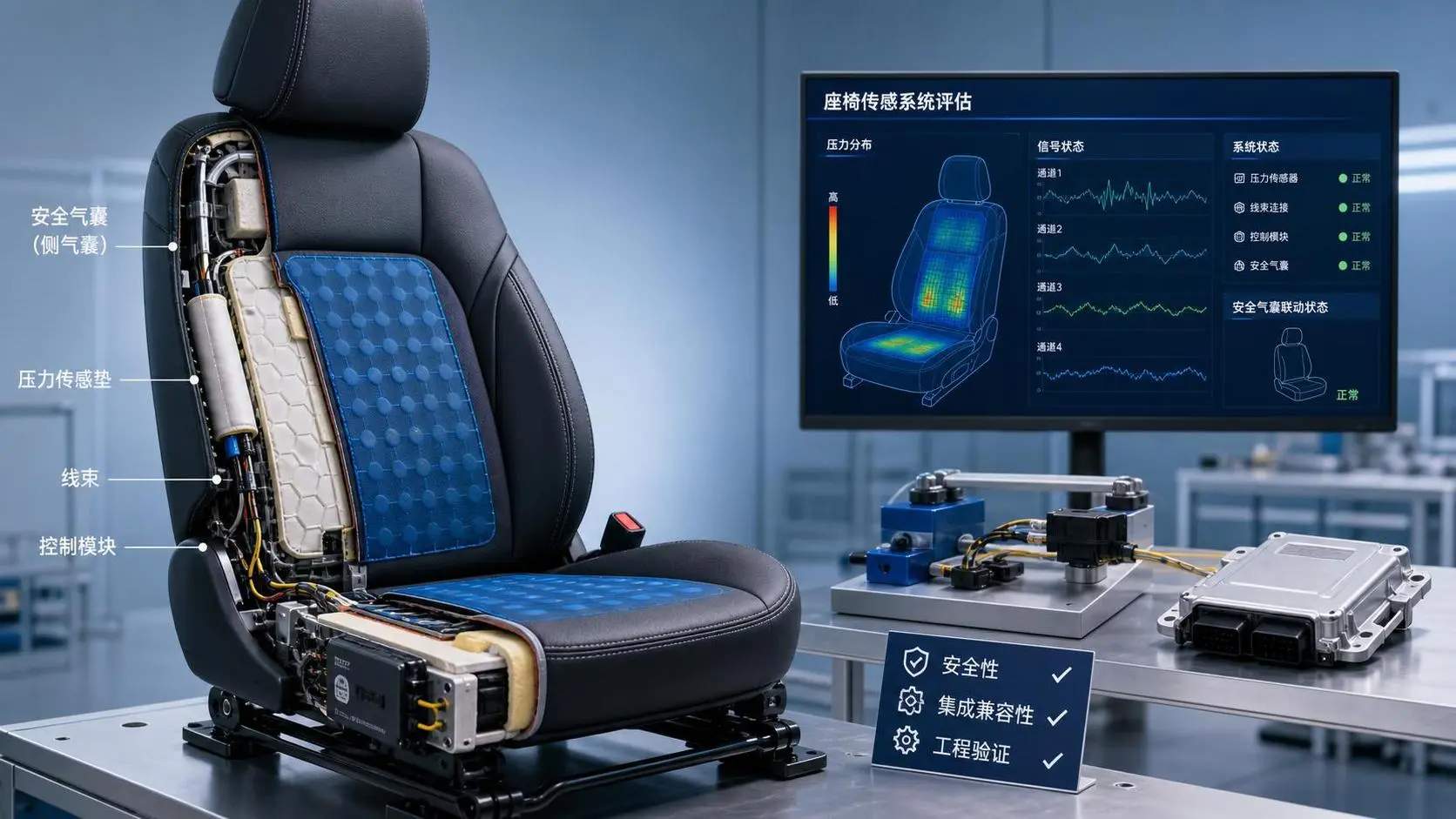
How to Evaluate a Seat Sensing Technology Supplier for Safety and Integration?
Seat sensing technology supplier evaluation guide: compare safety maturity, integration fit, algorithm reliability, and validation support to choose a partner that reduces risk.

How to Evaluate Custom Smart Automotive Seating for Premium Vehicle Programs?
Custom smart automotive seating evaluation starts with safety, comfort, integration, and production readiness. Discover how premium vehicle teams choose smarter, lower-risk seat solutions.
B2B Product Intelligence Platforms: How to Compare Features, Data Coverage, and ROI
B2B product intelligence platform comparison: learn how to evaluate data coverage, feature depth, compliance visibility, and ROI to choose a sourcing tool that reduces risk and speeds decisions.

Climate Control Seats Cost: What Drives Price and Long-Term Ownership Value?
Climate control seats cost depends on materials, thermal tech, and integration. Learn what drives price and how to judge long-term value before you buy.

What Factors Drive Marine Navigation Components Cost in Commercial Vessel Projects?
Marine navigation components cost is shaped by integration, compliance, installation, and lifecycle support. Discover what drives pricing and how buyers can reduce risk while improving value.

How Much Does Seat Occupancy Sensing Cost? Key Pricing Factors for Buyers
Seat occupancy sensing price varies widely by technology, integration, and compliance needs. Learn the key cost drivers, avoid hidden fees, and make smarter buying decisions.

How to Specify Micro-Climate Control Cabins for Harsh Outdoor Worksites?
Micro-climate control cabins for harsh outdoor worksites: learn how to specify thermal control, filtration, pressurization, and durability for safer uptime and smarter buying.
How to Evaluate a B2B Product Knowledge Platform for Faster Procurement Decisions
B2B product knowledge platform procurement starts with reducing decision risk. Learn how to compare specs, compliance, and supplier data to speed sourcing with confidence.
Related News
- 00
0000-00
Supplier Capability Evaluation Process: Key Criteria for B2B Sourcing Decisions - 00
0000-00
How to Evaluate a Seat Sensing Technology Supplier for Safety and Integration? - 00
0000-00
B2B Product Intelligence Platforms: How to Compare Features, Data Coverage, and ROI - 00
0000-00
What Factors Drive Marine Navigation Components Cost in Commercial Vessel Projects? - 00
0000-00
How Much Does Seat Occupancy Sensing Cost? Key Pricing Factors for Buyers
Weekly Insights
Stay ahead with our curated technology reports delivered every Monday.