How a Product Knowledge Platform Improves Sourcing Accuracy and Supplier Shortlisting
How a Product Knowledge Platform Improves Sourcing Accuracy and Supplier Shortlisting
For procurement teams facing dense specifications and shifting supplier markets, product knowledge platform sourcing removes much of the guesswork.
It brings verified product data, compliance indicators, and supplier capability signals into one working view.
That matters even more in sectors where safety, reliability, and technical fit directly affect cost, delivery risk, and long-term performance.
In practice, better visibility leads to better sourcing accuracy and a faster supplier shortlist.
This is especially true for complex categories such as marine navigation systems, auto body stampings, airbag assemblies, seatbelt systems, and auto seat assemblies.
Why Sourcing Accuracy Breaks Down in Complex Categories
Many sourcing errors start before negotiations begin.
The issue is not always price discovery. Often, the problem is incomplete technical understanding.
A supplier may look competitive on paper, yet fail on validation depth, regulation readiness, or process stability.
This becomes risky when specifications involve electromagnetic processing, crash energy absorption, lightweight materials, or occupant protection systems.
Traditional spreadsheets rarely capture those nuances well.
- Technical sheets are stored across emails, portals, and shared drives.
- Compliance records are outdated or hard to compare.
- Supplier claims are not consistently verified.
- Teams evaluate current price, but miss lifecycle risk.
That is where product knowledge platform sourcing starts to change the decision process.
What a Product Knowledge Platform Actually Adds
A product knowledge platform is not just a digital catalog.
Used well, it becomes a structured sourcing intelligence layer.
It connects product attributes, testing history, standards alignment, supplier specialization, and market movement in one place.
For GNCS, this model is especially relevant.
GNCS tracks high-precision marine navigation, automotive lightweight structures, passive safety components, and smart seating systems.
Its Strategic Intelligence Center adds a stronger layer of context.
That includes regulatory changes, engineering trends, and commercial demand signals that directly influence procurement timing and supplier choice.
From a sourcing perspective, the value usually shows up in five areas:
- Cleaner product data for faster technical matching.
- Clearer compliance visibility across regions and standards.
- Better supplier capability mapping by category.
- Early warning on market shifts and technology changes.
- Stronger shortlisting based on evidence, not assumptions.
How Product Knowledge Platform Sourcing Improves Supplier Shortlisting
Supplier shortlisting often fails because too many candidates look similar at the start.
A product knowledge platform sourcing workflow narrows the field with more discipline.
Instead of comparing generic brochures, buyers can screen around measurable fit.
- Has the supplier delivered this exact application before?
- Do materials and process routes match the requirement?
- Is the supplier aligned with current safety and compliance expectations?
- Can the supplier support volume, customization, and engineering change cycles?
- Are there signals of quality consistency and technical credibility?
This structure is useful across GNCS focus areas.
For marine navigation systems, sourcing accuracy depends on system integration depth, update protocols, and environmental reliability.
For auto body stampings, it depends on forming capability, material grade control, and crash-relevant consistency.
For airbags and seatbelts, the bar is even higher because compliance failure is not a minor defect.
A stronger knowledge base makes those distinctions visible early, which saves time and prevents weak suppliers from surviving the first filter.
The Cost Impact Behind Better Data
Procurement decisions are rarely about unit price alone.
The cheaper source can become the most expensive one after delays, redesigns, failed audits, or field issues.
This is why product knowledge platform sourcing supports cost control in a more realistic way.
From a total cost view, this matters a lot.
More accurate sourcing usually means fewer surprises after award, and fewer surprises usually protect margins better than a small headline discount.
Where GNCS Creates Decision Advantage
GNCS is built for categories where performance and protection cannot be separated.
Its value is not only data volume. It is the quality of interpretation around that data.
That distinction matters in procurement.
A technical intelligence portal becomes useful when it helps separate signal from noise.
GNCS does that by linking product understanding with compliance evolution and commercial relevance.
- Marine navigation sourcing benefits from insight into ECDIS updates, positioning reliability, and maritime compliance shifts.
- Passive safety sourcing benefits from tracking IIHS, E-NCAP, inflator chemistry changes, and restraint system performance expectations.
- Seat and structure sourcing benefits from visibility into magnesium alloys, lightweight design paths, and ergonomics-related product evolution.
That combination supports product knowledge platform sourcing in a way that feels practical, not theoretical.
A Simple Framework for More Accurate Sourcing
A stronger platform works best when the sourcing workflow is equally clear.
A simple five-step model usually improves results quickly.
- Define must-have specifications, compliance needs, and application conditions.
- Use product knowledge platform sourcing to filter suppliers by verified capability.
- Compare product fit, not just supplier scale or visibility.
- Add trend and risk signals before issuing the final shortlist.
- Review total cost exposure, including validation, change risk, and supply continuity.
This framework is simple, but it creates discipline.
More importantly, it prevents common shortcuts that later become sourcing problems.
When categories are technical and regulated, disciplined shortlisting is often where the best savings begin.
Final Takeaway
Product knowledge platform sourcing improves sourcing accuracy because it gives procurement better evidence at the moment decisions are made.
It sharpens supplier shortlisting, reduces avoidable cost risk, and supports more confident buying across technically demanding categories.
For organizations sourcing marine navigation, lightweight structures, passive safety systems, or smart seating, this approach is becoming less optional.
It is increasingly the difference between reacting to supplier claims and selecting partners with real, proven fit.
The next practical step is straightforward: build shortlists from verified knowledge first, then negotiate from a position of clarity.
- marine navigation systems
- auto body stampings
- airbag assemblies
- seatbelt systems
- auto seat assemblies
- high-precision marine navigation
- passive safety components
- smart seating systems
- magnesium alloys
- technical credibility
- maritime compliance
- marine navigation
- body stampings
- passive safety systems
- occupant protection systems
- product knowledge platform
- product knowledge platform sourcing
Related News
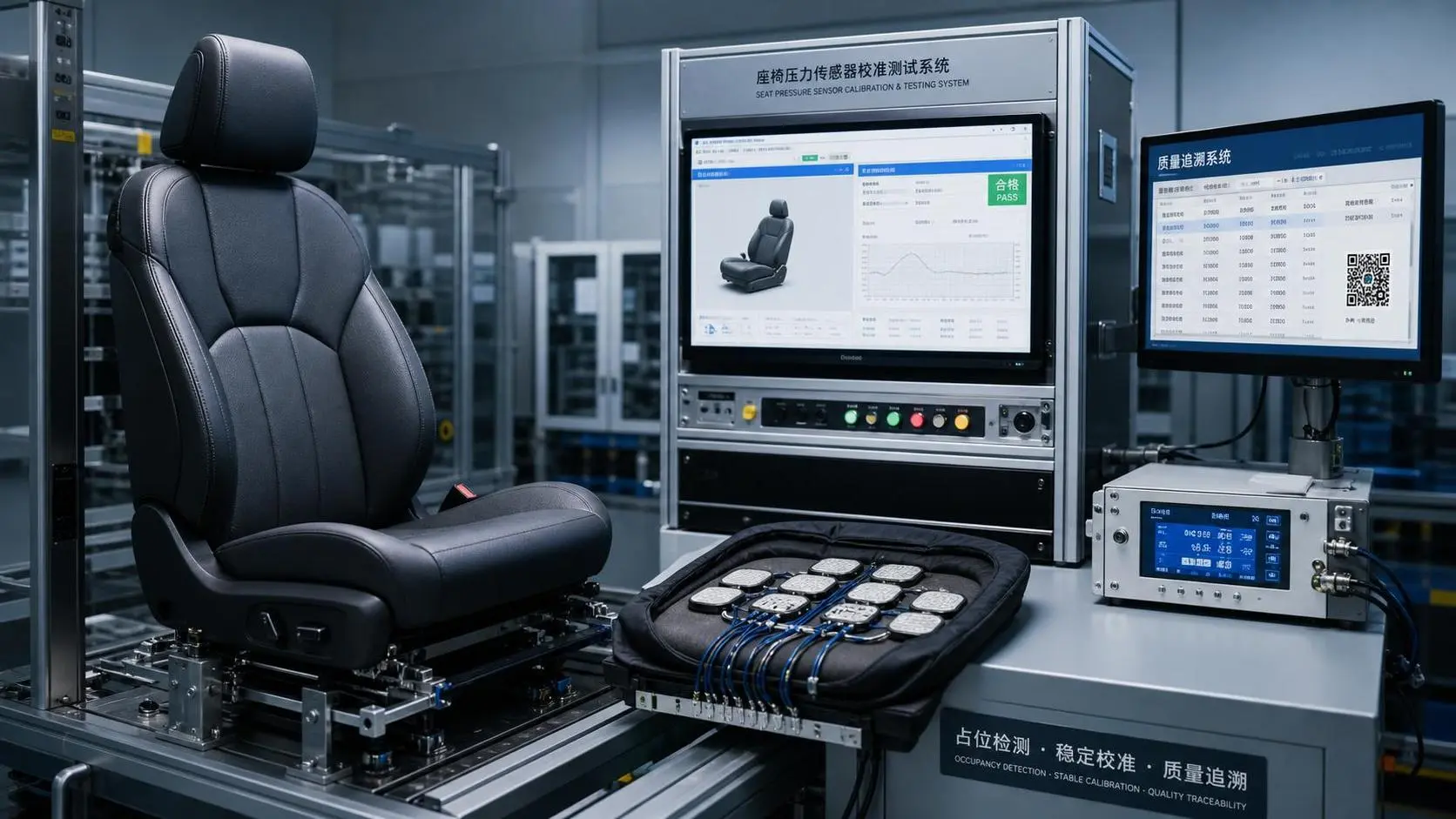
How to Evaluate a Seat Sensing Systems Factory for Automotive Safety Programs
Seat sensing systems factory selection goes beyond price. Learn how to assess quality control, validation, PPAP readiness, and long-term supply reliability for safer automotive programs.
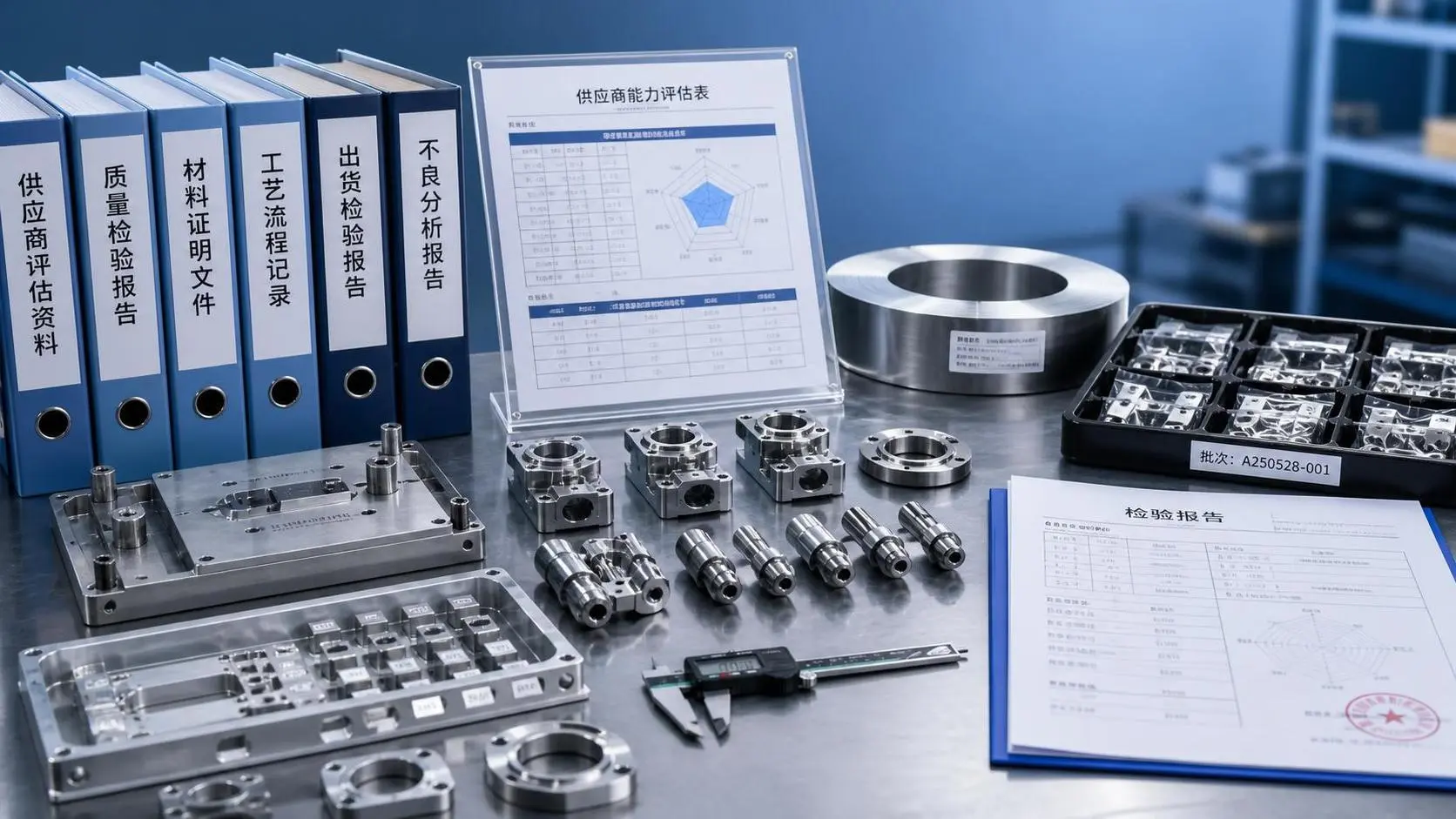
Supplier Capability Evaluation Process: Key Criteria for B2B Sourcing Decisions
Supplier capability evaluation process explained: learn the key criteria for B2B sourcing decisions, reduce supplier risk, and choose partners with confidence.
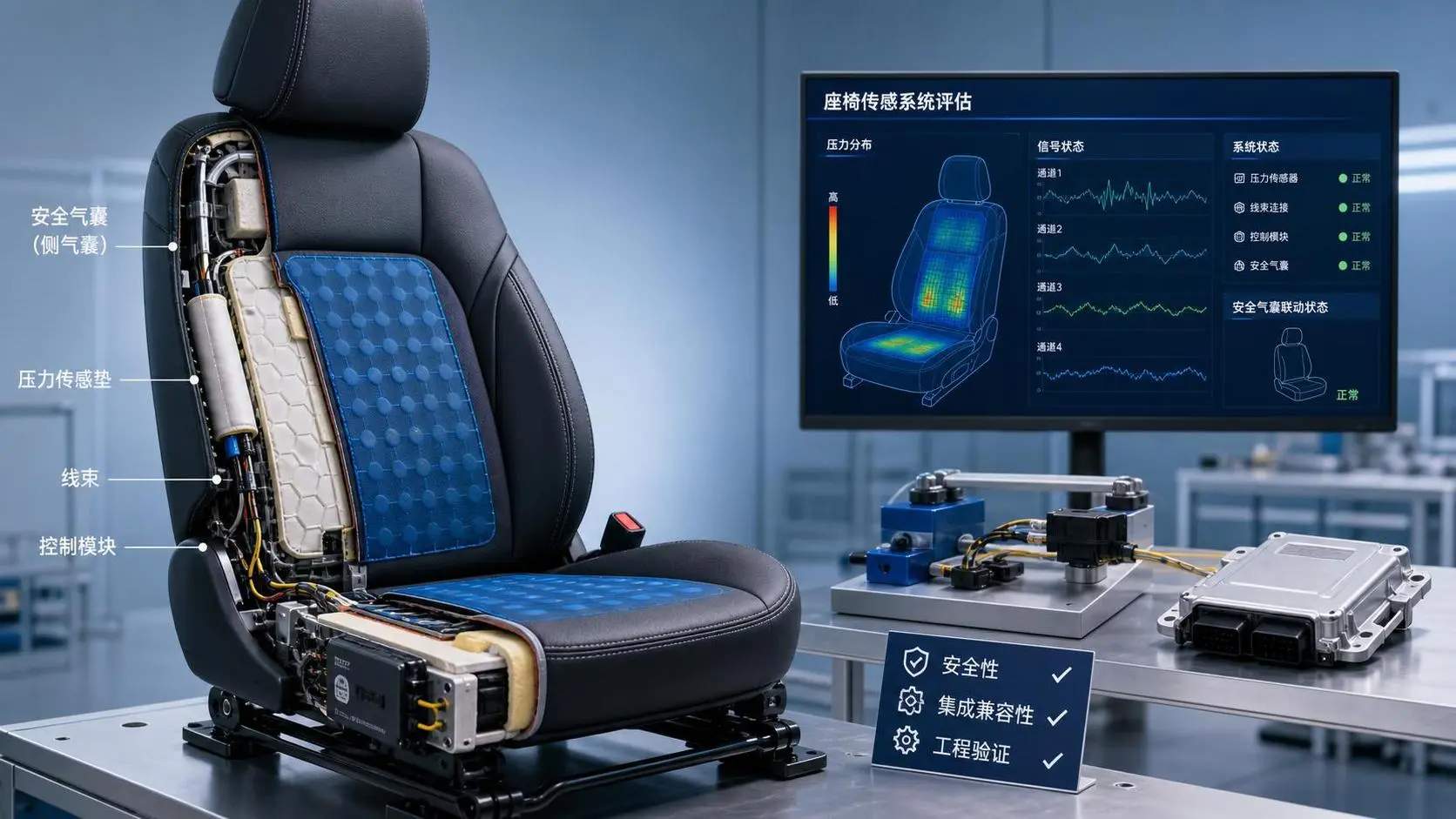
How to Evaluate a Seat Sensing Technology Supplier for Safety and Integration?
Seat sensing technology supplier evaluation guide: compare safety maturity, integration fit, algorithm reliability, and validation support to choose a partner that reduces risk.
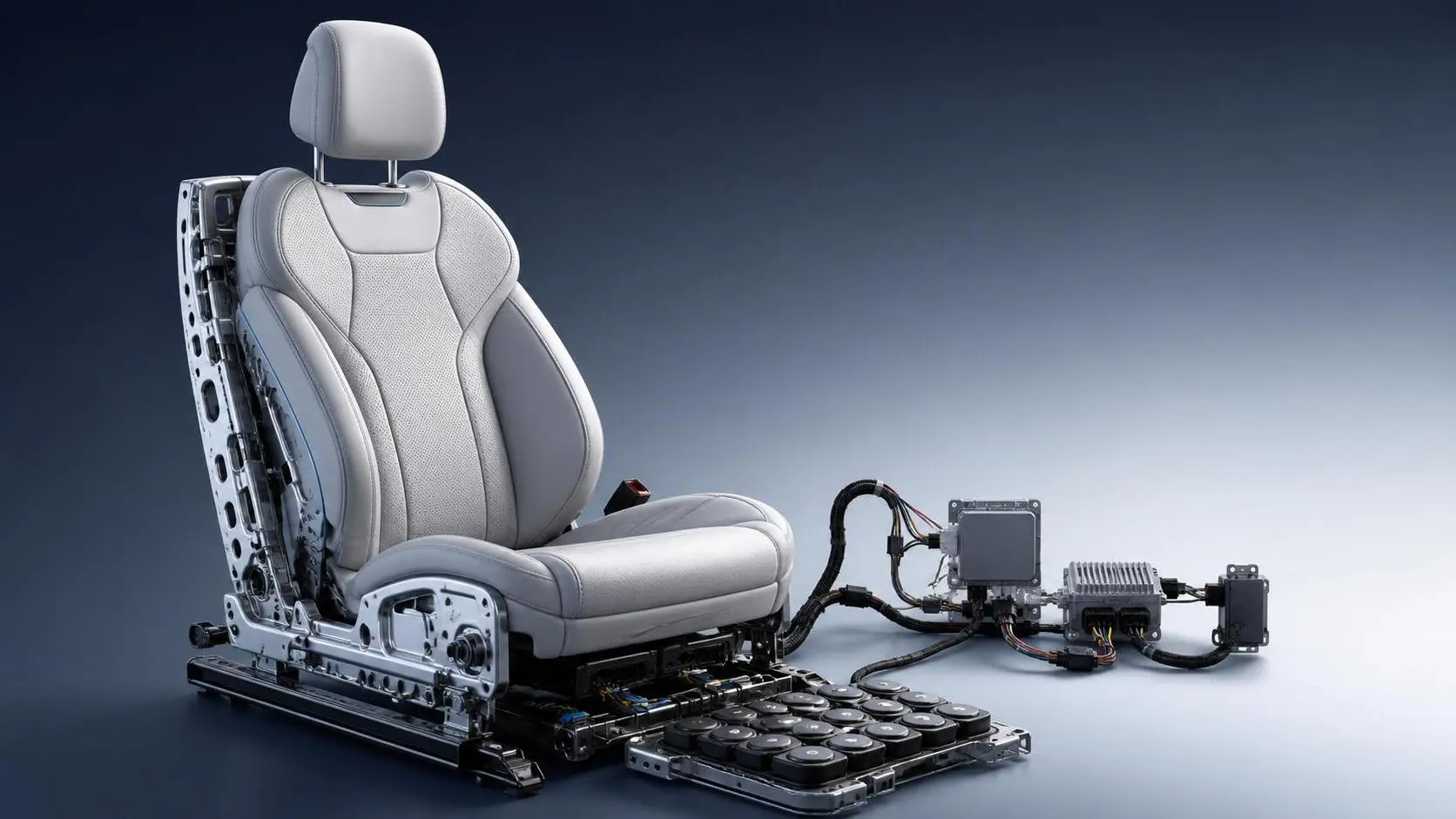
How to Evaluate Custom Smart Automotive Seating for Premium Vehicle Programs?
Custom smart automotive seating evaluation starts with safety, comfort, integration, and production readiness. Discover how premium vehicle teams choose smarter, lower-risk seat solutions.
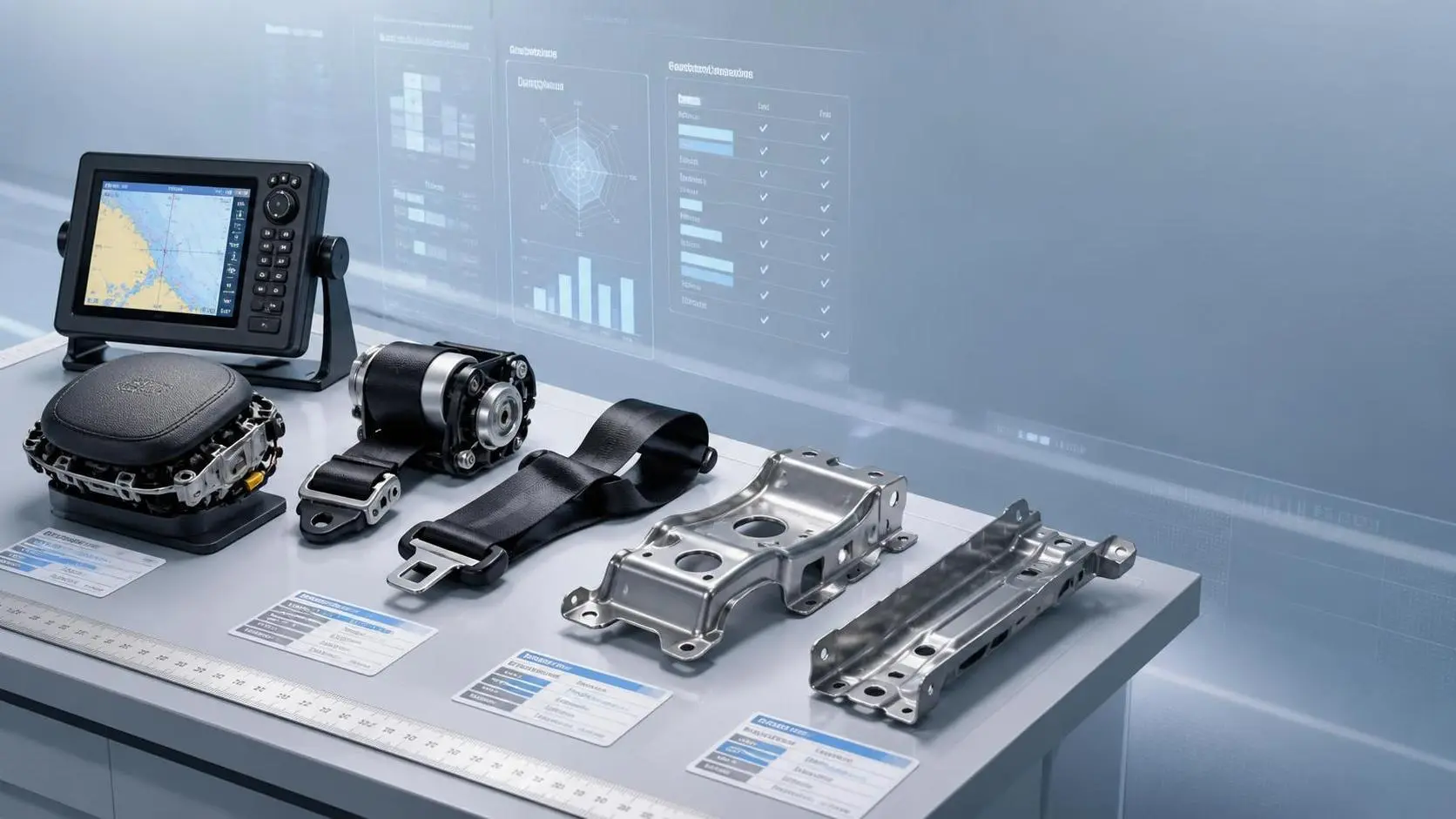
B2B Product Intelligence Platforms: How to Compare Features, Data Coverage, and ROI
B2B product intelligence platform comparison: learn how to evaluate data coverage, feature depth, compliance visibility, and ROI to choose a sourcing tool that reduces risk and speeds decisions.
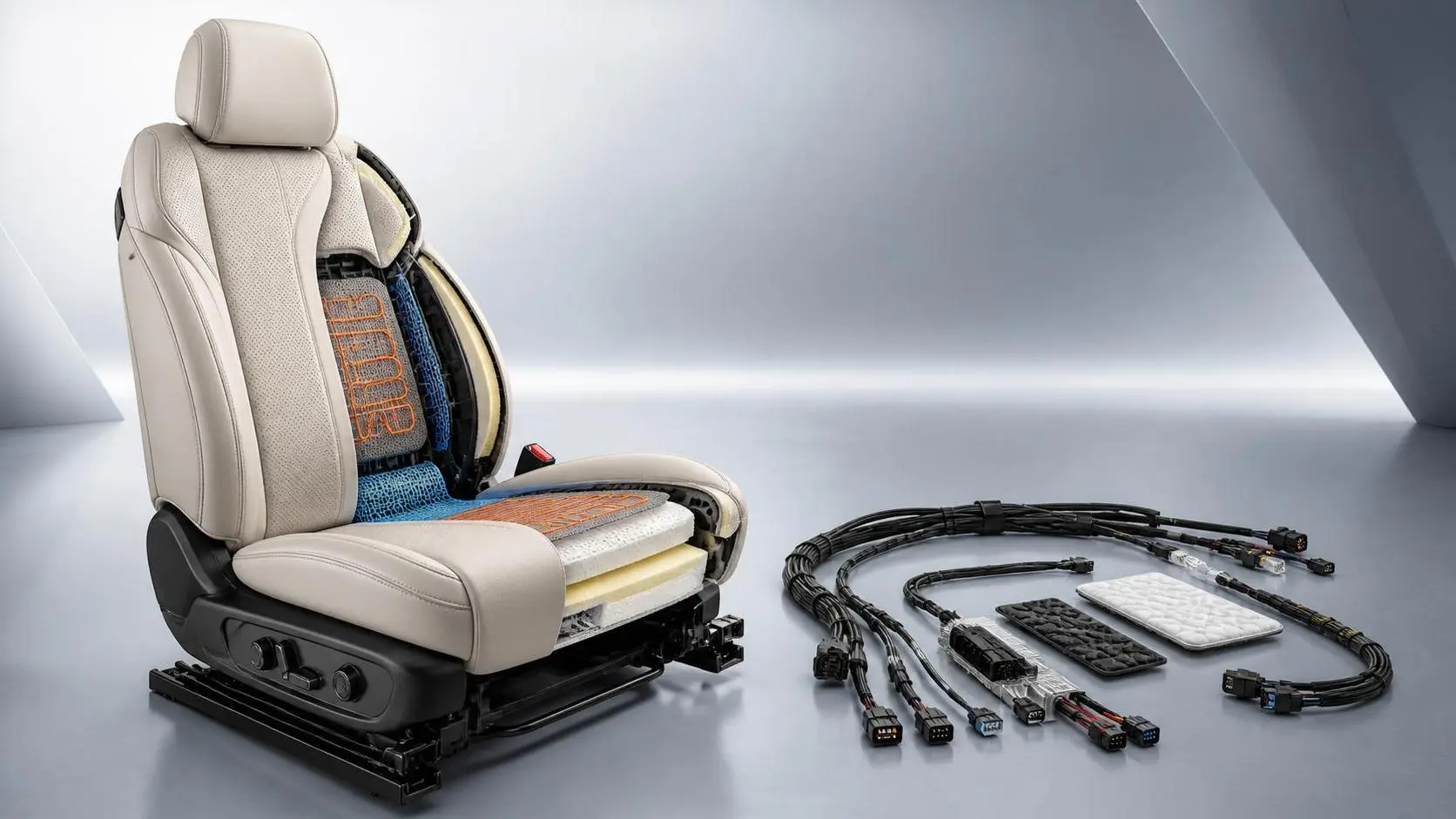
Climate Control Seats Cost: What Drives Price and Long-Term Ownership Value?
Climate control seats cost depends on materials, thermal tech, and integration. Learn what drives price and how to judge long-term value before you buy.
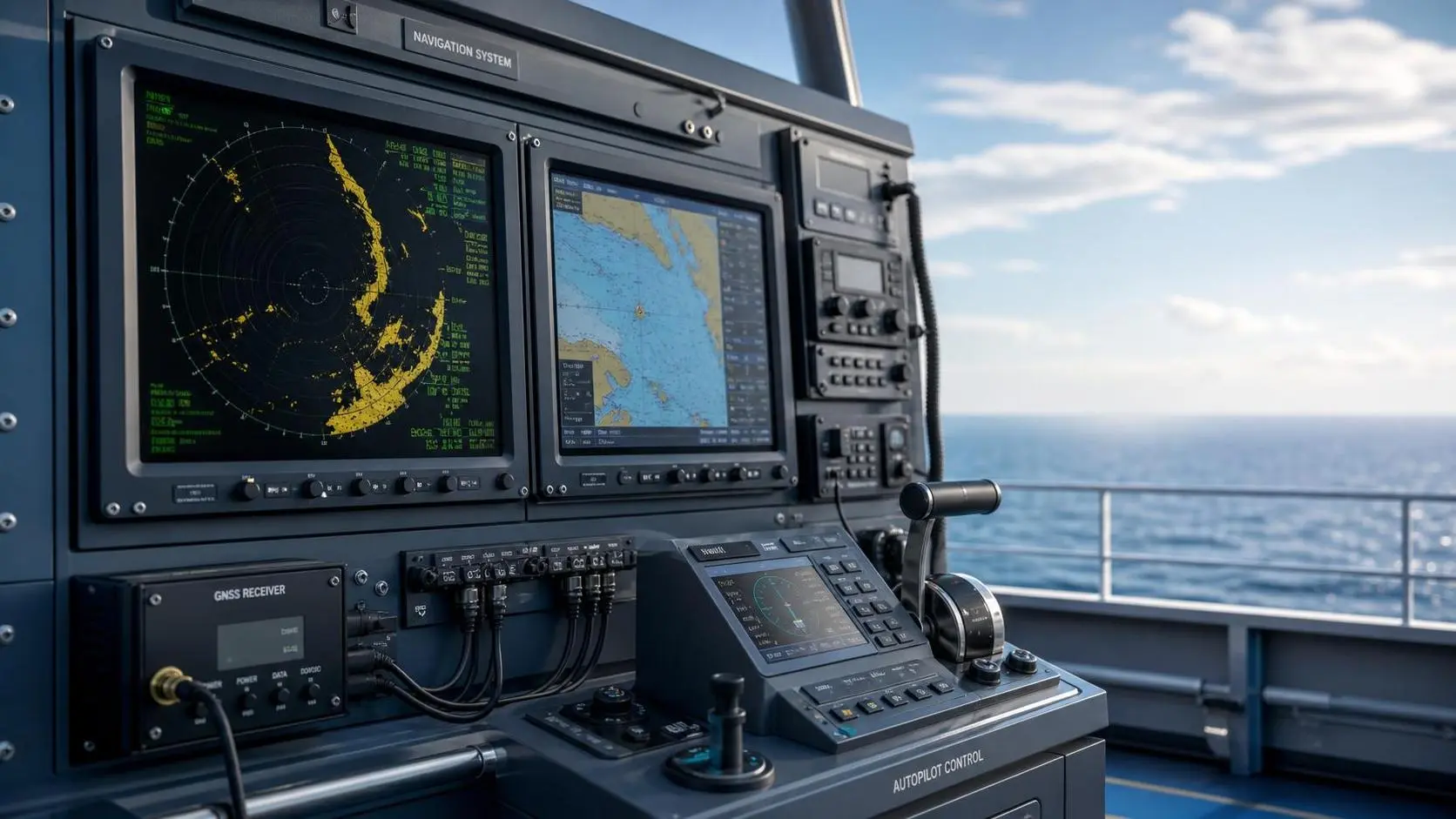
What Factors Drive Marine Navigation Components Cost in Commercial Vessel Projects?
Marine navigation components cost is shaped by integration, compliance, installation, and lifecycle support. Discover what drives pricing and how buyers can reduce risk while improving value.

How Much Does Seat Occupancy Sensing Cost? Key Pricing Factors for Buyers
Seat occupancy sensing price varies widely by technology, integration, and compliance needs. Learn the key cost drivers, avoid hidden fees, and make smarter buying decisions.
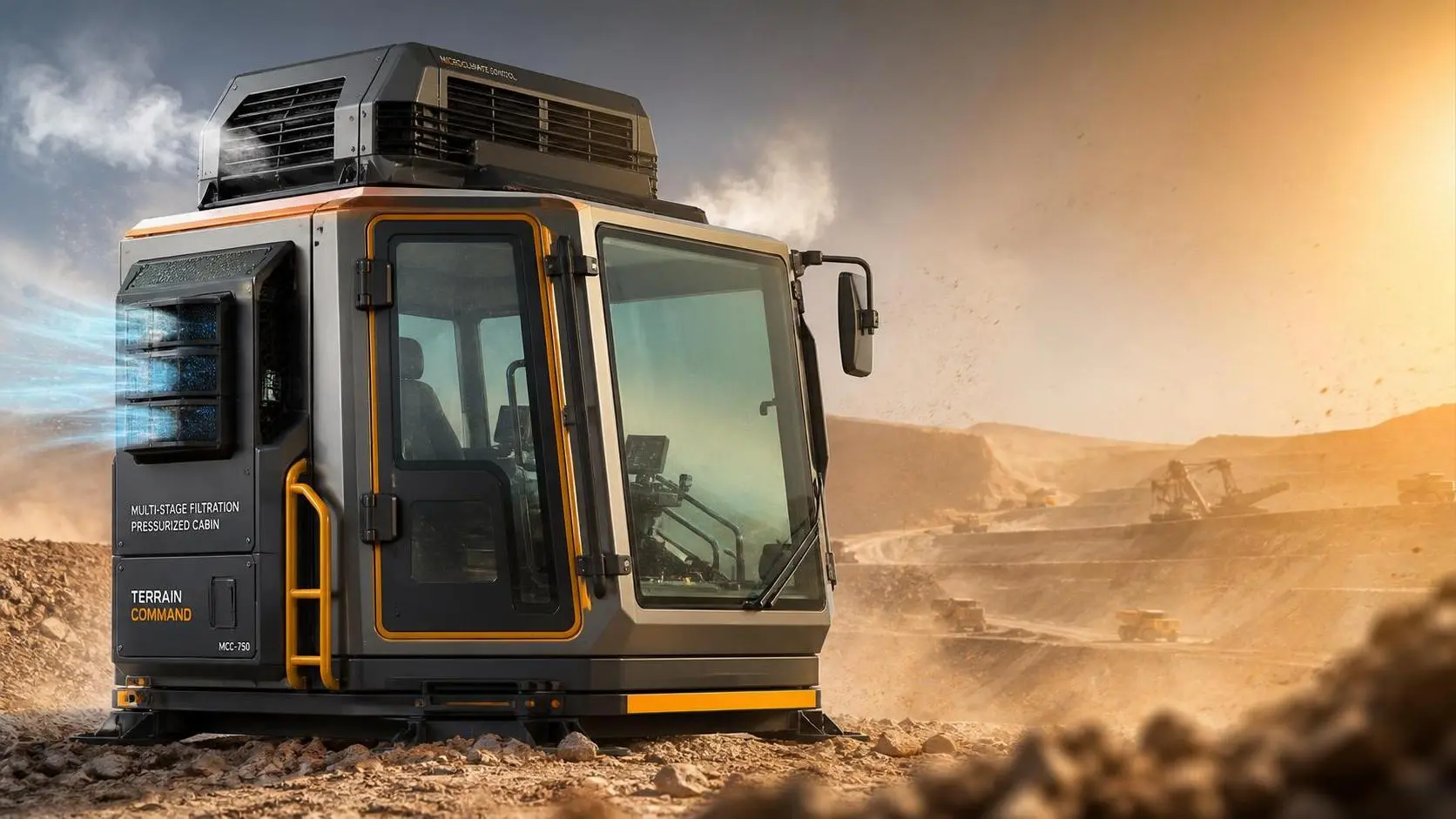
How to Specify Micro-Climate Control Cabins for Harsh Outdoor Worksites?
Micro-climate control cabins for harsh outdoor worksites: learn how to specify thermal control, filtration, pressurization, and durability for safer uptime and smarter buying.
Related News
- 00
0000-00
Supplier Capability Evaluation Process: Key Criteria for B2B Sourcing Decisions - 00
0000-00
How to Evaluate a Seat Sensing Technology Supplier for Safety and Integration? - 00
0000-00
B2B Product Intelligence Platforms: How to Compare Features, Data Coverage, and ROI - 00
0000-00
What Factors Drive Marine Navigation Components Cost in Commercial Vessel Projects? - 00
0000-00
How Much Does Seat Occupancy Sensing Cost? Key Pricing Factors for Buyers
Weekly Insights
Stay ahead with our curated technology reports delivered every Monday.