
Customization Guidance Supplier Checklist: What to Confirm Before Sample Approval
Customization Guidance Supplier Checklist: What to Confirm Before Sample Approval
Before sample approval, one weak detail can trigger weeks of delay.
That is why a practical customization guidance supplier review matters early.
In real projects, sample sign-off is not only about appearance.
It is a control point for technical fit, compliance, timing, tooling, and future change risk.
For industries tied to navigation systems, cabin safety, stampings, airbags, seatbelts, and seats, that control point is even stricter.
A sample may pass visual review but still fail under load, vibration, corrosion, or regulatory checks.
This guide breaks down a customization guidance supplier checklist that helps reduce those hidden failures before approval.
Start With Scope Alignment
The first checkpoint is simple: confirm exactly what the sample represents.
Many approval problems start when the buyer and customization guidance supplier define the sample differently.
Some teams review it as a design concept.
The supplier may treat it as a near-production submission.
That gap creates confusion later.
Confirm these points in writing:
- Sample stage: concept, engineering sample, pilot sample, or PPAP-like sample
- Intended use: visual review, fit check, validation, or customer submission
- Target market and destination regulations
- Critical performance expectations and non-negotiable requirements
If this part is vague, later debates about defects become hard to resolve.
A reliable customization guidance supplier should state sample purpose clearly before production starts.
Check Drawings, Specs, and Revision Control
Next, verify the technical baseline behind the sample.
Do not approve any sample tied to outdated drawings or unclear revisions.
This is a common failure point in multi-site projects.
A strong customization guidance supplier should provide document traceability, not only a finished part.
Review the full technical package:
- Latest drawing number and revision level
- 3D model consistency with 2D tolerances
- CTQ dimensions and measurement method
- Special notes for welding, coating, assembly, or packaging
- Approved deviation list, if any
From a risk perspective, temporary deviations are not minor details.
They often become permanent issues when no expiration date or closure owner is defined.
If the customization guidance supplier asks for exceptions, record the exact limit, reason, and recovery plan.
Confirm Material and Process Reality
A sample can look correct while using the wrong material, finish, or process route.
That is dangerous in lightweight body parts and safety systems.
For example, steel grade changes can affect crash energy absorption.
Fabric changes in seatbelt or airbag components can alter behavior under stress.
Ask the customization guidance supplier to confirm:
- Material grade, source, and certificate status
- Surface treatment, coating thickness, and color standard
- Tooling route used for the sample
- Any manual operations not planned for mass production
- Sub-supplier involvement for critical components
This step matters because hand-built samples often hide production reality.
If the sample depends on manual correction, it may never repeat consistently in volume.
A capable customization guidance supplier should disclose those gaps upfront.
Review Compliance and Testing Evidence
Compliance is where many sample approvals become expensive later.
This is especially true in marine electronics and passive safety products.
Standards differ by region, application, and installation environment.
One test report from another program is rarely enough.
Before approval, confirm whether the customization guidance supplier has aligned the sample to actual compliance targets.
Review evidence such as:
- Applicable regulations and customer-specific standards
- Validation plan, including pass or fail criteria
- Material compliance, such as REACH, RoHS, or restricted substance declarations
- Environmental tests, corrosion tests, vibration tests, and durability tests
- Functional safety or performance data when relevant
A practical rule helps here.
Do not confuse planned tests with completed evidence.
If reports are pending, mark the approval as conditional and define closure dates.
Measure Manufacturing Readiness, Not Just Sample Quality
A good-looking sample does not guarantee stable delivery.
This is why the customization guidance supplier checklist must include manufacturing readiness.
In actual sourcing work, launch delays often come from tooling maturity, not design intent.
Ask focused questions:
- Was the sample made with soft tooling, hard tooling, or bench setup?
- What is the expected process capability for key dimensions?
- Are gauges, fixtures, and test benches ready?
- What is the backup plan for critical materials or sub-suppliers?
- Can the supplier hold target cycle time and planned output?
This is where an experienced customization guidance supplier stands out.
They can explain not only what passed, but also what may still break at scale.
That honesty saves time later.
Verify Commercial and Schedule Assumptions
Sample approval also locks in cost assumptions more than many teams realize.
If the customization guidance supplier built the sample under nonstandard conditions, quoted pricing may not hold.
Timing risk works the same way.
A fast sample can hide long production lead times.
Confirm these commercial basics before sign-off:
- Quoted price basis and validity period
- Tooling ownership and maintenance responsibility
- MOQ, batch size, and packaging assumptions
- Production lead time after order release
- Cost impact of engineering changes after approval
These checks keep approval decisions grounded in delivery reality, not only technical optimism.
Lock Down Change Control and Communication Rules
Even after approval, projects stay vulnerable if change control is weak.
A customization guidance supplier may update material source, process settings, or packaging without understanding downstream impact.
That can create fit issues, warranty problems, or compliance exposure.
Build a simple change control gate around the sample approval:
- Define which changes require written approval
- Set notification timing for proposed changes
- Assign document owners on both sides
- Store approved records in one controlled location
- Link change decisions to cost, timing, and validation impact
This part often seems administrative.
In practice, it is one of the strongest protections against repeat confusion.
A Simple Approval Decision Framework
To keep reviews efficient, use a three-level decision model with the customization guidance supplier.
This avoids vague approvals that later mean different things to different teams.
Final Takeaway
A strong customization guidance supplier relationship is built before mass production, not during a delivery crisis.
The best sample approval process checks scope, documents, materials, tests, readiness, cost, and change control as one connected system.
That also fits the broader reality of high-precision mobility industries, where navigation accuracy and cabin protection depend on disciplined details.
Before the next sign-off, review the customization guidance supplier checklist line by line, document every exception, and approve only what can be repeated in production.
That is usually the difference between a smooth launch and expensive rework.
Related News
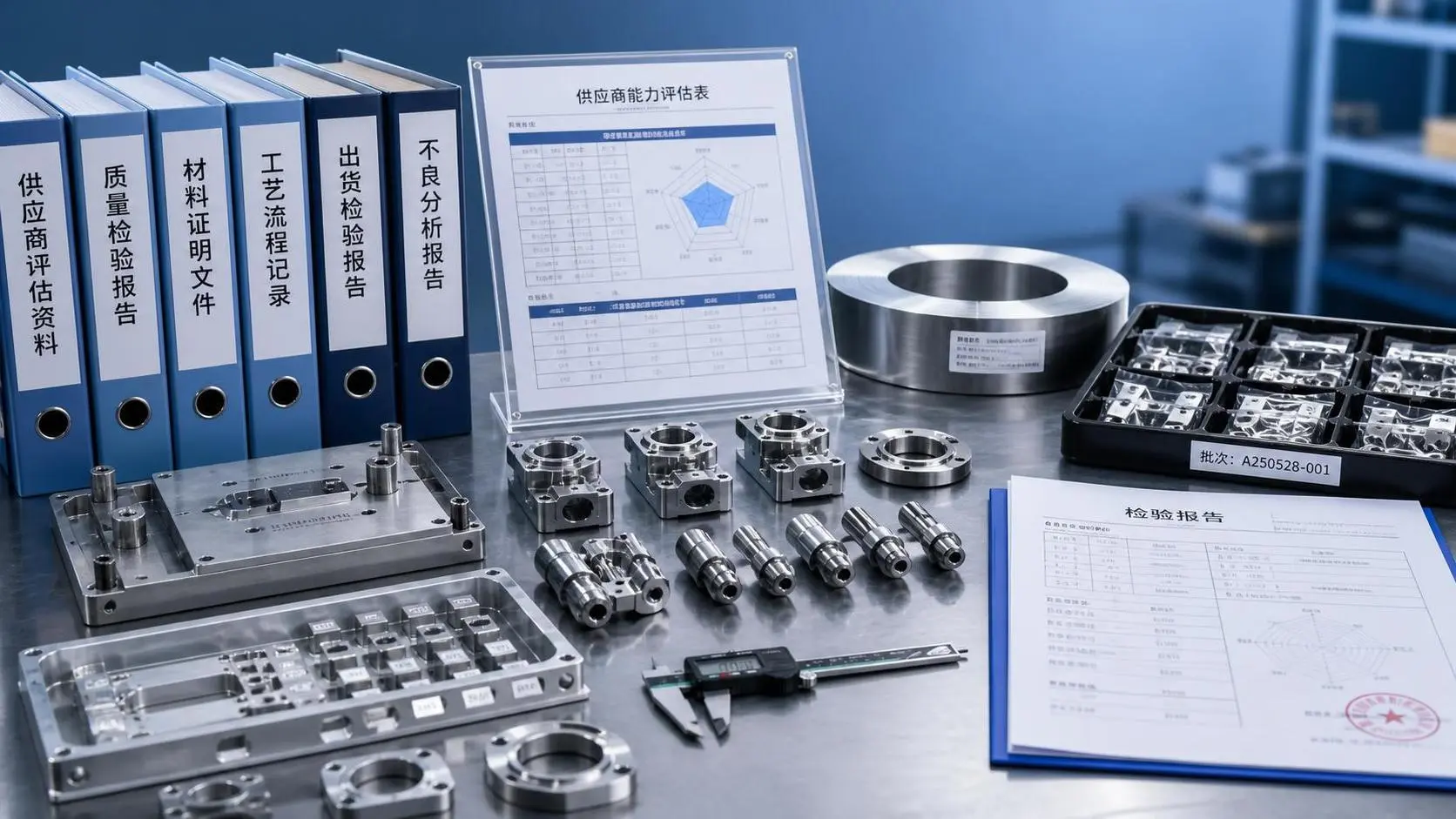
Supplier Capability Evaluation Process: Key Criteria for B2B Sourcing Decisions
Supplier capability evaluation process explained: learn the key criteria for B2B sourcing decisions, reduce supplier risk, and choose partners with confidence.
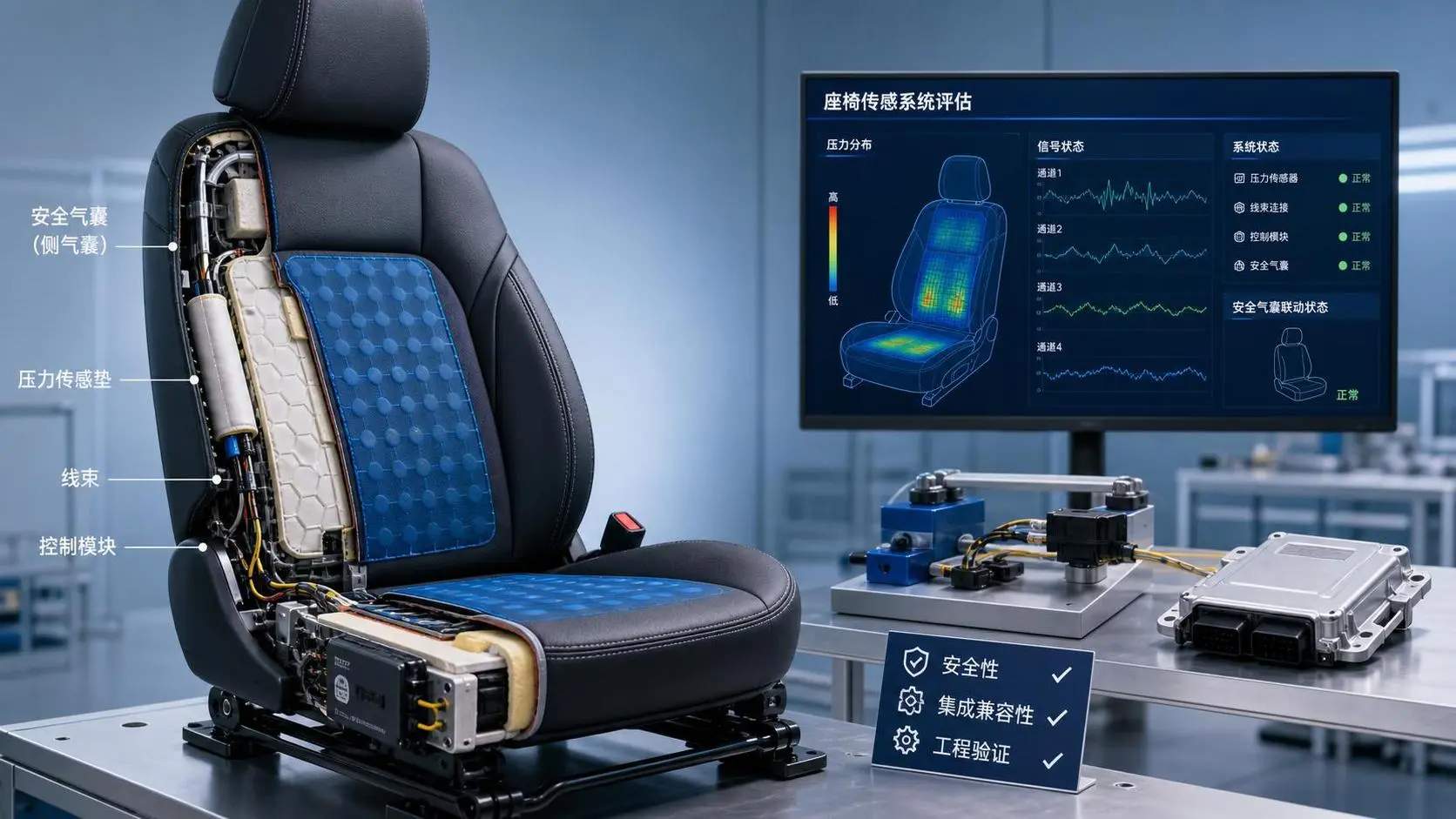
How to Evaluate a Seat Sensing Technology Supplier for Safety and Integration?
Seat sensing technology supplier evaluation guide: compare safety maturity, integration fit, algorithm reliability, and validation support to choose a partner that reduces risk.

How to Evaluate Custom Smart Automotive Seating for Premium Vehicle Programs?
Custom smart automotive seating evaluation starts with safety, comfort, integration, and production readiness. Discover how premium vehicle teams choose smarter, lower-risk seat solutions.
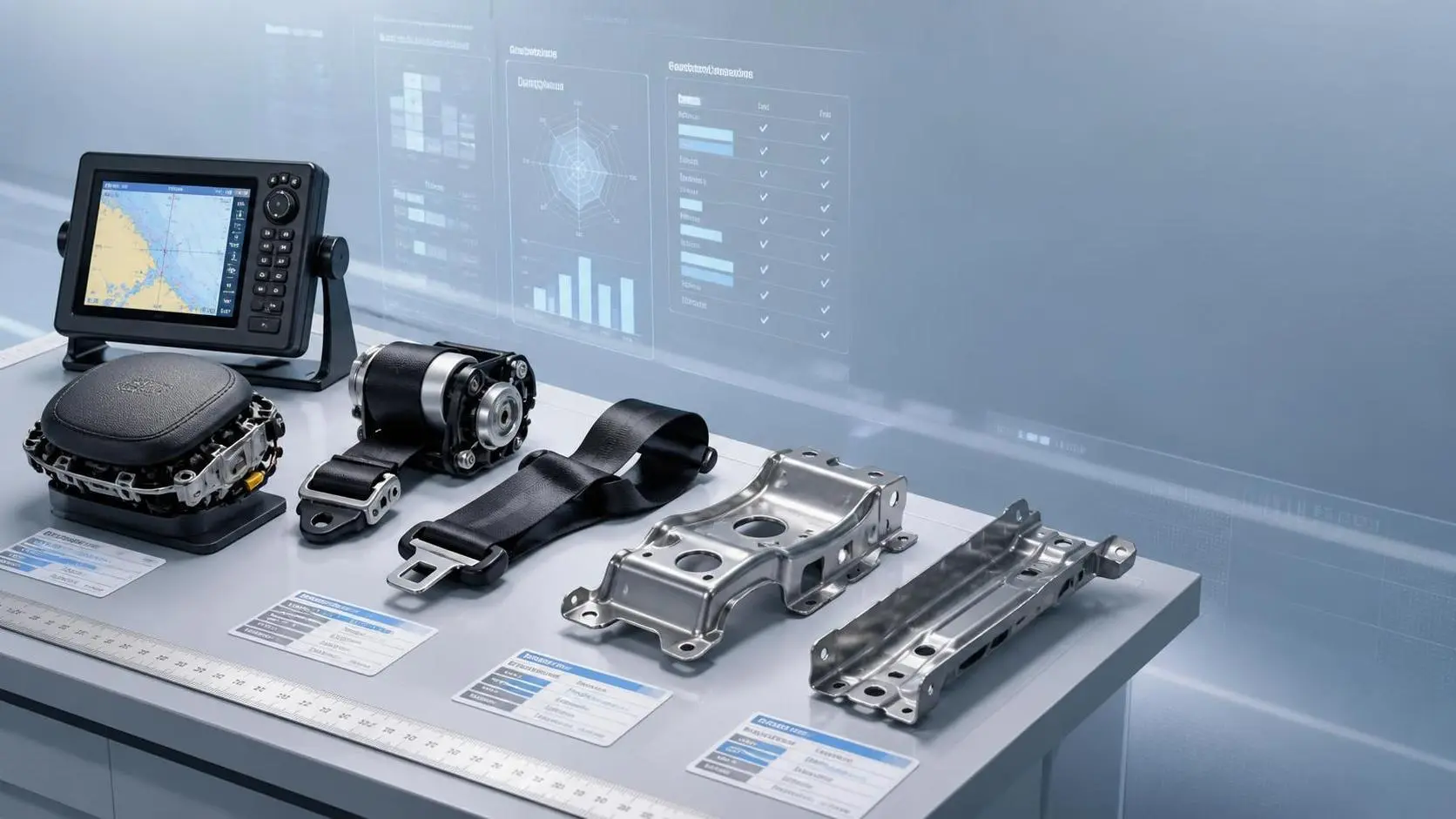
B2B Product Intelligence Platforms: How to Compare Features, Data Coverage, and ROI
B2B product intelligence platform comparison: learn how to evaluate data coverage, feature depth, compliance visibility, and ROI to choose a sourcing tool that reduces risk and speeds decisions.

Climate Control Seats Cost: What Drives Price and Long-Term Ownership Value?
Climate control seats cost depends on materials, thermal tech, and integration. Learn what drives price and how to judge long-term value before you buy.

What Factors Drive Marine Navigation Components Cost in Commercial Vessel Projects?
Marine navigation components cost is shaped by integration, compliance, installation, and lifecycle support. Discover what drives pricing and how buyers can reduce risk while improving value.

How Much Does Seat Occupancy Sensing Cost? Key Pricing Factors for Buyers
Seat occupancy sensing price varies widely by technology, integration, and compliance needs. Learn the key cost drivers, avoid hidden fees, and make smarter buying decisions.

How to Specify Micro-Climate Control Cabins for Harsh Outdoor Worksites?
Micro-climate control cabins for harsh outdoor worksites: learn how to specify thermal control, filtration, pressurization, and durability for safer uptime and smarter buying.
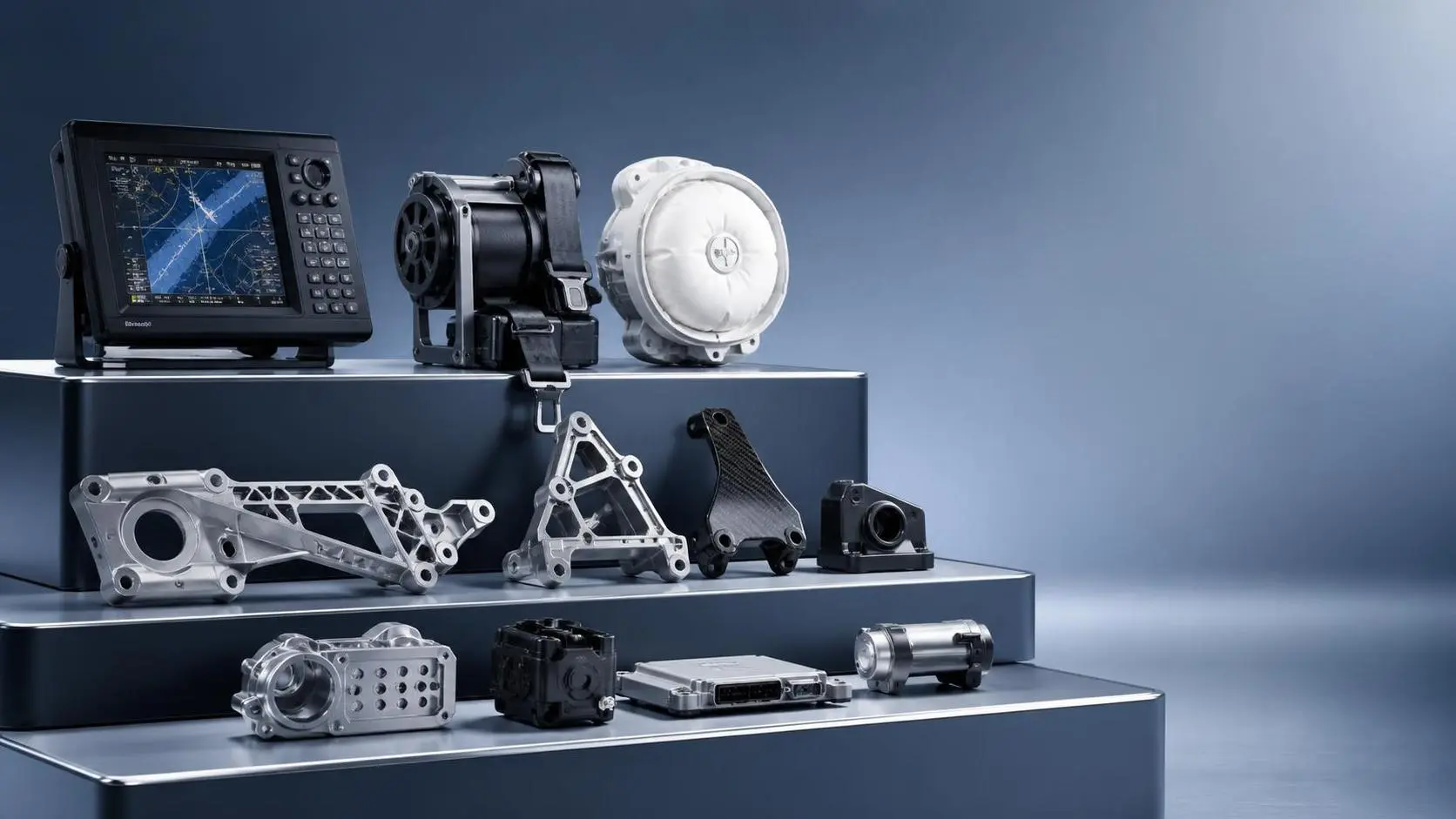
How to Evaluate a B2B Product Knowledge Platform for Faster Procurement Decisions
B2B product knowledge platform procurement starts with reducing decision risk. Learn how to compare specs, compliance, and supplier data to speed sourcing with confidence.
Related News
- 00
0000-00
Supplier Capability Evaluation Process: Key Criteria for B2B Sourcing Decisions - 00
0000-00
How to Evaluate a Seat Sensing Technology Supplier for Safety and Integration? - 00
0000-00
B2B Product Intelligence Platforms: How to Compare Features, Data Coverage, and ROI - 00
0000-00
What Factors Drive Marine Navigation Components Cost in Commercial Vessel Projects? - 00
0000-00
How Much Does Seat Occupancy Sensing Cost? Key Pricing Factors for Buyers
Weekly Insights
Stay ahead with our curated technology reports delivered every Monday.