
Vehicle Lightweight Solutions with Composites: Where They Outperform Steel and Aluminum
For technical evaluators comparing advanced materials, vehicle lightweight solutions composites offer measurable advantages beyond simple mass reduction. In applications where crash energy management, design freedom, corrosion resistance, and part integration matter, composites can outperform both steel and aluminum. This article examines where those gains are technically justified, what trade-offs remain, and how material selection should align with safety, manufacturability, and lifecycle performance.
Why are vehicle lightweight solutions composites gaining priority in technical evaluations?
Material selection is no longer a simple density comparison. Technical evaluators now balance crash behavior, joining complexity, corrosion risk, cabin integration, supply stability, and compliance exposure across global mobility programs.
That is why vehicle lightweight solutions composites are increasingly reviewed alongside high-strength steel and aluminum rather than after them. In many assemblies, the question is not whether composites are lighter, but whether they improve the total engineering system.
For GNCS readers working across lightweight body structures, passive safety, and smart seating systems, this matters because one material choice can affect sensor packaging, occupant protection paths, assembly count, and certification workload.
- Steel remains strong in cost, established forming routes, and predictable large-volume production.
- Aluminum reduces mass effectively, but often raises joining, galvanic corrosion, and stiffness management challenges.
- Composites can combine weight reduction, geometric freedom, and integrated functions when the design brief justifies the process and validation effort.
What technical evaluators are really measuring
In practical sourcing and engineering reviews, performance is judged by system outcomes. A composite part may cost more per kilogram yet reduce brackets, welds, fasteners, corrosion treatment, and downstream rework.
This systems view is central to GNCS intelligence work, especially where body structures interact with seat frames, restraint loading paths, and cabin safety packaging under severe crash conditions.
Where do composites outperform steel and aluminum most clearly?
The clearest advantages appear where function integration and directional performance matter more than simple isotropic strength. Vehicle lightweight solutions composites are rarely a universal replacement, but they can be the best option in targeted zones.
Typical high-value application zones
- Front-end modules and underbody shields where corrosion resistance and part consolidation reduce total assembly complexity.
- Seat structures and seat back shells where stiffness-to-weight ratio, integrated ducts, and occupant comfort features can coexist in one molded architecture.
- Battery enclosures, covers, and isolation panels where thermal insulation, dielectric behavior, and geometry flexibility support electrified platforms.
- Crash-relevant energy absorbers where tailored layups or fiber orientation help manage specific load directions.
- Roof systems, liftgates, and closures where center-of-gravity reduction and styling freedom create secondary vehicle-level benefits.
The table below helps technical evaluators compare where steel, aluminum, and composites usually perform best in mobility equipment decisions.
For technical evaluators, the key insight is that composites win most decisively when multiple functions can be merged into one validated component. That is often more valuable than a narrow material property comparison.
How do vehicle lightweight solutions composites compare in crash, stiffness, and durability?
A common mistake is to compare only tensile strength numbers from material datasheets. Vehicle lightweight solutions composites require a different evaluation lens because anisotropy, fiber orientation, matrix choice, and load path design heavily influence real performance.
Crash energy management
In crash-related parts, composites can deliver controlled progressive failure rather than metal-like yielding. This can be beneficial in crush structures, protective shells, and occupant-adjacent modules where energy absorption must be directed and repeatable.
However, crash validation must account for strain rate sensitivity, failure modes, attachment integrity, and behavior after impact. GNCS follows these interactions closely because passive safety decisions rarely depend on one component alone.
Stiffness and NVH behavior
Composites often provide superior specific stiffness. In roof structures, seat modules, and cabin panels, that can help reduce vibration, improve feel, and support sensor or trim integration without excessive mass increase.
Durability and environment
Unlike steel, composites do not rust. Unlike some aluminum interfaces, they are less exposed to galvanic issues when designed correctly. Still, moisture uptake, thermal cycling, UV exposure, and adhesive aging must be assessed in the intended use environment.
The following table summarizes how technical evaluators should read core performance dimensions when assessing vehicle lightweight solutions composites for mobility structures.
This is where informed intelligence matters. A lightweight claim without process repeatability, crash validation, and interface testing is not a procurement advantage. It is a risk transfer.
Which applications justify the cost premium?
Composites usually carry a higher raw material or tooling discussion, so evaluators need a clear business case. The cost premium is easier to justify when a lighter part also reduces assembly operations, corrosion treatments, hardware count, or warranty exposure.
Cost justifications that often hold up
- A multi-piece steel bracket assembly becomes one molded composite carrier with fewer joining steps.
- A seating component needs lower mass but must preserve occupant comfort, package channels, and local stiffness.
- A body-adjacent part faces moisture, road salt, or mixed-material corrosion interfaces over long duty cycles.
- An EV or marine-adjacent mobility application benefits from dielectric properties or thermal separation not easily delivered by metal alone.
When steel or aluminum still make more sense
If volumes are very high, geometry is simple, repairability must mirror traditional body shop methods, and existing stampings already meet target weight and crash thresholds, steel or aluminum may remain the more practical choice.
The best technical evaluators do not force composites into every zone. They identify where vehicle lightweight solutions composites improve the total cost of function, not just the material headline.
What should technical evaluators check before procurement?
Selection errors usually happen before the RFQ is issued. Requirements are written around mass targets, but not around crash loads, interface conditions, validation scope, or production tolerances. That creates expensive redesign loops later.
A practical evaluation checklist
- Define the function first: structural, semi-structural, protective, cosmetic, or integrated module.
- Map the load case: static loads, crash pulses, vibration, thermal cycling, and service abuse.
- Review interfaces: metal inserts, adhesive bonds, fasteners, seat anchors, trim attachments, or sensor routing paths.
- Check manufacturability: cycle time, process capability, scrap sensitivity, and quality control methods.
- Align compliance needs: crash protocols, flammability expectations, material traceability, and regional program requirements.
The procurement guide below is useful when reviewing vehicle lightweight solutions composites against established metal solutions.
This checklist helps evaluators move beyond brochure claims. It also reduces late-stage disputes between design teams, sourcing teams, and compliance reviewers.
How do standards, compliance, and safety programs affect material choice?
In mobility equipment, compliance is not a side task. Whether the part sits in a body structure, seat system, or safety-adjacent module, the material must support validation under relevant crash, durability, and environmental frameworks.
GNCS brings value here because its intelligence perspective connects lightweight structures with passive safety logic and the evolving compliance environment, including globally recognized crash assessment references such as IIHS and Euro NCAP where applicable at vehicle level.
Compliance questions to raise early
- Will the part operate in an occupant restraint load path or near airbag deployment zones?
- Are flammability, fogging, or cabin material restrictions relevant to the selected resin system?
- Does the application require salt, water, thermal, or UV exposure validation for long service life?
- Can traceability be maintained for production lots, especially where safety-critical interfaces exist?
The earlier these questions are answered, the less likely a lightweight initiative will stall in PPAP, design freeze reviews, or later compliance gates.
Common misconceptions about vehicle lightweight solutions composites
“Composites are always too expensive.”
Not always. They are often more expensive as raw material, but not necessarily as delivered function. Part integration, reduced corrosion management, lower assembly count, and platform differentiation can shift the economics.
“They cannot be trusted in safety-relevant zones.”
That depends on design and validation. Safety performance comes from engineered load paths, interfaces, and repeatable manufacturing. Poorly defined composite programs fail for the same reason poorly defined metal programs do.
“A lighter part is automatically a better part.”
No. Technical evaluators must look at stiffness, crash behavior, environmental durability, manufacturability, and lifecycle service. Weight reduction that compromises system robustness is not a successful lightweight solution.
FAQ for technical evaluators
How should I compare composites with aluminum in seat and cabin structures?
Start with function packaging rather than density alone. If the seat or cabin component needs ducts, sensor mounts, local reinforcement, trim integration, or comfort-related geometry, composites may deliver better system efficiency than aluminum sheet or extrusion solutions.
Which scenarios are best suited to vehicle lightweight solutions composites?
They are best suited to parts requiring complex shape, corrosion resistance, directional strength tuning, or integrated functions. Examples include seat shells, covers, closures, battery-adjacent structures, and crash-managed sub-components.
What are the biggest procurement risks?
The most common risks are unclear validation scope, weak interface design, poor process repeatability, and underestimating repair strategy. Evaluators should ask for application-linked data, not only generic material brochures.
Do composites replace steel and aluminum across the whole vehicle?
Usually no. The best results often come from hybrid architectures where steel, aluminum, and composites each serve the zone where they create the best balance of safety, cost, weight, and manufacturability.
Why GNCS is a practical intelligence partner for lightweight material decisions
GNCS operates where precision perception, structural lightweighting, and occupant protection intersect. That cross-domain view matters because material choice in modern mobility systems affects more than mass. It influences crash energy paths, cabin architecture, regulatory readiness, and premium component positioning.
For evaluators reviewing vehicle lightweight solutions composites, GNCS can help frame the right questions around body stampings, passive safety integration, seat structures, and global compliance trends without reducing the decision to one simplified metric.
What you can consult with us about
- Parameter confirmation for stiffness, crash load cases, corrosion exposure, and material interface conditions.
- Product selection guidance for lightweight body parts, seat assemblies, and safety-adjacent components.
- Delivery cycle discussions linked to prototyping, validation, and serial production readiness.
- Customized solution review for integrated parts, hybrid material concepts, or application-specific trade-off analysis.
- Certification and compliance mapping for global programs with demanding safety and environmental expectations.
- Sample support and quotation communication for teams needing faster technical screening before sourcing commitment.
If your team is deciding where composites truly outperform steel and aluminum, a focused technical review will save time and reduce rework. Contact GNCS to discuss application parameters, selection logic, validation priorities, delivery expectations, and the most realistic lightweight path for your program.
Related News
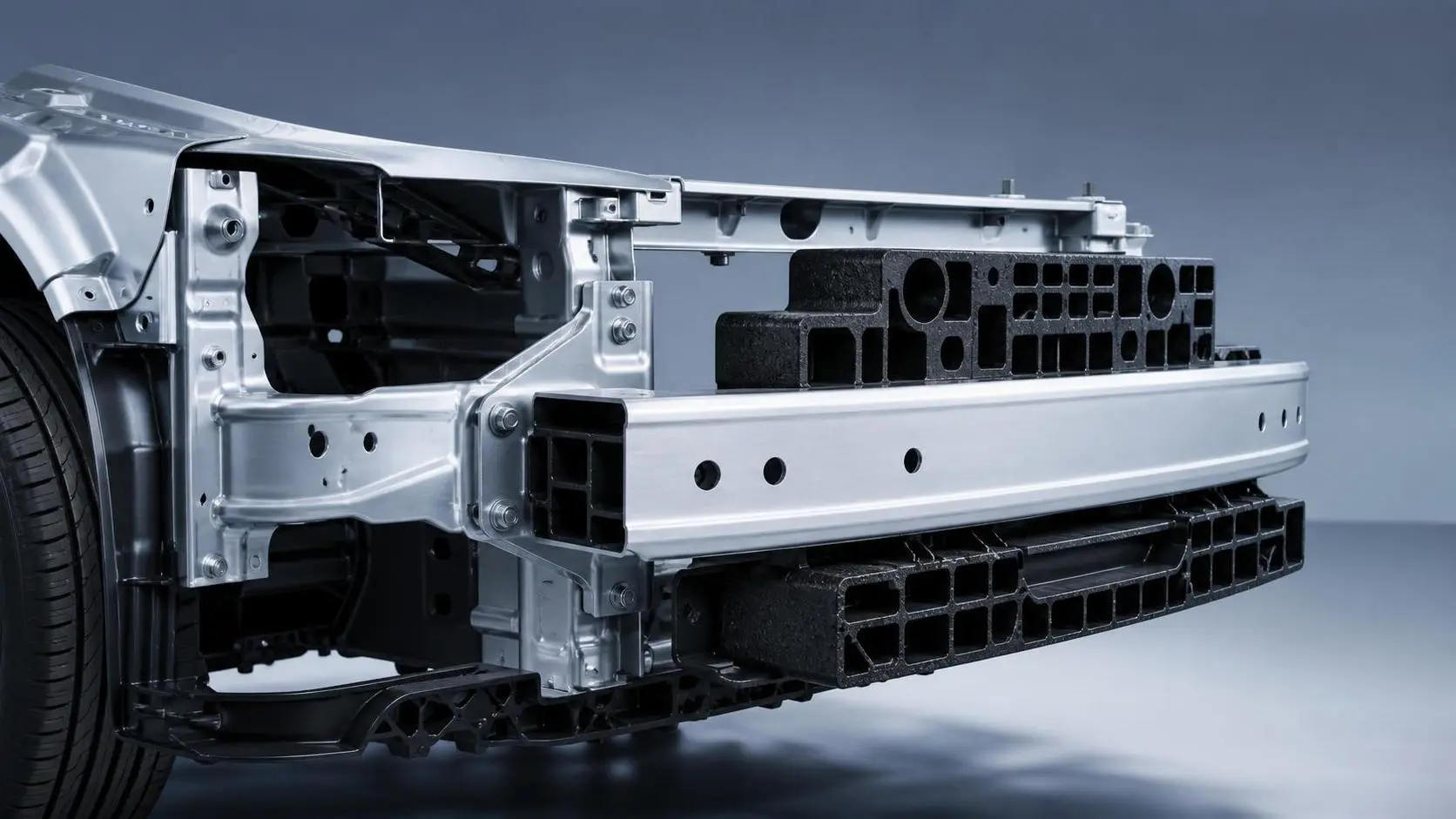
How Crash Management Components Reduce Repair Costs and Improve Impact Performance
Crash management components help reduce repair costs, protect critical vehicle structures, and improve impact performance. Learn how smarter design supports safer, more cost-efficient mobility programs.

How to Evaluate a Seat Sensing Systems Factory for Automotive Safety Programs
Seat sensing systems factory selection goes beyond price. Learn how to assess quality control, validation, PPAP readiness, and long-term supply reliability for safer automotive programs.
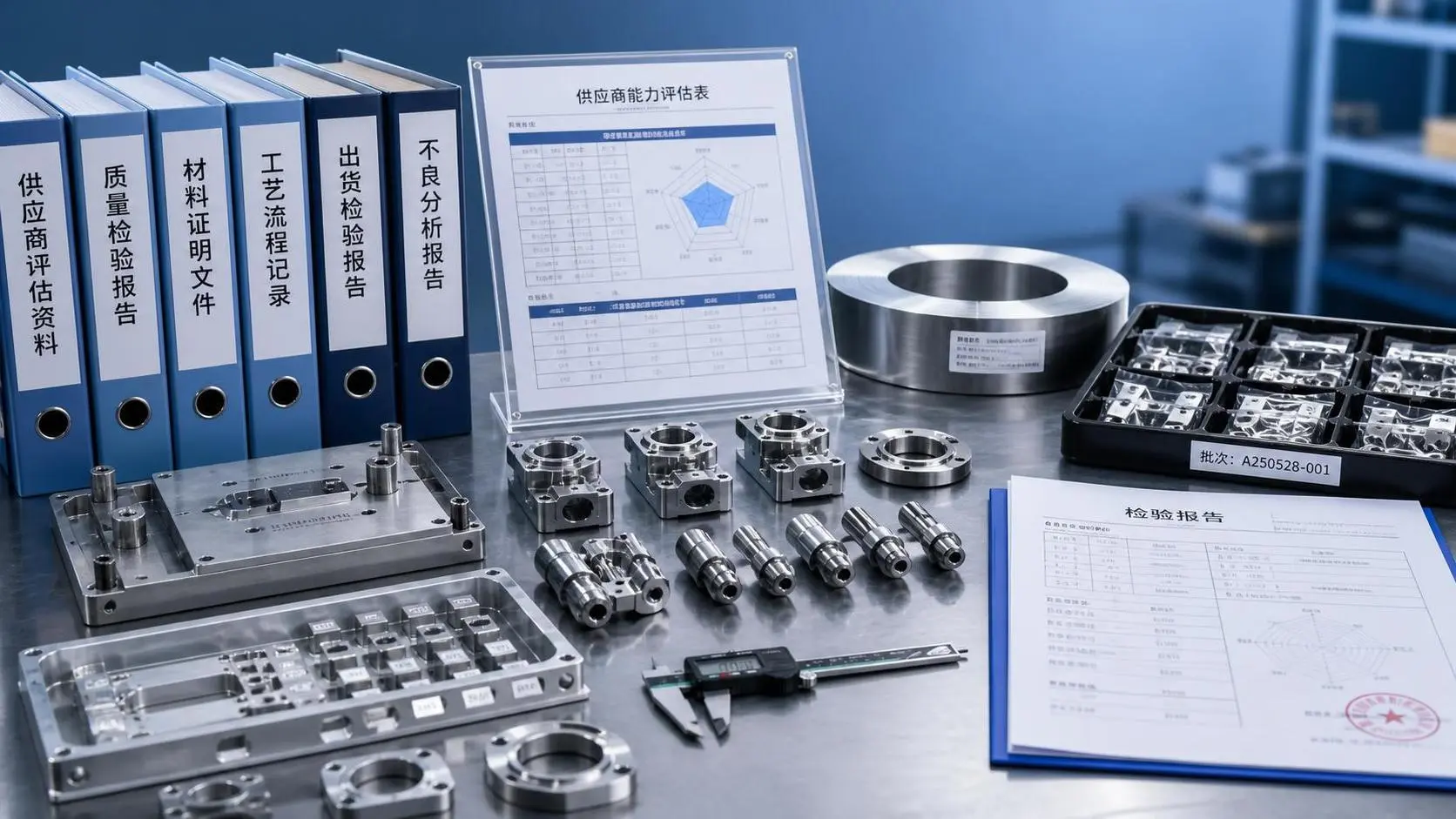
Supplier Capability Evaluation Process: Key Criteria for B2B Sourcing Decisions
Supplier capability evaluation process explained: learn the key criteria for B2B sourcing decisions, reduce supplier risk, and choose partners with confidence.
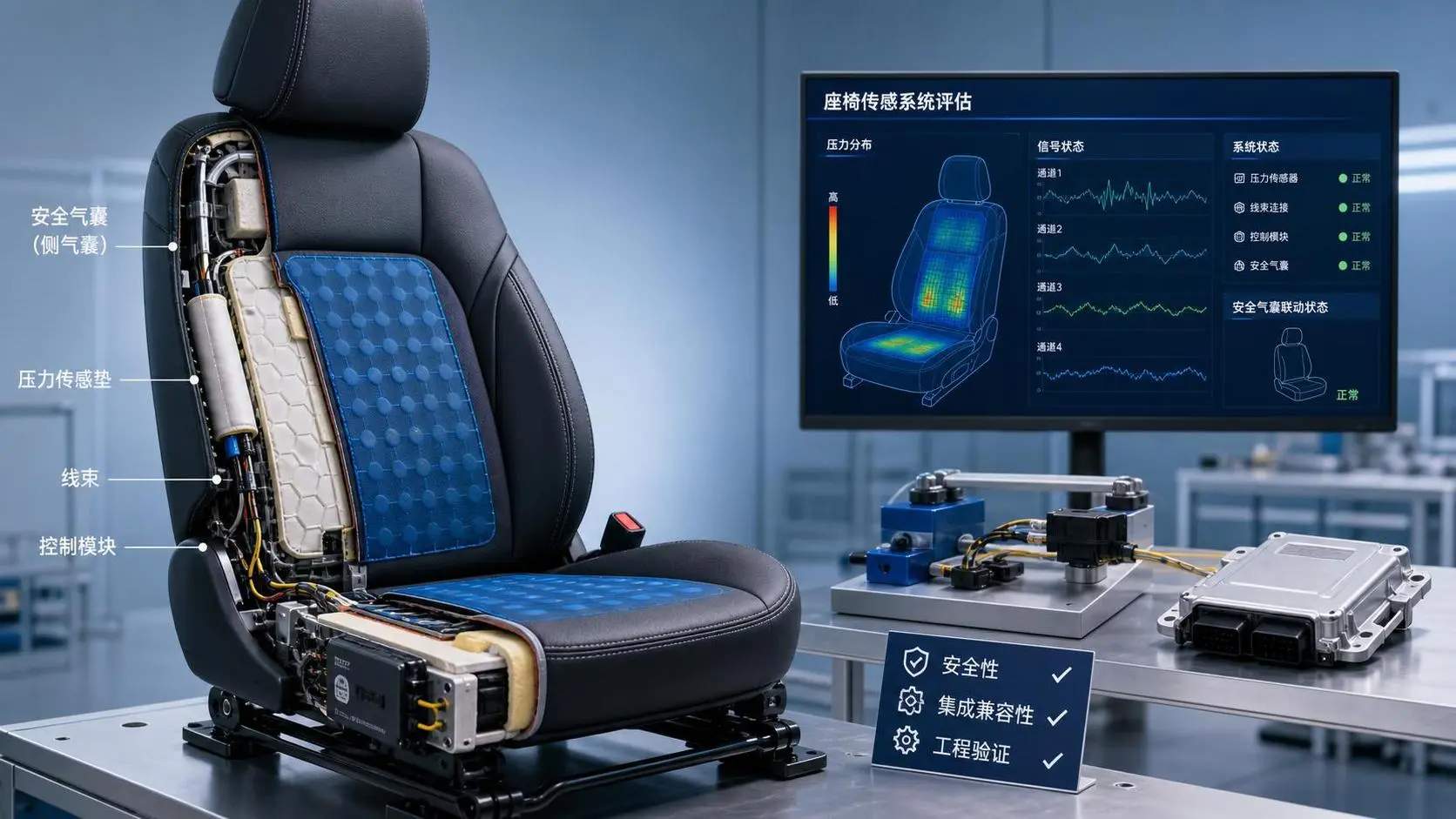
How to Evaluate a Seat Sensing Technology Supplier for Safety and Integration?
Seat sensing technology supplier evaluation guide: compare safety maturity, integration fit, algorithm reliability, and validation support to choose a partner that reduces risk.
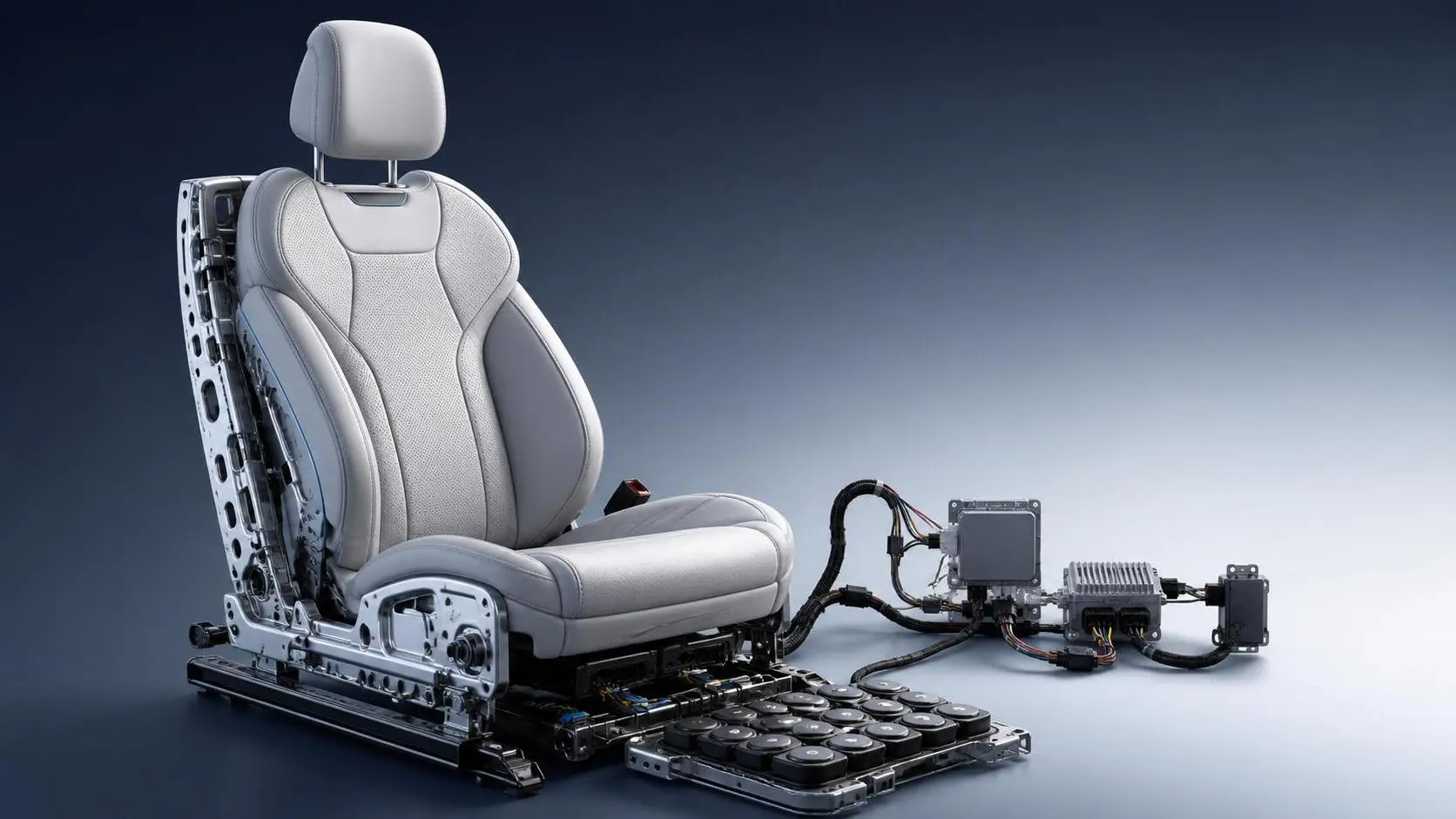
How to Evaluate Custom Smart Automotive Seating for Premium Vehicle Programs?
Custom smart automotive seating evaluation starts with safety, comfort, integration, and production readiness. Discover how premium vehicle teams choose smarter, lower-risk seat solutions.
B2B Product Intelligence Platforms: How to Compare Features, Data Coverage, and ROI
B2B product intelligence platform comparison: learn how to evaluate data coverage, feature depth, compliance visibility, and ROI to choose a sourcing tool that reduces risk and speeds decisions.
Climate Control Seats Cost: What Drives Price and Long-Term Ownership Value?
Climate control seats cost depends on materials, thermal tech, and integration. Learn what drives price and how to judge long-term value before you buy.

What Factors Drive Marine Navigation Components Cost in Commercial Vessel Projects?
Marine navigation components cost is shaped by integration, compliance, installation, and lifecycle support. Discover what drives pricing and how buyers can reduce risk while improving value.

How Much Does Seat Occupancy Sensing Cost? Key Pricing Factors for Buyers
Seat occupancy sensing price varies widely by technology, integration, and compliance needs. Learn the key cost drivers, avoid hidden fees, and make smarter buying decisions.
Related News
- 00
0000-00
How Crash Management Components Reduce Repair Costs and Improve Impact Performance - 00
0000-00
Supplier Capability Evaluation Process: Key Criteria for B2B Sourcing Decisions - 00
0000-00
How to Evaluate a Seat Sensing Technology Supplier for Safety and Integration? - 00
0000-00
B2B Product Intelligence Platforms: How to Compare Features, Data Coverage, and ROI - 00
0000-00
What Factors Drive Marine Navigation Components Cost in Commercial Vessel Projects?
Weekly Insights
Stay ahead with our curated technology reports delivered every Monday.