
Automotive crash protection is no longer just about airbags
Automotive crash protection is no longer defined by airbags alone. Modern safety depends on how structures, restraints, seats, sensors, and regulations work together.
For mobility researchers, automotive crash protection now means system-level engineering. It links crash energy paths, occupant motion control, and post-impact survivability.
This shift matters across the broader equipment landscape. GNCS tracks how lightweight bodies, passive safety parts, and smart cabins reshape both design priorities and compliance strategies.
What does automotive crash protection mean today?
Automotive crash protection now covers everything that manages crash forces before, during, and after occupant contact. Airbags remain important, but they are only one layer.
A complete system includes body structures, crumple zones, seatbelt pretensioners, load limiters, seat frames, head restraints, airbags, and electronic sensing logic.
The goal is simple. Reduce injury by controlling energy, preserving survival space, and limiting harmful occupant movement inside the cabin.
This is why automotive crash protection is deeply connected to materials engineering. Lighter vehicles still need rigid passenger cells and predictable deformation paths.
- Front structures absorb impact energy progressively.
- Side structures resist intrusion near the occupant.
- Seatbelts position the body before airbag deployment.
- Seats help control pelvis, torso, and head motion.
- Airbags cushion remaining loads in milliseconds.
In short, effective automotive crash protection is coordinated physical containment. Every component must act in sequence, not in isolation.
Why are airbags no longer enough on their own?
Airbags are reactive devices. They help after a crash begins, but they cannot replace structural integrity or proper restraint geometry.
If the cabin deforms excessively, airbags have less room to protect. If the seatbelt does not restrain the occupant well, airbag timing becomes less effective.
Real-world crashes are also more complex than frontal tests alone. Side impacts, rollovers, offset collisions, and secondary impacts demand multiple safety layers.
Key limitations of airbag-only thinking
- Airbags cannot create structural crash space.
- They do not prevent occupant submarining under belts.
- They cannot manage all lateral or rear impact motions.
- They depend on precise sensing and occupant position.
- They work best with tuned belts and seats.
This is where broader automotive crash protection becomes essential. A vehicle must manage both the crash event and the occupant’s biomechanical response.
GNCS often highlights this systems view across passive safety intelligence. The same discipline seen in marine navigation signal integration appears in crash safety integration.
Even supporting resource references such as 无 fit best when interpreted within a wider engineering context.
How do lightweight body structures improve automotive crash protection?
Lightweighting is not only about efficiency. It is central to modern automotive crash protection because mass reduction must happen without weakening occupant safety.
Advanced high-strength steel, hot stamping, aluminum, and selective mixed-material design allow engineers to place strength exactly where it matters most.
The strongest areas protect the passenger compartment. Controlled deformation zones around them absorb energy and slow crash pulses before they reach occupants.
What design choices matter most?
- Load path continuity across front rails and pillars.
- Hot-stamped reinforcements for intrusion resistance.
- Cross-car beams for side impact stability.
- Floor and seat mount strength for restraint performance.
- Material joining methods that hold under dynamic loads.
These choices influence crash pulse shape, occupant deceleration, and repair complexity. They also affect how belts and airbags should be calibrated.
Automotive crash protection therefore starts long before restraint deployment. It begins with the vehicle body acting like an engineered energy management device.
What role do seatbelts and smart seats play in occupant safety?
Seatbelts remain the first active layer within passive safety. In many crash conditions, they do more injury reduction work than the airbag itself.
Pretensioners remove slack early. Load limiters then release belt force in a controlled way, lowering chest injury risk while maintaining restraint.
Seats matter just as much. Their frame stiffness, recliner strength, cushion geometry, and anti-submarining features influence occupant posture and crash kinematics.
Why smart seating is becoming part of automotive crash protection
- Seat sensors estimate occupant size and position.
- Adaptive restraints can tune deployment logic.
- Head restraint design helps reduce whiplash risk.
- Seat-integrated side airbags improve proximity protection.
- Strong seat anchors support predictable belt performance.
As cabins become more intelligent, the seat is no longer just a comfort component. It becomes a safety interface between human motion and restraint systems.
That is why GNCS pays close attention to cabin ergonomics, frame materials, and sensing integration. These details increasingly shape future automotive crash protection outcomes.
How should evolving regulations and crash tests be interpreted?
Testing bodies such as IIHS and Euro NCAP continue to raise the bar. New protocols reward balanced protection, not isolated component performance.
Small overlap crashes, far-side impacts, rear occupant criteria, and vulnerable road user considerations all expand the meaning of automotive crash protection.
This creates pressure on vehicle programs. Safety must be optimized across structure, restraints, software calibration, and interior packaging at the same time.
What changes are most important?
- More focus on diverse occupant sizes and seating positions.
- Higher scrutiny of side and far-side impact protection.
- Greater demand for rear-seat restraint performance.
- Closer links between active sensing and passive response.
- Stronger evidence expectations for global compliance.
For analysts and designers, regulations are not just checklists. They reveal where future injury risks, technology investment, and market differentiation are heading.
What common mistakes weaken automotive crash protection decisions?
A common mistake is evaluating parts separately. Strong airbags cannot compensate for weak seat structures or poor belt routing.
Another mistake is assuming lighter always means less safe. In reality, well-designed lightweight architectures can improve crash management and package efficiency.
It is also risky to rely only on headline crash ratings. The underlying test methods and injury measures often reveal more useful technical truth.
Quick risk checklist
Useful reference points, including 无, should support evaluation, not replace engineering judgment.
How can a practical evaluation framework improve results?
A strong framework for automotive crash protection combines structural review, restraint tuning, cabin layout analysis, and regulatory forecasting.
This helps identify where safety gains are real and where apparent improvements are only cosmetic or rating-specific.
Suggested evaluation sequence
- Map crash modes most relevant to the platform.
- Check body load paths and survival space retention.
- Review belt, pretensioner, and load limiter strategy.
- Assess seat geometry, anchors, and sensing capability.
- Compare airbag coverage with occupant positions.
- Match design targets against current global protocols.
This integrated process reflects the GNCS approach to safety intelligence. Precision matters, but connection between systems matters even more.
Automotive crash protection is now a strategic discipline. It links materials, mechanics, electronics, ergonomics, and compliance into one measurable safety architecture.
FAQ summary table: what should be prioritized first?
Automotive crash protection has moved beyond a single component mindset. Safer outcomes now depend on how body structures, belts, seats, airbags, and standards interact.
The most valuable next step is to review safety as a connected architecture. That perspective reveals better design choices, clearer compliance direction, and stronger long-term mobility resilience.
Related News
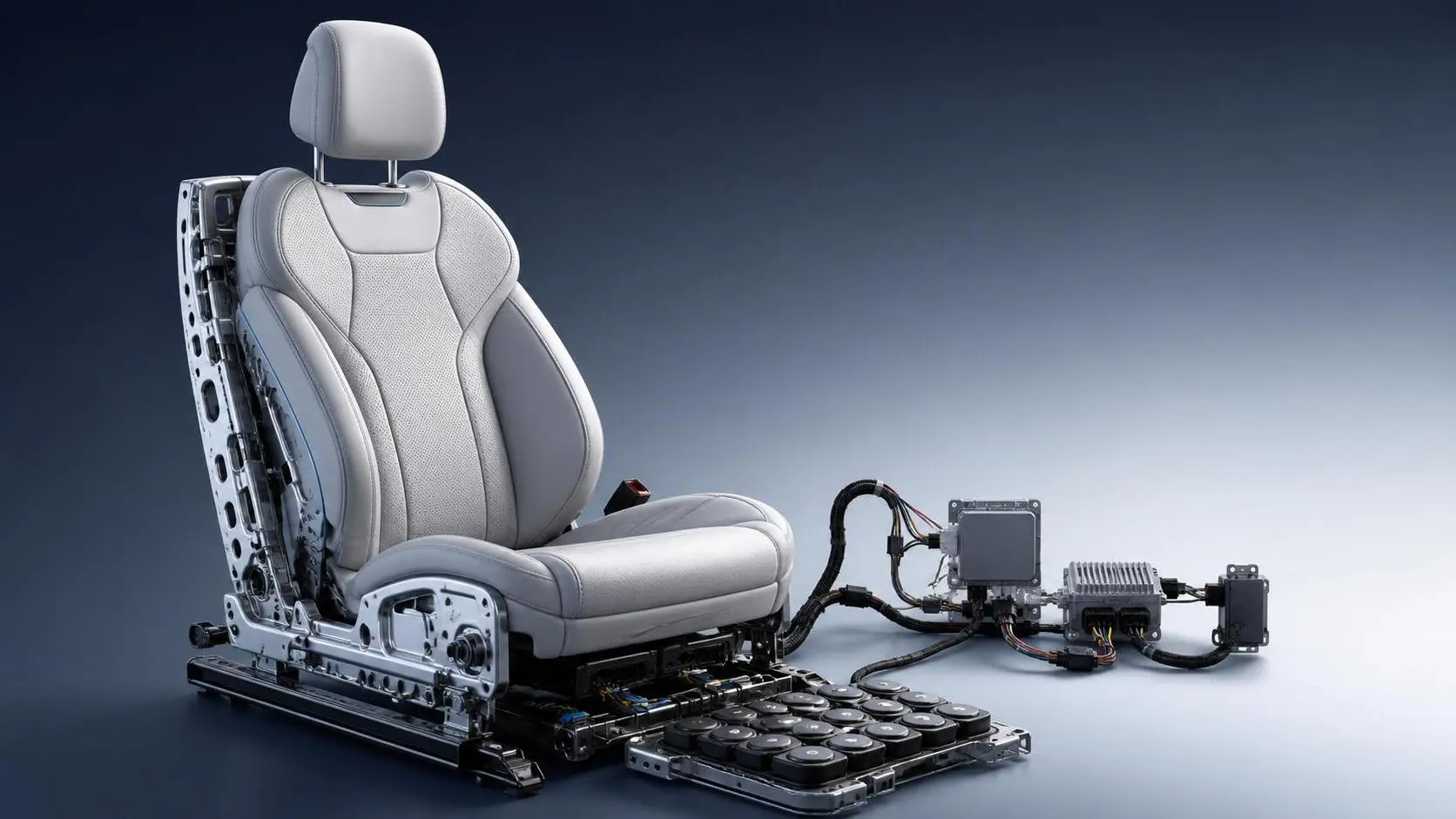
How to Evaluate Custom Smart Automotive Seating for Premium Vehicle Programs?
Custom smart automotive seating evaluation starts with safety, comfort, integration, and production readiness. Discover how premium vehicle teams choose smarter, lower-risk seat solutions.
B2B Product Intelligence Platforms: How to Compare Features, Data Coverage, and ROI
B2B product intelligence platform comparison: learn how to evaluate data coverage, feature depth, compliance visibility, and ROI to choose a sourcing tool that reduces risk and speeds decisions.
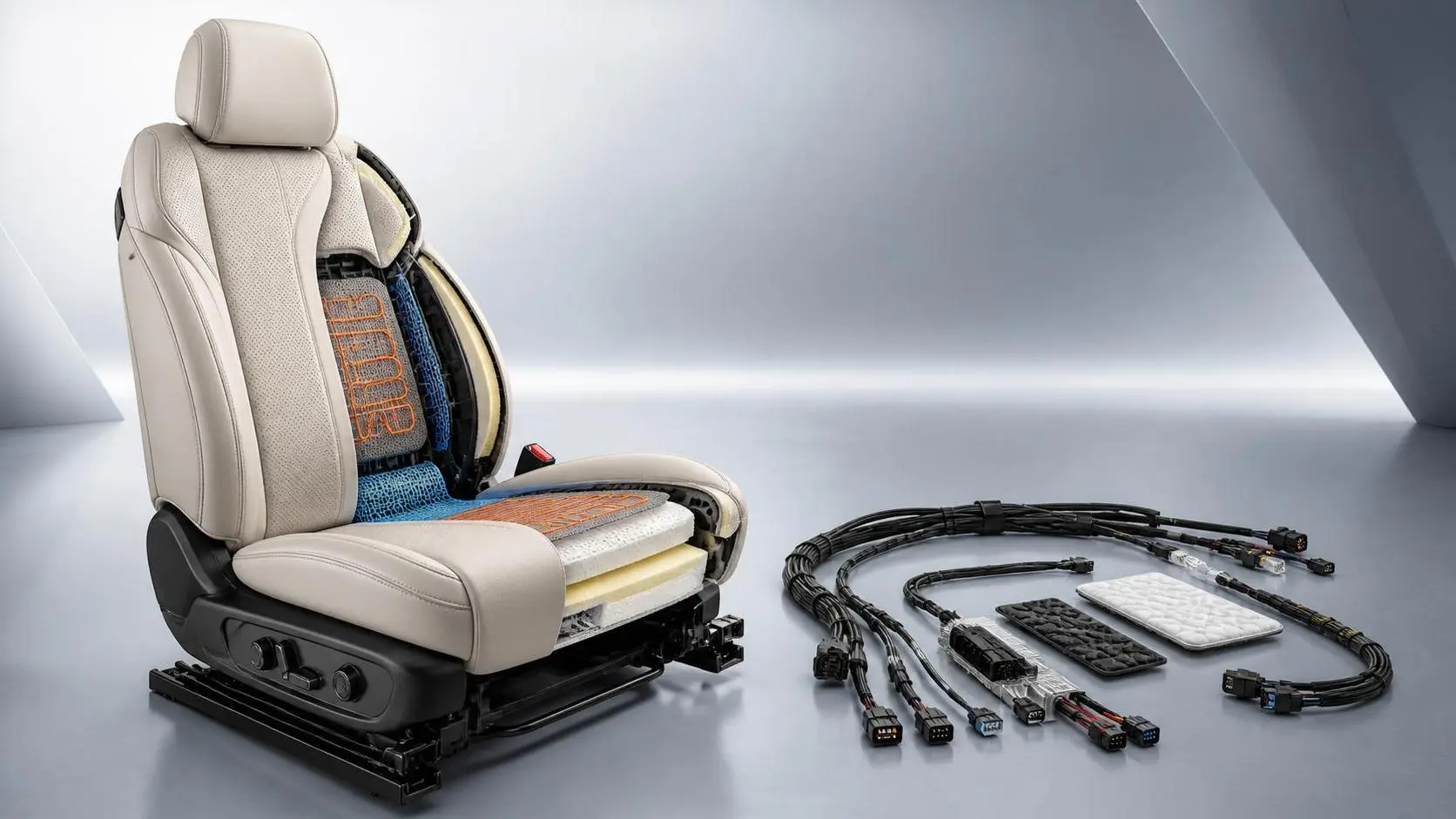
Climate Control Seats Cost: What Drives Price and Long-Term Ownership Value?
Climate control seats cost depends on materials, thermal tech, and integration. Learn what drives price and how to judge long-term value before you buy.
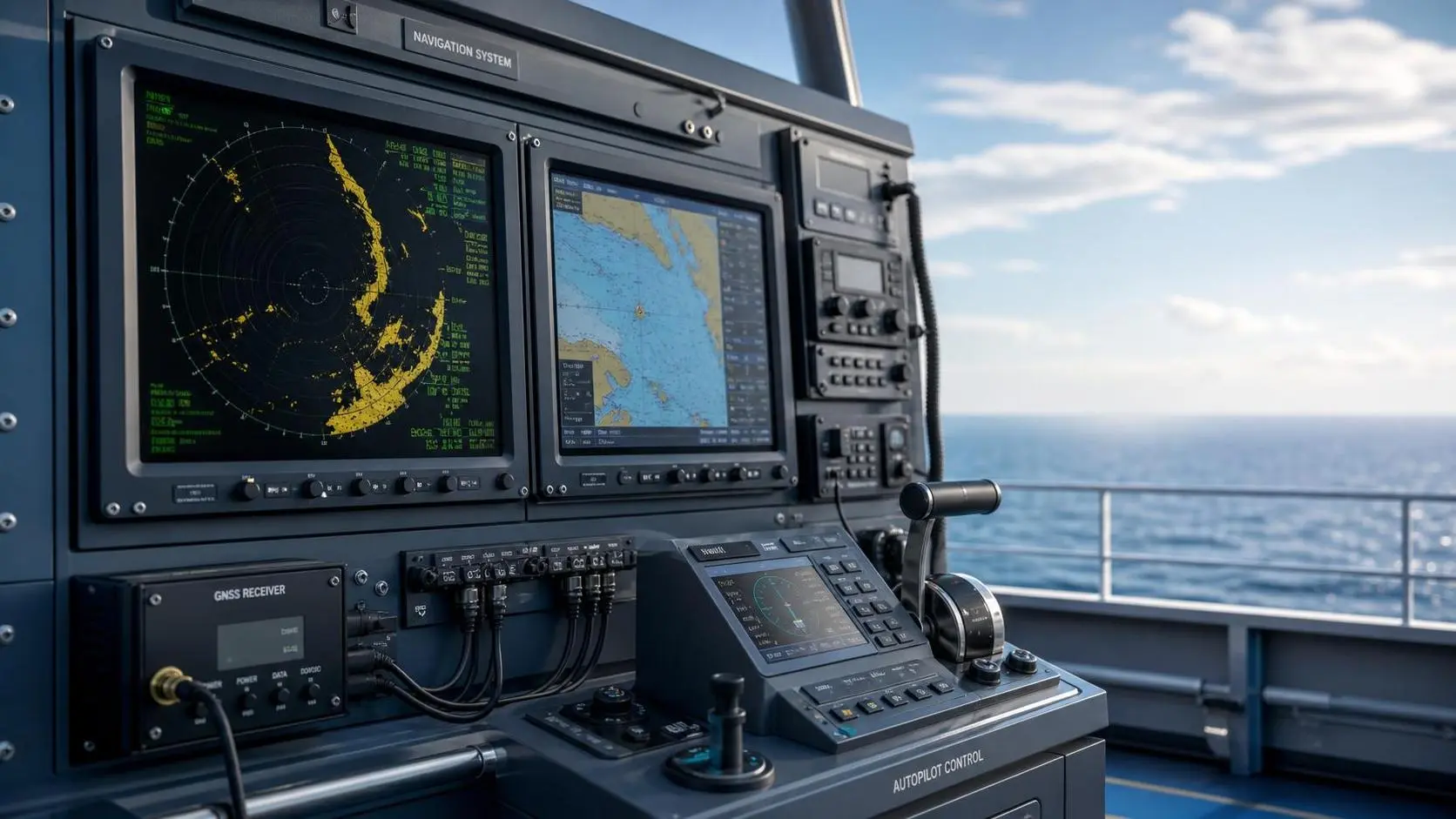
What Factors Drive Marine Navigation Components Cost in Commercial Vessel Projects?
Marine navigation components cost is shaped by integration, compliance, installation, and lifecycle support. Discover what drives pricing and how buyers can reduce risk while improving value.
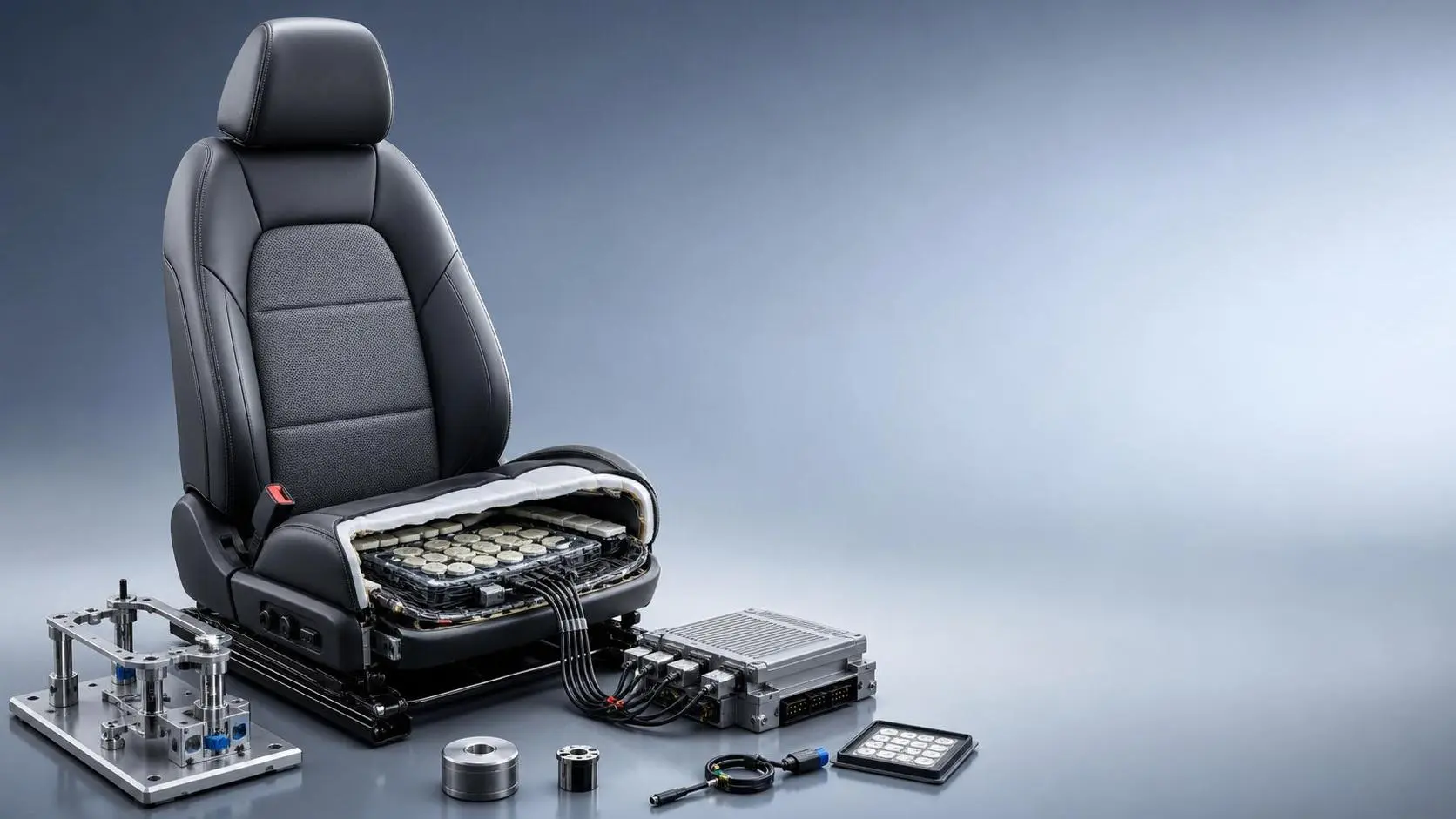
How Much Does Seat Occupancy Sensing Cost? Key Pricing Factors for Buyers
Seat occupancy sensing price varies widely by technology, integration, and compliance needs. Learn the key cost drivers, avoid hidden fees, and make smarter buying decisions.
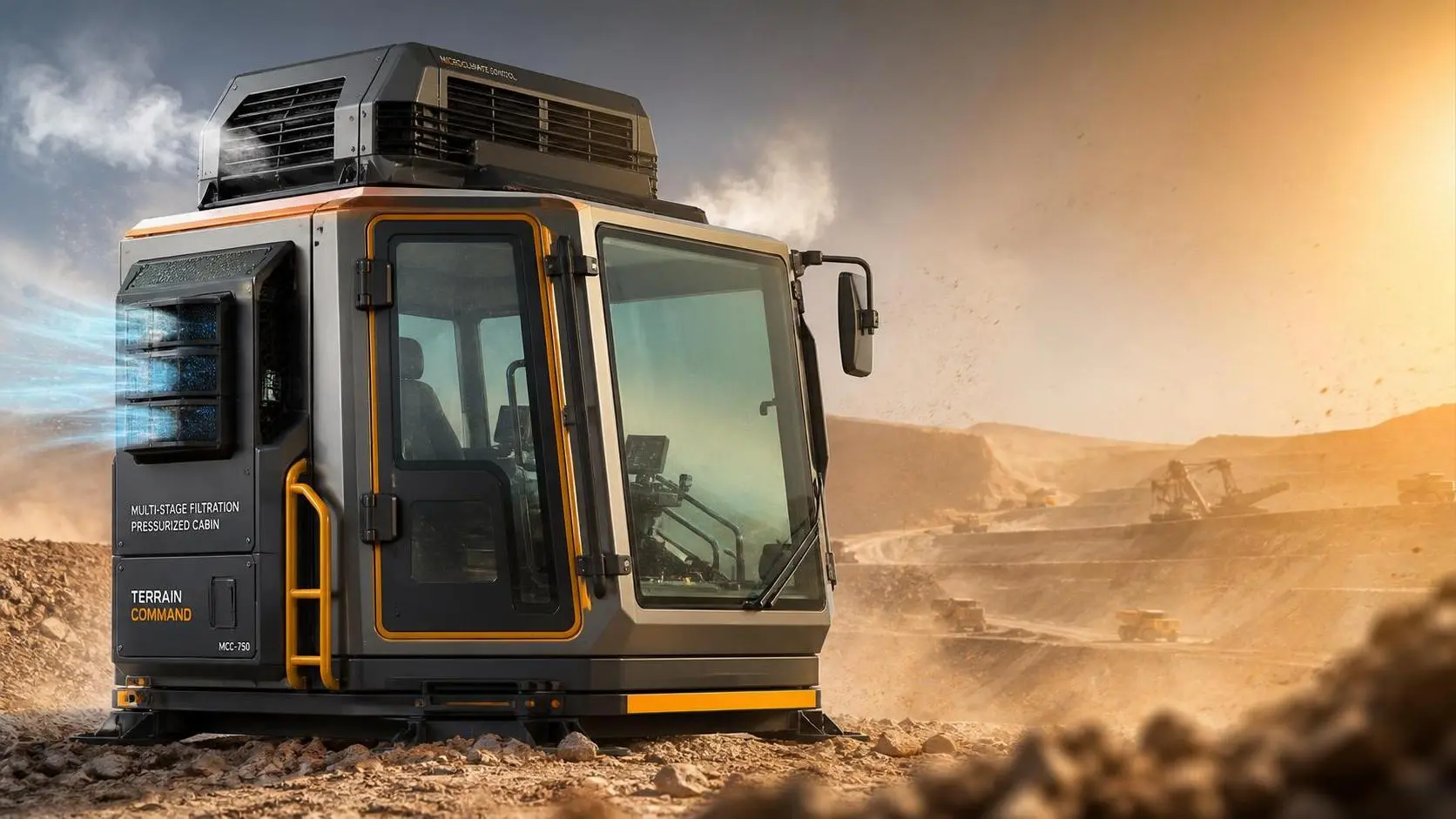
How to Specify Micro-Climate Control Cabins for Harsh Outdoor Worksites?
Micro-climate control cabins for harsh outdoor worksites: learn how to specify thermal control, filtration, pressurization, and durability for safer uptime and smarter buying.
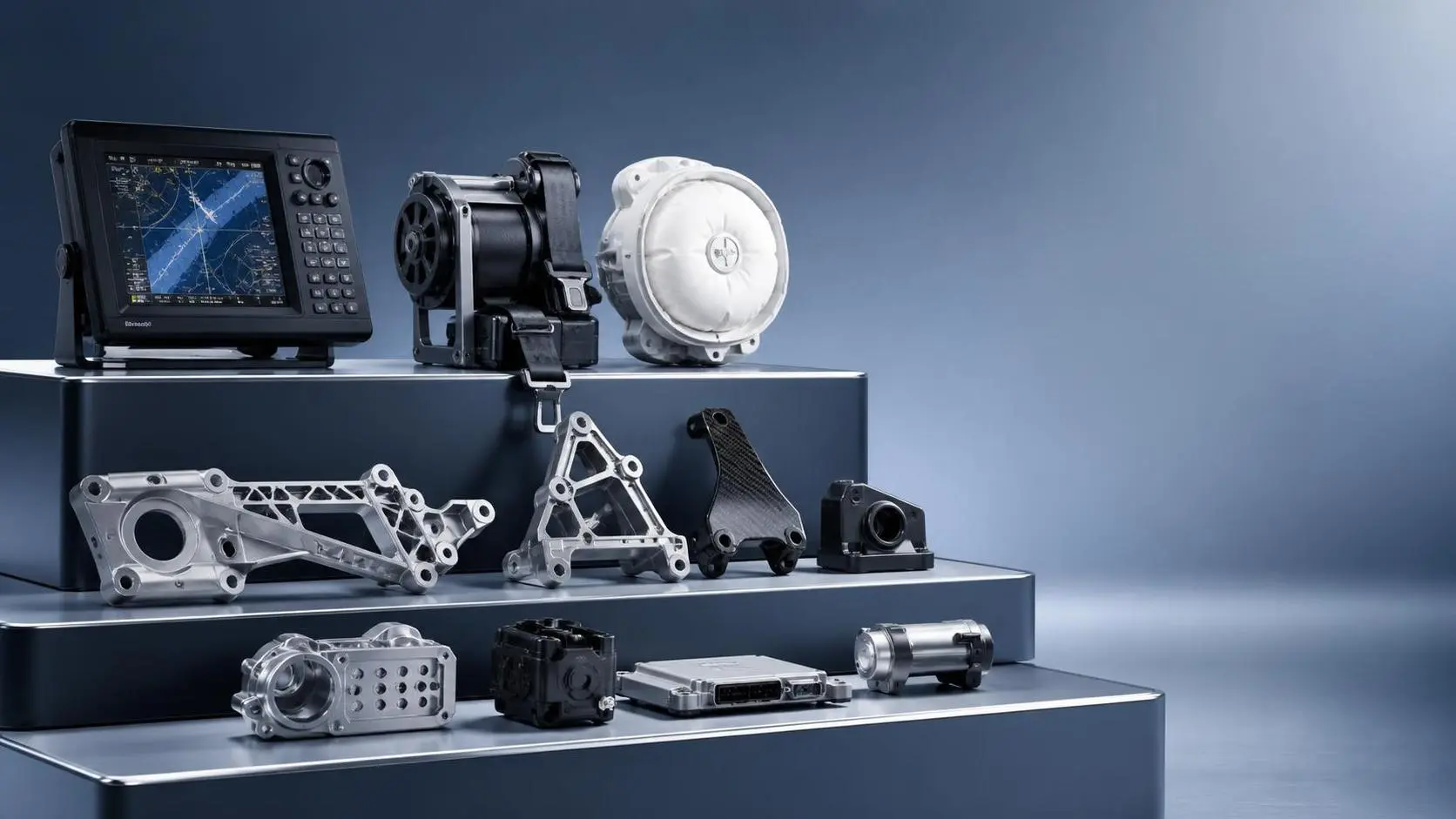
How to Evaluate a B2B Product Knowledge Platform for Faster Procurement Decisions
B2B product knowledge platform procurement starts with reducing decision risk. Learn how to compare specs, compliance, and supplier data to speed sourcing with confidence.
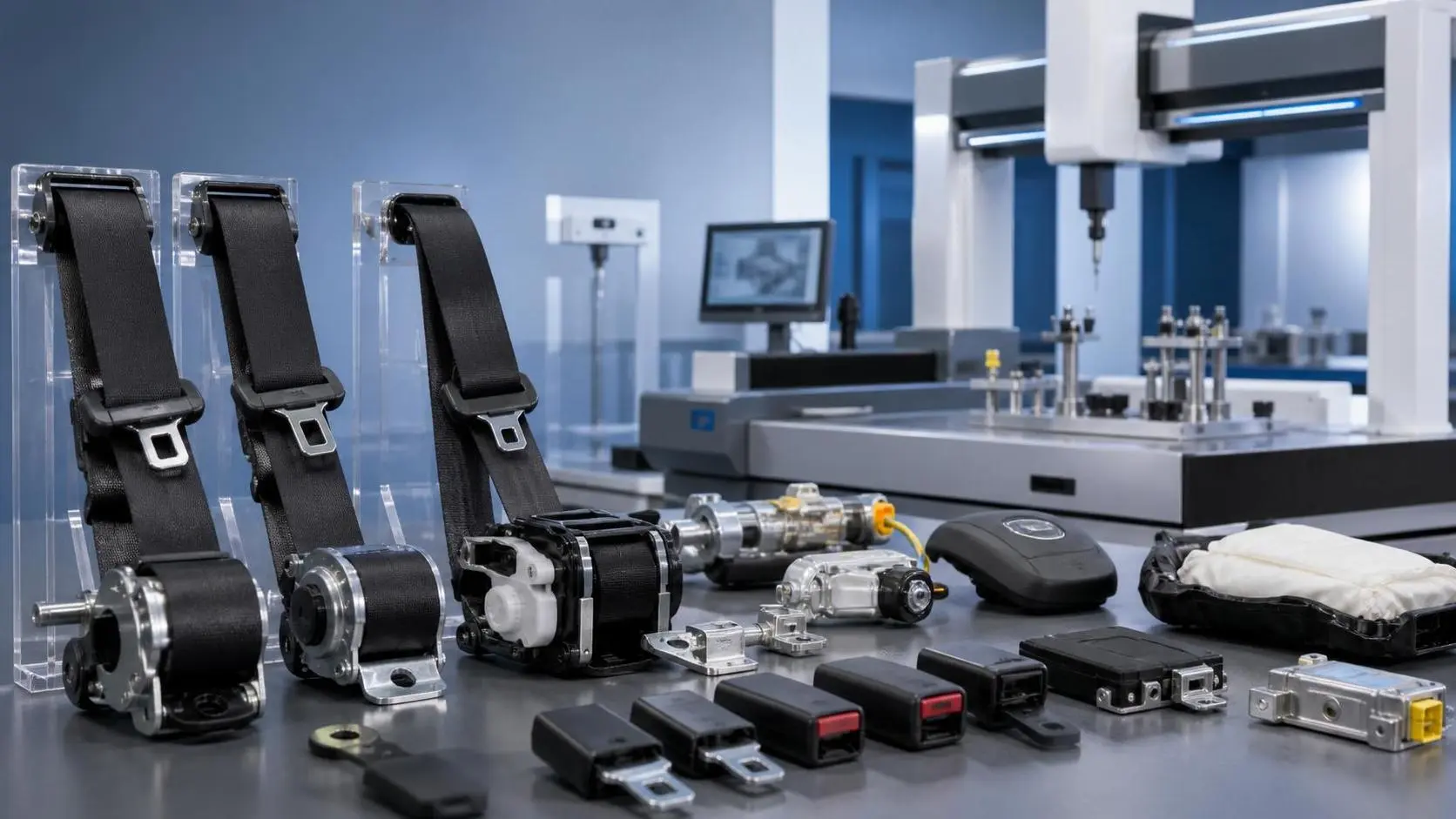
How to Evaluate an Occupant Restraint Systems Exporter for Quality, Compliance, and Supply Risk
Occupant restraint systems exporter evaluation guide: learn how to verify quality controls, compliance evidence, and supply risk before sourcing to avoid recalls, delays, and hidden costs.
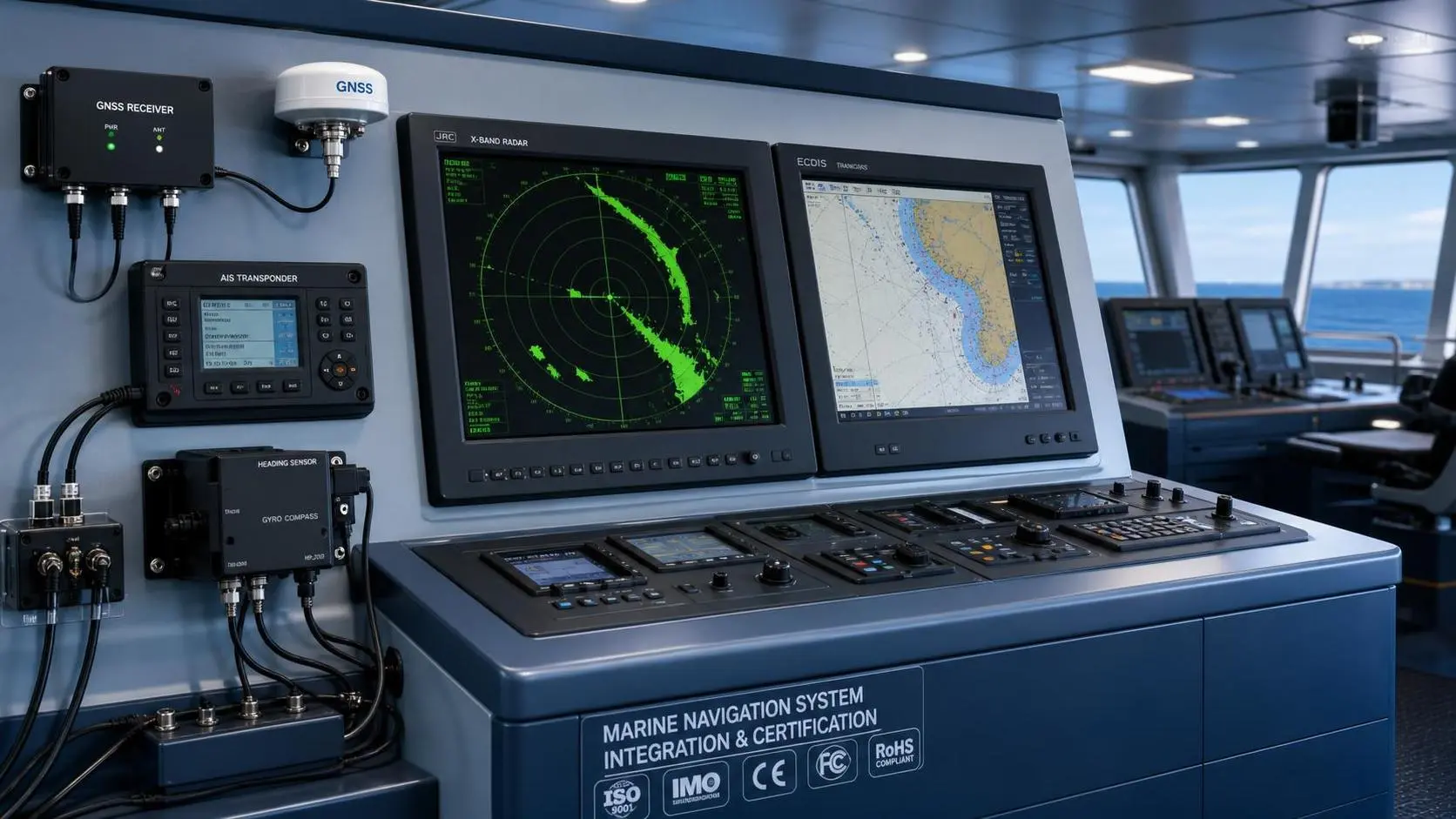
Navigation Compliance Certification: Which Marine Systems Need It and How to Prepare?
Navigation compliance certification explained: discover which marine systems need approval, what documents matter, and how to prepare early to avoid delays, rework, and costly project risks.
Related News
- 00
0000-00
How to Evaluate Airbag Components for OEM Safety Performance and Compliance? - 00
0000-00
Automotive Crash Protection Systems Selection Guide: Key Components and Test Criteria - 00
0000-00
Automotive Occupant Protection Devices: Types, Functions, and How They Work Together - 00
0000-00
Airbag Components OEM Basics: Parts, Materials, and Validation Requirements - 00
0000-00
Airbag Systems for Commercial Vehicles: Types, Functions, and Use Cases
Weekly Insights
Stay ahead with our curated technology reports delivered every Monday.