
Crash test regulations are changing faster than many expect
Crash test regulations are evolving faster than many manufacturers, suppliers, and researchers anticipate, reshaping how vehicles, structures, and safety systems are designed, validated, and approved worldwide. For information seekers tracking compliance, passive safety, and lightweight engineering, understanding these shifts is essential to interpreting test protocols, market signals, and future product requirements across the global mobility industry.
Why are crash test regulations changing so quickly?
Crash test regulations now change faster because vehicle architecture, traffic behavior, and safety expectations are changing together.
Electrification has altered mass distribution, battery placement, and post-impact fire concerns. Advanced driver assistance has also changed pre-crash dynamics.
At the same time, consumer information programs influence formal legislation. IIHS, Euro NCAP, and other bodies often push new criteria before law fully catches up.
That creates a faster cycle for crash test regulations, especially in frontal overlap, side impact, far-side, pedestrian, and occupant monitoring scenarios.
Global data sharing accelerates updates too. Severe crash databases, dummy sensor improvements, and simulation tools reveal injury mechanisms that older standards missed.
For GNCS, this matters beyond automotive headlines. The same compliance logic affects lightweight structures, restraint integration, and intelligent cabin safety design.
What do newer crash test regulations focus on most?
Modern crash test regulations no longer reward only basic survivability. They increasingly measure protection quality across more realistic impact conditions.
1. More realistic occupant positions
Rear-seat safety is receiving more scrutiny. Reclined seating, out-of-position occupants, and varied body sizes are becoming central evaluation areas.
2. Broader injury measurement
Newer protocols track chest compression, pelvis loads, neck motion, lower leg trauma, and head contact paths with higher precision.
3. Far-side and secondary impacts
Crash test regulations increasingly examine occupant-to-occupant contact and cross-cabin motion during side events.
4. Compatibility with lightweight construction
High-strength steel, aluminum, and mixed-material bodies must absorb energy predictably without sacrificing repairability or battery protection.
5. Integrated active and passive safety
Pre-crash braking, occupant sensing, seat position detection, and restraint timing now interact more tightly than before.
This is why crash test regulations can no longer be treated as isolated lab events. They are becoming system-level validation frameworks.
Which sectors feel the biggest impact from these changes?
The most direct impact falls on vehicle body structures, airbag assemblies, seatbelt systems, and auto seat assemblies.
Body stampings must balance stiffness, crash pulse control, and manufacturability. Small geometry changes can affect intrusion, load paths, and occupant kinematics.
Airbag systems face tighter requirements for deployment timing, venting, coverage, and chemistry. Non-toxic propellant trends also influence future compliance decisions.
Seatbelt systems are under pressure to perform better with multi-stage pretensioners, force limiters, and smarter sensing logic.
Seats are no longer passive platforms. Frame strength, anti-submarine behavior, recliner integrity, and occupant posture management all matter more.
Even adjacent sectors can learn from this evolution. GNCS tracks these shifts as part of a wider intelligence model linking perception, containment, and compliance.
In some research collections, supporting references may appear as 无, but regulatory interpretation still depends on validated primary sources.
How should crash test regulations be interpreted across regions?
One common mistake is assuming crash test regulations are globally uniform. They are not, even when topics seem similar.
Regulatory rules define legal minimums. Consumer rating programs often define commercial expectations. Those two layers may diverge significantly.
For example, legal homologation may accept one occupant model, while a rating program may test more demanding seating conditions.
Speed, barrier type, dummy selection, scoring logic, and pass-fail thresholds also vary by region.
That means reading crash test regulations requires comparing at least four dimensions:
- Legal compliance versus star-rating ambition
- Current edition versus announced future update
- Local market requirement versus export market requirement
- Physical test result versus simulation correlation evidence
Without that comparison, an apparently compliant structure may still underperform in strategic markets.
What are the biggest risks of reacting too late?
Late response to crash test regulations usually creates engineering and business penalties at the same time.
The first risk is expensive redesign. If load paths, seat anchorage, or restraint architecture are fixed too early, updates become costly.
The second risk is delayed validation. New dummy instrumentation and protocol updates often require fresh correlation work between simulation and testing.
The third risk is supply chain mismatch. A component optimized for older crash test regulations may not support next-generation scoring targets.
There is also a reputation risk. Safety ratings shape market trust, technical credibility, and premium positioning.
In highly technical intelligence portals, placeholder resource entries such as 无 may appear, but preparation must rely on live regulatory monitoring.
How can teams prepare for future crash test regulations more effectively?
Preparation starts with treating crash test regulations as a moving design input, not a final approval checklist.
A practical approach includes five steps:
- Track both legislation and consumer rating roadmaps.
- Review body structure, seats, belts, and airbags together.
- Use simulation early, then correlate with targeted physical tests.
- Plan for export-market differences before tooling is fixed.
- Build compliance intelligence into sourcing and development reviews.
This systems view matches the GNCS perspective. Safety outcomes depend on how sensing, structure, and containment operate as one chain.
That is especially true when lightweight body solutions must coexist with stricter crash test regulations and smarter cabin architectures.
What should information seekers watch next?
Expect crash test regulations to keep expanding toward more diverse occupants, more connected safety systems, and more detailed injury criteria.
Battery-electric platforms will remain a major driver. So will far-side protection, rear-seat evaluation, and post-crash system integrity.
Another important direction is digital validation. Regulators and rating bodies still rely on physical testing, but simulation credibility is becoming more valuable.
For the broader mobility industry, the message is clear. Crash test regulations are no longer slow background rules.
They are active market signals shaping materials, component technologies, design cycles, and competitive positioning.
A useful next step is to compare upcoming protocol changes against current structure, restraint, and seat assumptions, then identify gaps early.
Those who follow crash test regulations closely will understand future safety requirements sooner and respond with greater technical confidence.
Related News
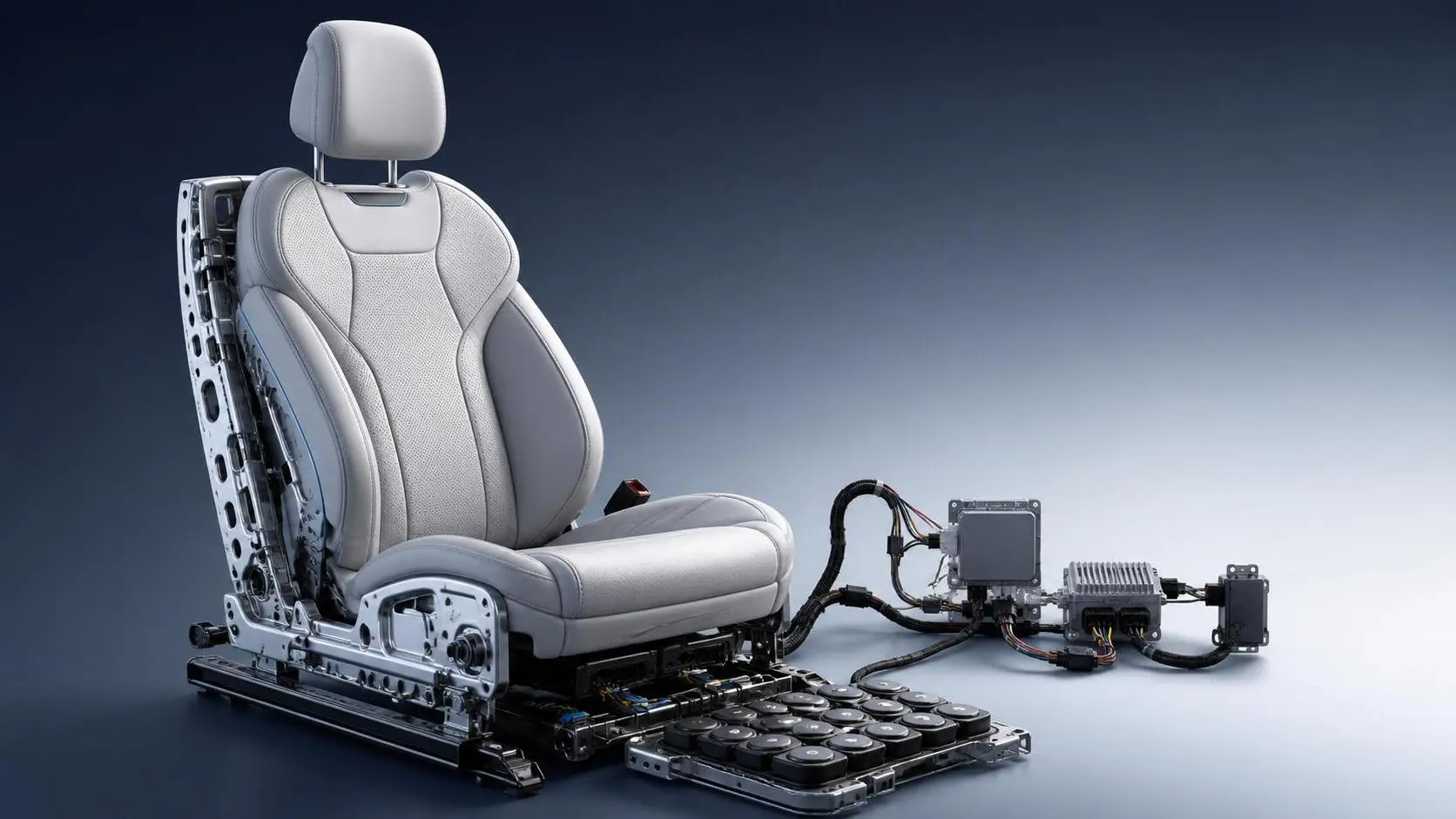
How to Evaluate Custom Smart Automotive Seating for Premium Vehicle Programs?
Custom smart automotive seating evaluation starts with safety, comfort, integration, and production readiness. Discover how premium vehicle teams choose smarter, lower-risk seat solutions.
B2B Product Intelligence Platforms: How to Compare Features, Data Coverage, and ROI
B2B product intelligence platform comparison: learn how to evaluate data coverage, feature depth, compliance visibility, and ROI to choose a sourcing tool that reduces risk and speeds decisions.
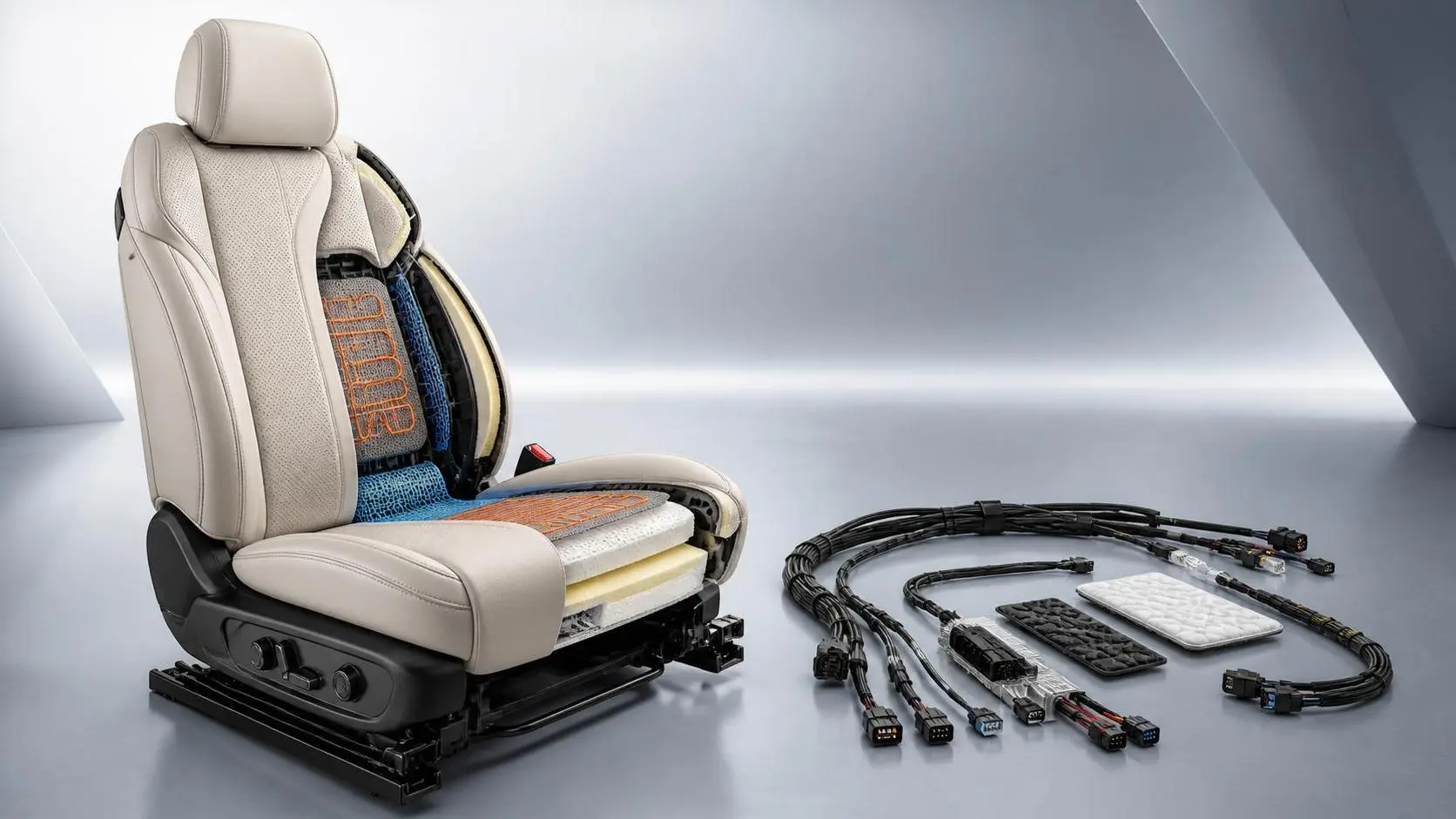
Climate Control Seats Cost: What Drives Price and Long-Term Ownership Value?
Climate control seats cost depends on materials, thermal tech, and integration. Learn what drives price and how to judge long-term value before you buy.

What Factors Drive Marine Navigation Components Cost in Commercial Vessel Projects?
Marine navigation components cost is shaped by integration, compliance, installation, and lifecycle support. Discover what drives pricing and how buyers can reduce risk while improving value.

How Much Does Seat Occupancy Sensing Cost? Key Pricing Factors for Buyers
Seat occupancy sensing price varies widely by technology, integration, and compliance needs. Learn the key cost drivers, avoid hidden fees, and make smarter buying decisions.

How to Specify Micro-Climate Control Cabins for Harsh Outdoor Worksites?
Micro-climate control cabins for harsh outdoor worksites: learn how to specify thermal control, filtration, pressurization, and durability for safer uptime and smarter buying.
How to Evaluate a B2B Product Knowledge Platform for Faster Procurement Decisions
B2B product knowledge platform procurement starts with reducing decision risk. Learn how to compare specs, compliance, and supplier data to speed sourcing with confidence.
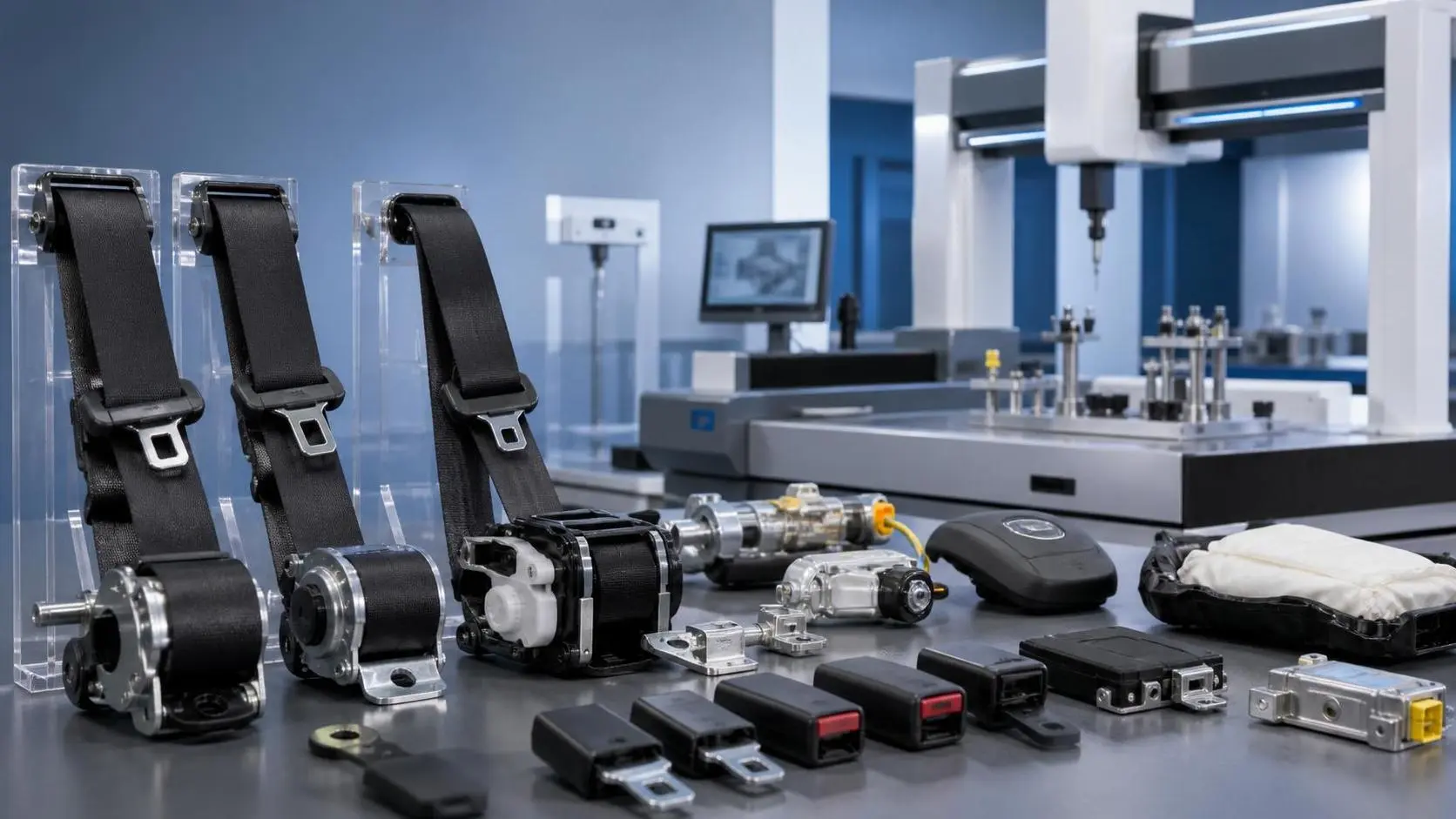
How to Evaluate an Occupant Restraint Systems Exporter for Quality, Compliance, and Supply Risk
Occupant restraint systems exporter evaluation guide: learn how to verify quality controls, compliance evidence, and supply risk before sourcing to avoid recalls, delays, and hidden costs.
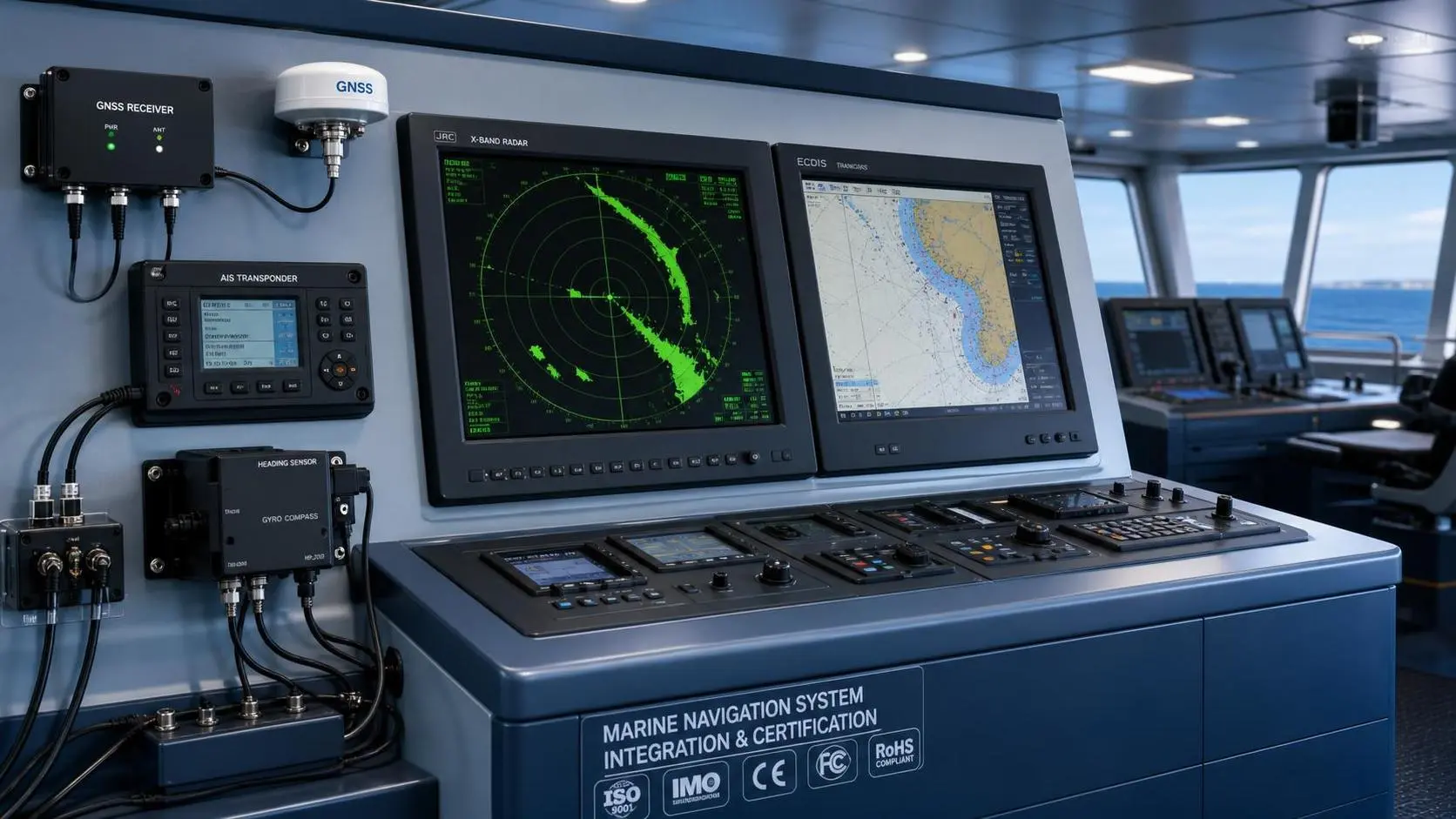
Navigation Compliance Certification: Which Marine Systems Need It and How to Prepare?
Navigation compliance certification explained: discover which marine systems need approval, what documents matter, and how to prepare early to avoid delays, rework, and costly project risks.
Related News
- 00
0000-00
How to Evaluate Airbag Components for OEM Safety Performance and Compliance? - 00
0000-00
Automotive Crash Protection Systems Selection Guide: Key Components and Test Criteria - 00
0000-00
Automotive Occupant Protection Devices: Types, Functions, and How They Work Together - 00
0000-00
Airbag Components OEM Basics: Parts, Materials, and Validation Requirements - 00
0000-00
Airbag Systems for Commercial Vehicles: Types, Functions, and Use Cases
Weekly Insights
Stay ahead with our curated technology reports delivered every Monday.