
Are occupant safety systems really improving crash outcomes?
From airbags and seatbelt systems to smart seating and energy-absorbing structures, occupant safety systems now shape every modern crash strategy.
The central question is practical: are occupant safety systems really improving crash outcomes in daily traffic, not only in laboratories?
The answer is yes, but with conditions.
Real improvement depends on crash type, occupant size, seating posture, vehicle architecture, and the integration quality between restraint systems and body structures.
For a platform like GNCS, this topic matters because passive safety now intersects with lightweight body engineering, smart seats, compliance intelligence, and global mobility design decisions.
Why crash outcomes vary across real-world scenarios
Crash performance is never one-dimensional.
A system that performs well in a frontal test may behave differently in an offset impact, rollover, rear collision, or multi-event crash.
That is why occupant safety systems must be judged by scenario, not by brochure claims alone.
Modern assessments from IIHS, Euro NCAP, and other regulators increasingly reflect this reality.
They examine not only survival space, but also chest loads, head motion, femur forces, belt performance, and post-crash risks.
The biggest improvement comes from system coordination.
Airbags alone do not solve crash injury.
Seatbelt systems, seat geometry, sensor timing, steering column behavior, and body deformation paths must work together within milliseconds.
Scenario 1: Frontal crashes show the clearest gains from occupant safety systems
Frontal crashes remain the most studied scenario because they are common and often severe.
Here, occupant safety systems have clearly improved outcomes over the past two decades.
Pre-tensioning seatbelt systems remove slack early.
Force limiters then reduce excessive chest loading.
Front airbags spread impact forces across larger body areas.
Knee airbags and optimized lower structures help control lower-limb injuries in selected vehicle layouts.
Core judgment points in frontal crashes
- How early belt pre-tensioning activates
- Whether airbag deployment matches occupant position
- How the body structure manages crash energy
- Whether seat movement remains controlled
- How well small and large occupants are protected
The limitation is also clear.
If an occupant is out of position, unbelted, reclined too far, or carrying a poorly placed object, even advanced occupant safety systems can lose effectiveness.
Scenario 2: Side impacts still expose major differences in protection quality
Side crashes are harder to manage because the crush zone is short.
There is simply less space and less time to absorb energy before the occupant is reached.
This makes occupant safety systems especially dependent on body stiffness, seat design, side airbags, and curtain airbags.
In this scenario, stronger structures and faster side airbag deployment have improved head and thorax protection.
However, outcome quality still varies widely between vehicle classes and platform generations.
What matters most in side-impact performance
Door intrusion control matters as much as restraint deployment.
A well-timed curtain airbag helps, but cannot fully compensate for weak structural load paths.
Seat-mounted side airbags also depend on precise occupant location.
This is where smart seating systems and sensors become more valuable, especially in mixed-size occupancy conditions.
Scenario 3: Rear impacts and whiplash protection require different design priorities
Rear crashes are often underestimated because they may look less dramatic.
Yet they frequently produce long-term neck injuries, seating failures, and occupant discomfort that persists after the event.
In this scenario, occupant safety systems are less about airbags and more about seatback strength, head restraint geometry, and controlled seat energy management.
Well-designed seat structures can reduce relative head-to-torso motion and lower whiplash risk.
Smart seating systems add further value by maintaining posture support and improving occupant positioning before impact.
This area proves that occupant safety systems are broader than airbags alone.
Scenario 4: Rollovers and multi-event crashes test system integration
Some crashes do not end after the first impact.
Secondary impacts, rollovers, and rebound events can create injury paths that standard single-hit thinking misses.
In these situations, occupant safety systems must maintain restraint over time.
Seatbelt systems are especially important because ejection prevention remains fundamental.
Curtain airbags with extended deployment windows can also improve protection during rollover sequences.
The challenge is that lightweighting goals, roof strength targets, and packaging constraints can conflict.
That makes intelligent structural design essential, not optional.
How scenario needs differ for occupant safety systems
What is actually driving better crash outcomes today
The most meaningful progress comes from five shifts.
- More sophisticated crash sensing and deployment logic
- Stronger, lighter body structures with controlled deformation
- Better seatbelt systems with adaptive load management
- Smarter seating that improves occupant positioning
- Tougher regulatory and consumer crash testing
These factors explain why occupant safety systems now perform better in many measurable cases.
They also explain why isolated component upgrades rarely deliver maximum benefit.
Practical adaptation advice for different safety development scenarios
- For lightweight platforms, validate body stiffness and restraint timing together.
- For family-use cabins, prioritize mixed-occupant sizing and seating posture tolerance.
- For premium seats, combine comfort functions with robust crash kinematics.
- For global programs, align design targets with IIHS and Euro NCAP updates early.
- For side-impact priorities, improve intrusion resistance before over-relying on airbags.
This scenario-based approach leads to more credible occupant safety systems decisions.
Common misjudgments that still weaken occupant safety systems
One common mistake is assuming more airbags always mean better safety.
Without accurate timing and stable occupant positioning, extra devices may add complexity without proportional benefit.
Another mistake is separating comfort engineering from crash engineering.
Seat softness, recline range, frame design, and sensor placement directly affect occupant safety systems performance.
A third error is treating crash ratings as the full story.
Ratings are useful, but real-world crash outcomes also depend on maintenance, occupant behavior, road speed, and vehicle compatibility.
So, are occupant safety systems really improving crash outcomes?
Yes, they are improving crash outcomes in meaningful ways.
Frontal protection is notably better, side protection is stronger than before, and seat-centered design is reducing overlooked injury risks.
Still, progress is uneven across scenarios.
The best results come when occupant safety systems are developed as a coordinated architecture, not as separate parts.
For anyone tracking mobility equipment, the next step is clear.
Follow how structural lightweighting, smart seating, seatbelt systems, and airbag assemblies interact under evolving crash rules.
That is where future crash outcome gains will be won, measured, and verified.
Related News
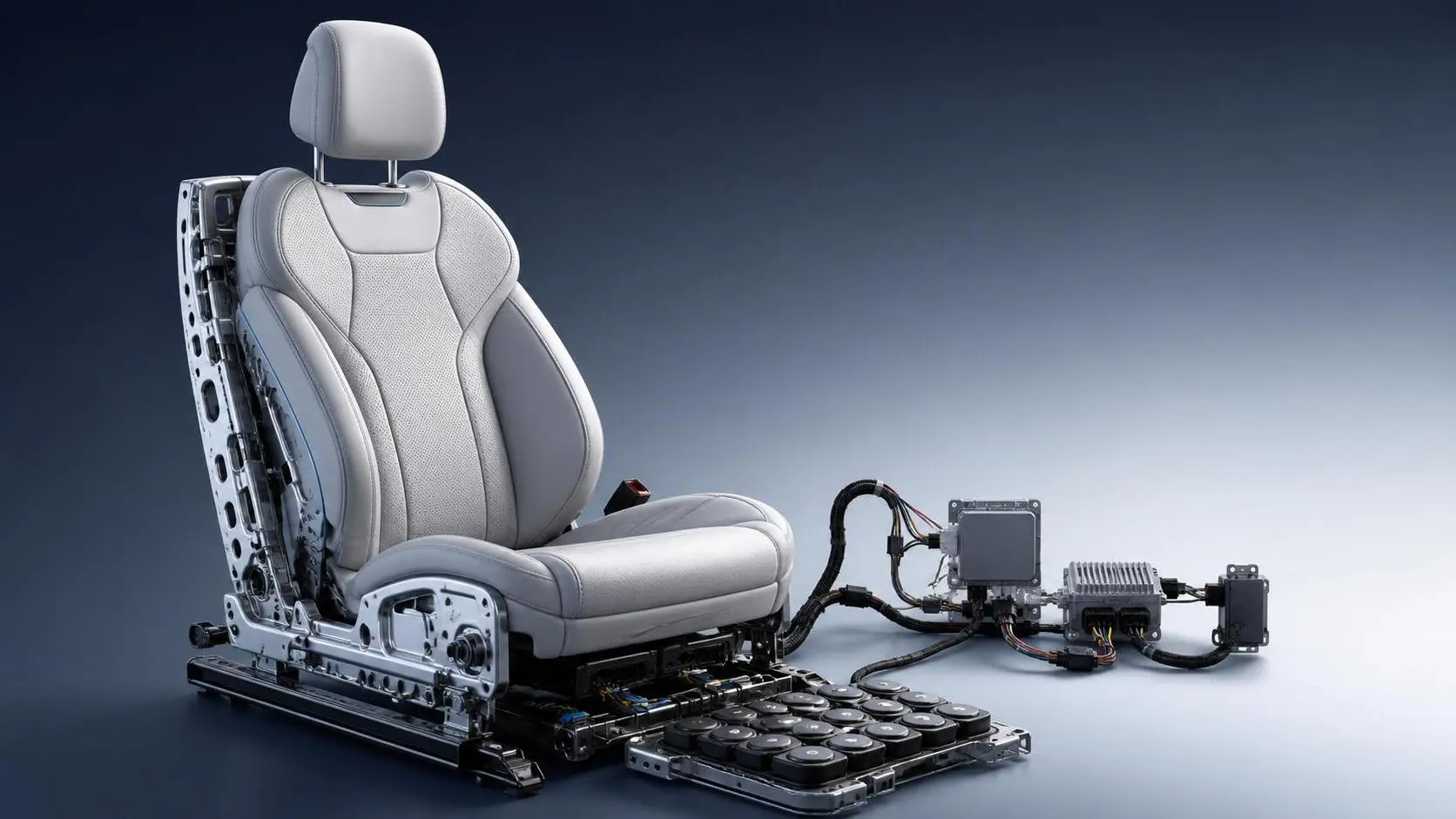
How to Evaluate Custom Smart Automotive Seating for Premium Vehicle Programs?
Custom smart automotive seating evaluation starts with safety, comfort, integration, and production readiness. Discover how premium vehicle teams choose smarter, lower-risk seat solutions.
B2B Product Intelligence Platforms: How to Compare Features, Data Coverage, and ROI
B2B product intelligence platform comparison: learn how to evaluate data coverage, feature depth, compliance visibility, and ROI to choose a sourcing tool that reduces risk and speeds decisions.
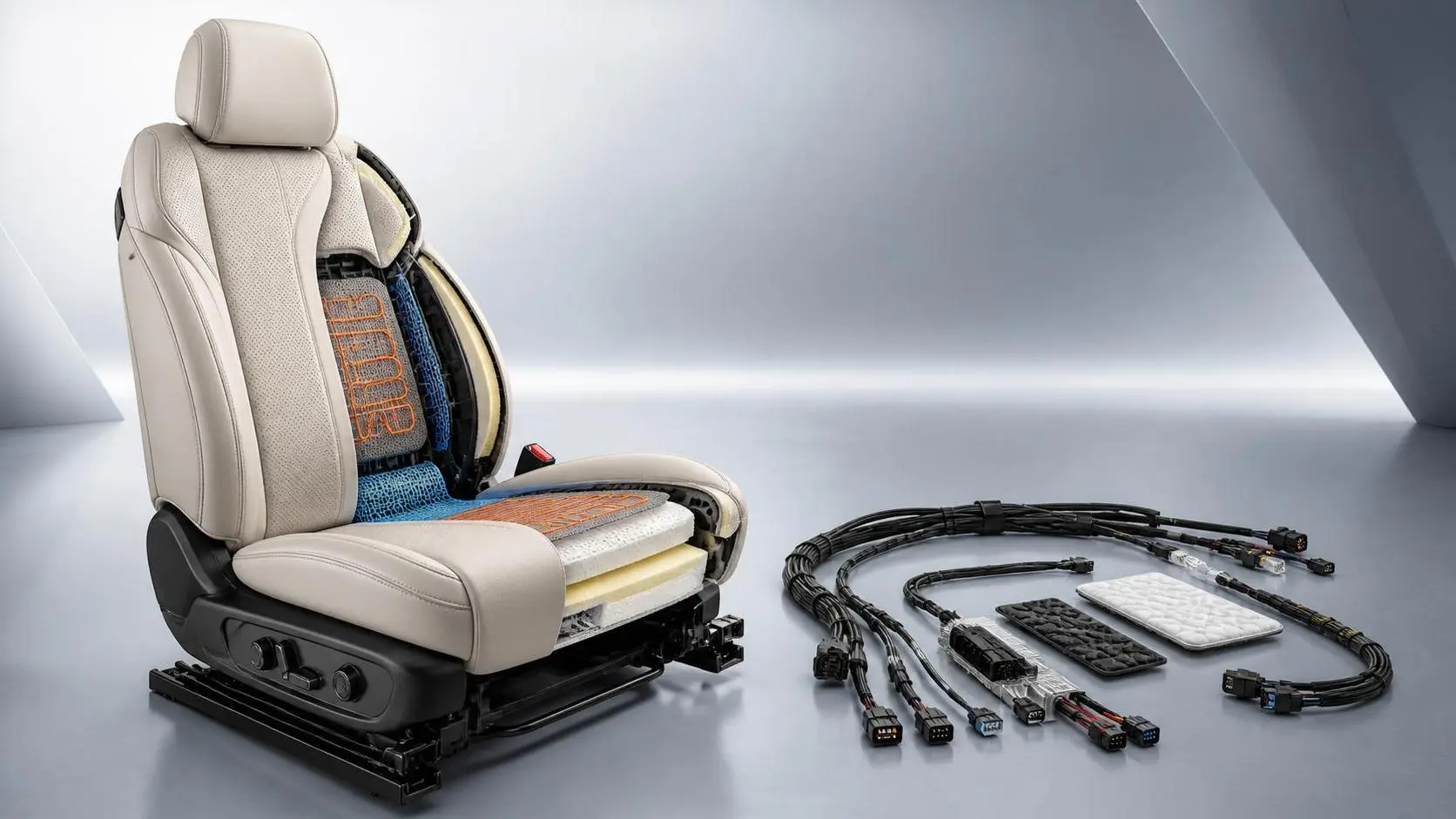
Climate Control Seats Cost: What Drives Price and Long-Term Ownership Value?
Climate control seats cost depends on materials, thermal tech, and integration. Learn what drives price and how to judge long-term value before you buy.
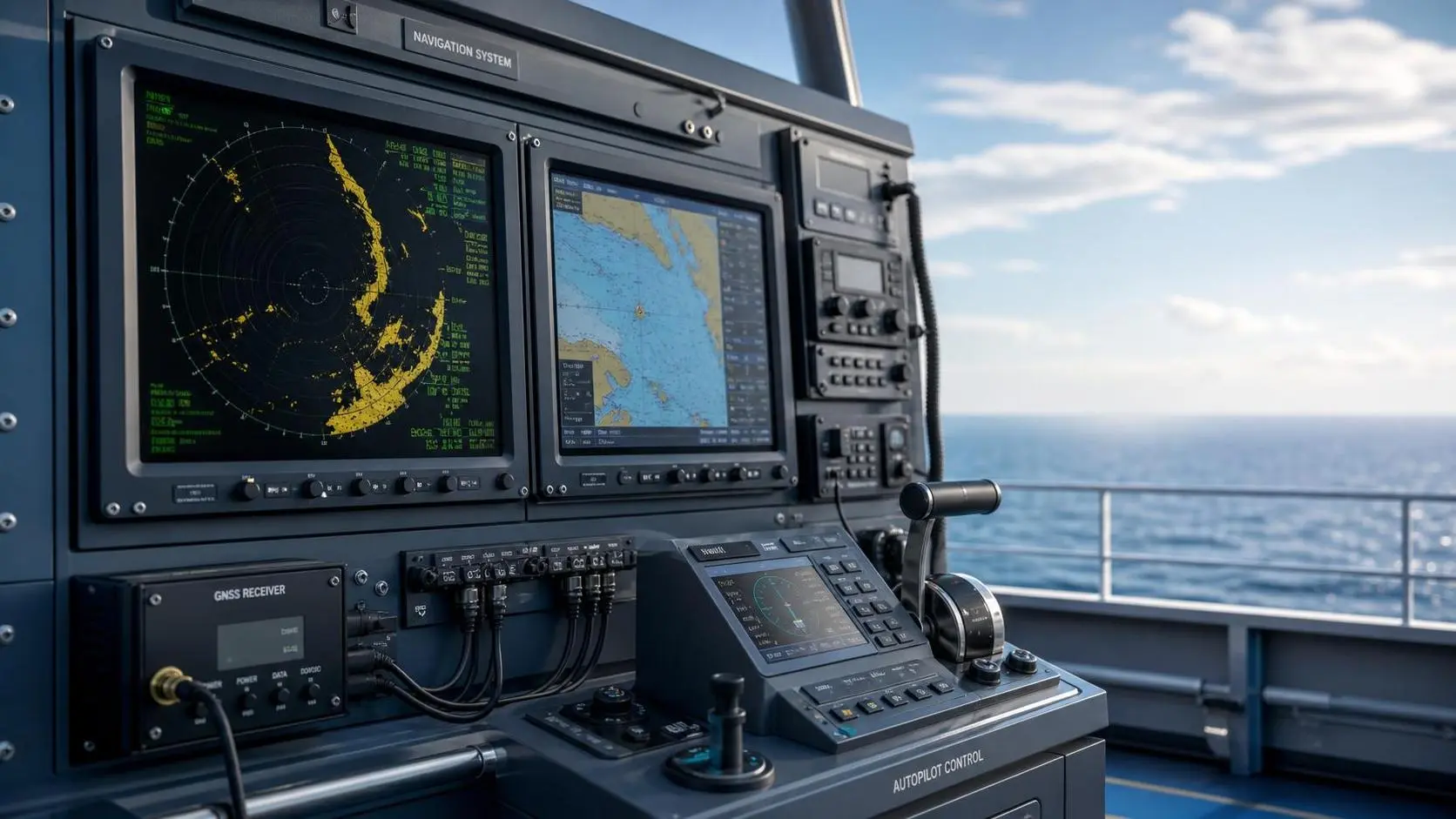
What Factors Drive Marine Navigation Components Cost in Commercial Vessel Projects?
Marine navigation components cost is shaped by integration, compliance, installation, and lifecycle support. Discover what drives pricing and how buyers can reduce risk while improving value.
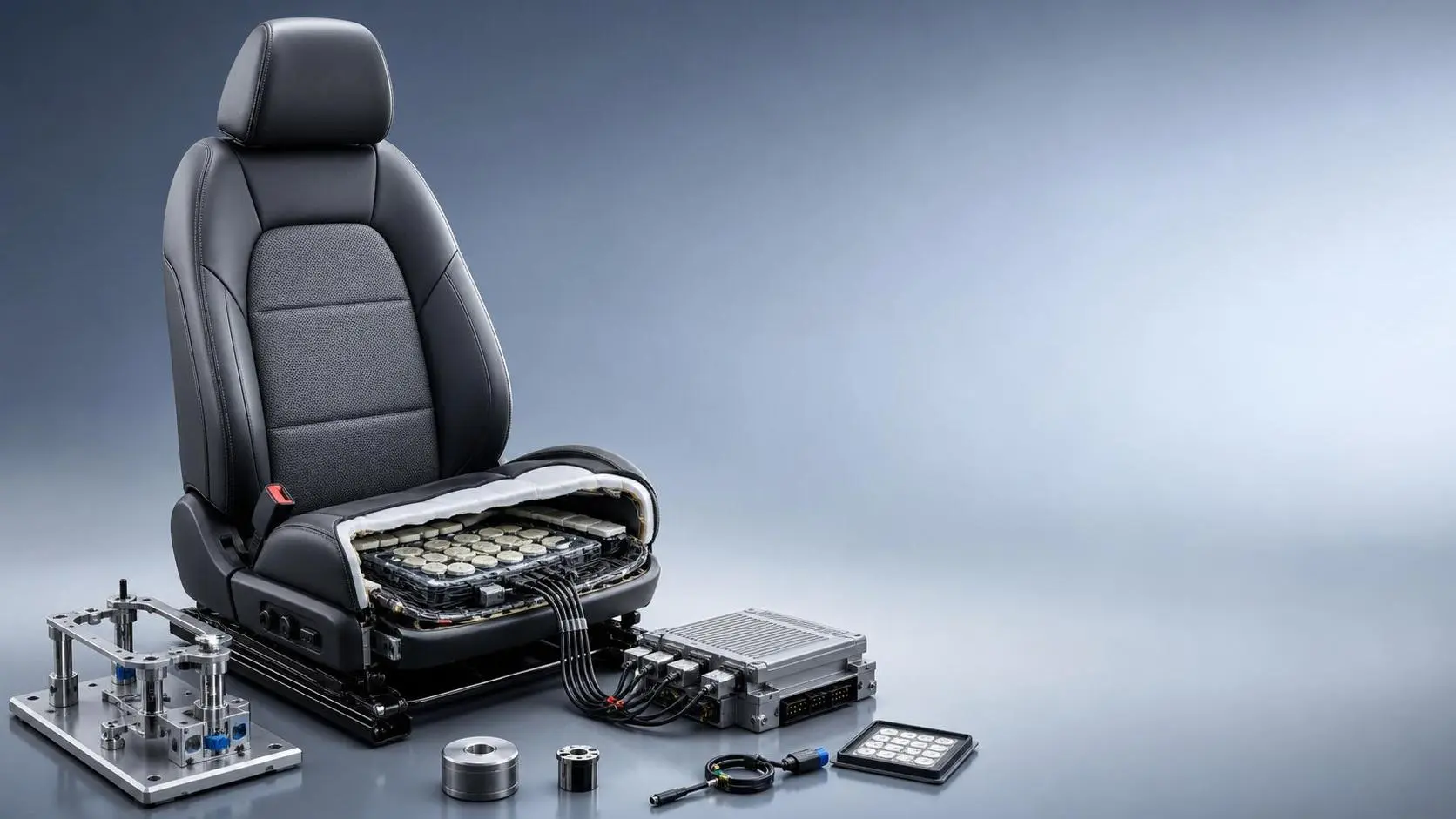
How Much Does Seat Occupancy Sensing Cost? Key Pricing Factors for Buyers
Seat occupancy sensing price varies widely by technology, integration, and compliance needs. Learn the key cost drivers, avoid hidden fees, and make smarter buying decisions.
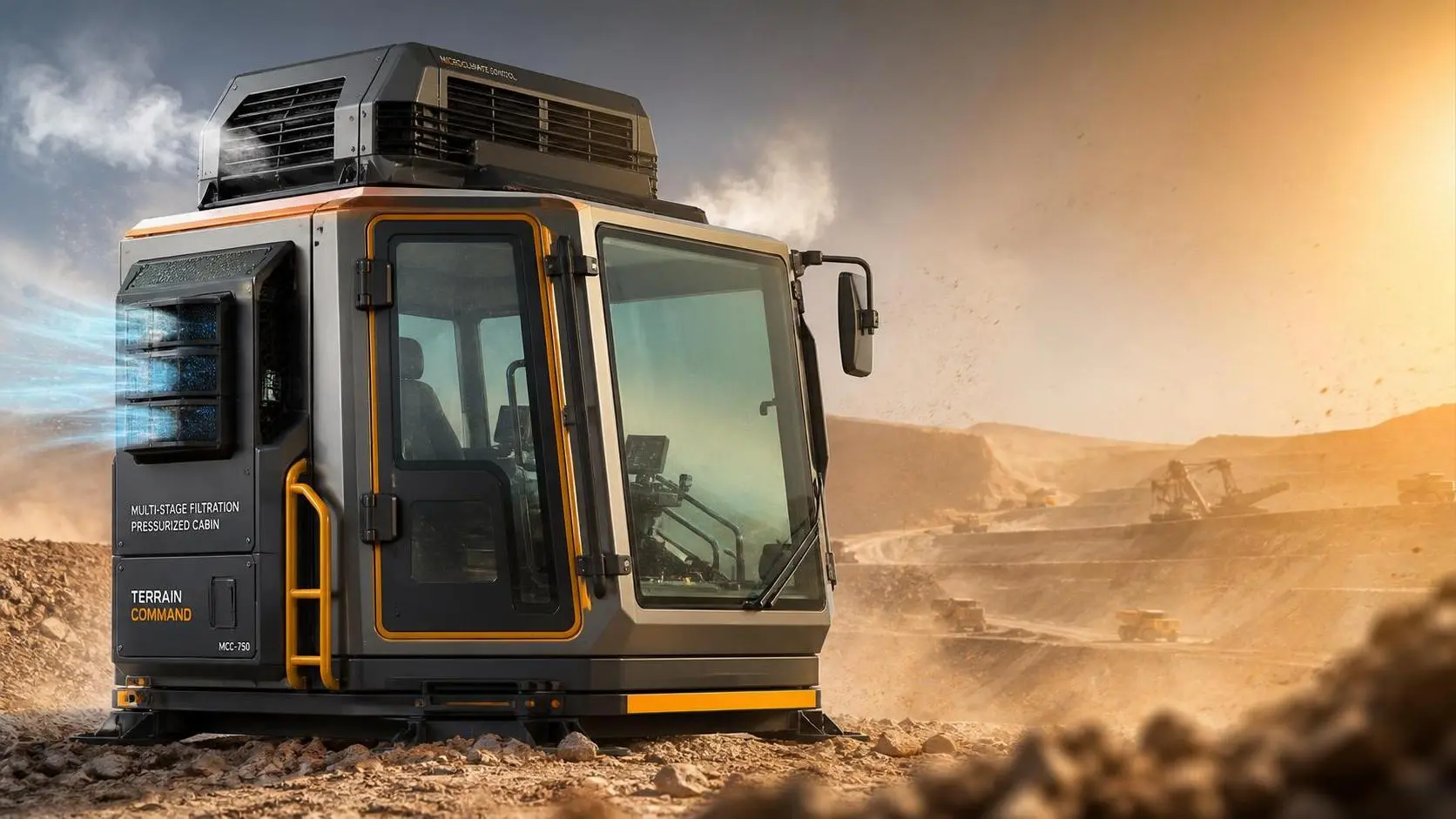
How to Specify Micro-Climate Control Cabins for Harsh Outdoor Worksites?
Micro-climate control cabins for harsh outdoor worksites: learn how to specify thermal control, filtration, pressurization, and durability for safer uptime and smarter buying.
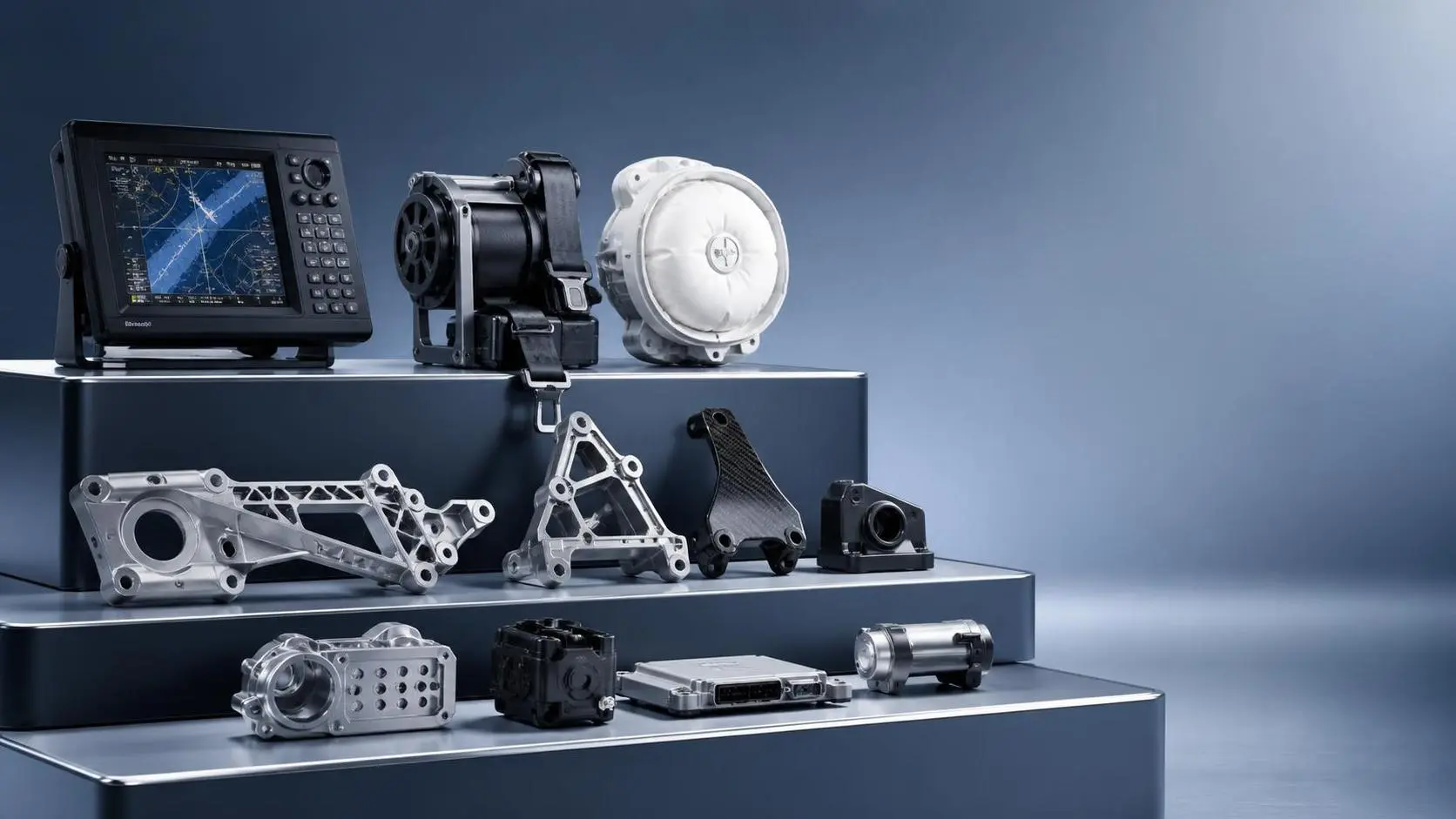
How to Evaluate a B2B Product Knowledge Platform for Faster Procurement Decisions
B2B product knowledge platform procurement starts with reducing decision risk. Learn how to compare specs, compliance, and supplier data to speed sourcing with confidence.
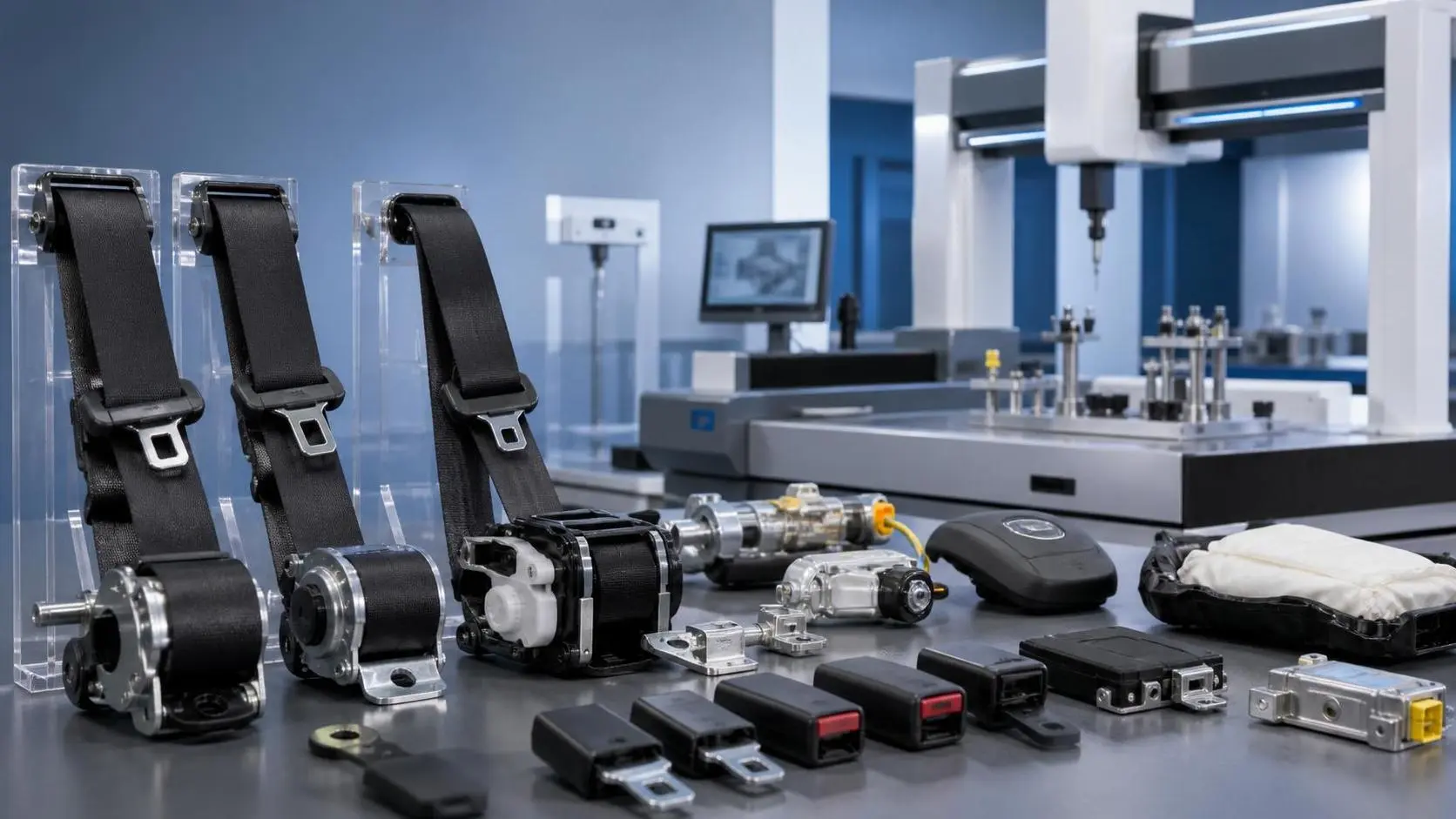
How to Evaluate an Occupant Restraint Systems Exporter for Quality, Compliance, and Supply Risk
Occupant restraint systems exporter evaluation guide: learn how to verify quality controls, compliance evidence, and supply risk before sourcing to avoid recalls, delays, and hidden costs.
Navigation Compliance Certification: Which Marine Systems Need It and How to Prepare?
Navigation compliance certification explained: discover which marine systems need approval, what documents matter, and how to prepare early to avoid delays, rework, and costly project risks.
Related News
- 00
0000-00
How to Evaluate Airbag Components for OEM Safety Performance and Compliance? - 00
0000-00
Automotive Crash Protection Systems Selection Guide: Key Components and Test Criteria - 00
0000-00
Automotive Occupant Protection Devices: Types, Functions, and How They Work Together - 00
0000-00
Airbag Components OEM Basics: Parts, Materials, and Validation Requirements - 00
0000-00
Airbag Systems for Commercial Vehicles: Types, Functions, and Use Cases
Weekly Insights
Stay ahead with our curated technology reports delivered every Monday.