
What makes occupant safety systems harder to validate today
What makes occupant safety systems harder to validate today
Validating occupant safety systems is more difficult than ever as vehicle architectures become lighter, smarter, and more software-defined.
What once involved checking isolated hardware now requires proving system behavior across structures, sensors, seats, restraints, electronics, and global compliance frameworks.
This matters across the broader mobility sector, where marine navigation discipline, automotive passive safety, and smart cabin engineering increasingly share one trait: tightly coupled risk.
For occupant safety systems, validation now sits at the intersection of crash physics, software logic, supply consistency, and rapidly evolving regulatory expectations.
Basic definition and validation scope
Occupant safety systems include airbags, seatbelt systems, seat structures, sensors, control units, and the body zones that manage crash energy.
Their purpose is simple in theory: reduce injury by controlling occupant motion and absorbing energy during impact.
Validation, however, is not just a pass or fail crash test.
It covers calibration accuracy, timing windows, deployment thresholds, seat position effects, occupant diversity, material variation, and software response under abnormal conditions.
Modern occupant safety systems must also work under mixed loading conditions, including frontal, side, oblique, rollover, and far-side events.
That scope expands further when active sensing and smart seating are integrated into passive protection strategies.
Why the validation burden is increasing
Several forces are making occupant safety systems harder to validate than in previous vehicle generations.
- Lightweight structures change deformation paths and energy absorption timing.
- Seat designs now include sensors, motors, climate modules, and complex frame geometries.
- Restraint controls rely on software strategies rather than fixed mechanical behavior alone.
- Global protocols continue to evolve, especially for small overlap and far-side protection.
- Supply-chain variability can alter real-world consistency across production batches.
Each factor multiplies the number of combinations that must be understood before occupant safety systems can be trusted at scale.
Structural lightweighting changes crash behavior
High-strength steel, aluminum, and magnesium improve efficiency, but they also alter pulse shape, intrusion patterns, and load transfer routes.
A restraint tuned for one body structure may underperform when stamping tolerances, joining methods, or material substitutions shift deformation timing.
That means occupant safety systems cannot be validated only at component level.
They must be validated with the full body-in-white and seat environment.
Smart cabins create more interfaces
Seats are no longer passive metal frames with foam and trim.
They include occupancy sensing, posture recognition, memory functions, and active comfort systems that influence occupant position before impact.
Even small changes in cushion angle or seat track position can affect belt fit and airbag interaction.
As a result, occupant safety systems must be validated across wider seating conditions than before.
Software now influences restraint outcomes
Deployment decisions increasingly depend on algorithms interpreting signals from accelerometers, pressure sensors, and classification devices.
That shifts validation from pure hardware durability toward software traceability, fault handling, and edge-case behavior.
Occupant safety systems must be proven safe not only when everything works, but also when signals disagree or degrade.
Current industry signals shaping validation priorities
The wider mobility industry is treating safety validation as a systems problem, not a single-test exercise.
These signals explain why occupant safety systems now require more simulation, more correlation work, and more disciplined change management.
Business and engineering value of stronger validation
The value of robust validation goes beyond certification.
For occupant safety systems, early validation maturity reduces redesign loops, lowers launch risk, and improves confidence during global program transfers.
It also protects brand credibility when public test protocols become more demanding and widely visible.
In technical intelligence environments such as 无, the most useful insight is often not the final test score.
It is understanding which design variables most strongly affect occupant safety systems before late-stage failures appear.
That is especially relevant when navigation-grade signal discipline, passive safety architecture, and smart seating integration are converging in one development chain.
Typical validation scenarios and object categories
Different validation objects introduce different uncertainty sources for occupant safety systems.
This classification helps narrow where occupant safety systems are most vulnerable to hidden interactions.
Practical validation strategies that need to evolve
Validation strategies must now combine physical testing, simulation depth, and data governance.
- Build correlation loops between CAE models and instrumented crash results early.
- Treat seat, belt, airbag, and structure as one integrated validation set.
- Expand occupant diversity studies, including posture, size, and out-of-position conditions.
- Control software versions with the same rigor used for safety-critical hardware.
- Use production-intent parts to capture joining, material, and tolerance realities.
- Map global regulations continuously rather than waiting for final certification stages.
For occupant safety systems, the strongest programs are those that validate assumptions, not just outcomes.
That includes asking whether a passing result remains stable after software updates, supplier changes, or seat package revisions.
Watch the change points
Many failures emerge after small engineering changes that appear unrelated to safety.
A bracket relocation, foam density shift, or sensor mounting update can alter occupant safety systems in measurable ways.
This is why cross-functional traceability is now a core validation discipline.
Action path for the next validation cycle
A practical next step is to review current validation plans against integration complexity rather than test count alone.
Check whether occupant safety systems are being assessed across realistic seat states, software versions, and production-representative structures.
Then identify where data gaps exist between simulation, sled tests, and full-vehicle events.
Use that map to prioritize the most influential interfaces first, especially seat-restraint interaction and structural pulse consistency.
As programs become more connected and compliance expectations rise, occupant safety systems will demand validation methods that are broader, faster, and more traceable.
The challenge is greater today, but so is the opportunity to build safer mobility platforms with fewer blind spots and stronger technical confidence.
Related News

What Factors Drive Marine Navigation Components Cost in Commercial Vessel Projects?
Marine navigation components cost is shaped by integration, compliance, installation, and lifecycle support. Discover what drives pricing and how buyers can reduce risk while improving value.

How Much Does Seat Occupancy Sensing Cost? Key Pricing Factors for Buyers
Seat occupancy sensing price varies widely by technology, integration, and compliance needs. Learn the key cost drivers, avoid hidden fees, and make smarter buying decisions.

How to Specify Micro-Climate Control Cabins for Harsh Outdoor Worksites?
Micro-climate control cabins for harsh outdoor worksites: learn how to specify thermal control, filtration, pressurization, and durability for safer uptime and smarter buying.
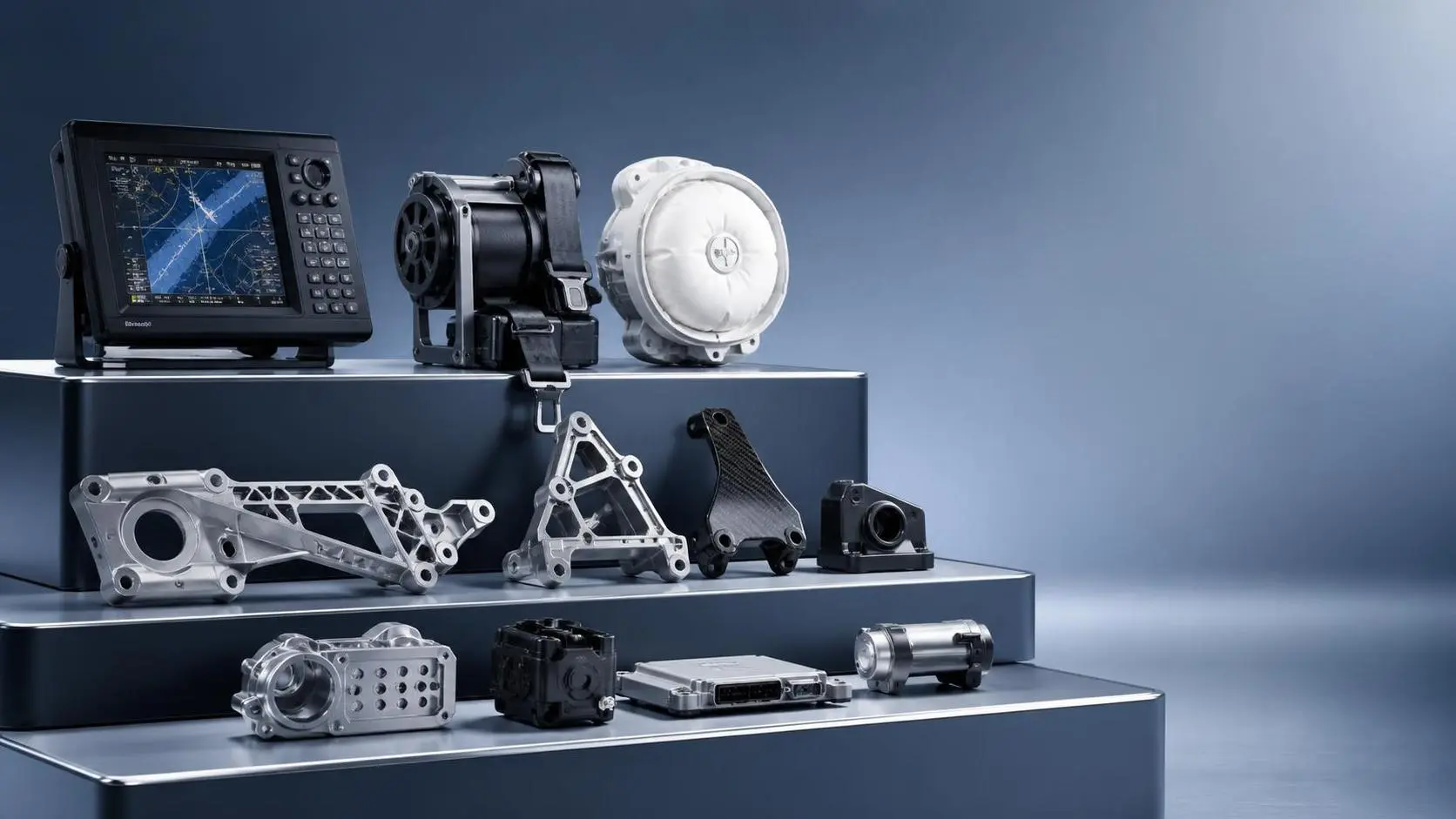
How to Evaluate a B2B Product Knowledge Platform for Faster Procurement Decisions
B2B product knowledge platform procurement starts with reducing decision risk. Learn how to compare specs, compliance, and supplier data to speed sourcing with confidence.
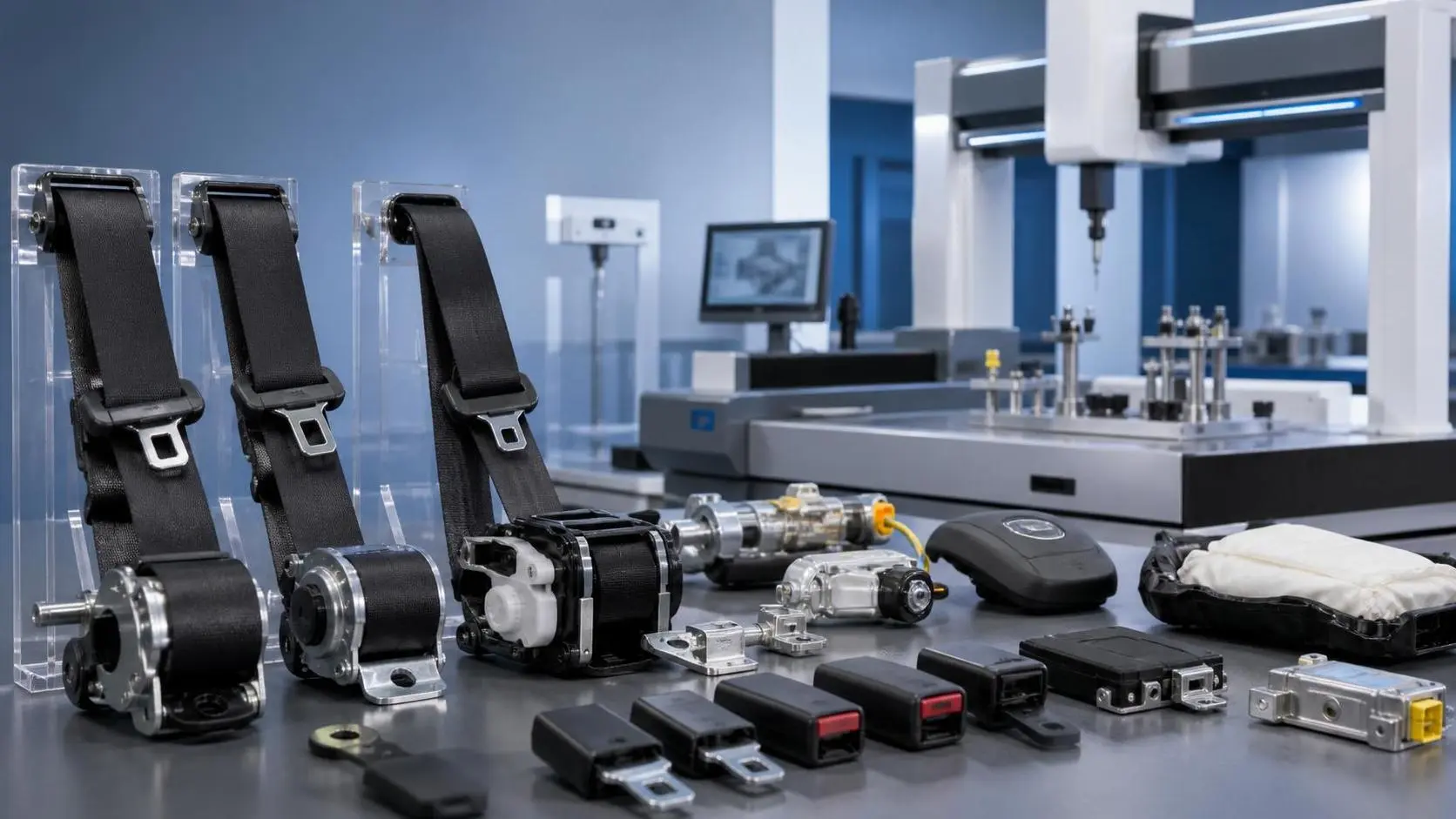
How to Evaluate an Occupant Restraint Systems Exporter for Quality, Compliance, and Supply Risk
Occupant restraint systems exporter evaluation guide: learn how to verify quality controls, compliance evidence, and supply risk before sourcing to avoid recalls, delays, and hidden costs.
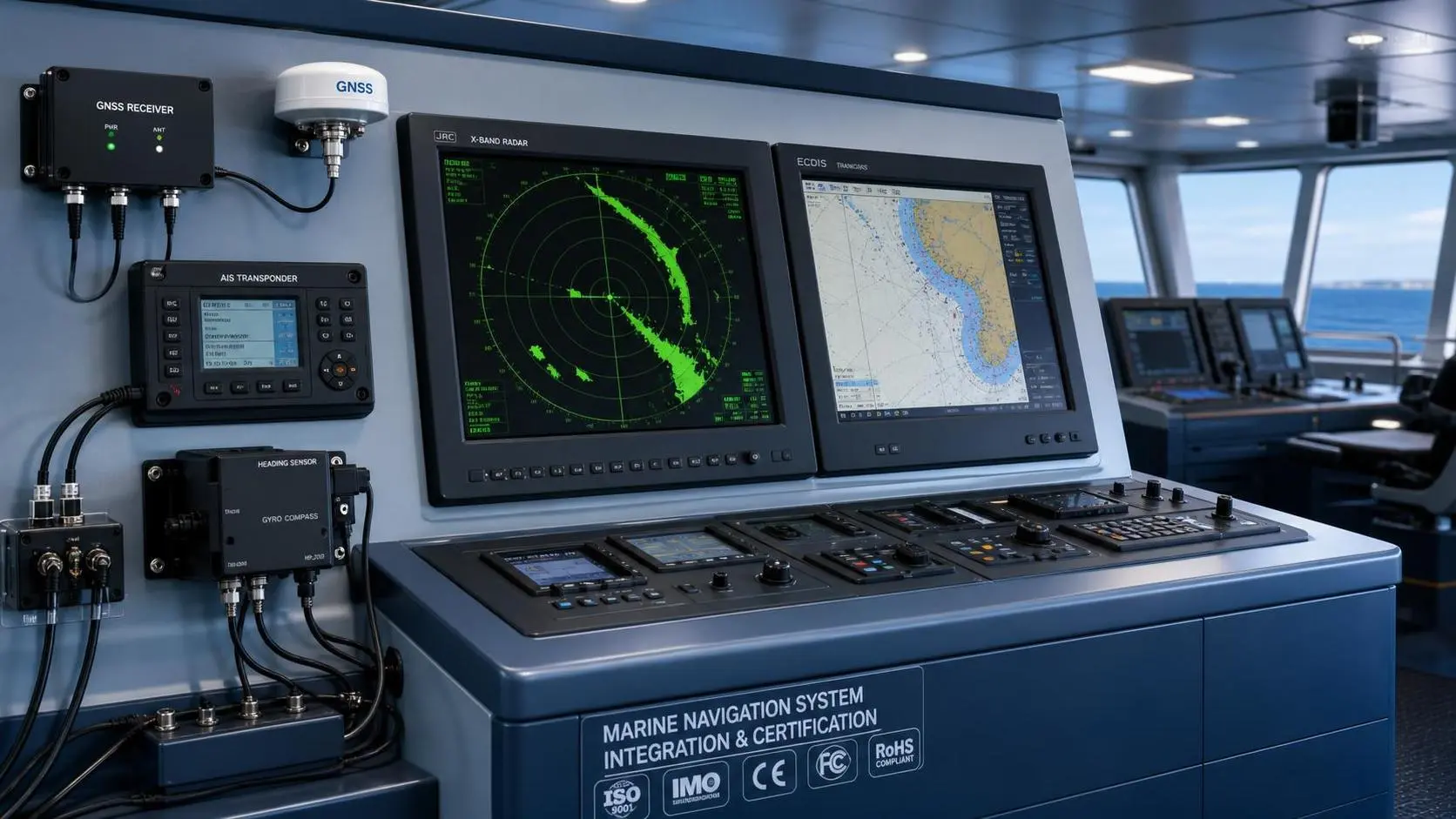
Navigation Compliance Certification: Which Marine Systems Need It and How to Prepare?
Navigation compliance certification explained: discover which marine systems need approval, what documents matter, and how to prepare early to avoid delays, rework, and costly project risks.
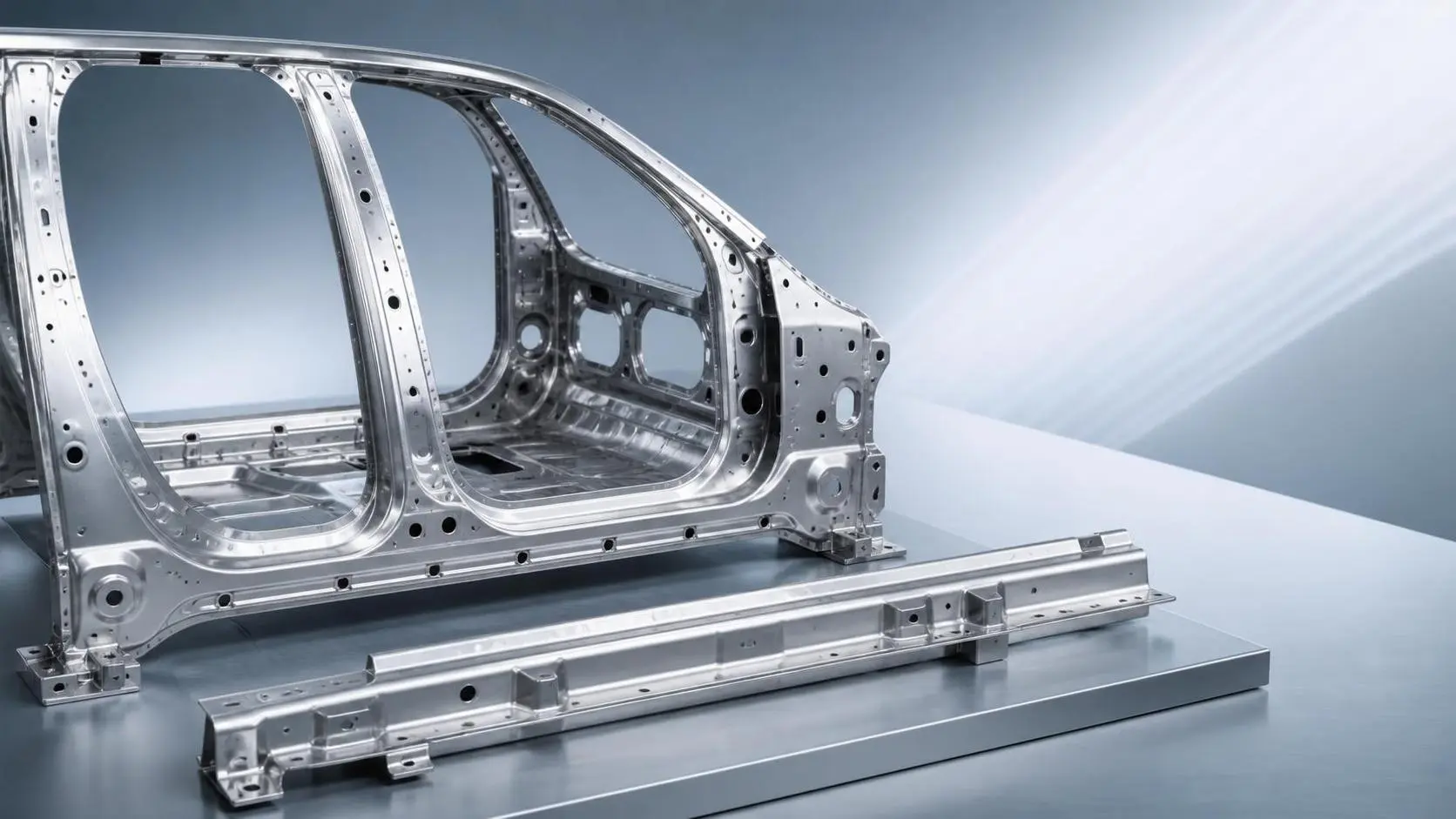
How to Evaluate Steel Auto Body Stampings for Strength, Fit, and Cost
Steel auto body stampings should be judged by strength, fit, and total cost together. Learn how to compare materials, forming limits, springback, joining, and tooling before choosing.

How to Evaluate Lightweight Automotive Components for EV Range and Crash Performance
Lightweight automotive components for EVs: learn how to evaluate real range gains, crash performance, joining risk, and manufacturability to choose safer, smarter EV parts.
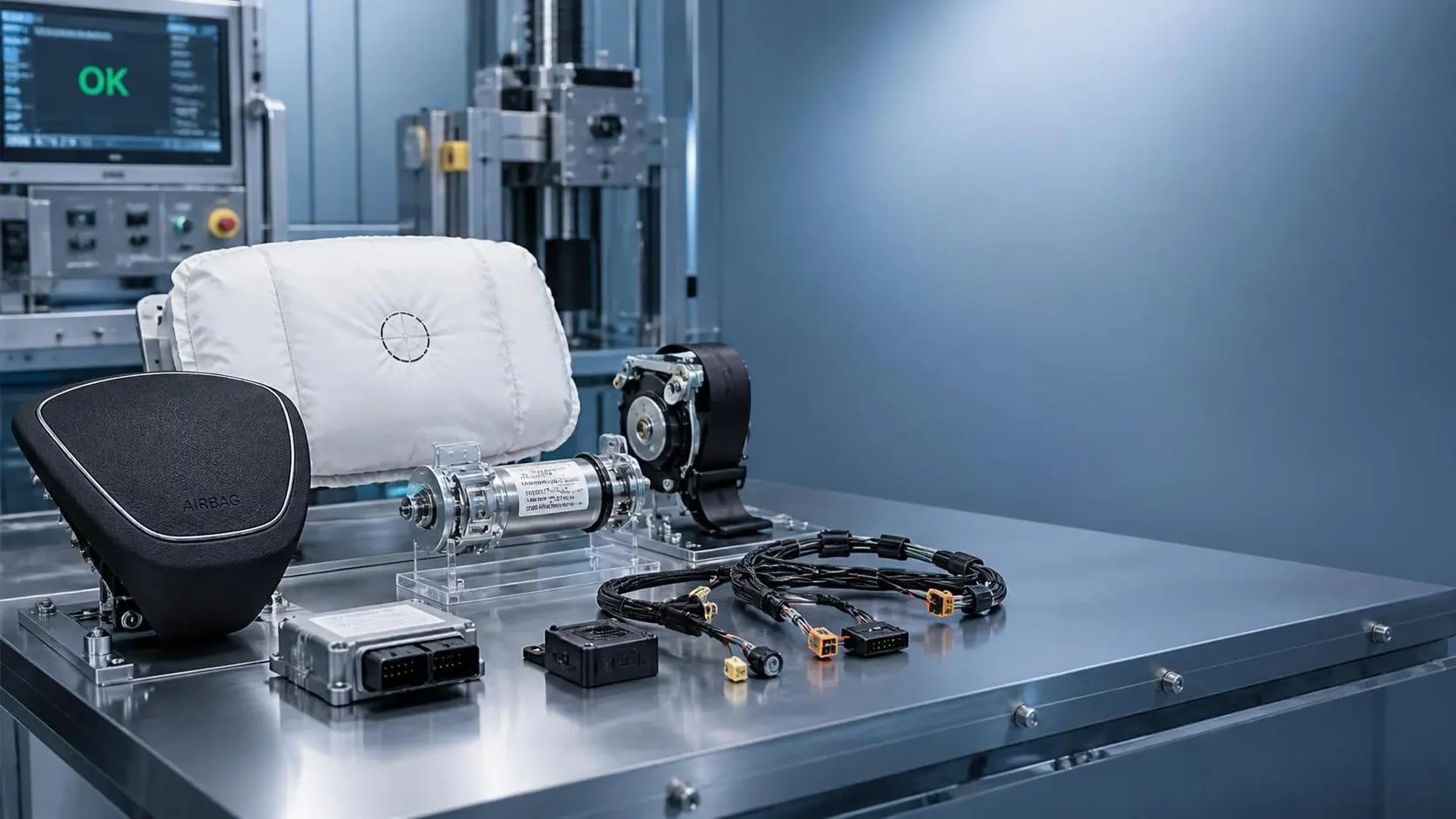
How to Evaluate Airbag Components for OEM Safety Performance and Compliance?
Airbag components evaluation guide for OEM teams: compare deployment performance, inflator consistency, compliance evidence, and supplier traceability to reduce safety risk and choose with confidence.
Related News
- 00
0000-00
How to Evaluate Airbag Components for OEM Safety Performance and Compliance? - 00
0000-00
Automotive Crash Protection Systems Selection Guide: Key Components and Test Criteria - 00
0000-00
Automotive Occupant Protection Devices: Types, Functions, and How They Work Together - 00
0000-00
Airbag Components OEM Basics: Parts, Materials, and Validation Requirements - 00
0000-00
Airbag Systems for Commercial Vehicles: Types, Functions, and Use Cases
Weekly Insights
Stay ahead with our curated technology reports delivered every Monday.