
Industrial Sourcing Platform Customization: Which Features Matter for Multi-Supplier Projects?
Why Multi-Supplier Projects Expose the Limits of Standard Tools
Industrial programs rarely fail because one supplier misses one document. They fail when specifications, approvals, tooling changes, and compliance records move at different speeds.
That is where industrial sourcing platform customization becomes more than a software preference. It becomes part of delivery control, traceability, and technical risk management.
In sectors followed by GNCS, this gap is especially visible. Marine navigation systems, hot-stamped body parts, airbags, seatbelts, and smart seats all involve multi-layer validation.
A generic sourcing portal may store files well enough. It usually struggles when electromagnetic performance data, crash energy absorption targets, and regional compliance evidence must stay aligned.
The practical question is not whether customization is useful. The real question is which features matter in different operating scenarios, and which ones only add noise.
In Practice, the Right Setup Depends on What Is Being Coordinated
Not every multi-supplier project needs the same industrial sourcing platform customization. The sourcing model changes when the project is driven by engineering revision risk, certification pressure, or launch timing.
A marine electronics program often depends on firmware, calibration records, and environmental testing history. A passive safety program depends more on validation samples, material consistency, and regulatory submission discipline.
This difference matters. If the platform only tracks pricing and purchase orders, it misses the operational layer where sourcing delays actually begin.
A useful industrial sourcing platform customization should reflect the project logic: who approves changes, which documents are controlled, what evidence is mandatory, and where supplier dependencies cross.
The baseline features usually look similar, but the weighting changes
- Specification version control matters more in engineered assemblies than in standard parts sourcing.
- Compliance mapping matters more when delivery spans multiple countries or regulated vehicle platforms.
- Supplier workflow visibility matters more when sub-tier dependencies affect testing or launch readiness.
- Quality event tracking matters more when one failed lot can trigger revalidation across several suppliers.
When Engineering Revisions Move Fast, Change Control Becomes the Core Feature
Consider lightweight body stampings or seat structures. Drawings may change after simulation updates, die adjustments, or material substitution reviews.
In this setting, industrial sourcing platform customization should prioritize revision-based workflows. Each supplier must see the correct release status, affected parts, response deadline, and approval path.
Without that structure, teams spend time checking whether a quote, sample, or production lot matches the latest specification. Delays become administrative before they become technical.
A stronger setup links CAD references, deviation requests, PPAP-related evidence, and milestone decisions in one change thread. That reduces hidden divergence between design intent and supplier execution.
This is also where GNCS-style intelligence is relevant. In high-reliability mobility sectors, design changes are rarely isolated. They interact with safety performance, weight targets, and regional approval expectations.
Compliance-Heavy Projects Need More Than a Document Repository
Airbag modules, seatbelt systems, and navigation equipment all carry compliance burdens, but not in the same way. That distinction should shape industrial sourcing platform customization.
For passive safety parts, the platform should connect material declarations, validation status, test batches, and market-specific standards. For marine systems, software maintenance history and update control may be equally critical.
The common mistake is treating compliance as a folder structure. In reality, compliance is a decision chain with timing, ownership, and dependency rules.
A better industrial sourcing platform customization supports gated approvals, automatic alerts for missing evidence, and field-level tagging by regulation, platform, or destination market.
That makes later audits easier, but the bigger benefit appears earlier. It prevents sourcing from moving ahead while critical technical proof is still incomplete.
Different regulated environments usually need different control points
Where Several Suppliers Build One Assembly, Cross-Tier Visibility Matters Most
Complex assemblies create a different problem. The issue is not only supplier performance. It is dependency visibility between suppliers that never directly manage each other.
Smart seating is a good example. Frames, foam, trim, sensors, heating elements, and electronics often come from separate sources. One delay can invalidate test sequencing for the whole seat program.
Here, industrial sourcing platform customization should include milestone linking, interface ownership, and readiness dashboards built around assemblies rather than isolated part numbers.
This approach also fits GNCS coverage, where cabin ergonomics and safety are treated as connected systems rather than disconnected components.
The useful view is not “supplier A is late.” The useful view is “supplier A blocks sample integration, which blocks validation slot booking, which shifts launch risk.”
Different Scenarios Call for Different Customization Priorities
A practical selection process compares the project scenario before choosing features. That avoids paying for workflows that look impressive but solve the wrong bottleneck.
- If revisions are frequent, prioritize engineering change workflows, release status control, and supplier acknowledgment tracking.
- If audits are frequent, prioritize compliance matrices, approval gates, and searchable evidence by standard and region.
- If sub-tier coordination is fragile, prioritize dependency mapping, assembly milestone views, and exception alerts.
- If demand volatility is high, prioritize capacity signals, alternate source logic, and lead-time risk monitoring.
- If technical credibility affects awards, prioritize structured data fields for process capability, validation depth, and reliability history.
In other words, effective industrial sourcing platform customization starts with operational friction, not feature catalogs.
Misjudgments Often Start with Looking Only at Cost or Only at Specifications
One common error is assuming similar parts share the same workflow. A seatbelt retractor and a stamped bracket may both be sourced globally, but their evidence requirements differ sharply.
Another mistake is choosing industrial sourcing platform customization around supplier onboarding screens while ignoring long-cycle maintenance, requalification, and engineering deviation handling.
Cost-only thinking causes a quieter problem. A lower software footprint may look efficient, yet later require manual tracking across spreadsheets, email chains, and disconnected quality systems.
There is also a recurring compliance blind spot. Teams may track whether a certificate exists, but not whether it matches the latest revision, country rule set, or approved production site.
In high-stakes mobility programs, these gaps are expensive because they surface late, often during validation, audit preparation, or launch change freezes.
A More Useful Way to Define the Platform Before Rollout
The better route is to define industrial sourcing platform customization from a limited set of real workflows. Start with one assembly family or one regulated product line.
Map which decisions require data, which records are legally or technically mandatory, and where supplier interaction usually breaks down. Those points should drive the platform design.
Then test the structure against actual scenarios: a drawing revision, a failed validation sample, a site transfer, a software patch, or a delayed sub-tier material approval.
If the workflow stays clear under those conditions, the customization is probably useful. If it only works in a clean demonstration path, it is too shallow.
For organizations operating across navigation, cabin safety, and lightweight structures, the next step is to build scenario-based rules instead of one universal sourcing template.
That is usually where industrial sourcing platform customization delivers real value: clearer accountability, stronger traceability, and fewer late surprises across multi-supplier programs.
Related News
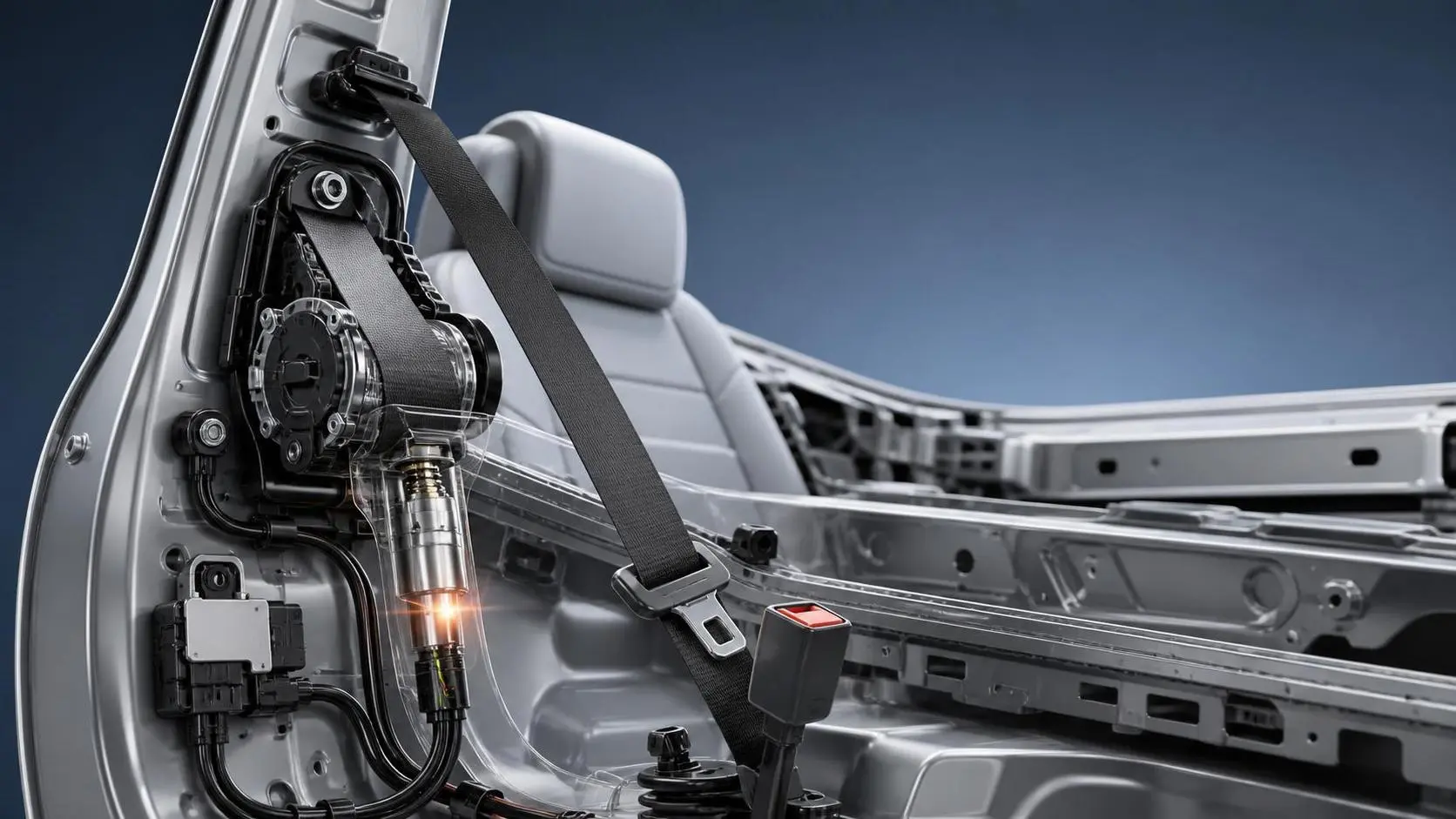
How Seat Belt Pretensioners for EVs Improve Crash Safety and System Response
Seat belt pretensioners for EVs improve crash timing, occupant control, and system response. Discover how smarter integration boosts EV safety performance.
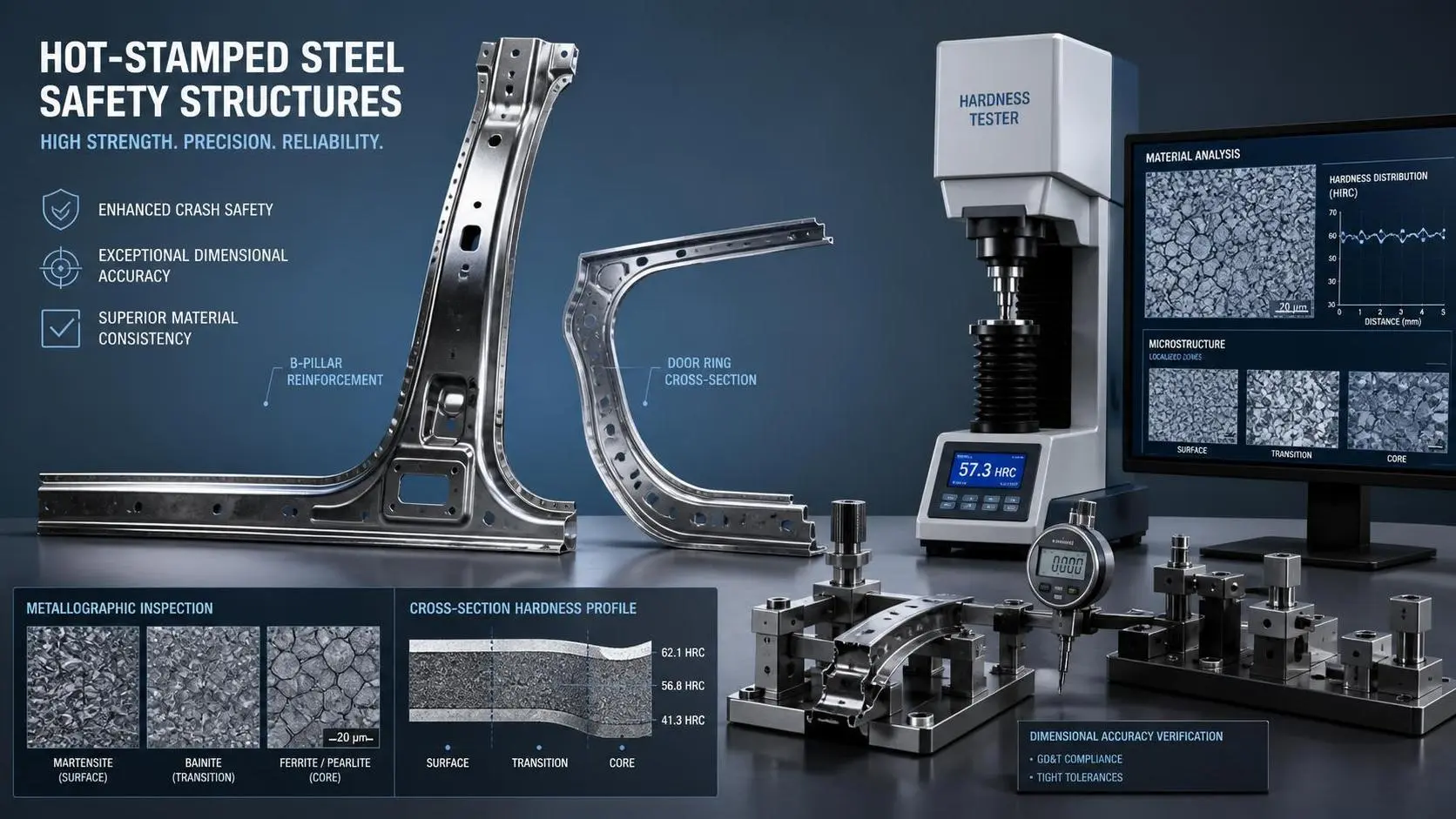
How to Evaluate High Strength Hot Stamped Steel Parts for Crash-Safety Applications
High strength hot stamped steel parts for crash-safety applications: learn how to assess strength, microstructure, dimensional accuracy, and process stability for safer sourcing decisions.
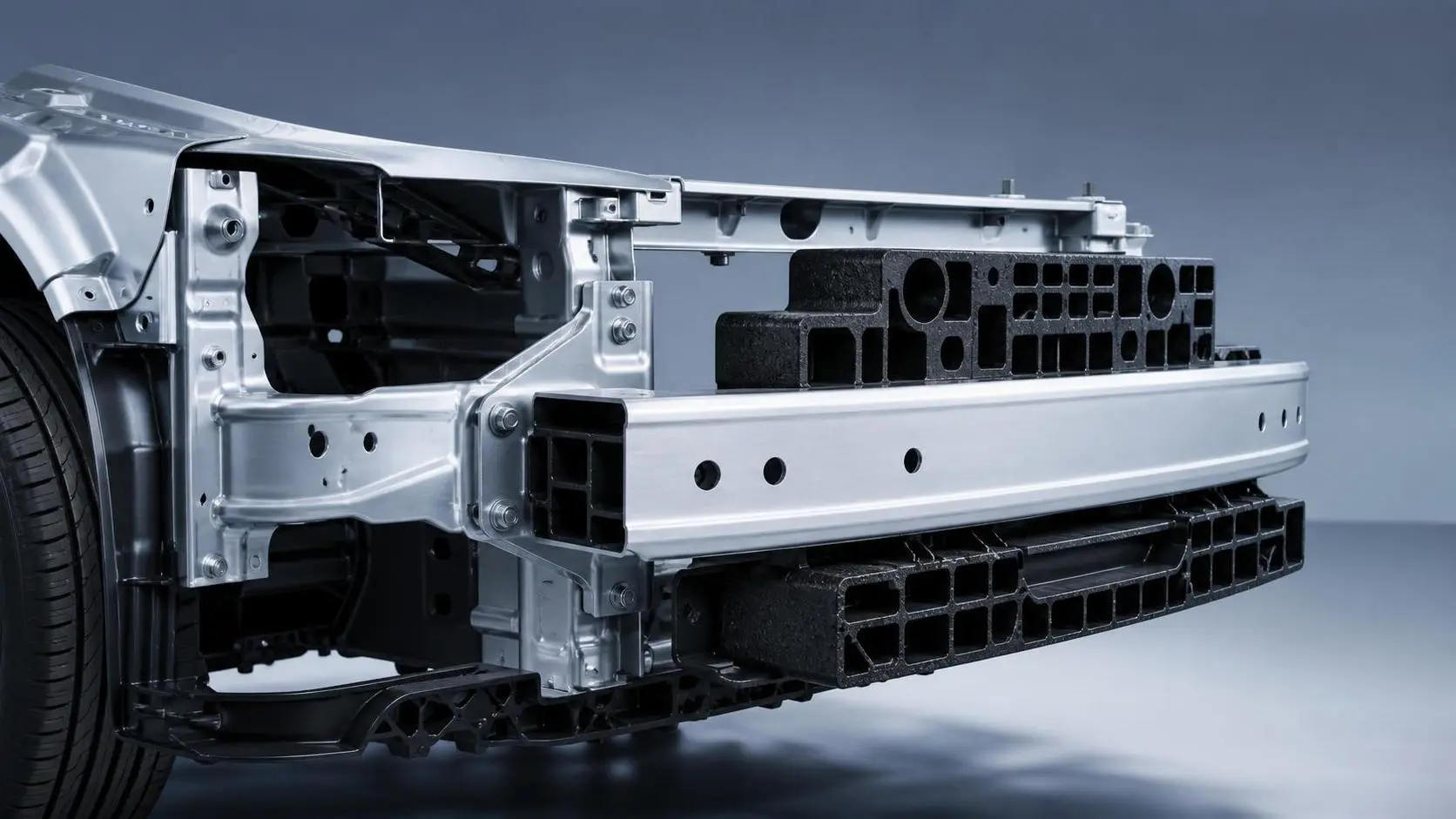
How Crash Management Components Reduce Repair Costs and Improve Impact Performance
Crash management components help reduce repair costs, protect critical vehicle structures, and improve impact performance. Learn how smarter design supports safer, more cost-efficient mobility programs.
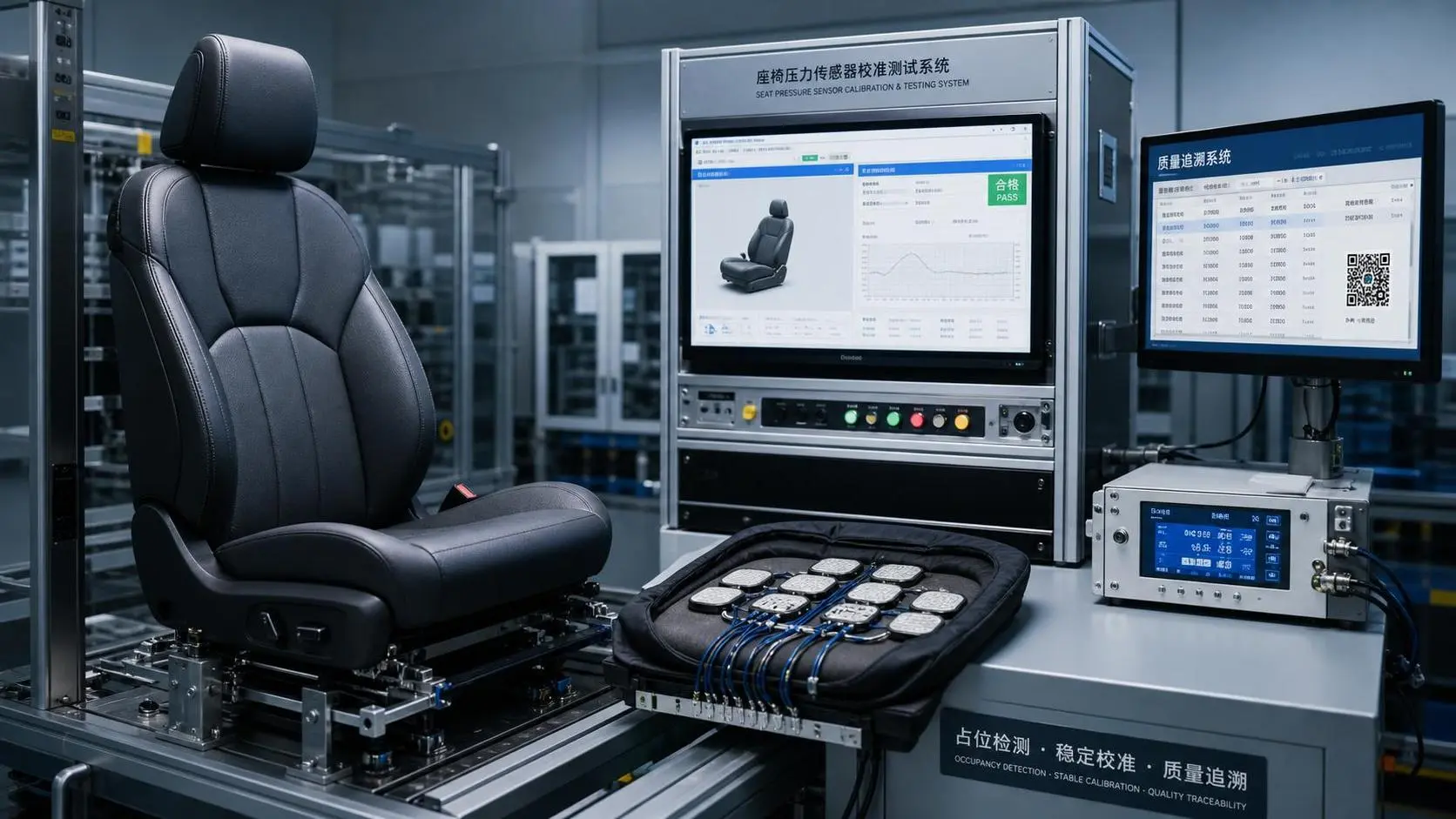
How to Evaluate a Seat Sensing Systems Factory for Automotive Safety Programs
Seat sensing systems factory selection goes beyond price. Learn how to assess quality control, validation, PPAP readiness, and long-term supply reliability for safer automotive programs.
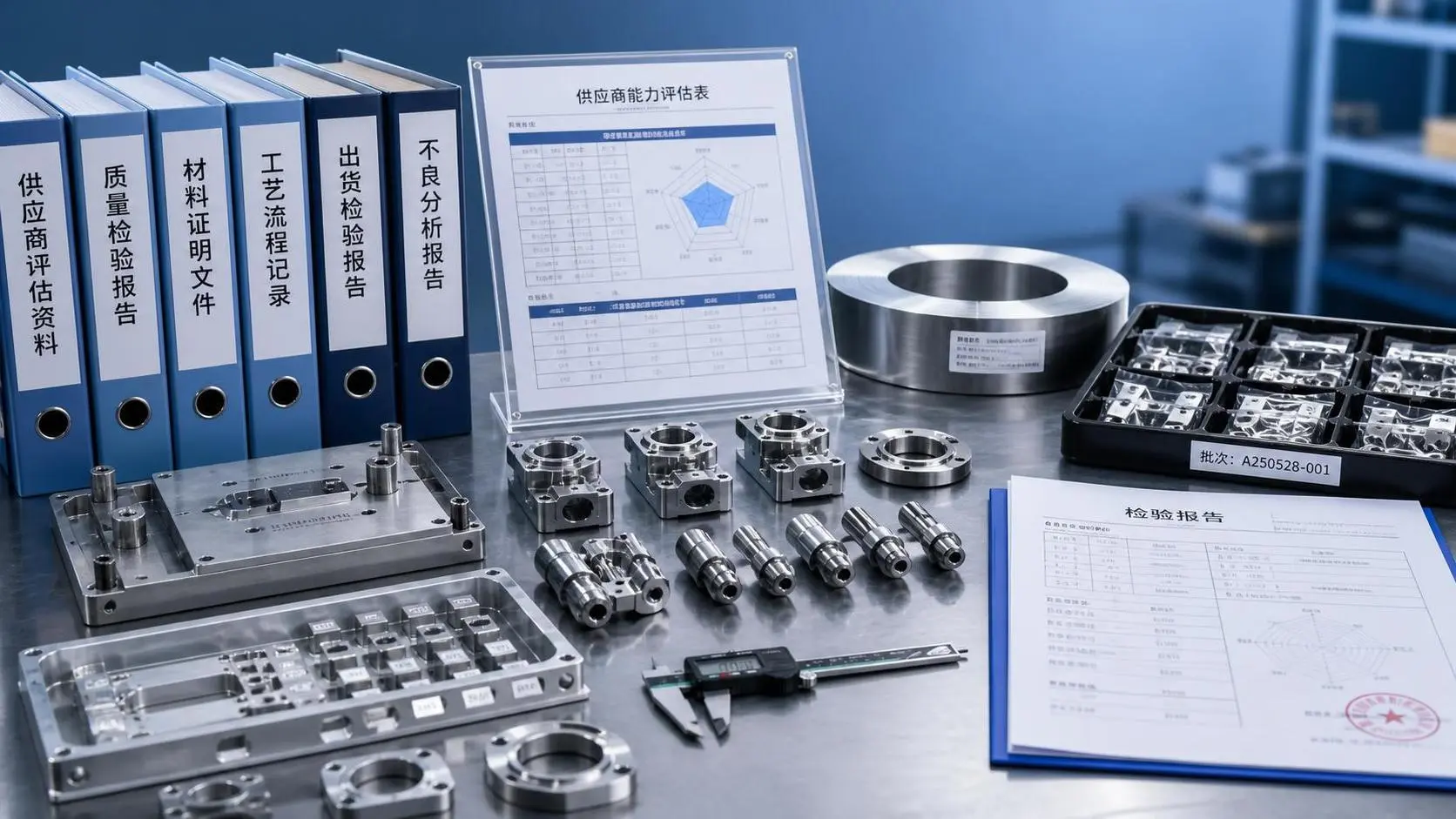
Supplier Capability Evaluation Process: Key Criteria for B2B Sourcing Decisions
Supplier capability evaluation process explained: learn the key criteria for B2B sourcing decisions, reduce supplier risk, and choose partners with confidence.
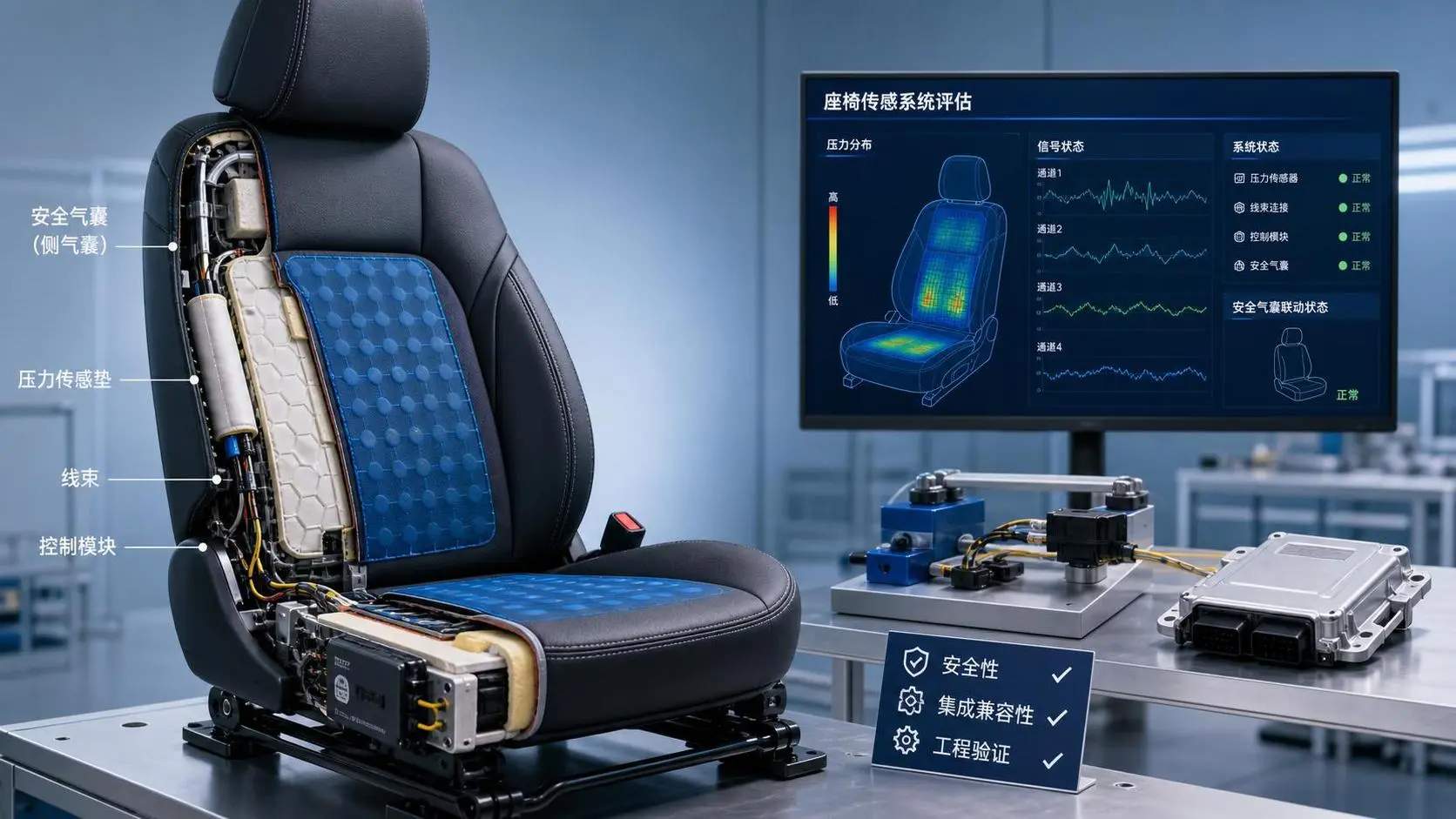
How to Evaluate a Seat Sensing Technology Supplier for Safety and Integration?
Seat sensing technology supplier evaluation guide: compare safety maturity, integration fit, algorithm reliability, and validation support to choose a partner that reduces risk.

How to Evaluate Custom Smart Automotive Seating for Premium Vehicle Programs?
Custom smart automotive seating evaluation starts with safety, comfort, integration, and production readiness. Discover how premium vehicle teams choose smarter, lower-risk seat solutions.
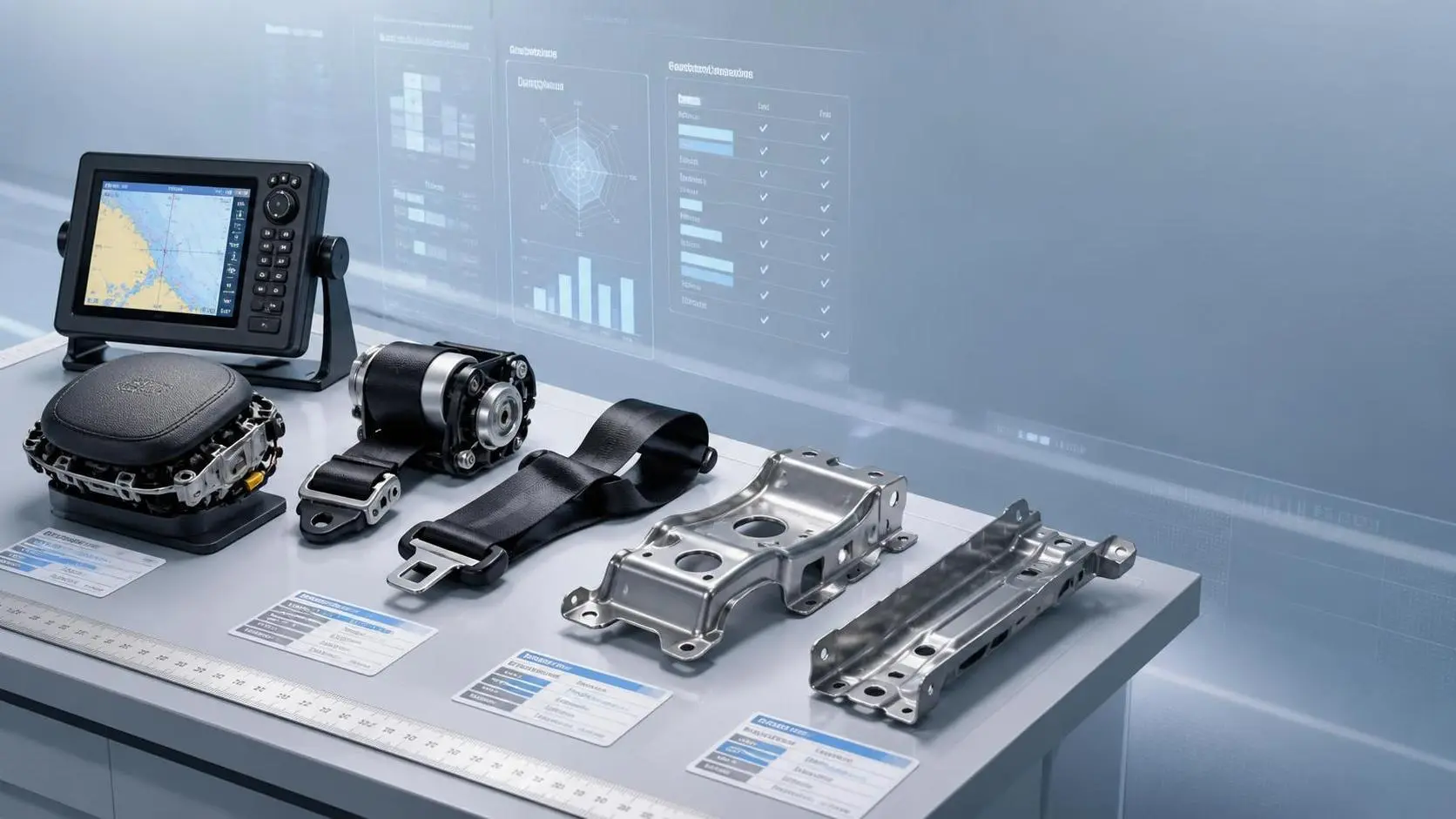
B2B Product Intelligence Platforms: How to Compare Features, Data Coverage, and ROI
B2B product intelligence platform comparison: learn how to evaluate data coverage, feature depth, compliance visibility, and ROI to choose a sourcing tool that reduces risk and speeds decisions.

Climate Control Seats Cost: What Drives Price and Long-Term Ownership Value?
Climate control seats cost depends on materials, thermal tech, and integration. Learn what drives price and how to judge long-term value before you buy.
Related News
- 00
0000-00
How Crash Management Components Reduce Repair Costs and Improve Impact Performance - 00
0000-00
Supplier Capability Evaluation Process: Key Criteria for B2B Sourcing Decisions - 00
0000-00
How to Evaluate a Seat Sensing Technology Supplier for Safety and Integration? - 00
0000-00
B2B Product Intelligence Platforms: How to Compare Features, Data Coverage, and ROI - 00
0000-00
What Factors Drive Marine Navigation Components Cost in Commercial Vessel Projects?
Weekly Insights
Stay ahead with our curated technology reports delivered every Monday.