
What Is a Product Knowledge Platform for Accessories and How Does It Improve Spec Accuracy?
Why does a product knowledge platform for accessories matter so much?
A product knowledge platform for accessories is more than a digital catalog.
It acts as a controlled source for specifications, fitment rules, compliance records, revisions, and accessory relationships.
That matters because accessory data usually fails in small places.
A connector changes grade, a bracket shifts tolerance, or a sensor version is approved in one market but not another.
In GNCS-linked sectors, those details are not minor.
Marine navigation systems depend on exact interfaces between antennas, displays, sonar modules, and mounting hardware.
Passive safety systems rely on precise inflator, housing, belt, buckle, and sensor compatibility.
Smart seating assemblies add another layer through actuators, climate components, occupant sensing, and structural attachments.
A product knowledge platform for accessories improves spec accuracy because it keeps those details synchronized.
Instead of checking scattered spreadsheets, PDFs, emails, and old drawings, teams see one governed record.
Simple in concept, but powerful in practice.
So what exactly counts as a product knowledge platform for accessories?
The easiest way to understand it is to separate data storage from knowledge control.
A file repository stores documents.
A product knowledge platform for accessories connects meaning across documents, attributes, versions, and approved usage.
For example, an accessory entry may include:
- technical dimensions and tolerance ranges
- material grade and surface treatment
- electrical, mechanical, or environmental limits
- regulatory status by region
- compatible assemblies and excluded pairings
- change history and release status
That structure is what turns raw information into usable product knowledge.
In a GNCS-style intelligence environment, this becomes especially useful.
The platform can bridge maritime compliance, crash standards such as IIHS or E-NCAP, and component-level design logic.
It helps translate complex technical context into accessory decisions that stay consistent across regions and updates.
Where does spec accuracy usually break down?
Spec errors rarely come from one dramatic mistake.
More often, they appear through small mismatches between sources.
A product knowledge platform for accessories addresses that by exposing contradictions early.
The table below shows common failure points and what a stronger system usually controls.
In actual deployment, the highest-value feature is often not search.
It is controlled context.
That is what keeps a radar accessory, seat frame insert, or inflator subcomponent from being interpreted differently by each team.
Which accessory-heavy environments benefit most?
Not every industry needs the same depth, but some environments depend on it.
The strongest fit appears where accessories carry technical, safety, or compliance consequences.
Marine navigation is a clear example.
A mounting kit, cable, transducer, or display interface can affect signal reliability and installation validity.
Automotive lightweight structures also benefit.
Stamping-related accessories may seem secondary, yet coatings, fasteners, and reinforcement add-ons can change corrosion behavior or energy absorption.
The same pattern appears in passive safety.
Airbag and seatbelt assemblies involve chemical, electronic, and mechanical interactions that cannot rely on informal documentation.
Smart seating introduces even more variation through sensors, ventilation modules, magnesium structures, and software-linked control parts.
This is why GNCS-style intelligence matters.
When a platform reflects regulatory shifts, material evolution, and technical compatibility together, accessory data becomes decision-grade rather than merely descriptive.
How can you tell whether a platform will really improve spec accuracy?
A product knowledge platform for accessories should be judged by control quality, not marketing language.
A useful evaluation starts with a few practical questions.
- Does each accessory have a single approved master record?
- Can attribute changes trigger review before release?
- Are fitment rules explicit, or buried in comments?
- Can regional compliance be filtered without manual checks?
- Is historical data traceable for audits and engineering decisions?
More advanced setups also connect technical intelligence to market signals.
For example, if ECDIS update protocols shift, or non-toxic inflator propellants become the new compliance baseline, accessory records should reflect that change quickly.
That is where a strategic intelligence layer adds value.
It keeps spec accuracy aligned with moving standards, not just past approvals.
What are the most common mistakes when implementing a product knowledge platform for accessories?
The biggest mistake is treating the platform as a content dump.
If every file is uploaded without rules, the system becomes a cleaner-looking archive, not a real knowledge layer.
Another mistake is focusing only on part numbers.
Accessory accuracy often depends on conditional logic, such as approved pairings, environmental ratings, or model-year limitations.
A third problem is ignoring governance.
Without change ownership, review timing, and retirement rules, the same spec drift returns under a new interface.
Implementation also fails when external intelligence stays separate.
In safety and navigation sectors, standards move, materials evolve, and certification expectations tighten.
If the product knowledge platform for accessories does not absorb those signals, spec accuracy fades over time.
A more reliable approach is to start with critical accessory families first.
Build data rules around high-risk categories, then expand once governance is stable.
What is a sensible next step if you are still comparing options?
Start by mapping where accessory errors currently originate.
Look for repeated confusion around revisions, compatibility, regional compliance, or test-backed parameters.
Then define which accessory attributes must never be ambiguous.
That list may include dimensions, material grades, connector logic, corrosion class, inflator chemistry status, or seat sensor calibration references.
From there, compare platforms against real technical scenarios rather than generic feature grids.
A strong product knowledge platform for accessories should help explain why a part fits, whether it complies, and which revision is valid now.
That is the practical link to better spec accuracy.
For sectors tracked by GNCS, where precision perception and physical containment protection define product value, that discipline is not optional.
It is the foundation for safer navigation, more reliable cabin systems, and cleaner technical decisions across the entire accessory chain.
Related News
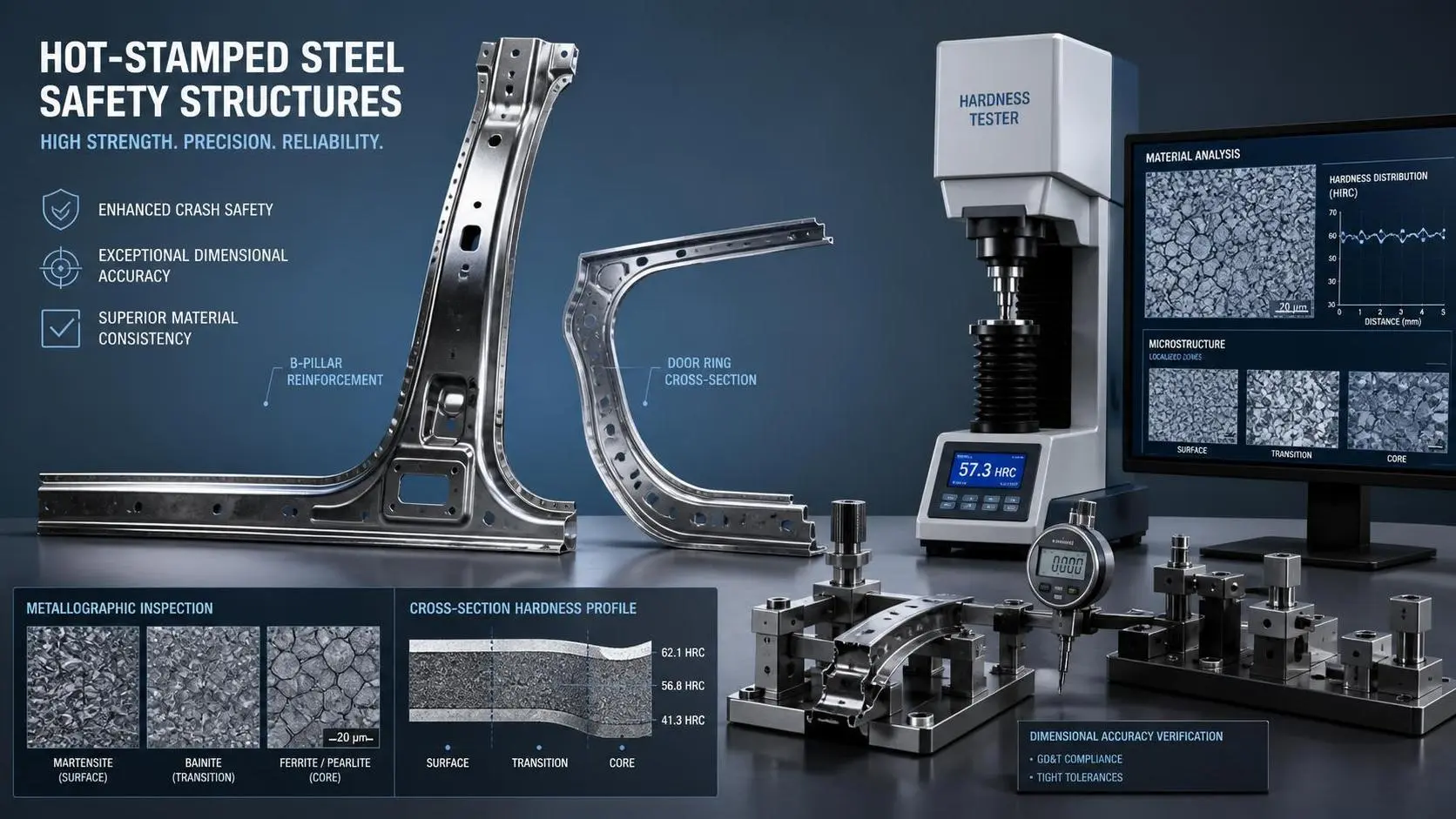
How to Evaluate High Strength Hot Stamped Steel Parts for Crash-Safety Applications
High strength hot stamped steel parts for crash-safety applications: learn how to assess strength, microstructure, dimensional accuracy, and process stability for safer sourcing decisions.
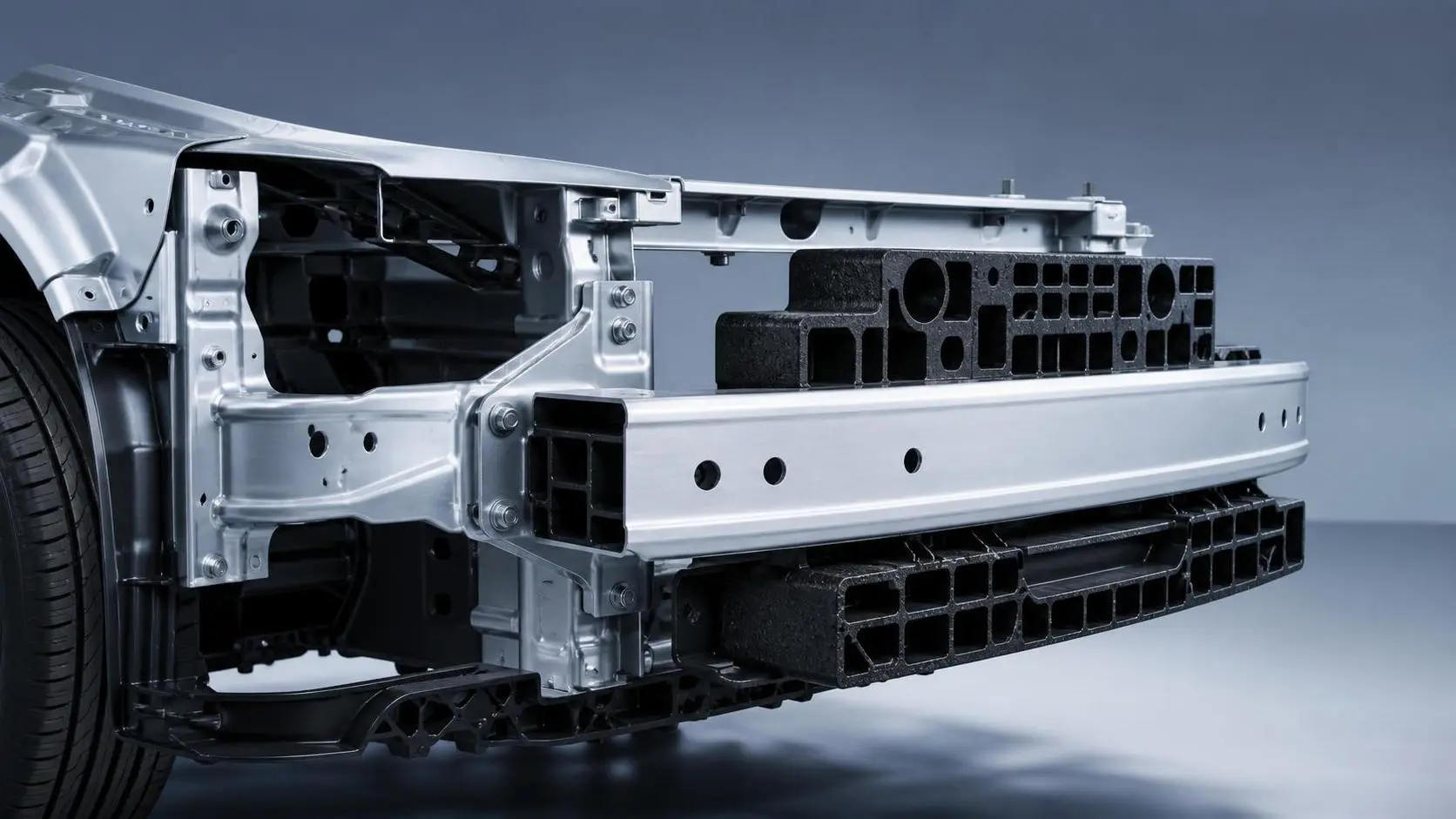
How Crash Management Components Reduce Repair Costs and Improve Impact Performance
Crash management components help reduce repair costs, protect critical vehicle structures, and improve impact performance. Learn how smarter design supports safer, more cost-efficient mobility programs.
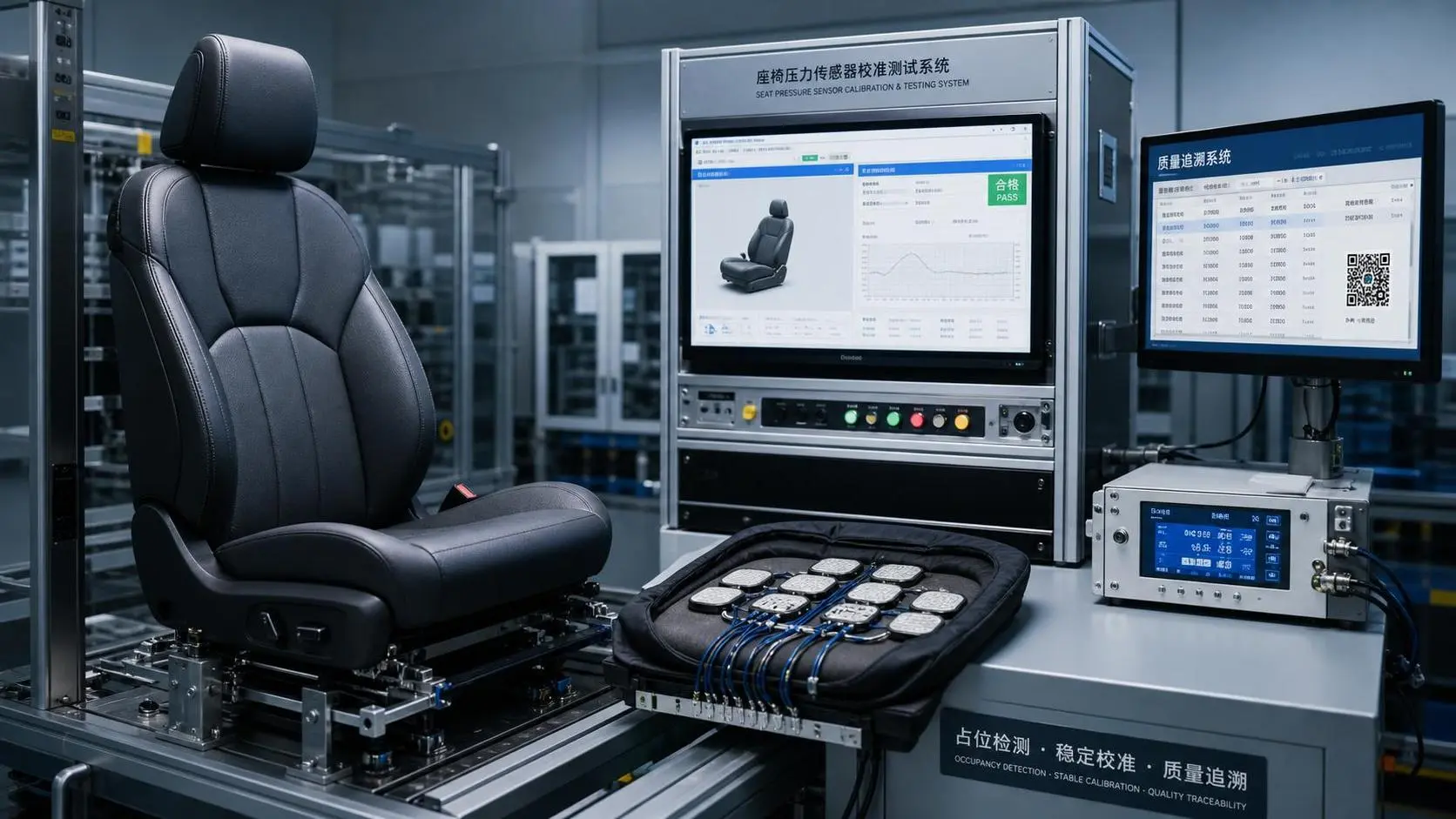
How to Evaluate a Seat Sensing Systems Factory for Automotive Safety Programs
Seat sensing systems factory selection goes beyond price. Learn how to assess quality control, validation, PPAP readiness, and long-term supply reliability for safer automotive programs.
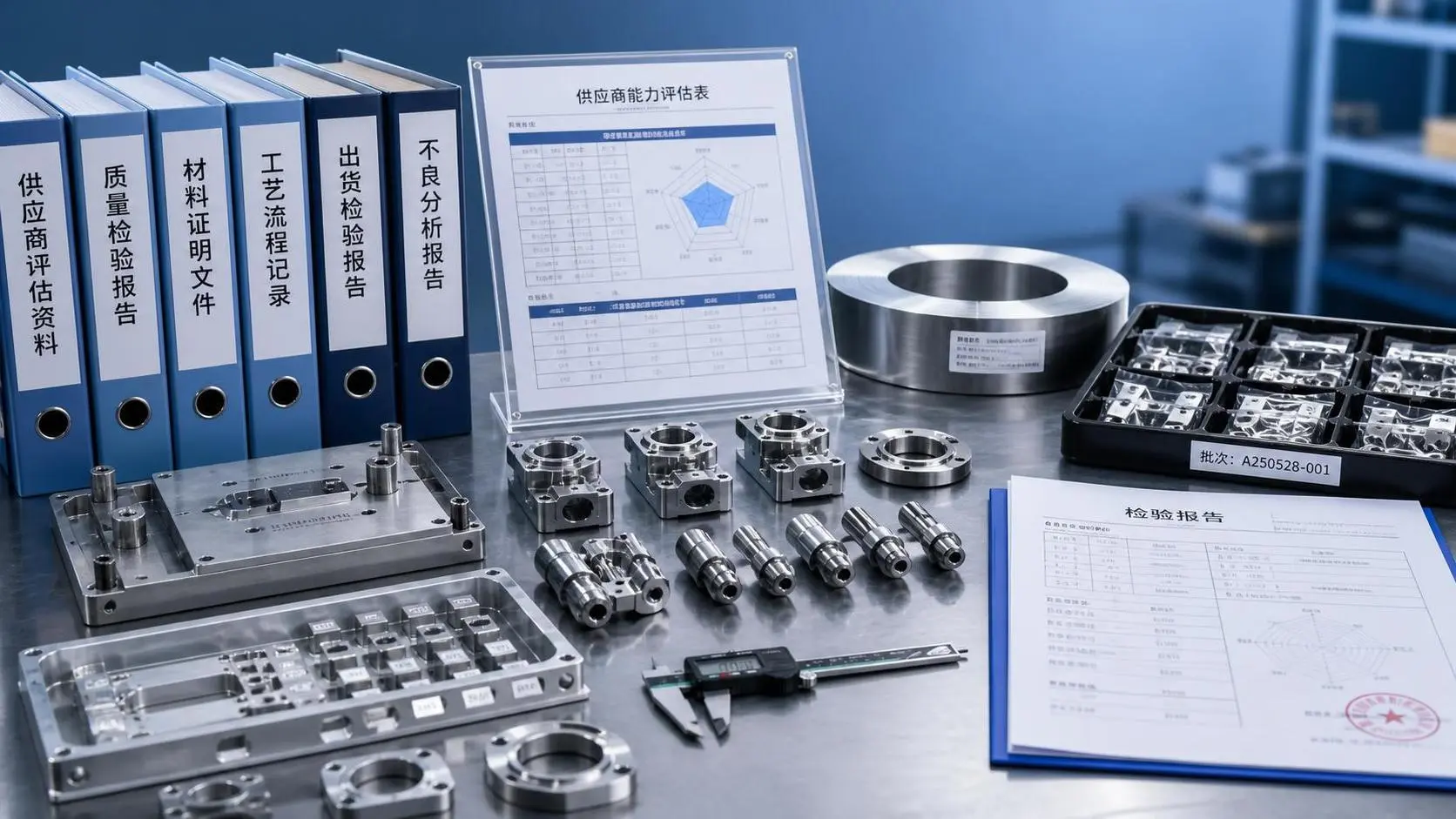
Supplier Capability Evaluation Process: Key Criteria for B2B Sourcing Decisions
Supplier capability evaluation process explained: learn the key criteria for B2B sourcing decisions, reduce supplier risk, and choose partners with confidence.
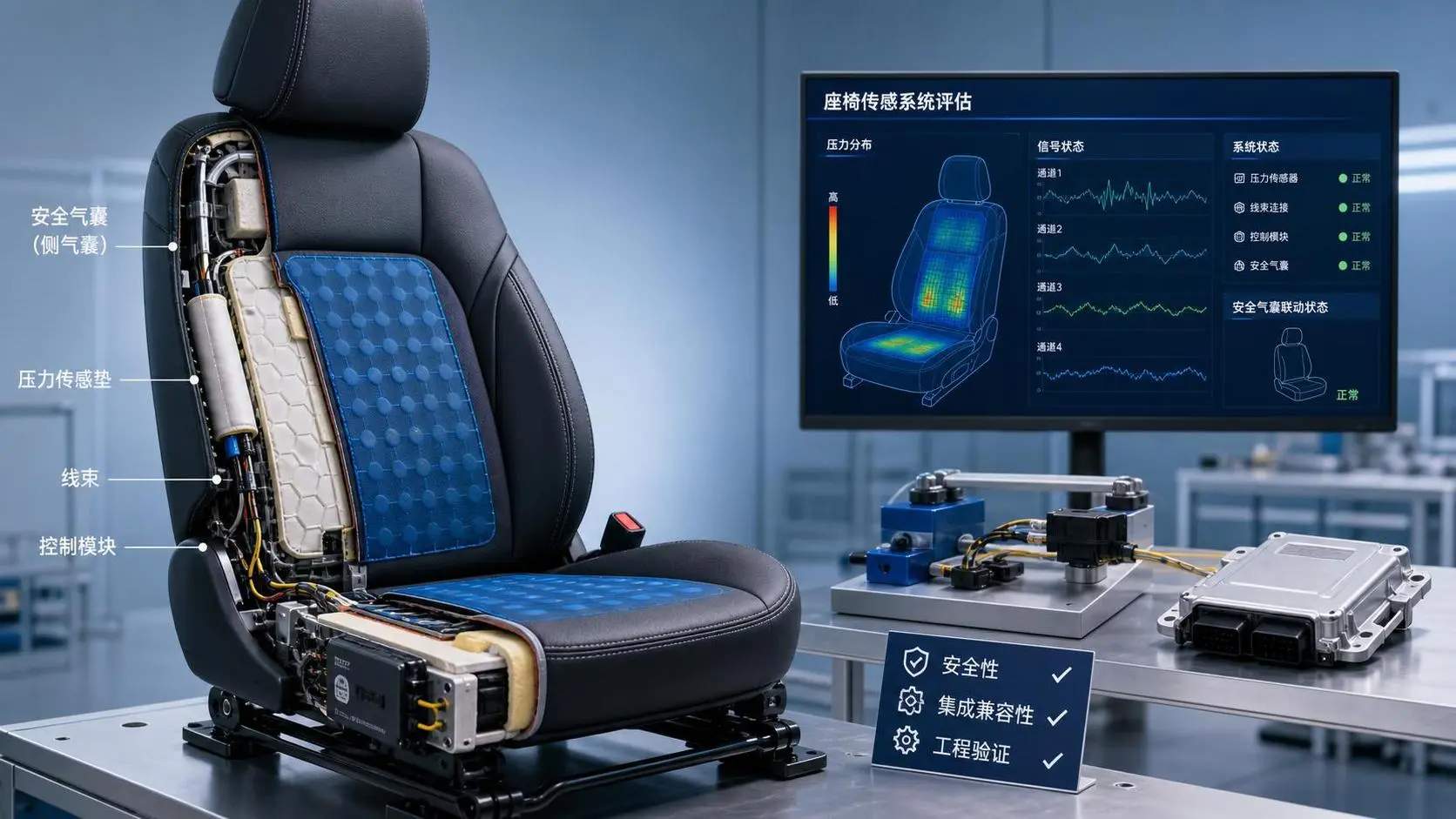
How to Evaluate a Seat Sensing Technology Supplier for Safety and Integration?
Seat sensing technology supplier evaluation guide: compare safety maturity, integration fit, algorithm reliability, and validation support to choose a partner that reduces risk.
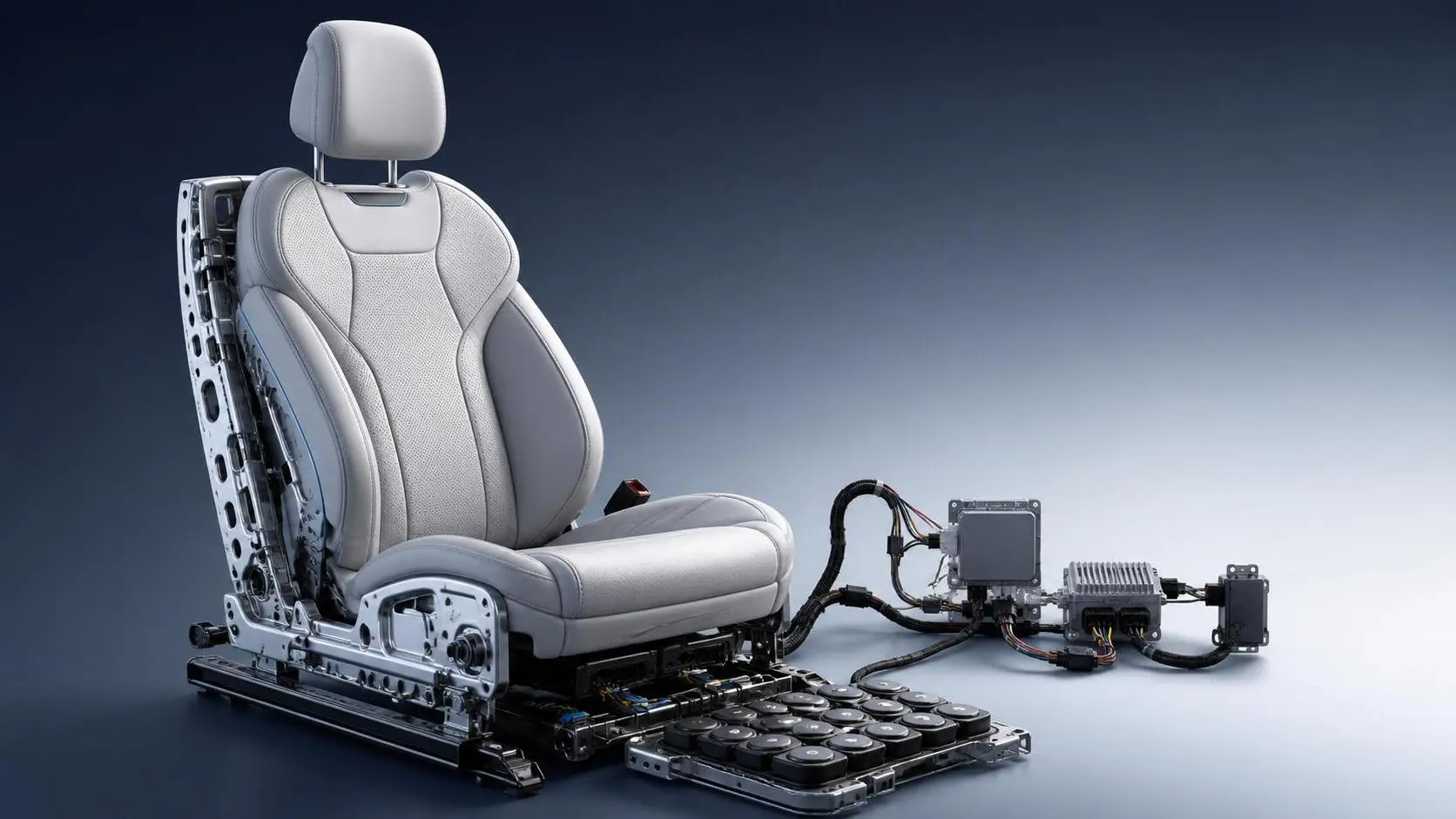
How to Evaluate Custom Smart Automotive Seating for Premium Vehicle Programs?
Custom smart automotive seating evaluation starts with safety, comfort, integration, and production readiness. Discover how premium vehicle teams choose smarter, lower-risk seat solutions.
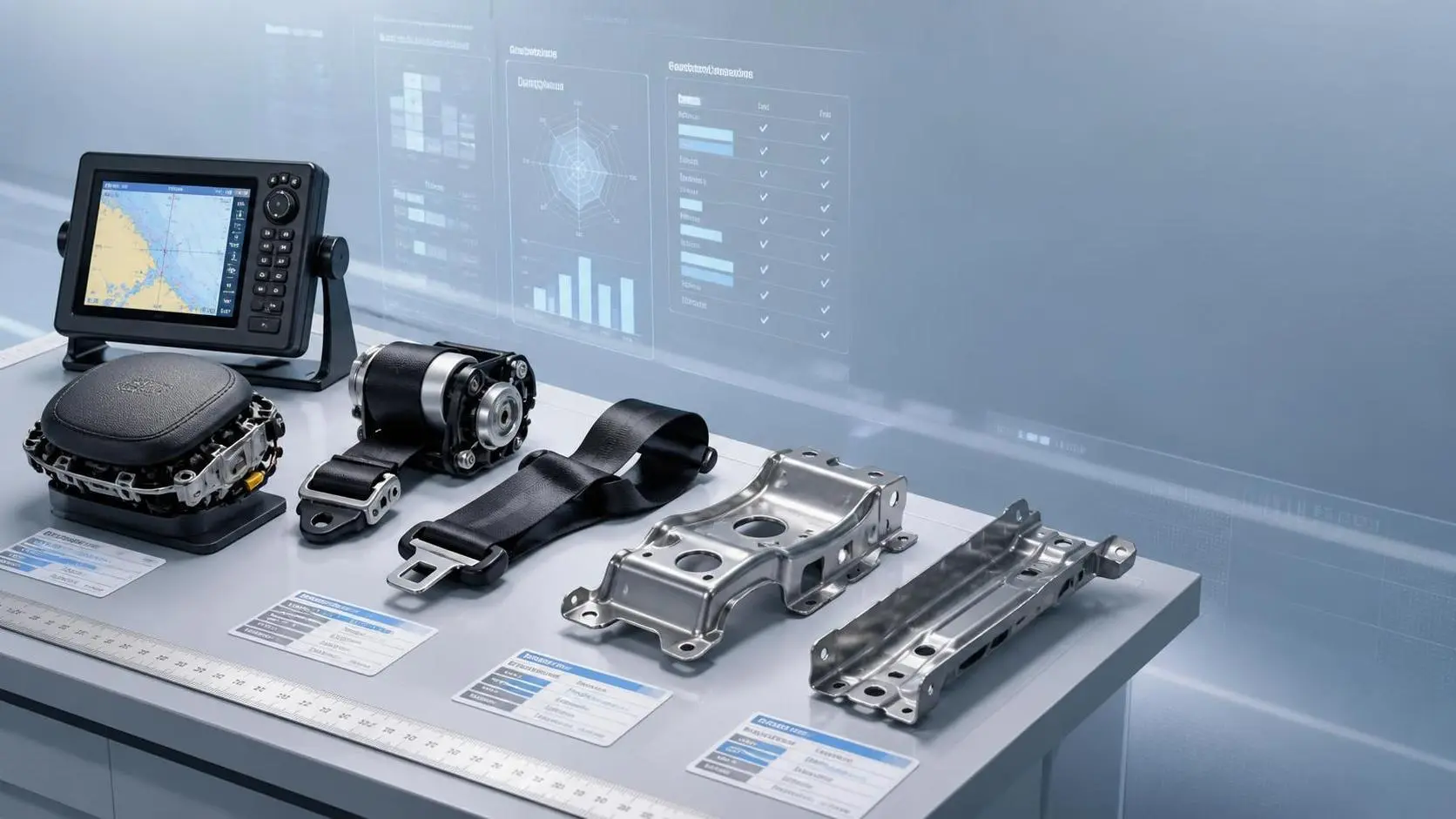
B2B Product Intelligence Platforms: How to Compare Features, Data Coverage, and ROI
B2B product intelligence platform comparison: learn how to evaluate data coverage, feature depth, compliance visibility, and ROI to choose a sourcing tool that reduces risk and speeds decisions.
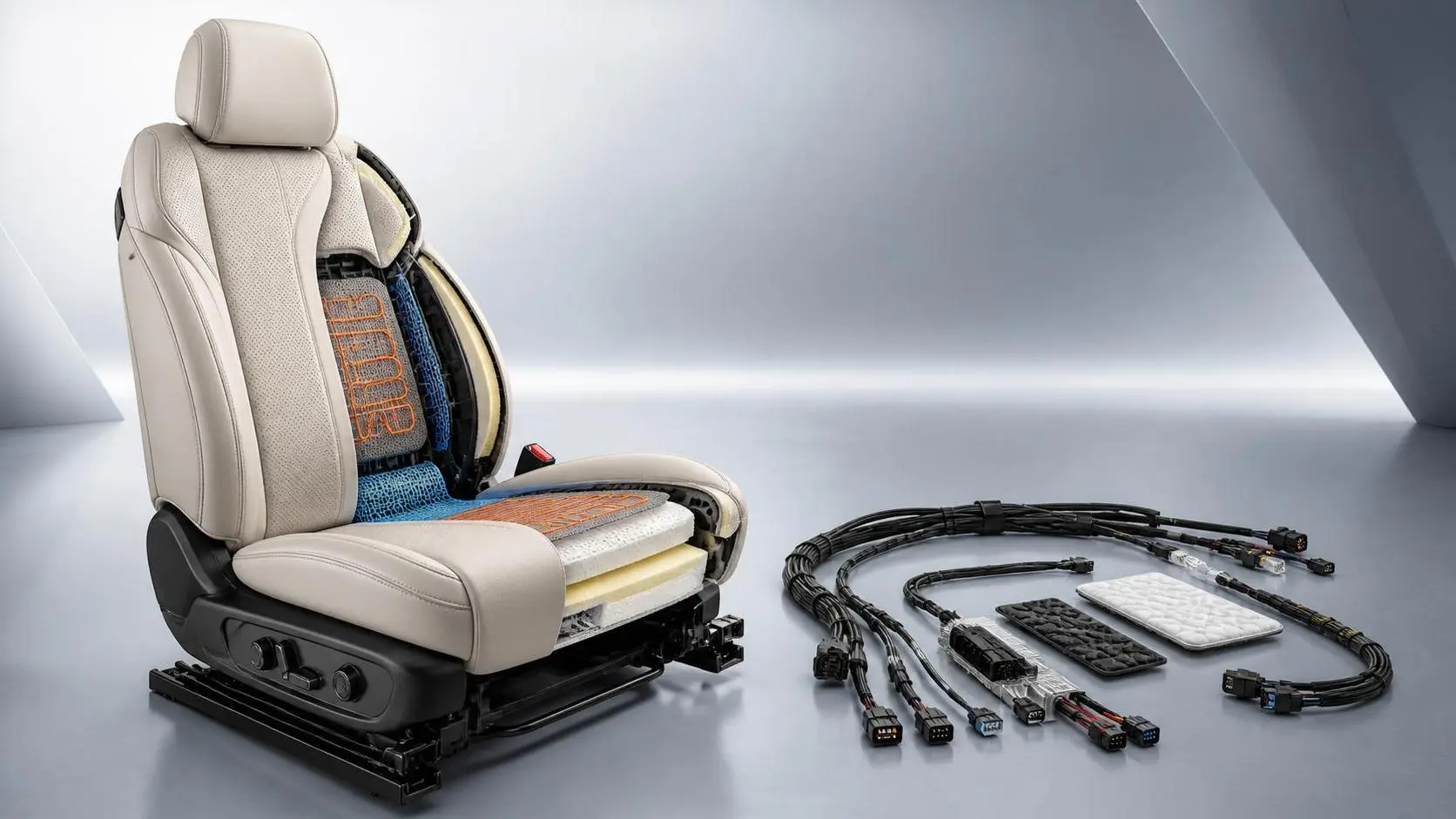
Climate Control Seats Cost: What Drives Price and Long-Term Ownership Value?
Climate control seats cost depends on materials, thermal tech, and integration. Learn what drives price and how to judge long-term value before you buy.
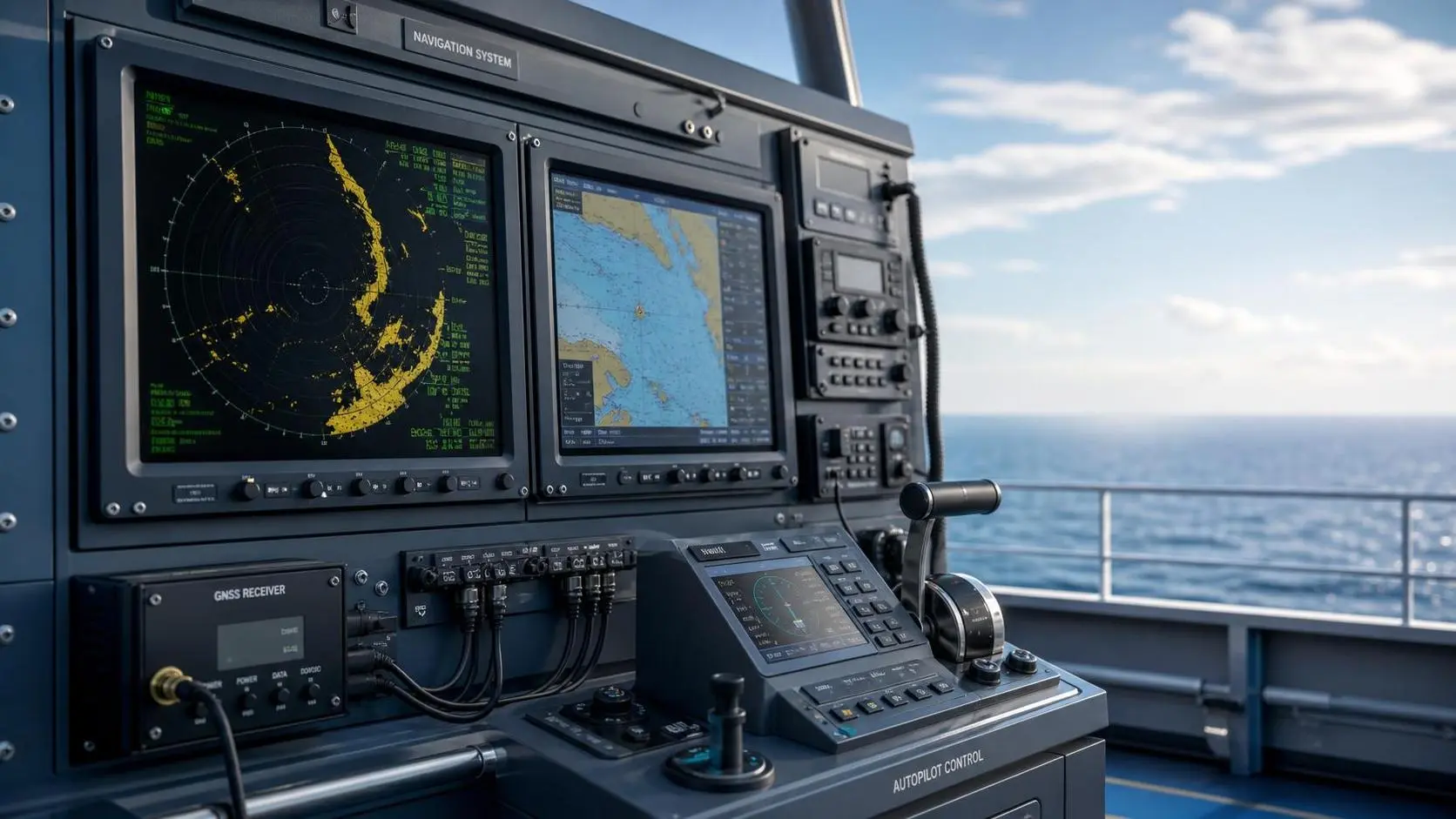
What Factors Drive Marine Navigation Components Cost in Commercial Vessel Projects?
Marine navigation components cost is shaped by integration, compliance, installation, and lifecycle support. Discover what drives pricing and how buyers can reduce risk while improving value.
Related News
- 00
0000-00
How Crash Management Components Reduce Repair Costs and Improve Impact Performance - 00
0000-00
Supplier Capability Evaluation Process: Key Criteria for B2B Sourcing Decisions - 00
0000-00
How to Evaluate a Seat Sensing Technology Supplier for Safety and Integration? - 00
0000-00
B2B Product Intelligence Platforms: How to Compare Features, Data Coverage, and ROI - 00
0000-00
What Factors Drive Marine Navigation Components Cost in Commercial Vessel Projects?
Weekly Insights
Stay ahead with our curated technology reports delivered every Monday.