
How Seat Belt Pretensioners for EVs Improve Crash Safety and System Response
As EV platforms evolve, seat belt pretensioners are no longer just mature carry-over restraint components from internal-combustion vehicle programs. For technical evaluators, they have become a more tightly coupled part of the crash-sensing, occupant-management, and power architecture strategy. The engineering question is not simply whether a vehicle uses pretensioners, but how the pretensioner system is triggered, how early it reacts, what loads it introduces into the occupant restraint chain, and how well it integrates with the wider safety logic of an electric vehicle.
That matters because EV crash behavior is changing in practical ways. Battery packs alter floor height, mass distribution, and structural stiffness. Front compartments may deform differently. The higher curb weight of many battery-electric vehicles increases kinetic energy in common test conditions, while software-defined architectures are pushing safety electronics into more centralized domains. In that environment, seat belt pretensioners for EVs are increasingly judged not as isolated hardware, but as timing-critical actuators inside a multi-system response loop.
Why pretensioning has become more important on EV platforms
The core function of a pretensioner is familiar: remove slack from the belt rapidly at the beginning of a crash event so the occupant is positioned earlier and more consistently for the rest of the restraint sequence. What has changed is the consequence of timing errors.
In an EV, even small variations in occupant kinematics can have larger downstream effects because restraint coordination is expected to manage a broader set of scenarios: frontal offset crashes, oblique events, far-side loading, secondary impacts, and increasingly pre-crash interventions triggered by advanced driver assistance systems. If the belt does not engage the occupant early enough, the airbag may deploy into a less controlled body position. If the pretensioner is too aggressive or poorly phased with force limiting, chest loading and neck dynamics may worsen. If the trigger logic is too conservative, valuable milliseconds are lost. If it is too sensitive, false activations create unacceptable service and liability problems.
Technical evaluation therefore needs to move beyond a binary “pretensioner present or not” view. The relevant issue is restraint orchestration.
The basic mechanism is simple; the system role is not
Most pretensioners still rely on a pyrotechnic or electromechanical mechanism to retract belt webbing or tighten the buckle side when a crash threshold is reached. In practical vehicle programs, several architectures are common: retractor pretensioners, buckle pretensioners, and combinations that target different occupant motions. Some systems add multi-stage activation logic or pair pretensioning with adaptive load limiting.
For evaluators, the distinction matters because the mechanical path affects both response speed and occupant coupling. A retractor pretensioner typically manages webbing slack directly and helps position the torso earlier against the seatback and frontal restraint system. A buckle pretensioner can improve lap belt positioning and reduce submarining tendency when used correctly within the seat and belt geometry package. Combined systems may offer more stable kinematic control, but they also increase calibration complexity and packaging burden.
On EV platforms, packaging is rarely neutral. Battery pack layout, seat mounting height, center-console structures, and underfloor stiffness can all affect belt routing, seat structure interaction, and anchor point optimization. The pretensioner cannot be assessed apart from those constraints.
Crash safety improvement comes from earlier occupant control, not just higher belt force
A common misconception is that better pretensioning simply means “pulling harder.” In reality, crash benefit comes from reducing slack early enough to stabilize occupant motion before excursion grows. This improves airbag engagement, supports load sharing across the restraint system, and can reduce harmful out-of-position effects.
In frontal crashes, an effective pretensioner helps the pelvis and torso engage the restraint earlier, limiting forward displacement before peak deceleration. In oblique crashes, it can improve alignment with frontal airbags and side support structures. In far-side events, especially with center airbags or advanced seat designs, the timing of belt tightening becomes even more important because the restraint must control lateral as well as forward occupant motion.
EVs add another layer: deceleration pulse shape may differ from legacy platforms because of vehicle mass, structural load paths, and front-end packaging. That means a proven pretensioner design from an ICE platform may not deliver equivalent occupant performance after migration to an EV skateboard architecture. The hardware may still function correctly, but the tuning window may shift.
System response in EVs depends on sensor fusion and controller strategy
In modern restraint systems, the pretensioner is activated based on signals from crash sensors and the airbag control unit. The technical challenge is no longer only sensor accuracy, but the quality of event classification under real-world variation.
Crash sensing typically combines central accelerometers with satellite sensors positioned in areas such as the front structure or side zones. In higher-integration E/E architectures, the restraint domain may also exchange information with braking, ADAS, or vehicle dynamics systems, subject to safety design boundaries. For seat belt pretensioners for EVs, this opens two important paths.
One is classic in-crash deployment: the system identifies a crash pulse and fires the pretensioner within a tightly calibrated window. The other is pre-crash or reversible restraint activation, where the belt is tightened ahead of an imminent impact based on emergency braking or collision prediction. These are not equivalent functions. Reversible pre-pretensioning can improve occupant position before impact, but it does not replace the high-energy role of an irreversible crash pretensioner.
For evaluators, the system-level question is whether the OEM or supplier has clearly separated these functions in the control logic and validated transitions between them. Poor interaction can create edge cases: unnecessary belt intervention, occupant discomfort that drives user dissatisfaction, or complex fault handling when pre-crash activation and crash deployment overlap.
Pyrotechnic versus electromechanical solutions: the trade-off is broader than reusability
Pyrotechnic pretensioners remain dominant because they provide very fast, high-force action in a compact package and have a long validation history in passive safety. Electromechanical systems, including reversible belt tensioning concepts, are attractive in software-rich platforms because they support pre-crash intervention and in some cases repeated use without replacement after non-crash activation.
But technical assessment should avoid simplistic comparisons. Pyrotechnic systems usually offer predictable peak response for severe crash deployment, while electromechanical solutions depend heavily on motor capability, power management, and control strategy. In an EV, that introduces additional considerations: low-voltage stability, power reserve during fault conditions, wake-up behavior, network latency, and cyber-functional boundaries if commands are distributed across domains.
Reversible systems may strengthen NCAP-oriented preventive safety strategies, but they do not eliminate the need to evaluate crash-grade restraint performance under homologation and severe-load scenarios. In other words, electromechanical sophistication is useful only if the final occupant containment performance remains robust when the event exceeds the predictive envelope.
Battery-electric architecture changes the validation burden
There is a tendency in some sourcing and engineering discussions to treat seat belt systems as relatively mature commodities. That is risky on EV programs. Vehicle electrification changes the validation burden in at least four ways.
First, mass increase can alter crash severity exposure even when official test protocols remain unchanged. Second, seat package and H-point changes can affect belt fit across occupant sizes. Third, body structures designed around battery protection may create different deceleration signatures and intrusion patterns. Fourth, software centralization means restraint deployment timing may depend on more complicated electrical and communication architectures than in older distributed systems.
For this reason, technical evaluators should insist on vehicle-specific data rather than accept platform-lineage arguments. “Used on our previous model” is not enough. The relevant evidence is sled correlation, full-vehicle crash performance, occupant-size coverage, seat-position coverage, and confirmation that pretensioning behavior remains valid under realistic electrical fault scenarios.
The standards context: what can be said with confidence
Pretensioner development and validation sit within broader occupant restraint and vehicle safety frameworks rather than a single standalone rule. Depending on market, evaluation may relate to UNECE regulations, FMVSS requirements in the United States, and consumer-rating protocols such as Euro NCAP or IIHS test programs. Exact applicability depends on vehicle category, geography, and model launch strategy.
Because regulatory mapping changes over time, model-specific claims should be checked against current program requirements. A cautious technical position is that pretensioners influence compliance and rating performance through their role in occupant restraint timing, chest and head injury management, and overall crash pulse coordination, but no evaluator should assume that passing one test configuration validates all relevant occupant conditions.
Where standards references are needed for sourcing or design review, current versions should be verified directly against the applicable UNECE, NHTSA/FMVSS, Euro NCAP, and IIHS documentation. Any claim of “global compliance ready” without region-by-region confirmation should be treated as 【待核实】.
What technical evaluators should actually check
The most useful review questions are not marketing-level. They are engineering questions tied to failure modes and integration risk.
Start with trigger performance. What is the activation threshold logic? How is variation managed across frontal, offset, oblique, and side-relevant scenarios? What is the response time from crash detection to belt force application at the occupant? Bench-level firing time alone is not sufficient.
Then look at occupant management. Is the system paired with adaptive load limiting? How does it perform across 5th percentile female to 95th percentile male dummies or equivalent assessment conditions? How does seatback angle affect belt coupling? Does the system maintain effective pelvis restraint and limit submarining in the actual seat geometry?
Electrical architecture is the next filter. Does the pretensioner rely on a dedicated firing loop with proven fault detection? If reversible functions are included, what is the fallback state during low-voltage disturbances or communication loss? In EVs, isolation strategies and crash-triggered high-voltage shutdown are often discussed separately, but restraint engineers should verify that these parallel safety actions do not introduce unintended timing interactions.
Finally, assess manufacturability and field risk. Pretensioners are safety-critical devices with strict process controls, traceability requirements, and transport restrictions when pyrotechnic elements are involved. Supply-chain resilience matters because qualification is not trivial to switch mid-program. A technically strong concept with unstable sourcing is not a low-risk choice.
Common mistakes in program reviews
One recurring mistake is overvaluing component specifications while undervaluing calibration quality. A fast pretensioner on paper may still underperform in the vehicle if seat geometry, sensor thresholds, and airbag timing are poorly aligned.
Another is treating pre-crash belt tightening as a substitute for crash pretensioning. It is not. The two functions serve different points in the event timeline and need separate validation.
A third mistake is assuming EVs inherently require a completely new pretensioner technology. In many cases, the issue is not a revolutionary actuator but better integration: more precise sensing, improved occupant classification, coordinated force limiting, and tuning for EV-specific crash pulses.
There is also a commercial error that technical teams often see too late: underestimating revalidation effort when migrating a seat belt module across seat suppliers, body-in-white changes, or regional certification paths. Because the pretensioner sits at the intersection of seat, body, sensor, and airbag systems, integration changes cascade quickly.
Where the technology is heading
The direction of travel is clear even if implementation varies by OEM. Pretensioners are becoming more software-aware, more tightly linked to pre-crash functions, and more dependent on occupant-state information from seat sensors and cabin monitoring. In premium and safety-led segments, the distinction between passive and active restraint management is narrowing.
That does not mean the industry will abandon pyrotechnic systems soon. Their crash performance, packaging efficiency, and established validation base remain powerful advantages. The more realistic near-term trend is hybridization of restraint logic: reversible positioning before impact where beneficial, then irreversible high-speed pretensioning and load management during the crash event.
For technical evaluators, the practical implication is straightforward. The right question is no longer “does this EV use pretensioners?” It is “how well does the pretensioner strategy fit the vehicle’s crash pulse, electrical architecture, seat package, and target compliance envelope?” Programs that answer that well tend to show stronger real-world restraint consistency, not just better specification sheets.
In next-generation electric mobility, seat belt pretensioners are best understood as precision timing devices inside a larger safety system. Their value comes from coordination: with sensors, with airbags, with seat geometry, with software, and with the structural realities of EV platforms. That is where meaningful crash safety improvement is now being won or lost.
Related News
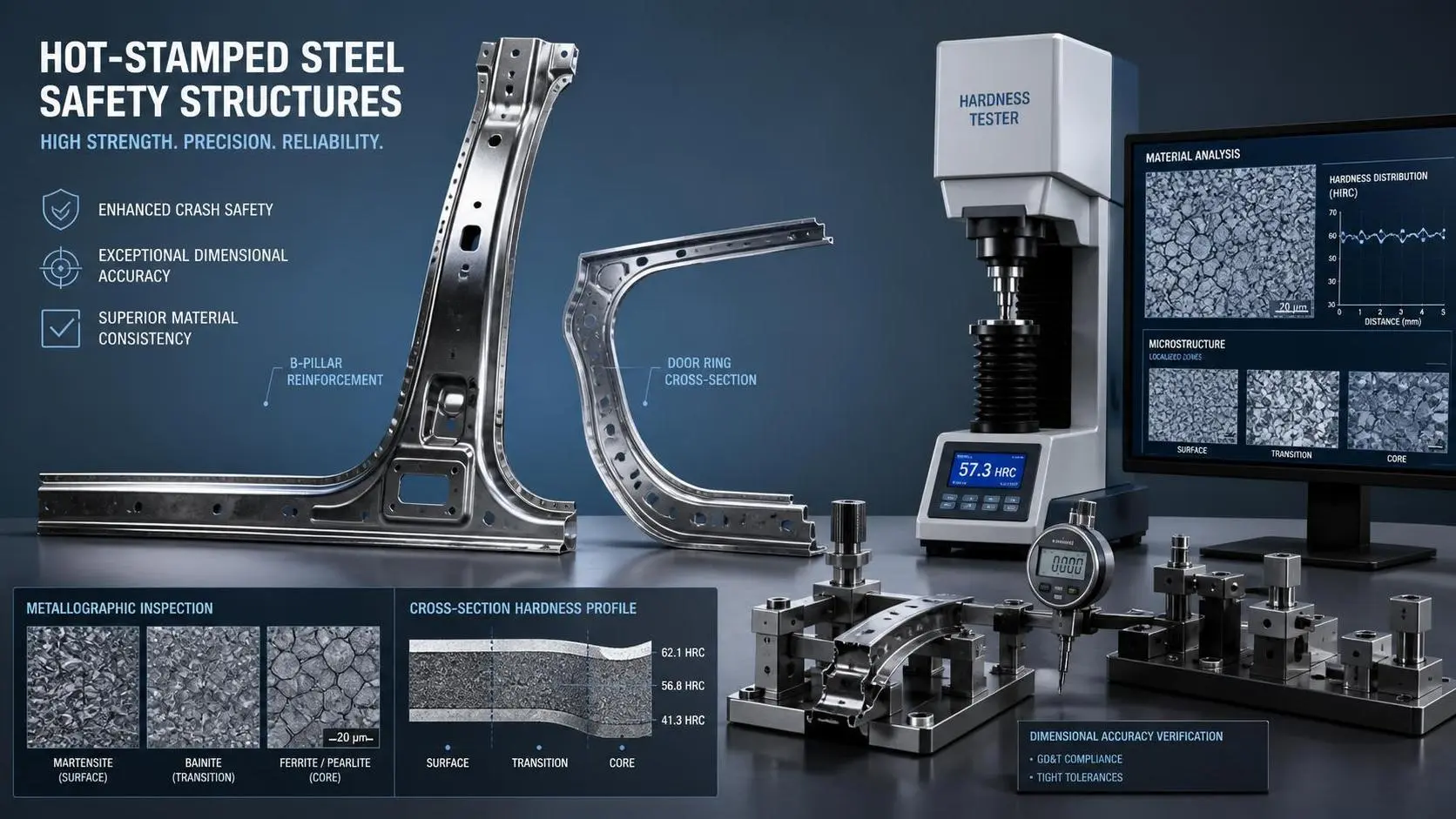
How to Evaluate High Strength Hot Stamped Steel Parts for Crash-Safety Applications
High strength hot stamped steel parts for crash-safety applications: learn how to assess strength, microstructure, dimensional accuracy, and process stability for safer sourcing decisions.
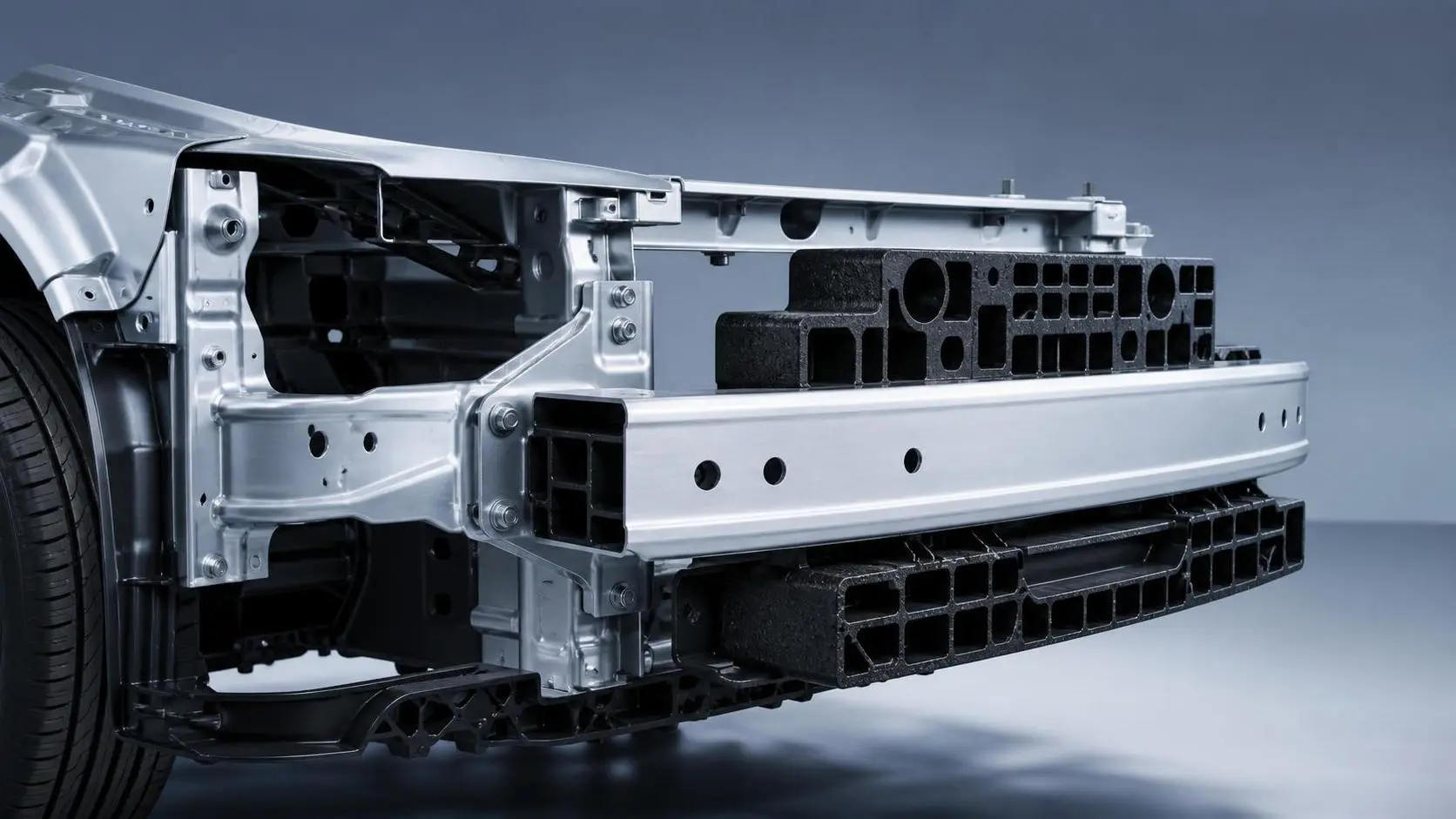
How Crash Management Components Reduce Repair Costs and Improve Impact Performance
Crash management components help reduce repair costs, protect critical vehicle structures, and improve impact performance. Learn how smarter design supports safer, more cost-efficient mobility programs.
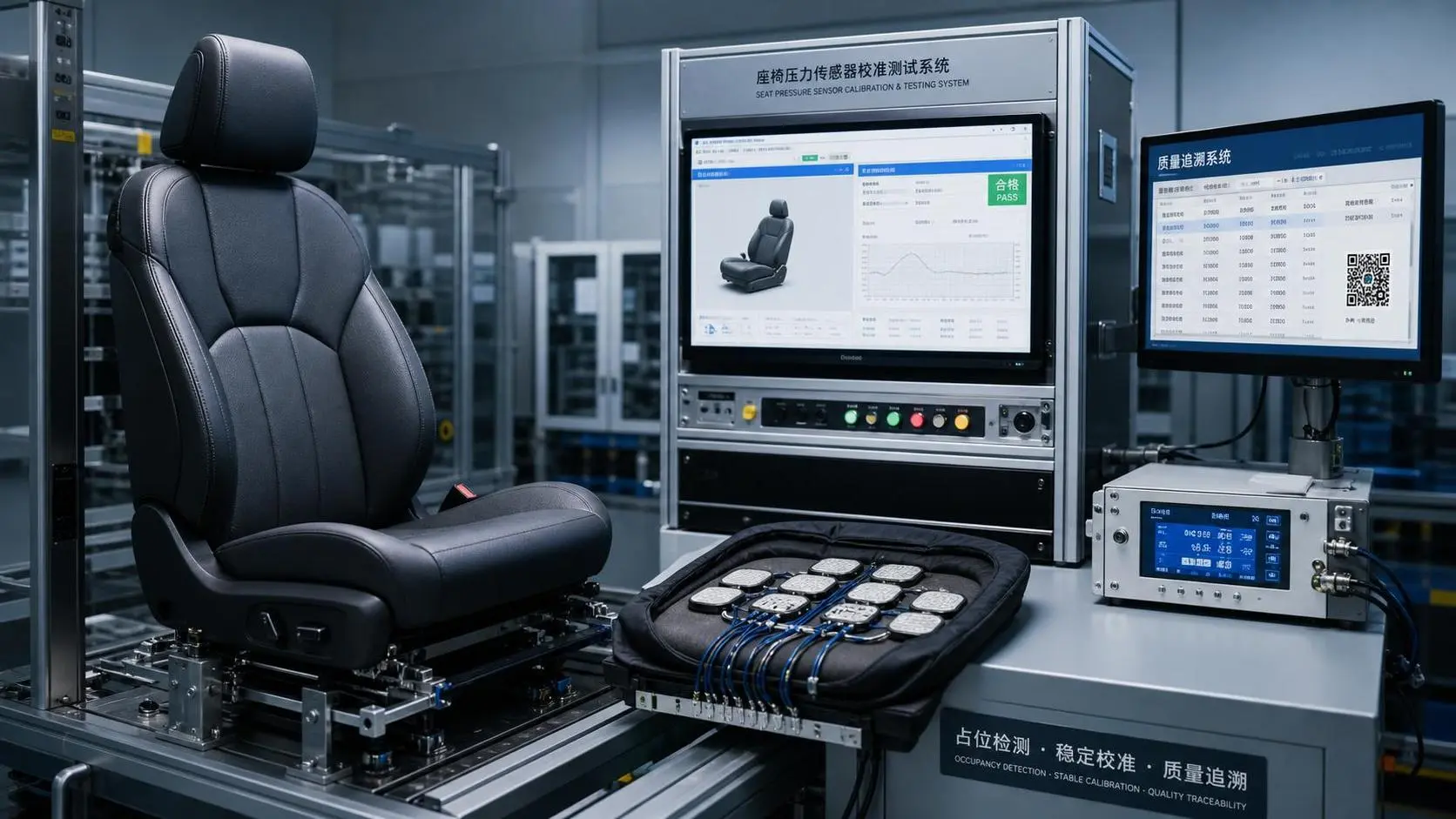
How to Evaluate a Seat Sensing Systems Factory for Automotive Safety Programs
Seat sensing systems factory selection goes beyond price. Learn how to assess quality control, validation, PPAP readiness, and long-term supply reliability for safer automotive programs.
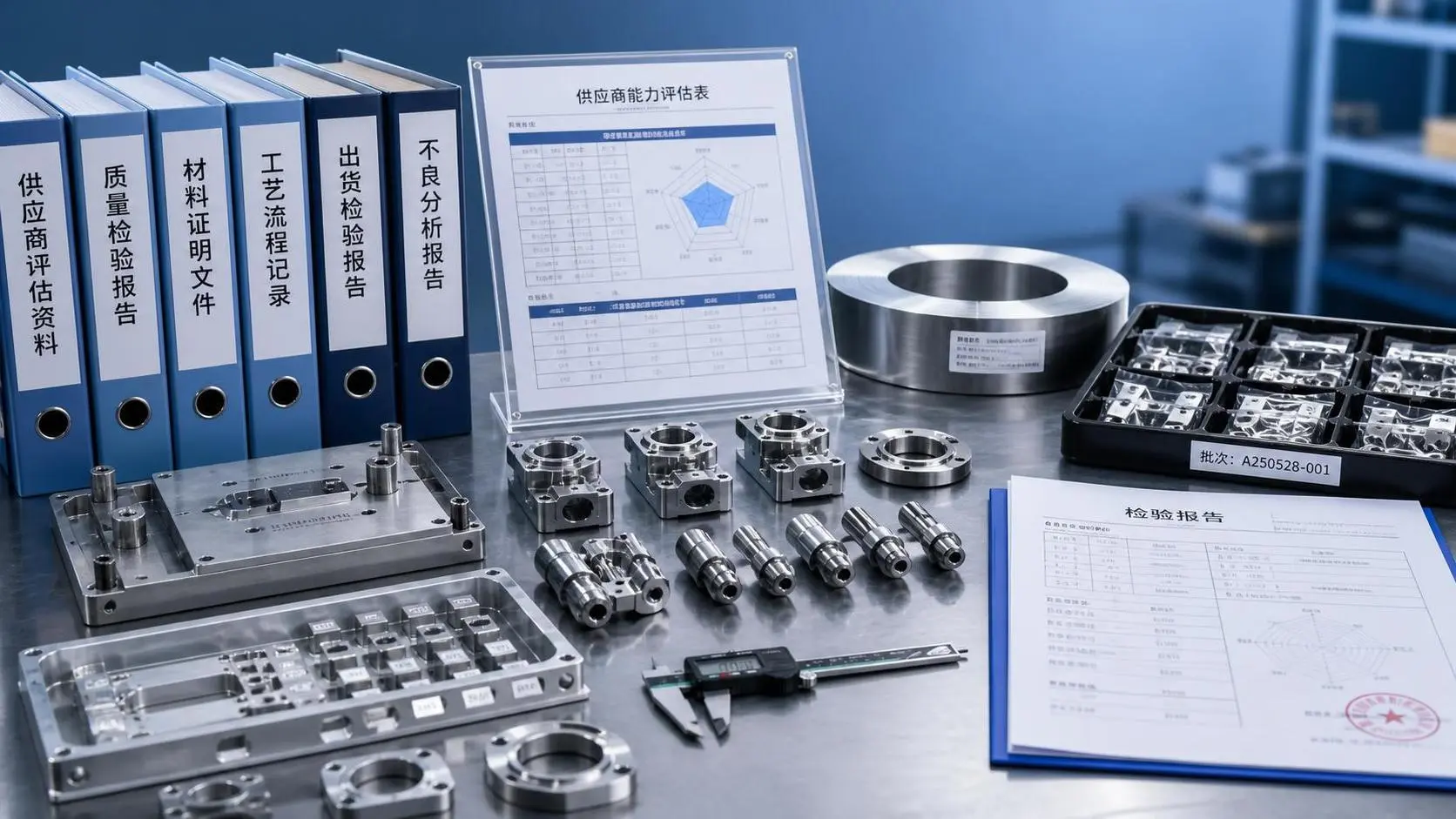
Supplier Capability Evaluation Process: Key Criteria for B2B Sourcing Decisions
Supplier capability evaluation process explained: learn the key criteria for B2B sourcing decisions, reduce supplier risk, and choose partners with confidence.
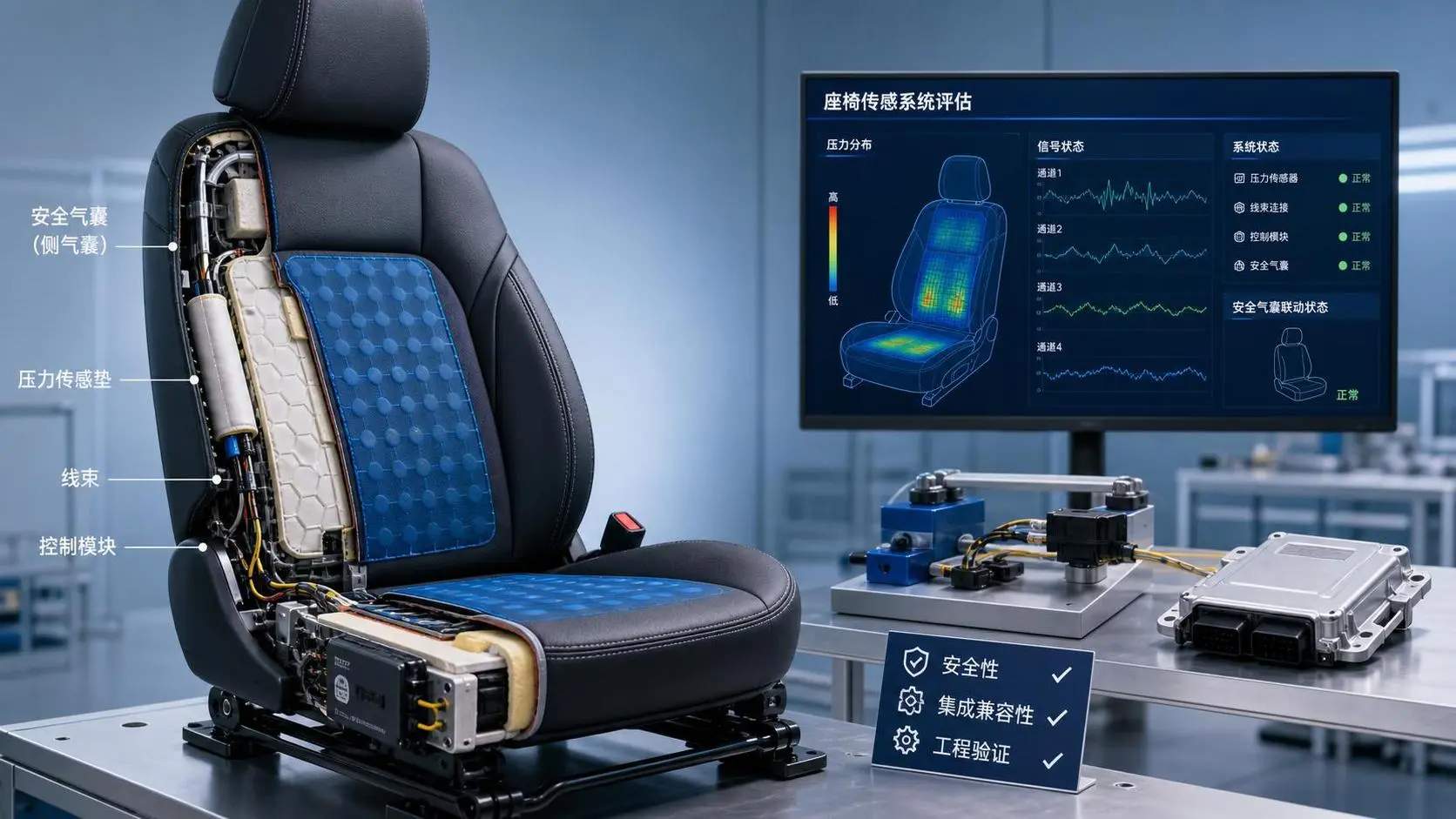
How to Evaluate a Seat Sensing Technology Supplier for Safety and Integration?
Seat sensing technology supplier evaluation guide: compare safety maturity, integration fit, algorithm reliability, and validation support to choose a partner that reduces risk.
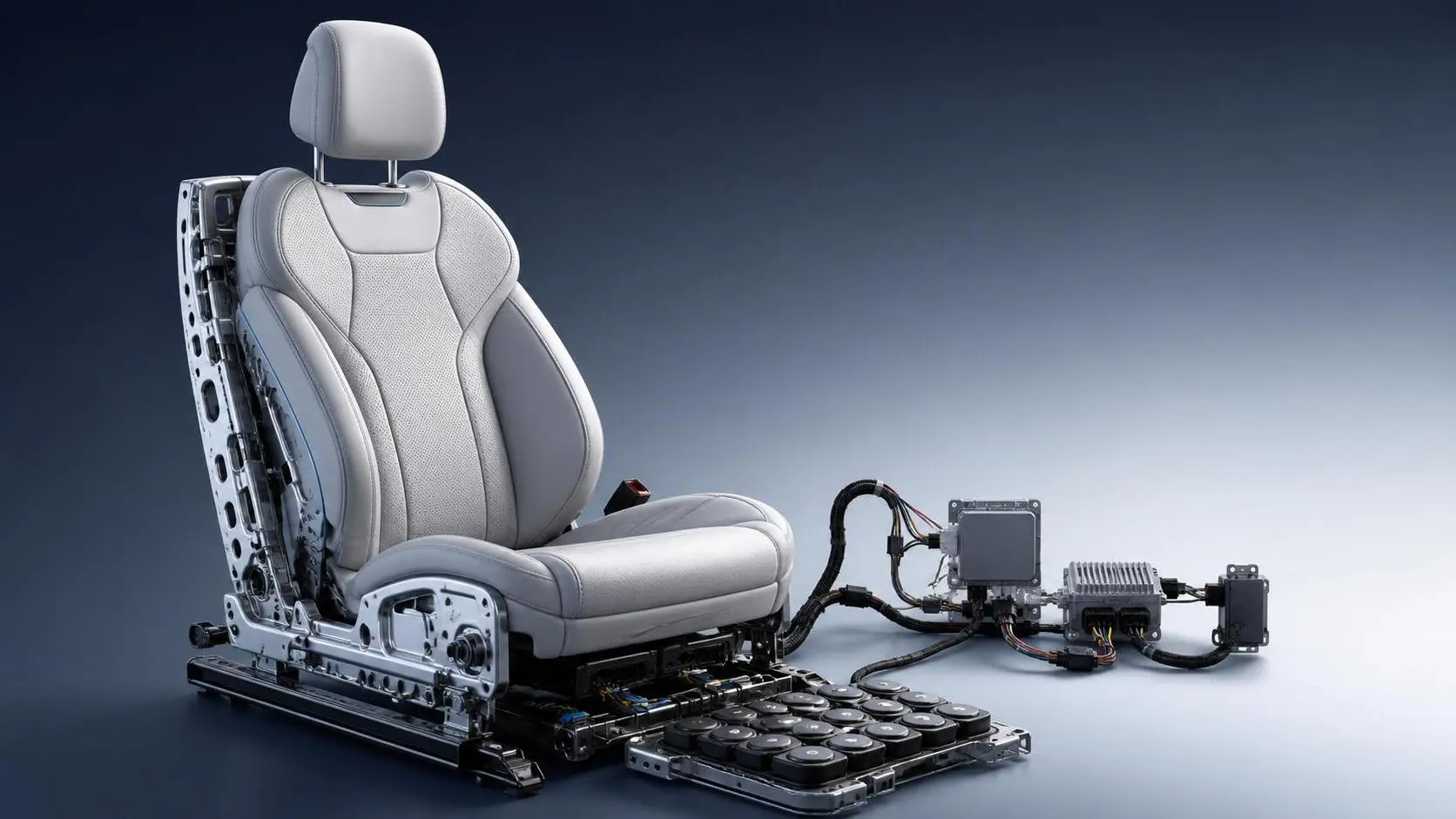
How to Evaluate Custom Smart Automotive Seating for Premium Vehicle Programs?
Custom smart automotive seating evaluation starts with safety, comfort, integration, and production readiness. Discover how premium vehicle teams choose smarter, lower-risk seat solutions.
B2B Product Intelligence Platforms: How to Compare Features, Data Coverage, and ROI
B2B product intelligence platform comparison: learn how to evaluate data coverage, feature depth, compliance visibility, and ROI to choose a sourcing tool that reduces risk and speeds decisions.
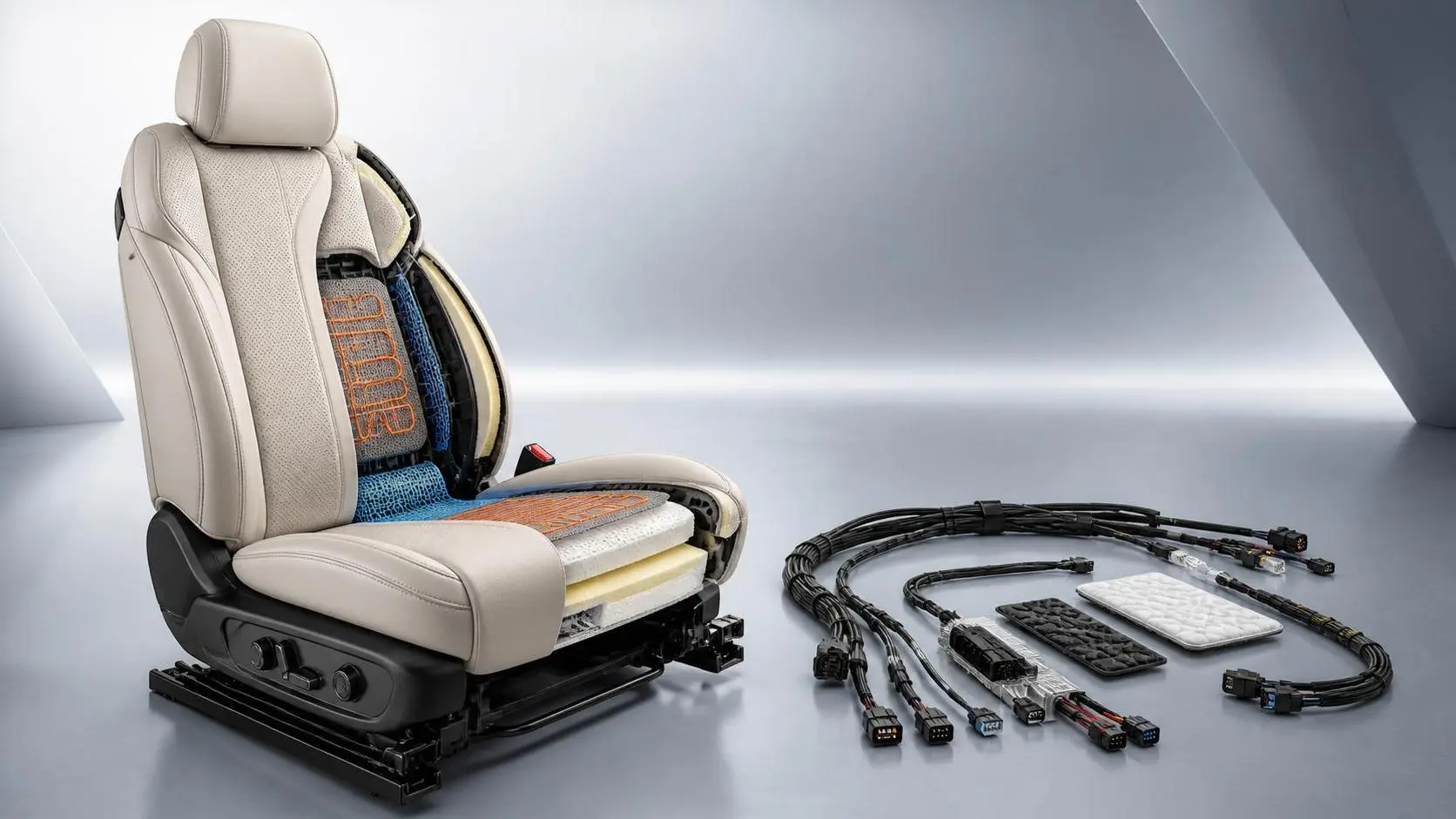
Climate Control Seats Cost: What Drives Price and Long-Term Ownership Value?
Climate control seats cost depends on materials, thermal tech, and integration. Learn what drives price and how to judge long-term value before you buy.
What Factors Drive Marine Navigation Components Cost in Commercial Vessel Projects?
Marine navigation components cost is shaped by integration, compliance, installation, and lifecycle support. Discover what drives pricing and how buyers can reduce risk while improving value.
Related News
- 00
0000-00
How Seat Belt Pretensioners for EVs Improve Crash Safety and System Response - 00
0000-00
How Do Seatbelt Systems with Pretensioner Improve Crash Protection? - 00
0000-00
How Seatbelt Technology for Buses Improves Passenger Safety and Meets Compliance Needs - 00
0000-00
How Buckle Pretensioner Systems Improve Occupant Restraint in Modern Vehicles - 00
0000-00
Integrated Seatbelt Systems vs Conventional Designs: Which Fits Your Vehicle Platform Better?
Weekly Insights
Stay ahead with our curated technology reports delivered every Monday.