
Industrial Product References: How to Verify Specs Before Ordering
An inaccurate specification can turn a routine purchase into a costly delay or a safety risk. For procurement teams sourcing marine navigation equipment, automotive stampings, or cabin safety components, an industrial product reference for procurement is only as reliable as the evidence behind it. Before ordering, buyers need to verify part numbers, technical parameters, compatibility, certifications, and revision status against current supplier documentation.
The challenge is that a reference may look complete while leaving out the detail that determines whether a product can actually be installed, approved, or used. A familiar part number is reassuring, but it is not a substitute for checking its suffix, software version, manufacturing revision, or intended application. The following approach helps purchasing teams turn a product reference into an order that engineering, quality, and receiving can all recognize.
Start with the application, not the catalog description
Before comparing supplier documents, write down what the equipment or component must do in its actual operating environment. A catalog entry may describe a radar as suitable for marine navigation, for example, but the buyer still needs to establish the vessel’s installation constraints, required interfaces, power supply, operating conditions, and applicable approval requirements.
For automotive components, the application may be even more specific. A seatbelt retractor or airbag assembly can be physically similar to another version while differing in mounting geometry, electrical connections, calibration, or vehicle-program requirements. A stamped body part may share a name with an earlier design but use a different material grade or manufacturing revision.
Ask the internal engineering or product owner to identify the requirements that are mandatory, those that are preferred, and those that need supplier confirmation. This distinction prevents procurement from treating every catalog feature as equally important—or overlooking a safety-critical requirement because it was not included in the request for quotation.
What should an industrial product reference for procurement contain?
A useful reference is more than a product name and a link. It is a traceable record connecting the item being ordered to the requirements and evidence used to approve it. Depending on the purchase, that record should include:
- Product identity: manufacturer, full part number, suffix, model, configuration, and description.
- Revision status: drawing, specification, firmware, software, or document revision where relevant.
- Technical requirements: dimensions, tolerances, materials, performance limits, interfaces, and environmental conditions.
- Application details: vessel, vehicle program, assembly location, intended use, and approved configuration.
- Evidence: current datasheets, drawings, test reports, declarations, and applicable approval documents.
- Commercial terms: unit of measure, quantity, packaging, lead time, warranty, and change-notification requirements.
Record the source and date of each document. If a distributor’s listing disagrees with the manufacturer’s controlled drawing, do not quietly choose the more convenient answer. Raise the discrepancy and obtain an authorized clarification before the purchase order is released.
Verify the identity behind the part number
Part numbers are often treated as exact identifiers, but their meaning depends on the manufacturer’s numbering system. A suffix may distinguish a connector, mounting arrangement, material, regional configuration, or software package. Even punctuation and leading zeros can matter when an order moves between supplier and buyer systems.
Compare the complete part number on the quotation with the approved drawing or specification and the purchase order. Confirm whether the quoted item is new production, replacement stock, refurbished equipment, or an alternative version. If an item has been superseded, ask the manufacturer or authorized supplier for written confirmation of the replacement and any differences that affect fit, function, validation, or approval.
Cross-references deserve particular care. A supplier may describe two products as equivalent because they serve a similar purpose, while the original equipment manufacturer may have approved only one for the application. Treat equivalence as a claim to evaluate, not as authorization to substitute. For safety-critical parts, follow the responsible engineering and quality teams’ formal change-control process.
Compare specifications in the conditions that matter
A specification sheet can contain the right number in the wrong context. Check units, tolerances, test conditions, and whether a value is a nominal figure, a minimum, or a maximum. If one supplier quotes capacity under different operating conditions from another, the figures may not support a direct comparison.
For a stamped automotive part, a meaningful review may include material grade, thickness, coating, forming process, dimensional tolerances, and the drawing revision. For a marine navigation system, it may include sensor inputs, display and network interfaces, power requirements, environmental suitability, and software compatibility. A smart seat assembly may require checks on mounting points, electrical architecture, sensing functions, and the configuration of any integrated restraint components.
Do not rely solely on a headline feature such as “high-strength steel” or “compatible with existing systems.” Ask for the controlled technical specification and identify the acceptance criteria that will be used when the goods arrive. If a requirement cannot be verified from the documents supplied, mark it as an open issue rather than assuming compliance.
Check the boundaries between components
Compatibility problems frequently occur at interfaces: a connector fits but uses a different pin assignment; a navigation device communicates over a supported protocol but requires an incompatible software version; a seat frame aligns with mounting points but conflicts with another part of the assembly.
Request interface drawings, installation instructions, and configuration details where appropriate. The responsible technical team should confirm fit, electrical and data interfaces, environmental limits, and system-level dependencies. Procurement’s role is to make sure those confirmations are obtained and attached to the sourcing record before an order becomes difficult to reverse.
Match compliance evidence to the actual order
Certificates and test reports are valuable only when they apply to the product, configuration, and intended market. A document bearing a recognizable standard or approval mark does not automatically cover every model in a supplier’s catalog.
Check the document’s scope against the full product identification, relevant revision, issuing organization, and stated validity or applicable conditions. Confirm whether it covers the supplied assembly, a component within it, or a broader management system. A quality-management certificate, for example, is not by itself proof that a specific part meets a drawing or performance requirement.
For marine equipment, the vessel type, flag, class, trading area, and equipment function can affect which approvals are needed. For automotive safety components, requirements depend on the destination market, vehicle application, and applicable approval or customer-validation route. Ask the appropriate engineering, regulatory, or quality specialist to determine the requirements; procurement should then obtain and retain the corresponding evidence.
Where a test report is supplied, review what was tested, the relevant configuration, the method, and the result. If the production item differs from the tested sample, request an explanation of how the evidence remains applicable. A declaration without traceable supporting information may be a starting point for discussion, but it should not close a critical compliance question on its own.
Put supplier claims through a practical evidence check
Before selecting a supplier, compare answers across three layers: what was requested, what was quoted, and what can be demonstrated. The following questions are useful during clarification:
- Does the quotation identify the exact part, revision, quantity, and unit of measure?
- Are all mandatory technical requirements acknowledged, including any exceptions?
- Are drawings, datasheets, and compliance documents current and applicable to the quoted configuration?
- Will the supplier notify the buyer before changes to material, manufacturing location, design, software, or other agreed characteristics?
- Can the supplier provide the traceability and inspection records required by the purchase agreement?
- Who has authority to approve a substitution or deviation, and how will that approval be documented?
Written exceptions are not necessarily a reason to reject a bid. They are a reason to understand it. An openly declared difference can be reviewed by engineering; an undisclosed assumption may only become visible when installation stops or an inspection fails.
Compare total purchasing risk, not just quoted price
The lowest unit price may be attractive when budgets are tight, especially for repeat purchases. Yet an incomplete reference can transfer costs downstream: expedited freight for a replacement, inspection and rework, production disruption, installation delays, or the administrative effort of resolving a nonconformance.
Build the comparison around the costs and risks that can reasonably be established before ordering. Include tooling or setup charges where applicable, packaging, transport, duties, minimum order quantities, payment terms, and the consequences of the quoted lead time. Check whether testing, documentation, software licenses, installation accessories, or calibration are included or charged separately.
For long-lead or application-specific items, ask how long the quotation remains valid and what happens if the manufacturer changes the design or discontinues a component. An apparently inexpensive offer may not be comparable if it excludes required documentation or depends on an unapproved substitute.
This does not mean choosing the most expensive option as a precaution. It means comparing offers on the same technical and commercial basis, with unresolved differences visible to the decision-makers.
Turn verification into purchase-order controls
Once the review is complete, carry the important details into the purchase order or its referenced documents. A well-organized internal file has limited value if the supplier receives only a generic description.
Specify the full part number and revision, applicable drawing or specification, quantity and unit, required documentation, packaging or handling conditions, and agreed inspection requirements. State how deviations and substitutions must be requested and approved. For components with shelf-life, storage, hazardous-material, or handling requirements, confirm the applicable conditions with the supplier and the responsible internal specialists.
Keep the verification record accessible to receiving and quality teams. They need to know what to check: identification and quantity at a minimum, plus certificates, traceability, revision status, or other agreed evidence where required. A receiving inspection cannot reliably catch a mismatch if the approved configuration is missing from the order record.
When the reference and the supplier response disagree
Pause the order when a discrepancy affects fit, function, safety, compliance, or an agreed requirement. Log the conflicting sources, identify the potential impact, and assign the question to someone authorized to resolve it. That may be a design engineer for an interface difference, a quality representative for traceability evidence, or a regulatory specialist for an approval question.
Obtain the resolution in writing and update the controlled reference before ordering. If the decision is to accept a deviation, record its scope and approval; do not allow a one-time exception to become an assumed permanent change. For urgent purchases, the same principle applies: urgency may change who is involved and how quickly they respond, but it does not make an undocumented substitution less consequential.
Industry intelligence from sources such as GNCS can provide useful context on developments in marine navigation, automotive structures, and cabin safety. It should, however, support rather than replace product-specific supplier evidence and internal technical approval.
The best time to resolve an uncertain specification is before it becomes a delivery, installation, or safety problem. A reliable industrial product reference connects the intended application to a clearly identified item, current evidence, and an actionable purchase order. That connection gives procurement teams a stronger basis for comparing offers—and a clearer path to receiving what the business actually needs.
Related News

How to Evaluate Supplier Solution References Before Signing a Contract
Evaluate supplier solution references with confidence. Learn how to verify technical evidence, identify delivery risks, and close gaps before signing a contract.

How Capacitive Seat Occupancy Sensing Works in Automotive Airbag Systems
Discover how capacitive seat occupancy sensing supports automotive airbag systems, and explore the design, calibration, and validation challenges behind reliable performance.
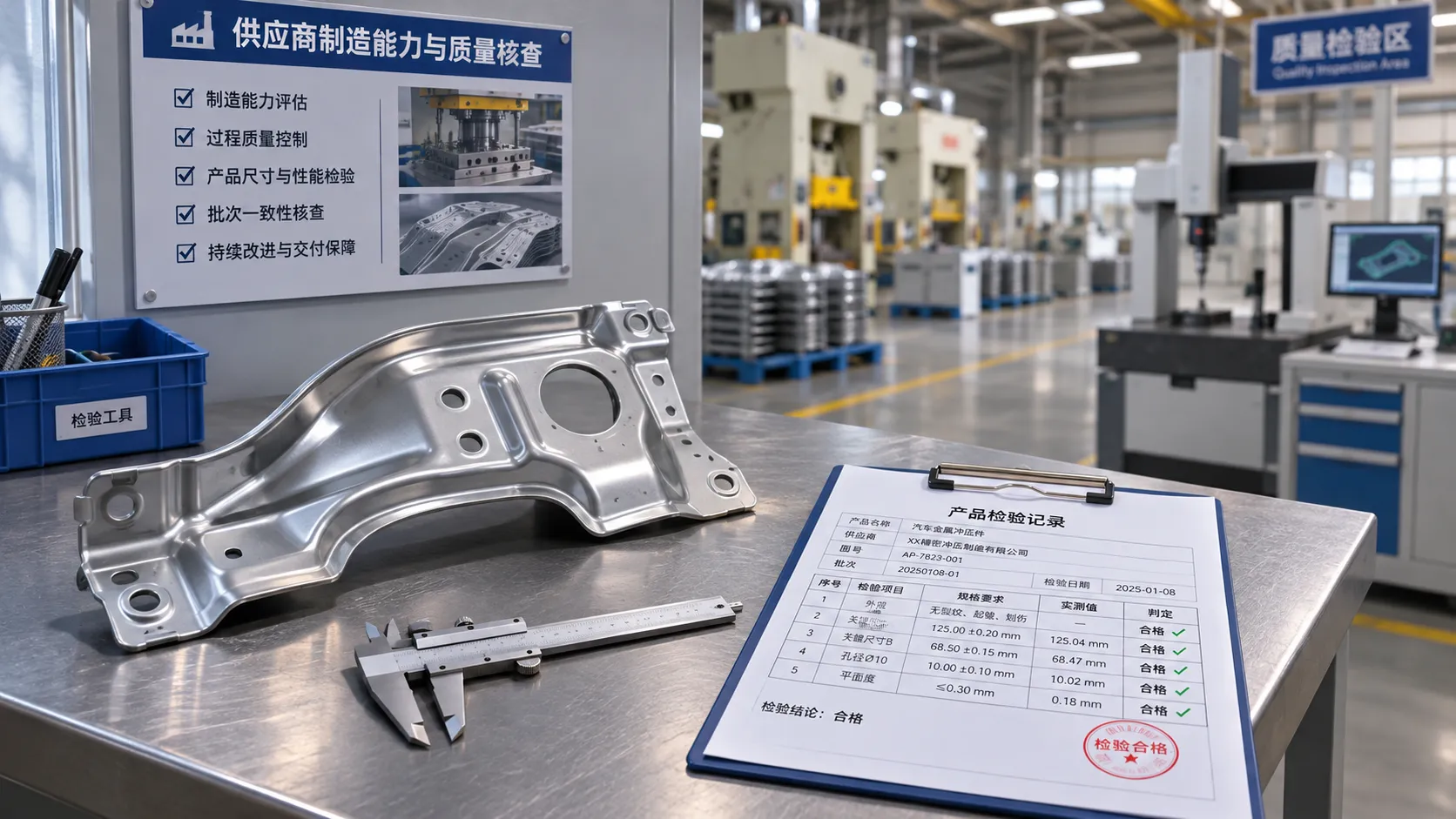
Choosing a Private Label Partner in Europe: Key Supplier Criteria
Private label cooperation Europe buyers can trust starts with the right supplier. Explore key criteria for compliance, quality, traceability and supply resilience.

Integrated Cabin Comfort Systems: How Seat and Cabin Climate Controls Work Together
Discover how integrated cabin comfort systems coordinate seat and climate controls to balance occupant comfort, energy use, safety, and performance.

Automotive Ergonomics Pricing: What Drives Seat System Costs?
Discover what drives automotive ergonomics pricing, from seat mechanisms and safety systems to tooling and volume, and learn how to compare supplier quotes.
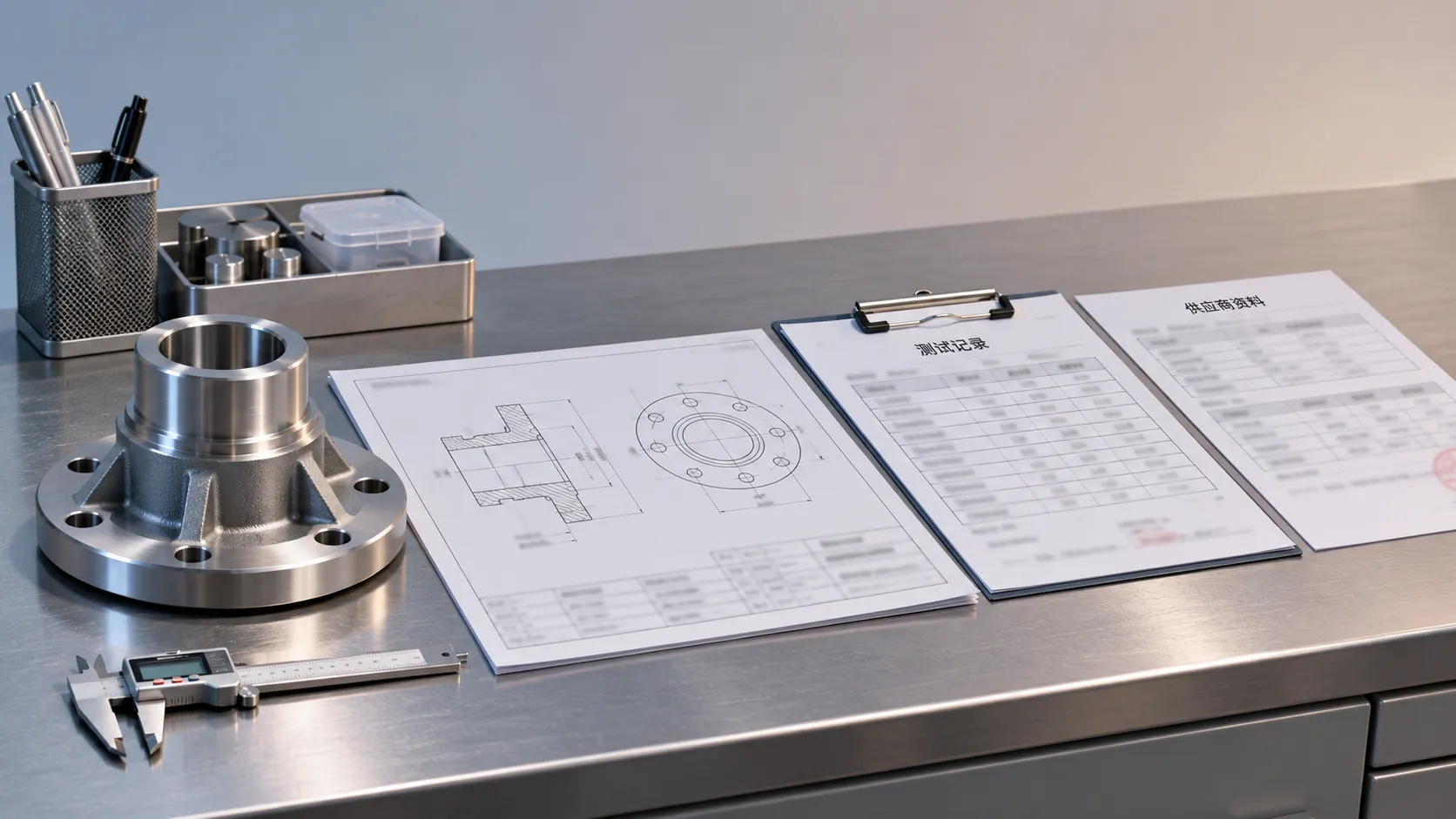
Evaluating Supplier Solutions: How to Verify References and Standards
Supplier solution references and standards can make or break a sourcing decision. Learn how to verify claims, assess compliance, and reduce risk before awarding a contract.
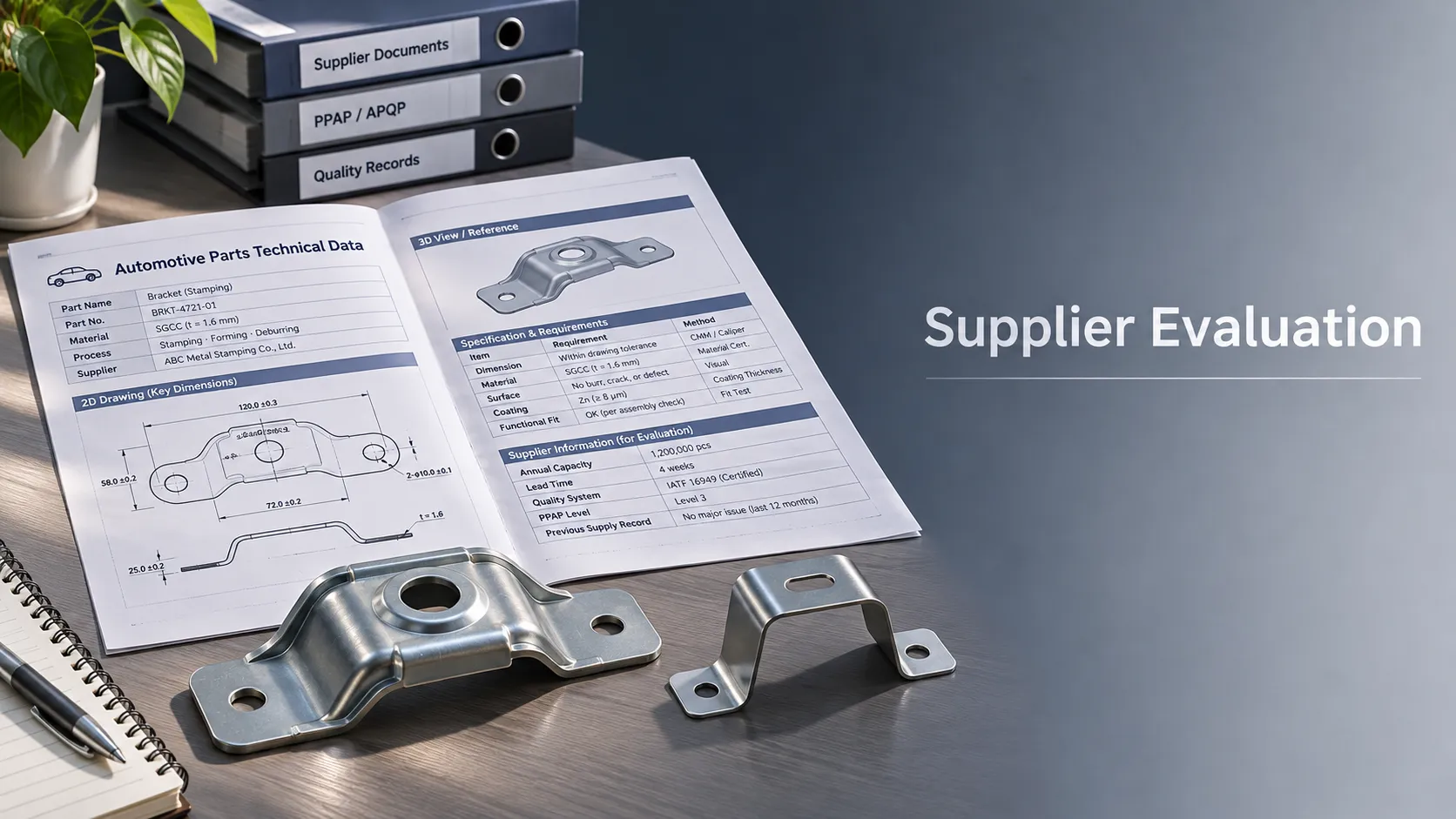
Choosing B2B Product Knowledge Platform Suppliers: Key Evaluation Criteria
Compare B2B product knowledge platform suppliers with confidence. Explore key criteria for data accuracy, supplier transparency, integrations, and value.

Choosing a Marine Radar Systems Supplier: What to Check Before Buying
Choosing a marine radar systems supplier? Compare installed costs, bridge compatibility, compliance evidence, and service support before you buy.

Solution Comparison Resources: How to Evaluate Unbiased Sources
Discover how to evaluate solution comparison resources, spot bias, verify evidence, and make confident purchasing decisions with a practical checklist.
Related News
- 00
0000-00
How to Evaluate Supplier Solution References Before Signing a Contract - 00
0000-00
Industrial Product References: How to Verify Specs Before Ordering - 00
0000-00
Choosing a Private Label Partner in Europe: Key Supplier Criteria - 00
0000-00
Automotive Ergonomics Pricing: What Drives Seat System Costs? - 00
0000-00
Evaluating Supplier Solutions: How to Verify References and Standards
0000-00
Weekly Insights
Stay ahead with our curated technology reports delivered every Monday.