
How to Evaluate Supplier Solution References Before Signing a Contract
A supplier’s impressive project list does not necessarily prove it can deliver your project. A navigation system may have performed well on a different vessel, or an automotive component may have passed an earlier customer’s tests under a different vehicle configuration. Before signing, procurement teams need to establish what was supplied, where it operated, and whether the evidence applies to the proposed solution.
Strong supplier solution references connect a comparable application to traceable evidence of technical performance, delivery, compliance, and support. The goal is not to find a project that looks identical in every detail. It is to identify meaningful differences, determine how the supplier will manage them, and carry unresolved obligations into the contract.
Start with the decisions a reference needs to support
Before requesting case studies, define the aspects of the purchase that could change the outcome. For a marine navigation system, these may include vessel type, operating environment, interfaces with existing equipment, installation constraints, and software support. For an automotive safety component, they may include vehicle integration, production volume, material changes, validation responsibilities, and traceability.
Ask the supplier for references that demonstrate those specific conditions. A broad claim such as “supplied to a major manufacturer” is less useful than a documented project showing the supplier’s role, the solution delivered, the customer’s application, and the period of operation or production.
References should also match the proposed scope. A supplier that manufactured a component to a customer’s design has demonstrated a different capability from one that designed, validated, and integrated the complete assembly. Both can be qualified for the right purchase, but neither experience automatically establishes the other.
Assess how closely supplier solution references match your project
Compare references against the requirements that carry the most technical and commercial risk. The following distinctions help prevent a familiar customer name from overshadowing a critical gap.
A close match is especially valuable when failure could affect safety or when interfaces are difficult to change after installation. An adjacent reference can still be useful for a new application, but it should be paired with a specific plan to close the differences. That plan might include additional design reviews, integration testing, trial production, or customer acceptance activities.
Be cautious with references that are old relative to the solution’s rate of change. A successful installation can demonstrate operational experience, yet it may say little about a substantially revised software architecture or a newly outsourced manufacturing process. Ask what has changed since the project and which evidence remains applicable.
Trace technical claims to the actual solution
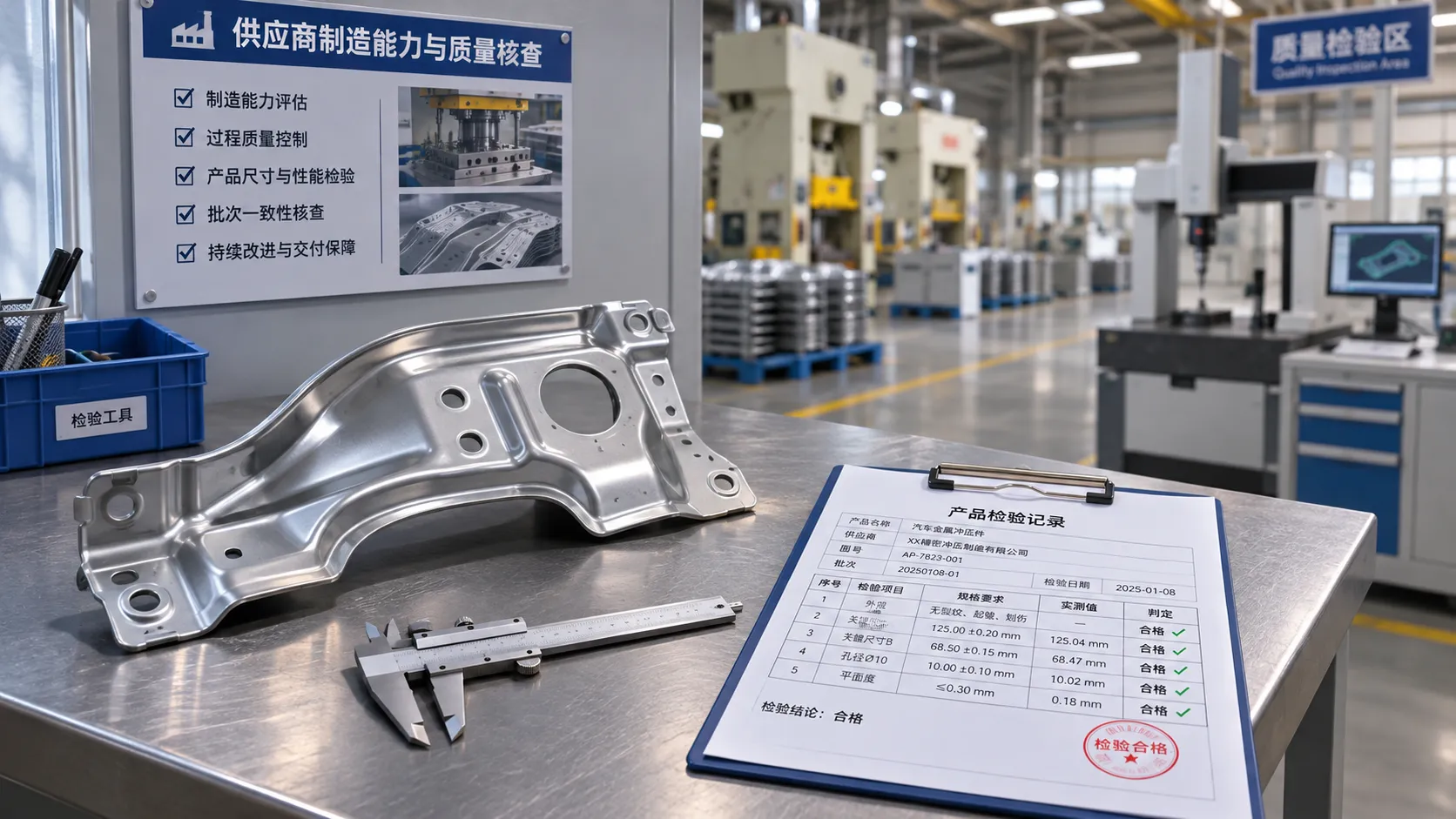
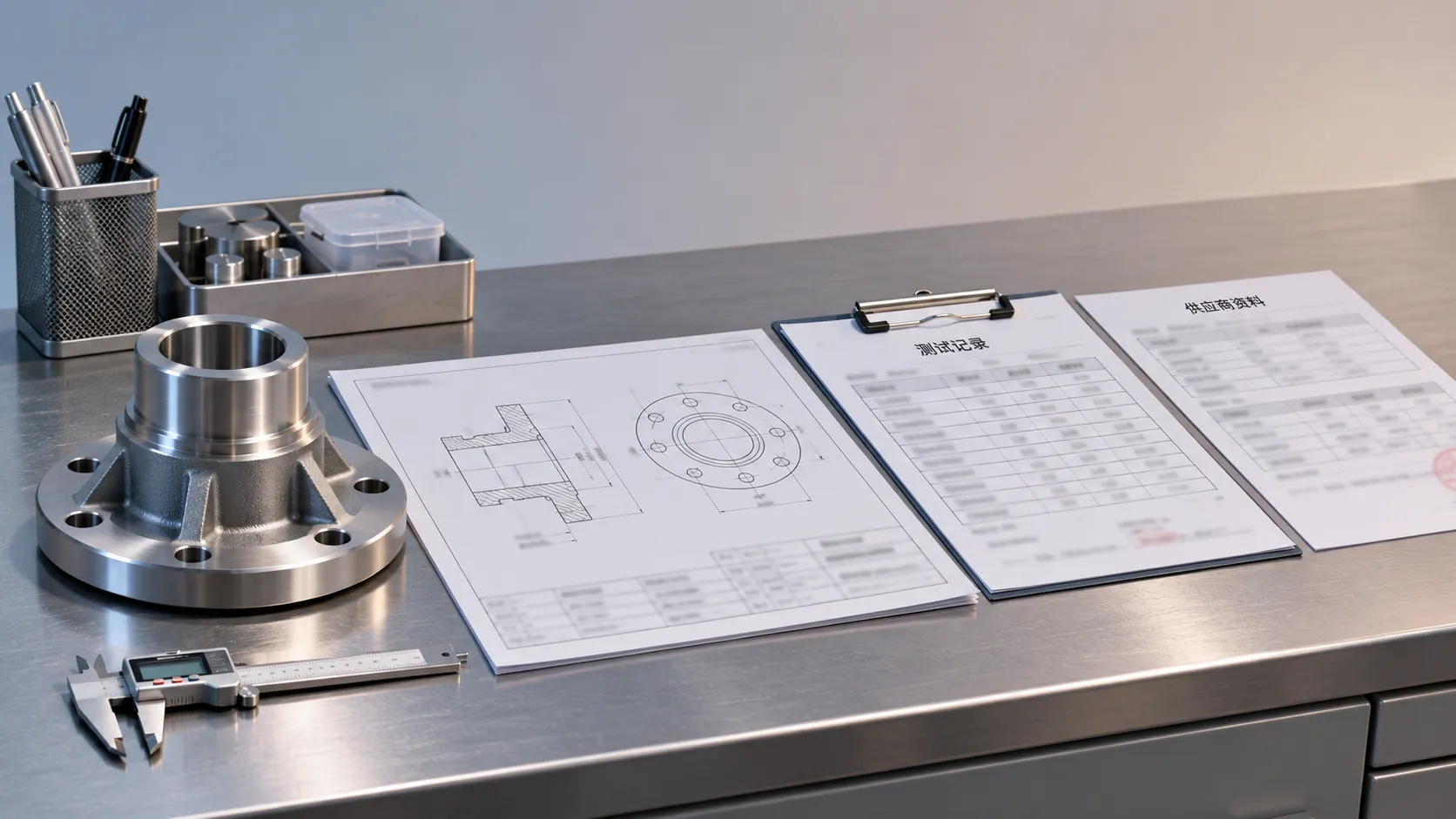
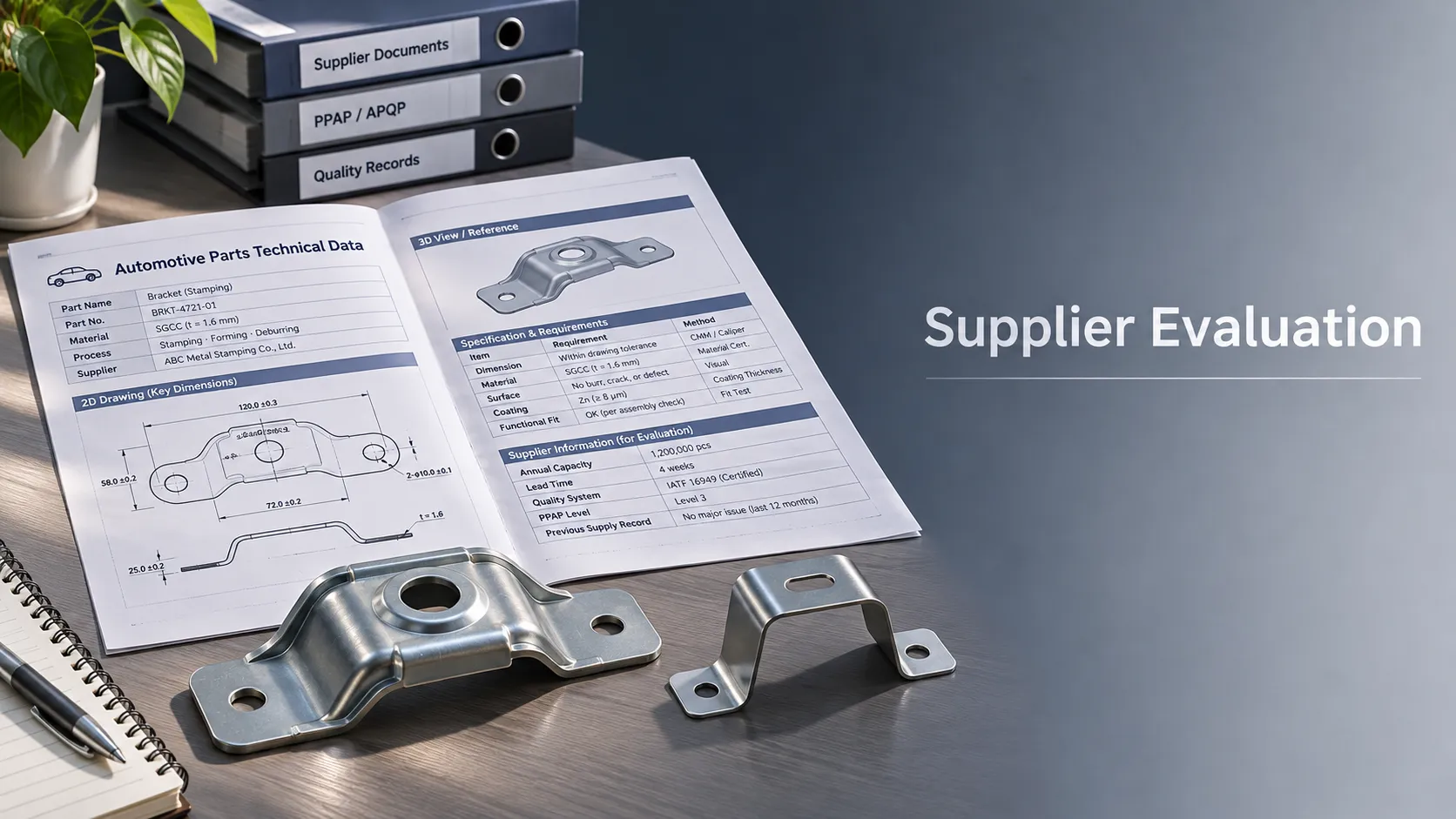
Ask for an evidence trail from the project description to the supplied configuration. Depending on the purchase, relevant material may include an agreed specification, design review records, test reports, inspection results, acceptance records, or a description of the production process. Sensitive customer information can be redacted; the remaining material should still show what was assessed and what the results covered.
For a marine navigation system, a reference may demonstrate that equipment was installed and accepted, but the procurement team should also examine the interfaces and operating conditions involved. A system integrated successfully with one vessel’s equipment does not automatically demonstrate compatibility with another vessel’s configuration. Identify who will test the interfaces, supply integration information, and resolve defects discovered during commissioning.
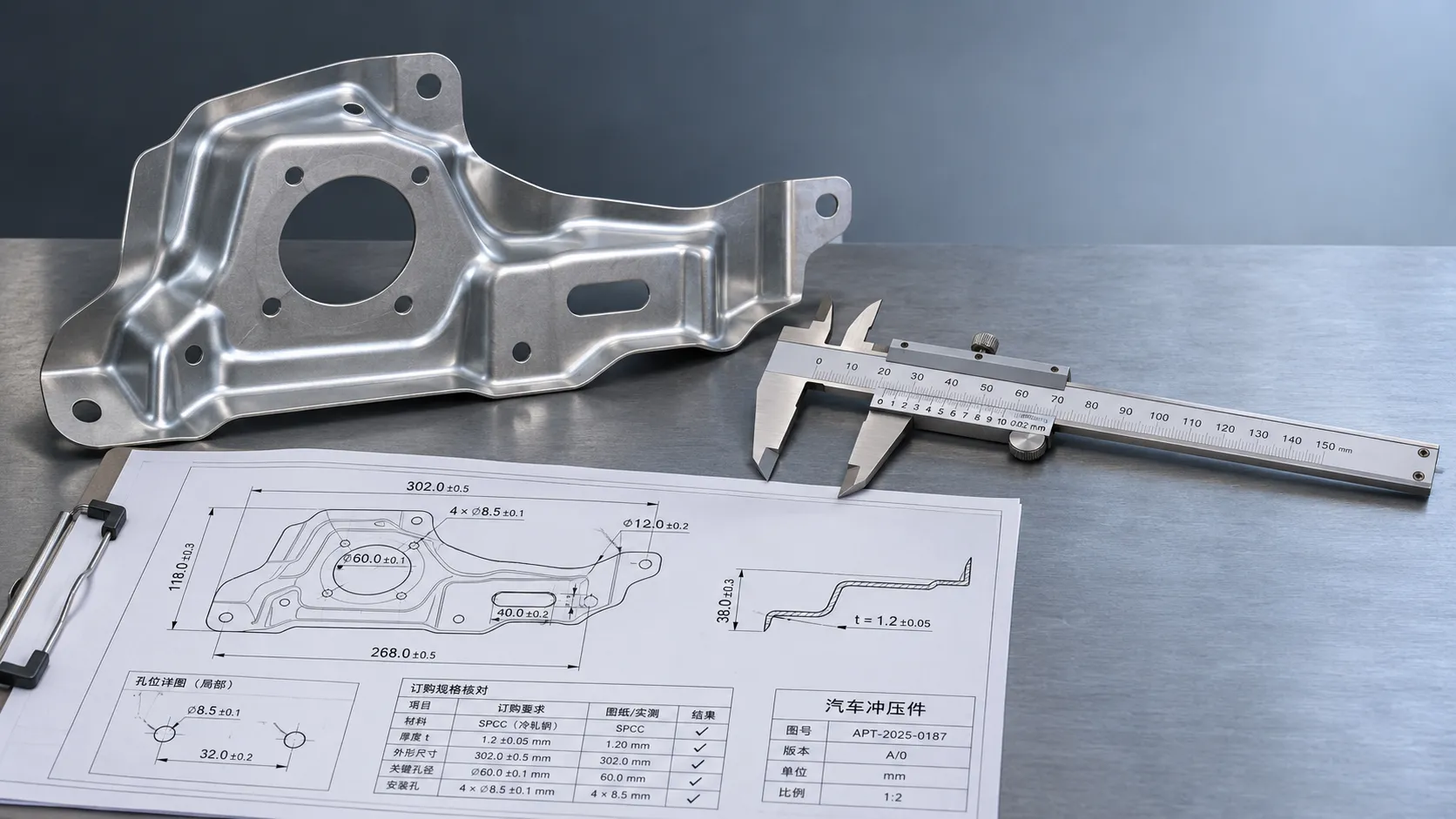
For stamped body parts, the relevant evidence extends beyond a photograph of a finished component. Material selection, forming process, tooling, and dimensional requirements can affect whether a supplier’s previous work is transferable. A reference involving a similar material may be useful, but a different part geometry or production process can introduce new risks.
For airbags, seatbelts, and seat assemblies, distinguish component-level evidence from evidence for the assembled system in its intended installation. An individual component’s test history does not by itself establish the performance of a different integrated configuration. Define the tests and engineering approvals needed for the proposed application, including which party supplies test articles and owns any redesign.
Separate certificates from application-specific approval
Certificates and audit results can support an assessment of a supplier’s management system or stated scope. They do not, on their own, prove that the proposed product meets every requirement of a particular vessel, vehicle, or customer program. Check the scope, issuing body, validity, relevant sites, and connection to the activities being purchased.
Identify the applicable regulatory, customer, and contractual requirements for the destination and intended use, then map each one to an accountable party and an acceptance deliverable. Where an external approval or customer test is required, determine whether it has already been obtained for the proposed configuration or remains a project milestone.
Speak to reference customers about delivery and problems
A supplier-selected reference is a starting point, not a complete performance record. With the customer’s agreement, arrange a conversation with someone close to the work: an engineering lead for integration, a quality representative for production, or an operations contact for service performance. If direct contact is restricted, request an anonymized project review or other records that answer the same questions.
Make the conversation specific enough to reveal how the supplier behaves when the plan changes. Useful questions include:
- What did the supplier actually own, and what work remained with your team or another contractor?
- Which technical assumptions changed after the order, and how were the resulting costs and schedule handled?
- Were any delivery, quality, or integration problems encountered? How quickly were they escalated and resolved?
- Did the final documentation, training, and spare-parts arrangements meet the agreed scope?
- Would you use the supplier again for a similar project, and under what conditions?
A reference customer may be unable to disclose commercial terms or detailed test data. That limit does not make the conversation useless: a clear account of responsibilities, communication, and issue resolution can still reveal whether the supplier’s delivery model fits your own. Record the source and scope of each answer so that opinion is not confused with documented acceptance.
Check delivery capability beyond the successful project
A supplier may have completed a demanding prototype and still lack an established path to repeatable production. Ask how the referenced work moved from development into routine delivery, including tooling readiness, process controls, inspection, and management of sub-suppliers. For a one-off installation, focus instead on engineering availability, site access, commissioning resources, and the dependencies that could delay acceptance.
Examine whether the people, facilities, and critical external providers behind the reference will support your project. A successful project at another site is relevant, but it does not automatically demonstrate the same capability at the proposed manufacturing or service location. Where the work has moved or key processes have changed, request evidence from the current delivery arrangement.
Ask how the supplier handles changes to materials, components, software, production locations, and sub-suppliers. The contract should define which changes require notice, approval, or renewed validation. This matters particularly when a change could alter a safety function, an approved configuration, an interface, or the availability of replacement parts.
Turn reference findings into contract terms
Reference checks are most useful when they change the agreement. Before signature, bring procurement, engineering, quality, and the intended operating team together to classify gaps as acceptable, needing a defined action, or unacceptable for the proposed award. A minor difference in a noncritical feature may be manageable through ordinary design review; an unproven safety-critical function requires a stronger evidence and acceptance path.
Translate each material gap into a named obligation. For example, if the supplier has relevant integration experience but has not worked with your existing equipment, specify interface responsibilities, test conditions, deliverables, and the process for correcting incompatibilities. If production capacity is the uncertainty, define the evidence and milestones needed before volume deliveries begin.
The contract should also connect payment or acceptance milestones to objective deliverables where appropriate. These may include approved design documents, agreed test reports, commissioning results, production approval records, or completed training. State who reviews the evidence, how nonconformities are handled, and what happens if a milestone is missed. The right mechanism depends on the purchase; a document alone should not be treated as acceptance if the required system performance remains untested.
For equipment with a long operating life, include support in the same assessment. Establish the expected response process, service responsibilities, software maintenance where relevant, documentation, spare-parts arrangements, and a process for managing discontinued components. A strong installation reference becomes less persuasive if the supplier cannot explain how the proposed solution will be supported after handover.
Make the award decision with the gaps visible
There is no need to reject every supplier that lacks an identical reference. A new design or operating context may make an exact precedent unavailable. The decisive question is whether the supplier can show credible capability in the closest relevant work and whether the remaining differences can be addressed through a feasible, funded validation and delivery plan.
Keep a concise record of the references reviewed, the evidence received, the differences from your requirements, and the actions agreed before award. If a critical claim remains unsupported and cannot be converted into a satisfactory contractual milestone, the commercial offer is not yet ready for signature.
Related News

How Capacitive Seat Occupancy Sensing Works in Automotive Airbag Systems
Discover how capacitive seat occupancy sensing supports automotive airbag systems, and explore the design, calibration, and validation challenges behind reliable performance.
Industrial Product References: How to Verify Specs Before Ordering
Use an industrial product reference for procurement to verify specs, compatibility, and certifications before ordering—and reduce costly purchasing risks.
Choosing a Private Label Partner in Europe: Key Supplier Criteria
Private label cooperation Europe buyers can trust starts with the right supplier. Explore key criteria for compliance, quality, traceability and supply resilience.

Integrated Cabin Comfort Systems: How Seat and Cabin Climate Controls Work Together
Discover how integrated cabin comfort systems coordinate seat and climate controls to balance occupant comfort, energy use, safety, and performance.

Automotive Ergonomics Pricing: What Drives Seat System Costs?
Discover what drives automotive ergonomics pricing, from seat mechanisms and safety systems to tooling and volume, and learn how to compare supplier quotes.
Evaluating Supplier Solutions: How to Verify References and Standards
Supplier solution references and standards can make or break a sourcing decision. Learn how to verify claims, assess compliance, and reduce risk before awarding a contract.
Choosing B2B Product Knowledge Platform Suppliers: Key Evaluation Criteria
Compare B2B product knowledge platform suppliers with confidence. Explore key criteria for data accuracy, supplier transparency, integrations, and value.

Choosing a Marine Radar Systems Supplier: What to Check Before Buying
Choosing a marine radar systems supplier? Compare installed costs, bridge compatibility, compliance evidence, and service support before you buy.

Solution Comparison Resources: How to Evaluate Unbiased Sources
Discover how to evaluate solution comparison resources, spot bias, verify evidence, and make confident purchasing decisions with a practical checklist.
Related News
- 00
0000-00
How to Evaluate Supplier Solution References Before Signing a Contract - 00
0000-00
Industrial Product References: How to Verify Specs Before Ordering - 00
0000-00
Choosing a Private Label Partner in Europe: Key Supplier Criteria - 00
0000-00
Automotive Ergonomics Pricing: What Drives Seat System Costs? - 00
0000-00
Evaluating Supplier Solutions: How to Verify References and Standards
0000-00
Weekly Insights
Stay ahead with our curated technology reports delivered every Monday.