
Choosing B2B Product Knowledge Platform Suppliers: Key Evaluation Criteria
Choosing the right B2B product knowledge platform suppliers can make the difference between confident sourcing decisions and costly information gaps. For procurement teams evaluating complex mobility equipment, a reliable platform should offer accurate technical data, transparent supplier information, timely regulatory updates, and tools that support efficient comparison.
This guide explores the key criteria for assessing suppliers, from content quality and industry expertise to integration capabilities and long-term value, helping buyers build a stronger foundation for purchasing decisions.
Start by testing whether the platform can support a real sourcing decision: trace a critical specification to its source, compare relevant suppliers, and identify information that still requires verification.
A broad database or polished interface is useful only when the underlying information is current enough, sufficiently detailed, and applicable to the products and markets your team actually buys.
Define What Your Procurement Team Needs the Platform to Do
Before evaluating providers, identify the decisions the platform should improve. These might include discovering suppliers, preparing requests for quotation, reviewing technical claims, or monitoring changes that affect existing contracts.
Distinguish a product knowledge platform from a supplier directory, product information management system, or procurement suite. Some products combine these functions, but their coverage and intended users vary considerably.
A directory may help buyers find manufacturers, while a product information management system often organizes a company’s own catalog. Neither necessarily provides independent intelligence on external suppliers.
For sourcing teams, the useful question is whether a platform connects product specifications, supplier profiles, supporting evidence, and relevant updates in a form that can be evaluated and shared.
Write down your priority categories, regions, users, and existing systems. Include decisions the tool must support, then use those requirements to screen providers before committing to detailed demonstrations.
Check Whether Technical Information Is Accurate and Traceable
Technical accuracy should carry the most weight when comparing platforms. Incorrect specifications can lead buyers toward unsuitable components, wasted engineering reviews, or purchasing decisions based on unsupported assumptions.
Ask providers to show the original source for representative product records. Useful evidence may include manufacturer data sheets, certificates, test reports, technical drawings, or clearly attributed regulatory documents.
Each record should indicate when the information was published or last verified, who supplied it, and which product version it describes. Missing dates make apparently precise data difficult to trust.
Check whether the platform distinguishes manufacturer claims from independently verified results. A specification supplied by a vendor can be valuable, but its source and verification status should remain visible.
For marine navigation equipment, request records that distinguish positioning, radar, sonar, or automatic identification capabilities. Confirm whether performance figures include operating conditions and applicable equipment configurations.
For automotive components, look for relevant material grades, dimensions, manufacturing processes, and test conditions. An airbag or seatbelt listing should identify its intended application and associated system dependencies.
Ask how errors are reported and corrected, whether previous versions remain accessible, and how users are notified when a change affects a record they have saved or exported.
A practical test is to select several unfamiliar products and trace their most consequential claims back to source documents. Record missing evidence and ask the provider to explain each gap.
Assess Supplier Profiles and Verification Practices
Product details matter only alongside an understanding of the company supplying them. A useful profile should help buyers identify the legal entity, operating locations, capabilities, and relevant contact channels.
Ask how the platform confirms company identities and distinguishes manufacturers from distributors, trading companies, and service providers. The answer affects qualification, pricing discussions, and accountability after purchase.
For production sourcing, look for information about facilities, processes, served industries, and stated capacity. Treat capacity figures as preliminary unless the provider can explain their source and verification date.
Certifications should include the issuing body, certificate scope, relevant site, and validity dates where available. Confirm important certificates directly with the issuer or supplier before relying on them.
Investigate how profiles are created and updated. Supplier-submitted information, editorial research, paid listings, and third-party verification can all contribute, but users need to know which method applies.
Commercial relationships also deserve scrutiny. Ask whether suppliers pay for placement, whether sponsored results are labeled, and whether paying customers can influence reviews or the presentation of technical claims.
A platform does not need to eliminate every information gap. It should make gaps visible so procurement can decide which suppliers require additional documentation, audits, or engineering review.
Test Industry Coverage Against Your Actual Buying Categories
Broad coverage is useful for discovery, but depth matters when a team buys complex equipment. Evaluate category coverage using products, suppliers, and regions from your own sourcing pipeline.
For marine systems, check whether listings cover equipment functions, interfaces, installation considerations, and service arrangements. A product suitable for one vessel type may not suit another operating environment.
For stamped automotive parts, examine whether records describe material grade, forming method, tolerances, and intended application. These details help engineers judge whether a supplier merits further technical review.
For airbags and seatbelts, look for system-level context, including vehicle application, component interfaces, and available test documentation. Individual component claims do not establish the performance of an assembled restraint system.
For seat assemblies, relevant information may include frame materials, adjustment mechanisms, occupant sensing, heating or ventilation options, and manufacturing locations. Priorities will vary by vehicle program and buyer.
Ask providers to demonstrate coverage for both established and alternative suppliers. A large record count is less meaningful if relevant entries lack documents, current contacts, or comparable technical attributes.
Evaluate Regulatory Intelligence Without Treating It as Approval
Regulatory information can help teams identify questions early, especially when products move across jurisdictions. The platform should link updates to affected categories, markets, and source documents wherever possible.
Review how the provider tracks publication dates, effective dates, amendments, and applicability. An alert about a proposed change should be clearly distinguished from an obligation already in force.
For automotive safety, check whether the platform separates legal requirements from consumer testing programs. IIHS and Euro NCAP assessments can inform purchasing decisions, but they serve different purposes from regulations.
For marine equipment, ask how the platform identifies applicable rules and approval requirements by equipment type, vessel, flag, and operating context. Applicability often depends on the complete installation.
Use a recent update as a demonstration case. Ask the provider to show its source, the products potentially affected, the date of the alert, and any stated limitations.
Procurement and engineering teams should still verify requirements with current official sources and qualified specialists. A platform can support that work, but a listing alone does not establish compliance.
Make Sure Comparisons Reflect Real Purchasing Decisions
Search and filtering should help buyers narrow options using attributes that matter, including product type, location, capabilities, documentation, and relevant technical parameters. Test these filters with actual requirements.
Side-by-side comparison is valuable only when fields use consistent definitions and units. Ask how the platform handles missing values, conflicting sources, different test methods, and supplier-specific terminology.
For example, two seat structures may both list weight, but those figures are difficult to compare if one includes motors and trim while the other covers only the frame.
Check whether users can save searches, annotate records, share shortlists, and export supporting information. These functions make it easier to involve engineering, quality, and compliance colleagues in decisions.
Evaluate how the platform handles negative findings. Buyers should be able to see that a certification, performance figure, or document is unavailable rather than assume it does not exist.
Run a short sourcing exercise with the same requirements across shortlisted platforms. Compare the relevance of results, time spent validating them, and number of unresolved questions after review.
Review Integrations, Security, and Data Ownership
A platform creates more value when its information reaches existing procurement workflows. Ask about available exports, application programming interfaces, and connections to sourcing, supplier management, or enterprise resource planning systems.
Clarify which fields can be transferred, how often they update, and whether source links and verification dates travel with the data. Integration without context can spread outdated information.
Ask who performs implementation, what internal resources are needed, and whether configuration or connector fees are included. Request a realistic timetable based on an integration comparable to yours.
Security questions should reflect the information your team will store. Review access controls, authentication options, audit logs, data retention, and how the provider handles security incidents and subcontractors.
Clarify ownership and permitted use of uploaded requirements, notes, and supplier shortlists. Confirm whether your data is used for analytics or model training and what choices are available.
Before signing, establish how records and annotations can be exported if the contract ends. Ask about file formats, transition assistance, deletion timelines, and any restrictions on retained platform content.
Compare Pricing With the Cost of the Full Workflow
When evaluating B2B product knowledge platform suppliers, compare total expected costs rather than subscription fees alone. Include user licenses, implementation, integrations, training, premium data, and renewal terms.
Check whether pricing changes with the number of users, searches, exports, regions, or supplier profiles. Usage limits can materially affect value when engineering and quality teams join procurement.
Estimate potential benefits using a defined baseline. Measure time spent finding suitable suppliers, validating documentation, and preparing a shortlist before the trial, then compare results using similar sourcing tasks.
Other benefits may include earlier identification of missing evidence or access to suppliers your team had not previously considered. Record these outcomes, but avoid assigning savings without supporting data.
Ask for a contract that matches adoption expectations. A limited initial scope with clear expansion options can help buyers assess usage and data quality before committing across multiple business units.
Use a Practical Scorecard and Pilot Before Selecting a Provider
A weighted scorecard makes trade-offs visible. Set minimum requirements first, then score only providers that meet them; a low price should not compensate for unacceptable gaps in critical evidence.
One starting allocation is 30% for data quality and traceability, 25% for category coverage, 15% for supplier transparency, 15% for workflow and integration, and 15% for commercial value.
Adjust those weights to your sourcing risks. A team evaluating safety-critical components may give greater weight to document traceability, while a broader discovery project may prioritize supplier coverage.
During the pilot, assign procurement, engineering, quality, and information technology representatives specific tasks. Use the same products and questions for each provider, and document both results and unresolved issues.
Ask each provider to correct a sample discrepancy, explain a supplier verification method, and demonstrate an export. Their responses reveal the support process as well as the product’s capabilities.
Set acceptance criteria before the trial begins, such as evidence availability for critical fields, relevant supplier coverage, successful data export, and completion of agreed security and contractual reviews.
Make the Final Decision Around Evidence and Fit
The strongest platform is the one that helps your team reach defensible sourcing decisions for its actual categories. Prioritize traceable product data, transparent supplier profiles, and useful regulatory context.
Validate those capabilities through representative tasks, then weigh integration effort and total cost against measurable workflow improvements. Keep direct supplier qualification and specialist review in the purchasing process.
For mobility equipment buyers, focused industry intelligence can make early research more productive, but its value depends on current sources and clear links between technical claims and supporting evidence.
Choose a provider that can demonstrate those foundations during a pilot and explain its limitations openly. That gives procurement a practical basis for comparing suppliers and managing future information gaps.
Related News

How to Evaluate Supplier Solution References Before Signing a Contract
Evaluate supplier solution references with confidence. Learn how to verify technical evidence, identify delivery risks, and close gaps before signing a contract.

How Capacitive Seat Occupancy Sensing Works in Automotive Airbag Systems
Discover how capacitive seat occupancy sensing supports automotive airbag systems, and explore the design, calibration, and validation challenges behind reliable performance.
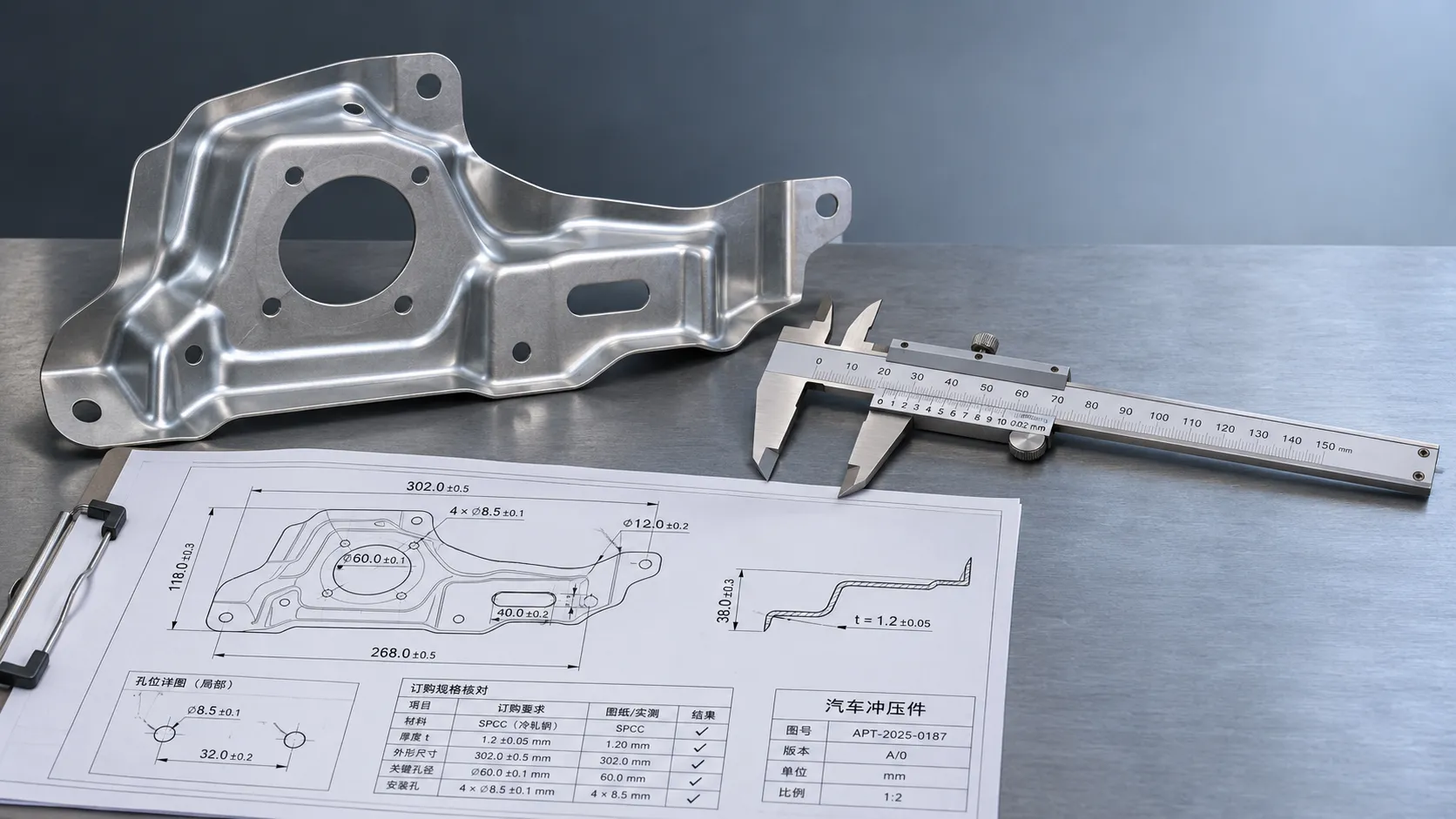
Industrial Product References: How to Verify Specs Before Ordering
Use an industrial product reference for procurement to verify specs, compatibility, and certifications before ordering—and reduce costly purchasing risks.
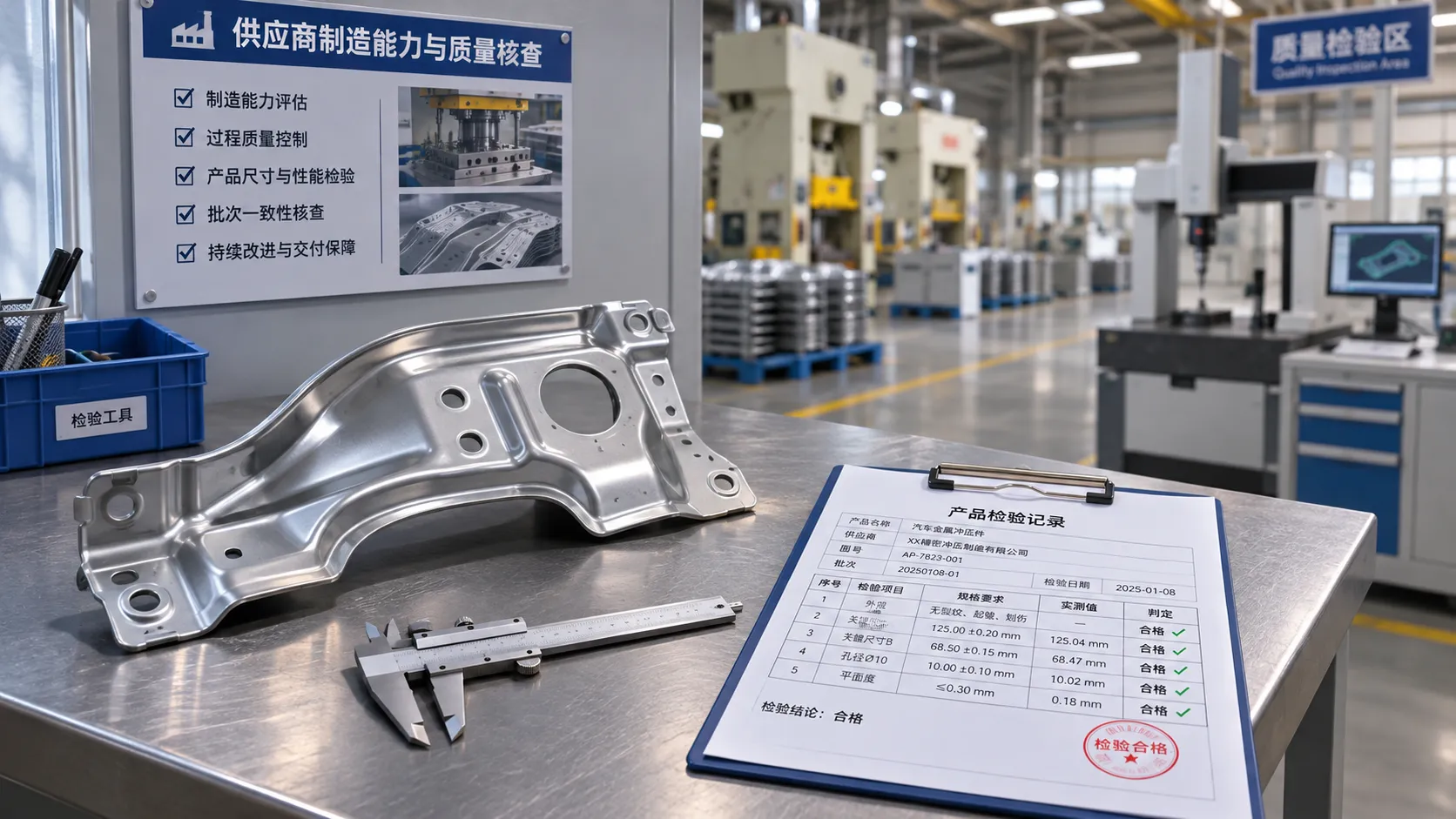
Choosing a Private Label Partner in Europe: Key Supplier Criteria
Private label cooperation Europe buyers can trust starts with the right supplier. Explore key criteria for compliance, quality, traceability and supply resilience.

Integrated Cabin Comfort Systems: How Seat and Cabin Climate Controls Work Together
Discover how integrated cabin comfort systems coordinate seat and climate controls to balance occupant comfort, energy use, safety, and performance.

Automotive Ergonomics Pricing: What Drives Seat System Costs?
Discover what drives automotive ergonomics pricing, from seat mechanisms and safety systems to tooling and volume, and learn how to compare supplier quotes.
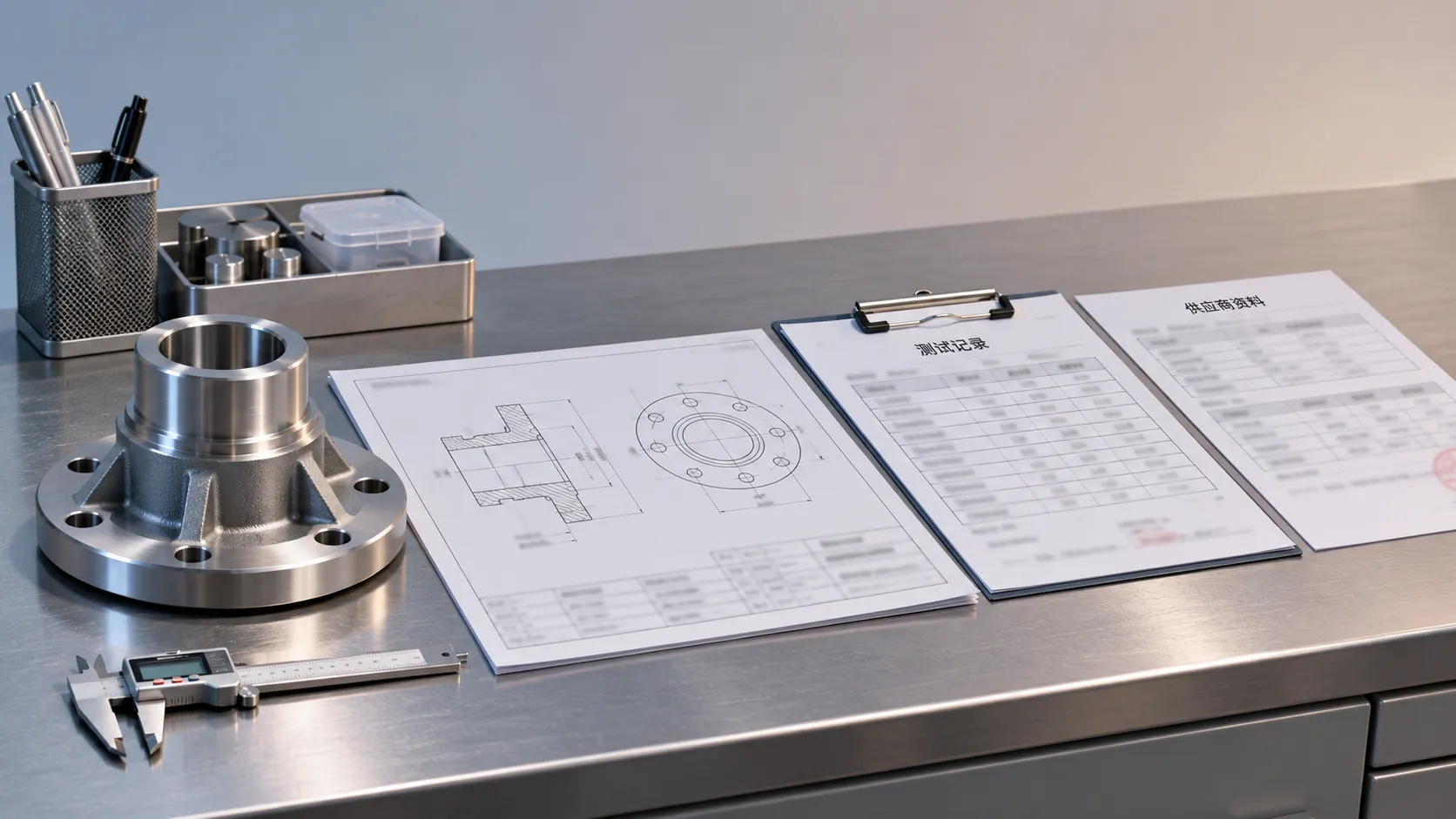
Evaluating Supplier Solutions: How to Verify References and Standards
Supplier solution references and standards can make or break a sourcing decision. Learn how to verify claims, assess compliance, and reduce risk before awarding a contract.

Choosing a Marine Radar Systems Supplier: What to Check Before Buying
Choosing a marine radar systems supplier? Compare installed costs, bridge compatibility, compliance evidence, and service support before you buy.

Solution Comparison Resources: How to Evaluate Unbiased Sources
Discover how to evaluate solution comparison resources, spot bias, verify evidence, and make confident purchasing decisions with a practical checklist.
Related News
- 00
0000-00
How to Evaluate Supplier Solution References Before Signing a Contract - 00
0000-00
Industrial Product References: How to Verify Specs Before Ordering - 00
0000-00
Choosing a Private Label Partner in Europe: Key Supplier Criteria - 00
0000-00
Automotive Ergonomics Pricing: What Drives Seat System Costs? - 00
0000-00
Evaluating Supplier Solutions: How to Verify References and Standards
0000-00
Weekly Insights
Stay ahead with our curated technology reports delivered every Monday.