
How OEMs Evaluate Seatbelt Safety Systems for Vehicle Platform Integration
OEM seatbelt safety systems should be evaluated as part of the complete occupant-restraint architecture, not as isolated belt hardware. A retractor that performs well in a component review can still create occupant-protection, packaging, or production problems once it is installed in a specific body side, seat structure, airbag strategy, and electronic-control environment.
For a new vehicle platform, the most defensible selection decision starts with the intended crash pulse, seating layout, occupant range, target markets, and platform-sharing plan. Only then can an OEM determine whether a conventional three-point restraint, a pretensioned system with load limiting, a buckle-mounted solution, or a more electronically managed architecture is appropriate. The goal is not to choose the most feature-rich seatbelt system; it is to choose a system whose protection behavior remains predictable across the vehicle variants it must support.
Start with the restraint architecture, not the supplier catalogue
Seatbelts manage occupant motion before the airbag can provide its intended protection. During a collision, the webbing, retractor, buckle, anchorages, seat frame, body structure, sensors, and airbag deployment logic all influence the final result. This is why a belt-system decision made too early, or based only on a prior vehicle program, often leads to late-stage changes in brackets, trim, wiring, calibration, or seat design.
The first technical question is: where will the restraint loads travel? In a body-mounted system, the upper anchorage and retractor depend heavily on the B-pillar or surrounding structure. In a seat-integrated arrangement, the seat frame, tracks, recliner, and floor attachments take on more responsibility. Neither concept is universally better. The right choice depends on body style, seat motion, interior packaging, access requirements, convertible or pillarless configurations, and the platform’s structural strategy.
A shared platform adds another layer of complexity. A belt system that fits a compact crossover may not transfer cleanly to a longer-wheelbase derivative, a low-roof vehicle, or a version with different second-row seating. Technical teams should identify common modules early, then separate the interfaces that genuinely need variant-specific engineering.
Define the crash-performance targets in occupant terms
“Compliant” is not a sufficient requirement for selecting OEM seatbelt safety systems. Compliance establishes a baseline, but it does not describe how well the restraint system manages different occupants in the crash modes most relevant to the vehicle. The evaluation needs to translate safety objectives into restraint behavior.
Key questions include whether the belt can control forward movement without imposing excessive chest loading, whether the shoulder belt remains positioned correctly as the occupant moves, and whether the system works with the intended airbag timing and shape. Pretensioners remove slack early in the event. Load limiters allow controlled webbing payout after the belt has engaged, helping balance restraint against upper-body loading. Their value depends on the vehicle pulse, airbag interaction, seat geometry, and occupant position. Adding either feature without calibrating the full system can shift the problem rather than solve it.
Occupant diversity should be defined as an engineering condition, not a generic statement. Consider smaller adults, larger occupants, rear-seat passengers, varied seating postures, child restraint use, and situations in which people wear bulky clothing. Electrified platforms also deserve particular attention because floor height, seat position, and underbody structure can alter belt routing and occupant kinematics.
Crash assessment should cover more than the frontal event that initially drives the program. Side impacts, oblique loading, rollover-related conditions, rear impacts, and post-crash accessibility can introduce different belt requirements. A restraint design that appears satisfactory in one load case may expose poor webbing geometry or insufficient occupant retention in another.
Packaging decisions often determine whether the concept is viable
Packaging is not a downstream task for the trim team. Retractor orientation, spool position, pillar section, shoulder-height adjustment range, buckle-stalk length, D-ring location, seat travel, and trim clearances all affect system performance and perceived quality.
For example, a retractor mounted in a tight pillar cavity may satisfy nominal envelope dimensions but become difficult to install, service, or protect from noise paths. A shoulder-belt route that looks acceptable in a digital model can feel uncomfortable on different body sizes, encouraging poor belt fit in real use. A buckle positioned too far inward may complicate access; one positioned too high can interfere with comfort or child-seat installation.
The evaluation should also account for interface stiffness. Anchorages and brackets are not merely attachment points. Local deformation can change belt geometry and timing under load. When lightweight body stampings, mixed materials, or new joining methods are involved, the restraint supplier, body engineering team, and crash team need a shared view of the load path from the start.
Choose the sensing and control strategy with a clear use case
Modern restraint systems can incorporate buckle-status sensing, occupant-related inputs, crash sensing, and coordinated control with airbags. These functions can improve system awareness, but they also increase electrical interfaces, diagnostic requirements, software dependencies, and fault-management work.
The decision should begin with the safety function the added intelligence is expected to support. Is the objective to coordinate pretensioning with crash detection? To account for seat position? To improve warning logic? To support a specific automated-driving or post-impact function? When the use case is unclear, added electronics can create complexity without materially improving platform performance.
Electrical architecture must be assessed beyond the normal operating state. Teams should review connector positioning, harness routing, protection from seat movement, diagnostic communication, fault reporting, and behavior after a power interruption or crash event. The restraint system needs a defined response to credible faults, not simply a feature list.
This is also where integration ownership matters. The airbag control unit, restraint supplier, seat supplier, body team, and vehicle electrical team may each own part of the interface. A requirement matrix should identify who controls specifications, calibration inputs, validation evidence, changes, and final release authority. Gaps between suppliers are more dangerous than visible weaknesses within a single component.
Validate the production system as carefully as the design
A technically sound belt system can still fail a program if it cannot be manufactured and verified consistently. Evaluation should include the supplier’s process controls for webbing handling, retractor assembly, pretensioner integration, labeling, traceability, and end-of-line verification. The goal is to understand how the supplier prevents a wrong variant, damaged webbing, incomplete fastening, or incorrect electrical connection from reaching the vehicle.
Variant management deserves close scrutiny on global programs. Changes in seating configuration, belt color, buckle type, anchorage location, regional warning requirements, or vehicle trim can create parts that look similar but are not interchangeable. The technical review should make those distinctions visible in the bill of materials, installation instructions, and quality checks.
Serviceability is another practical test. After a deployment, the replacement scope must be clear. If a system includes pretensioners, sensors, seat-mounted components, or tightly packaged trim interfaces, the service procedure needs to avoid incorrect reassembly. Service design is often treated as a later concern, yet it exposes whether the platform integration is understandable and controlled.
Assess suppliers by integration capability, not only component maturity
A supplier may have a mature retractor or buckle design and still be a weak fit for a particular platform. The more useful evaluation asks whether the supplier can support the full integration cycle: early package studies, restraint modeling inputs, prototype builds, test support, change management, industrialization, and issue resolution across vehicle variants.
Request evidence that shows how the proposed design is controlled at each stage. Useful material includes interface definitions, validation plans tied to vehicle conditions, assumptions used in system modeling, manufacturing-control logic, and a clear method for handling design changes. Generic presentation material has limited value unless it connects to the exact platform concept.
Commercial decisions should also account for engineering responsiveness. A lower unit cost can be outweighed by repeated redesigns, late prototype availability, or unclear responsibility during crash-test iteration. Conversely, a technically advanced solution may not be justified for a platform with stable geometry and a straightforward restraint target. Match supplier capability to program complexity rather than treating every vehicle as a flagship application.
A practical evaluation sequence
- Freeze the boundary conditions. Document body style, seat layout, intended markets, seating positions, crash objectives, platform derivatives, and electrical architecture assumptions.
- Map the complete restraint system. Include belts, seats, anchorages, body structure, airbags, sensors, control unit, trim, and service interfaces.
- Screen feasible architectures. Eliminate concepts that cannot meet packaging, load-path, or occupant-fit requirements before comparing detailed supplier proposals.
- Compare vehicle-level behavior. Review how each candidate manages occupant motion and interacts with the airbag and seat across the planned use cases.
- Stress-test industrialization. Evaluate assembly access, variation control, traceability, testability, replacement scope, and launch support.
- Release with change discipline. Record the assumptions behind the selected system so later changes to seat geometry, body structure, airbag calibration, or trim trigger an appropriate reassessment.
Common selection mistakes
The most common mistake is treating the seatbelt as a standardized commodity because its visible function appears simple. The hardware may be familiar, but its installed behavior is vehicle-specific. Another mistake is approving a system based on a successful predecessor program without checking whether the new vehicle has changed floor height, seat travel, pillar geometry, occupant position, or structural load paths.
Teams also underestimate the consequence of late interior changes. A revised D-ring position, a new seat foam contour, or a trim feature near the belt path can affect comfort, accessibility, noise, or webbing movement. These changes need restraint-system review, even when they appear unrelated to crash engineering.
For technical evaluation work, the useful final question is not “Does this seatbelt system have the expected features?” It is: Can this specific restraint architecture deliver controlled, repeatable protection and be built reliably across every planned vehicle configuration? A selection that can answer that question with clear interfaces, validated assumptions, and accountable suppliers is far more robust than one based on component specifications alone.
Related News

How to Evaluate Supplier Solution References Before Signing a Contract
Evaluate supplier solution references with confidence. Learn how to verify technical evidence, identify delivery risks, and close gaps before signing a contract.
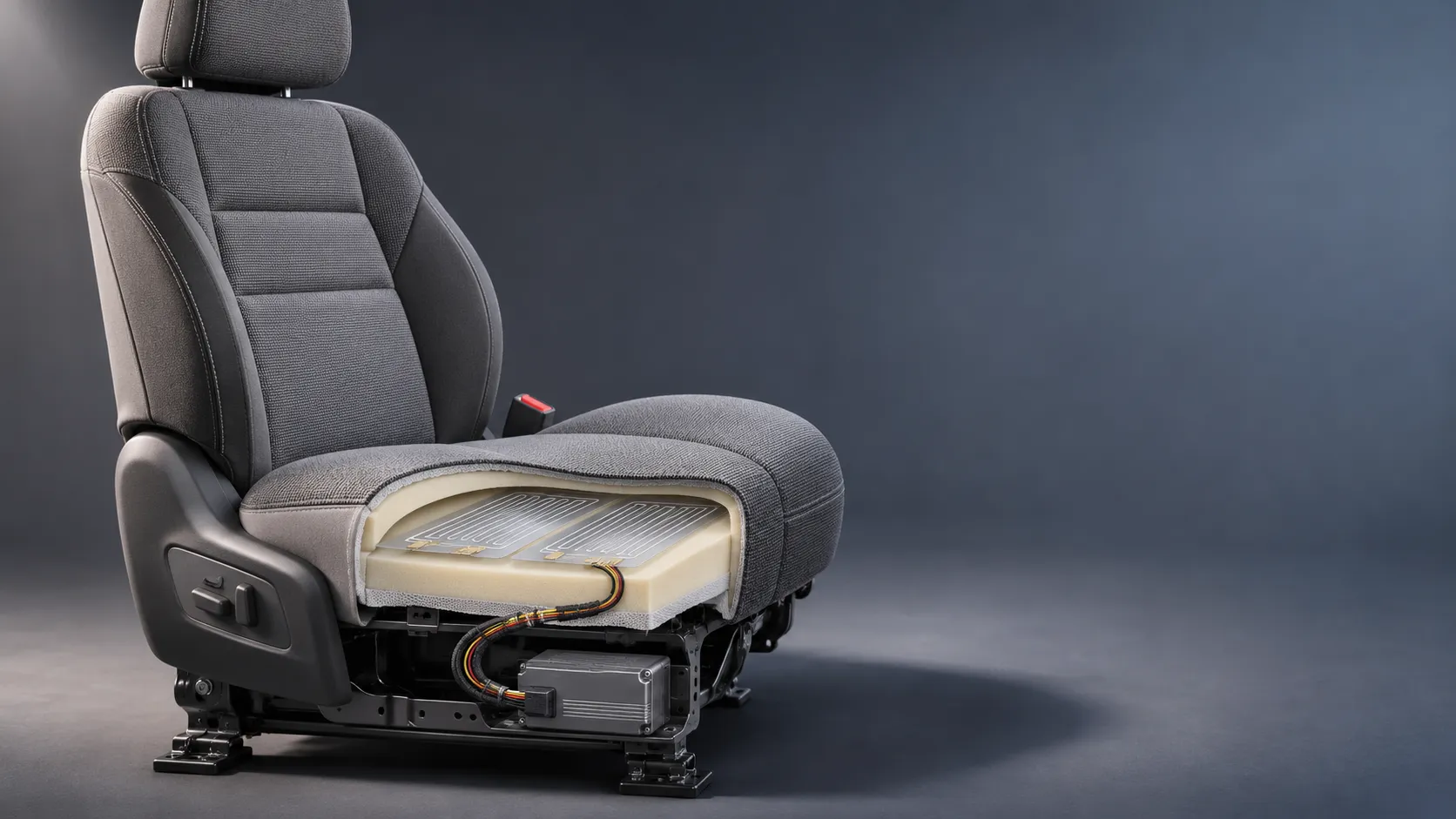
How Capacitive Seat Occupancy Sensing Works in Automotive Airbag Systems
Discover how capacitive seat occupancy sensing supports automotive airbag systems, and explore the design, calibration, and validation challenges behind reliable performance.
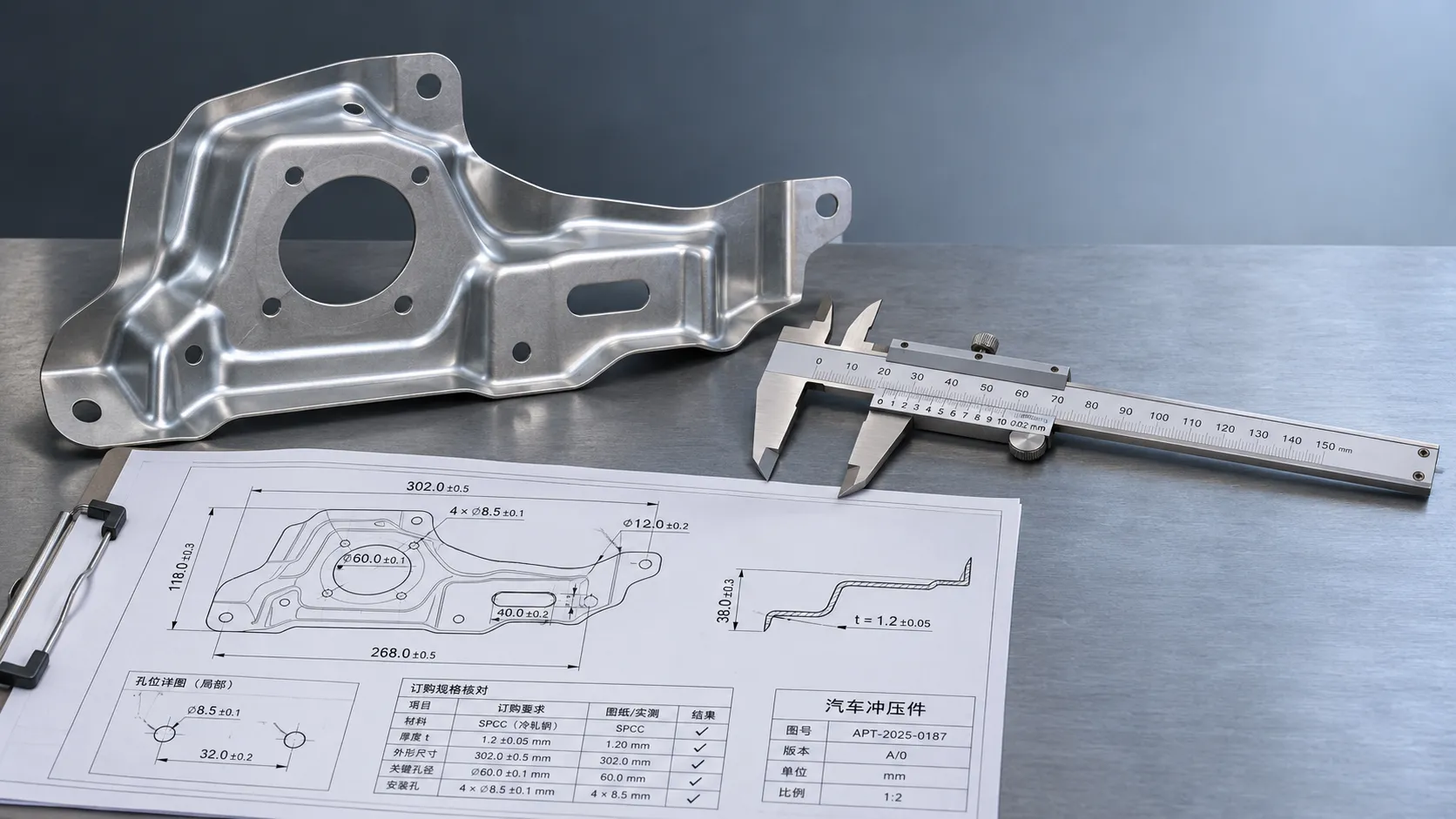
Industrial Product References: How to Verify Specs Before Ordering
Use an industrial product reference for procurement to verify specs, compatibility, and certifications before ordering—and reduce costly purchasing risks.
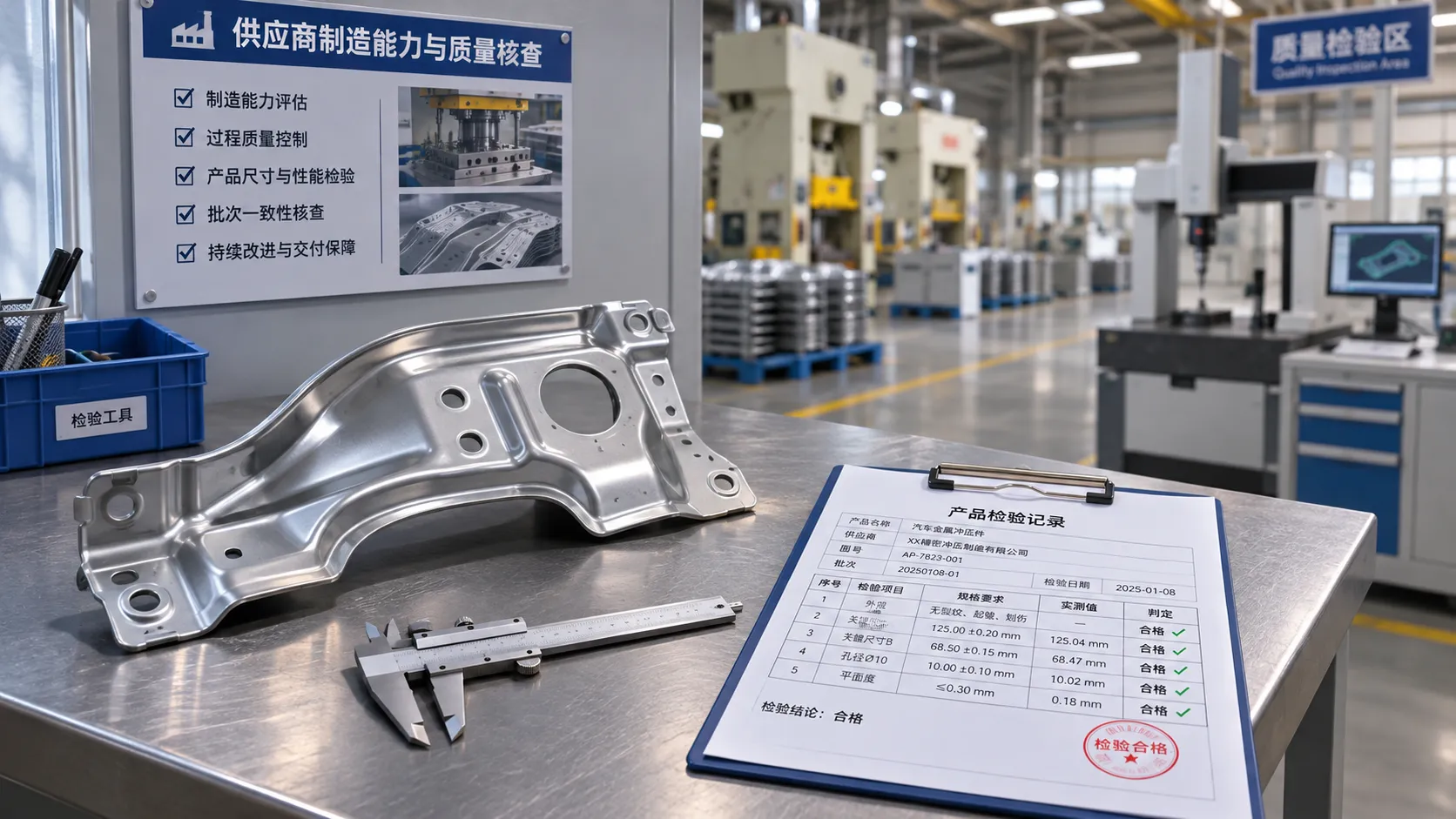
Choosing a Private Label Partner in Europe: Key Supplier Criteria
Private label cooperation Europe buyers can trust starts with the right supplier. Explore key criteria for compliance, quality, traceability and supply resilience.

Integrated Cabin Comfort Systems: How Seat and Cabin Climate Controls Work Together
Discover how integrated cabin comfort systems coordinate seat and climate controls to balance occupant comfort, energy use, safety, and performance.
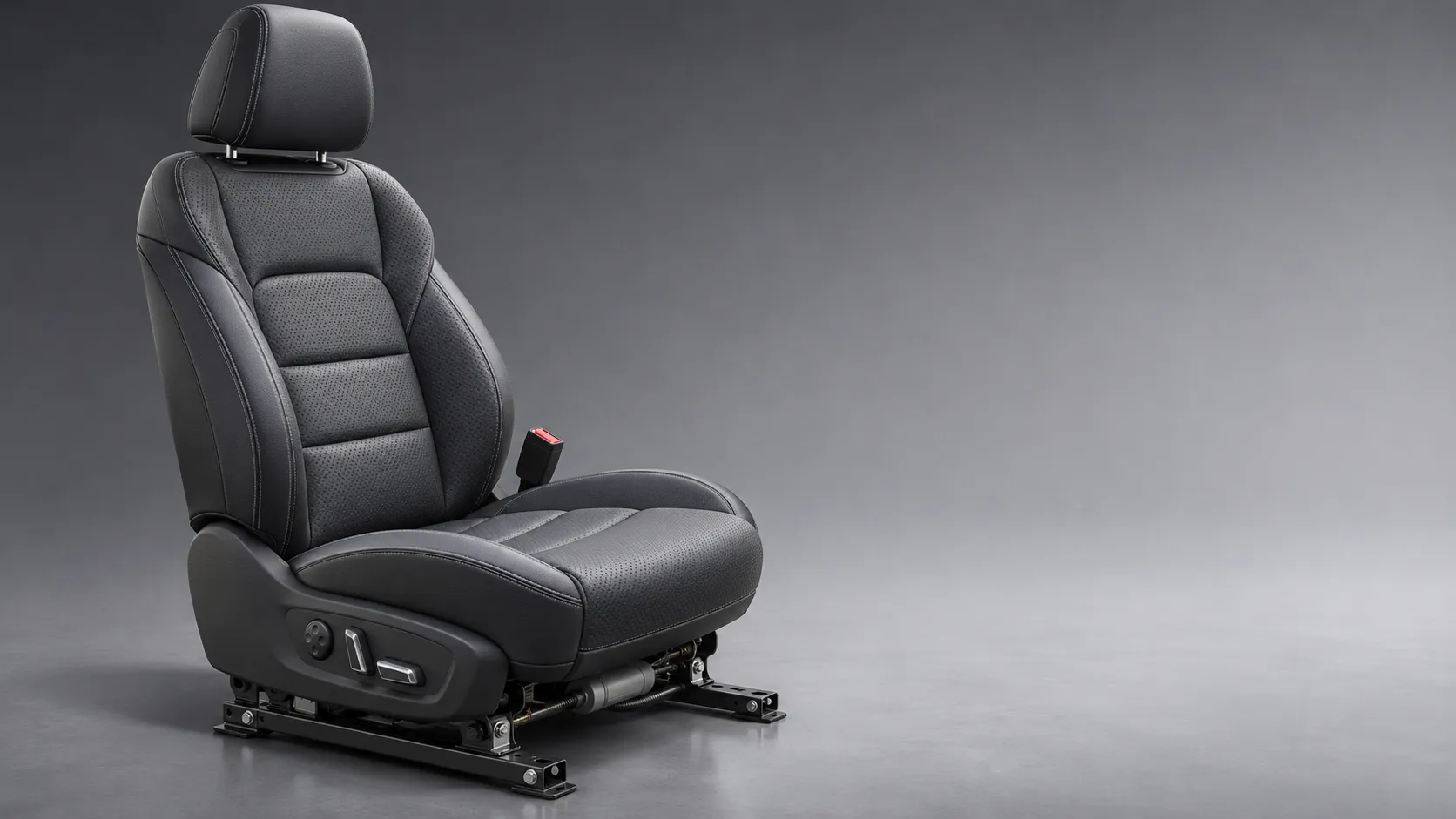
Automotive Ergonomics Pricing: What Drives Seat System Costs?
Discover what drives automotive ergonomics pricing, from seat mechanisms and safety systems to tooling and volume, and learn how to compare supplier quotes.
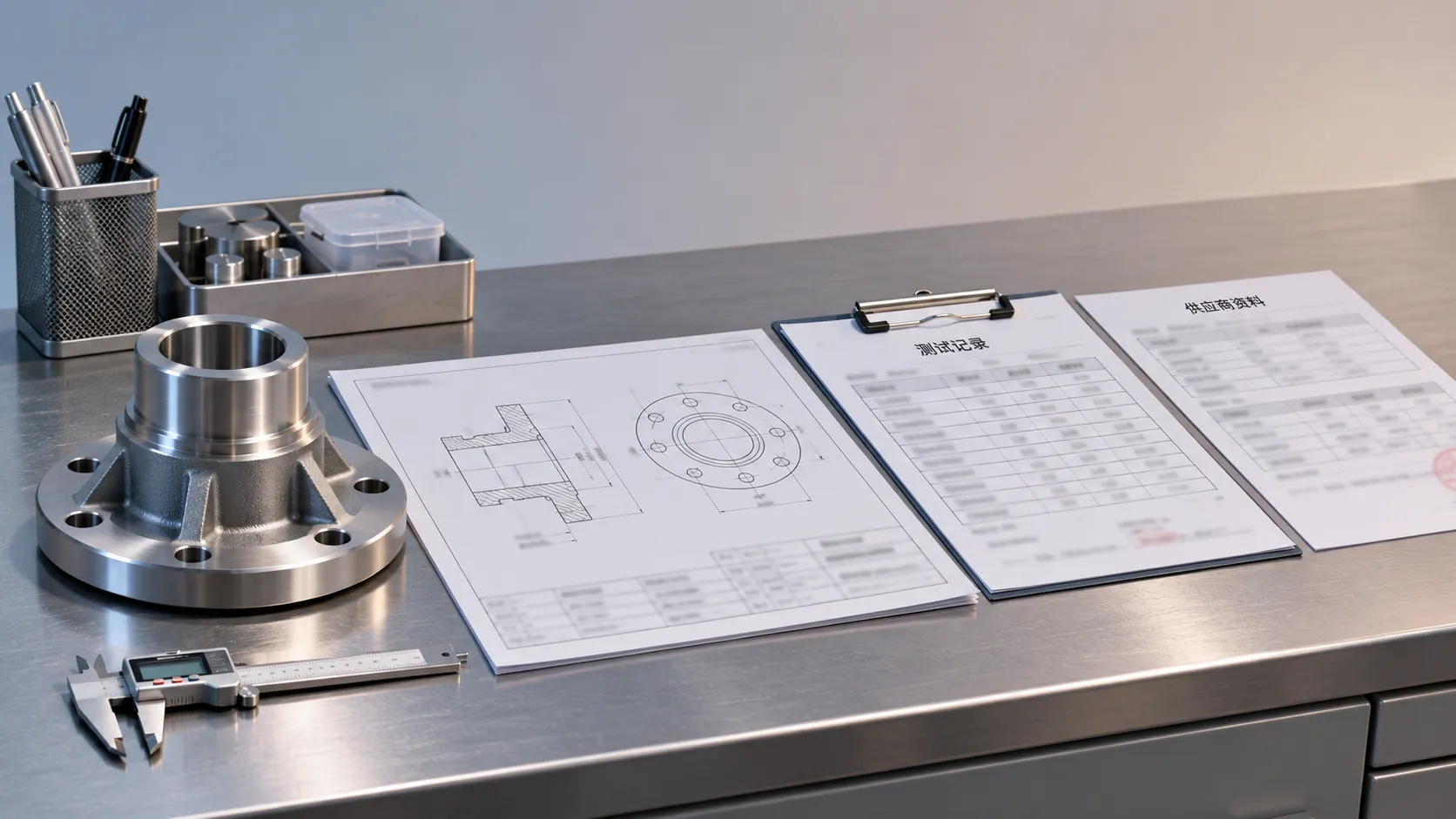
Evaluating Supplier Solutions: How to Verify References and Standards
Supplier solution references and standards can make or break a sourcing decision. Learn how to verify claims, assess compliance, and reduce risk before awarding a contract.
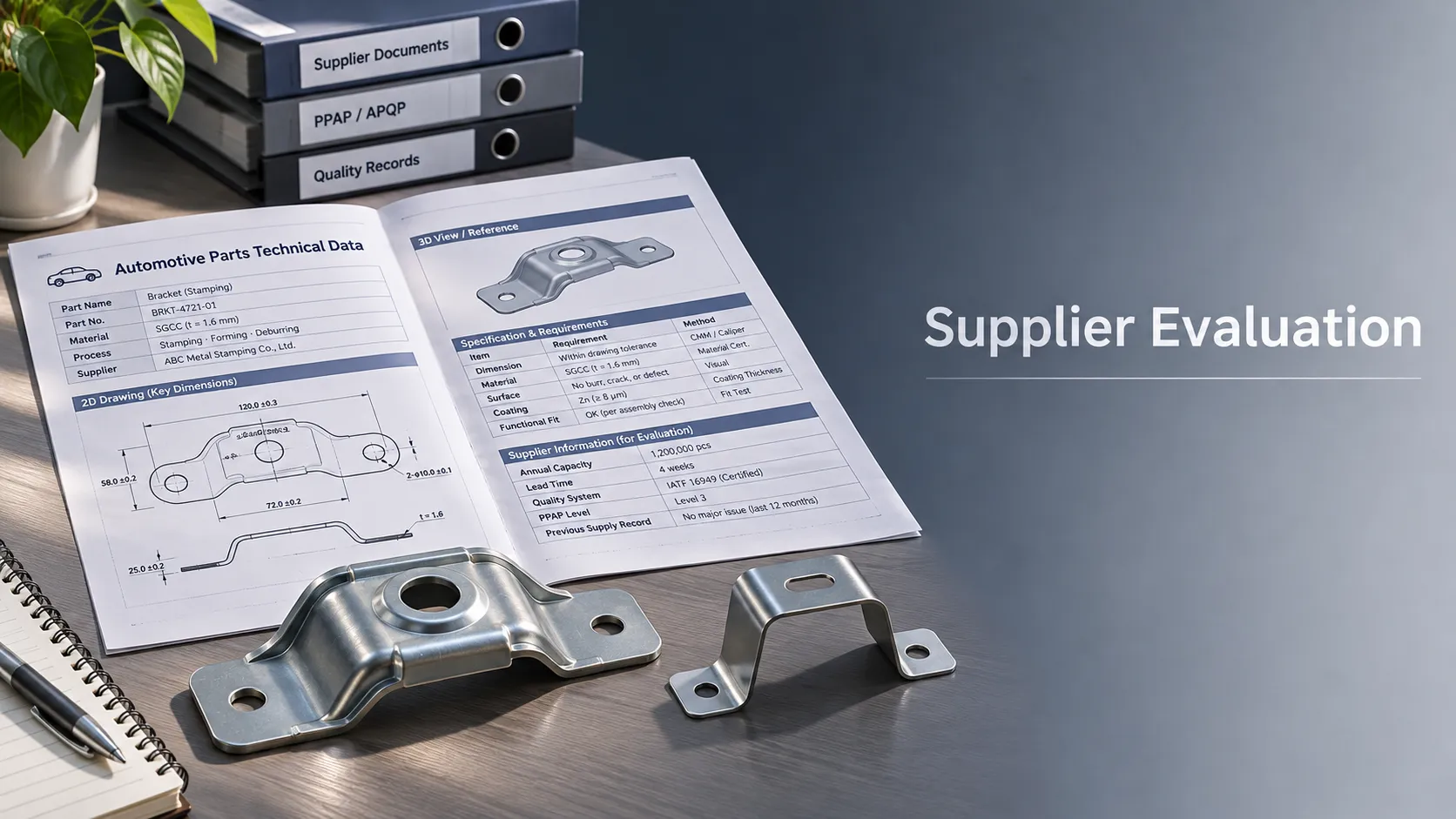
Choosing B2B Product Knowledge Platform Suppliers: Key Evaluation Criteria
Compare B2B product knowledge platform suppliers with confidence. Explore key criteria for data accuracy, supplier transparency, integrations, and value.
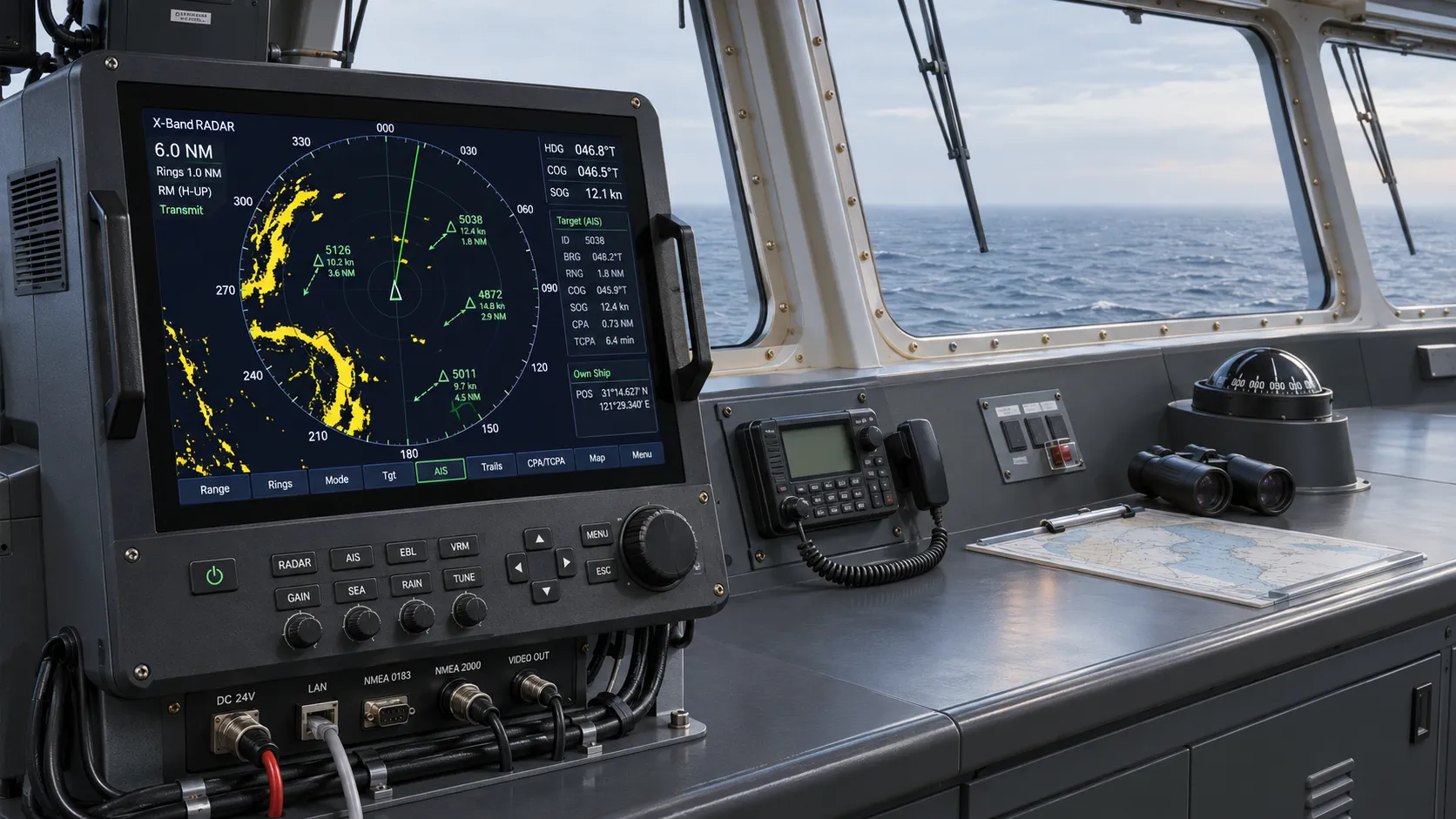
Choosing a Marine Radar Systems Supplier: What to Check Before Buying
Choosing a marine radar systems supplier? Compare installed costs, bridge compatibility, compliance evidence, and service support before you buy.
Related News
- 00
0000-00
Compact Pretensioner Systems: Evaluating Packaging, Stroke, and Belt-Tightening Force - 00
0000-00
How OEMs Evaluate Seatbelt Safety Systems for Vehicle Platform Integration - 00
0000-00
How Rear-Impact Safety Components Work Together to Protect Vehicle Occupants - 00
0000-00
Crash Test Regulations for Seatbelts: Key Compliance Requirements Explained - 00
0000-00
How Seat Belt Pretensioners for EVs Improve Crash Safety and System Response
0000-00
Weekly Insights
Stay ahead with our curated technology reports delivered every Monday.