
Force-Limiting Systems vs Pre-Tensioners: Key Differences in Occupant Protection Design
Force-Limiting Systems vs Pre-Tensioners: Key Differences in Occupant Protection Design
In occupant protection design, the debate around force-limiting systems and pre-tensioners is no longer a narrow component question.
It shapes crash targets, validation timing, supplier strategy, and even cost exposure across the full restraint architecture.
At a practical level, both technologies sit in the seatbelt system, but they solve different problems during a crash pulse.
Pre-tensioners act early.
Force-limiting systems act slightly later.
That timing difference sounds simple, yet it drives major decisions in occupant kinematics, chest injury control, and system tuning.
For programs targeting stronger safety ratings, the key is not choosing one over the other in isolation.
The real task is understanding how force-limiting systems and pre-tensioners work together within a defined crash strategy.
Why the Distinction Matters in Modern Restraint Design
Seatbelt systems now carry more performance responsibility than they did a decade ago.
Vehicles are lighter, seating positions are more varied, and regulatory plus consumer testing is more demanding.
That means restraint tuning must balance occupant retention and injury reduction with much tighter margins.
In this environment, force-limiting systems help manage belt loads on the chest.
Pre-tensioners reduce slack and pull the occupant into a better position before forward motion grows too large.
Confusing these functions can lead to poor requirement allocation early in development.
More importantly, it can create avoidable rework when crash simulation results do not match intended injury trade-offs.
What Pre-Tensioners Actually Do
A pre-tensioner rapidly removes belt slack during the first phase of a crash event.
It tightens the belt webbing or retracts the spool after crash sensors trigger deployment logic.
The goal is straightforward: control early occupant motion before the body moves too far forward.
This improves positioning relative to the airbag, seat, steering wheel, and instrument panel.
In real program terms, pre-tensioners mainly influence initial kinematics.
They are especially important in frontal crashes, offset impacts, and scenarios with noticeable belt slack from posture variation.
Common pre-tensioner designs include pyrotechnic retractors, buckle pre-tensioners, and sometimes multi-stage solutions.
Each option affects package space, control logic, supplier complexity, and timing calibration.
Primary benefits of pre-tensioners
- Reduce belt slack at crash onset.
- Improve occupant position before airbag engagement.
- Lower forward excursion in many frontal events.
- Support more stable restraint performance across seating postures.
What Force-Limiting Systems Actually Do
Force-limiting systems manage how much load the belt transfers to the occupant’s torso after restraint loading increases.
Instead of holding the body as rigidly as possible, the system allows controlled belt payout once load reaches a calibrated threshold.
That controlled release helps reduce chest force and chest deflection.
This is why force-limiting systems are closely linked to thoracic injury criteria in frontal crash development.
From a design perspective, force-limiting systems are not about “less restraint.”
They are about smarter restraint energy management.
The trade-off is that lower chest load can allow more forward movement if the rest of the system is not well coordinated.
That is exactly why force-limiting systems must be tuned alongside airbags, seats, structure, and pre-tensioners.
Primary benefits of force-limiting systems
- Reduce peak chest loading during belt restraint.
- Help manage chest deflection and injury metrics.
- Improve restraint comfort-performance balance in severe deceleration events.
- Support broader occupant protection tuning across vehicle variants.
Force-Limiting Systems vs Pre-Tensioners: The Core Differences
The easiest way to compare them is by asking when they act and what problem they solve.
So, when teams ask whether force-limiting systems or pre-tensioners are more important, the answer is usually neither alone.
They address different phases of the same crash event.
A strong restraint concept often needs both, tuned to the vehicle structure and target occupants.
How These Systems Affect Standards and Ratings
From a compliance view, force-limiting systems matter because chest response remains a major evaluation area in global programs.
Pre-tensioners matter because poor initial positioning can undermine otherwise strong airbag performance.
Whether the target is FMVSS alignment, Euro NCAP, IIHS, or regional consumer testing, system interaction is the real issue.
Recent design trends show more refined multi-load strategies rather than one fixed restraint behavior.
This matters for mixed occupant sizes, varied seating postures, and advanced seat architectures.
In other words, force-limiting systems are increasingly part of a broader safety tuning conversation, not a standalone checkbox.
Key Integration Questions During Program Planning
During concept and sourcing reviews, several questions help prevent late-stage surprises.
- What chest injury targets define the need for specific force-limiting systems?
- How much early slack removal is required for the seating geometry?
- Will the same restraint tuning work across trim levels and body styles?
- How sensitive is the package to retractor location, buckle design, and seat structure?
- Which crash modes create the highest risk of tuning conflict between excursion and chest loading?
These questions sound technical, but they are also program management questions.
They affect testing budget, validation loops, supplier nomination timing, and change management.
Common Design Risks When the Difference Is Misread
One common mistake is assuming stronger belt restraint always means better protection.
Without effective force-limiting systems, that approach can push chest loads too high.
Another mistake is softening load limits too early without enough pre-tensioner support.
That can increase forward excursion and weaken airbag interaction.
A third risk appears in cross-functional communication.
If teams discuss “belt performance” as one block, critical timing differences get overlooked.
That usually shows up later as unstable simulation correlation or repeated sled test adjustments.
A Practical Decision Framework
A useful way to frame decisions is to separate motion control from load control.
- Use pre-tensioners to answer: how fast must the occupant be coupled to the restraint system?
- Use force-limiting systems to answer: how much belt load can the chest safely absorb?
- Then validate both answers against airbags, seats, and crash pulse variation.
This framework keeps technical reviews focused and helps avoid false trade-offs.
It also supports cleaner supplier discussions because requirements become more measurable.
Final Takeaway
Force-limiting systems and pre-tensioners are not competing answers.
They are complementary tools inside a modern occupant protection strategy.
Pre-tensioners manage early occupant motion.
Force-limiting systems manage the chest load that follows.
When that distinction is clear, design reviews become sharper, validation paths become shorter, and safety targets become easier to hit.
The most reliable next step is to review restraint requirements by crash phase, then confirm where force-limiting systems and pre-tensioners each create measurable value.
Related News
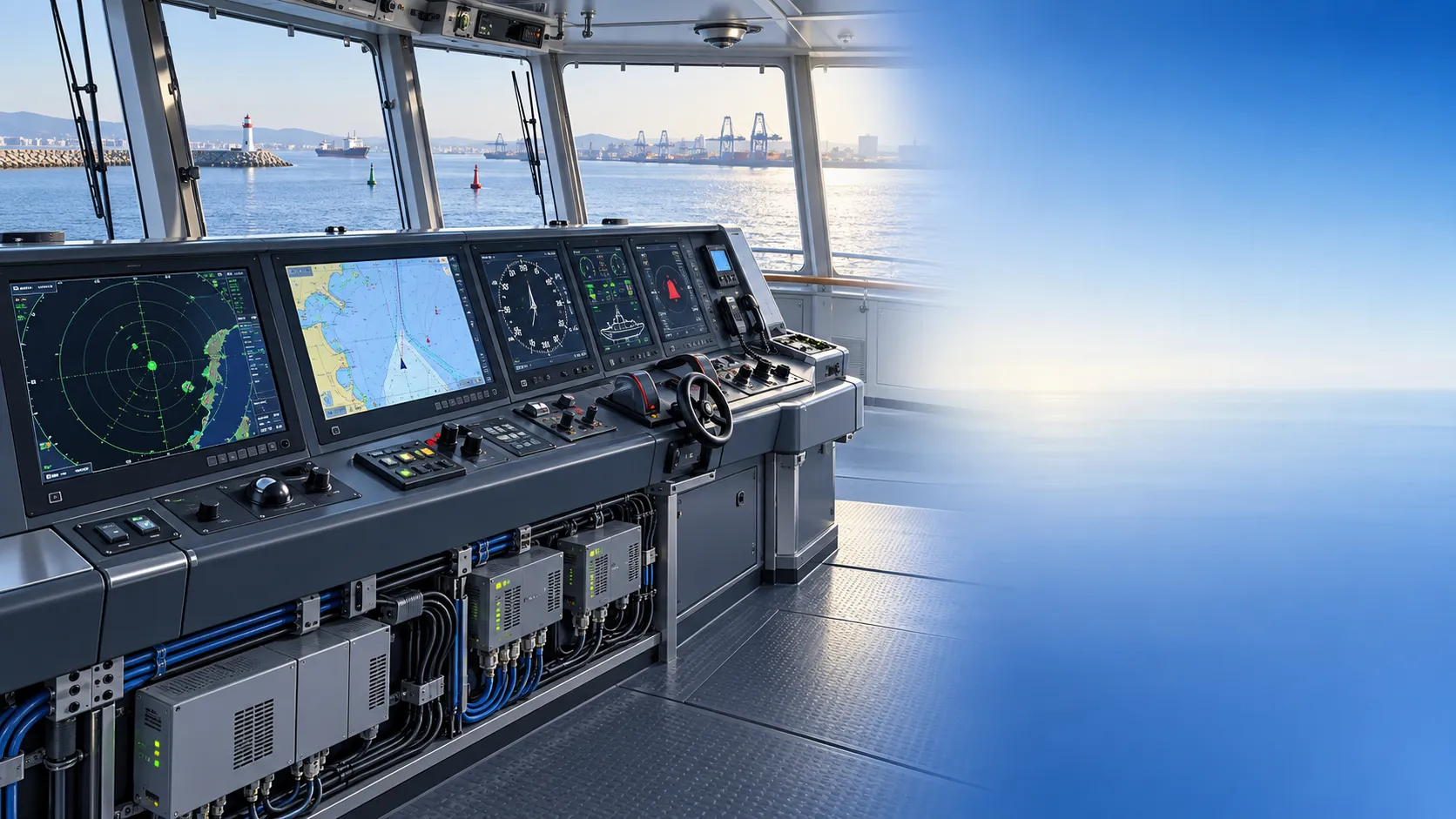
How to Specify Integrated Marine Electronics for Reliable Bridge Operations
Integrated marine electronics: learn how to specify reliable bridge systems with clear data flows, redundancy, alarm control, lifecycle interfaces, and operational testing.
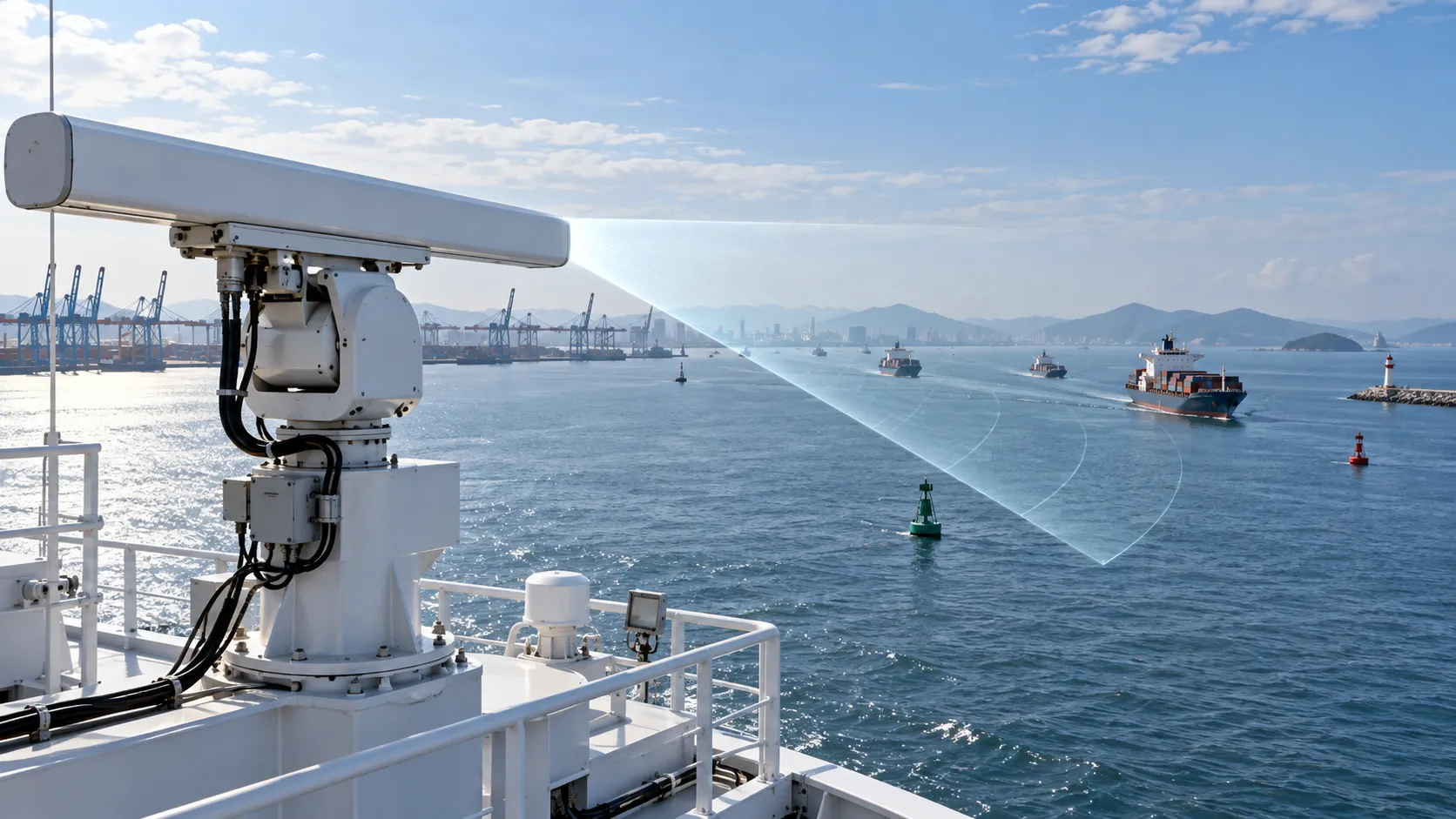
How to Evaluate Navigation Radar Manufacturers for Commercial Vessel Projects
Navigation radar manufacturers: learn how to compare performance, compliance, integration, support, and lifecycle cost for commercial vessel projects.
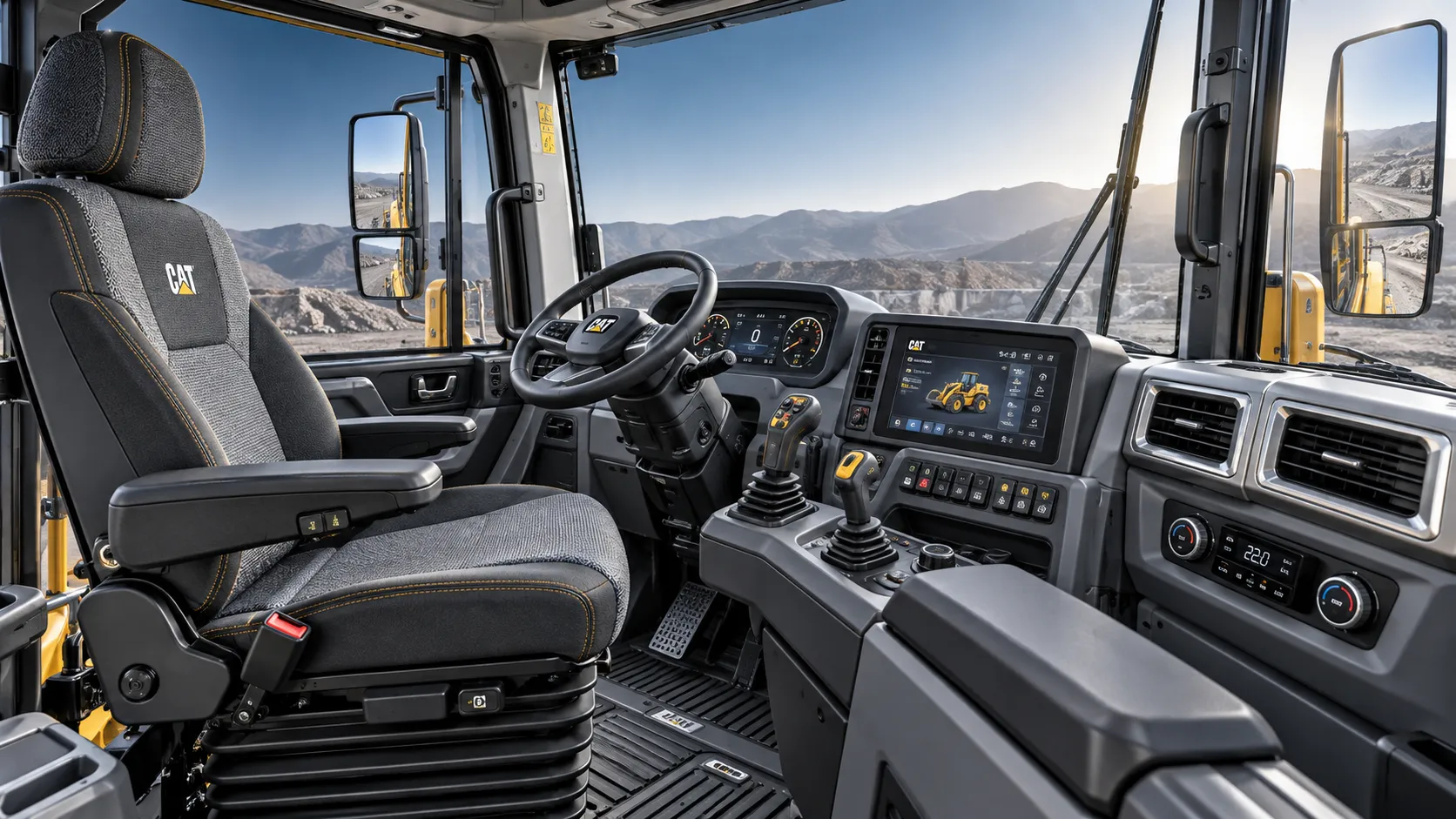
How Adjustable Cabin Ergonomics Reduce Operator Fatigue in Long-Shift Vehicles
Adjustable cabin ergonomics reduces operator fatigue through better seating, reach, visibility, vibration control, and climate comfort for safer long-shift vehicles.
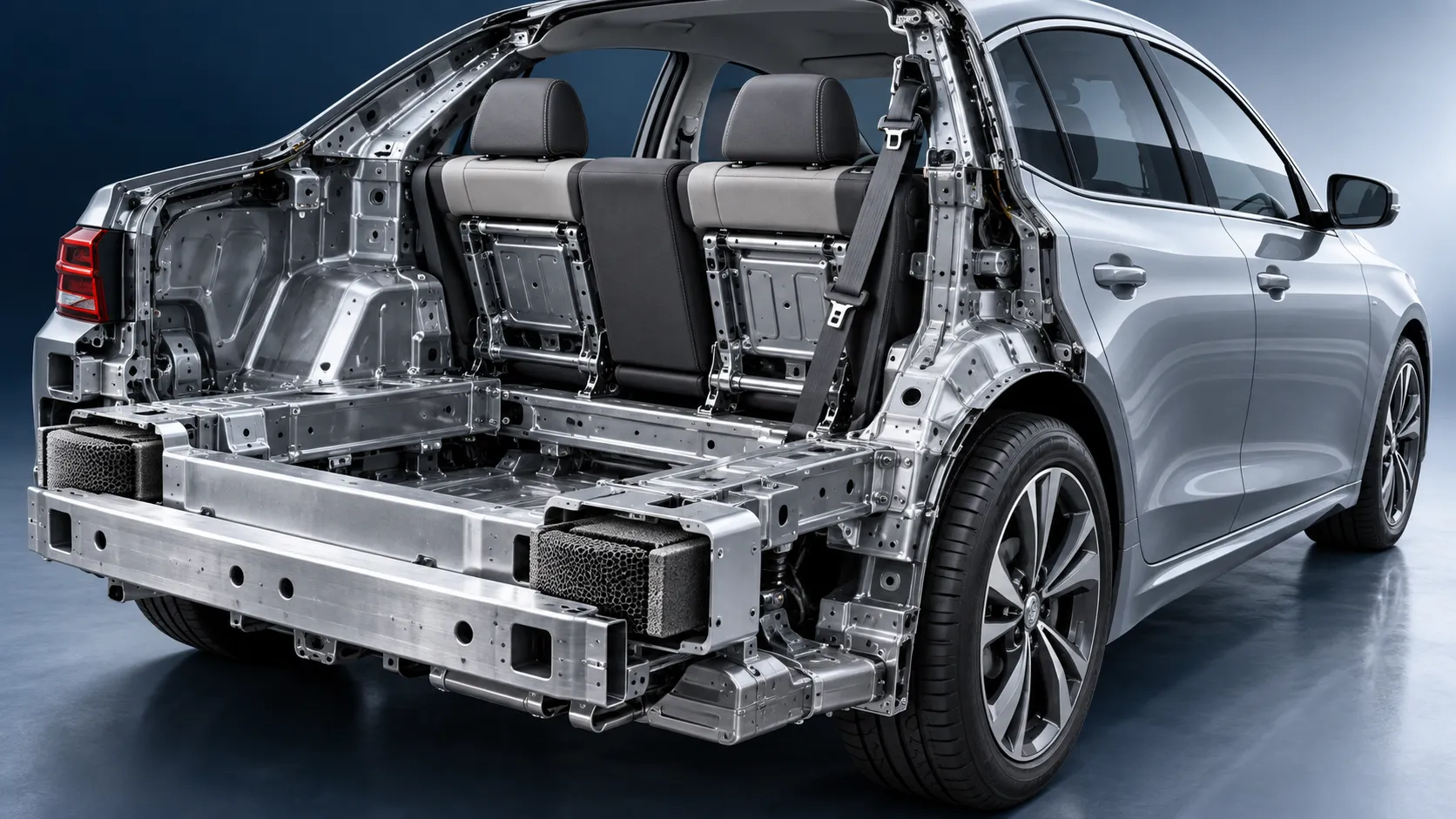
How Rear-Impact Safety Components Work Together to Protect Vehicle Occupants
Explore how automotive safety components for rear impact work together—from crash structures and seats to head restraints and belts—to enhance occupant protection.
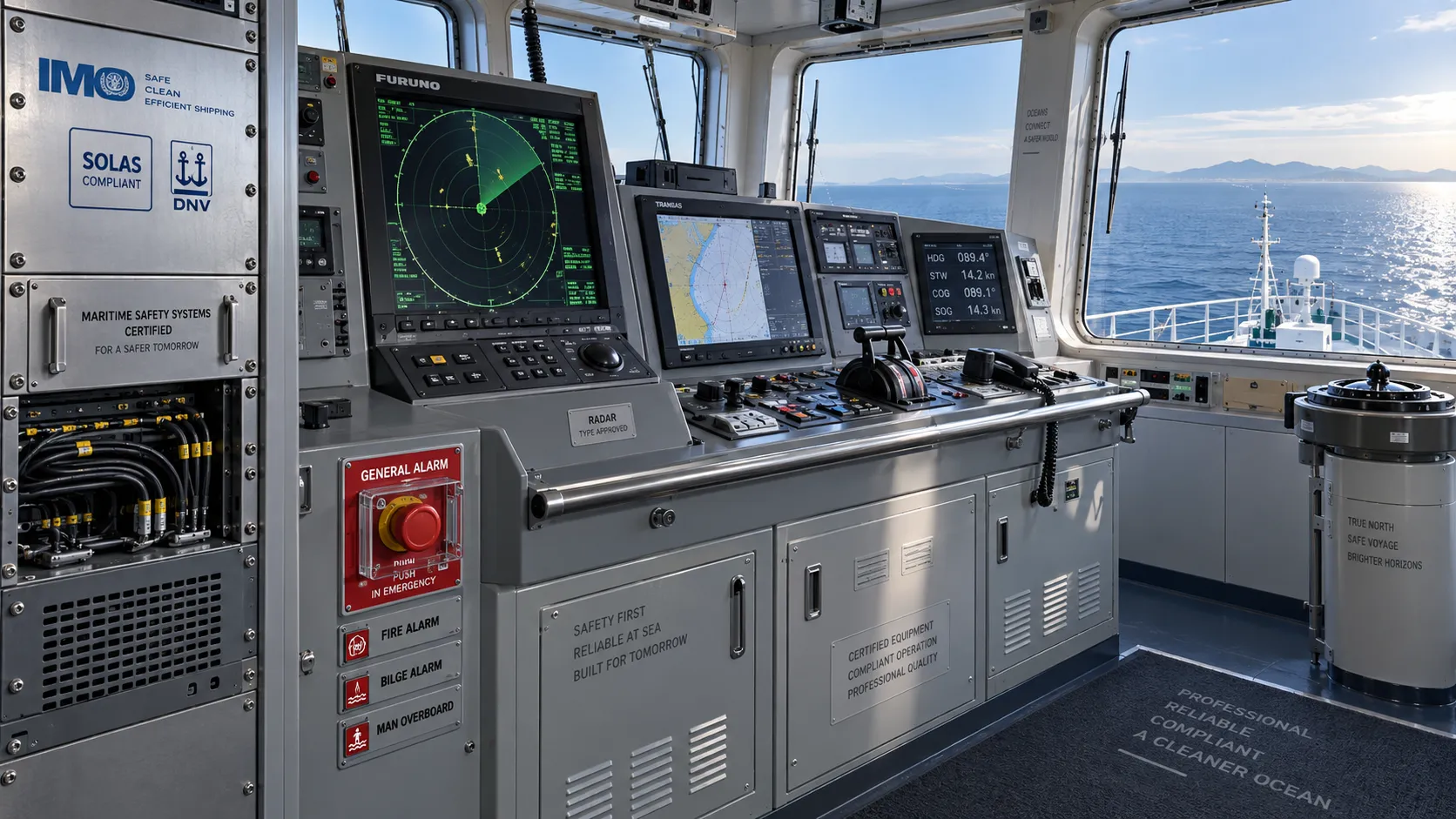
How to Evaluate a Marine Safety Systems Manufacturer for Vessel Compliance and Reliability
Marine safety systems manufacturer evaluation guide: verify compliance, engineering quality, lifecycle costs, and global service support for safer, reliable vessel operations.
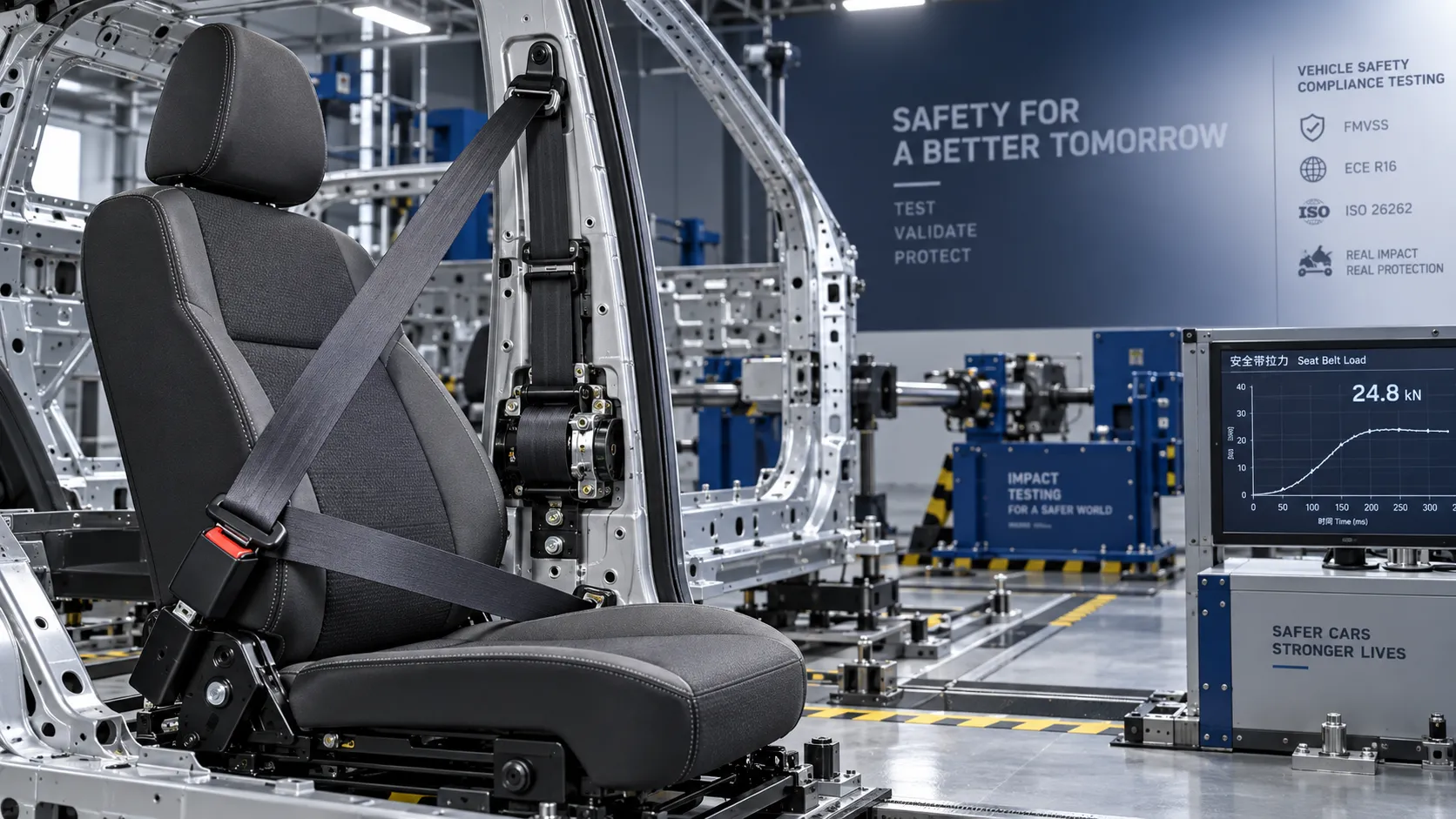
Crash Test Regulations for Seatbelts: Key Compliance Requirements Explained
Crash test regulations seatbelts explained: explore FMVSS, UN rules, anchorage strength, and dynamic restraint testing for safer, compliant vehicle systems.
How to Calculate the Total Cost of Automotive Lightweighting for a Vehicle Program
Automotive lightweight solutions cost: learn how to calculate program-level costs, including materials, tooling, joining, validation, risk, and vehicle-level value.
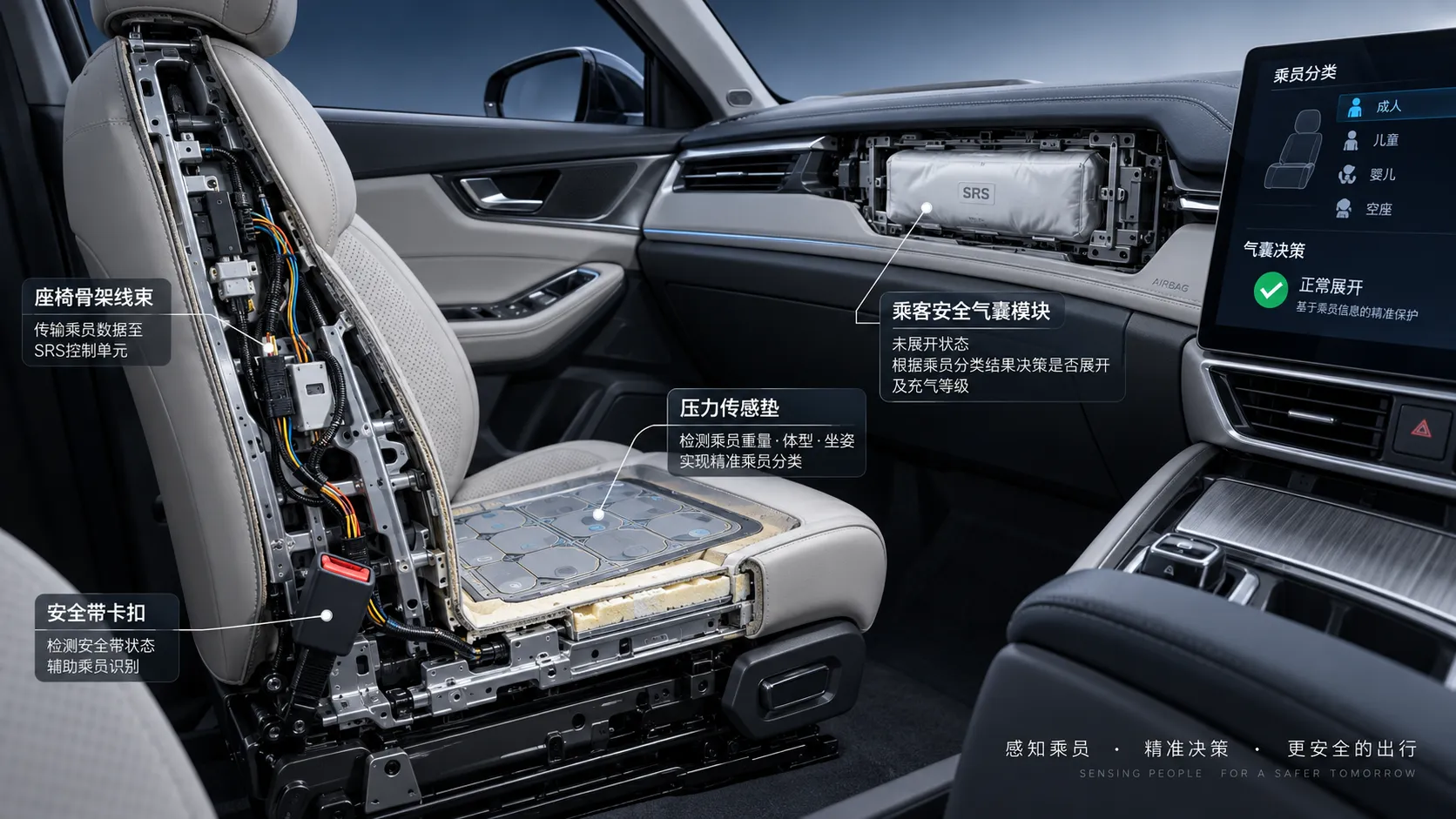
How Automotive Seat Occupancy Sensing Improves Airbag Deployment Decisions
Automotive seat occupancy sensing helps optimize airbag deployment decisions, improving passenger classification, safety diagnostics, and compliance across real-world conditions.
What Drives Lightweight Body Component Costs in High-Volume Vehicle Programs?
Lightweight body components cost depends on material yield, forming, joining, tooling, validation, and logistics. Explore proven ways to optimize total vehicle program cost.
Related News
- 00
0000-00
How Rear-Impact Safety Components Work Together to Protect Vehicle Occupants - 00
0000-00
Crash Test Regulations for Seatbelts: Key Compliance Requirements Explained - 00
0000-00
How Seat Belt Pretensioners for EVs Improve Crash Safety and System Response - 00
0000-00
How Do Seatbelt Systems with Pretensioner Improve Crash Protection? - 00
0000-00
How Seatbelt Technology for Buses Improves Passenger Safety and Meets Compliance Needs
Weekly Insights
Stay ahead with our curated technology reports delivered every Monday.