How Ship Safety Navigation Systems Reduce Collision Risk in Coastal and Congested Waters
Why collision risk changes so quickly near shore
In coastal waters, collision risk rarely comes from one dramatic failure. It usually builds through small gaps in timing, visibility, and vessel interpretation.
That is where ship safety navigation systems matter most. They turn scattered signals into a usable operational picture when traffic density and shoreline complexity rise together.
A narrow channel, busy harbor entrance, and fog-prone coastal route may all look similar on a chart. In practice, they demand different alert behavior, display priorities, and integration depth.
GNCS often frames this through precision spatial perception. The goal is not only knowing where a vessel is, but understanding what nearby motion, draft limits, and route constraints mean in real time.
When ship safety navigation systems combine GNSS, radar, AIS, sonar, ECDIS, and intelligent alerts correctly, crews get earlier warning and less decision friction.
That reduction in ambiguity is what lowers collision exposure in congested waters. It also supports compliance, auditability, and safer operating routines across mixed fleets.
Actual operating conditions shape what the system must do
The same ship safety navigation systems will not perform equally well in every environment, even when the specifications appear strong on paper.
Nearshore traffic often involves fishing vessels, ferries, tugs, pilot boats, anchored ships, and fast recreational craft sharing limited maneuvering space.
Some targets transmit AIS reliably. Others do not. Some produce clear radar returns. Others are masked by rain clutter, land echoes, or pier structures.
This is why system selection should start with operating context, not only with sensor range or display size.
More common evaluation points include update latency, false alarm control, target correlation quality, bridge interface clarity, and how quickly operators can confirm a risk.
For GNCS, this logic mirrors broader safety engineering. Whether tracking marine traffic or crash-energy behavior, raw data matters less than accurate interpretation under pressure.
Where demand starts to diverge
- Open coastal transit needs strong route continuity and weather-resilient tracking.
- Port approach needs high-confidence target separation and sharper alarm logic.
- Harbor maneuvering depends on short-range precision and rapid display interpretation.
- Restricted channels require dependable cross-track control and shallow-water awareness.
Busy port approaches demand target clarity, not just more data
Port approaches are often where ship safety navigation systems prove their real value. Many collision chains begin during approach, not during open-water cruising.
Traffic converges from multiple headings. Speed differentials widen. Pilot boarding, tug coordination, and berth sequencing add more moving parts.
In this setting, operators need fast confidence about which targets are relevant now, which are crossing, and which are constrained by draft or local traffic rules.
A useful setup usually prioritizes radar-AIS correlation, clear CPA and TCPA presentation, and alerts that escalate only when action windows shrink.
Too many alarms can be as dangerous as too few. If every close contact appears urgent, true threats are harder to isolate.
In practical deployment, ship safety navigation systems should also account for local topography. Breakwaters, cranes, and shoreline reflections can distort radar interpretation during final approach.
Narrow channels and estuaries reward precise track control
Restricted waters create a different problem. The vessel may see traffic clearly, yet still face high collision risk because maneuvering room is limited.
Here, ship safety navigation systems need to support lane discipline, under-keel awareness, and stable route monitoring more than long-range target discovery.
Cross-track error, chart accuracy, speed over ground, and turn prediction become more important than broad traffic visualization.
This is especially true in tidal estuaries, where current set and drift can move a vessel toward danger faster than visual judgment suggests.
A common mistake is treating every restricted route as a simple chart-following exercise. In reality, depth change, buoy movement, sediment shift, and local update discipline all affect safe passage.
That is why GNCS gives sustained attention to cloud-based ECDIS update protocols and signal reliability. Timely information can change route safety more than additional hardware.
Low-visibility coastal passages need layered detection
Fog, rain, sea clutter, and night traffic create another operating pattern. Visual confirmation weakens, while decision pressure rises.
In these passages, ship safety navigation systems reduce collision risk by layering detection methods rather than relying on one primary source.
Radar provides object presence. AIS adds identity and movement intent. GNSS and ECDIS anchor the vessel to route geometry. Sonar and depth inputs guard against position drift near hazards.
The key judgment is how well the system reconciles conflicting signals. A clean screen means little if target association is weak or delayed.
This is also where maintenance discipline matters. Poor antenna placement, calibration drift, or display lag can quietly erode the value of otherwise advanced ship safety navigation systems.
Different scenarios do not ask for the same priorities
A side-by-side view helps clarify why selecting ship safety navigation systems by headline specification alone often leads to poor fit.
The table also shows a broader lesson. Better safety often comes from tuning and integration quality, not simply adding more standalone devices.
Where selection and implementation often go wrong
One frequent misjudgment is focusing only on equipment capability under ideal test conditions. Coastal reality is shaped by interference, workload, local routing rules, and maintenance consistency.
Another is assuming similar routes have identical needs. A ferry corridor, dredged channel, and offshore supply approach may all be congested, but their decision windows differ sharply.
Cost analysis can also be too narrow. Lower upfront spending may create higher lifecycle risk through weak software support, poor update governance, or limited compatibility with bridge systems.
Ship safety navigation systems should be judged alongside training burden, spares availability, sensor maintenance intervals, and audit traceability.
GNCS regularly connects these operational details with wider compliance patterns. That perspective is useful because regulation, electronics reliability, and safety culture tend to move together.
A practical way to match ship safety navigation systems to use conditions
A workable selection path starts with route behavior rather than equipment brochures.
- Map the most collision-sensitive segments of each route, including speed transitions and visibility constraints.
- List which targets are hardest to detect or classify in those segments.
- Check whether existing ship safety navigation systems fail at sensing, correlation, alerting, or operator interpretation.
- Verify chart update discipline, sensor placement, and bridge display ergonomics before replacing hardware.
- Test alarm thresholds against real traffic density, not generic factory settings.
- Review maintenance and software support cycles as part of risk control, not as afterthoughts.
That approach usually leads to more stable gains. It also aligns with the GNCS view that safe mobility depends on well-stitched intelligence, reliable hardware, and disciplined execution.
When collision risk is being reviewed, the next sensible step is to compare route-specific conditions, signal quality, and onboard response patterns before changing system architecture.
From there, ship safety navigation systems can be adapted around real constraints, with clearer priorities for compliance, maintenance, and long-term operational safety.
Related News

How to Evaluate a B2B Product Knowledge Platform for Faster Procurement Decisions
B2B product knowledge platform procurement starts with reducing decision risk. Learn how to compare specs, compliance, and supplier data to speed sourcing with confidence.

How to Evaluate an Occupant Restraint Systems Exporter for Quality, Compliance, and Supply Risk
Occupant restraint systems exporter evaluation guide: learn how to verify quality controls, compliance evidence, and supply risk before sourcing to avoid recalls, delays, and hidden costs.
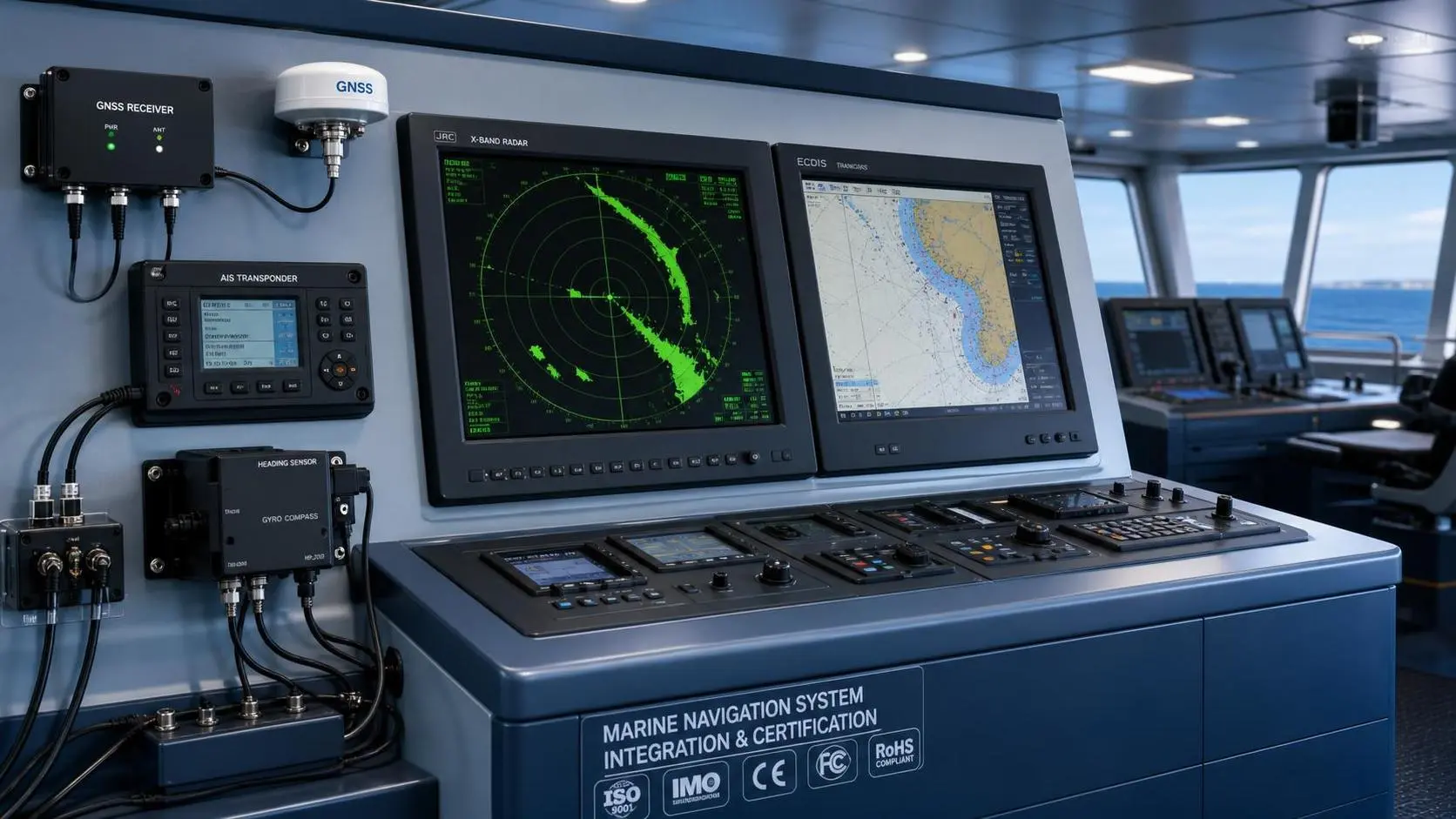
Navigation Compliance Certification: Which Marine Systems Need It and How to Prepare?
Navigation compliance certification explained: discover which marine systems need approval, what documents matter, and how to prepare early to avoid delays, rework, and costly project risks.

How to Evaluate Steel Auto Body Stampings for Strength, Fit, and Cost
Steel auto body stampings should be judged by strength, fit, and total cost together. Learn how to compare materials, forming limits, springback, joining, and tooling before choosing.

How to Evaluate Lightweight Automotive Components for EV Range and Crash Performance
Lightweight automotive components for EVs: learn how to evaluate real range gains, crash performance, joining risk, and manufacturability to choose safer, smarter EV parts.

How to Evaluate Airbag Components for OEM Safety Performance and Compliance?
Airbag components evaluation guide for OEM teams: compare deployment performance, inflator consistency, compliance evidence, and supplier traceability to reduce safety risk and choose with confidence.
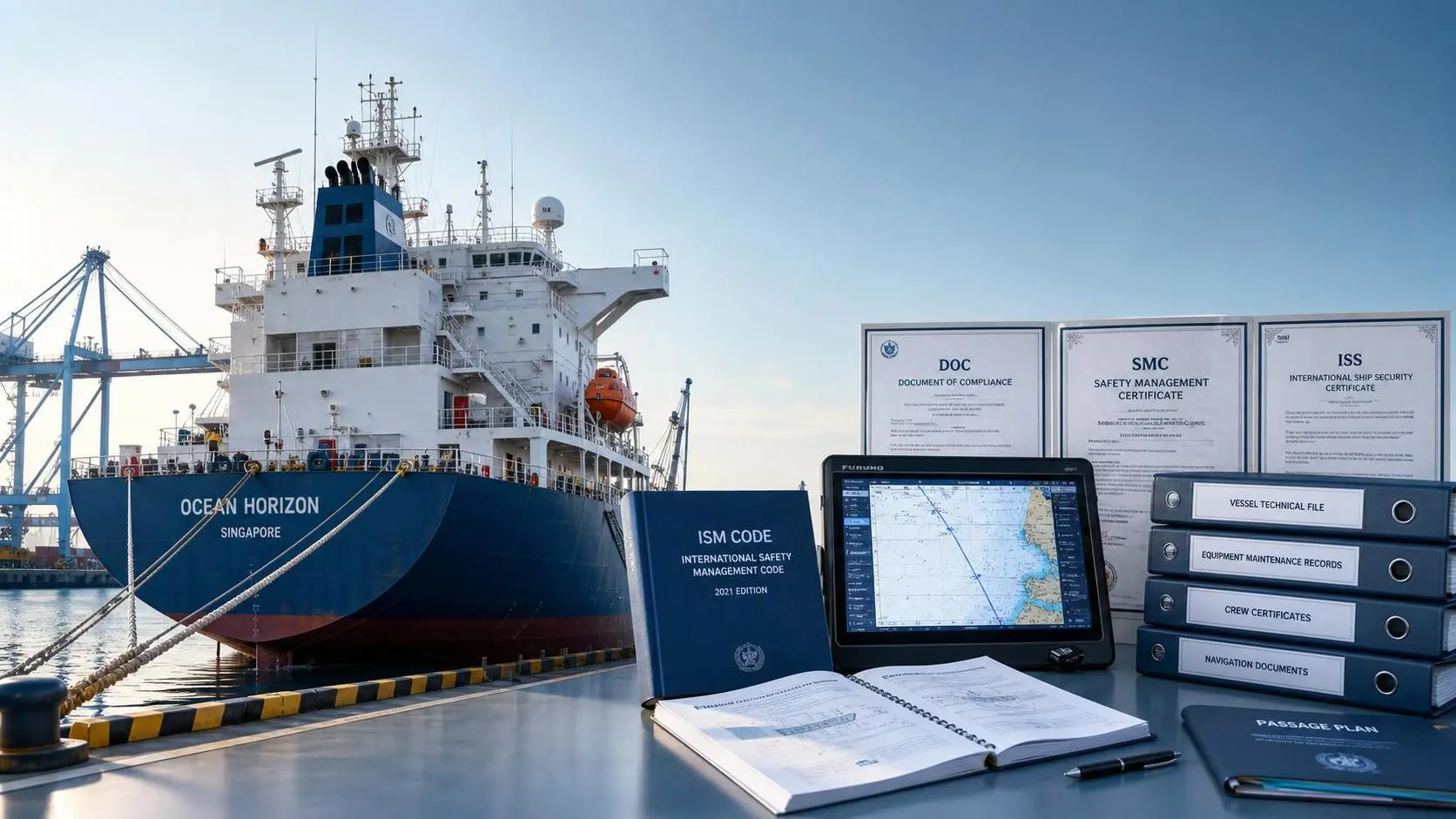
Maritime Compliance Information Standards: What Ship Operators Must Check
Maritime compliance information standards explained for ship operators: learn the key checks for navigation, documentation, updates, and crew readiness to reduce risk and avoid costly delays.

How to Evaluate Cargo Marine Sonar Systems for Detection Range and Vessel Fit
Cargo marine sonar systems: learn how to assess usable detection range, hull fit, noise risk, and bridge integration to choose a reliable solution for real cargo vessel operations.

How Do Seatbelt Systems with Pretensioner Improve Crash Protection?
Seatbelt systems with pretensioner improve crash protection by tightening early, reducing forward motion, and helping airbags work as designed. Learn why timing is critical to occupant safety.
Related News
- 00
0000-00
How to Evaluate Cargo Marine Sonar Systems for Detection Range and Vessel Fit - 00
0000-00
How to Evaluate Marine Signal Processing Software for Radar and Sonar Integration - 00
0000-00
How Do Automatic Identification Systems Improve Vessel Tracking and Collision Avoidance? - 00
0000-00
How to Choose Marine Navigation Systems for Patrol Boats in Coastal and Offshore Missions - 00
0000-00
Marine Electronics Systems Distributor Selection: 7 Checks Before You Compare Quotes
Weekly Insights
Stay ahead with our curated technology reports delivered every Monday.