Marine Navigation Systems Explained: Core Functions, Sensors, and Use Cases
Why does marine navigation matter more than many people expect?
Marine navigation is not only about finding a route on open water.
It connects vessel positioning, hazard detection, collision avoidance, and compliance with modern maritime rules.
In rough weather, narrow channels, or congested ports, marine navigation becomes a continuous decision-support process.
That is why modern systems combine charts, sensors, communication tools, and onboard displays rather than relying on one device.
A useful way to understand it is through the broader safety logic seen across mobility industries.
GNCS often frames this as precision perception linked with physical protection.
At sea, the perception side is critical.
A vessel needs to know where it is, what surrounds it, and what may change next.
For anyone researching the field, marine navigation is best viewed as a layered safety system, not a single screen on the bridge.
What exactly is included in a modern marine navigation system?
Most people first think of GPS, but that is only one part.
A modern marine navigation setup usually combines positioning, environmental sensing, route planning, and traffic awareness.
The core building blocks often include ECDIS, GNSS receivers, radar, sonar, AIS, autopilot interfaces, and heading sensors.
Each tool answers a different operational question.
- GNSS shows vessel position, speed, and timing.
- ECDIS turns chart data into a route-monitoring workspace.
- Radar detects nearby targets, coastlines, and moving objects.
- AIS identifies cooperating vessels and shares traffic information.
- Sonar or echo sounders track water depth and underwater conditions.
- Gyrocompass and heading sensors stabilize directional accuracy.
In practice, marine navigation works well when these devices cross-check one another.
If satellite reception weakens, radar and chart overlays still support safe judgment.
If visibility drops, AIS and radar become far more valuable than visual lookout alone.
This integrated logic is one reason intelligent maritime platforms receive so much attention in technical research.
A quick comparison table helps clarify the roles
Which sensors make marine navigation reliable in real conditions?
Reliability comes from sensor diversity, not from a single premium device.
This matters because sea conditions can distort signals, hide objects, or overload displays.
The most important sensors usually fall into three groups: position sensors, detection sensors, and motion sensors.
Position sensors
These include GPS and other GNSS constellations.
They provide latitude, longitude, course over ground, and speed over ground.
For long-distance voyages, this is the backbone of marine navigation.
Detection sensors
Radar, sonar, and echo sounders belong here.
They help detect nearby vessels, coastlines, buoys, seafloor depth, or underwater obstacles.
In low visibility, these tools often become the practical eyes of the vessel.
Motion and heading sensors
Gyrocompasses, inertial sensors, and log sensors show heading, turn rate, and vessel motion.
Without them, displayed positions may look correct while actual maneuvering drifts off course.
A common research mistake is assuming accuracy equals reliability.
More often, reliability means how well marine navigation holds up when one input becomes noisy or unavailable.
This systems view also mirrors how GNCS studies other safety fields.
Whether in navigation, passive safety, or smart cabin design, dependable performance comes from coordinated subsystems.
Where are marine navigation systems used, and do needs change by vessel type?
Yes, the use case changes a lot.
The same marine navigation principles apply across vessels, but the equipment priorities differ by mission, size, and route complexity.
For example, an ocean-going cargo vessel depends heavily on route planning, redundancy, and compliance-grade chart management.
A fishing vessel may place more weight on sonar detail, local awareness, and weather response.
Passenger ferries often need fast target recognition in dense traffic zones.
Workboats and patrol vessels usually need flexible displays and robust maneuvering support.
- Deep-sea shipping focuses on endurance, route safety, and regulatory traceability.
- Coastal operations focus on obstacle density, tides, and rapid course adjustments.
- Port approaches focus on traffic coordination and shallow-water awareness.
- Specialized missions focus on sensor tuning for survey, defense, or offshore support.
So when people ask whether a marine navigation system is “good,” the better question is “good for which route and risk profile?”
That shift usually leads to a more realistic comparison.
How do you compare marine navigation options without getting lost in specifications?
Start with operational context, not feature count.
A dense spec sheet can hide the more important question of fit.
In actual evaluation, a few factors matter more than long marketing lists.
This is also where intelligence platforms become useful.
GNCS, for example, looks beyond device headlines and tracks how compliance, software updates, and reliability trends influence real-world value.
That perspective helps separate impressive hardware from sustainable system performance.
What mistakes or risks are most common when people assess marine navigation?
One frequent mistake is trusting digital accuracy without checking data quality.
A precise screen can still present outdated charts, weak sensor input, or incomplete target information.
Another issue is overvaluing hardware while ignoring maintenance and update routines.
Marine navigation is a living system.
Software patches, chart revisions, antenna condition, and interface calibration all affect outcomes.
There is also a human-factor risk.
If the bridge team sees too many alarms or poorly arranged displays, reaction quality declines.
- Do not treat AIS as a full replacement for radar or lookout.
- Do not assume chart software is current without update proof.
- Do not ignore spoofing, interference, or signal shadow zones.
- Do not separate equipment choice from training requirements.
In other words, marine navigation risk often comes from gaps between systems, people, and procedures rather than from one dramatic equipment failure.
What is the smartest next step if you are still building your understanding?
A good next step is to map marine navigation by function instead of by brand.
Ask four simple questions.
How is position confirmed?
How are hazards detected?
How is route compliance maintained?
What happens when one layer fails?
That framework makes technical comparisons much clearer.
It also aligns with the way GNCS interprets high-precision navigation within a broader mobility safety ecosystem.
The point is not only to identify advanced equipment.
It is to understand how sensing, decision support, and safety discipline work together under pressure.
If you continue researching marine navigation, focus on integrated performance, update discipline, sensor redundancy, and route-specific fit.
That approach usually leads to better judgments than chasing isolated specifications.
Related News
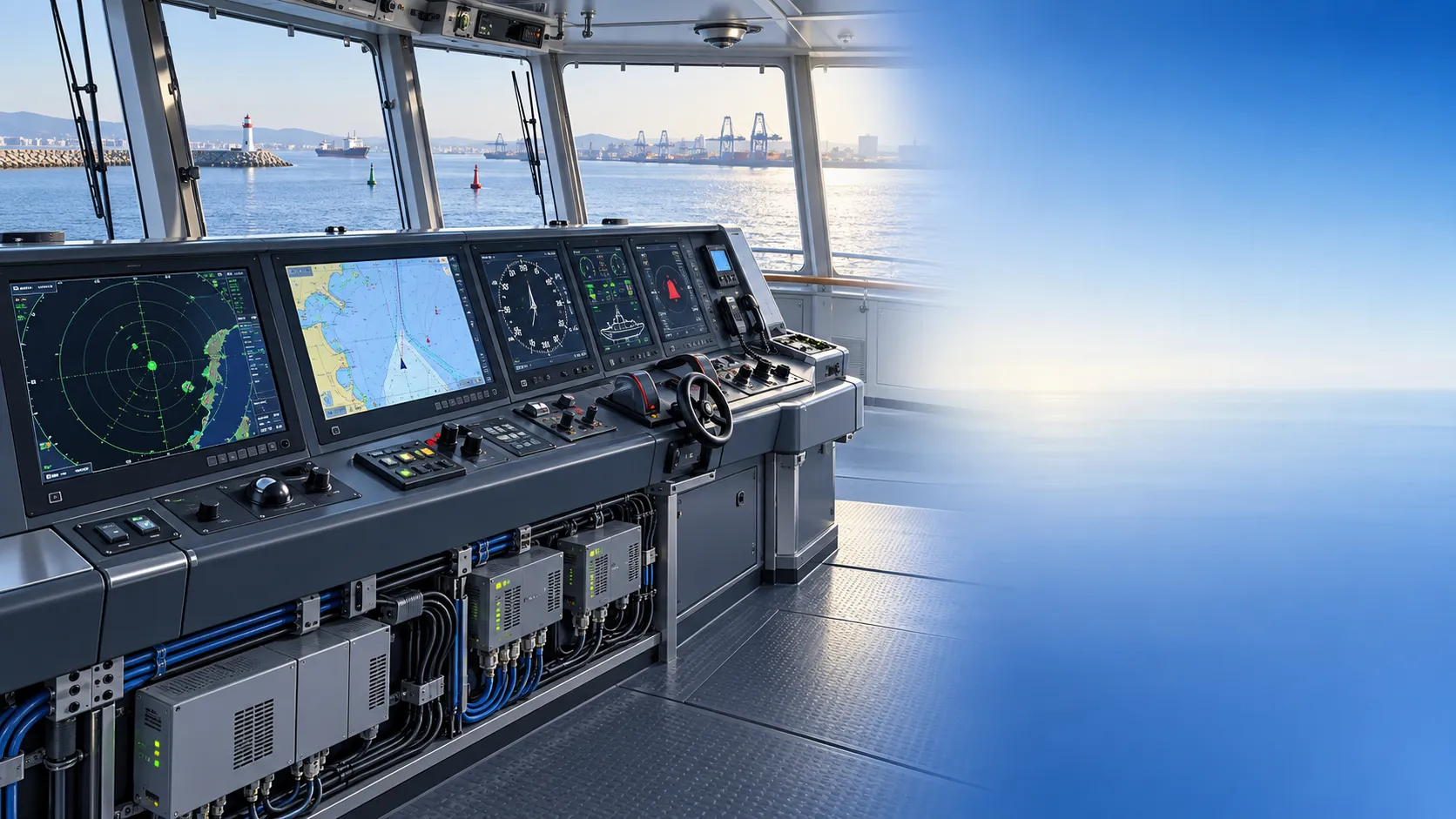
How to Specify Integrated Marine Electronics for Reliable Bridge Operations
Integrated marine electronics: learn how to specify reliable bridge systems with clear data flows, redundancy, alarm control, lifecycle interfaces, and operational testing.
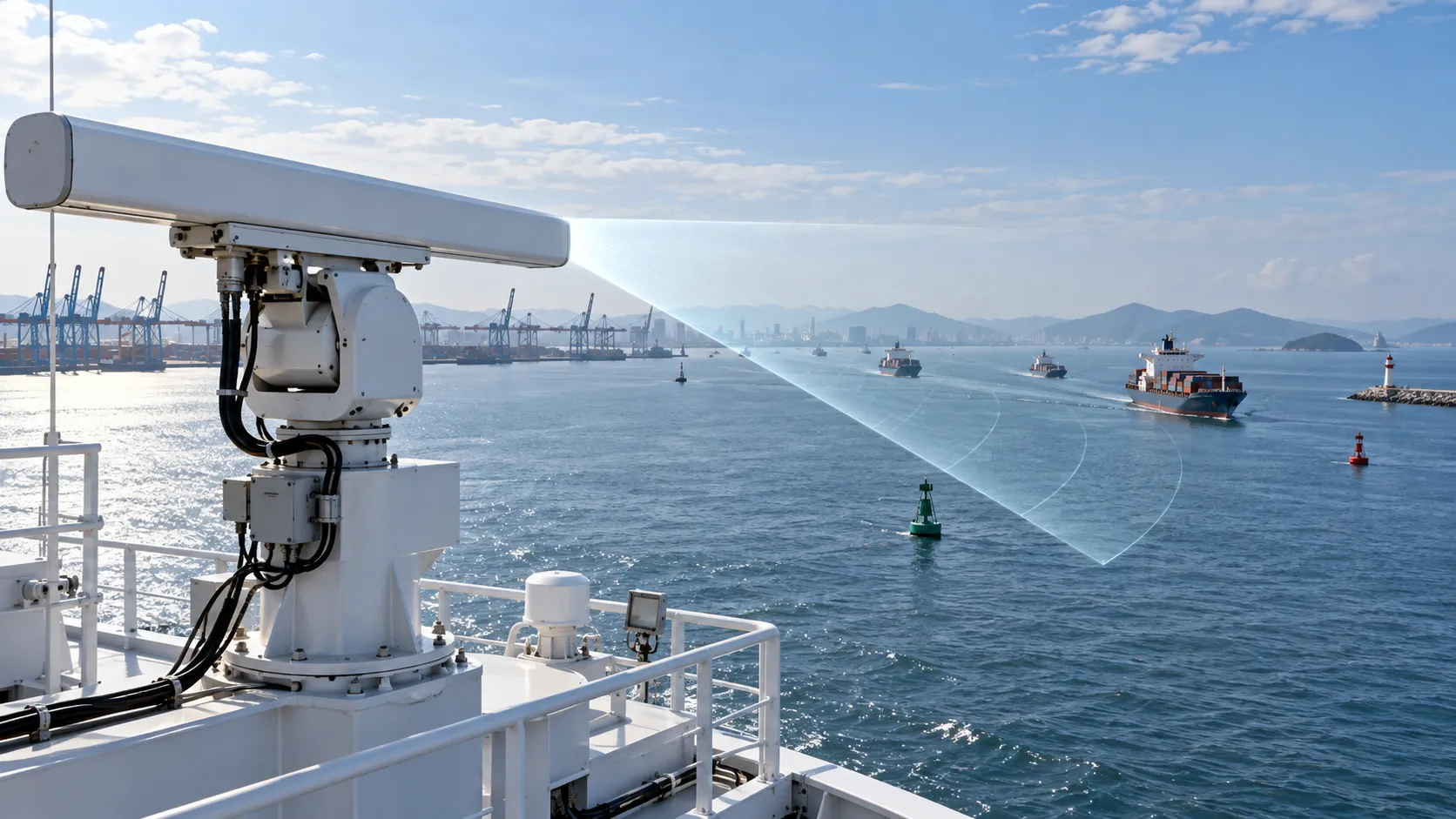
How to Evaluate Navigation Radar Manufacturers for Commercial Vessel Projects
Navigation radar manufacturers: learn how to compare performance, compliance, integration, support, and lifecycle cost for commercial vessel projects.

How Adjustable Cabin Ergonomics Reduce Operator Fatigue in Long-Shift Vehicles
Adjustable cabin ergonomics reduces operator fatigue through better seating, reach, visibility, vibration control, and climate comfort for safer long-shift vehicles.

How Rear-Impact Safety Components Work Together to Protect Vehicle Occupants
Explore how automotive safety components for rear impact work together—from crash structures and seats to head restraints and belts—to enhance occupant protection.
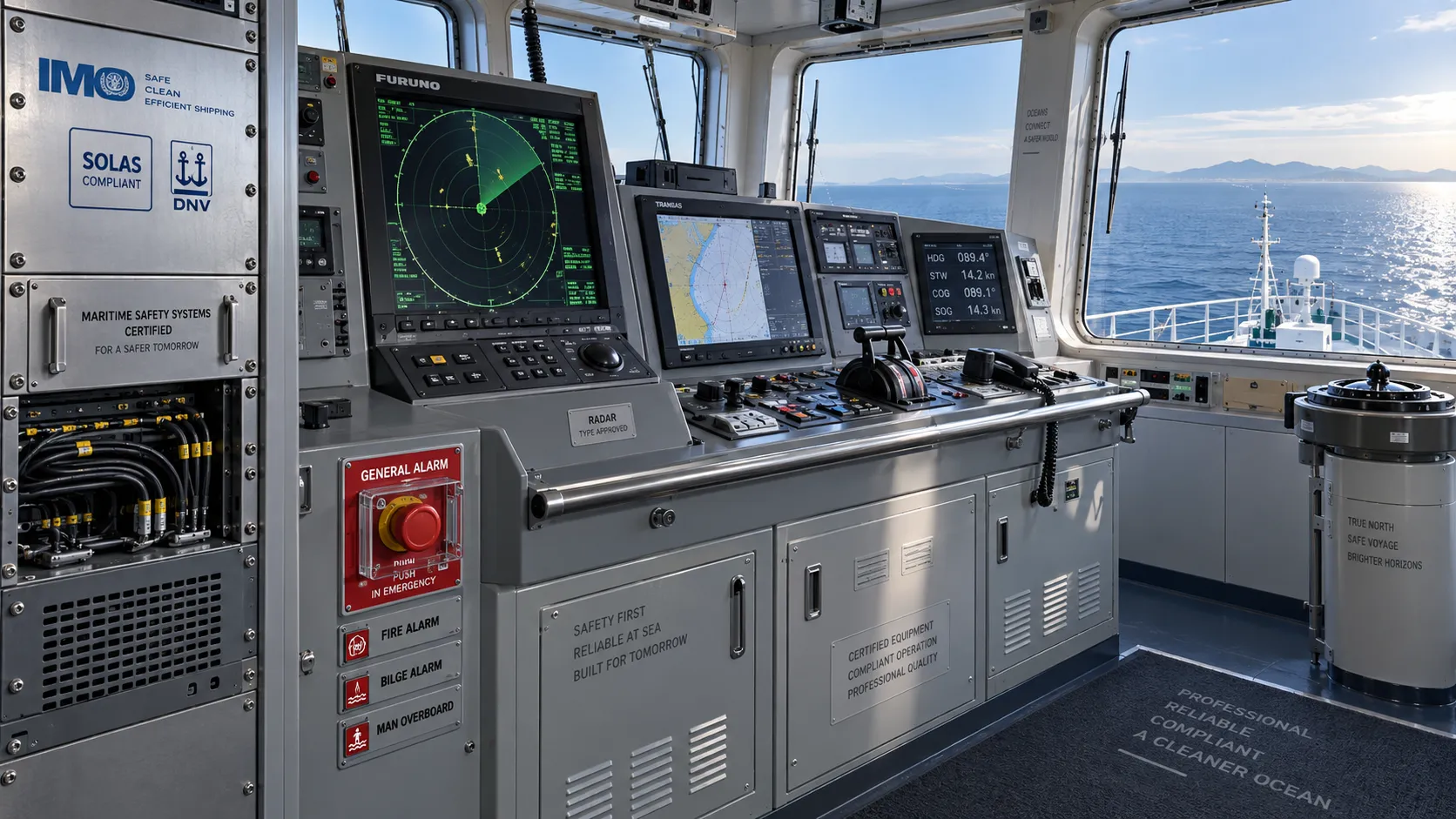
How to Evaluate a Marine Safety Systems Manufacturer for Vessel Compliance and Reliability
Marine safety systems manufacturer evaluation guide: verify compliance, engineering quality, lifecycle costs, and global service support for safer, reliable vessel operations.
Crash Test Regulations for Seatbelts: Key Compliance Requirements Explained
Crash test regulations seatbelts explained: explore FMVSS, UN rules, anchorage strength, and dynamic restraint testing for safer, compliant vehicle systems.

How to Calculate the Total Cost of Automotive Lightweighting for a Vehicle Program
Automotive lightweight solutions cost: learn how to calculate program-level costs, including materials, tooling, joining, validation, risk, and vehicle-level value.

How Automotive Seat Occupancy Sensing Improves Airbag Deployment Decisions
Automotive seat occupancy sensing helps optimize airbag deployment decisions, improving passenger classification, safety diagnostics, and compliance across real-world conditions.

What Drives Lightweight Body Component Costs in High-Volume Vehicle Programs?
Lightweight body components cost depends on material yield, forming, joining, tooling, validation, and logistics. Explore proven ways to optimize total vehicle program cost.
Related News
- 00
0000-00
How to Evaluate Navigation Radar Manufacturers for Commercial Vessel Projects - 00
0000-00
How to Evaluate Cargo Marine Sonar Systems for Detection Range and Vessel Fit - 00
0000-00
How to Evaluate Marine Signal Processing Software for Radar and Sonar Integration - 00
0000-00
How Do Automatic Identification Systems Improve Vessel Tracking and Collision Avoidance? - 00
0000-00
How to Choose Marine Navigation Systems for Patrol Boats in Coastal and Offshore Missions
Weekly Insights
Stay ahead with our curated technology reports delivered every Monday.