
AIS Navigation Systems Explained: Classes, Range Limits, and Key Buying Criteria
Why do AIS navigation systems matter so much in real operations?
AIS navigation systems help vessels identify, track, and describe one another in busy or low-visibility waters. That sounds simple, but the practical value is much wider.
They improve collision awareness, support route planning, and make vessel behavior easier to read. In constrained channels, ports, and offshore corridors, that extra context often changes decisions early.
AIS works by broadcasting vessel identity, position, speed, course, and other voyage data over VHF. Nearby ships, shore stations, and some satellites can receive those transmissions.
For anyone studying navigation technology, AIS navigation systems sit at the intersection of sensing, compliance, and operational safety. That is also why they fit naturally within GNCS coverage.
GNCS often connects maritime perception systems with broader safety engineering logic. In marine use, visibility and signal integrity matter just as much as physical protection matters inside vehicles.
The key point is this: AIS is not a replacement for radar, ECDIS, or watchkeeping. It is a cooperative awareness layer that becomes more valuable when integrated correctly.
What exactly are AIS navigation systems, and what data do they actually share?
A common misunderstanding is that AIS navigation systems are just digital transponders. In reality, they are part of a wider bridge information flow.
A standard AIS setup includes a transceiver, VHF antenna, GPS input, display integration, and sometimes links to radar, chart systems, or voyage data tools.
The transmitted information usually includes:
- MMSI and vessel name
- Position, course over ground, and speed over ground
- Heading, navigation status, and rate of turn when available
- Dimensions, draught, destination, and ETA
Some AIS navigation systems also support safety-related messages and binary data exchange. That matters in fleet management, port coordination, and certain regulated waterways.
In practical terms, AIS answers a question radar cannot fully answer alone: “Who is that target, and what is it likely trying to do?”
That identity layer is why AIS navigation systems are widely studied in marine intelligence portals. They transform moving echoes into interpretable operating behavior.
Class A or Class B: which AIS navigation systems are built for which jobs?
This is usually the first buying question, and for good reason. Class A and Class B AIS navigation systems differ in reporting rate, transmission power, and regulatory intent.
Class A units are designed for SOLAS-class and commercial vessels that need higher reporting frequency and stronger operational visibility. They are the more capable option.
Class B units are often chosen for smaller commercial craft, workboats, leisure vessels, and cost-sensitive installations. They still improve visibility, but the performance envelope is narrower.
A quick comparison makes the distinction easier to judge:
If the vessel operates in dense traffic, international trade lanes, or strict reporting environments, Class A usually makes the case for itself.
If the aim is baseline electronic visibility with moderate integration needs, Class B may be enough. The decision should follow operating profile, not price alone.
How far can AIS navigation systems really reach, and why do range claims vary so much?
Range is one of the most searched topics around AIS navigation systems, and it is also one of the most misunderstood. There is no single fixed distance.
For ship-to-ship and ship-to-shore reception, AIS is mainly limited by VHF line-of-sight conditions. Antenna height, installation quality, sea state, and interference all matter.
A typical practical range might be around 20 to 40 nautical miles. Under favorable conditions, it can go farther. In cluttered or poorly installed systems, it can be much less.
Satellite AIS changes the picture because signals are captured from orbit. Even then, coverage quality depends on traffic density, message collision, revisit frequency, and filtering methods.
More often, the useful question is not “What is the maximum range?” but “At what distance is the data reliable enough for my decisions?”
That is a more serious engineering question, and it aligns with the GNCS habit of looking beyond headline specifications toward real operating fidelity.
Before accepting a range claim, confirm these variables:
- Antenna placement and cable loss
- Class A or Class B transmit power
- Nearby RF congestion and physical obstructions
- Receiver sensitivity and display integration quality
- Whether the use case depends on terrestrial or satellite AIS
What should you compare before choosing AIS navigation systems?
Buying criteria should reflect operational need, not just technical curiosity. A system that looks strong on paper can still be weak in the wrong installation context.
The most useful comparison points are usually the following:
- Certification and compliance fit for route, vessel class, and flag requirements
- Transmit power and reporting behavior under realistic traffic conditions
- Compatibility with radar, ECDIS, chartplotters, and onboard networks
- GPS source quality and redundancy options
- Alarm logic, interface clarity, and data export capability
- Installation constraints, serviceability, and firmware support
For information research, it also helps to ask whether the supplier explains performance in traffic saturation, not only in ideal laboratory conditions.
AIS navigation systems should also be assessed as part of a broader safety stack. Marine electronics, like passive protection systems in mobility platforms, depend on reliability under stress.
That broader systems view is where sector intelligence becomes useful. It helps connect compliance, hardware limits, and actual operating consequences.
Where do buyers and researchers get AIS navigation systems wrong?
One frequent mistake is treating AIS as a collision-avoidance device by itself. It supports avoidance, but it does not replace radar plotting, visual lookout, or navigational judgment.
Another error is comparing AIS navigation systems only by advertised range. In actual use, message refresh rate and signal consistency can matter more than headline distance.
Some users also ignore installation quality. A poor antenna location can reduce the practical value of a good transceiver faster than many expect.
There is also a data trust issue. AIS information is self-reported, so missing, outdated, or incorrectly entered voyage details are not rare.
A short judgment table can help separate useful assumptions from risky ones:
The better approach is to judge AIS navigation systems as operational instruments, not as isolated electronics.
If you are comparing options now, what is the smartest next step?
Start with the route and traffic environment. Coastal traffic, offshore support work, inland passage, and ocean transit place very different demands on AIS navigation systems.
Then map the decision across four layers: compliance, transmission class, bridge integration, and installation conditions. That usually exposes weak fits early.
It also helps to compare data reliability goals, not just hardware specifications. Ask how quickly targets update, how often messages are lost, and how the unit behaves in dense traffic.
For ongoing research, GNCS-style intelligence is useful because it connects component capability with regulation, operating context, and longer-term equipment trends.
In short, AIS navigation systems are worth understanding in layers. Know what they transmit, where their limits begin, and which class actually fits the job.
From there, the next practical move is clear: define the operating scenario, build a short comparison matrix, and verify performance claims against real installation conditions.
Related News
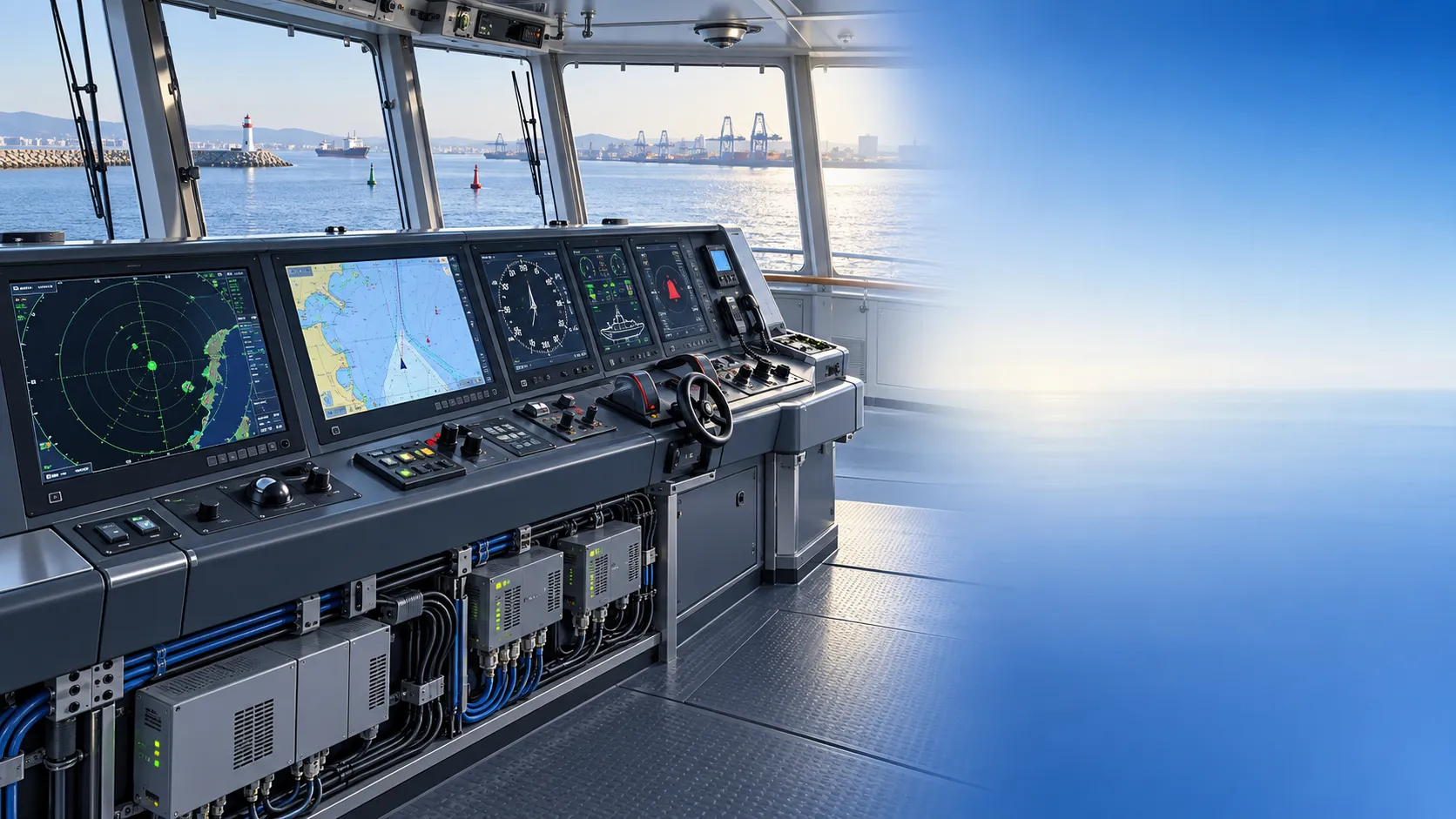
How to Specify Integrated Marine Electronics for Reliable Bridge Operations
Integrated marine electronics: learn how to specify reliable bridge systems with clear data flows, redundancy, alarm control, lifecycle interfaces, and operational testing.

How to Evaluate Navigation Radar Manufacturers for Commercial Vessel Projects
Navigation radar manufacturers: learn how to compare performance, compliance, integration, support, and lifecycle cost for commercial vessel projects.

How Adjustable Cabin Ergonomics Reduce Operator Fatigue in Long-Shift Vehicles
Adjustable cabin ergonomics reduces operator fatigue through better seating, reach, visibility, vibration control, and climate comfort for safer long-shift vehicles.

How Rear-Impact Safety Components Work Together to Protect Vehicle Occupants
Explore how automotive safety components for rear impact work together—from crash structures and seats to head restraints and belts—to enhance occupant protection.
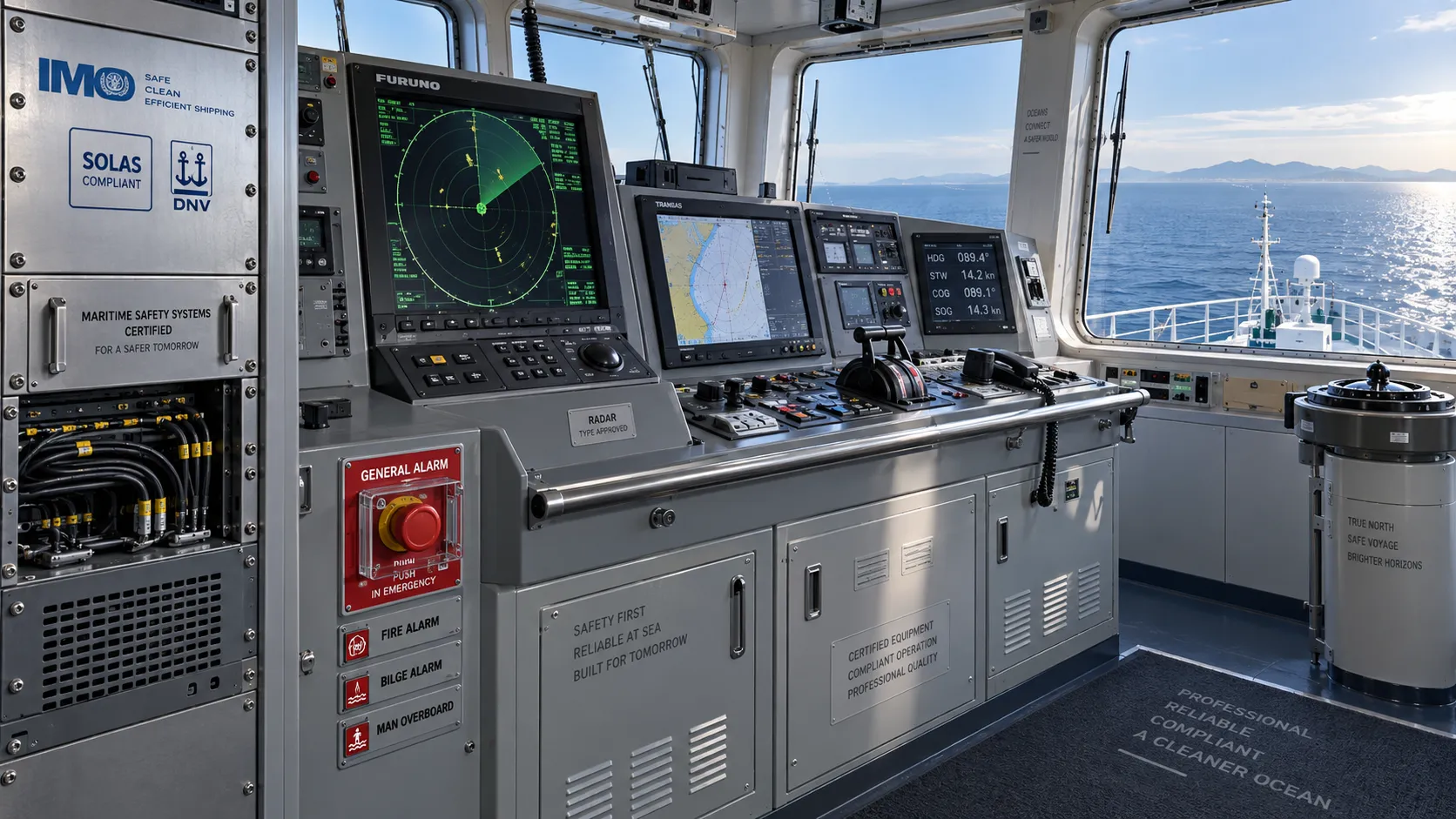
How to Evaluate a Marine Safety Systems Manufacturer for Vessel Compliance and Reliability
Marine safety systems manufacturer evaluation guide: verify compliance, engineering quality, lifecycle costs, and global service support for safer, reliable vessel operations.

Crash Test Regulations for Seatbelts: Key Compliance Requirements Explained
Crash test regulations seatbelts explained: explore FMVSS, UN rules, anchorage strength, and dynamic restraint testing for safer, compliant vehicle systems.

How to Calculate the Total Cost of Automotive Lightweighting for a Vehicle Program
Automotive lightweight solutions cost: learn how to calculate program-level costs, including materials, tooling, joining, validation, risk, and vehicle-level value.

How Automotive Seat Occupancy Sensing Improves Airbag Deployment Decisions
Automotive seat occupancy sensing helps optimize airbag deployment decisions, improving passenger classification, safety diagnostics, and compliance across real-world conditions.

What Drives Lightweight Body Component Costs in High-Volume Vehicle Programs?
Lightweight body components cost depends on material yield, forming, joining, tooling, validation, and logistics. Explore proven ways to optimize total vehicle program cost.
Related News
- 00
0000-00
How to Evaluate Navigation Radar Manufacturers for Commercial Vessel Projects - 00
0000-00
How to Evaluate Cargo Marine Sonar Systems for Detection Range and Vessel Fit - 00
0000-00
How to Evaluate Marine Signal Processing Software for Radar and Sonar Integration - 00
0000-00
How Do Automatic Identification Systems Improve Vessel Tracking and Collision Avoidance? - 00
0000-00
How to Choose Marine Navigation Systems for Patrol Boats in Coastal and Offshore Missions
Weekly Insights
Stay ahead with our curated technology reports delivered every Monday.