Why marine positioning technology fails in rough waters
When seas turn violent, even advanced marine positioning technology can lose accuracy at the exact moment crews need it most.
That failure is rarely caused by one weak component alone.
It usually emerges from signal distortion, vessel motion, sensor drift, electromagnetic noise, and delayed correction data acting together.
For navigation intelligence platforms such as GNCS, this topic matters beyond shipping operations.
It reflects a wider industry challenge: how precision perception systems behave when ideal laboratory assumptions collapse in real environments.
Understanding why marine positioning technology fails in rough waters helps evaluate resilience, compliance readiness, and total system credibility.
Operational Meaning of Marine Positioning Technology
Marine positioning technology refers to the integrated tools used to estimate a vessel’s location, heading, speed, and track.
It commonly combines GNSS, inertial sensors, gyrocompasses, Doppler logs, sonar, AIS, radar overlays, and correction services.
In calm conditions, these systems often appear highly stable.
In rough waters, however, marine positioning technology faces simultaneous disturbances across hardware, software, and the physical environment.
Accuracy is not the only metric that matters.
Continuity, integrity, update latency, and fault detection become more important when navigation margins shrink.
This is why high-end marine positioning technology must be judged as a dynamic sensing network, not as a single receiver specification.
Why Rough Water Conditions Expose Weaknesses
Rough seas do not simply “make signals weaker.”
They change the motion state of the vessel, the geometry of antennas, the noise floor of electronics, and the quality of sensor fusion.
A navigation solution may still output coordinates, yet those coordinates may no longer represent trustworthy situational awareness.
This gap between available data and reliable truth is the real failure mode.
Primary stress factors
- Heavy roll, pitch, yaw, and slamming disturb antenna orientation and inertial references.
- Sea spray, moisture, and salt contamination degrade connectors and exposed sensing surfaces.
- Wave reflections and hull geometry increase multipath effects around satellite antennas.
- Engine loads and onboard power instability raise electromagnetic interference risks.
- Fast environmental change can exceed filter assumptions inside navigation algorithms.
Current industry signals
Core Failure Mechanisms Behind Positioning Errors
The most serious failures in marine positioning technology are often layered.
One disturbance starts the error, and a second system fails to catch it.
1. GNSS signal instability and blockage
High waves and vessel attitude changes can interrupt clean satellite visibility.
The antenna may still receive signals, but geometry quality can deteriorate quickly.
Poor satellite geometry reduces confidence in the navigation fix, especially near structures or severe weather fronts.
2. Multipath from water surface and ship structures
Rough water creates unstable reflective surfaces.
Signals may bounce off waves, masts, cranes, deckhouses, or nearby vessels before reaching the antenna.
These delayed paths distort timing estimates and create position bias.
Marine positioning technology becomes especially vulnerable when algorithms assume cleaner propagation than reality provides.
3. Inertial drift under aggressive motion
Inertial measurement units support continuity when satellite inputs degrade.
But in rough waters, sustained vibration and nonlinear motion can increase drift and calibration error.
If GNSS recovery is delayed, small inertial deviations can become operationally meaningful.
4. Sensor fusion mismatch
A fused navigation solution depends on timing, weighting, and trust logic.
In rough seas, sensor behaviors may diverge faster than the fusion engine can reconcile them.
One source may lag, another may spike, and a third may slowly drift.
When confidence models are weak, marine positioning technology may blend bad data instead of rejecting it.
5. Electromagnetic and power disturbances
Harsh operating loads can stress onboard electrical systems.
Transient power events, poor grounding, or nearby transmitters can raise noise around sensitive receivers.
The result may be degraded acquisition, unstable tracking, or intermittent data dropouts.
6. Human-machine interpretation gaps
A system can fail without showing obvious failure alarms.
If displays present smoothed tracks without integrity warnings, operators may trust compromised outputs too long.
This makes marine positioning technology as much an interface challenge as a sensing challenge.
Business and Technical Value of Understanding Failure
Failure analysis improves more than safe navigation.
It supports equipment benchmarking, compliance planning, lifecycle maintenance, and better procurement of high-reliability components.
For broader mobility industries, the lesson is familiar.
Precision systems in extreme conditions must be evaluated by robustness, not only by peak specification.
That perspective aligns with GNCS coverage across navigation, structural safety, and intelligent cabin protection.
In every domain, resilience under disturbance defines real value.
Typical Scenarios Where Marine Positioning Technology Struggles
Practical Measures to Improve Real-World Reliability
Improving marine positioning technology requires design discipline across the full sensing chain.
- Use multi-constellation GNSS with high-quality antenna placement and shielding.
- Add inertial redundancy and validate calibration after vibration exposure.
- Implement integrity monitoring that flags doubtful data, not only total loss.
- Separate sensitive navigation electronics from major interference sources.
- Test fusion software with rough-sea motion profiles, not only static simulations.
- Maintain connectors, grounding paths, and environmental seals as performance items.
- Review update procedures for ECDIS, correction services, and firmware interoperability.
The strongest systems are transparent about uncertainty.
Reliable marine positioning technology should show confidence degradation early, before navigation margins become dangerous.
Action Path for Better Evaluation and Selection
A useful next step is to assess marine positioning technology with scenario-based criteria rather than brochure claims.
Check how the system behaves during multipath, severe roll, temporary GNSS loss, power fluctuation, and delayed correction inputs.
Request evidence for integrity alerts, recovery time, fused sensor weighting, and environmental endurance.
For organizations tracking navigation and safety intelligence, these details reveal whether performance is merely accurate on paper or genuinely resilient at sea.
That distinction is the foundation of safer operations, stronger technical decisions, and more credible marine positioning technology deployment.
Related News

How to Evaluate Custom Smart Automotive Seating for Premium Vehicle Programs?
Custom smart automotive seating evaluation starts with safety, comfort, integration, and production readiness. Discover how premium vehicle teams choose smarter, lower-risk seat solutions.
B2B Product Intelligence Platforms: How to Compare Features, Data Coverage, and ROI
B2B product intelligence platform comparison: learn how to evaluate data coverage, feature depth, compliance visibility, and ROI to choose a sourcing tool that reduces risk and speeds decisions.

Climate Control Seats Cost: What Drives Price and Long-Term Ownership Value?
Climate control seats cost depends on materials, thermal tech, and integration. Learn what drives price and how to judge long-term value before you buy.
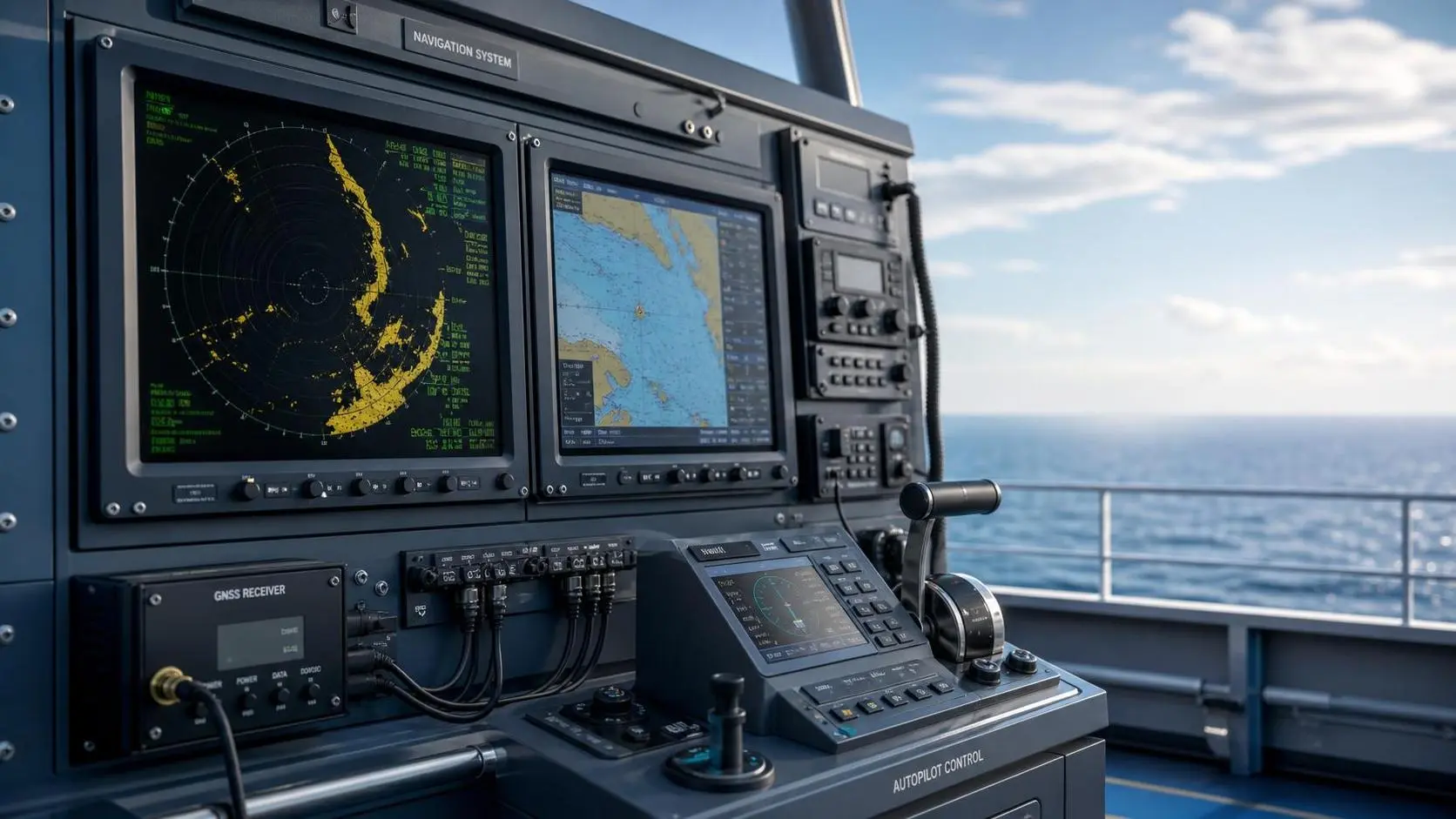
What Factors Drive Marine Navigation Components Cost in Commercial Vessel Projects?
Marine navigation components cost is shaped by integration, compliance, installation, and lifecycle support. Discover what drives pricing and how buyers can reduce risk while improving value.
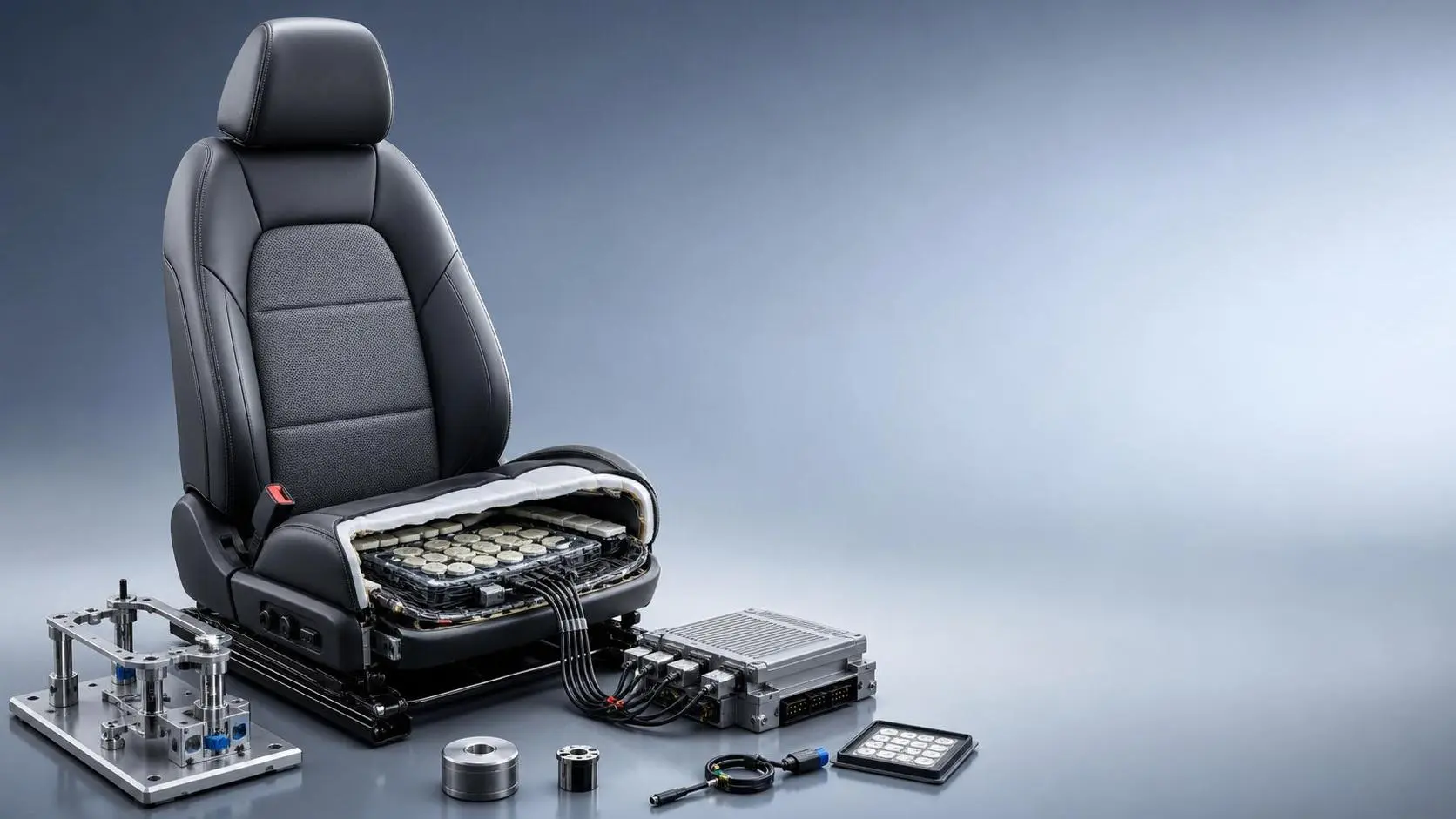
How Much Does Seat Occupancy Sensing Cost? Key Pricing Factors for Buyers
Seat occupancy sensing price varies widely by technology, integration, and compliance needs. Learn the key cost drivers, avoid hidden fees, and make smarter buying decisions.

How to Specify Micro-Climate Control Cabins for Harsh Outdoor Worksites?
Micro-climate control cabins for harsh outdoor worksites: learn how to specify thermal control, filtration, pressurization, and durability for safer uptime and smarter buying.
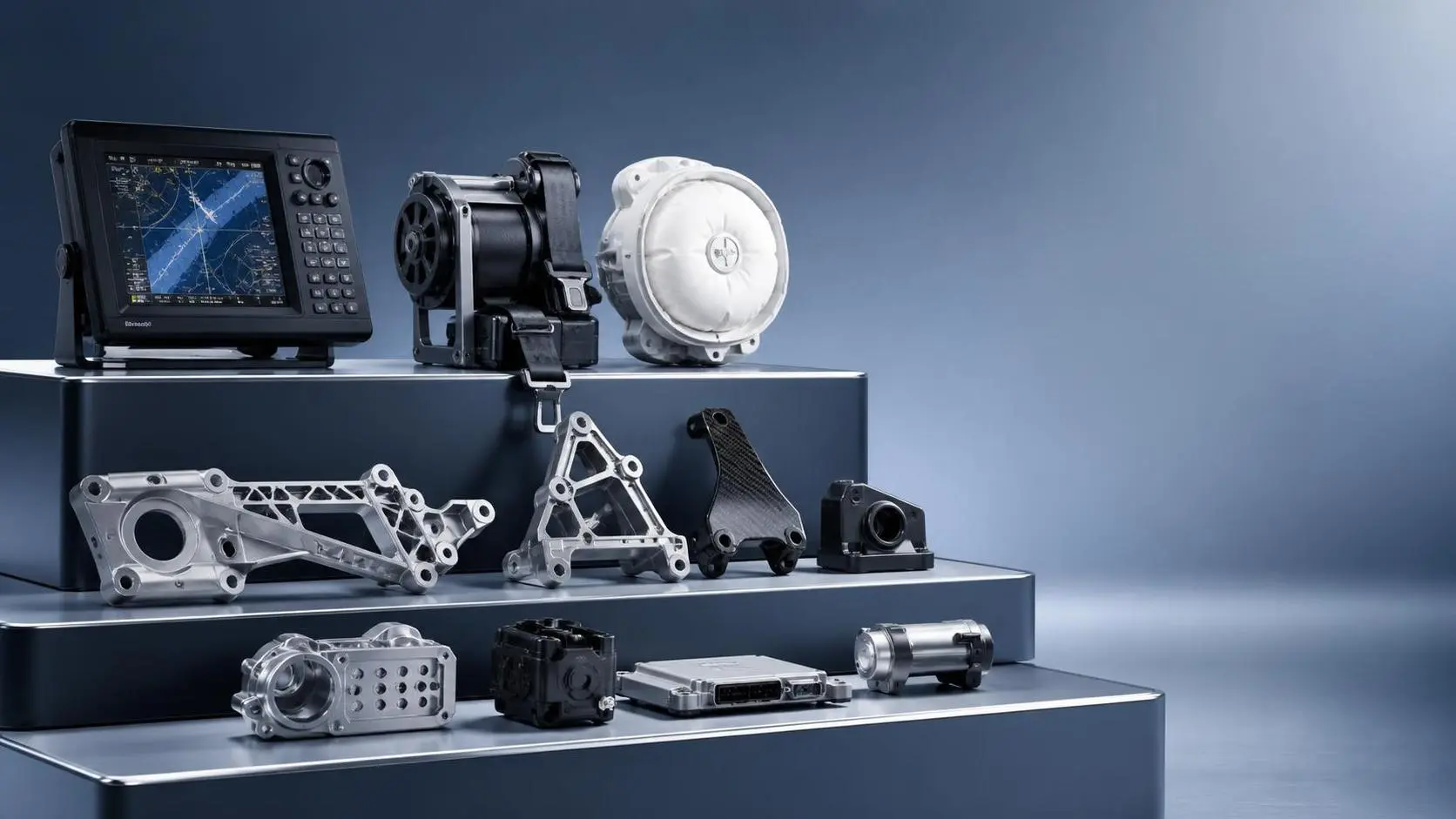
How to Evaluate a B2B Product Knowledge Platform for Faster Procurement Decisions
B2B product knowledge platform procurement starts with reducing decision risk. Learn how to compare specs, compliance, and supplier data to speed sourcing with confidence.
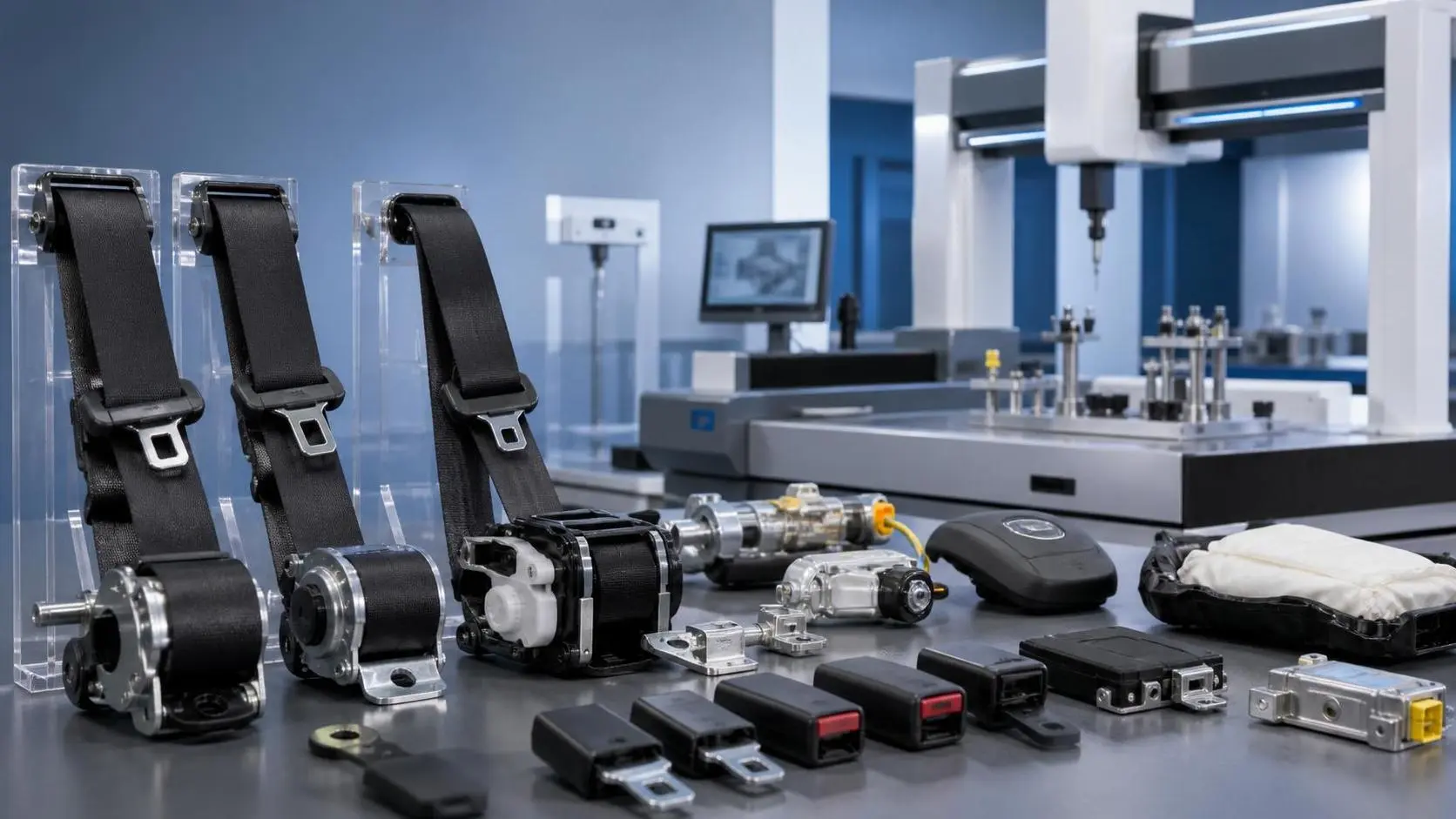
How to Evaluate an Occupant Restraint Systems Exporter for Quality, Compliance, and Supply Risk
Occupant restraint systems exporter evaluation guide: learn how to verify quality controls, compliance evidence, and supply risk before sourcing to avoid recalls, delays, and hidden costs.
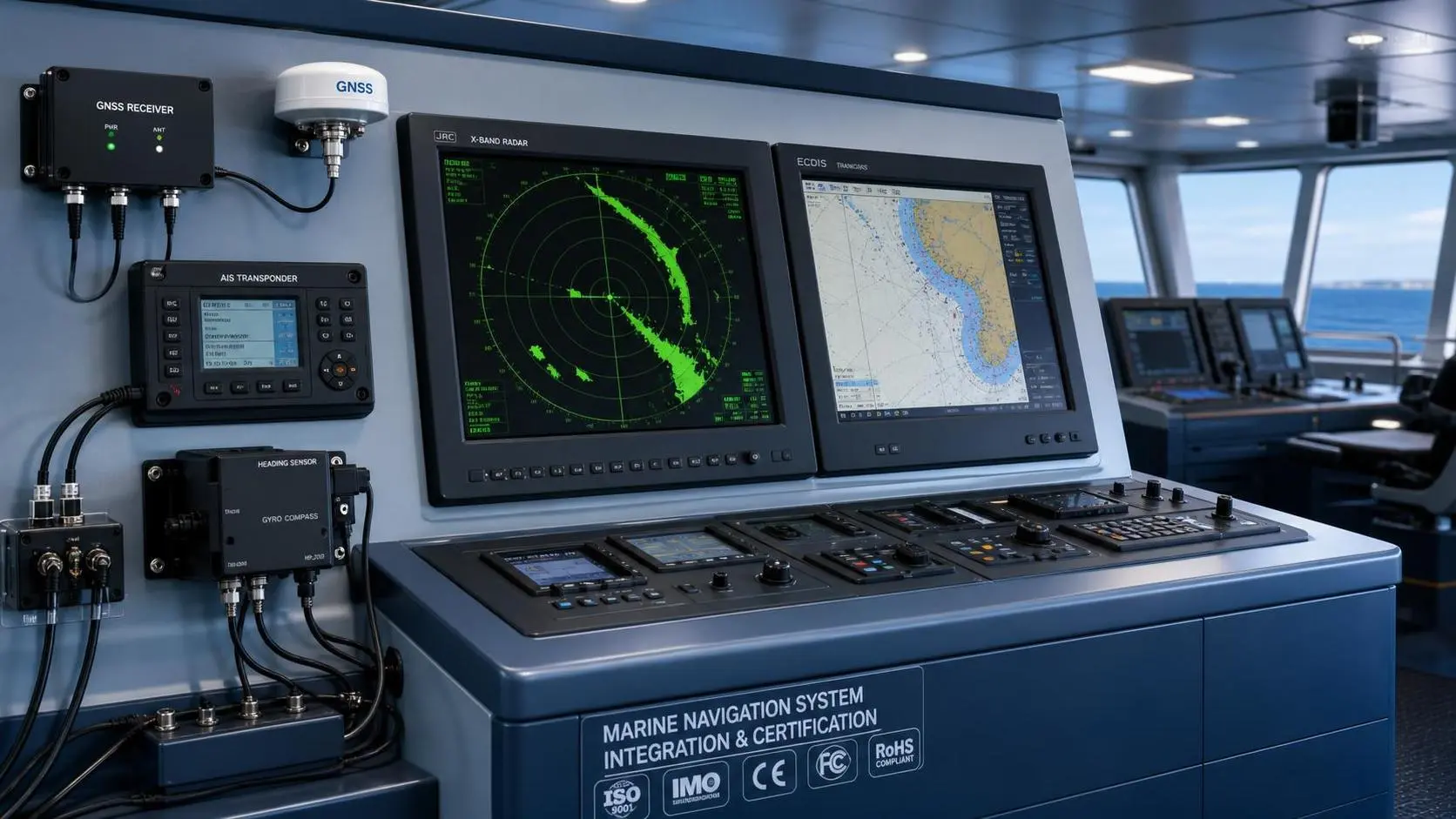
Navigation Compliance Certification: Which Marine Systems Need It and How to Prepare?
Navigation compliance certification explained: discover which marine systems need approval, what documents matter, and how to prepare early to avoid delays, rework, and costly project risks.
Related News
- 00
0000-00
How to Choose a Marine Positioning Solutions Supplier in Europe for Offshore and Port Operations - 00
0000-00
Marine Positioning Solutions Provider Comparison: GNSS, Accuracy, and Integration Factors - 00
0000-00
Marine Electromagnetic Navigation Accuracy vs GNSS: Which Performs Better Near Interference? - 00
0000-00
Marine Electromagnetic Navigation Accuracy: What Affects Position Stability at Sea? - 00
0000-00
Marine Positioning Systems Exporter Selection: What to Check in GNSS Accuracy, Compliance, and Support
Weekly Insights
Stay ahead with our curated technology reports delivered every Monday.