
When Advanced Driver Assistance Creates New Safety Gaps
Advanced driver assistance is reshaping vehicle safety, yet it can also introduce hidden risks that quality control and safety managers cannot ignore. From sensor blind spots to overreliance on automation and inconsistent system calibration, new safety gaps are emerging across design, testing, and real-world use. This article examines where these vulnerabilities arise and how a stronger safety validation mindset can help organizations reduce risk while preserving the benefits of intelligent driving systems.
Why does advanced driver assistance create new safety gaps?

For quality teams, the promise of advanced driver assistance is clear: fewer driver errors, improved situational awareness, and stronger alignment with modern safety expectations. Yet the same systems can shift risk rather than remove it. A vehicle may gain lane support, forward warning, and driver monitoring, but still fail in edge cases that are difficult to reproduce, validate, or communicate to end users.
This matters across the broader mobility equipment chain that GNCS tracks closely. Whether the subject is marine navigation, cabin restraint systems, lightweight body structures, or smart seating, the same engineering truth applies: perception quality and physical protection must work together. If advanced driver assistance misjudges the environment, passive safety systems and structural containment must carry a heavier burden when a crash becomes unavoidable.
For safety managers, the issue is not whether advanced driver assistance is valuable. The issue is whether the organization has validated how it performs under rain, glare, worn lane markings, sensor contamination, mixed traffic behavior, software updates, repair variation, and driver misuse. New safety gaps often appear at the interfaces, not inside a single component.
- A perception gap appears when cameras, radar, or fusion logic fail to classify an object correctly.
- A control gap appears when a system detects a hazard but responds too late, too softly, or too aggressively.
- A human-machine gap appears when drivers overtrust automation or misunderstand the operating limits.
- A quality gap appears when calibration, repair, supplier consistency, or software version control is uneven.
Where quality control teams usually find hidden risk
In many programs, advanced driver assistance is assessed feature by feature. That approach is necessary but not sufficient. Safety gaps emerge when a compliant subsystem enters a messy real vehicle environment shaped by body tolerances, windshield properties, bracket rigidity, seat position variability, cabin ergonomics, and post-repair calibration quality. GNCS often views this as a stitched intelligence problem: the hardware, software, cabin, and compliance layers must be judged together.
Common failure pathways
- Sensor obstruction from dirt, salt spray, ice, or aftermarket accessories changes object detection reliability.
- Body repair or windshield replacement alters camera angle or optical performance without full recalibration.
- Software updates improve one use case but degrade another because regression testing is incomplete.
- Driver monitoring alerts are ignored or mis-tuned, allowing overreliance on partial automation.
- Seat position, occupant posture, and steering input patterns influence how quickly drivers can resume control.
These issues are especially relevant to organizations managing supplier quality, launch readiness, and safety compliance. A system that performs well in a controlled validation route may show unstable behavior after transport vibration, environmental cycling, trim changes, or service intervention. That is why advanced driver assistance cannot be separated from broader vehicle quality discipline.
Which advanced driver assistance risks deserve the most attention?
The table below helps safety managers prioritize the most frequent advanced driver assistance safety gaps by failure source, field symptom, and likely quality impact. It is designed for practical screening during design reviews, supplier assessments, and launch audits.
For many organizations, the biggest mistake is to rank these risks only by component defect rate. Advanced driver assistance failures are often low-frequency but high-consequence. A rare calibration escape may still create major legal, reputational, and field safety exposure if it affects intervention timing in critical scenarios.
How do safety gaps connect to cabin protection and structural performance?
When advanced driver assistance does not prevent or mitigate an event, passive safety and occupant packaging become the final protective layers. This is where GNCS has a distinct cross-domain perspective. Sensor intelligence alone does not protect the occupant. Protection depends on how the vehicle body manages crash energy, how airbags deploy, how seatbelt pretensioners react, and how seating systems support posture before and during impact.
Why this systems view matters
A forward collision warning that activates too late can turn a near miss into a moderate crash pulse. In that moment, lightweight stampings, belt load management, airbag timing, and seat structural integrity determine injury outcomes. For quality and safety managers, advanced driver assistance must therefore be reviewed alongside restraint integration, seat track stability, occupant sensing, and crashworthiness assumptions.
- If partial automation encourages relaxed driver posture, occupant position at impact may differ from original restraint tuning assumptions.
- If smart seating adds sensors or motors near safety-critical mounting zones, vibration and durability validation must remain strict.
- If lightweight body changes alter sensor mounting stiffness, perception reliability and crash energy paths should both be reassessed.
This integrated approach is familiar in other safety-sensitive sectors as well. Marine navigation engineers do not judge a radar display without considering electromagnetic interference, update logic, and operator workload. Road vehicle advanced driver assistance deserves the same discipline.
What should procurement and supplier quality teams evaluate before approval?
Procurement decisions around advanced driver assistance should not stop at feature lists or unit cost. Safety managers need evidence that the supplier can control tolerances, software changes, service calibration, environmental robustness, and cross-functional traceability. The following table provides a practical selection lens for teams balancing safety expectations, timing pressure, and budget limits.
A disciplined sourcing process should also consider supplier maturity in adjacent systems. For example, a partner that understands both perception hardware and cabin safety packaging is better positioned to anticipate interactions that single-domain suppliers may miss.
A practical approval checklist
- Request evidence of scenario-based validation, not just nominal specification compliance.
- Review calibration dependency on body tolerance, windshield replacement, and service equipment quality.
- Confirm traceability between software version, sensor hardware revision, and field issue reporting.
- Check how driver monitoring, seat position, and cabin ergonomics influence safe takeover behavior.
- Align perception performance review with passive safety fallback assumptions.
Which standards and compliance signals should teams watch?
Advanced driver assistance purchasing and validation decisions are increasingly influenced by crash rating protocols, functional safety thinking, cybersecurity requirements, and software update expectations. Specific obligations vary by program and market, but quality teams should track the direction of travel, not only current minimum requirements.
Key compliance areas
- Consumer rating protocols such as IIHS and Euro NCAP continue to shape expectations for collision avoidance and driver support performance.
- Functional safety frameworks encourage structured hazard analysis, fault handling, and safety case discipline.
- Software update governance and cybersecurity controls matter because new advanced driver assistance behavior can be introduced after production launch.
- Repairability and recalibration procedures are becoming important proof points in field safety management.
For GNCS readers, the strategic value lies in connecting these signals across sectors. Just as maritime navigation depends on update discipline and signal integrity, road vehicle advanced driver assistance depends on configuration control and validated operational limits. Compliance is no longer a document exercise; it is an operational capability.
How can organizations reduce advanced driver assistance risk in implementation?
The best mitigation plans treat advanced driver assistance as a lifecycle quality topic. Early design reviews, supplier qualification, launch validation, field monitoring, and service process control should all use a shared risk language. This reduces the chance that a small issue in one department becomes a serious safety gap in the field.
Recommended implementation actions
- Build edge-case test matrices that include glare, faded markings, roadside clutter, mixed weather, and temporary construction zones.
- Link sensor validation with body, glass, seat, and restraint engineering reviews so system assumptions remain aligned.
- Use service network audits to verify recalibration quality after windshield, bumper, suspension, or body repair work.
- Track field complaints for both nuisance behavior and silent non-performance, since some of the most serious failures generate few obvious customer reports.
- Review HMI language and driver training materials to reduce false expectations about autonomous capability.
This is also where a strong intelligence partner adds value. Organizations often have fragmented data: component test reports, compliance summaries, field feedback, and supplier claims. GNCS helps connect those signals into a decision framework shaped by perception technology, passive safety logic, and global mobility compliance trends.
FAQ: what safety managers ask about advanced driver assistance
How should we judge advanced driver assistance beyond brochure features?
Focus on scenario stability, calibration robustness, and degraded-mode behavior. A long feature list means little if the system fails under dirt, glare, repair variation, or software migration. Ask how the supplier validates performance across manufacturing tolerances and field conditions, and whether the system’s limits are clear to service teams and drivers.
What is the most overlooked risk in advanced driver assistance procurement?
Post-repair and post-update behavior is often underestimated. Many organizations validate production readiness but lack equal discipline for windshield replacement, bumper repair, alignment work, or software revision control. The result is inconsistent fleet performance even when original design intent was sound.
Do cabin systems really affect advanced driver assistance safety?
Yes. Seat position, posture, driver monitoring, alert presentation, and takeover ergonomics all influence response time when support functions reach their limits. In a crash, the quality of seatbelt, airbag, seat structure, and body energy management determines how well the vehicle compensates when advanced driver assistance does not prevent impact.
Which teams should be involved in approval decisions?
At minimum, involve supplier quality, functional safety, test and validation, service engineering, body and cabin engineering, and compliance leadership. Advanced driver assistance is not a single-team purchase. It is a cross-functional safety commitment with implications for manufacturing, field maintenance, and occupant protection.
Why choose us for advanced driver assistance risk insight?
GNCS supports decision-makers who need more than general commentary. Our strength is the ability to connect perception technology with physical protection systems and compliance evolution across the global mobility equipment chain. That means quality control and safety managers can evaluate advanced driver assistance not in isolation, but in relation to body structures, airbags, seatbelt systems, smart seating, and changing validation expectations.
If your team is reviewing advanced driver assistance programs, supplier options, or field-risk exposure, you can contact us for focused support on the issues that shape real decisions:
- Parameter confirmation for sensor integration, mounting tolerance, and cabin interaction points.
- Product and solution selection based on safety targets, validation scope, and service capability.
- Delivery-cycle discussion for intelligence support, supplier screening, and technical comparison tasks.
- Customized analysis on compliance trends, scenario risk, and cross-domain safety implications.
- Certification and protocol review support related to crash rating expectations and update governance.
- Sample evaluation logic and quotation communication for targeted research or procurement decision support.
When advanced driver assistance adds capability, it also adds responsibility. The organizations that manage this well are the ones that validate interfaces, not just features. That is the difference between adding intelligence and truly guarding the cabin.
Related News
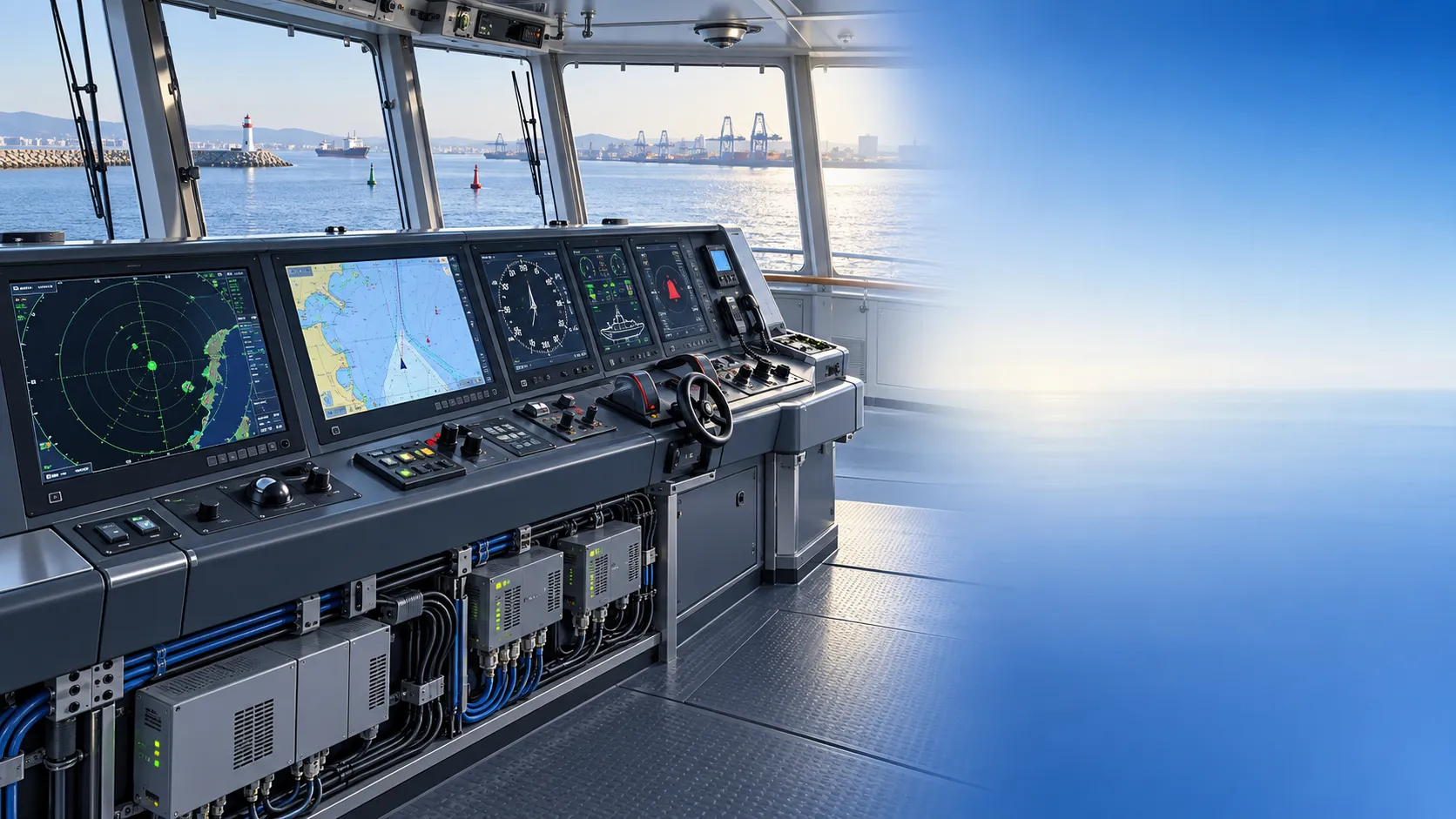
How to Specify Integrated Marine Electronics for Reliable Bridge Operations
Integrated marine electronics: learn how to specify reliable bridge systems with clear data flows, redundancy, alarm control, lifecycle interfaces, and operational testing.

How to Evaluate Navigation Radar Manufacturers for Commercial Vessel Projects
Navigation radar manufacturers: learn how to compare performance, compliance, integration, support, and lifecycle cost for commercial vessel projects.

How Adjustable Cabin Ergonomics Reduce Operator Fatigue in Long-Shift Vehicles
Adjustable cabin ergonomics reduces operator fatigue through better seating, reach, visibility, vibration control, and climate comfort for safer long-shift vehicles.

How Rear-Impact Safety Components Work Together to Protect Vehicle Occupants
Explore how automotive safety components for rear impact work together—from crash structures and seats to head restraints and belts—to enhance occupant protection.
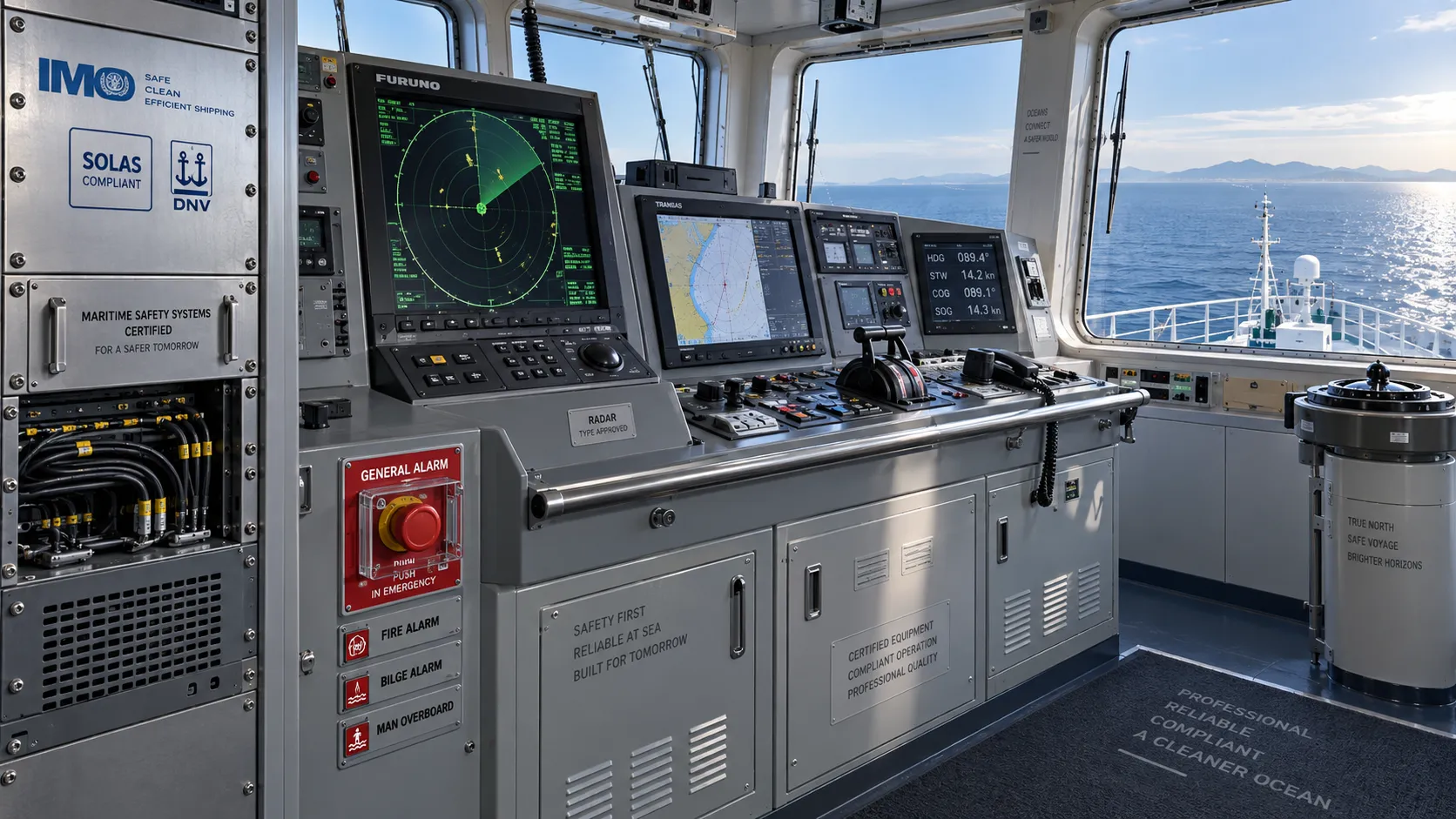
How to Evaluate a Marine Safety Systems Manufacturer for Vessel Compliance and Reliability
Marine safety systems manufacturer evaluation guide: verify compliance, engineering quality, lifecycle costs, and global service support for safer, reliable vessel operations.
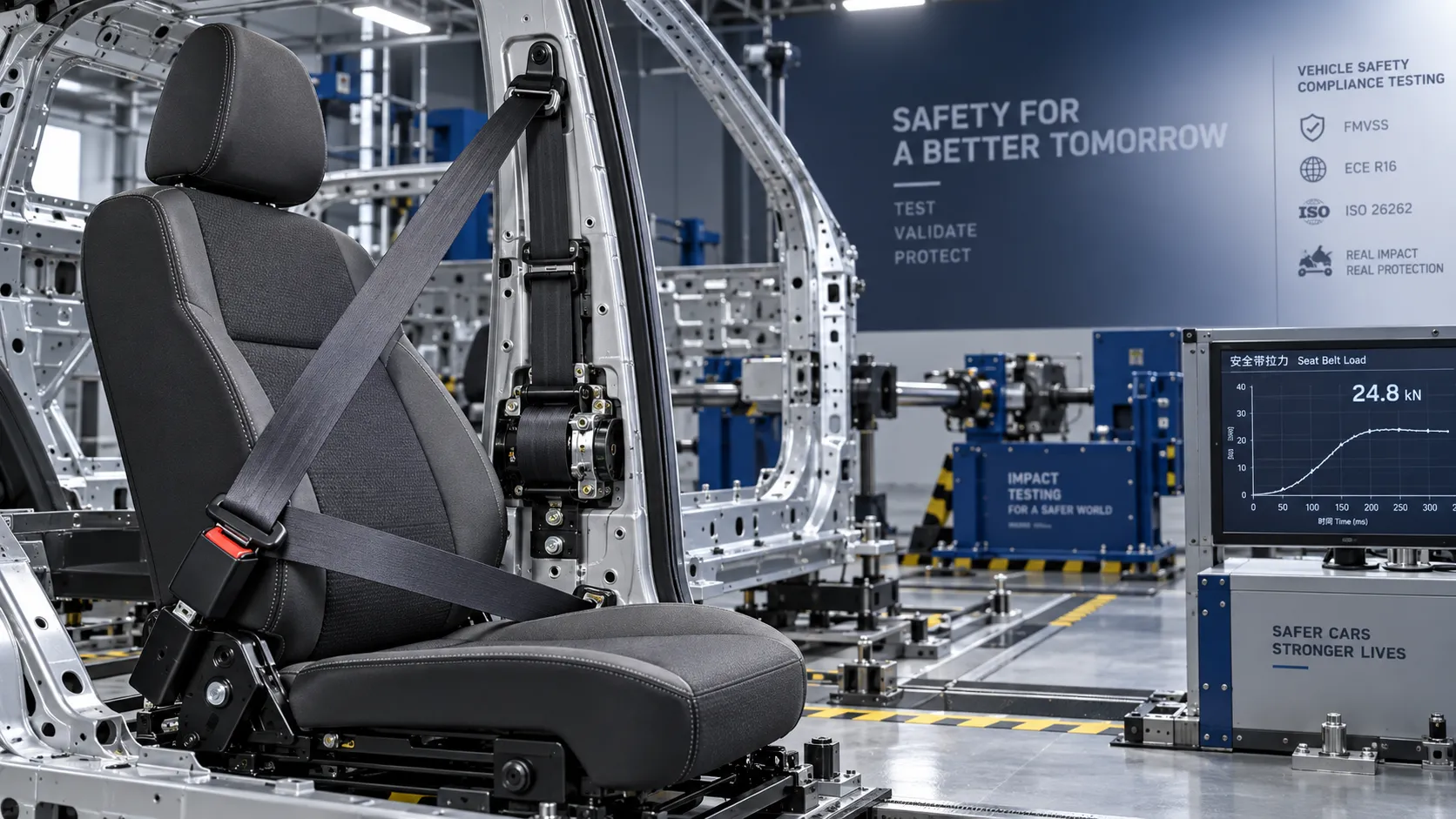
Crash Test Regulations for Seatbelts: Key Compliance Requirements Explained
Crash test regulations seatbelts explained: explore FMVSS, UN rules, anchorage strength, and dynamic restraint testing for safer, compliant vehicle systems.

How to Calculate the Total Cost of Automotive Lightweighting for a Vehicle Program
Automotive lightweight solutions cost: learn how to calculate program-level costs, including materials, tooling, joining, validation, risk, and vehicle-level value.

How Automotive Seat Occupancy Sensing Improves Airbag Deployment Decisions
Automotive seat occupancy sensing helps optimize airbag deployment decisions, improving passenger classification, safety diagnostics, and compliance across real-world conditions.

What Drives Lightweight Body Component Costs in High-Volume Vehicle Programs?
Lightweight body components cost depends on material yield, forming, joining, tooling, validation, and logistics. Explore proven ways to optimize total vehicle program cost.
Related News
- 00
0000-00
How to Specify Integrated Marine Electronics for Reliable Bridge Operations - 00
0000-00
How Adjustable Cabin Ergonomics Reduce Operator Fatigue in Long-Shift Vehicles - 00
0000-00
How to Evaluate a Marine Safety Systems Manufacturer for Vessel Compliance and Reliability - 00
0000-00
How to Calculate the Total Cost of Automotive Lightweighting for a Vehicle Program - 00
0000-00
What Drives Lightweight Body Component Costs in High-Volume Vehicle Programs?
Weekly Insights
Stay ahead with our curated technology reports delivered every Monday.