Marine Positioning Technology: What to Compare Before System Selection
Selecting the right marine positioning technology is not only about accuracy—it also shapes compliance, bridge integration, lifecycle cost, and operational continuity. In modern maritime operations, a positioning stack may connect GNSS, inertial inputs, radar overlays, AIS, sonar, ECDIS, and alarm logic, so one weak component can affect the entire navigation chain. This is why system comparison should go beyond headline precision figures. A practical evaluation looks at signal stability, environmental resilience, update support, redundancy design, cybersecurity, and supplier credibility. The following guide answers the most important questions before choosing marine positioning technology for safer navigation and stronger long-term value.
What does marine positioning technology include today?
At a basic level, marine positioning technology refers to the hardware, software, and sensor logic used to determine a vessel’s position, heading, speed, and movement consistency in real time. In the past, buyers often treated positioning as a single receiver decision. Today, that view is too narrow. A robust system may combine multi-constellation GNSS, differential correction services, inertial navigation units, gyro data, radar map matching, and vessel monitoring interfaces.
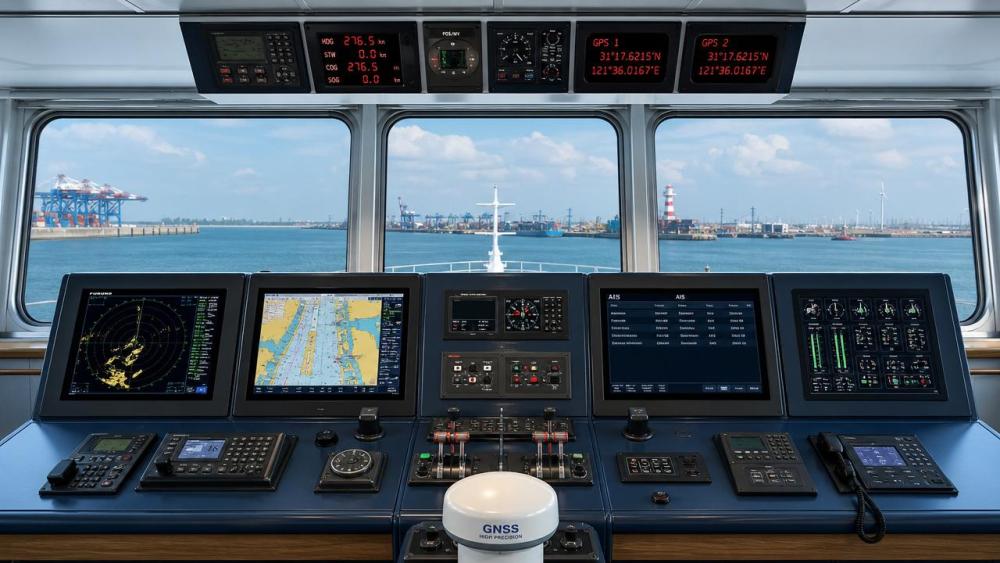
This wider definition matters because system selection is rarely about one box on the bridge. It is about how location data flows across navigation displays, autopilot functions, collision avoidance support, route planning, and compliance records. In offshore support, fishing, cargo, patrol, and passenger operations, the operating environment can be very different, but the core requirement remains the same: marine positioning technology must deliver trustworthy data under changing sea states, weather conditions, and electromagnetic interference.
When comparing options, it helps to classify the solution into three layers: signal acquisition, sensor fusion, and output integration. Signal acquisition covers satellites and correction inputs. Sensor fusion determines how the system maintains stability if signals degrade. Output integration decides whether the information can be used effectively by ECDIS, AIS, VDR, dynamic positioning modules, or remote fleet platforms. A system that excels in only one layer may still perform poorly in service.
How should accuracy be compared beyond the headline specification?
Many selection errors begin with an overemphasis on nominal accuracy. A brochure may promise sub-meter or centimeter-level performance, yet real-world marine use depends on more than the best-case test result. The better question is: how stable is the position output over time, in motion, near ports, around cranes, under partial sky blockage, or during atmospheric disturbance?
To compare marine positioning technology properly, review at least five accuracy dimensions:
- Horizontal precision: the standard position error under normal conditions.
- Repeatability: whether the system returns consistent results on repeated routes or station-keeping tasks.
- Latency: how quickly the position updates are generated and transmitted to connected systems.
- Integrity monitoring: whether the system can detect and flag unreliable fixes instead of silently outputting bad data.
- Degraded-mode performance: what happens when corrections are lost, satellites are obstructed, or interference appears.
This is especially important in channels, ports, offshore construction zones, and congested shipping lanes, where small deviations can create large operational consequences. A positioning solution that provides modest but stable accuracy with strong alarm logic may be more valuable than a higher-precision unit that becomes unpredictable when conditions change. In other words, good marine positioning technology is not just precise; it is dependable.
Which compatibility and integration issues should be checked before system selection?
Integration often determines whether a technically strong product becomes an operational asset or a maintenance burden. Before selection, verify which marine standards, communication protocols, and data formats the system supports. NMEA compatibility, ECDIS interoperability, AIS input/output handling, heading sensor interfaces, and alarm messaging behavior should all be documented clearly.
The most overlooked issue is not whether the unit can connect, but whether it can connect cleanly without creating data mismatch, display lag, or duplicated failure points. For example, some marine positioning technology setups perform well as standalone receivers yet create extra engineering work when integrated with radar overlays, track control systems, or fleet cloud dashboards. If firmware updates alter output behavior, the downstream effects can be significant.
Useful checks include software update policy, remote diagnostics capability, spare parts availability, and whether existing bridge architecture can support the new installation without expensive rewiring. In mixed fleets, cross-platform compatibility is particularly valuable because it reduces training complexity and simplifies troubleshooting. The lowest purchase price may not be the lowest system cost if integration takes longer, requires custom middleware, or causes recurring service interruptions.
What environmental and operational risks should be evaluated?
Marine environments are harsh, and marine positioning technology must be assessed accordingly. Salt exposure, vibration, temperature swings, moisture ingress, electromagnetic noise, and long operating cycles can all affect reliability. A system that works well in a controlled demonstration may struggle on vessels with limited installation space, older power systems, or heavy onboard radio traffic.
Look beyond IP ratings and ask practical questions. How resistant is the antenna to multipath reflection near superstructures? Can the system maintain output quality during temporary jamming or signal shadowing? How does it behave during power fluctuation or network interruption? Are there built-in diagnostics that help isolate cable faults, antenna failures, or correction service issues quickly?
For high-consequence applications such as offshore support, pilotage, passenger movement, and precision maneuvering, redundancy is not optional. Dual receivers, backup power paths, inertial bridging, and alarm prioritization can make the difference between controlled degradation and sudden operational risk. Strong marine positioning technology should therefore be judged by resilience as much as by nominal performance.
How do cost, support, and compliance affect long-term value?
The true cost of marine positioning technology includes acquisition, installation, calibration, crew familiarization, update subscriptions, maintenance, and downtime risk. A cheaper unit can become expensive if correction services are locked behind high annual fees, if field support is weak, or if software updates require repeated onboard intervention.
Compliance should also be reviewed early. Depending on application and route profile, the system may need to align with flag-state requirements, class expectations, bridge equipment standards, cybersecurity practices, or customer audit criteria. Positioning data often feeds official logs, safety records, and route compliance evidence, so documentation quality matters. Reliable suppliers usually provide certification clarity, update histories, service bulletins, and traceable technical support.
Supplier credibility can be tested through three simple indicators: installed base in similar vessels, responsiveness to technical incidents, and transparency around software lifecycle. In an industry where positioning performance may evolve through firmware and correction models, support maturity is part of the product. Well-supported marine positioning technology reduces operational uncertainty and protects long-term value more effectively than short-term price savings.
What comparison framework helps avoid common selection mistakes?
A structured comparison prevents decisions based on isolated specifications. The table below summarizes the most useful checkpoints when evaluating marine positioning technology across performance, integration, and service dimensions.
A common mistake is choosing marine positioning technology for a single current task while ignoring future operational requirements. Another is assuming all GNSS-enabled systems offer equivalent resilience. They do not. Differences in sensor fusion quality, firmware maturity, correction service management, and interference handling can be decisive. A comparison framework should therefore include sea-trial evidence, failure-mode review, and update governance—not just specification sheets.
In summary, the best marine positioning technology is the one that balances precision, resilience, compatibility, compliance, and support across the full service life of the vessel. Before final selection, build a short evaluation matrix, verify integration pathways, request degraded-condition performance data, and review supplier update policy in detail. That process creates a safer and more defensible decision, especially when navigation reliability, operational continuity, and long-term asset value are all at stake.
Related News
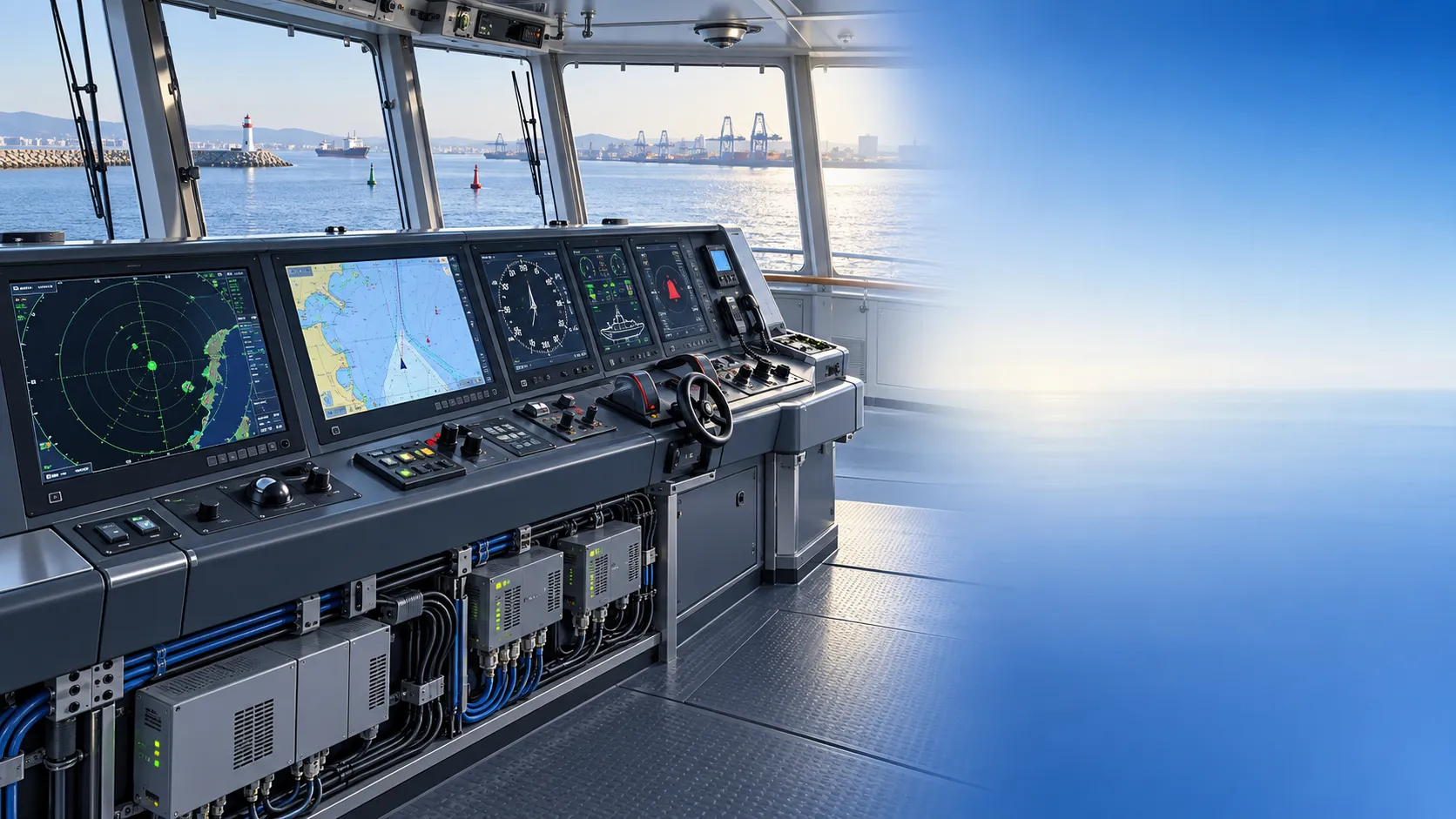
How to Specify Integrated Marine Electronics for Reliable Bridge Operations
Integrated marine electronics: learn how to specify reliable bridge systems with clear data flows, redundancy, alarm control, lifecycle interfaces, and operational testing.
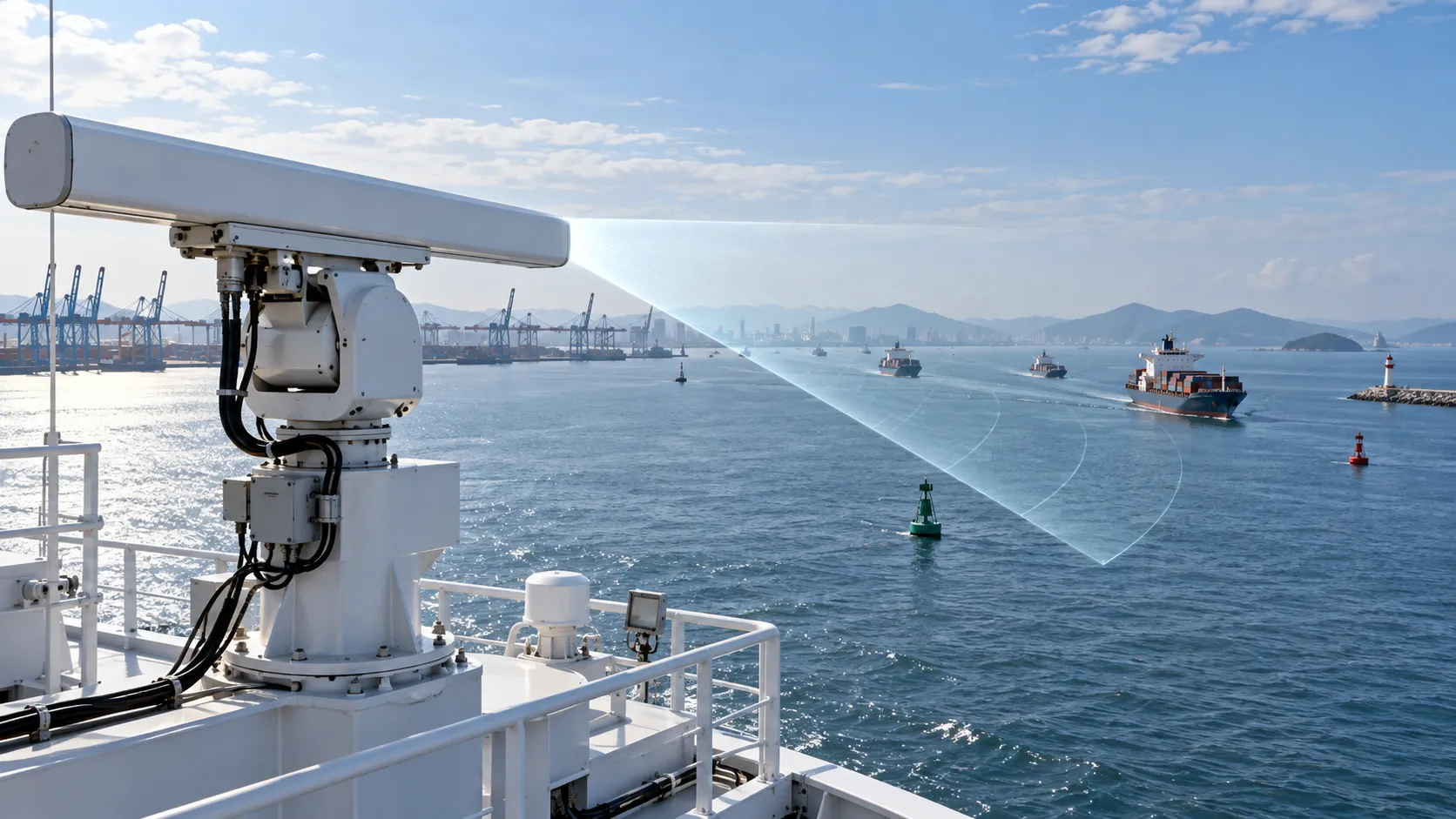
How to Evaluate Navigation Radar Manufacturers for Commercial Vessel Projects
Navigation radar manufacturers: learn how to compare performance, compliance, integration, support, and lifecycle cost for commercial vessel projects.

How Adjustable Cabin Ergonomics Reduce Operator Fatigue in Long-Shift Vehicles
Adjustable cabin ergonomics reduces operator fatigue through better seating, reach, visibility, vibration control, and climate comfort for safer long-shift vehicles.

How Rear-Impact Safety Components Work Together to Protect Vehicle Occupants
Explore how automotive safety components for rear impact work together—from crash structures and seats to head restraints and belts—to enhance occupant protection.
How to Evaluate a Marine Safety Systems Manufacturer for Vessel Compliance and Reliability
Marine safety systems manufacturer evaluation guide: verify compliance, engineering quality, lifecycle costs, and global service support for safer, reliable vessel operations.
Crash Test Regulations for Seatbelts: Key Compliance Requirements Explained
Crash test regulations seatbelts explained: explore FMVSS, UN rules, anchorage strength, and dynamic restraint testing for safer, compliant vehicle systems.

How to Calculate the Total Cost of Automotive Lightweighting for a Vehicle Program
Automotive lightweight solutions cost: learn how to calculate program-level costs, including materials, tooling, joining, validation, risk, and vehicle-level value.

How Automotive Seat Occupancy Sensing Improves Airbag Deployment Decisions
Automotive seat occupancy sensing helps optimize airbag deployment decisions, improving passenger classification, safety diagnostics, and compliance across real-world conditions.

What Drives Lightweight Body Component Costs in High-Volume Vehicle Programs?
Lightweight body components cost depends on material yield, forming, joining, tooling, validation, and logistics. Explore proven ways to optimize total vehicle program cost.
Related News
- 00
0000-00
How to Choose a Marine Positioning Solutions Supplier in Europe for Offshore and Port Operations - 00
0000-00
Marine Positioning Solutions Provider Comparison: GNSS, Accuracy, and Integration Factors - 00
0000-00
Marine Electromagnetic Navigation Accuracy vs GNSS: Which Performs Better Near Interference? - 00
0000-00
Marine Electromagnetic Navigation Accuracy: What Affects Position Stability at Sea? - 00
0000-00
Marine Positioning Systems Exporter Selection: What to Check in GNSS Accuracy, Compliance, and Support
Weekly Insights
Stay ahead with our curated technology reports delivered every Monday.