
Advanced Driver Assistance: Key Features Worth Comparing in 2026
As vehicle intelligence accelerates, advanced driver assistance has become a critical benchmark for OEMs, suppliers, and mobility investors shaping 2026 product strategies. Beyond feature lists, decision-makers must compare sensing accuracy, software reliability, safety integration, regulatory readiness, and upgrade potential. This guide highlights the key features worth evaluating to support smarter procurement, product planning, and long-term competitive positioning.
Why advanced driver assistance comparisons are changing in 2026

The market is moving beyond basic checklists such as lane keeping, adaptive cruise control, and automatic emergency braking. In 2026, advanced driver assistance is being judged by how consistently it performs across mixed traffic, poor weather, complex road markings, and over-the-air software updates. A feature that works well in a controlled demonstration but degrades in rain, glare, tunnels, or dense urban roads no longer creates a strong competitive edge.
Another key shift is the growing integration between active safety and cabin protection. This matters to the broader mobility equipment chain covered by GNCS, where perception systems, body structures, airbags, seatbelt systems, and seating intelligence increasingly interact as one safety stack. In practical terms, advanced driver assistance now affects not only driving comfort but also pre-crash preparation, occupant positioning, restraint timing, and compliance documentation.
As a result, comparing ADAS solutions in 2026 requires a systems perspective. Hardware performance, software architecture, human-machine interaction, and future regulatory fit must be reviewed together rather than as isolated modules.
The strongest trend signals behind advanced driver assistance upgrades
Several signals explain why advanced driver assistance is becoming a higher-stakes comparison area across the global mobility industry. These signals are technical, commercial, and regulatory at the same time.
The key advanced driver assistance features worth comparing closely
Not every ADAS feature delivers equal strategic value. The most important comparisons in 2026 focus on how each function behaves in real-world use, how it integrates with adjacent systems, and whether it can evolve over time.
1. Perception accuracy under difficult conditions
The first question is whether advanced driver assistance can identify vehicles, pedestrians, cyclists, lane boundaries, and free space consistently in low light, rain, road spray, glare, or partially damaged markings. A strong system should show stable object classification, short latency, and graceful degradation instead of sudden failure.
2. Automatic emergency braking sophistication
AEB is no longer evaluated only by whether braking occurs. Comparison should include target diversity, speed envelope, false positives, intersection performance, rear-end scenarios, pedestrian night detection, and response smoothness. Strong advanced driver assistance should reduce collision risk without creating excessive nuisance braking.
3. Lane centering and road-edge understanding
Modern lane support must cope with faded markings, temporary construction lines, narrow rural roads, and highway merges. Systems that rely too heavily on ideal lane paint will struggle. Comparing map assistance, camera interpretation, and steering refinement reveals whether the solution is suited for global deployment.
4. Driver monitoring and handover management
As more vehicles offer partially automated functions, driver monitoring becomes a core part of advanced driver assistance. Eye gaze detection, distraction tracking, hands-on-wheel logic, and escalation timing should be reviewed together. Poor handover design can weaken safety even when perception hardware is advanced.
5. OTA architecture and cybersecurity resilience
ADAS value increasingly depends on software maintenance. A platform that supports secure updates, rapid bug fixes, validation traceability, and feature extension has better long-term economics. This is especially relevant when regulations, testing procedures, or local road conditions change after launch.
6. Pre-crash integration with passive safety systems
This comparison is often overlooked. The best advanced driver assistance platforms do not stop at detection and warning. They can trigger seatbelt pre-tensioning, seat-position preparation, occupant stabilization logic, and body control responses before impact. For organizations tracking cabin safety, this interaction can materially influence injury outcomes.
How these changes affect product planning, validation, and supply decisions
The rise of more capable advanced driver assistance changes multiple business layers at once. Product roadmaps must balance customer-visible convenience features with hard safety performance. Validation programs need broader scenario libraries, including weather variation, traffic density, and vulnerable road user behavior. Supply strategies must also consider computing power, thermal design, camera cleaning methods, radar packaging, and software update support over the vehicle lifecycle.
For adjacent sectors such as lightweight structures, restraint systems, and smart seating, the impact is equally important. More predictive active safety systems increase demand for better pre-crash coordination. Lightweight body structures may need to preserve sensor mounting stability. Airbag and seatbelt timing logic may increasingly depend on earlier collision prediction. Smart seat assemblies can add occupant posture sensing that improves intervention quality. In this sense, advanced driver assistance is not a stand-alone electronics topic; it is a cross-domain architecture issue.
What deserves the closest attention before selecting an advanced driver assistance roadmap
The most reliable comparisons usually come from a focused shortlist of technical and operational questions:
- How well does the system perform in edge cases, not just standard test routes?
- What sensor redundancy exists if one input is blocked, dirty, or degraded?
- Can the compute platform support future advanced driver assistance upgrades without major redesign?
- How transparent is the supplier’s validation evidence and software change process?
- Does the system align with expected NCAP, IIHS, UNECE, and local compliance evolution?
- How effectively does the platform connect with driver monitoring, seatbelt logic, occupant sensing, and other cabin safety functions?
- What are the lifetime service implications for calibration, repairs, and sensor replacement?
A practical framework for judging advanced driver assistance readiness in 2026
A useful rule for 2026 is simple: compare advanced driver assistance as a continuously improving safety capability, not as a frozen option package. Systems that combine robust perception, strong software governance, and coordinated cabin protection are likely to hold their value longer and adapt better to changing regulations.
The next step: compare advanced driver assistance through a full safety-system lens
The most effective next move is to build evaluation criteria that connect ADAS feature performance with structural safety, restraint readiness, cabin sensing, and software lifecycle support. That approach reflects where the industry is heading: toward unified perception and protection ecosystems rather than isolated components.
For organizations tracking mobility intelligence, GNCS offers a useful lens for this shift because advanced driver assistance no longer sits apart from lightweight body engineering, airbag assemblies, seatbelt systems, or smart seating systems. The competitive advantage in 2026 will come from understanding how these domains interact, where technical bottlenecks remain, and which platforms are prepared for the next round of compliance, performance, and safety expectations.
When comparing solutions, prioritize measurable real-world capability, cross-domain integration, and upgrade readiness. Those three criteria will reveal which advanced driver assistance platforms are merely marketable and which are truly future-fit.
Related News
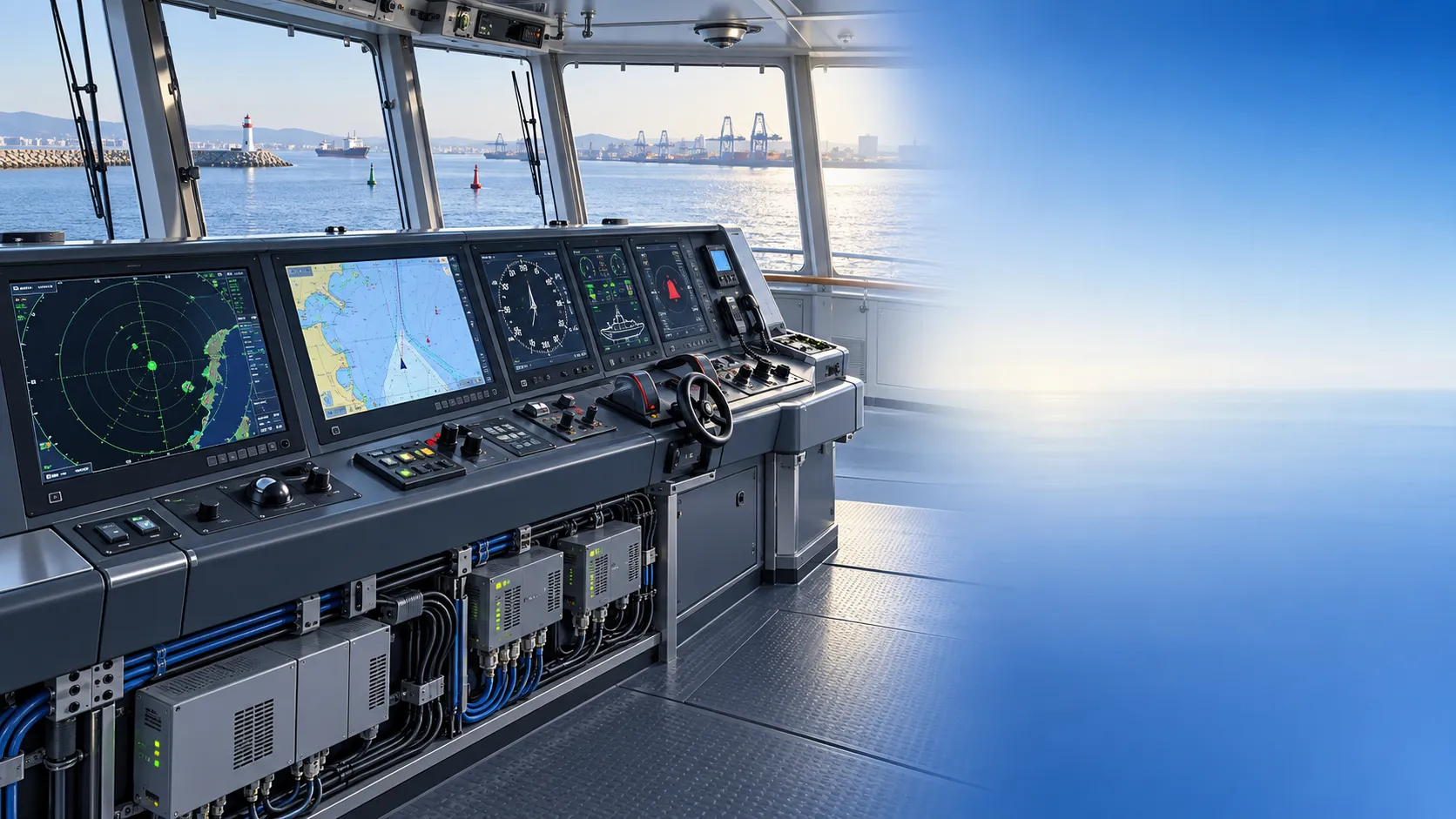
How to Specify Integrated Marine Electronics for Reliable Bridge Operations
Integrated marine electronics: learn how to specify reliable bridge systems with clear data flows, redundancy, alarm control, lifecycle interfaces, and operational testing.

How to Evaluate Navigation Radar Manufacturers for Commercial Vessel Projects
Navigation radar manufacturers: learn how to compare performance, compliance, integration, support, and lifecycle cost for commercial vessel projects.
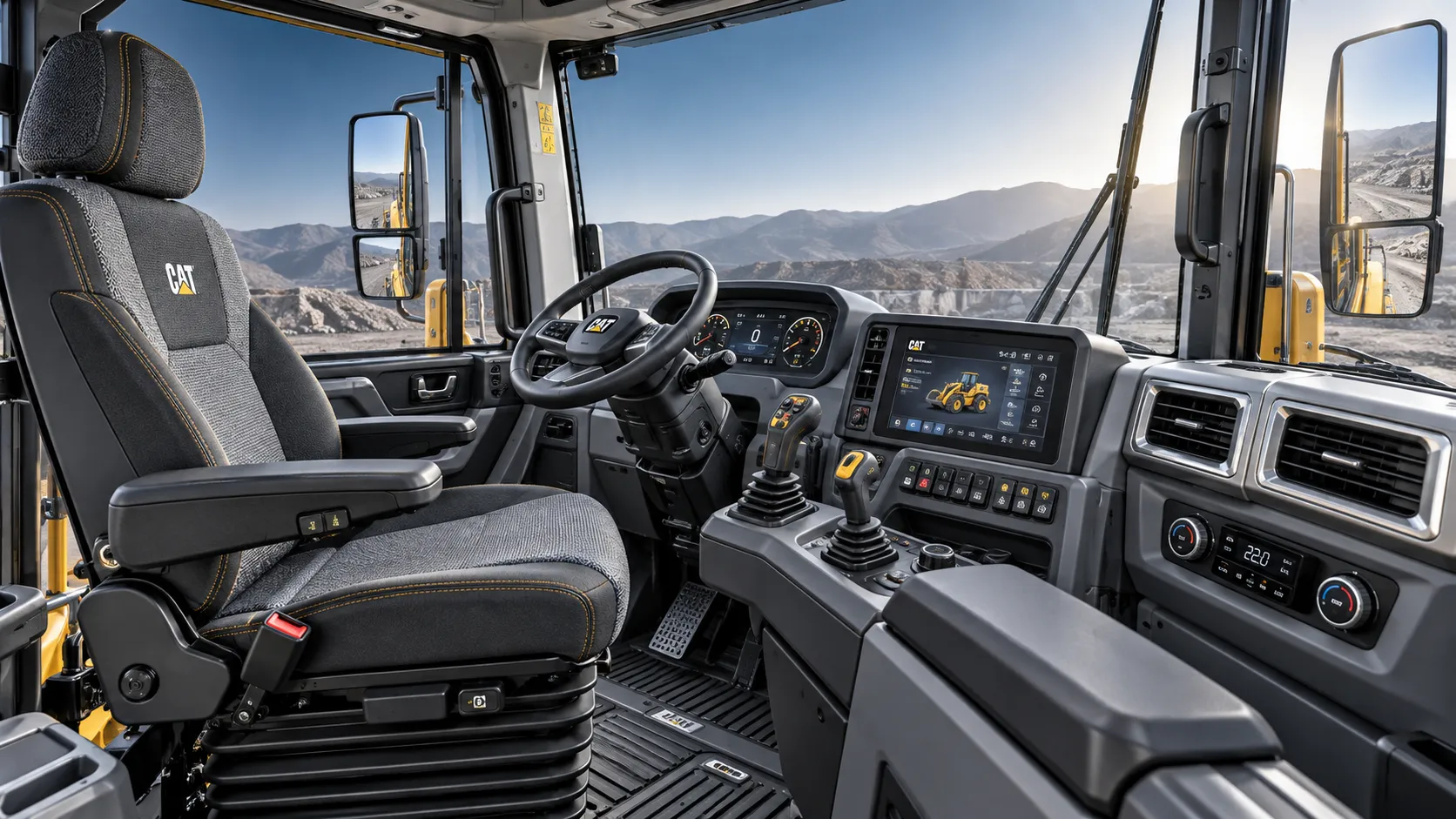
How Adjustable Cabin Ergonomics Reduce Operator Fatigue in Long-Shift Vehicles
Adjustable cabin ergonomics reduces operator fatigue through better seating, reach, visibility, vibration control, and climate comfort for safer long-shift vehicles.
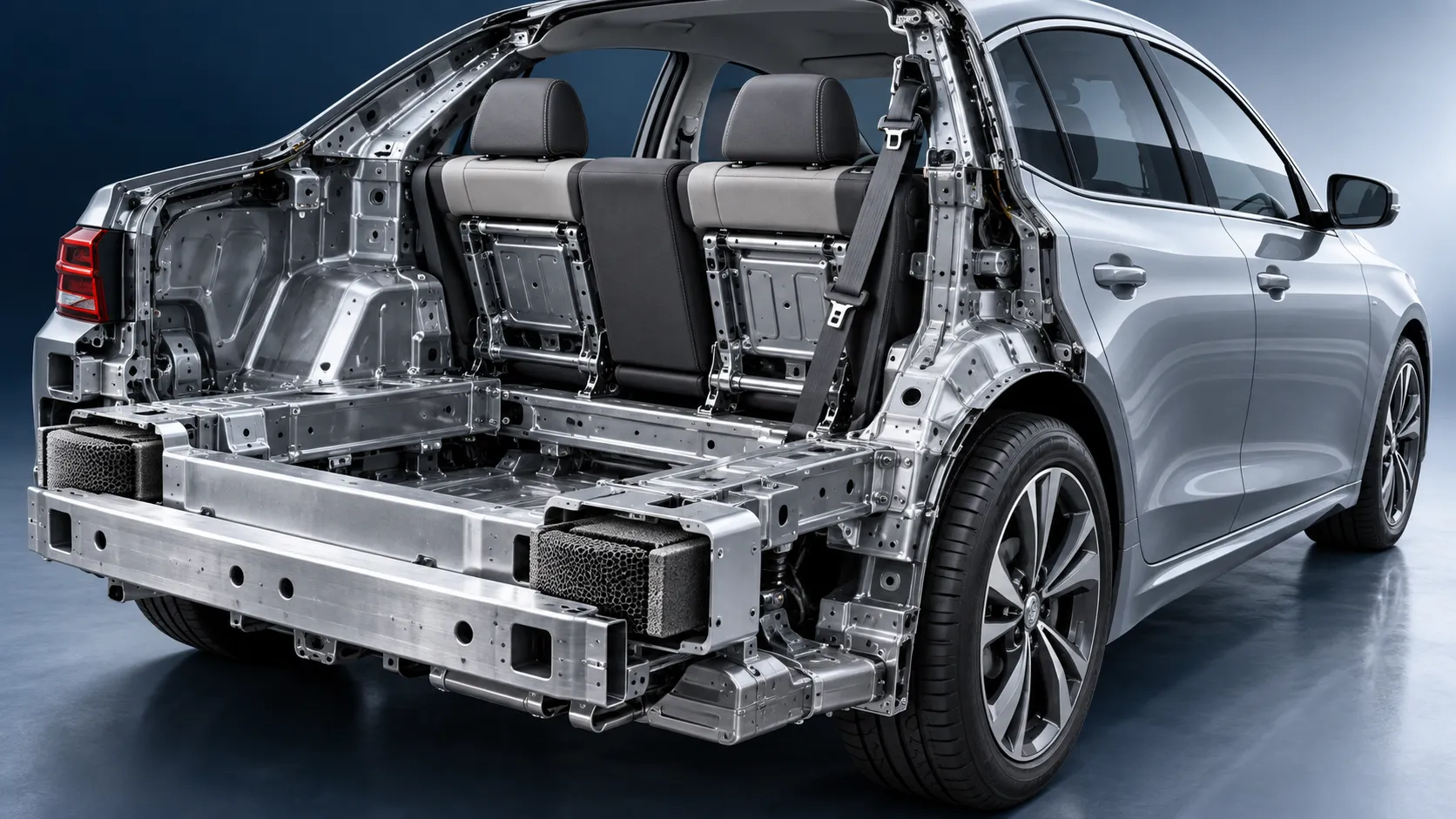
How Rear-Impact Safety Components Work Together to Protect Vehicle Occupants
Explore how automotive safety components for rear impact work together—from crash structures and seats to head restraints and belts—to enhance occupant protection.
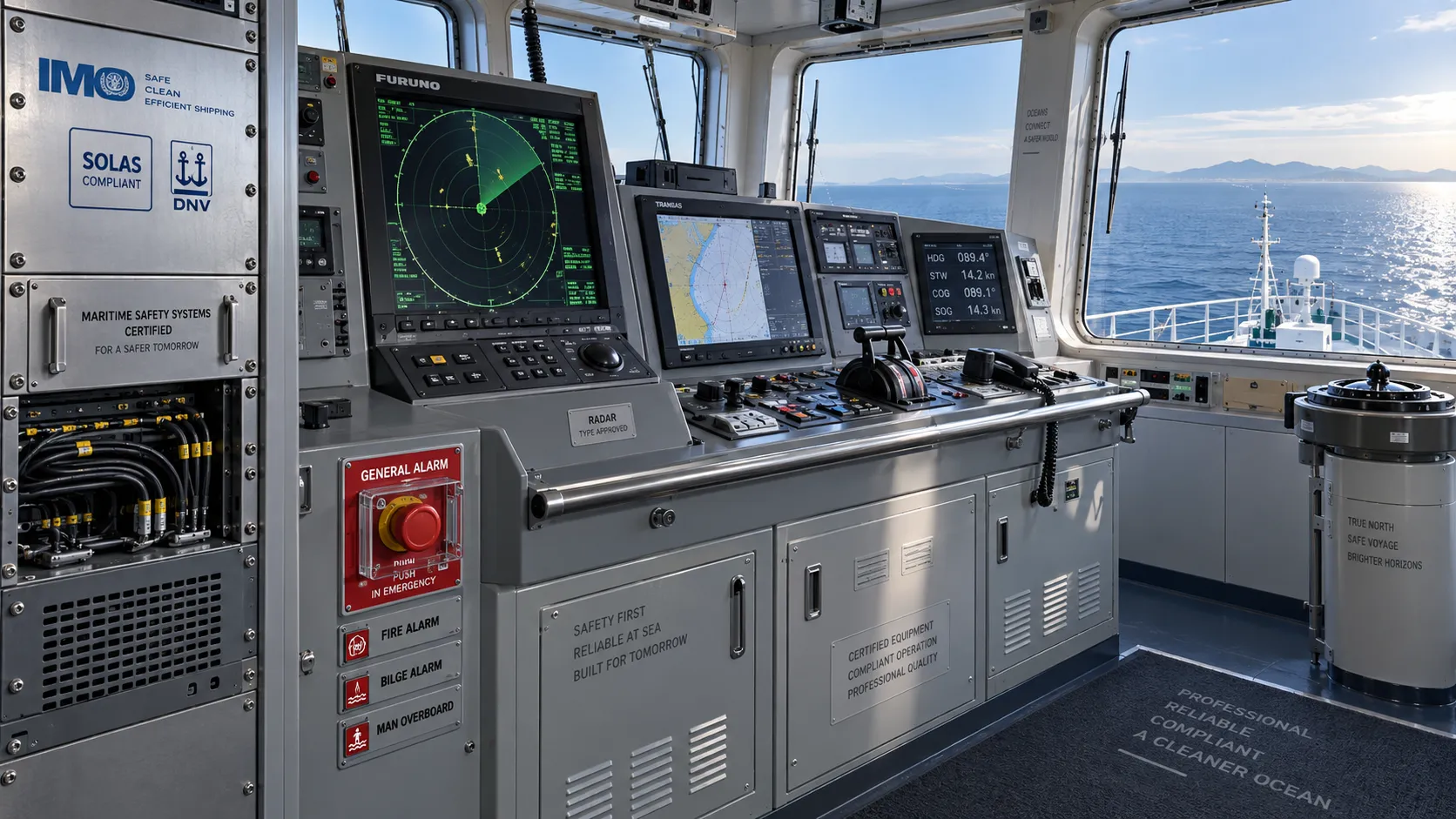
How to Evaluate a Marine Safety Systems Manufacturer for Vessel Compliance and Reliability
Marine safety systems manufacturer evaluation guide: verify compliance, engineering quality, lifecycle costs, and global service support for safer, reliable vessel operations.
Crash Test Regulations for Seatbelts: Key Compliance Requirements Explained
Crash test regulations seatbelts explained: explore FMVSS, UN rules, anchorage strength, and dynamic restraint testing for safer, compliant vehicle systems.

How to Calculate the Total Cost of Automotive Lightweighting for a Vehicle Program
Automotive lightweight solutions cost: learn how to calculate program-level costs, including materials, tooling, joining, validation, risk, and vehicle-level value.

How Automotive Seat Occupancy Sensing Improves Airbag Deployment Decisions
Automotive seat occupancy sensing helps optimize airbag deployment decisions, improving passenger classification, safety diagnostics, and compliance across real-world conditions.

What Drives Lightweight Body Component Costs in High-Volume Vehicle Programs?
Lightweight body components cost depends on material yield, forming, joining, tooling, validation, and logistics. Explore proven ways to optimize total vehicle program cost.
Related News
- 00
0000-00
How to Specify Integrated Marine Electronics for Reliable Bridge Operations - 00
0000-00
How Adjustable Cabin Ergonomics Reduce Operator Fatigue in Long-Shift Vehicles - 00
0000-00
How to Evaluate a Marine Safety Systems Manufacturer for Vessel Compliance and Reliability - 00
0000-00
How to Calculate the Total Cost of Automotive Lightweighting for a Vehicle Program - 00
0000-00
What Drives Lightweight Body Component Costs in High-Volume Vehicle Programs?
Weekly Insights
Stay ahead with our curated technology reports delivered every Monday.