
Automotive Ergonomic Design Trends Shaping Seat Frame Development in 2026
In 2026, automotive ergonomic design is no longer a soft comfort topic attached to premium interiors. It has become a strategic framework shaping how seat frames are engineered, validated, and integrated into next-generation mobility platforms. As electrification, lightweighting, passive safety, and intelligent cabins converge, seat frame development is being pushed to deliver more than structural support. It must improve posture, reduce fatigue, enable sensor integration, support crash performance, and fit stricter packaging constraints. For industry planning, this shift matters because the seat frame now sits at the intersection of user experience, compliance, cost efficiency, and platform flexibility.
Why 2026 marks a turning point for automotive ergonomic design in seat frames
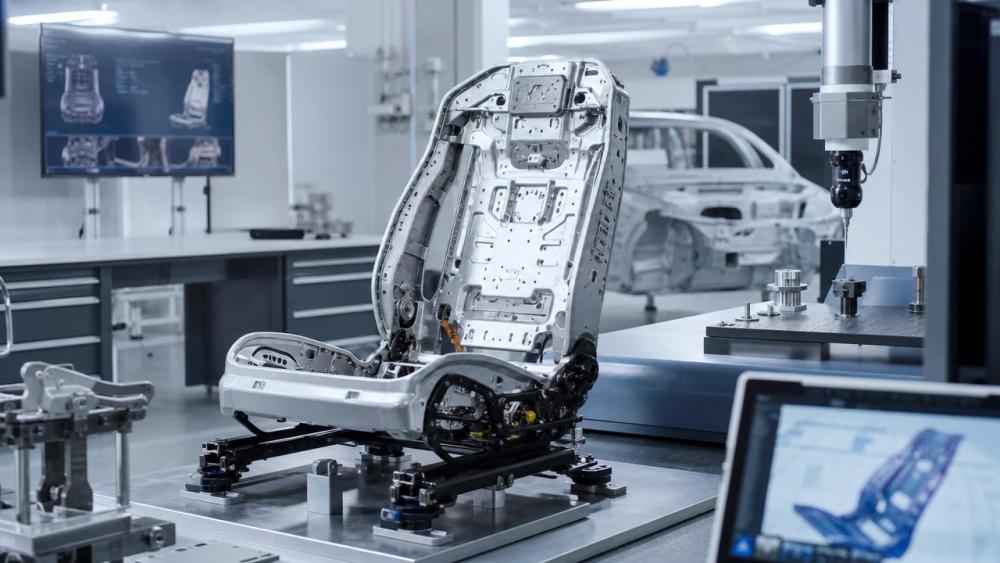
Several signals show that automotive ergonomic design is moving upstream into early seat frame architecture rather than being handled later through foam, trim, or adjustment features. Vehicle interiors are becoming multifunctional spaces where long-duration comfort, digital interaction, and safety readiness must coexist. At the same time, EV skateboard platforms are changing H-point layouts, floor heights, battery packaging, and occupant posture. These changes directly affect frame geometry, cross-member placement, recliner design, and load paths.
Another reason 2026 stands out is the growing overlap between ergonomic performance and measurable engineering outcomes. Better pelvic support, torso stability, ingress and egress, and micro-movement management can improve perceived comfort while also helping restraint systems perform more consistently in real-world use. For sectors covered by GNCS, this aligns with a broader industry pattern: structural components are increasingly judged by how well they support both physical containment protection and intelligent cabin functionality.
The strongest trend signals now reshaping seat frame development
The latest wave of automotive ergonomic design is not driven by a single innovation. It is emerging from multiple technical and commercial pressures that now reinforce one another. The result is a new seat frame brief: lighter, safer, smarter, more adaptable, and more human-centered from the start.
Key drivers behind the shift
This is why automotive ergonomic design increasingly influences metal structure decisions once considered purely mechanical. Frame rails, cushion pans, anti-submarining features, recliner stiffness, and backrest support layouts now need to respond to human biomechanical data, not just static dimensional targets.
How ergonomic priorities are changing the technical logic of seat frames
In practical engineering terms, 2026 seat frame development is moving from “fit and strength” toward “fit, strength, adaptability, and data-readiness.” The first major trend is slimmer but stronger architecture. Lightweight structures are being optimized to free up interior space without sacrificing stiffness or crash behavior. This supports better thigh support geometry, easier entry, and more freedom for battery-related floor constraints.
A second trend is the rise of zonal support logic. Instead of relying mainly on foam to create comfort, the frame itself is being tuned to distribute pressure, stabilize posture, and control vibration transfer. In advanced automotive ergonomic design, this means seat frames are better aligned with spine angle management, pelvis retention, shoulder support, and occupant movement under braking or cornering.
A third trend is design compatibility with smart seating systems. Modern seat frames must support occupancy sensors, seatbelt reminders, heating and ventilation hardware, memory modules, and, in some cases, health-monitoring functions. This requires cleaner integration zones, predictable tolerances, and stronger coordination between structural, electrical, and trim teams.
- More compact under-seat packaging without compromising comfort travel range
- Improved frame stiffness in critical support areas for posture consistency
- Selective lightweight materials where energy absorption and fatigue life remain controlled
- Better integration between seat frame geometry and restraint system timing
- Provision for intelligent modules without excessive complexity or mass growth
What these automotive ergonomic design trends mean across the value chain
The effects of automotive ergonomic design extend far beyond seat comfort claims. In development programs, earlier collaboration is becoming essential. Body structures, restraint systems, seatbelt anchorage, airbags, and cabin electronics are more tightly linked to seat frame decisions than before. A seat frame that improves packaging but weakens occupant positioning can create downstream risk in safety validation. Conversely, a frame engineered around ergonomic stability can support better restraint effectiveness and stronger user perception.
Commercially, the trend favors solutions that combine lightweight value with verified human-factor performance. Premium differentiation is no longer the only motivation. Even cost-sensitive programs are under pressure to demonstrate comfort efficiency, durability, and integration readiness. This creates opportunity for suppliers and engineering teams that can show measurable links between structural design, comfort outcomes, and safety compatibility.
Most affected business and engineering areas
- Product planning: seat architecture choices now influence platform flexibility and cabin positioning strategy.
- Materials engineering: lightweight metals must balance cost, joining complexity, corrosion resistance, and fatigue performance.
- Passive safety integration: occupant posture consistency matters for seatbelt and airbag interaction.
- Manufacturing: tighter tolerances and modular integration increase process discipline requirements.
- Aftermarket and lifecycle quality: squeak, rattle, wear, and support degradation become more visible when comfort expectations rise.
The priority watchpoints for 2026 seat frame decisions
To respond effectively, several focus areas deserve close attention. These are the points where automotive ergonomic design is most likely to influence competitiveness, compliance confidence, and long-term product value.
- Geometry-first development: validate seat posture, visibility, ingress, and reach early, before trim assumptions lock the frame concept.
- Human-factor data integration: combine anthropometric data, fatigue studies, and dynamic posture analysis with CAE and crash simulations.
- Material strategy discipline: use magnesium, aluminum, or AHSS where they improve total system value, not only nominal mass reduction.
- Sensor and module readiness: reserve space and mounting logic for smart seating evolution without overengineering current programs.
- Durability under real use: assess vibration, repeated load cycles, recline mechanisms, and support consistency over long service life.
- Regulation alignment: monitor evolving NCAP, side-impact, rear-impact, and occupant monitoring requirements that can affect seat frame assumptions.
A practical way to judge opportunities and risk before programs scale
The most resilient strategy is to treat automotive ergonomic design as a system requirement rather than a styling enhancement. That means tracking not only seat comfort benchmarks, but also structural efficiency, safety interaction, manufacturability, and future digital cabin compatibility in one development logic.
For organizations following the mobility equipment landscape, the next step is clear: review current seat frame assumptions against 2026 ergonomic, safety, and lightweight trends; identify where platform geometry, materials, or smart feature roadmaps create new constraints; and build intelligence loops between engineering, compliance, and market signals. In a market where user expectations and regulation are both rising, better automotive ergonomic design is becoming a defining source of technical credibility and long-term product advantage.
Related News
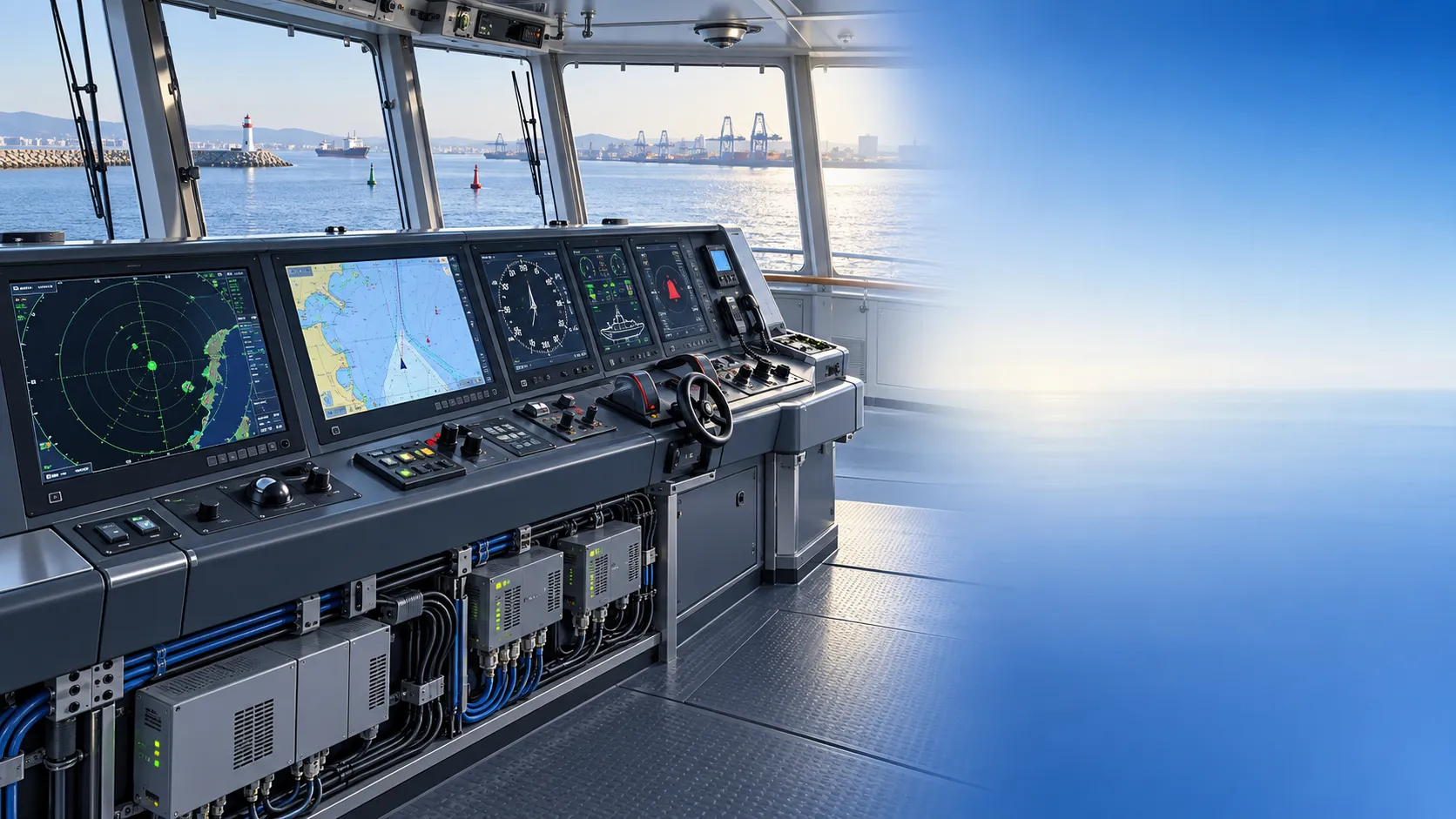
How to Specify Integrated Marine Electronics for Reliable Bridge Operations
Integrated marine electronics: learn how to specify reliable bridge systems with clear data flows, redundancy, alarm control, lifecycle interfaces, and operational testing.

How to Evaluate Navigation Radar Manufacturers for Commercial Vessel Projects
Navigation radar manufacturers: learn how to compare performance, compliance, integration, support, and lifecycle cost for commercial vessel projects.
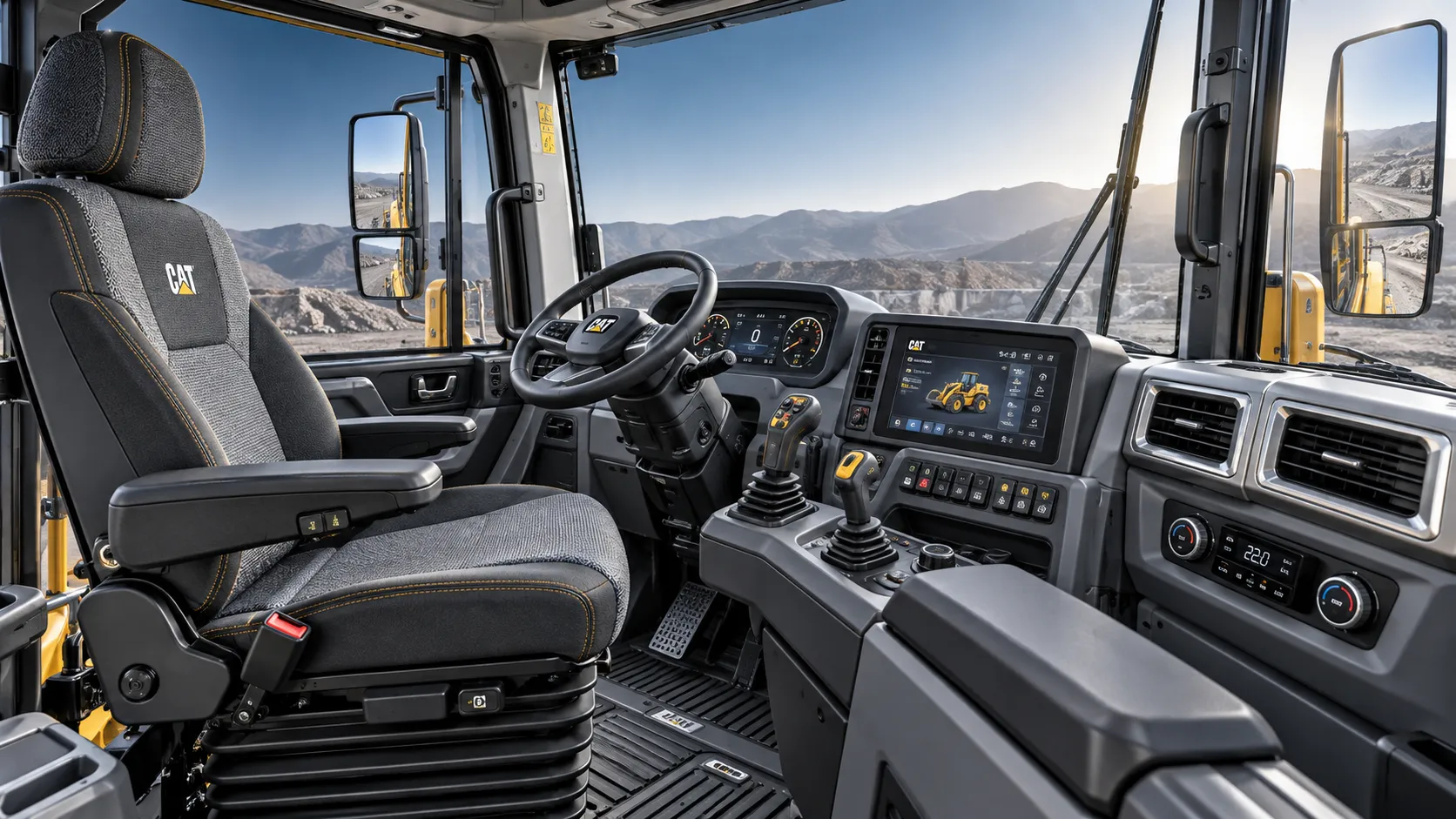
How Adjustable Cabin Ergonomics Reduce Operator Fatigue in Long-Shift Vehicles
Adjustable cabin ergonomics reduces operator fatigue through better seating, reach, visibility, vibration control, and climate comfort for safer long-shift vehicles.
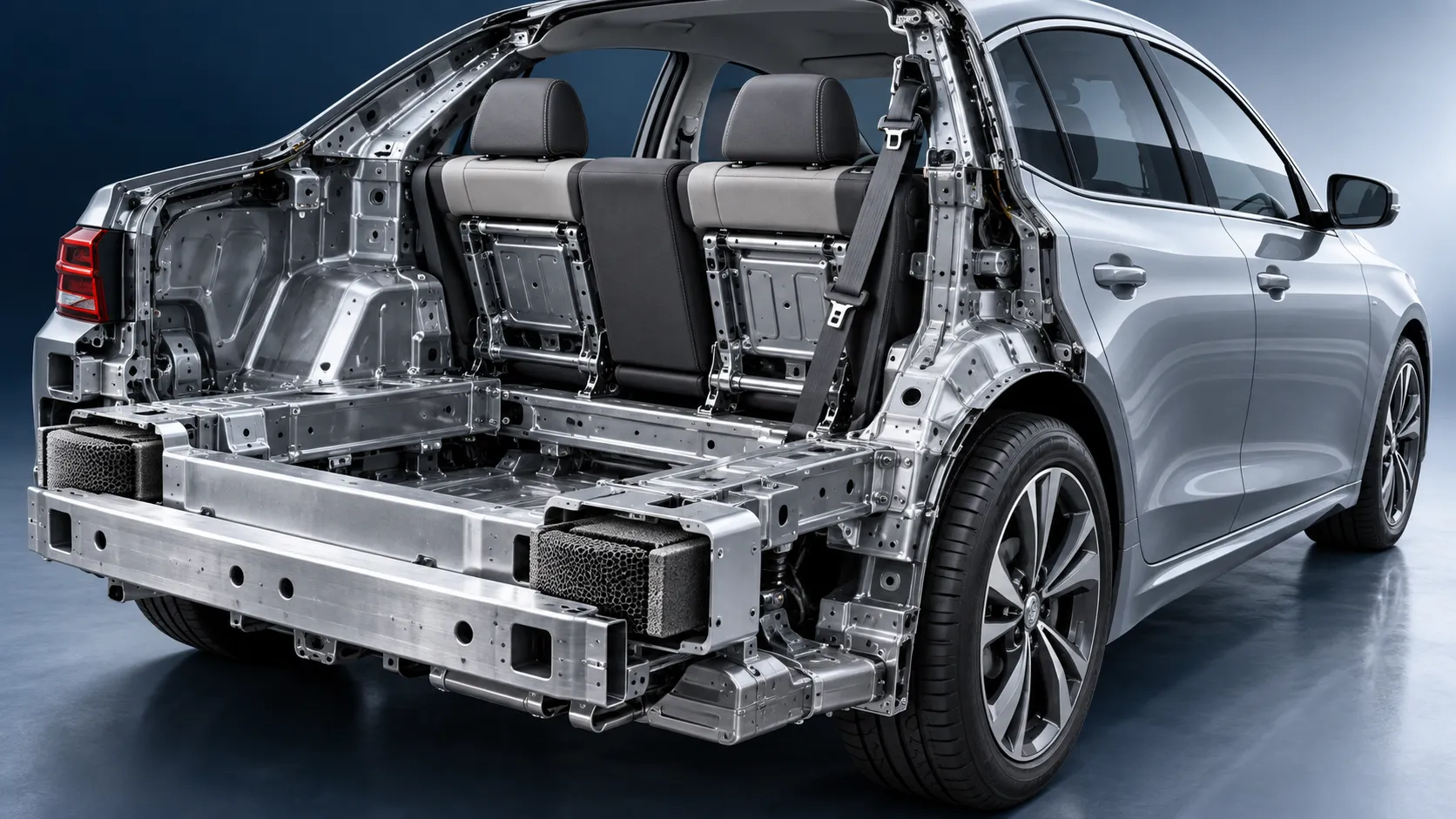
How Rear-Impact Safety Components Work Together to Protect Vehicle Occupants
Explore how automotive safety components for rear impact work together—from crash structures and seats to head restraints and belts—to enhance occupant protection.
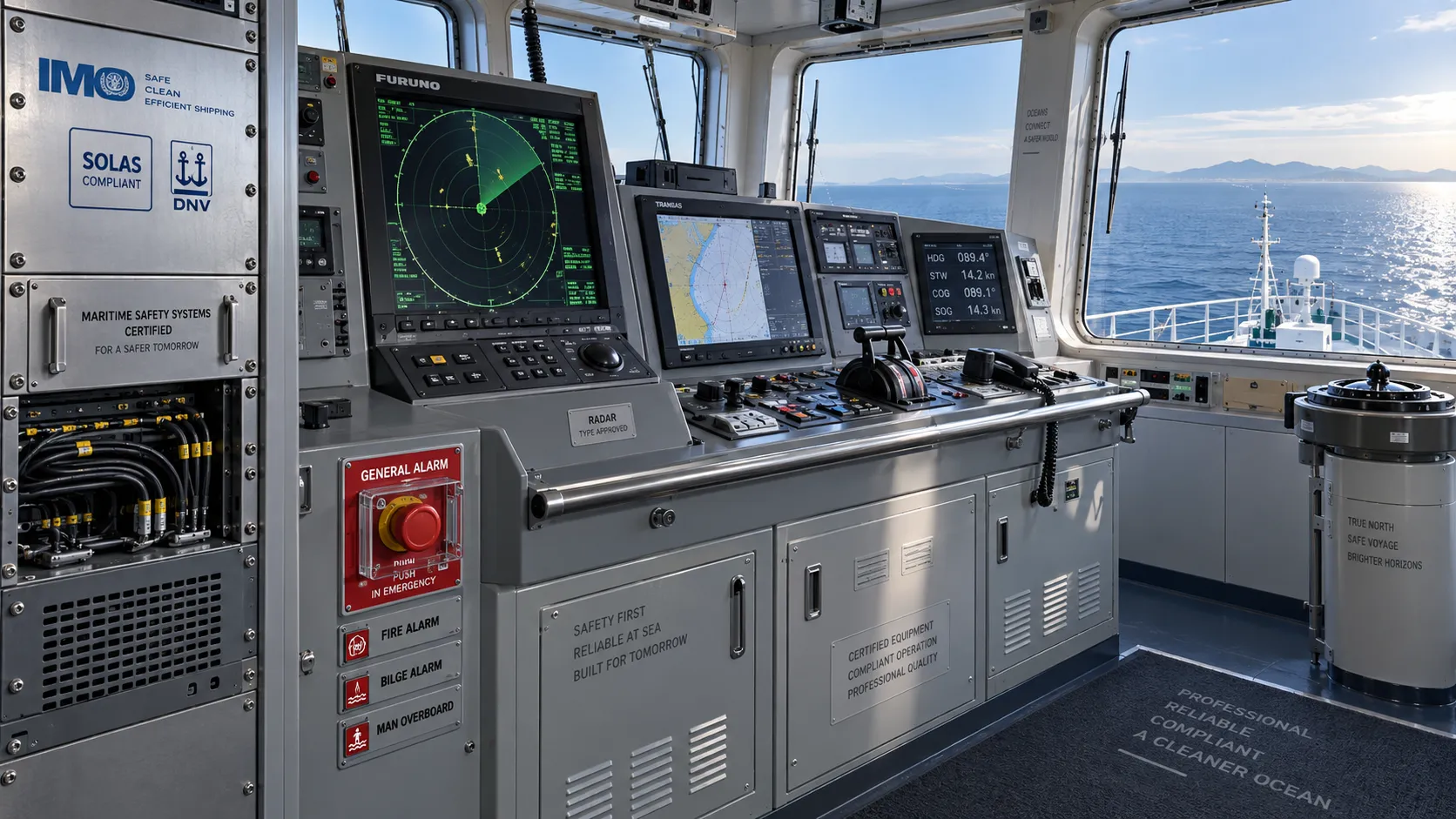
How to Evaluate a Marine Safety Systems Manufacturer for Vessel Compliance and Reliability
Marine safety systems manufacturer evaluation guide: verify compliance, engineering quality, lifecycle costs, and global service support for safer, reliable vessel operations.
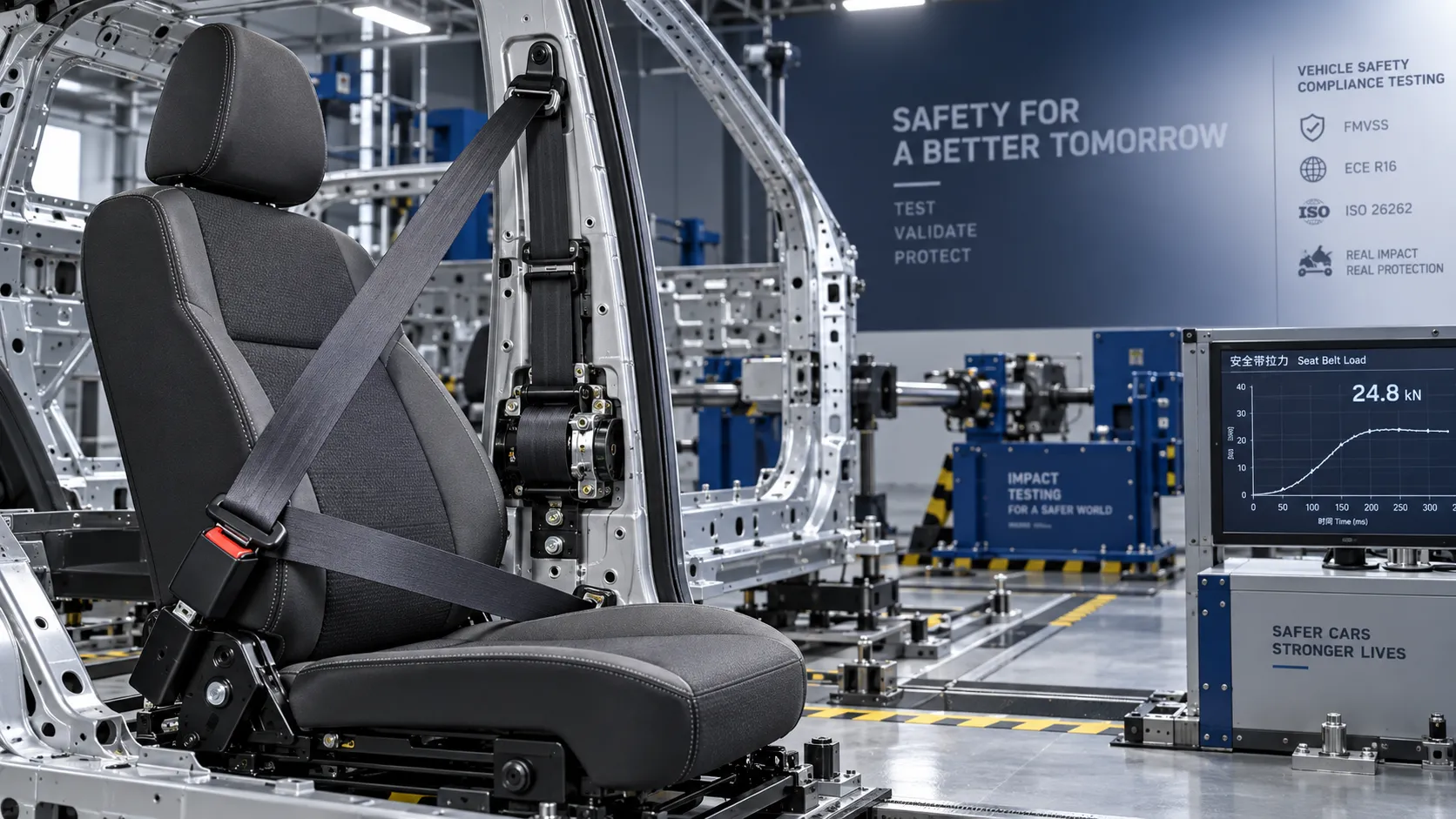
Crash Test Regulations for Seatbelts: Key Compliance Requirements Explained
Crash test regulations seatbelts explained: explore FMVSS, UN rules, anchorage strength, and dynamic restraint testing for safer, compliant vehicle systems.
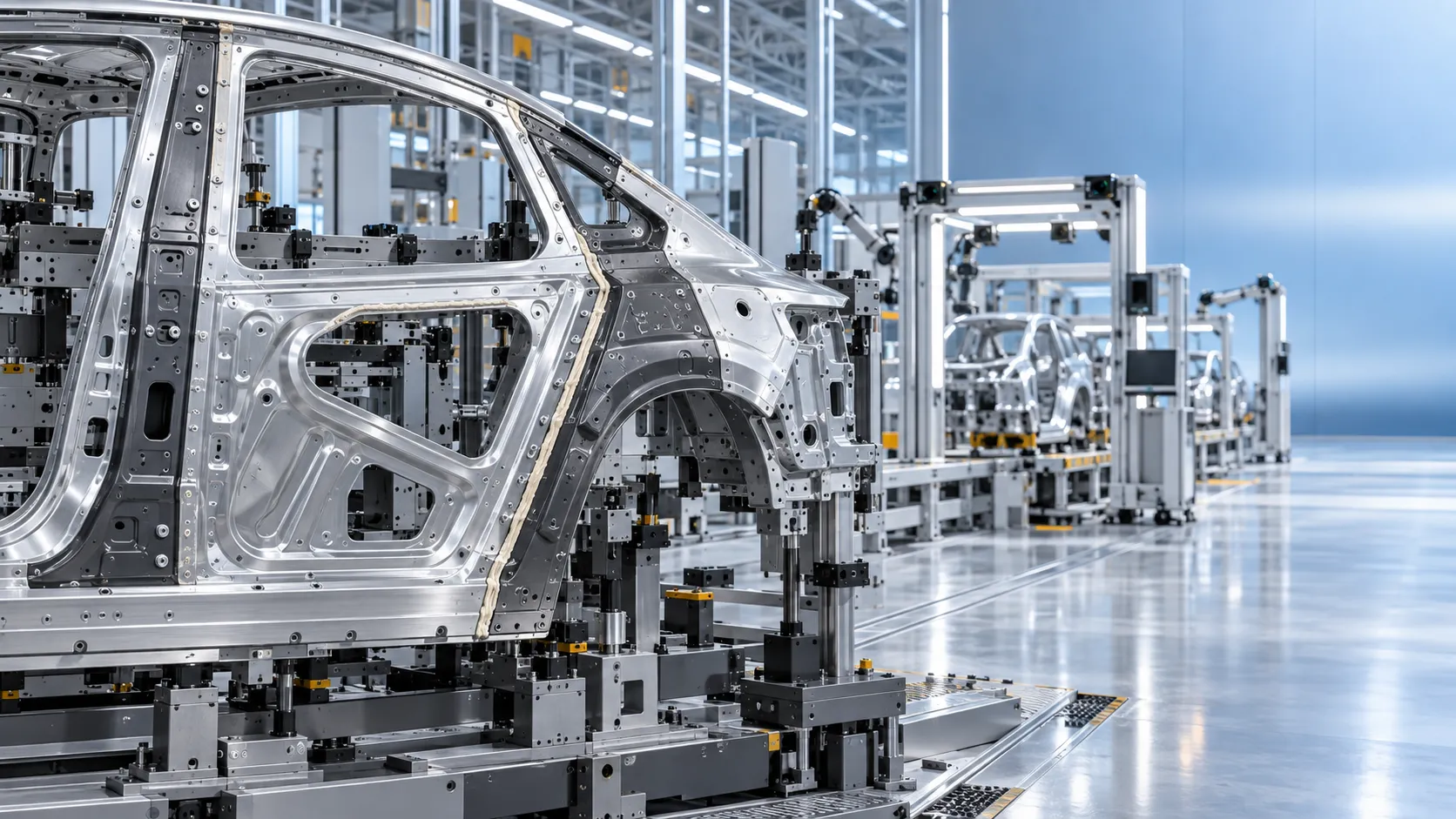
How to Calculate the Total Cost of Automotive Lightweighting for a Vehicle Program
Automotive lightweight solutions cost: learn how to calculate program-level costs, including materials, tooling, joining, validation, risk, and vehicle-level value.

How Automotive Seat Occupancy Sensing Improves Airbag Deployment Decisions
Automotive seat occupancy sensing helps optimize airbag deployment decisions, improving passenger classification, safety diagnostics, and compliance across real-world conditions.
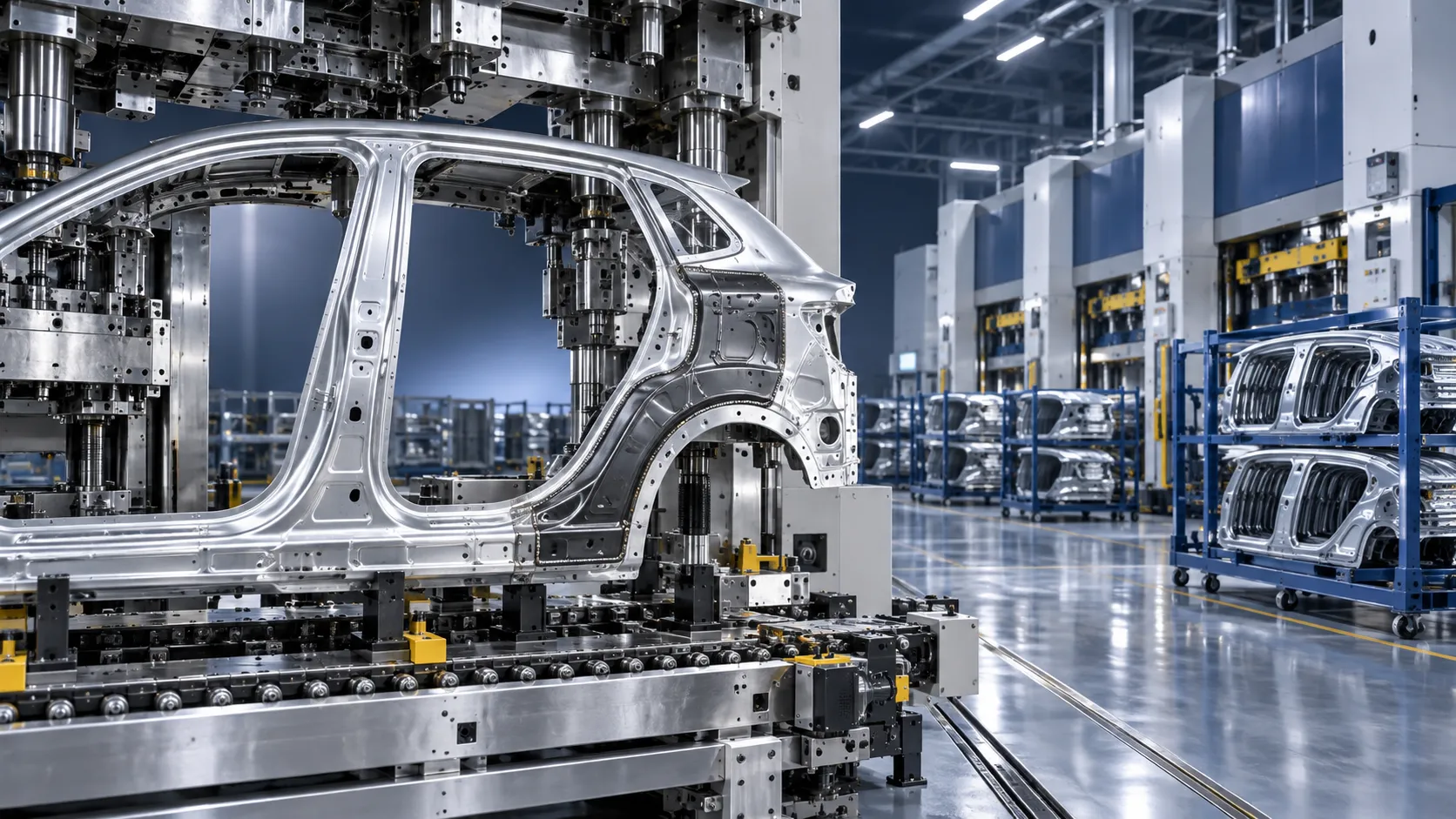
What Drives Lightweight Body Component Costs in High-Volume Vehicle Programs?
Lightweight body components cost depends on material yield, forming, joining, tooling, validation, and logistics. Explore proven ways to optimize total vehicle program cost.
Related News
- 00
0000-00
How to Define Component Specifications for Ergonomic Seating Systems - 00
0000-00
How to Evaluate Automotive Seat Assemblies for EVs by Weight, Safety, and Packaging - 00
0000-00
How to Evaluate a Seat Structures Exporter for OEM Programs: Capacity, Compliance, and Tooling - 00
0000-00
Sensor-Based Smart Seating Solutions: Key Features for Automotive Seat Design - 00
0000-00
What Drives Automotive Ergonomics Cost? Design Inputs, Testing Scope, and Tooling Factors
Weekly Insights
Stay ahead with our curated technology reports delivered every Monday.