
Marine Safety Equipment Checklist for Harsh Weather Readiness
For quality control and safety managers, a reliable marine safety equipment checklist is essential when harsh weather turns routine operations into high-risk scenarios. From navigation integrity and emergency signaling to life-saving gear and onboard protection systems, every item must be verified for compliance, readiness, and performance. This guide outlines the key marine safety equipment points that help strengthen vessel preparedness, reduce operational risk, and support safer decision-making at sea.
When Harsh Weather Changes the Risk Profile of Marine Safety Equipment
Storm surge, dense fog, freezing spray, and heavy swell do not affect every vessel in the same way. A coastal patrol craft may face visibility loss and rapid maneuvering stress, while an offshore workboat may struggle more with prolonged exposure, equipment fatigue, and delayed rescue access. That is why a marine safety equipment checklist should not be treated as a static compliance form. It must reflect route length, crew size, cabin protection, navigation complexity, and the probability of power or communication disruption.
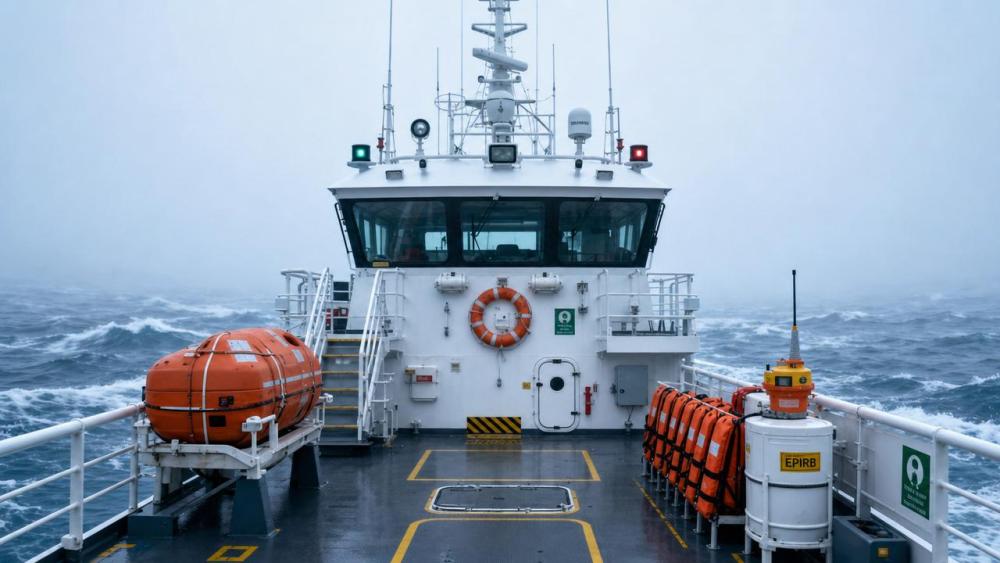
In a broader mobility and safety context, harsh-weather readiness also connects to the same logic seen across GNCS focus areas: precise perception, reliable containment, and system-level protection. At sea, that means radar and AIS must remain trustworthy under signal interference, emergency equipment must be accessible under motion stress, and physical safety systems inside the cabin must still protect people during impact, slip, or sudden deceleration events.
Scenario 1: Coastal Transit in Fog, Rain, and Short-Notice Weather Shifts
In nearshore operations, the biggest threat is often not wave height alone but compressed decision time. Traffic density, fishing zones, harbor structures, and changing visibility can turn a manageable route into a collision-risk environment. In this scenario, the marine safety equipment priority begins with perception and signaling. Radar tuning, GPS integrity, AIS transmission, horn function, navigation lights, and backup power all need verification before departure.
The checklist should also confirm whether life jackets are immediately reachable rather than stowed too deeply, whether waterproof handheld radios are charged, and whether emergency position-indicating tools are correctly registered and tested. For smaller vessels, one overlooked issue is battery reserve. A vessel may carry compliant marine safety equipment, yet still lose critical function if rain, pumps, and electronics drain power faster than expected.
Scenario 2: Offshore Passage Where Redundancy Matters More Than Minimum Compliance
For offshore transit, the operational question shifts from “Is the equipment onboard?” to “Will it still work after hours of weather loading?” Long-duration exposure raises the importance of redundancy. A best-practice marine safety equipment checklist should include primary and secondary navigation sources, dual communication pathways, inspected life rafts, immersion suits where required, watertight storage for flares and medical kits, and clear abandon-ship procedures.
Harsh offshore conditions also increase the need for physical onboard protection. Anti-slip deck surfaces, secure seating, restraint points, hatch sealing, bilge alarm reliability, and fire suppression readiness become part of the same safety chain. This is where marine safety moves beyond lifesaving appliances and into system resilience. If crew movement becomes unstable during violent rolling, even a well-equipped vessel can suffer preventable injury without proper cabin and deck safety controls.
Scenario 3: Commercial Workboats Facing Heavy Loads, Limited Visibility, and Repeated Exposure
Workboats, service vessels, and utility craft often operate in conditions where loading patterns change daily. Equipment may shift, deck access may narrow, and crew may repeatedly transition between indoor and exposed zones. In this setting, a marine safety equipment checklist should include load securing devices, deck lighting, man-overboard recovery tools, protective seating condition, and the accessibility of cut-off switches and emergency stops.
Repeated exposure creates a hidden risk: items pass inspection visually but fail under use. Corroded buckles, UV-degraded flotation materials, cracked housings, and weak mounting brackets are common examples. Effective marine safety equipment management therefore requires not only inventory checks but also condition-based verification, especially for parts exposed to salt, vibration, and cabin temperature cycling.
How Marine Safety Equipment Priorities Differ by Operating Scenario
A Practical Marine Safety Equipment Checklist for Harsh Weather Readiness
A useful checklist should group marine safety equipment by decision function rather than by storage location. This improves inspection speed and makes weak points easier to spot before departure.
Navigation and awareness
- Radar performance, range setting, and display clarity
- GPS/ECDIS or chart system accuracy and update status
- AIS transmission and target reception
- Navigation lights, sound signaling devices, and compass cross-check
Emergency communication and rescue
- VHF/DSC radio function and antenna condition
- EPIRB registration, battery date, and mounting security
- Flares, signal lamps, and waterproof portable devices
- Man-overboard markers and retrieval systems
Life-saving and onboard protection
- Life jackets, immersion suits, and life raft inspection dates
- Fire extinguishers, suppression systems, and smoke alarms
- Bilge pumps, high-water alarms, watertight doors, and hatch seals
- Cabin seating integrity, anti-slip surfaces, and secure handholds
Scenario-Based Recommendations for Better Equipment Fit
- For frequent short trips: prioritize fast inspection routines, visible labeling, charged backup communication, and simplified emergency access.
- For extended offshore routes: invest in redundancy, weather-protected storage, service tracking logs, and sealed backup power for critical marine safety equipment.
- For multi-use commercial craft: combine compliance checks with wear monitoring, especially at mounting points, cabin restraints, hinges, and deck recovery hardware.
- For mixed-weather seasons: review whether current marine safety equipment is rated for cold, water ingress, corrosion resistance, and low-visibility operation.
Common Misjudgments That Weaken Marine Safety Equipment Readiness
One common mistake is assuming regulation equals readiness. Minimum carriage rules do not always match the actual severity of route conditions. Another is checking expiry dates but ignoring accessibility. In harsh weather, seconds matter; equipment that is compliant but hard to reach may be operationally useless. A third weak point is overlooking human factors inside the vessel. Cabin safety, seating support, restraint performance, and interior impact protection all influence injury outcomes when violent motion or collision occurs.
There is also a growing need to connect electronic validation with physical inspection. A passing self-test on a display does not confirm antenna integrity, waterproof sealing, or vibration durability. The best marine safety equipment programs therefore combine documentation review, live functional testing, and route-specific risk judgment.
Turn the Checklist Into an Action Plan Before the Next Weather Window
A strong marine safety equipment checklist should end with action, not filing. Start by ranking equipment into three groups: mission-critical, weather-sensitive, and condition-sensitive. Then assign inspection frequency, test method, and replacement threshold for each item. Where navigation electronics, cabin protection, and emergency gear intersect, document not only whether equipment exists, but whether it can perform under stress.
For organizations tracking broader marine and mobility safety intelligence, this structured approach supports better compliance confidence, more resilient operations, and clearer upgrade decisions. In harsh weather, readiness comes from precise perception, dependable protection, and disciplined verification. That is the real value of a modern marine safety equipment checklist.
Related News
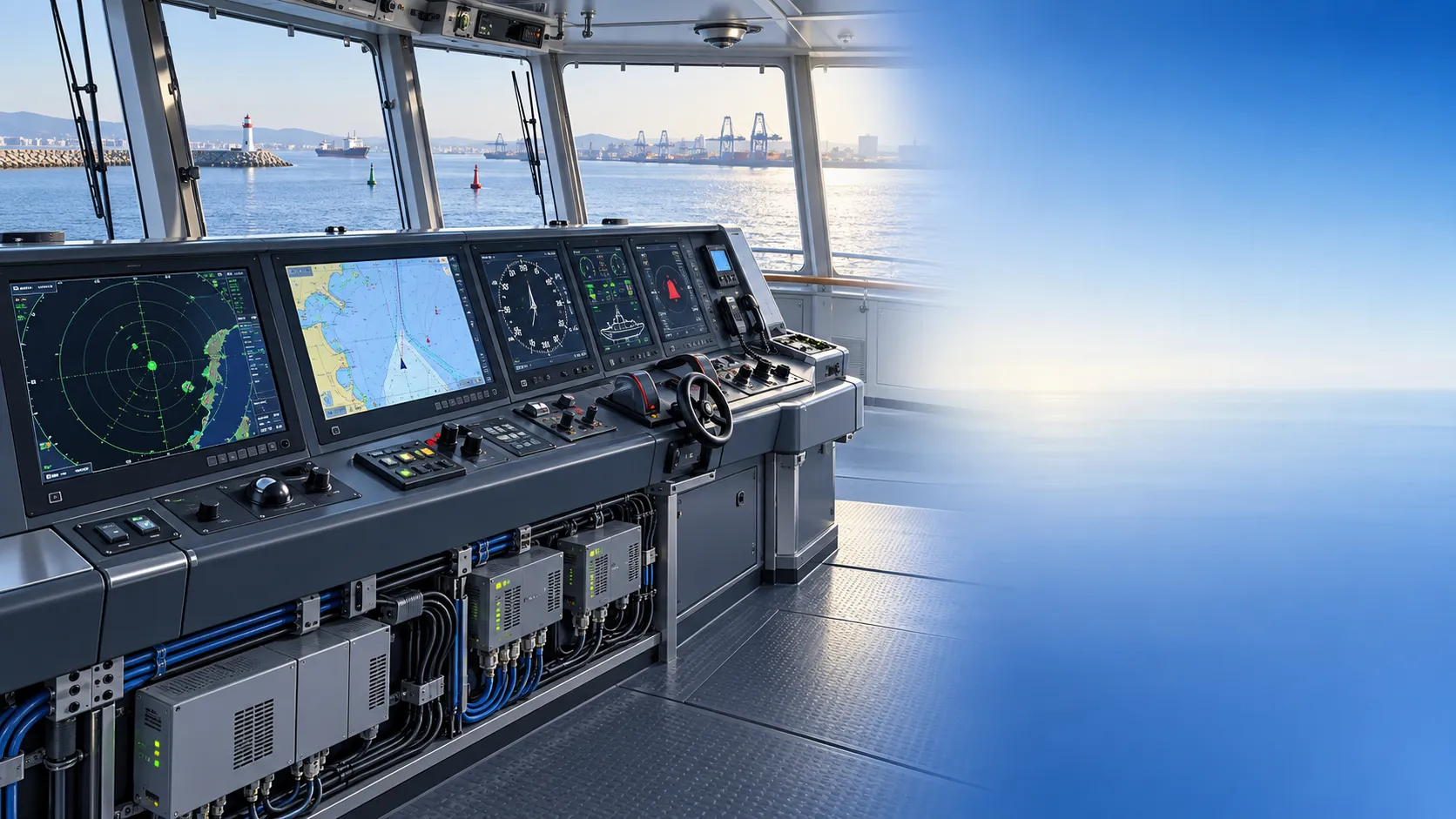
How to Specify Integrated Marine Electronics for Reliable Bridge Operations
Integrated marine electronics: learn how to specify reliable bridge systems with clear data flows, redundancy, alarm control, lifecycle interfaces, and operational testing.

How to Evaluate Navigation Radar Manufacturers for Commercial Vessel Projects
Navigation radar manufacturers: learn how to compare performance, compliance, integration, support, and lifecycle cost for commercial vessel projects.

How Adjustable Cabin Ergonomics Reduce Operator Fatigue in Long-Shift Vehicles
Adjustable cabin ergonomics reduces operator fatigue through better seating, reach, visibility, vibration control, and climate comfort for safer long-shift vehicles.

How Rear-Impact Safety Components Work Together to Protect Vehicle Occupants
Explore how automotive safety components for rear impact work together—from crash structures and seats to head restraints and belts—to enhance occupant protection.
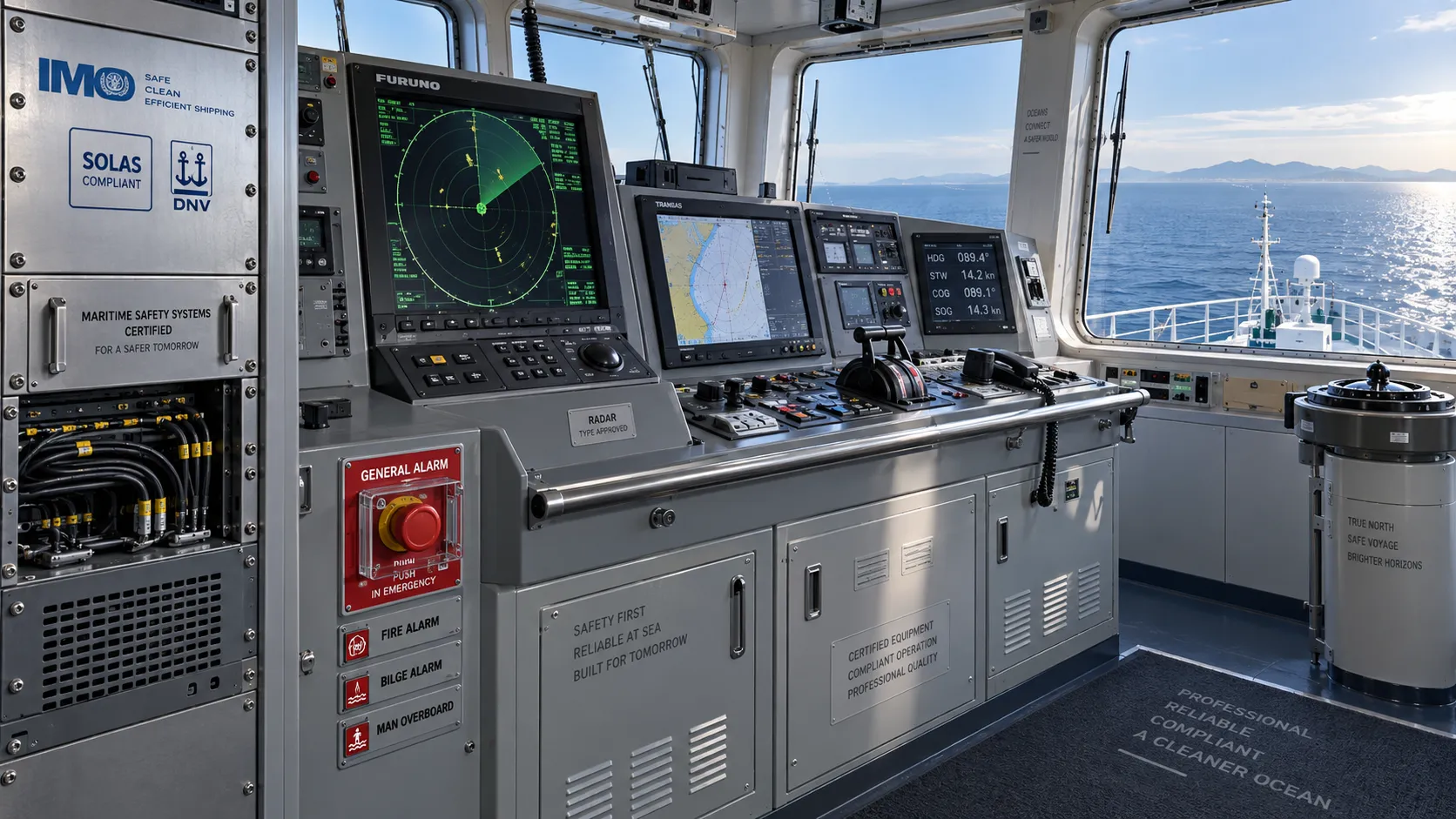
How to Evaluate a Marine Safety Systems Manufacturer for Vessel Compliance and Reliability
Marine safety systems manufacturer evaluation guide: verify compliance, engineering quality, lifecycle costs, and global service support for safer, reliable vessel operations.
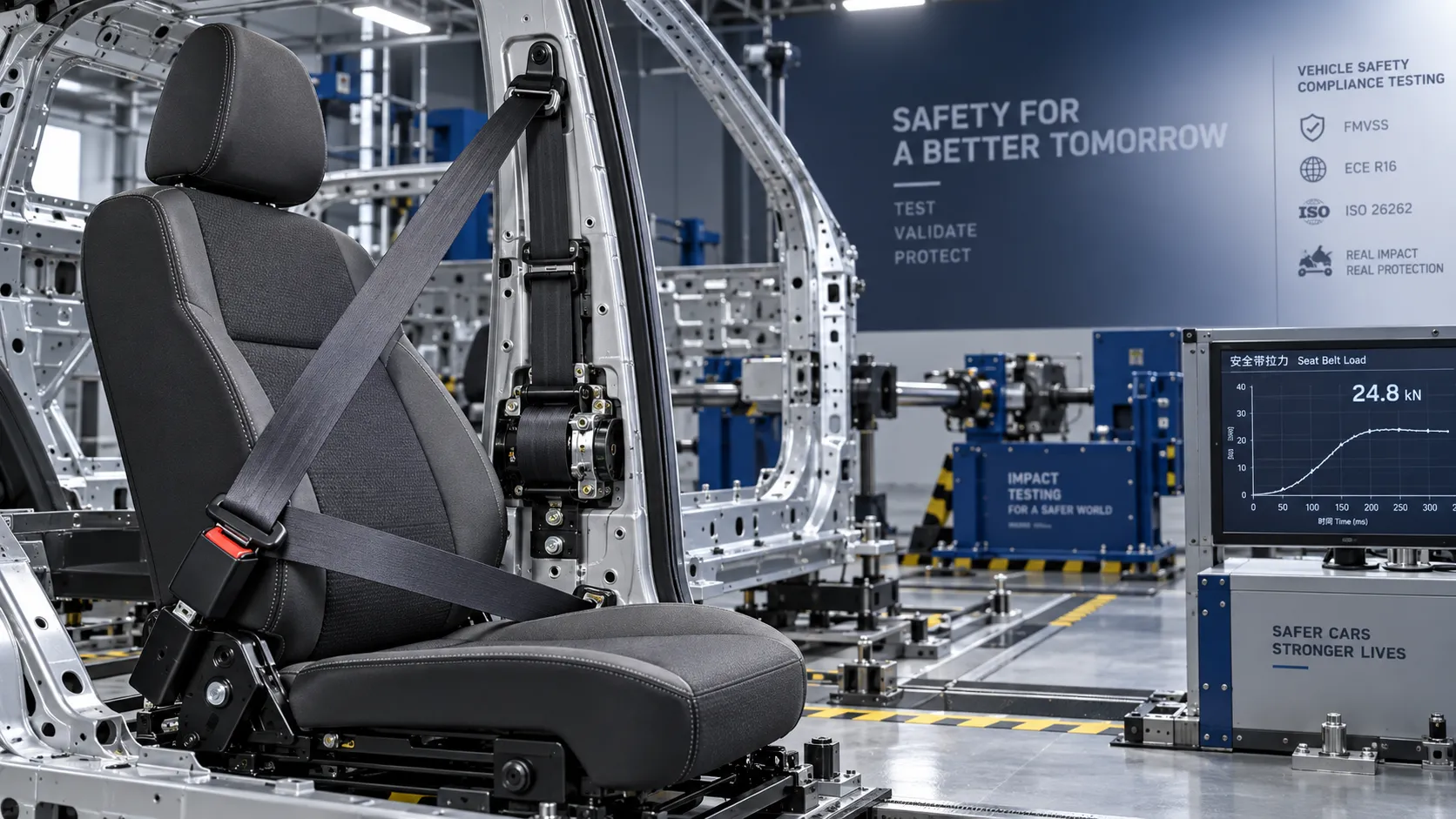
Crash Test Regulations for Seatbelts: Key Compliance Requirements Explained
Crash test regulations seatbelts explained: explore FMVSS, UN rules, anchorage strength, and dynamic restraint testing for safer, compliant vehicle systems.

How to Calculate the Total Cost of Automotive Lightweighting for a Vehicle Program
Automotive lightweight solutions cost: learn how to calculate program-level costs, including materials, tooling, joining, validation, risk, and vehicle-level value.

How Automotive Seat Occupancy Sensing Improves Airbag Deployment Decisions
Automotive seat occupancy sensing helps optimize airbag deployment decisions, improving passenger classification, safety diagnostics, and compliance across real-world conditions.

What Drives Lightweight Body Component Costs in High-Volume Vehicle Programs?
Lightweight body components cost depends on material yield, forming, joining, tooling, validation, and logistics. Explore proven ways to optimize total vehicle program cost.
Related News
- 00
0000-00
How to Specify Integrated Marine Electronics for Reliable Bridge Operations - 00
0000-00
How Adjustable Cabin Ergonomics Reduce Operator Fatigue in Long-Shift Vehicles - 00
0000-00
How to Evaluate a Marine Safety Systems Manufacturer for Vessel Compliance and Reliability - 00
0000-00
How to Calculate the Total Cost of Automotive Lightweighting for a Vehicle Program - 00
0000-00
What Drives Lightweight Body Component Costs in High-Volume Vehicle Programs?
Weekly Insights
Stay ahead with our curated technology reports delivered every Monday.