
Magnesium Alloys vs Steel: Where Weight Savings Justify the Cost
For finance decision-makers, the real question is not whether magnesium alloys are lighter than steel, but where that weight reduction delivers measurable returns. In marine systems, automotive structures, passive safety components, and smart seating, every kilogram removed can influence fuel use, emissions compliance, handling, payload, and product differentiation. Yet the higher material and processing cost of magnesium means lightweighting only creates value when it improves total economics. This article examines where magnesium alloys justify their premium, where steel still wins on cost-performance, and how to evaluate both materials through a practical business lens.
Material Basics: Magnesium Alloys and Steel in Practical Terms
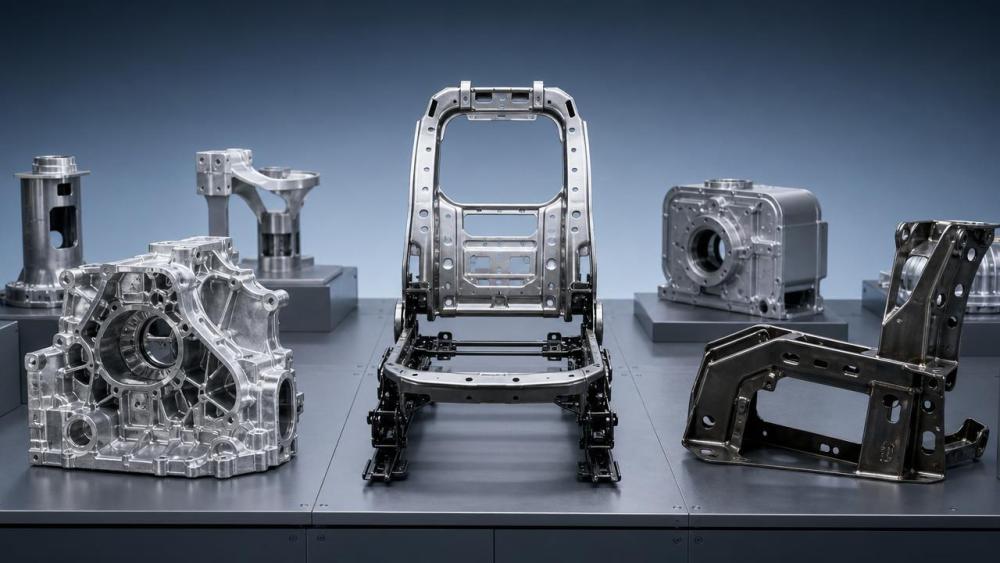
Magnesium alloys are among the lightest structural metals used in commercial applications. Their density is roughly one-quarter lower than aluminum and about three-quarters lower than steel, making them highly attractive in products where mass directly affects operating efficiency or user experience. Common grades are used in die-cast housings, seat frames, steering components, electronic supports, and selected marine or transportation parts where lightweight design matters.
Steel, by contrast, remains the benchmark material for strength, availability, cost control, and established manufacturing infrastructure. Advanced high-strength steel, ultra-high-strength steel, and hot-stamped parts have extended steel’s role even further in automotive lightweight body design. Steel is heavier, but it often delivers lower raw material cost, mature forming routes, predictable crash behavior, broad recyclability networks, and easier sourcing at scale.
The decision is therefore not a simple comparison of weight alone. A realistic evaluation must include component geometry, strength targets, corrosion exposure, joining complexity, repairability, regulatory demands, and lifetime savings. In many industries, the winning choice is not magnesium or steel across the entire product, but the selective use of magnesium alloys in high-impact areas while steel remains in load-critical or cost-sensitive zones.
Why the Weight Debate Matters Across Mobility and Equipment
In the broader mobility equipment landscape, material selection has become more financially strategic than ever. Regulatory pressure, fuel economy targets, range expectations in electrified systems, and premium comfort standards all raise the value of lightweight structures. At the same time, supply chain volatility and margin pressure force every weight-saving decision to prove its return.
The current attention around magnesium alloys is driven by several industry signals:
This is especially relevant for sectors covered by GNCS, where navigation reliability, crash protection, body efficiency, and cabin intelligence all depend on the interaction between structure and performance. In such contexts, the material choice affects not only engineering metrics but also compliance pathways, feature packaging, and total lifecycle economics.
Where Magnesium Alloys Create Real Business Value
The strongest case for magnesium alloys appears where each unit of weight saved produces a chain of secondary gains. These gains may include lower energy consumption, smaller supporting components, easier ergonomic movement, reduced center of gravity, or added room for sensors and comfort modules. In those cases, the value of weight reduction is multiplied beyond the raw mass difference.
1. Automotive seat frames and interior structures
Seat systems are one of the clearest examples. A seat frame made with magnesium alloys can cut weight while preserving design freedom for powered adjustment, heating, cooling, occupancy sensing, and safety integration. In electric vehicles, this is particularly valuable because every kilogram saved can help offset battery mass. In premium cabins, reduced frame weight also supports more features without compromising the total vehicle mass target.
2. Steering, brackets, and cross-car modules
For selected non-closure structural components, magnesium can reduce front-end or upper-body mass and improve assembly integration. Die casting can consolidate multiple steel stampings into fewer parts, reducing fasteners and assembly steps. When part consolidation is substantial, the higher material price can be partially offset by lower tooling complexity downstream.
3. Marine electronics and navigation support structures
In marine navigation environments, lightweight support structures for high-value equipment can improve installation flexibility and reduce stress on mounting systems. Where corrosion protection and sealing are engineered correctly, magnesium alloys can support compact, precise housings for advanced equipment. However, marine exposure demands strict treatment controls, making application selection critical.
4. Components with premium positioning value
Some products justify magnesium alloys because lightweight engineering itself supports brand value. In high-end mobility systems, customers increasingly associate lower weight with technical sophistication, efficiency, and comfort. When the market rewards that perception with stronger pricing power, the cost premium becomes easier to defend.
Where Steel Remains the Smarter Investment
Steel continues to be the preferred choice wherever cost discipline, crash robustness, high-volume manufacturing, and repair familiarity dominate the business case. Even when magnesium alloys offer mass reduction, the payback may be too slow or too uncertain to justify replacement.
- Large structural parts exposed to high and complex loads over long service life.
- Applications where corrosion risk, impact damage, or field repair conditions are difficult to control.
- Programs with tight material budgets and no clear monetization of weight savings.
- Very high-volume parts already optimized through advanced high-strength steel forming.
- Safety-critical components where qualification pathways for steel are already deeply validated.
In automotive body stampings, for example, hot-stamped steel often provides a better balance of crash performance, cost, and manufacturing maturity than magnesium. In passive safety systems, steel can also remain advantageous where dimensional stability, fastening reliability, and supply continuity matter more than modest mass reduction. The lesson is practical: weight savings are only valuable when they improve the economics of the whole system.
Decision Framework: How to Judge Whether the Cost Gap Is Worth It
A reliable decision should compare total value rather than piece price. The following framework helps determine whether magnesium alloys are financially justified versus steel:
If the answer is positive across several categories, magnesium alloys often deserve serious consideration. If not, steel will usually remain the more resilient and economical option.
Typical Application Boundaries by Scenario
Not all lightweight opportunities are equal. The table below shows where magnesium alloys are commonly favorable and where steel often retains an advantage:
Implementation Priorities and Risk Controls
Successful adoption of magnesium alloys depends on disciplined execution. Cost overruns usually come not from the material itself, but from underestimating the engineering changes around it. A realistic program should prioritize several controls:
- Validate corrosion strategy early, especially in marine or mixed-metal environments.
- Review joining methods carefully, including galvanic isolation and fastening compatibility.
- Model total system savings, not only component mass reduction.
- Confirm casting quality, dimensional tolerance, and supplier process capability.
- Align material choice with product tier, compliance targets, and service conditions.
These steps are particularly important in sectors linked to navigation systems, automotive lightweight bodies, and cabin safety integration, where structural reliability and certification discipline carry long-term business consequences.
Next-Step Evaluation for Material Strategy
Magnesium alloys justify their cost when weight reduction produces measurable system-level returns: better efficiency, improved range, reduced supporting mass, stronger premium positioning, or easier integration of advanced features. Steel remains the smarter investment when durability, crash confidence, sourcing maturity, and cost stability define success. In practice, the best strategy is often selective substitution rather than full replacement.
For a grounded decision, compare candidate parts through a structured review of mass savings, downstream assembly impact, compliance benefits, corrosion exposure, and lifecycle cost. In high-value mobility and equipment systems, that approach turns the magnesium-versus-steel question from a material debate into a business case with clear priorities and measurable outcomes.
Related News
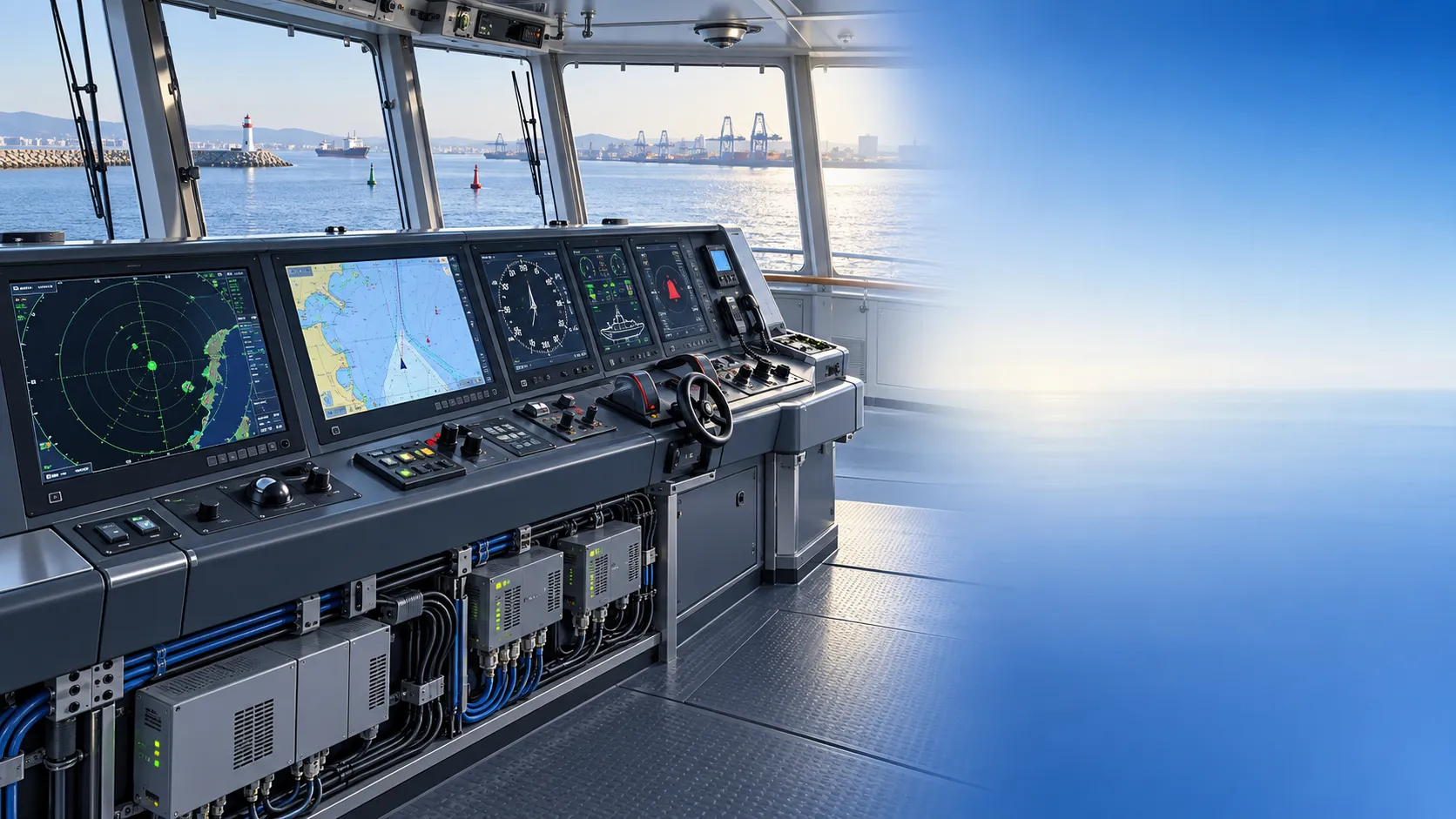
How to Specify Integrated Marine Electronics for Reliable Bridge Operations
Integrated marine electronics: learn how to specify reliable bridge systems with clear data flows, redundancy, alarm control, lifecycle interfaces, and operational testing.

How to Evaluate Navigation Radar Manufacturers for Commercial Vessel Projects
Navigation radar manufacturers: learn how to compare performance, compliance, integration, support, and lifecycle cost for commercial vessel projects.
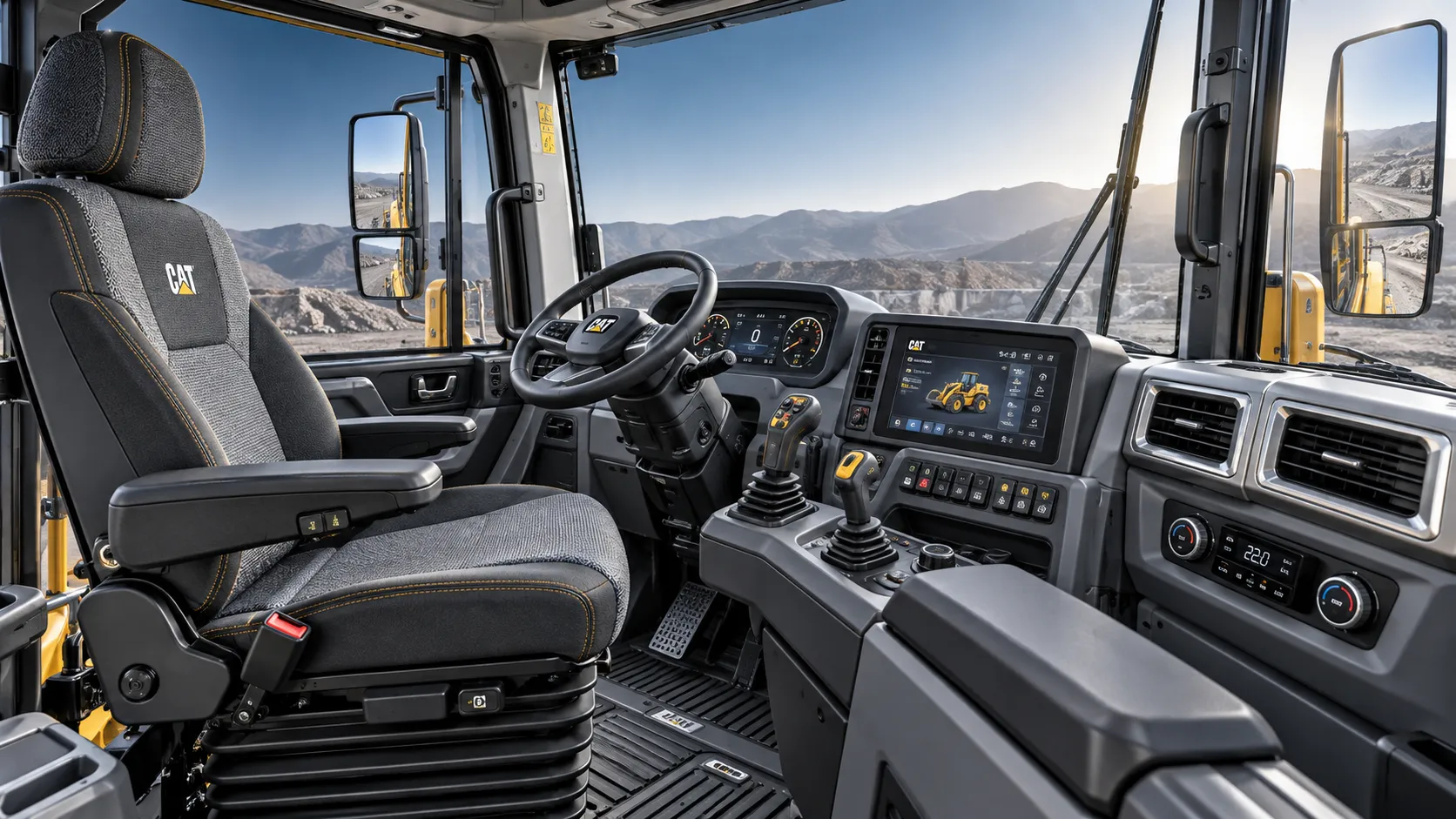
How Adjustable Cabin Ergonomics Reduce Operator Fatigue in Long-Shift Vehicles
Adjustable cabin ergonomics reduces operator fatigue through better seating, reach, visibility, vibration control, and climate comfort for safer long-shift vehicles.
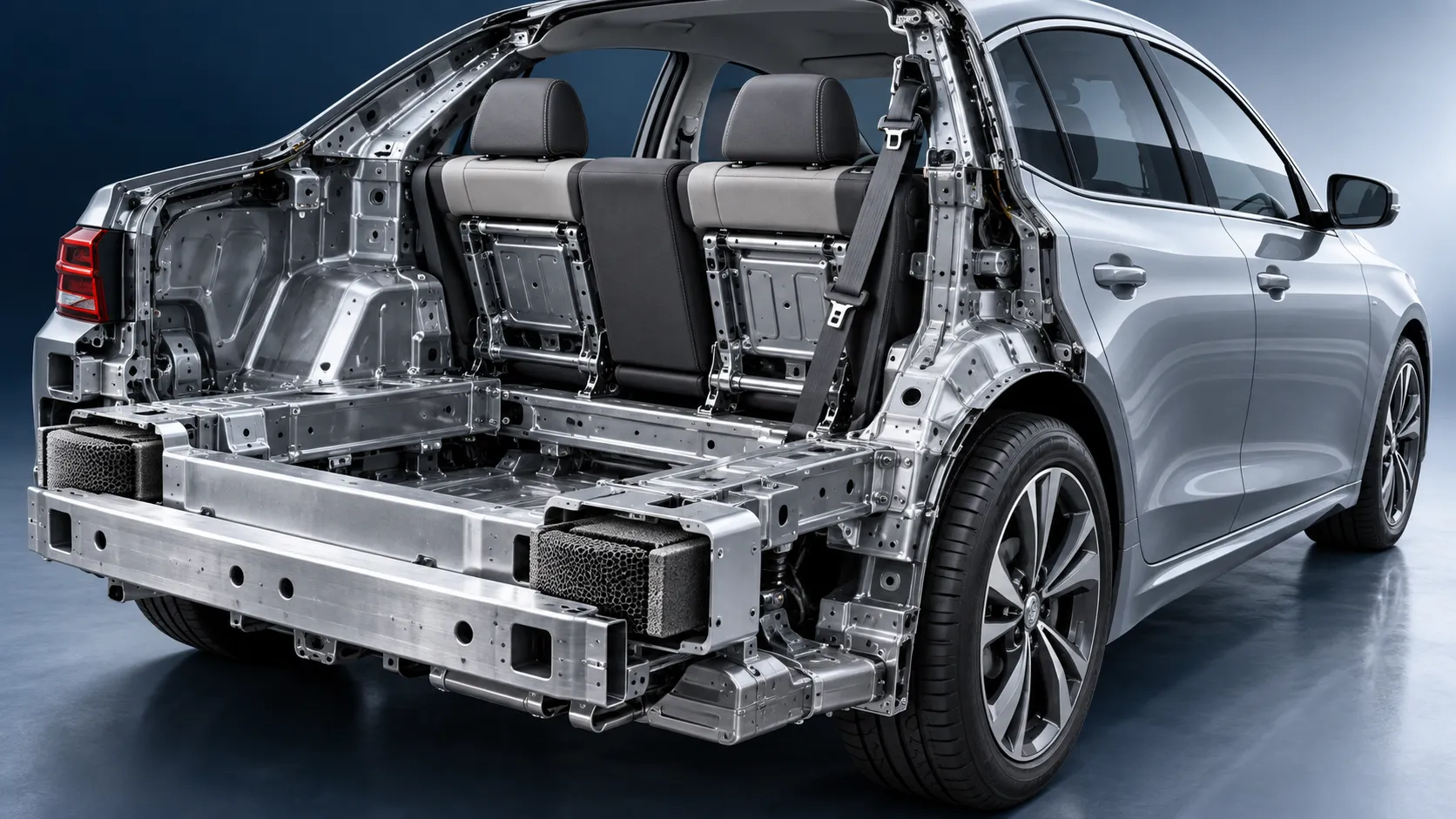
How Rear-Impact Safety Components Work Together to Protect Vehicle Occupants
Explore how automotive safety components for rear impact work together—from crash structures and seats to head restraints and belts—to enhance occupant protection.
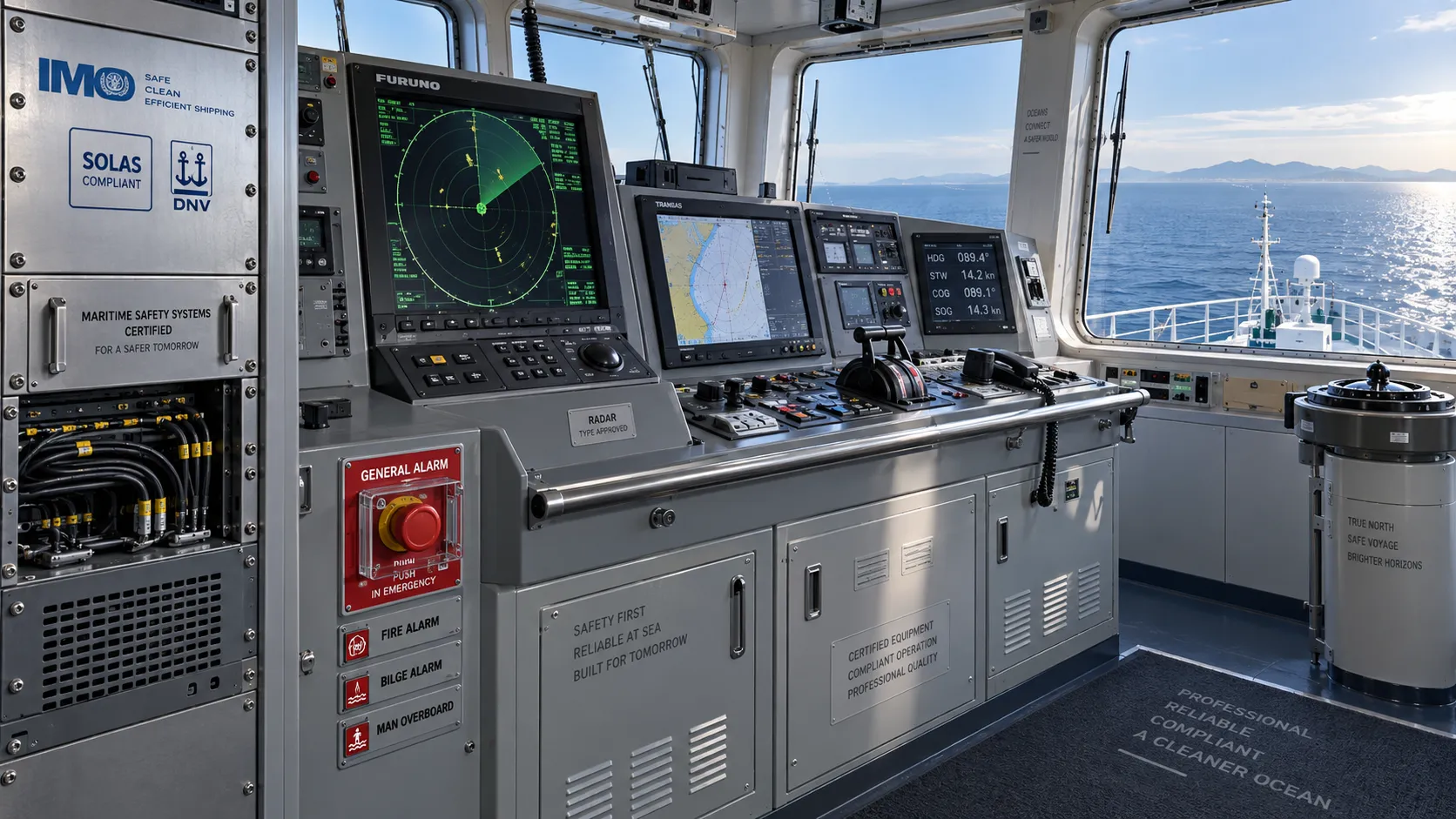
How to Evaluate a Marine Safety Systems Manufacturer for Vessel Compliance and Reliability
Marine safety systems manufacturer evaluation guide: verify compliance, engineering quality, lifecycle costs, and global service support for safer, reliable vessel operations.
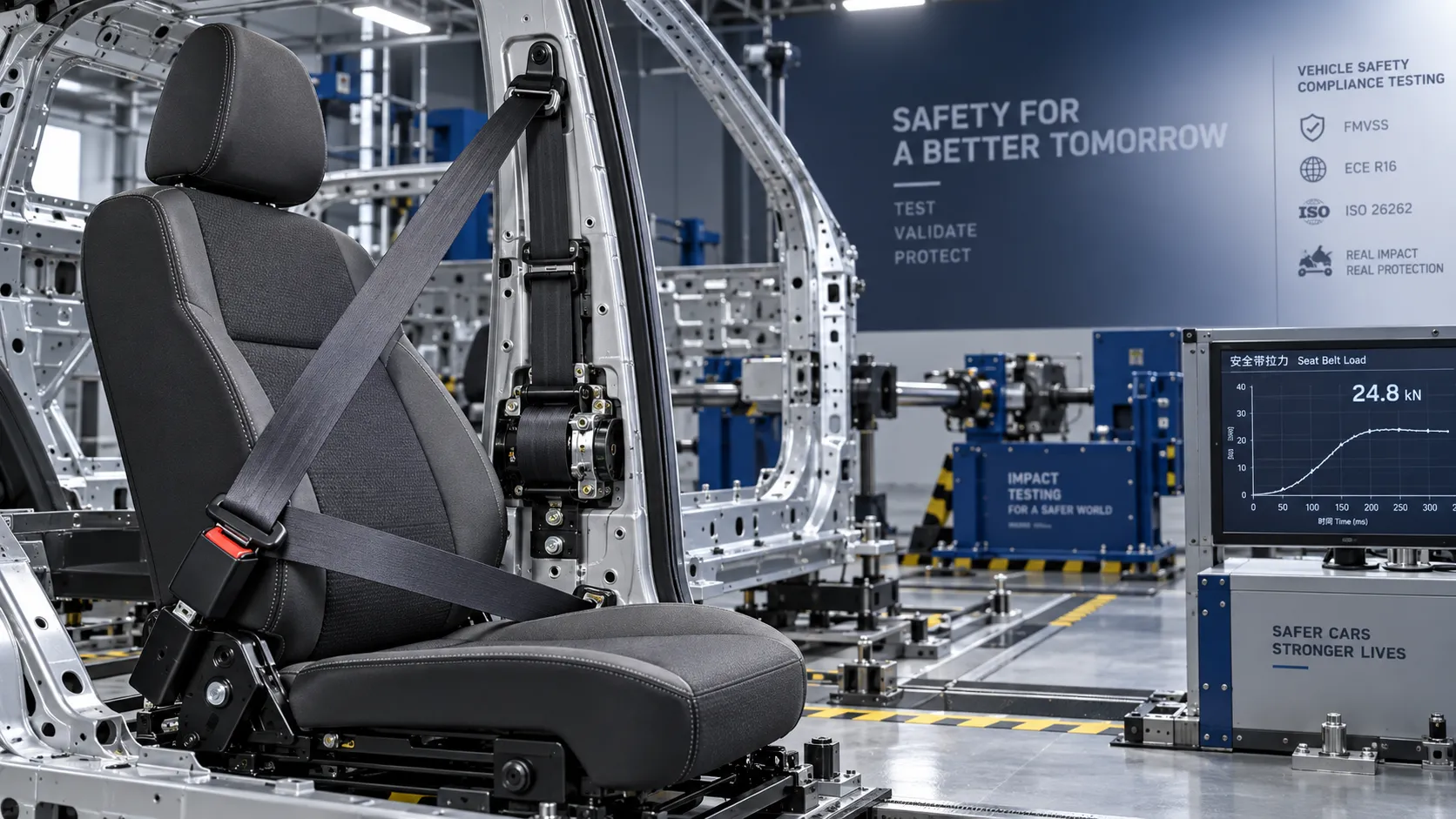
Crash Test Regulations for Seatbelts: Key Compliance Requirements Explained
Crash test regulations seatbelts explained: explore FMVSS, UN rules, anchorage strength, and dynamic restraint testing for safer, compliant vehicle systems.

How to Calculate the Total Cost of Automotive Lightweighting for a Vehicle Program
Automotive lightweight solutions cost: learn how to calculate program-level costs, including materials, tooling, joining, validation, risk, and vehicle-level value.

How Automotive Seat Occupancy Sensing Improves Airbag Deployment Decisions
Automotive seat occupancy sensing helps optimize airbag deployment decisions, improving passenger classification, safety diagnostics, and compliance across real-world conditions.

What Drives Lightweight Body Component Costs in High-Volume Vehicle Programs?
Lightweight body components cost depends on material yield, forming, joining, tooling, validation, and logistics. Explore proven ways to optimize total vehicle program cost.
Related News
- 00
0000-00
How to Specify Integrated Marine Electronics for Reliable Bridge Operations - 00
0000-00
How Adjustable Cabin Ergonomics Reduce Operator Fatigue in Long-Shift Vehicles - 00
0000-00
How to Evaluate a Marine Safety Systems Manufacturer for Vessel Compliance and Reliability - 00
0000-00
How to Calculate the Total Cost of Automotive Lightweighting for a Vehicle Program - 00
0000-00
What Drives Lightweight Body Component Costs in High-Volume Vehicle Programs?
Weekly Insights
Stay ahead with our curated technology reports delivered every Monday.