
Vehicle Lightweight Solutions: Cost Trade-Offs Between Steel and Aluminum
For finance decision-makers, vehicle lightweight solutions are not just an engineering upgrade—they are a capital allocation question. When comparing steel and aluminum, the real issue is how material choice affects unit cost, tooling investment, compliance pressure, fuel efficiency, and long-term profitability. In sectors covered by GNCS, especially automotive lightweight bodies and safety-related structures, the steel-versus-aluminum decision shapes both technical performance and business resilience. This article answers the most practical questions behind vehicle lightweight solutions so cost, safety, and return on investment can be evaluated on the same page.
What do vehicle lightweight solutions actually mean in cost terms?
In simple terms, vehicle lightweight solutions are strategies that reduce mass without undermining structural integrity, crash performance, manufacturability, or compliance. The cost discussion goes far beyond raw material price per kilogram. A lighter body may lower energy consumption, improve emissions performance, extend EV range, and support safety tuning, but those gains often require higher-grade materials, process changes, and tighter quality control.
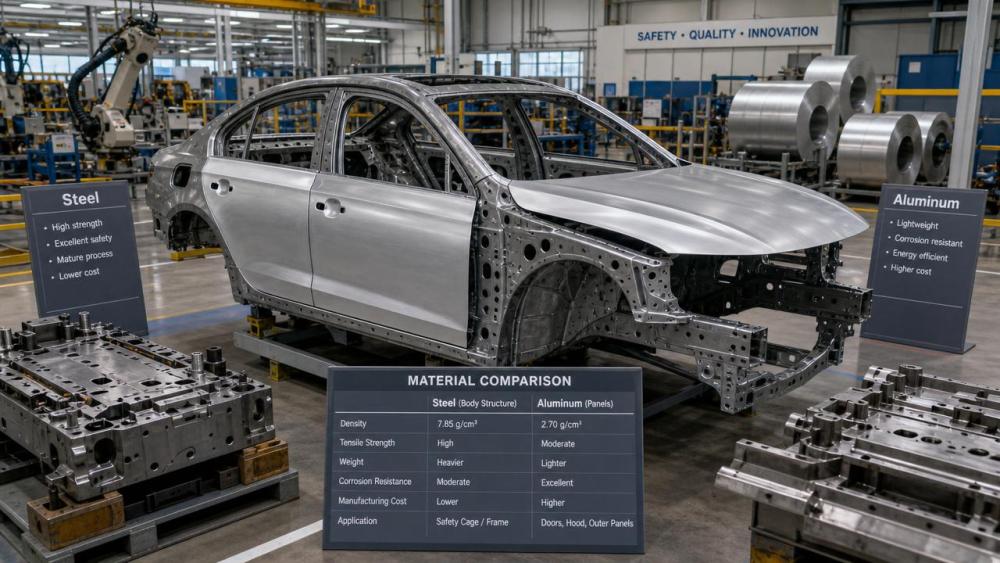
For steel, the economics often benefit from mature supply chains, existing stamping infrastructure, high-volume efficiency, and easier repair ecosystems. For aluminum, the value case usually comes from deeper weight reduction, corrosion resistance, and performance gains in premium or electrified platforms. That means the true comparison in vehicle lightweight solutions should include five layers: material cost, conversion cost, capital expenditure, lifecycle value, and risk exposure.
A narrow price comparison can be misleading. If aluminum lowers body weight enough to reduce battery size, improve fleet energy consumption, or prevent compliance penalties, its higher upfront cost may still be justified. If steel achieves target performance with less disruption to production and repair channels, it may generate a better payback profile. The material decision is therefore a systems-level financial choice, not a commodity purchase.
How do steel and aluminum compare on total cost of ownership?
Steel usually wins on direct material affordability. Advanced high-strength steel and ultra-high-strength steel can deliver meaningful weight savings at a lower base material cost than aluminum. In many mainstream passenger vehicles, this makes steel one of the most practical vehicle lightweight solutions when budgets are constrained and volumes are large.
Aluminum generally carries a higher raw material price and may require additional joining methods such as self-piercing rivets, structural adhesives, or specialized welding processes. Scrap segregation and handling can also become more complex. However, aluminum’s density advantage enables larger mass reduction per part, which can produce measurable downstream value. In internal combustion vehicles, that can improve fuel economy. In electric vehicles, it can increase range or reduce battery mass requirements. Over a product lifecycle, those benefits may partially offset initial cost premiums.
The right comparison is not steel cost versus aluminum cost in isolation, but platform economics versus business target. If a body-in-white program needs moderate mass reduction with low disruption, steel-based vehicle lightweight solutions often deliver superior cost efficiency. If the target is aggressive lightweighting linked to premium positioning, EV performance, or tighter emissions thresholds, aluminum may create stronger long-term value.
Where do tooling, manufacturing, and compliance change the calculation?
This is where many lightweight body decisions become more expensive than expected. Material substitution affects dies, forming limits, springback behavior, joining strategy, corrosion management, and quality inspection. Even when part-level economics seem favorable, plant-level conversion can shift the picture.
Steel-based vehicle lightweight solutions often align better with existing hot stamping, cold stamping, and welding infrastructure. Suppliers and OEM programs can use known process windows, established simulation data, and high-volume production learning. The result is lower implementation risk and a shorter industrialization curve.
Aluminum programs may require investment in dedicated joining cells, adhesive curing control, mixed-material isolation, and workforce retraining. In return, they can unlock dramatic mass savings in closures, crash management systems, and selected body structures. The issue is timing: if the platform life is long and annual volume is high, the capital burden may be spread efficiently. If the product cycle is short or volumes are uncertain, the payback period may become too long.
Compliance also matters. Safety regulations, crash performance targets, and fleet efficiency requirements all influence which vehicle lightweight solutions create the best balance. A material that simplifies energy absorption tuning or enables emissions compliance can reduce indirect costs that never appear on the material invoice. GNCS tracks exactly these cross-functional interactions because lightweighting, passive safety, and regulatory evolution are tightly linked in modern mobility programs.
Which applications favor steel, and which favor aluminum?
Steel is often the better fit when structural strength, cost discipline, supply continuity, and scalable mass production are the main priorities. Reinforcement zones, safety cages, and crash-critical body sections frequently benefit from advanced steel grades because they combine predictable performance with manageable cost. For many mainstream vehicle platforms, this remains one of the most efficient vehicle lightweight solutions available today.
Aluminum tends to be more attractive in hoods, doors, liftgates, subframes, and selected body closures where significant mass can be removed without unacceptable complexity. Premium vehicles, EV architectures, and performance-focused platforms often use aluminum because every kilogram saved supports handling, acceleration, and energy efficiency targets.
Hybrid material strategies are increasingly common. Rather than choosing one material across the entire body, many programs use multi-material architecture: steel where stiffness and crash containment are paramount, aluminum where high weight-reduction efficiency justifies higher part cost. In practice, the best vehicle lightweight solutions are frequently selective, not absolute.
- Use steel when launch speed, cost control, and manufacturing familiarity dominate.
- Use aluminum when range, premium positioning, or aggressive mass targets drive program value.
- Use mixed-material design when body zones have different performance and cost priorities.
What cost risks and common mistakes should be avoided?
One common mistake is focusing only on kilogram price. Lightweighting decisions fail when teams ignore joining cost, scrap yield, repair impact, logistics handling, or validation time. A cheaper material can become expensive if it forces overdesign, while a premium material can underperform financially if its benefits are not captured at system level.
Another risk is assuming all mass reduction creates equal value. In vehicle lightweight solutions, removing one kilogram from an upper body closure may have a different operational effect than removing one kilogram from a structural floor component. The location of weight matters for crash behavior, center of gravity, and design freedom.
A third mistake is underestimating supply and compliance volatility. Aluminum pricing can be more exposed to energy market movements, while specialty steel grades may face availability constraints depending on region and mill capacity. Regulatory pressure can also reshape the equation quickly, especially in emissions, EV efficiency, and safety performance. Strong decisions therefore require scenario-based planning, not static assumptions.
How should a business evaluate the best vehicle lightweight solutions?
A practical framework starts with target clarity. Define the required weight reduction, safety performance, compliance horizon, program volume, and acceptable payback period. Then compare steel and aluminum not only by part cost, but also by process readiness, capital burden, repair implications, and lifecycle efficiency value.
The next step is body-zone prioritization. Not every component deserves the same material strategy. Some applications justify aluminum because the mass reduction creates high downstream value. Others are better served by advanced steel because the business case is stronger. Effective vehicle lightweight solutions usually come from architecture-level optimization rather than one-material thinking.
Finally, stress-test the decision against future conditions: raw material volatility, emissions rules, EV adoption, insurance repair trends, and crash standard updates. This aligns with the GNCS view that lightweighting should be linked with safety intelligence, compliance tracking, and manufacturing realism. A good choice today should still make sense under tomorrow’s operating assumptions.
In summary, the best vehicle lightweight solutions do not come from asking whether steel or aluminum is universally superior. They come from asking where each material creates the strongest economic return within a specific vehicle architecture. Steel often delivers lower-cost, lower-risk lightweighting. Aluminum often delivers deeper weight reduction and stronger efficiency upside. The highest-value strategy is often a disciplined mix of both. For the next step, build a side-by-side cost model that includes material, tooling, joining, compliance, lifecycle savings, and risk scenarios. That is the clearest path to a lightweight body strategy that performs in both engineering and financial terms.
Related News

How to Specify Integrated Marine Electronics for Reliable Bridge Operations
Integrated marine electronics: learn how to specify reliable bridge systems with clear data flows, redundancy, alarm control, lifecycle interfaces, and operational testing.

How to Evaluate Navigation Radar Manufacturers for Commercial Vessel Projects
Navigation radar manufacturers: learn how to compare performance, compliance, integration, support, and lifecycle cost for commercial vessel projects.
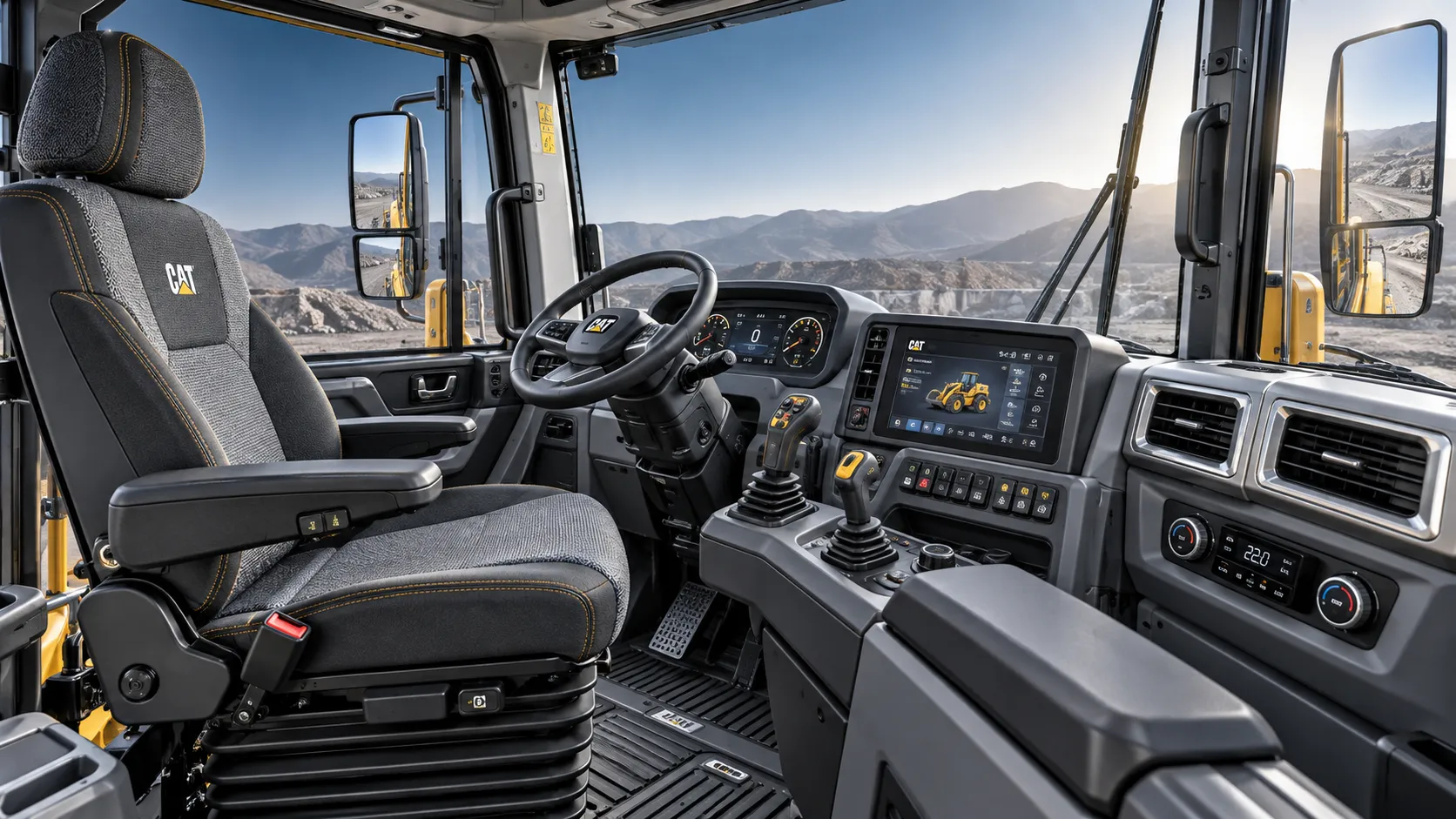
How Adjustable Cabin Ergonomics Reduce Operator Fatigue in Long-Shift Vehicles
Adjustable cabin ergonomics reduces operator fatigue through better seating, reach, visibility, vibration control, and climate comfort for safer long-shift vehicles.
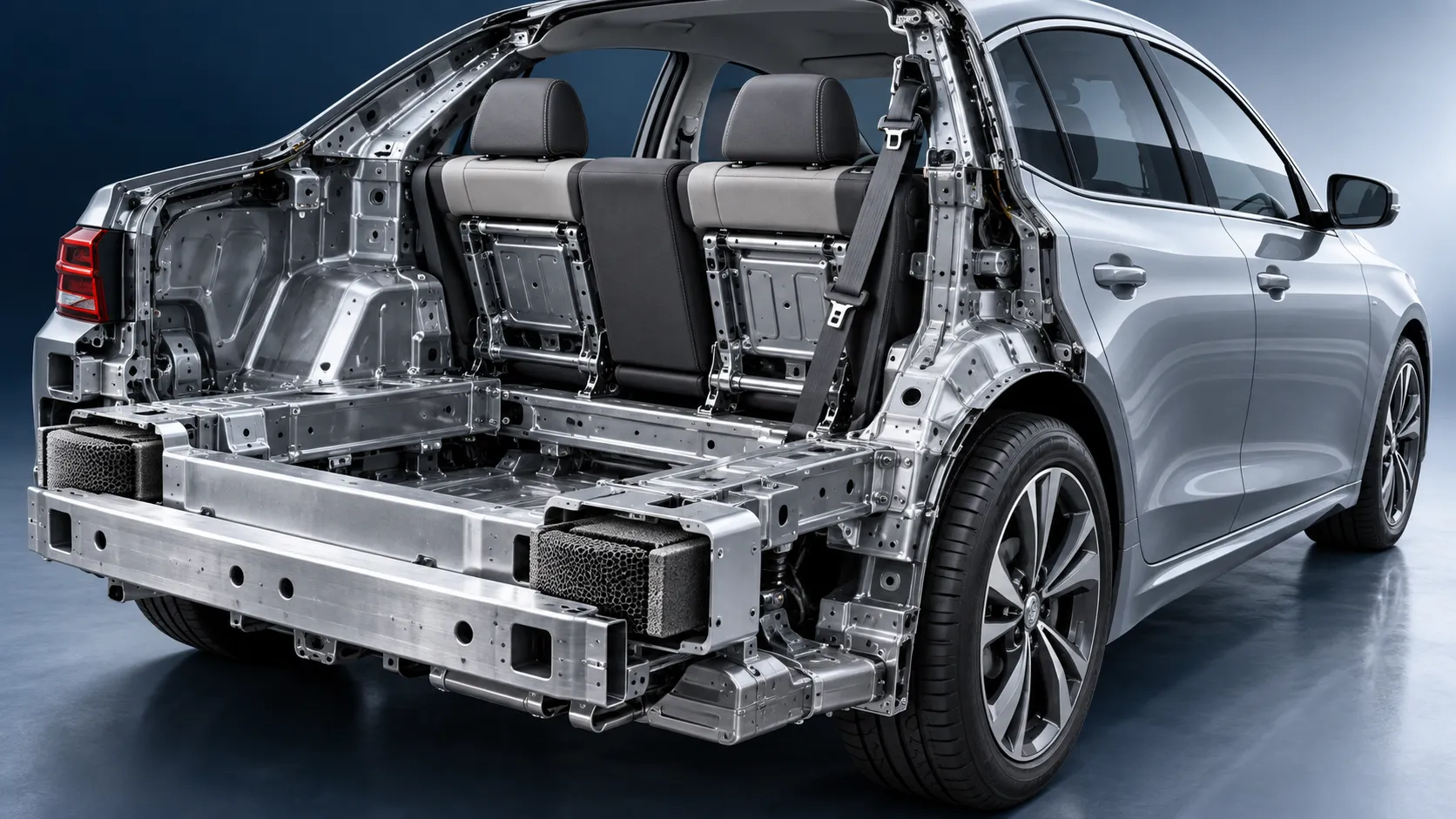
How Rear-Impact Safety Components Work Together to Protect Vehicle Occupants
Explore how automotive safety components for rear impact work together—from crash structures and seats to head restraints and belts—to enhance occupant protection.

How to Evaluate a Marine Safety Systems Manufacturer for Vessel Compliance and Reliability
Marine safety systems manufacturer evaluation guide: verify compliance, engineering quality, lifecycle costs, and global service support for safer, reliable vessel operations.
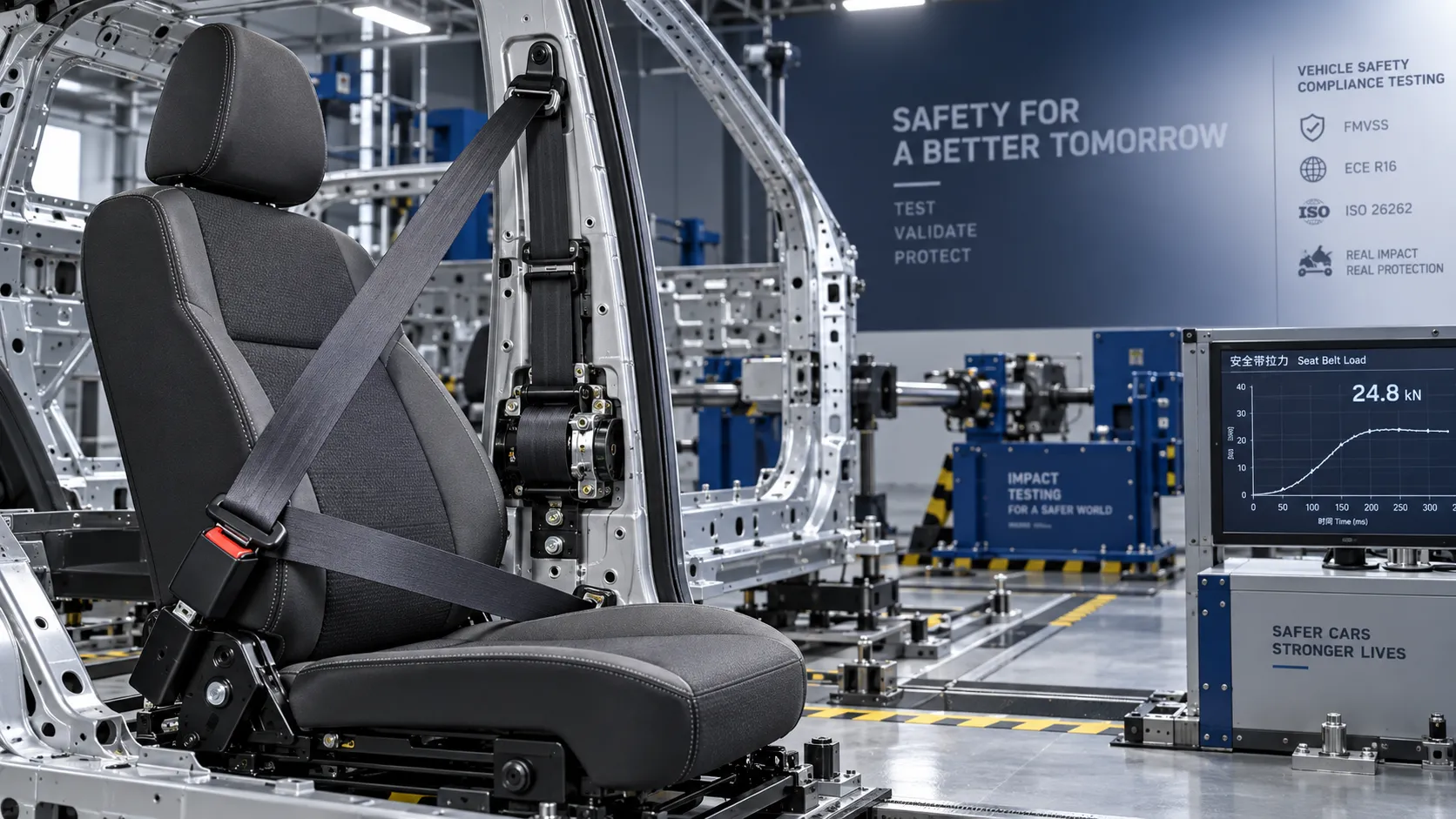
Crash Test Regulations for Seatbelts: Key Compliance Requirements Explained
Crash test regulations seatbelts explained: explore FMVSS, UN rules, anchorage strength, and dynamic restraint testing for safer, compliant vehicle systems.
How to Calculate the Total Cost of Automotive Lightweighting for a Vehicle Program
Automotive lightweight solutions cost: learn how to calculate program-level costs, including materials, tooling, joining, validation, risk, and vehicle-level value.

How Automotive Seat Occupancy Sensing Improves Airbag Deployment Decisions
Automotive seat occupancy sensing helps optimize airbag deployment decisions, improving passenger classification, safety diagnostics, and compliance across real-world conditions.
What Drives Lightweight Body Component Costs in High-Volume Vehicle Programs?
Lightweight body components cost depends on material yield, forming, joining, tooling, validation, and logistics. Explore proven ways to optimize total vehicle program cost.
Related News
- 00
0000-00
How to Evaluate an Aluminum Automotive Stampings Supplier for Cost, Quality, and Lead Time - 00
0000-00
How to Evaluate Aluminum for Vehicle Lightweight Solutions: Key Trade-Offs in Cost, Strength, and Formability - 00
0000-00
Stamped Aluminum Body Parts: Key Grades, Forming Limits, and Best-Fit Vehicle Applications - 00
0000-00
How Aluminum Automotive Stampings for Body Panels Improve Weight, Corrosion Resistance, and Formability - 00
0000-00
Automotive Lightweight Solutions: How to Compare Materials, Processes, and Cost Drivers
Weekly Insights
Stay ahead with our curated technology reports delivered every Monday.