
Marine Safety Equipment Costs: What Drives Lifetime Value
Why marine safety equipment costs vary so widely across operating scenarios
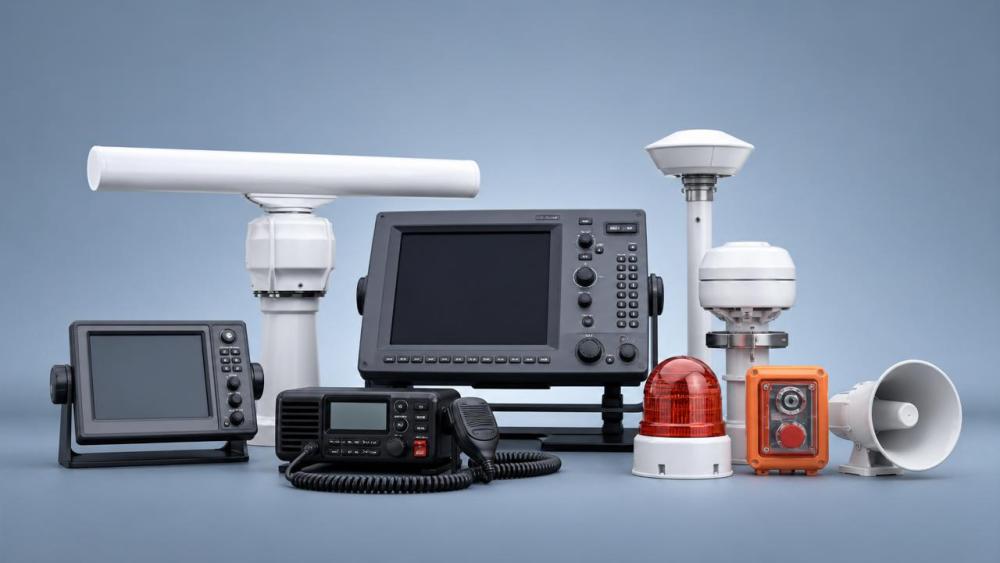
For business evaluators, understanding marine safety equipment costs means looking beyond upfront pricing to the factors that shape lifetime value. From compliance readiness and system reliability to maintenance cycles, upgrade paths, and operational risk reduction, marine safety equipment decisions directly affect long-term returns. This article examines the cost drivers that matter most when assessing investment quality in a safety-critical maritime environment.
In practice, the price of marine safety equipment is rarely determined by hardware alone. A coastal workboat, a blue-water cargo vessel, a passenger craft, and a port-service fleet may all purchase navigation, detection, communication, and emergency systems, yet their cost structures differ because exposure, regulatory burden, duty cycles, and failure consequences are not the same. That is why the most useful way to evaluate marine safety equipment is through scenario fit rather than catalog comparison.
For a platform such as GNCS, which tracks precision navigation and cabin safety intelligence, the key question is not simply “What does this system cost?” but “What drives total lifetime value in the intended operating environment?” This shift helps explain why two seemingly similar solutions can produce very different long-term financial outcomes.
Scenario background: the same marine safety equipment creates different value under different risk conditions
Marine safety equipment performs under layered constraints: weather exposure, electromagnetic interference, crew workload, maintenance access, and compliance audits. In low-complexity routes, a basic package may deliver adequate protection and acceptable ownership cost. In high-risk routes or heavily regulated operations, however, advanced redundancy, integrated alarms, better sensor accuracy, and digital update capability can sharply improve resilience and reduce hidden cost.
This is where lifetime value becomes the real benchmark. Marine safety equipment costs should be evaluated across acquisition, installation, training, calibration, downtime risk, spare parts, software support, and replacement timing. A lower-priced system may become more expensive if it triggers more service calls, causes compliance delays, or limits future integration with navigation and monitoring platforms.
Scenario 1: coastal and short-route operations often prioritize uptime and practical compliance
In coastal transport, harbor service, fishing support, and short-route operations, marine safety equipment is typically selected for robust daily use, straightforward maintenance, and regulatory sufficiency. The core judgment point is whether the equipment can maintain dependable performance despite vibration, salt exposure, frequent starts and stops, and mixed operator skill levels.
Here, lifetime value is driven less by extreme technical sophistication and more by serviceability. Easy-to-source components, intuitive interfaces, modular replacement, and low calibration frequency can have more financial value than premium specifications that are rarely used. For this scenario, marine safety equipment costs rise mainly when installation is complex, training time is long, or service interruptions affect vessel availability.
Core judgment points for short-route fleets
- Can the system withstand repetitive daily operation with minimal intervention?
- Are consumables, spare units, and firmware support readily available?
- Does the marine safety equipment reduce minor incidents and unplanned stoppages?
- Is compliance documentation easy to maintain during inspections?
Scenario 2: offshore and ocean-going vessels require redundancy that changes cost logic
For offshore support vessels, long-haul cargo ships, and blue-water operations, marine safety equipment costs are shaped by distance from service infrastructure and the high consequence of failure. A navigation fault, collision-warning gap, or emergency communication interruption in open water can carry operational, environmental, and legal consequences far beyond replacement cost.
In this scenario, redundancy is not an optional premium but a value-preserving design principle. Backup power interfaces, duplicate sensing pathways, fail-safe alerting, and remote diagnostics often raise initial marine safety equipment costs, yet they reduce the probability of mission loss, delayed arrivals, emergency response costs, and insurance escalation. The right question is whether the additional architecture lowers total exposure over the equipment’s usable life.
Systems with stronger update support also gain importance offshore. Software-driven marine safety equipment that can absorb chart updates, cybersecurity patches, and performance improvements may preserve compliance and extend useful life more effectively than static legacy equipment.
Scenario 3: passenger and high-liability vessels face stronger safety and reputation pressure
Passenger ferries, tourism vessels, and mixed-use craft operate under a different cost reality. Here, marine safety equipment influences not only direct safety performance but also public confidence, audit readiness, incident traceability, and brand resilience after disruption. The cost of a safety event includes litigation exposure, route suspension, media impact, and stricter future oversight.
As a result, higher-specification monitoring, clearer alarm hierarchy, integrated evacuation support, and stronger human-machine interface quality can justify a higher purchase price. In these environments, marine safety equipment costs should be tested against how effectively the system supports operator decision speed, minimizes false alarms, and improves accountability through event records and diagnostics.
How demand differences reshape marine safety equipment value by scenario
The cost drivers that most often decide marine safety equipment lifetime value
Across scenarios, five drivers repeatedly determine whether marine safety equipment is cost-efficient over time.
- Compliance adaptability: Equipment aligned with SOLAS-related expectations, regional inspection practices, and digital recordkeeping reduces future retrofit pressure.
- Reliability architecture: Better sealing, shock tolerance, signal stability, and fault isolation often reduce total ownership cost more than low entry pricing.
- Maintenance design: Access to parts, test intervals, calibration demands, and technician familiarity strongly influence service cost.
- Upgrade pathway: Marine safety equipment with software support, modular expansion, and interface compatibility ages more slowly.
- Operational risk reduction: The ability to prevent collisions, navigation errors, communication gaps, or evacuation confusion creates measurable financial value.
Scenario-fit recommendations for evaluating marine safety equipment costs
Common mistakes that distort marine safety equipment cost assessments
A frequent error is treating marine safety equipment as a one-time procurement event instead of a multi-year risk-control asset. This leads to choosing the lowest compliant bid without measuring downtime probability, replacement lead time, software discontinuation, or crew retraining burden.
Another mistake is evaluating premium equipment only by specification sheets. Not every vessel benefits equally from advanced functions. If complexity exceeds operational need, added capability may produce training friction and underused features rather than stronger lifetime value.
A third blind spot is ignoring data and support infrastructure. Modern marine safety equipment increasingly depends on updates, diagnostics, and digital records. Weak support ecosystems can shorten useful life even when the hardware itself is capable.
A practical next step for stronger marine safety equipment decisions
The most reliable way to assess marine safety equipment costs is to build a scenario-based comparison model. Start with route severity, vessel profile, compliance exposure, expected service life, and failure consequence. Then compare solutions not only on purchase price, but also on maintenance demand, upgrade flexibility, reliability history, and incident prevention value.
For organizations tracking high-precision navigation, passive protection, and safety system evolution, intelligence-led evaluation creates a sharper investment lens. In a market where safety performance, compliance readiness, and operational continuity are tightly linked, the best marine safety equipment is not simply the least expensive option. It is the option that delivers the strongest lifetime value in the real operating scenario.
Related News
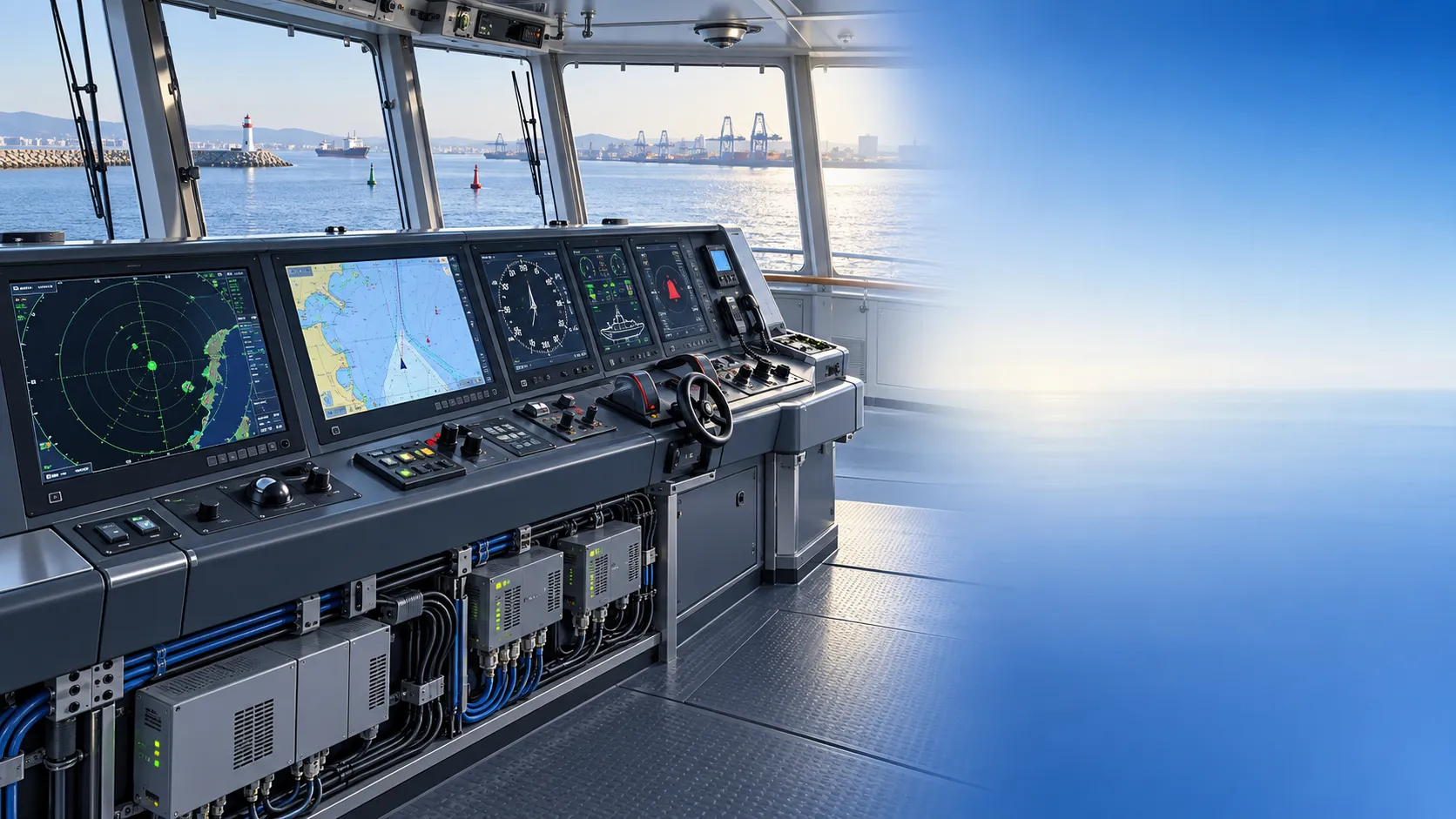
How to Specify Integrated Marine Electronics for Reliable Bridge Operations
Integrated marine electronics: learn how to specify reliable bridge systems with clear data flows, redundancy, alarm control, lifecycle interfaces, and operational testing.
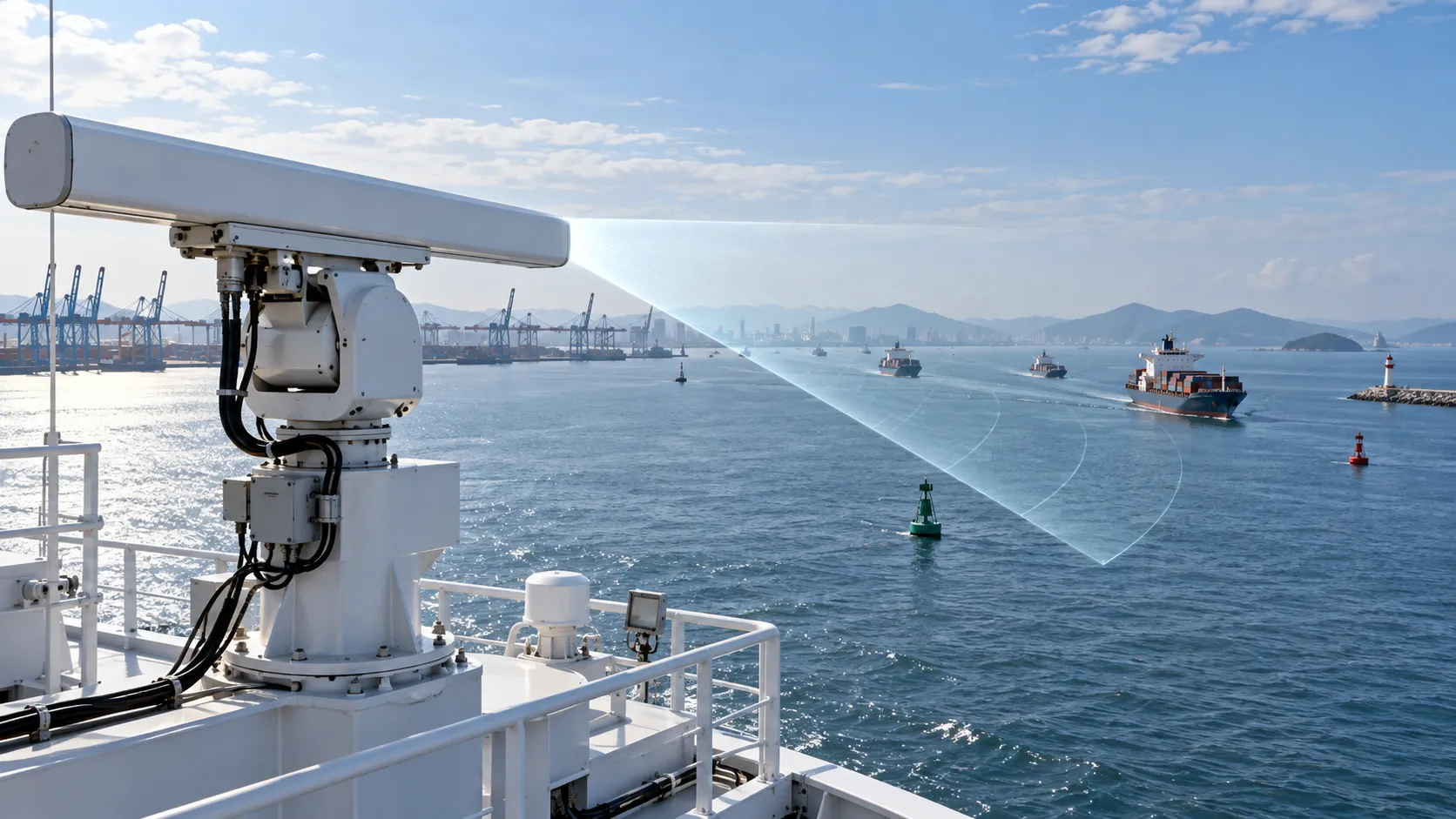
How to Evaluate Navigation Radar Manufacturers for Commercial Vessel Projects
Navigation radar manufacturers: learn how to compare performance, compliance, integration, support, and lifecycle cost for commercial vessel projects.
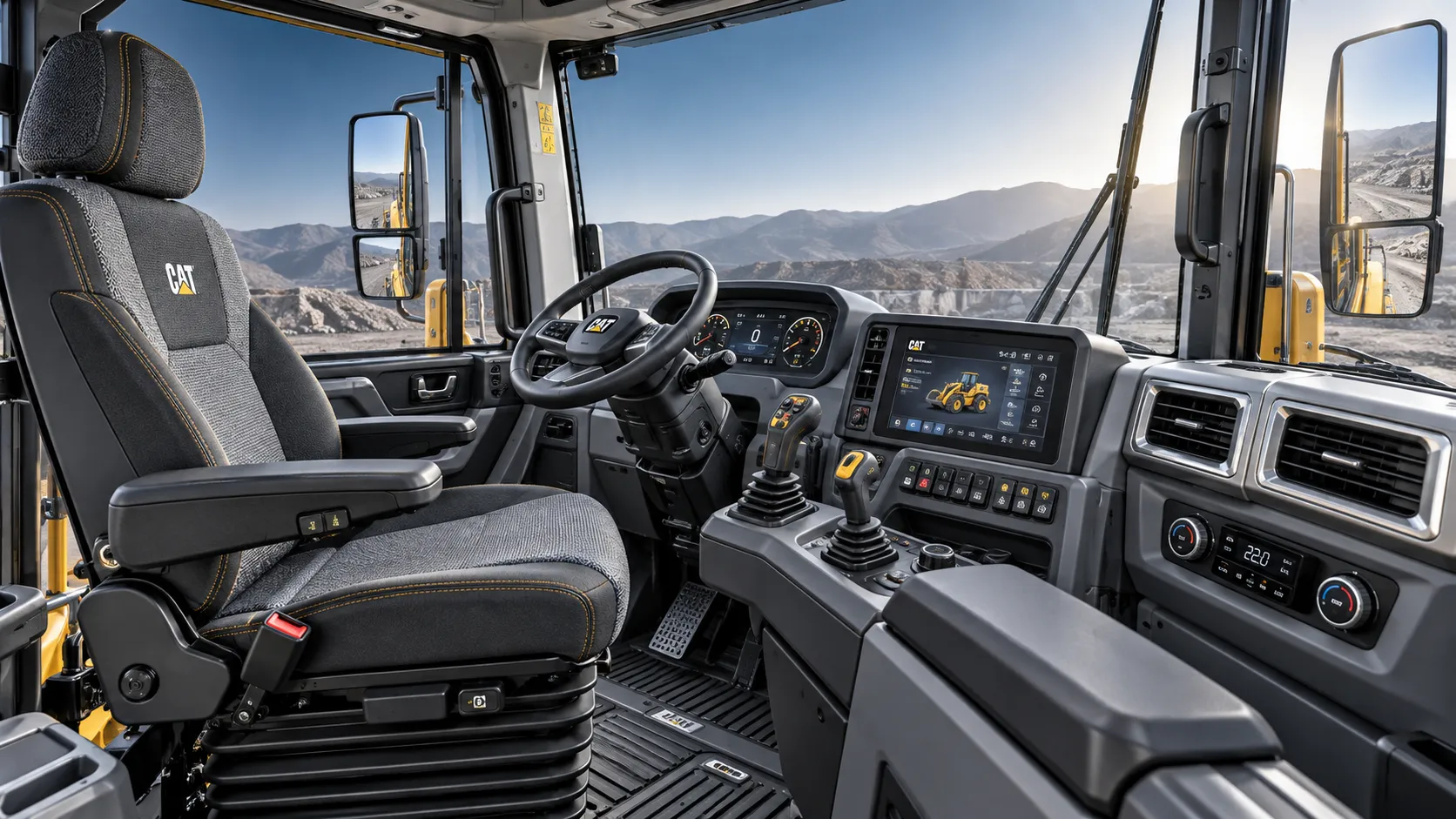
How Adjustable Cabin Ergonomics Reduce Operator Fatigue in Long-Shift Vehicles
Adjustable cabin ergonomics reduces operator fatigue through better seating, reach, visibility, vibration control, and climate comfort for safer long-shift vehicles.
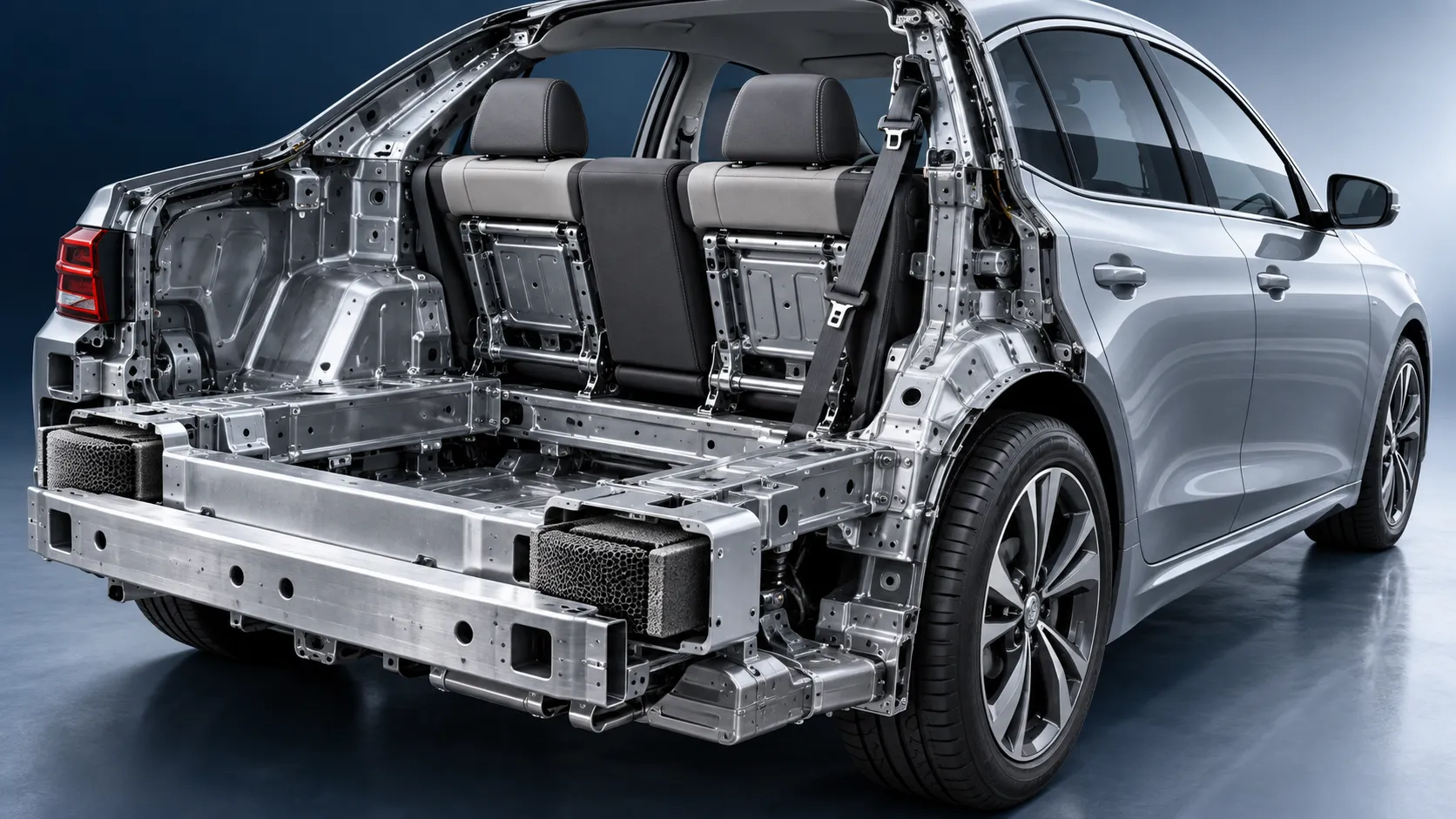
How Rear-Impact Safety Components Work Together to Protect Vehicle Occupants
Explore how automotive safety components for rear impact work together—from crash structures and seats to head restraints and belts—to enhance occupant protection.
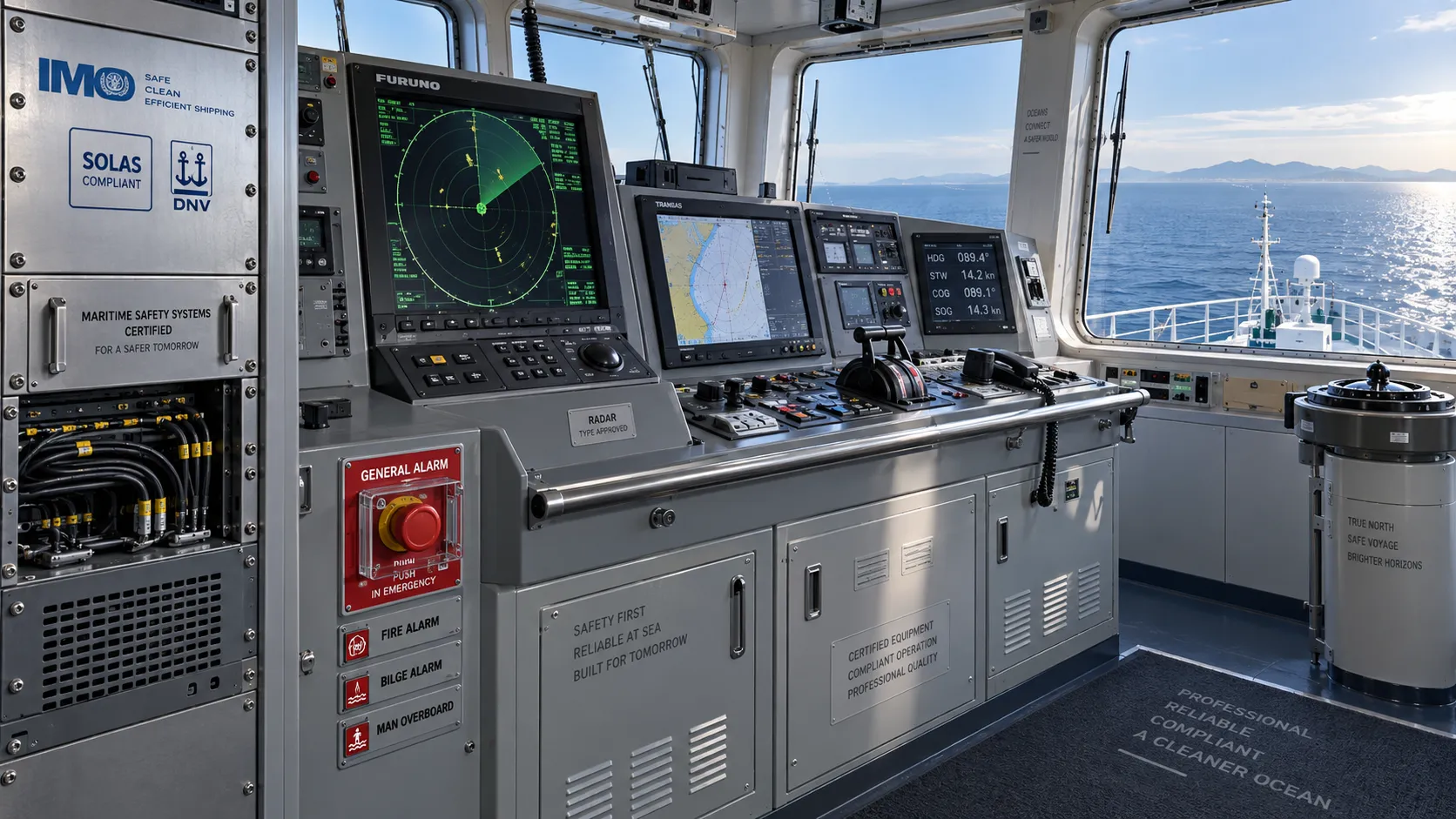
How to Evaluate a Marine Safety Systems Manufacturer for Vessel Compliance and Reliability
Marine safety systems manufacturer evaluation guide: verify compliance, engineering quality, lifecycle costs, and global service support for safer, reliable vessel operations.
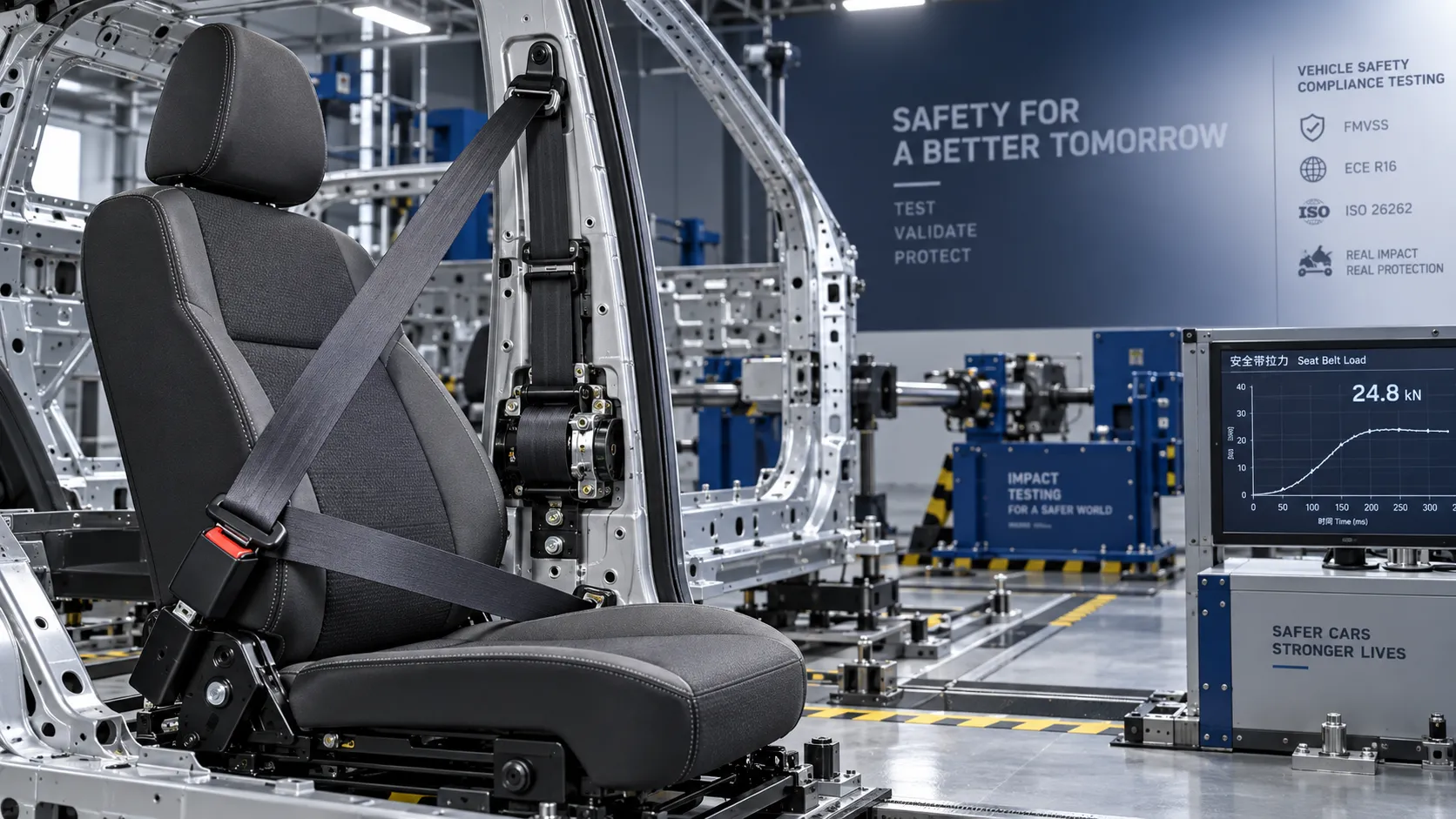
Crash Test Regulations for Seatbelts: Key Compliance Requirements Explained
Crash test regulations seatbelts explained: explore FMVSS, UN rules, anchorage strength, and dynamic restraint testing for safer, compliant vehicle systems.

How to Calculate the Total Cost of Automotive Lightweighting for a Vehicle Program
Automotive lightweight solutions cost: learn how to calculate program-level costs, including materials, tooling, joining, validation, risk, and vehicle-level value.

How Automotive Seat Occupancy Sensing Improves Airbag Deployment Decisions
Automotive seat occupancy sensing helps optimize airbag deployment decisions, improving passenger classification, safety diagnostics, and compliance across real-world conditions.

What Drives Lightweight Body Component Costs in High-Volume Vehicle Programs?
Lightweight body components cost depends on material yield, forming, joining, tooling, validation, and logistics. Explore proven ways to optimize total vehicle program cost.
Related News
- 00
0000-00
How to Specify Integrated Marine Electronics for Reliable Bridge Operations - 00
0000-00
How Adjustable Cabin Ergonomics Reduce Operator Fatigue in Long-Shift Vehicles - 00
0000-00
How to Evaluate a Marine Safety Systems Manufacturer for Vessel Compliance and Reliability - 00
0000-00
How to Calculate the Total Cost of Automotive Lightweighting for a Vehicle Program - 00
0000-00
What Drives Lightweight Body Component Costs in High-Volume Vehicle Programs?
Weekly Insights
Stay ahead with our curated technology reports delivered every Monday.