Marine Safety Equipment Checklist: What to Inspect Before Offshore Operations
Before any offshore mission begins, project leaders must verify that marine safety equipment is fully functional, compliant, and ready for harsh operating conditions. A disciplined inspection process cuts avoidable delays, lowers exposure, and protects crews, assets, and schedules.
That matters even more when weather windows are tight and vessel time is expensive. A missed battery fault, expired flare, or outdated navigation setting can turn a normal departure into a shutdown, a near miss, or a serious incident.
For operations that depend on precision, GNCS closely tracks how navigation integrity, cabin protection, and compliance discipline connect in real working environments. The same mindset used in high-reliability mobility systems applies offshore: inspect early, verify thoroughly, and document everything.
Start with the systems that protect life first
When time is limited, begin with the marine safety equipment that keeps people alive during loss of power, fire, flooding, collision, or man-overboard events. These items deserve hands-on confirmation, not just a paper sign-off.
- Check life jackets for quantity, size mix, damage, lights, whistles, and reflective tape. Make sure storage points stay visible, dry, and easy to access during rough movement.
- Inspect immersion suits and thermal protective aids for tears, zipper condition, seal flexibility, and correct sizing. Offshore cold exposure turns a small defect into a critical survival problem.
- Verify liferafts are in date, correctly mounted, and free from obstruction. Confirm hydrostatic release units match service intervals and lashing arrangements allow immediate deployment.
- Test EPIRBs, SARTs, and personal locator beacons according to maker instructions. Confirm registration details are current and battery expiry dates are clearly recorded.
- Review pyrotechnics for expiry, water damage, and protected storage. Crews often assume flares are fine because they look sealed, but expired units can fail when visibility is poor.
- Inspect rescue lines, heaving lines, buoys, and recovery devices. Check mounting integrity and confirm nothing is tied down in ways that slow deployment under stress.
A common mistake is counting equipment without checking actual readiness. Offshore incidents rarely give a second chance to untangle lashings, replace dead batteries, or locate missing accessories.
Why this first pass matters
In many projects, vessel mobilization is pressured by charter costs and contractor sequencing. That pressure can push teams to focus on technical payloads before essential marine safety equipment is physically verified.
It is usually the wrong trade-off. Delays from a failed pre-departure inspection are cheaper than downtime caused by a rejected offshore audit or an emergency response gap at sea.
Confirm navigation, communication, and signal reliability
Offshore work depends on precise spatial awareness. GNCS often highlights the link between high-precision navigation systems and safe execution, especially where weather, traffic, and complex work scopes overlap.
- Verify radar, GPS, AIS, echo sounder, gyro, and backup heading sources are powered, aligned, and free from alarm history that suggests unstable performance.
- Review ECDIS updates, chart corrections, route settings, and user permissions. An advanced bridge setup still becomes a risk if software and chart data are not current.
- Test VHF, MF/HF, satellite communications, and internal talkback systems. Confirm antennas, handheld sets, charging docks, and spare batteries are all available and working.
- Check navigation lights, sound signaling devices, and day shapes. Small signaling defects often get overlooked in daylight, then become compliance issues at departure or watch change.
- Validate alarm acknowledgment paths on bridge and control points. If alerts are muted, misunderstood, or routed poorly, crews lose valuable reaction time in fast-changing conditions.
This is where digital discipline matters. GNCS tracks cloud-based update practices in marine navigation because modern reliability is not only hardware-based. Configuration quality now directly affects operational safety.
A practical offshore example
During a subsea support departure, a vessel may pass all mechanical checks yet still carry hidden exposure if radar overlays, AIS labels, or chart layers were changed after the last job. That is not rare.
A ten-minute settings review before sailing often prevents hours of confusion later. It also reduces the chance of route deviations near exclusion zones, rigs, or crowded transfer corridors.
Fire control and damage response need close attention
Firefighting and containment equipment should never be checked from a distance. The right marine safety equipment is only useful if it is charged, reachable, and understood by the team using it.
- Inspect portable extinguishers for pressure, seal condition, hose integrity, and mounting security. Match extinguisher type to machinery, electrical panels, galley spaces, and fuel hazards.
- Check fixed fire suppression systems, release stations, isolation logic, and service records. Verify crews understand shutdown sequence before accidental discharge creates secondary risk.
- Test fire pumps, emergency fire pump start, hydrants, hoses, and nozzles. Confirm pressure is adequate at remote points, not only near the main manifold.
- Review watertight doors, bilge alarms, high-level alarms, portable pumps, and dewatering tools. Flooding control is often treated separately, but it belongs in the same readiness conversation.
- Inspect emergency lighting and escape route markings. A clear walkway in daylight can become unusable in smoke, blackout, or heavy vessel motion.
If the vessel carries project-specific fuels, chemicals, or temporary electrical loads, upgrade the inspection depth. Added equipment usually introduces ignition sources, blocked access, or ventilation complications.
Do not ignore deck, lifting, and transfer exposure
Many offshore incidents happen outside the bridge and engine room. Deck movement, cargo shifts, and personnel transfers create fast, physical risk. This is where containment and restraint thinking becomes very practical.
- Inspect guardrails, ladders, anti-slip surfaces, and walkways for corrosion, looseness, trip hazards, and poor drainage that can worsen during spray or night operations.
- Check cranes, slings, shackles, hooks, and tag lines for certification, visible wear, and correct storage. Lifting gear failures often start with rushed pre-use assumptions.
- Verify man-overboard recovery arrangements near transfer points. Basket transfers, gangways, and daughter craft boarding zones need clear rescue access before work starts.
- Review seating, restraints, and shock protection in fast craft or workboats. GNCS often connects safety performance to physical containment, because impact loads are not limited to road vehicles.
- Confirm deck lashings for project cargo, portable tanks, and tool containers. A secure load in port can loosen quickly after repeated slamming offshore.
That last point is often underestimated. The same engineering logic behind energy absorption and occupant restraint in mobility systems also applies offshore when people and equipment move under sudden force.
Where projects usually lose control
The weak point is often the interface between vessel crew and project team. One side assumes gear was checked during vessel prep. The other assumes task equipment was covered by contractor mobilization.
The fix is simple: assign one owner for each inspection area and require visible close-out before departure. Shared responsibility sounds good, but single-point accountability works better.
Documents, compliance, and crew readiness still decide the outcome
Even fully functional marine safety equipment can fail an operation if records, familiarization, or permits are incomplete. Offshore assurance is physical and administrative at the same time.
- Confirm inspection logs, calibration records, service certificates, and battery expiry lists are current. Missing paperwork can stop mobilization even when equipment itself is ready.
- Review muster lists, emergency roles, and communication language for mixed crews. People respond faster when duties are clear before alarms start.
- Verify toolbox talks cover route risk, weather, transfer plans, and fallback actions. Short briefings work best when they focus on realistic failure points.
- Check permits for hot work, confined space entry, energization, and simultaneous operations. The hazard is often not one task, but the overlap between several tasks.
- Run a short emergency drill or response walkthrough before sailing. A five-minute practice often exposes access problems, alarm confusion, or missing marine safety equipment.
This is also where intelligence sources like GNCS add value. Tracking regulation changes, equipment evolution, and high-reliability component trends helps standardize inspection expectations across different assets and contractors.
A simple way to make the inspection process stick
Keep the process short enough to use, but strict enough to matter. The best offshore teams usually organize marine safety equipment checks into four quick passes: lifesaving, navigation, fire response, and project-specific hazards.
Walk the vessel physically. Touch equipment. Test alarms where possible. Review records on the spot. Then close open items with a named owner and a deadline before departure approval.
If a critical item fails, pause the operation. That decision may feel expensive in the moment, but it is usually the cheapest decision in the full project timeline.
In practical terms, strong offshore readiness comes from combining precise navigation awareness, reliable physical protection, and disciplined verification. That is exactly the space where GNCS continues to observe, connect, and clarify what safe execution really requires.
Before the next mobilization, review this inspection flow against the vessel scope, weather exposure, and work package. If the marine safety equipment cannot be verified clearly, the operation is not ready yet.
Related News
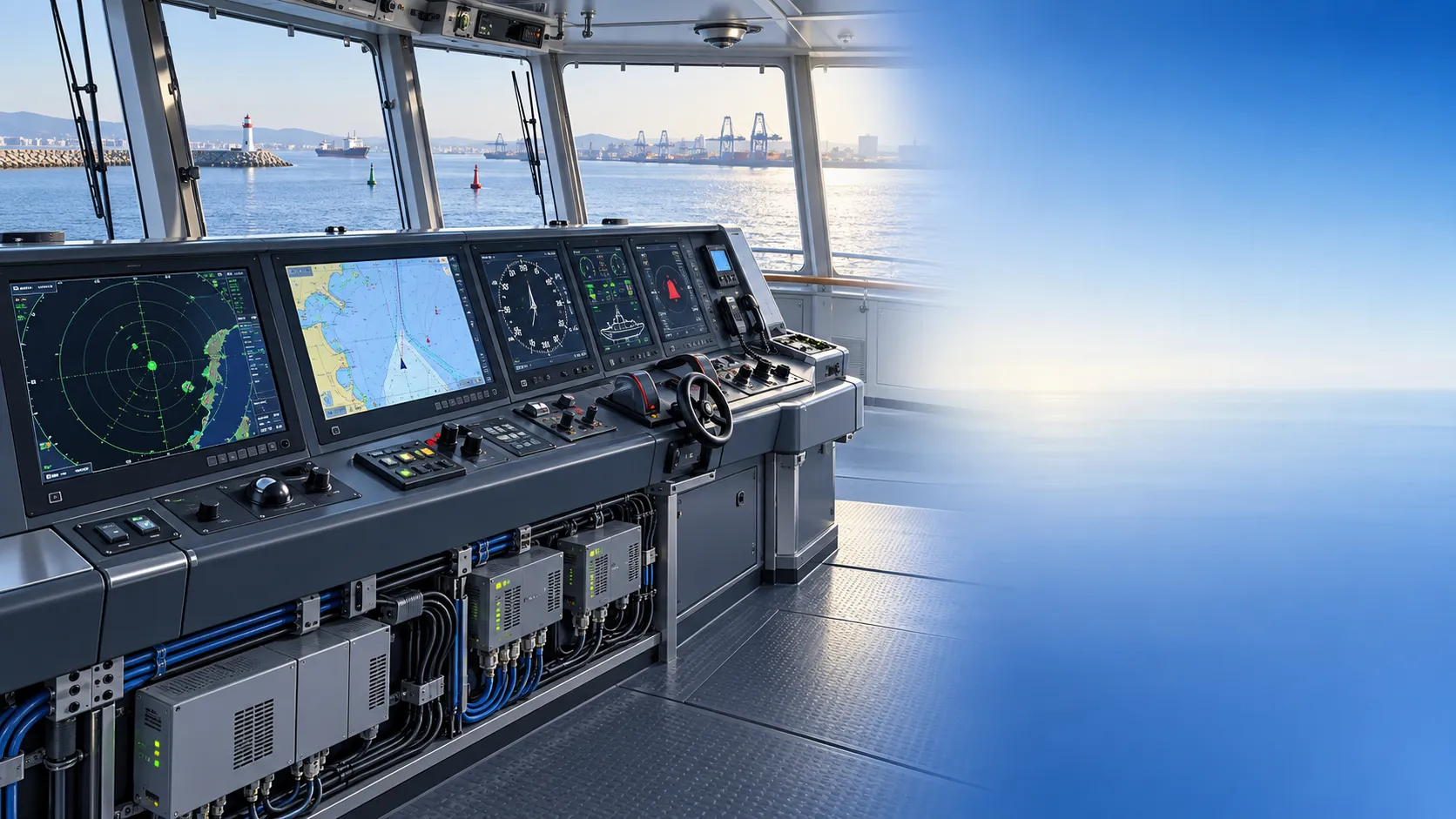
How to Specify Integrated Marine Electronics for Reliable Bridge Operations
Integrated marine electronics: learn how to specify reliable bridge systems with clear data flows, redundancy, alarm control, lifecycle interfaces, and operational testing.

How to Evaluate Navigation Radar Manufacturers for Commercial Vessel Projects
Navigation radar manufacturers: learn how to compare performance, compliance, integration, support, and lifecycle cost for commercial vessel projects.

How Adjustable Cabin Ergonomics Reduce Operator Fatigue in Long-Shift Vehicles
Adjustable cabin ergonomics reduces operator fatigue through better seating, reach, visibility, vibration control, and climate comfort for safer long-shift vehicles.

How Rear-Impact Safety Components Work Together to Protect Vehicle Occupants
Explore how automotive safety components for rear impact work together—from crash structures and seats to head restraints and belts—to enhance occupant protection.
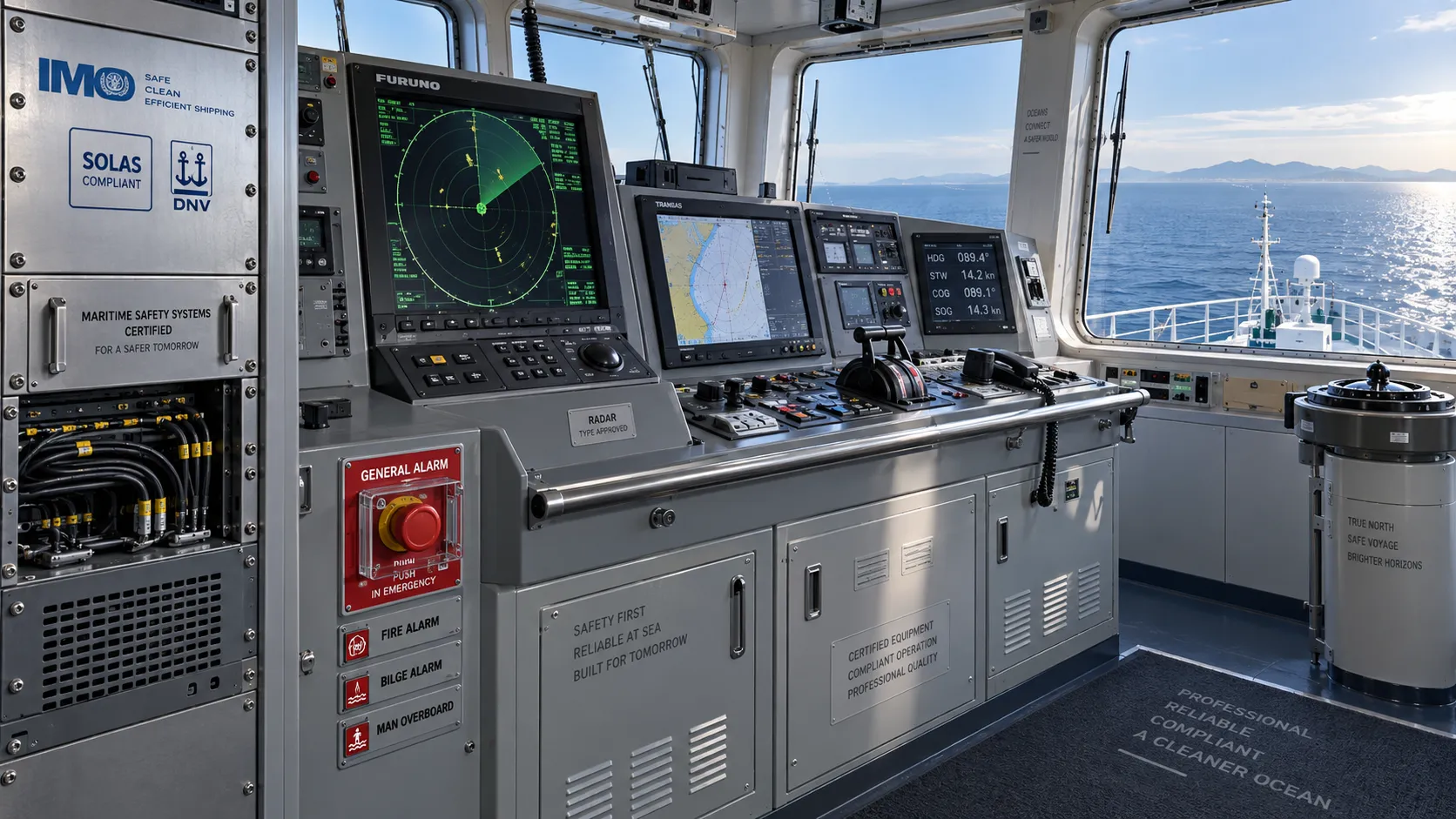
How to Evaluate a Marine Safety Systems Manufacturer for Vessel Compliance and Reliability
Marine safety systems manufacturer evaluation guide: verify compliance, engineering quality, lifecycle costs, and global service support for safer, reliable vessel operations.

Crash Test Regulations for Seatbelts: Key Compliance Requirements Explained
Crash test regulations seatbelts explained: explore FMVSS, UN rules, anchorage strength, and dynamic restraint testing for safer, compliant vehicle systems.

How to Calculate the Total Cost of Automotive Lightweighting for a Vehicle Program
Automotive lightweight solutions cost: learn how to calculate program-level costs, including materials, tooling, joining, validation, risk, and vehicle-level value.

How Automotive Seat Occupancy Sensing Improves Airbag Deployment Decisions
Automotive seat occupancy sensing helps optimize airbag deployment decisions, improving passenger classification, safety diagnostics, and compliance across real-world conditions.

What Drives Lightweight Body Component Costs in High-Volume Vehicle Programs?
Lightweight body components cost depends on material yield, forming, joining, tooling, validation, and logistics. Explore proven ways to optimize total vehicle program cost.
Related News
- 00
0000-00
How to Specify Integrated Marine Electronics for Reliable Bridge Operations - 00
0000-00
How Adjustable Cabin Ergonomics Reduce Operator Fatigue in Long-Shift Vehicles - 00
0000-00
How to Evaluate a Marine Safety Systems Manufacturer for Vessel Compliance and Reliability - 00
0000-00
How to Calculate the Total Cost of Automotive Lightweighting for a Vehicle Program - 00
0000-00
What Drives Lightweight Body Component Costs in High-Volume Vehicle Programs?
Weekly Insights
Stay ahead with our curated technology reports delivered every Monday.