
Smart Cabin Solutions for Modern Vehicles: Integration Options, UX Goals, and System Limits
Modern vehicles are no longer defined only by powertrain, range, or exterior design. Inside the cabin, intelligence now shapes safety performance, occupant trust, and the overall product identity. That is why smart cabin solutions have moved from optional features to system-level decisions involving sensing, seating, restraints, interfaces, and software coordination.
For evaluation work, the real question is not whether a cabin should become smarter. It is how far integration should go, which user experience goals deserve priority, and where engineering or compliance limits begin to narrow design freedom. In that sense, smart cabin solutions sit at the intersection of comfort, passive safety, electronics architecture, and lifecycle reliability.
This perspective also aligns with GNCS, where navigation precision, structural lightweighting, airbag systems, seatbelt performance, and smart seating are studied as connected layers of mobility safety. In modern cabins, these layers no longer operate as isolated components. They increasingly behave as one coordinated environment.
What smart cabin solutions really include
In practice, smart cabin solutions refer to integrated in-cabin technologies that sense occupants, interpret context, and trigger useful responses. Those responses may improve comfort, reduce distraction, or strengthen protection before and during a crash event.
The scope is broader than infotainment. A serious cabin program may combine seat occupancy sensing, driver monitoring, adaptive restraint readiness, climate zoning, seat position memory, interior lighting logic, and domain-level software control.
The most advanced smart cabin solutions are not defined by the number of features. They are defined by how well those features share data, respect timing requirements, and remain dependable under daily variation.
Core building blocks
- Occupant sensing, including weight, posture, seat position, and presence detection.
- Driver and passenger monitoring through cameras, radar, or capacitive sensing.
- Smart seating functions such as thermal control, memory, massage, and ergonomic adjustment.
- Passive safety coordination linking seats, airbags, and seatbelt systems.
- Cabin control software that manages priorities, faults, updates, and human-machine interaction.
Why the industry is paying closer attention
The cabin has become a measurable source of differentiation, but it is also a risk concentration zone. More sensors and actuators can improve personalization, yet they also create more interfaces, more failure paths, and more validation work.
Regulation is another driver. Crash standards, child presence rules, driver attention expectations, and software update accountability are all pushing cabin design toward traceable system behavior. A smart seat, for example, cannot be judged only by comfort if its geometry affects belt routing or airbag deployment timing.
Lightweight body strategies also matter. When body structures use high-strength steel, aluminum, or magnesium to reduce mass, cabin systems must still maintain mounting integrity, vibration durability, and crash alignment. This is where GNCS-style cross-domain analysis becomes useful, because cabin intelligence depends on both digital logic and physical containment performance.
Current pressure points
Integration choices shape the outcome
Not all smart cabin solutions follow the same integration model. Some programs add separate smart modules around a conventional cabin architecture. Others consolidate sensing, seating, restraint data, and user controls into shared controllers or zonal electronics.
A modular path can shorten development time and reduce redesign pressure. It works well when feature priorities are narrow, such as adding driver monitoring or seat-based comfort functions to an existing platform.
A deeper integration path offers stronger coordination. It can support better occupancy classification, richer personalization, and cleaner diagnostics. However, it demands tighter software governance and more disciplined change control.
Common integration directions
- Seat-centric integration, where the seat becomes a major sensing and actuation node.
- Safety-centric integration, where restraint logic drives cabin data priorities.
- HMI-centric integration, focused on seamless controls, personalization, and digital profiles.
- Domain or zonal integration, reducing standalone controllers and simplifying architecture over time.
The right choice depends on platform maturity, cost targets, homologation needs, and supplier capability. It is rarely just a feature comparison exercise.
UX goals should stay grounded in cabin reality
User experience in the cabin is often discussed in visual terms, but the strongest UX gains usually come from invisible coordination. Occupants notice when the belt sits correctly, the seat adapts without confusion, alerts feel timely, and control logic behaves consistently.
Good smart cabin solutions reduce cognitive load rather than adding novelty. They help people understand what the vehicle is doing, why it is doing it, and when intervention is necessary.
This is especially important where safety and comfort overlap. A seat that remembers posture settings is useful, but a seat that also maintains safe restraint geometry across body sizes creates deeper value.
UX priorities worth testing
- Low-friction entry, seating adjustment, and profile recognition.
- Clear feedback for monitoring, alerts, and system status.
- Minimal conflict between comfort automation and safety logic.
- Predictable behavior across lighting, clothing, temperature, and occupancy changes.
System limits are not side issues
Many cabin programs look impressive in feature maps but struggle in production because limits were treated too late. The major constraints are usually sensor reliability, compute allocation, wiring and packaging, energy consumption, thermal loads, and compliance evidence.
For example, camera-based monitoring can perform well in ideal light, then degrade with occlusion, eyewear, unusual seating posture, or cabin contamination. Seat-integrated sensing can drift because of foam aging, repeated load cycles, and manufacturing tolerance variation.
There are also timing constraints. Passive safety components operate in milliseconds. If smart cabin solutions are expected to inform pre-crash readiness or occupant classification, data pathways must be stable, prioritized, and validated under edge cases.
That is why system limits should be mapped early, not treated as downstream test failures.
Where practical value appears first
The best business value often comes from scenarios where cabin intelligence solves a defined operational problem. Child presence detection, fatigue-related monitoring, adaptive seating comfort for long trips, and restraint-aware seating calibration are strong examples.
Fleet, premium passenger vehicles, and mobility services may prioritize different cabin outcomes, yet the evaluation logic remains similar. The question is whether smart cabin solutions deliver measurable gains without creating unstable dependencies.
GNCS-relevant sectors illustrate this well. Smart seating cannot be separated from seat frame materials, occupant kinematics, or belt integration. Likewise, safety electronics cannot be judged without considering crash structures, airbag chemistry evolution, and update governance. The cabin is now a system of systems.
A useful framework for evaluation
When comparing smart cabin solutions, a balanced review usually works better than chasing the highest feature count. Several questions help expose real maturity.
- What data is collected, and which decisions actually depend on it?
- How does the system behave when sensors are blocked, noisy, or partially unavailable?
- Does seat, belt, and airbag coordination remain valid across occupant sizes and seating positions?
- Which functions can be updated over time, and what validation must be repeated after updates?
- How much architecture complexity is being added for each user-visible benefit?
This approach keeps attention on performance, traceability, and lifecycle cost rather than marketing language.
What to watch next
The next phase of smart cabin solutions will likely involve stronger fusion between occupant sensing, software-defined vehicle platforms, and passive safety intelligence. More features will move from isolated modules toward shared decision layers.
At the same time, system credibility will matter more than feature novelty. Buyers, regulators, and platform teams increasingly expect proof that cabin intelligence works across real bodies, real environments, and real failure conditions.
A practical next step is to map cabin goals against architecture constraints, then compare solutions by sensing robustness, restraint compatibility, update discipline, and long-term validation effort. That process usually reveals which smart cabin solutions are ready for deployment and which are still concept-level promises.
Related News
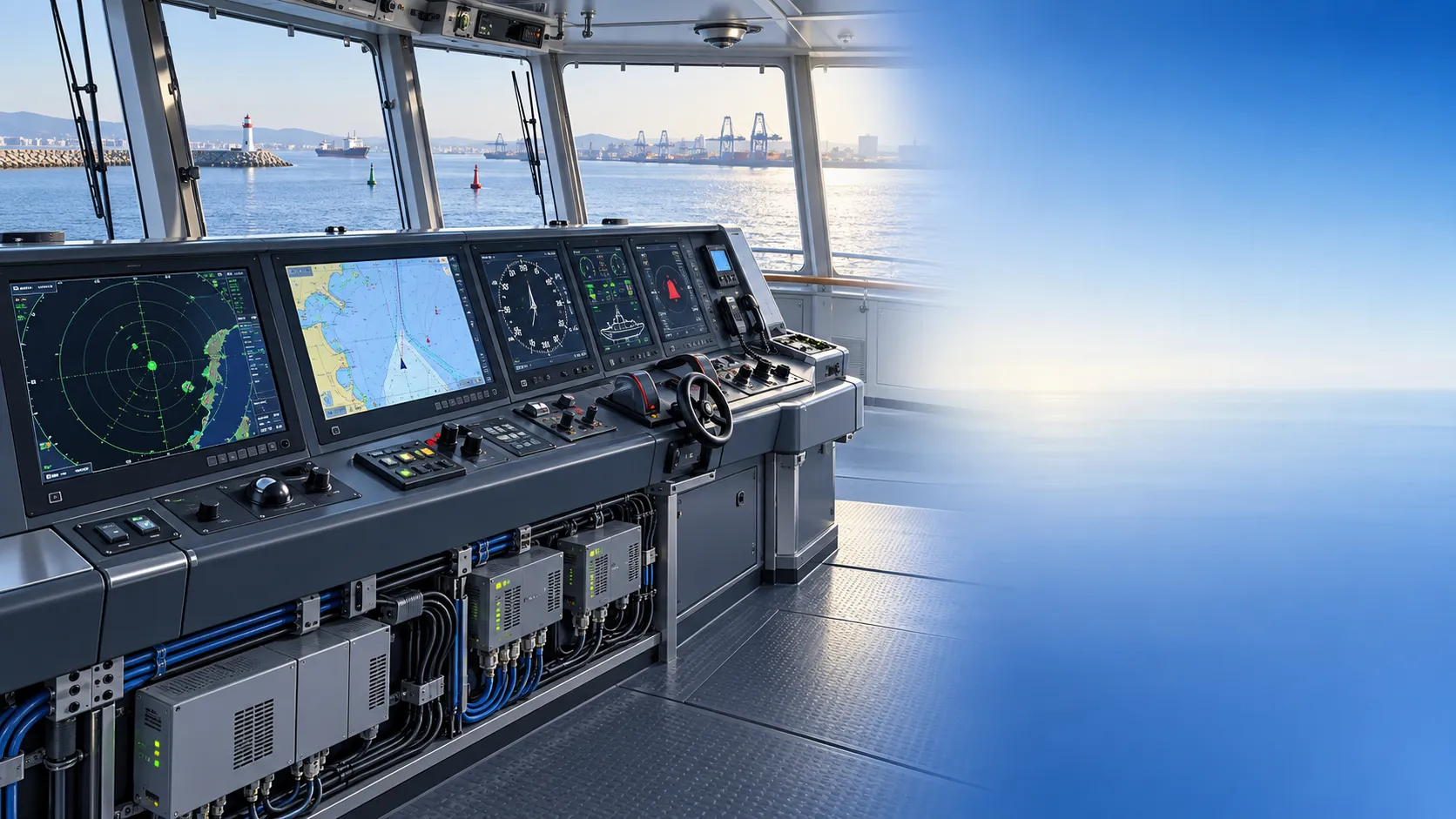
How to Specify Integrated Marine Electronics for Reliable Bridge Operations
Integrated marine electronics: learn how to specify reliable bridge systems with clear data flows, redundancy, alarm control, lifecycle interfaces, and operational testing.
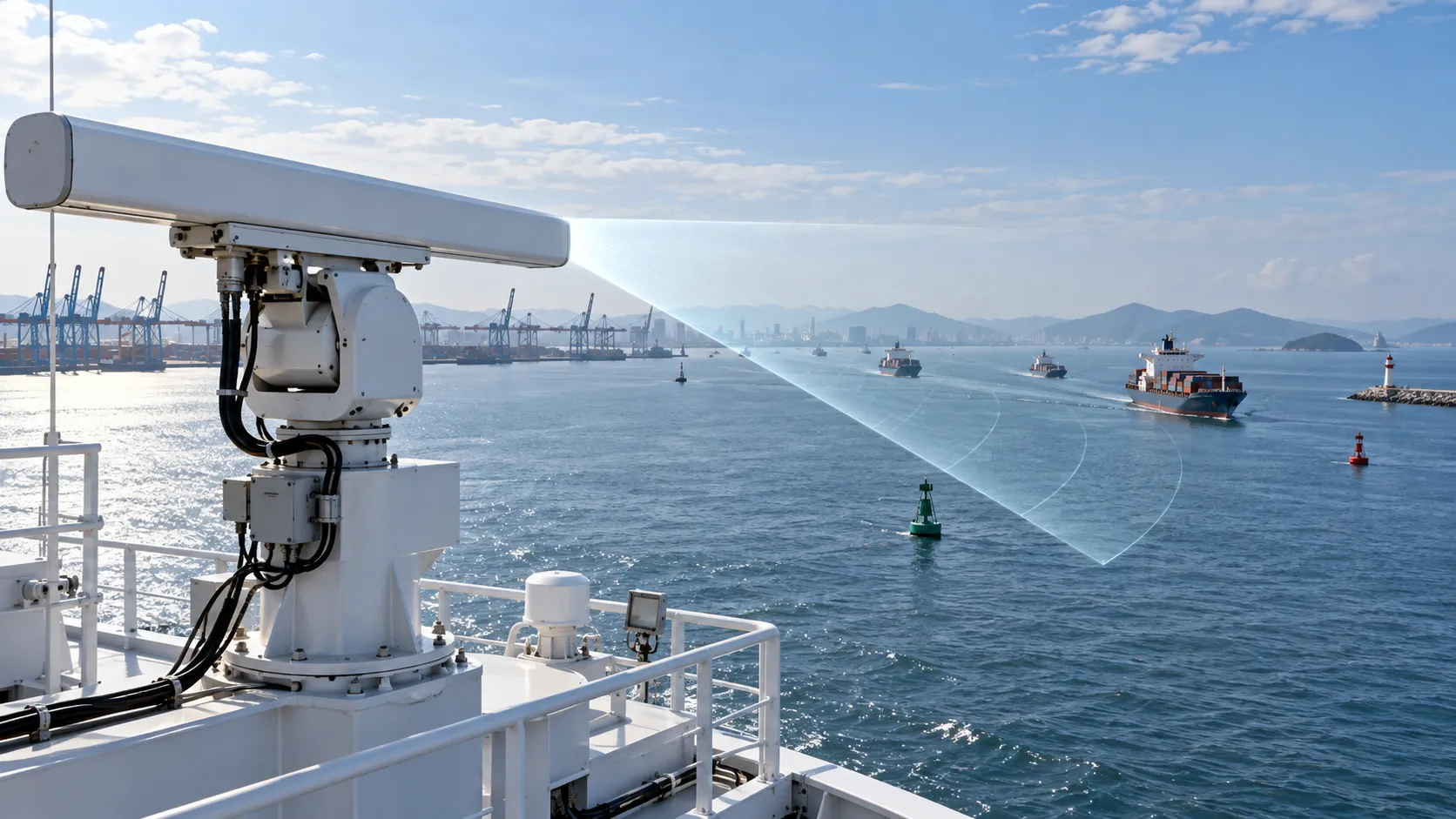
How to Evaluate Navigation Radar Manufacturers for Commercial Vessel Projects
Navigation radar manufacturers: learn how to compare performance, compliance, integration, support, and lifecycle cost for commercial vessel projects.
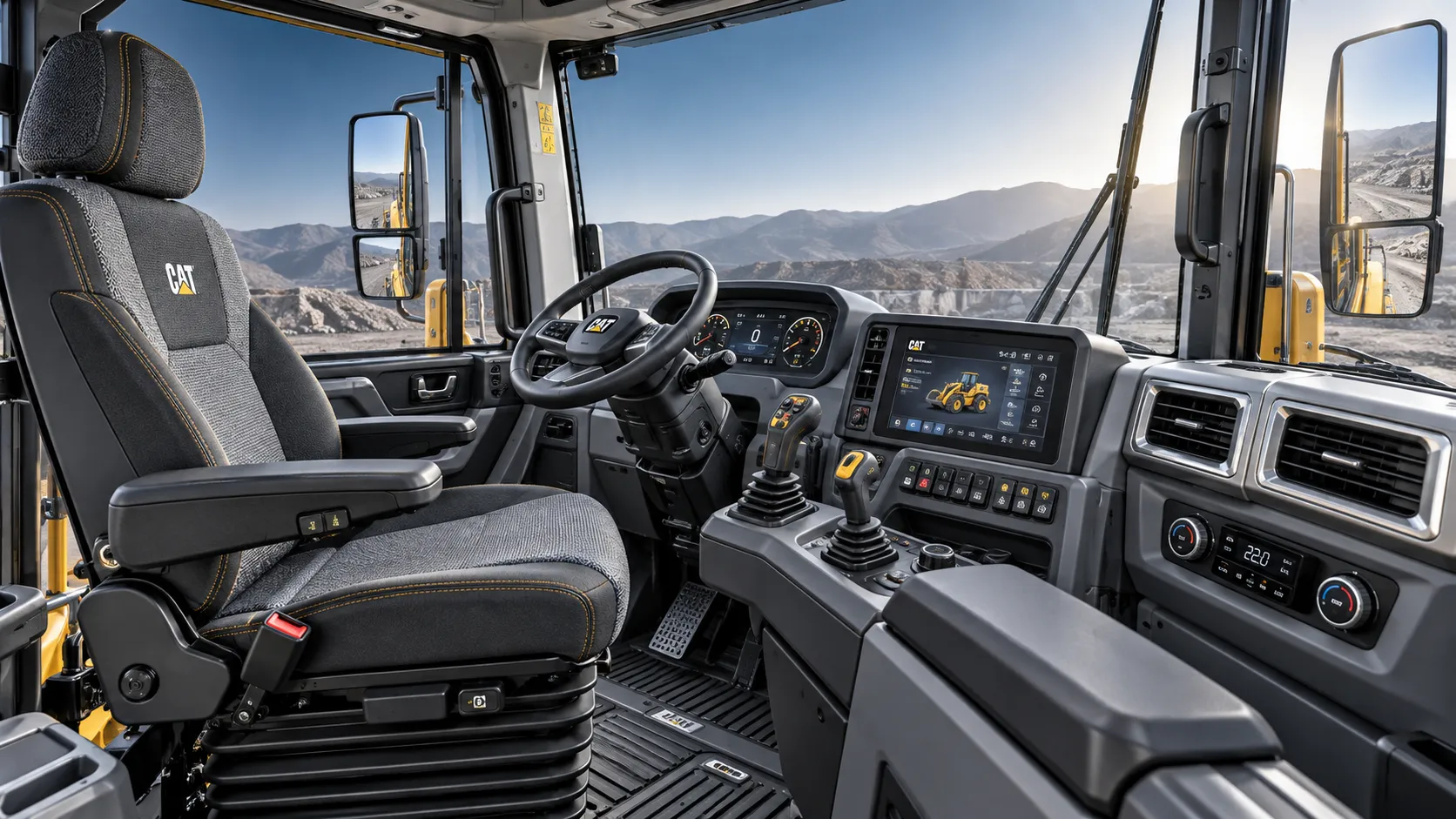
How Adjustable Cabin Ergonomics Reduce Operator Fatigue in Long-Shift Vehicles
Adjustable cabin ergonomics reduces operator fatigue through better seating, reach, visibility, vibration control, and climate comfort for safer long-shift vehicles.
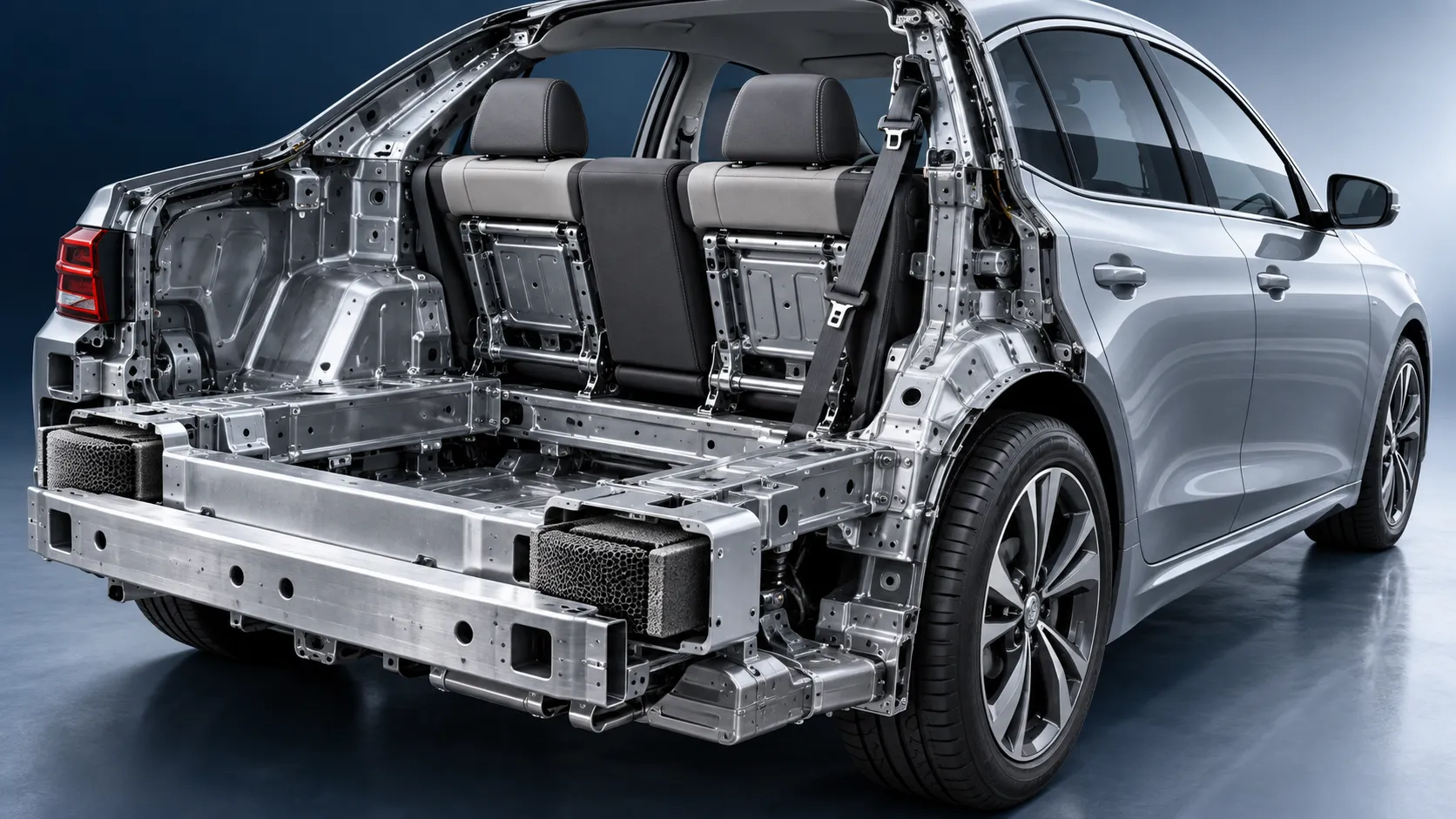
How Rear-Impact Safety Components Work Together to Protect Vehicle Occupants
Explore how automotive safety components for rear impact work together—from crash structures and seats to head restraints and belts—to enhance occupant protection.
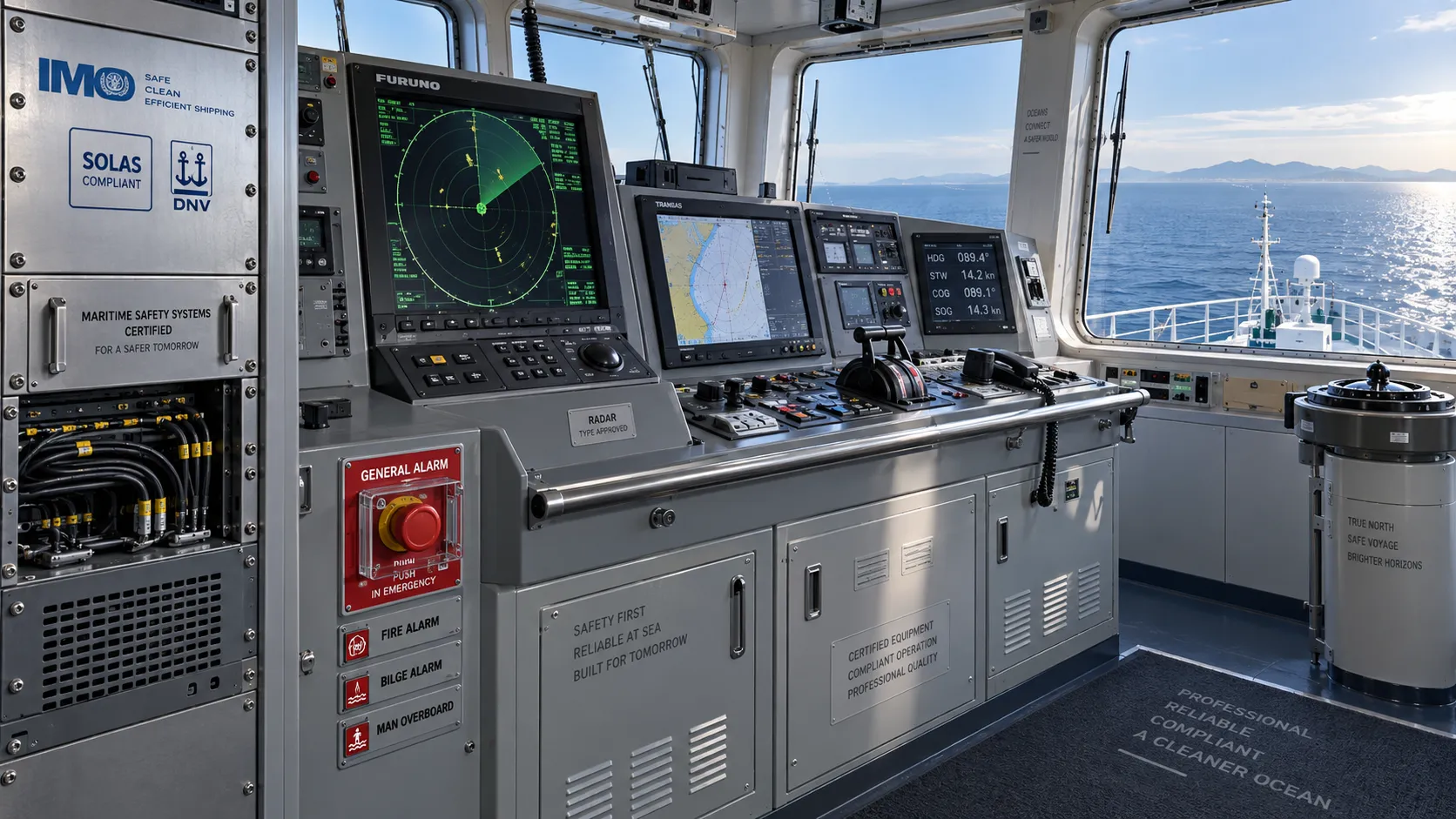
How to Evaluate a Marine Safety Systems Manufacturer for Vessel Compliance and Reliability
Marine safety systems manufacturer evaluation guide: verify compliance, engineering quality, lifecycle costs, and global service support for safer, reliable vessel operations.
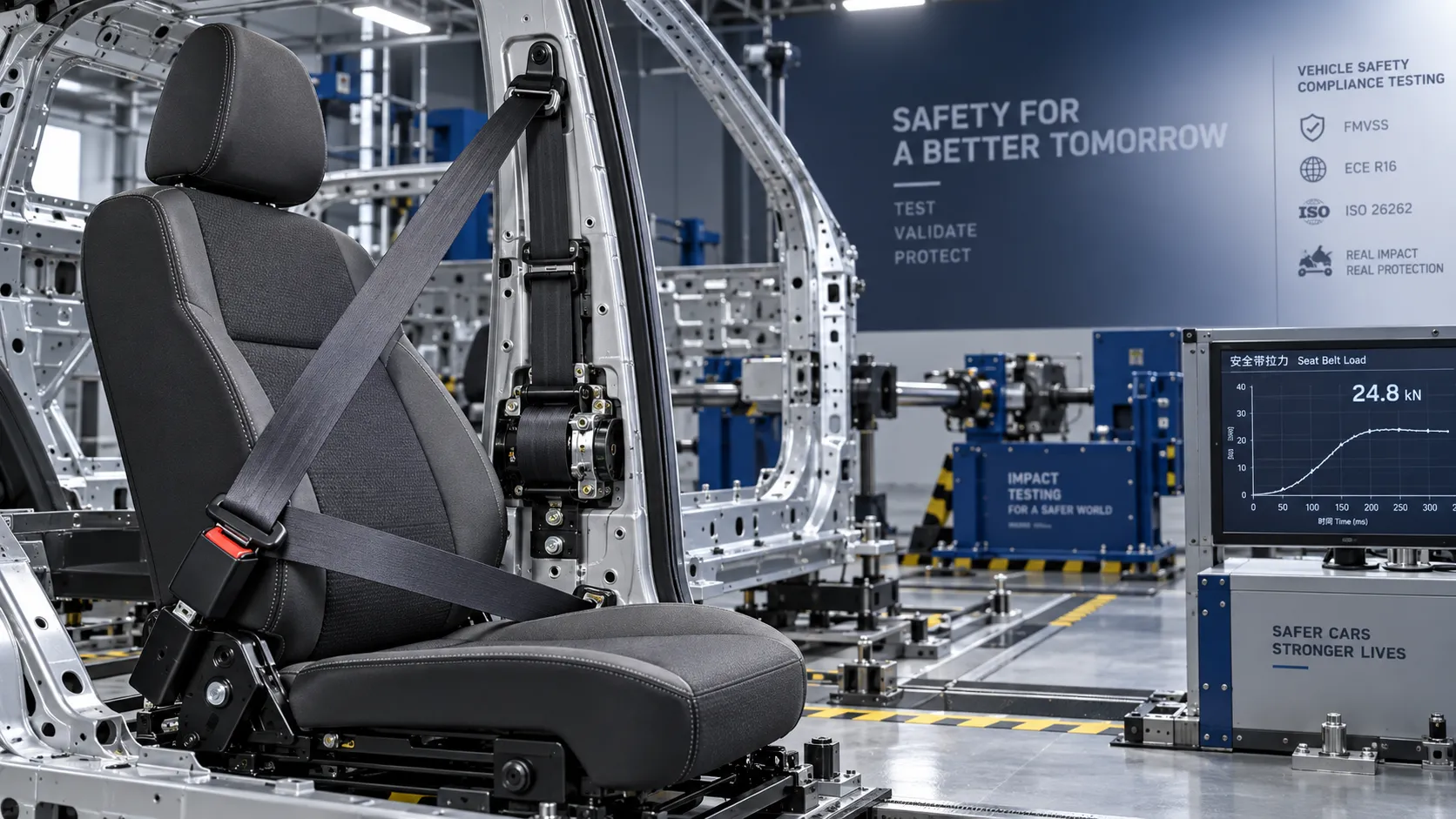
Crash Test Regulations for Seatbelts: Key Compliance Requirements Explained
Crash test regulations seatbelts explained: explore FMVSS, UN rules, anchorage strength, and dynamic restraint testing for safer, compliant vehicle systems.
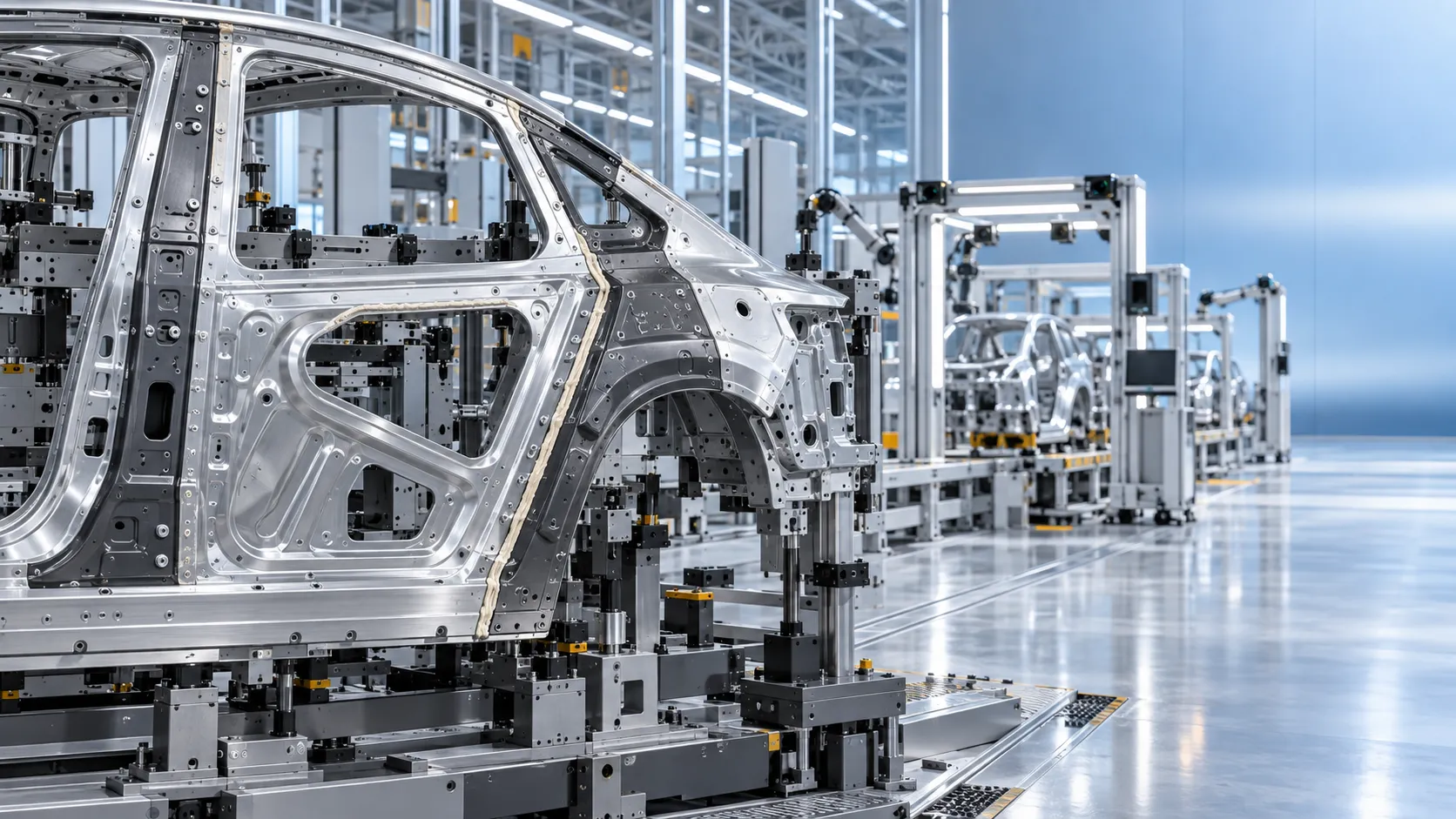
How to Calculate the Total Cost of Automotive Lightweighting for a Vehicle Program
Automotive lightweight solutions cost: learn how to calculate program-level costs, including materials, tooling, joining, validation, risk, and vehicle-level value.
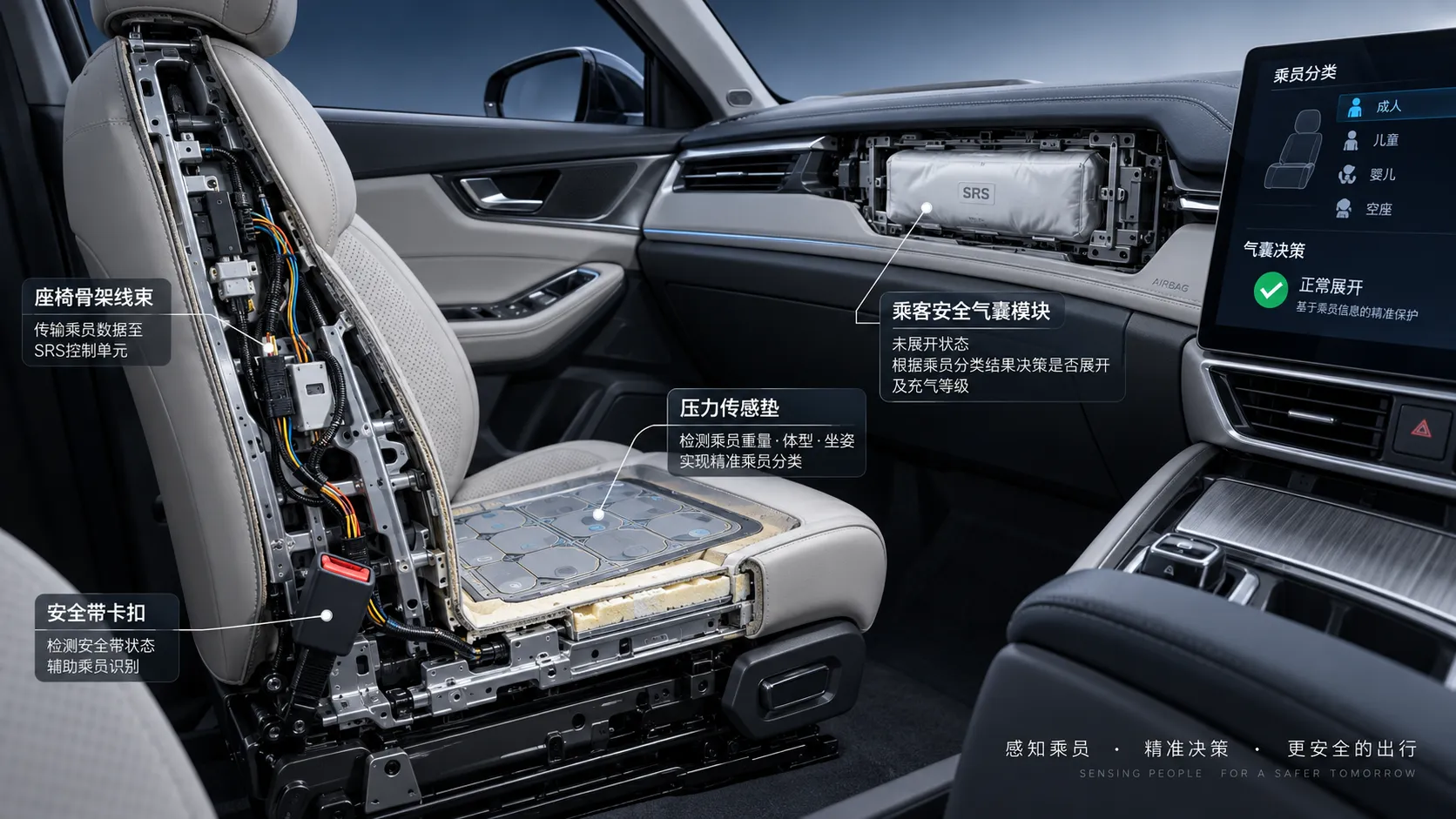
How Automotive Seat Occupancy Sensing Improves Airbag Deployment Decisions
Automotive seat occupancy sensing helps optimize airbag deployment decisions, improving passenger classification, safety diagnostics, and compliance across real-world conditions.
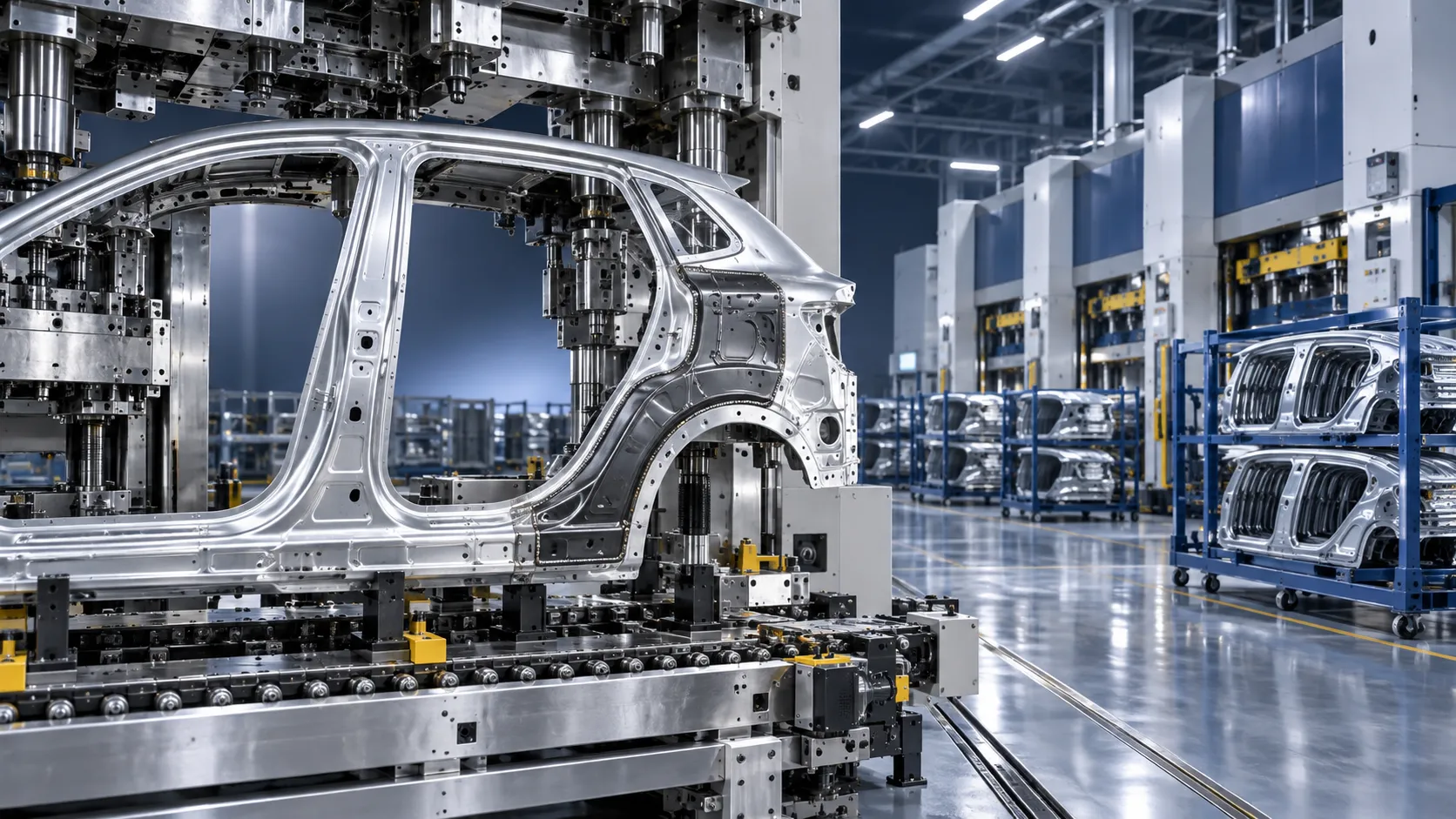
What Drives Lightweight Body Component Costs in High-Volume Vehicle Programs?
Lightweight body components cost depends on material yield, forming, joining, tooling, validation, and logistics. Explore proven ways to optimize total vehicle program cost.
Related News
- 00
0000-00
How to Specify Integrated Marine Electronics for Reliable Bridge Operations - 00
0000-00
How Adjustable Cabin Ergonomics Reduce Operator Fatigue in Long-Shift Vehicles - 00
0000-00
How to Evaluate a Marine Safety Systems Manufacturer for Vessel Compliance and Reliability - 00
0000-00
How to Calculate the Total Cost of Automotive Lightweighting for a Vehicle Program - 00
0000-00
What Drives Lightweight Body Component Costs in High-Volume Vehicle Programs?
Weekly Insights
Stay ahead with our curated technology reports delivered every Monday.