
Advanced Driver Assistance Systems Explained: Features, Sensor Types, and Use Cases
Why does advanced driver assistance matter beyond convenience?
Advanced driver assistance is no longer a luxury feature set.
It has become a practical safety layer that helps vehicles detect hazards, guide driver attention, and reduce avoidable mistakes.
The bigger story is not automation alone.
It is how sensing, warning, and intervention work together inside a tightly regulated mobility system.
That is why advanced driver assistance draws attention across the broader transport equipment sector.
It connects perception technology with cabin protection, lightweight structures, and compliance performance.
From the GNCS perspective, this connection is especially important.
The same logic used in marine navigation applies here.
A system must sense the environment accurately, interpret risk quickly, and support safe control under changing conditions.
In vehicles, that chain extends further into seatbelts, airbags, body structures, and smart seating.
So when people ask what advanced driver assistance really means, the useful answer is this.
It is a decision support architecture built around perception, response timing, and occupant protection.
What counts as advanced driver assistance in real vehicles?
In real-world use, advanced driver assistance covers systems that observe, warn, assist, or briefly intervene.
Some features are subtle.
Others actively shape steering, speed, and following distance.
The most common functions include:
- Automatic emergency braking for imminent frontal collisions.
- Lane departure warning and lane keeping support.
- Adaptive cruise control for speed and gap management.
- Blind spot monitoring during lane changes.
- Rear cross traffic alert in reversing situations.
- Driver monitoring for fatigue, distraction, or inattention.
A useful distinction is that not every feature takes control.
Many advanced driver assistance functions simply create time.
They buy seconds for a human response.
That may sound modest, yet those seconds can change crash severity dramatically.
More advanced packages combine several functions into a single operating logic.
This is where advanced driver assistance starts influencing cabin safety strategy, not just dashboard features.
If a vehicle anticipates impact earlier, restraint systems can prepare earlier as well.
Which sensor types make advanced driver assistance work?
People often search for one best sensor, but advanced driver assistance rarely depends on just one.
Reliable performance comes from sensor fusion.
Each sensing method sees risk differently.
This mix should feel familiar in a GNCS context.
Marine navigation also depends on layered sensing rather than a single instrument.
The principle is similar.
No sensor is perfect, so advanced driver assistance improves by cross-checking signals.
In practice, the most dependable systems are not the ones with the longest feature list.
They are the ones with stable sensing under rain, vibration, glare, and cluttered traffic scenes.
Where does advanced driver assistance deliver the most value?
The strongest use cases are usually repetitive, high-risk driving moments.
That includes dense traffic, long highway stretches, reversing, and low-visibility travel.
Advanced driver assistance is especially valuable when human attention naturally fluctuates.
A few examples stand out:
- Urban commuting, where sudden braking and pedestrian conflict are common.
- Highway driving, where speed magnifies lane drift and following errors.
- Night driving, where object recognition becomes harder for humans.
- Parking environments, where low-speed impacts remain frequent and costly.
- Fatigue-prone trips, where driver monitoring can interrupt dangerous complacency.
There is also a less visible benefit.
Advanced driver assistance can improve the timing of passive safety preparation.
When perception systems detect unavoidable impact, they can support pre-crash actions.
That may include seatbelt pre-tensioning, seat position adjustment, or airbag logic readiness.
This is one reason GNCS tracks driver assistance together with seat systems, restraint hardware, and body structures.
The system value appears highest when perception and containment protection are designed as one chain.
How do you judge whether one advanced driver assistance package is actually better?
A longer feature sheet does not automatically mean better advanced driver assistance.
A stronger evaluation starts with operating conditions, failure behavior, and update quality.
A practical comparison usually includes these questions:
- Does the system perform consistently in rain, glare, and complex traffic?
- Are warnings timely without becoming annoying or easy to ignore?
- How smoothly does steering or braking assistance engage and disengage?
- Does the system support recognized safety protocols and test standards?
- Can software updates refine perception without introducing instability?
It also helps to separate convenience from safety-critical value.
Parking automation may be attractive, but emergency braking and driver monitoring often matter more.
Another useful signal is how well the system aligns with crash and safety assessment trends.
As IIHS and E-NCAP protocols evolve, advanced driver assistance is judged less by marketing language and more by measurable prevention outcomes.
That shift matters across the global mobility chain because compliance expectations increasingly shape design decisions upstream.
What are the common misunderstandings and implementation risks?
One common misunderstanding is assuming advanced driver assistance equals autonomous driving.
In most vehicles, it does not.
The driver remains responsible, and system limits remain real.
Another mistake is treating sensor hardware as the whole story.
Calibration, software logic, body integration, and cabin alerts are equally important.
The risk checklist usually includes:
- Overreliance, where drivers trust the system beyond its design scope.
- Sensor obstruction from dirt, damage, snow, or poor installation angles.
- Weak human-machine interface design that creates confusion at the wrong moment.
- Insufficient coordination with seatbelts, airbags, and crash load paths.
- Update management problems that affect consistency across fleets or regions.
In actual deployment, the best approach is disciplined validation.
That means checking edge cases, driver behavior, maintenance intervals, and regulatory fit together.
Advanced driver assistance succeeds when it is treated as part of a total safety architecture.
That architecture includes perception, structural protection, restraint timing, and cabin ergonomics.
What should be reviewed before the next advanced driver assistance decision?
A sensible next step is to frame advanced driver assistance around evidence, not feature hype.
Start with the driving scenarios that create the highest safety exposure.
Then match those scenarios to sensor capability, warning quality, and passive safety coordination.
It is also worth reviewing how updates, standards, and regional rules may affect long-term value.
From the GNCS viewpoint, the most useful reading of advanced driver assistance is cross-disciplinary.
Perception quality, body design, seat systems, airbags, and seatbelts should not be judged separately.
They shape one continuous safety outcome.
If the goal is a stronger evaluation, focus on five checks.
- Clarify the highest-risk use cases first.
- Compare sensor fusion strategies, not just sensor counts.
- Review compliance alignment with IIHS, E-NCAP, and local rules.
- Check how pre-crash functions interact with cabin safety systems.
- Track update pathways and validation discipline over time.
That approach gives advanced driver assistance a clearer business and safety meaning.
It turns a popular term into a measurable framework for better mobility decisions.
Related News
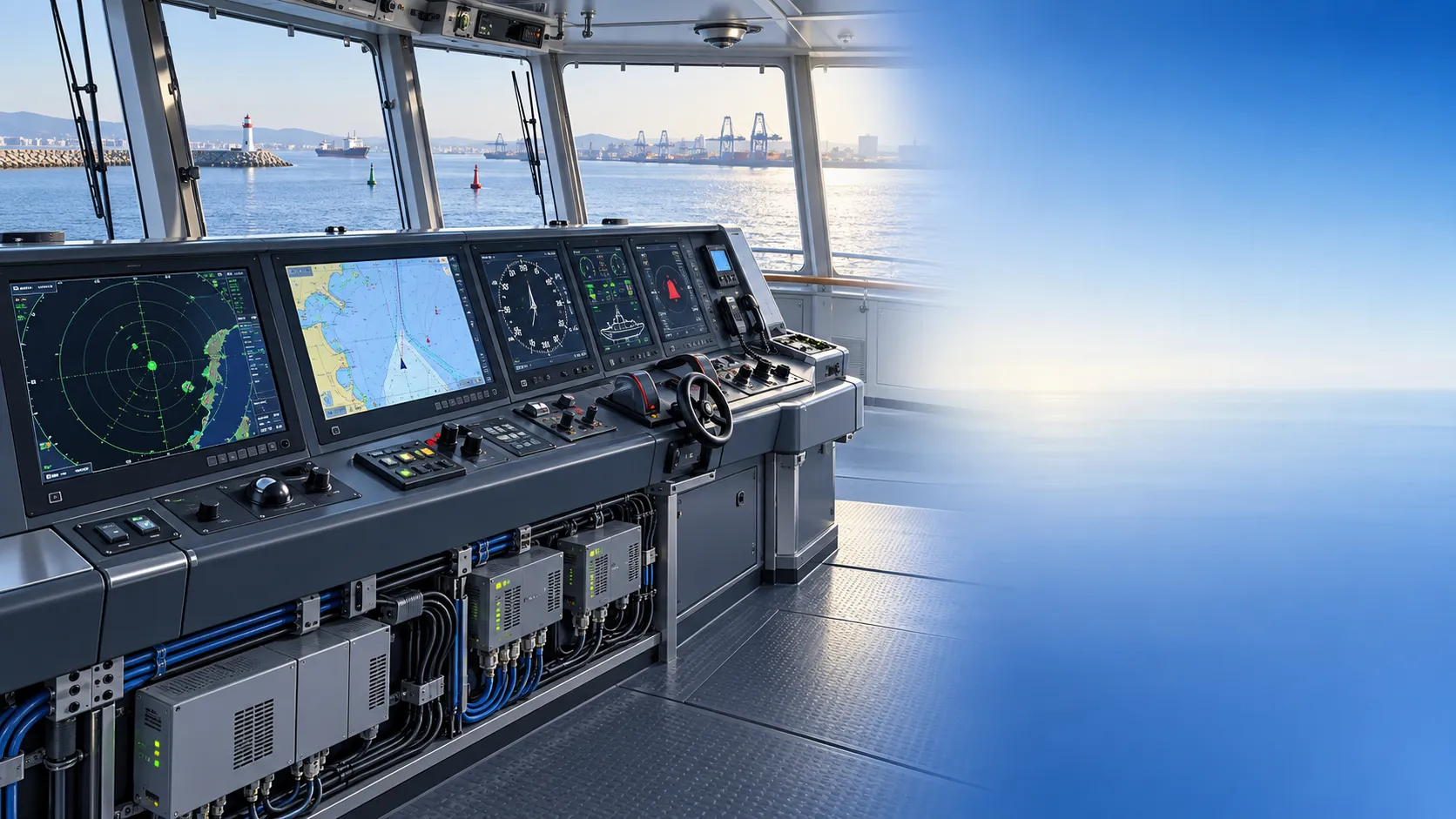
How to Specify Integrated Marine Electronics for Reliable Bridge Operations
Integrated marine electronics: learn how to specify reliable bridge systems with clear data flows, redundancy, alarm control, lifecycle interfaces, and operational testing.

How to Evaluate Navigation Radar Manufacturers for Commercial Vessel Projects
Navigation radar manufacturers: learn how to compare performance, compliance, integration, support, and lifecycle cost for commercial vessel projects.
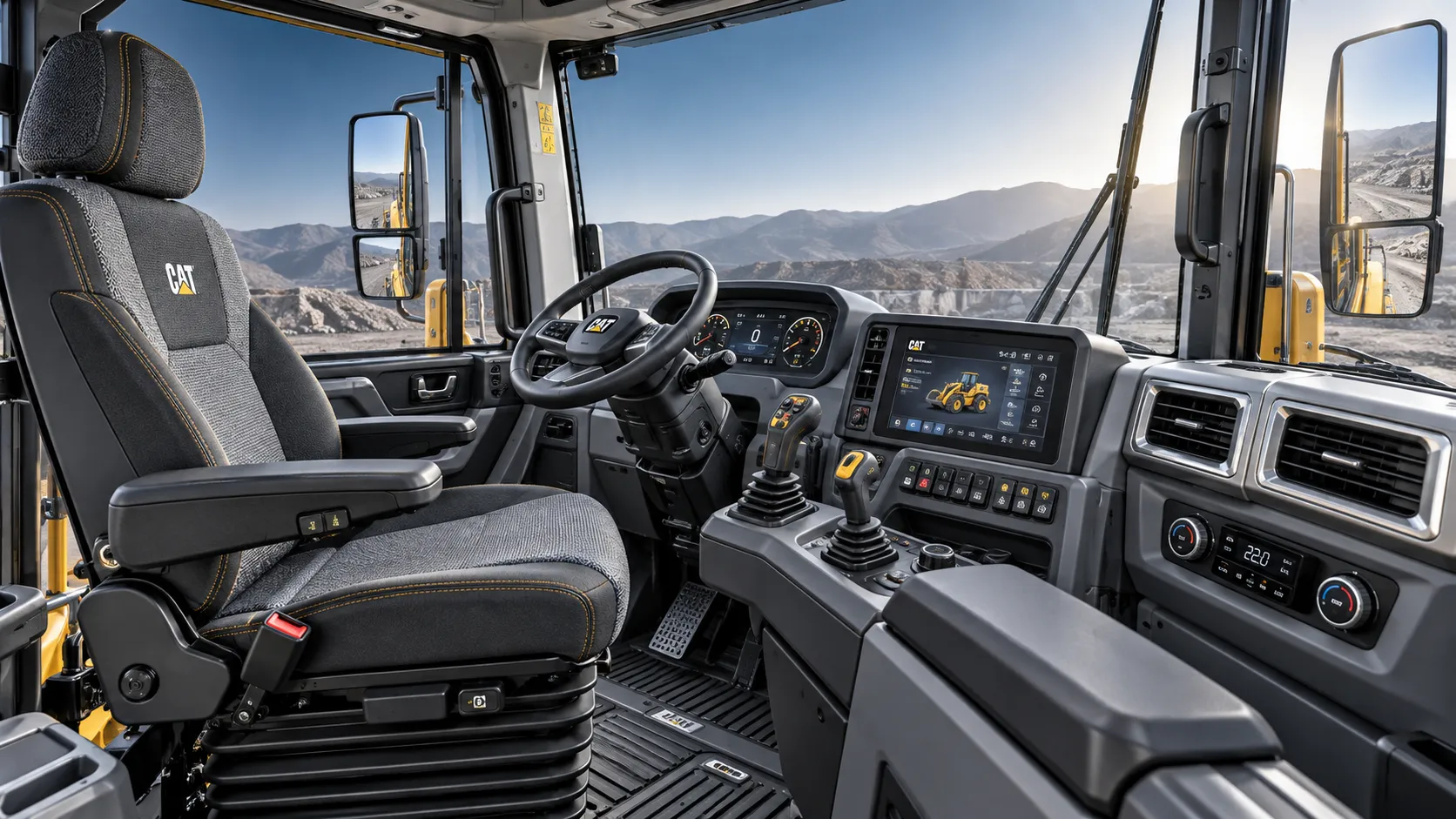
How Adjustable Cabin Ergonomics Reduce Operator Fatigue in Long-Shift Vehicles
Adjustable cabin ergonomics reduces operator fatigue through better seating, reach, visibility, vibration control, and climate comfort for safer long-shift vehicles.
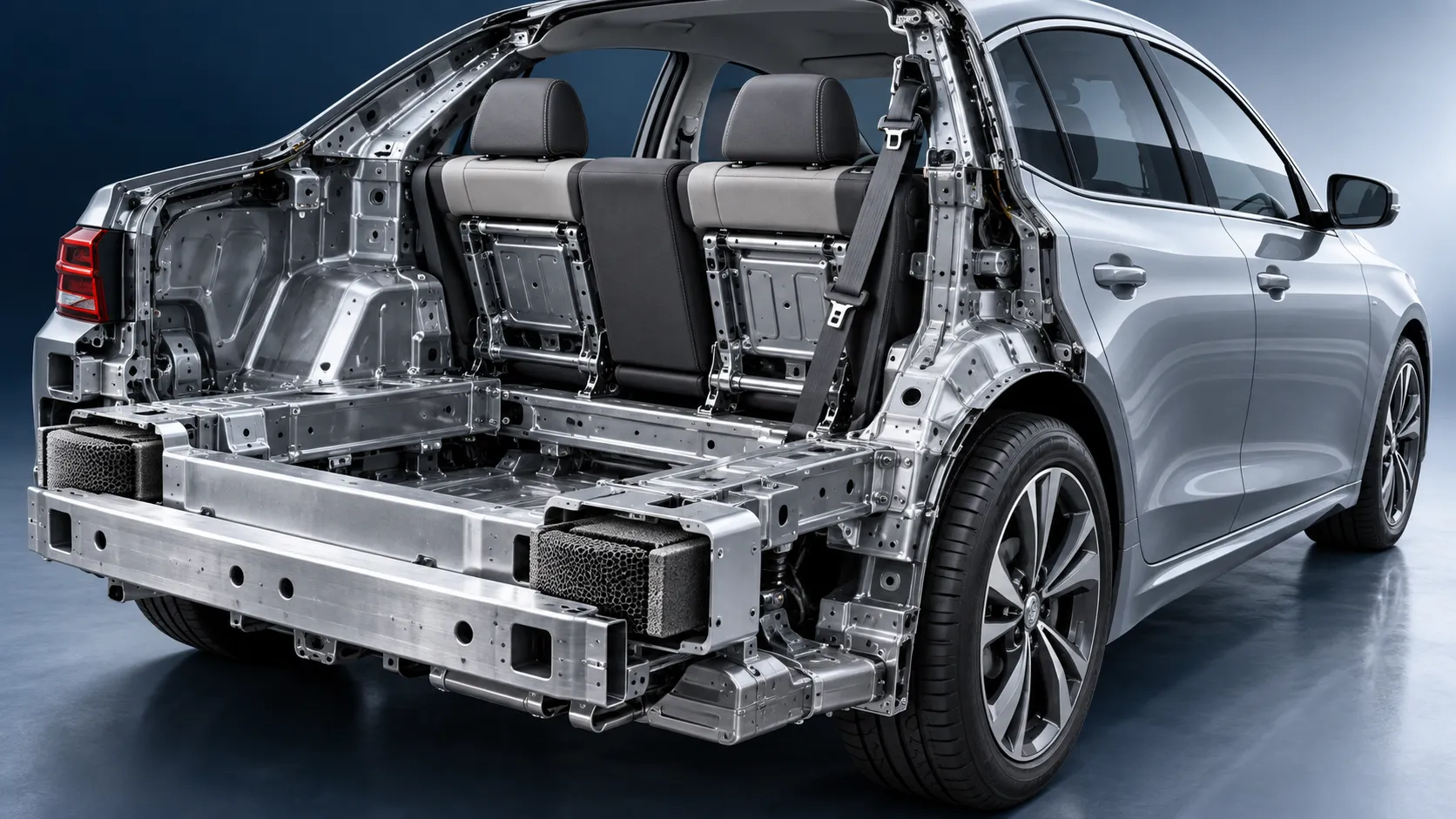
How Rear-Impact Safety Components Work Together to Protect Vehicle Occupants
Explore how automotive safety components for rear impact work together—from crash structures and seats to head restraints and belts—to enhance occupant protection.
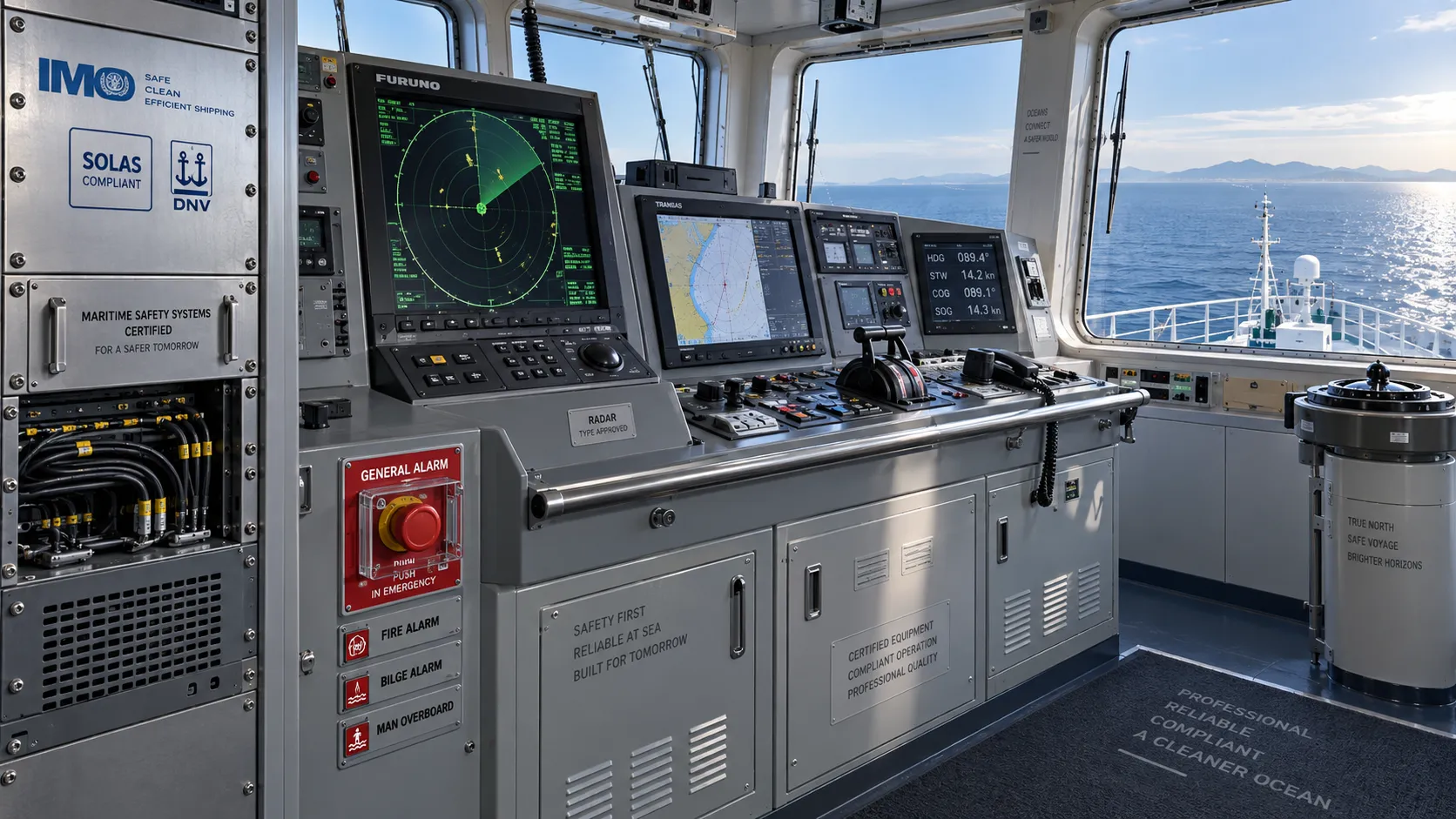
How to Evaluate a Marine Safety Systems Manufacturer for Vessel Compliance and Reliability
Marine safety systems manufacturer evaluation guide: verify compliance, engineering quality, lifecycle costs, and global service support for safer, reliable vessel operations.
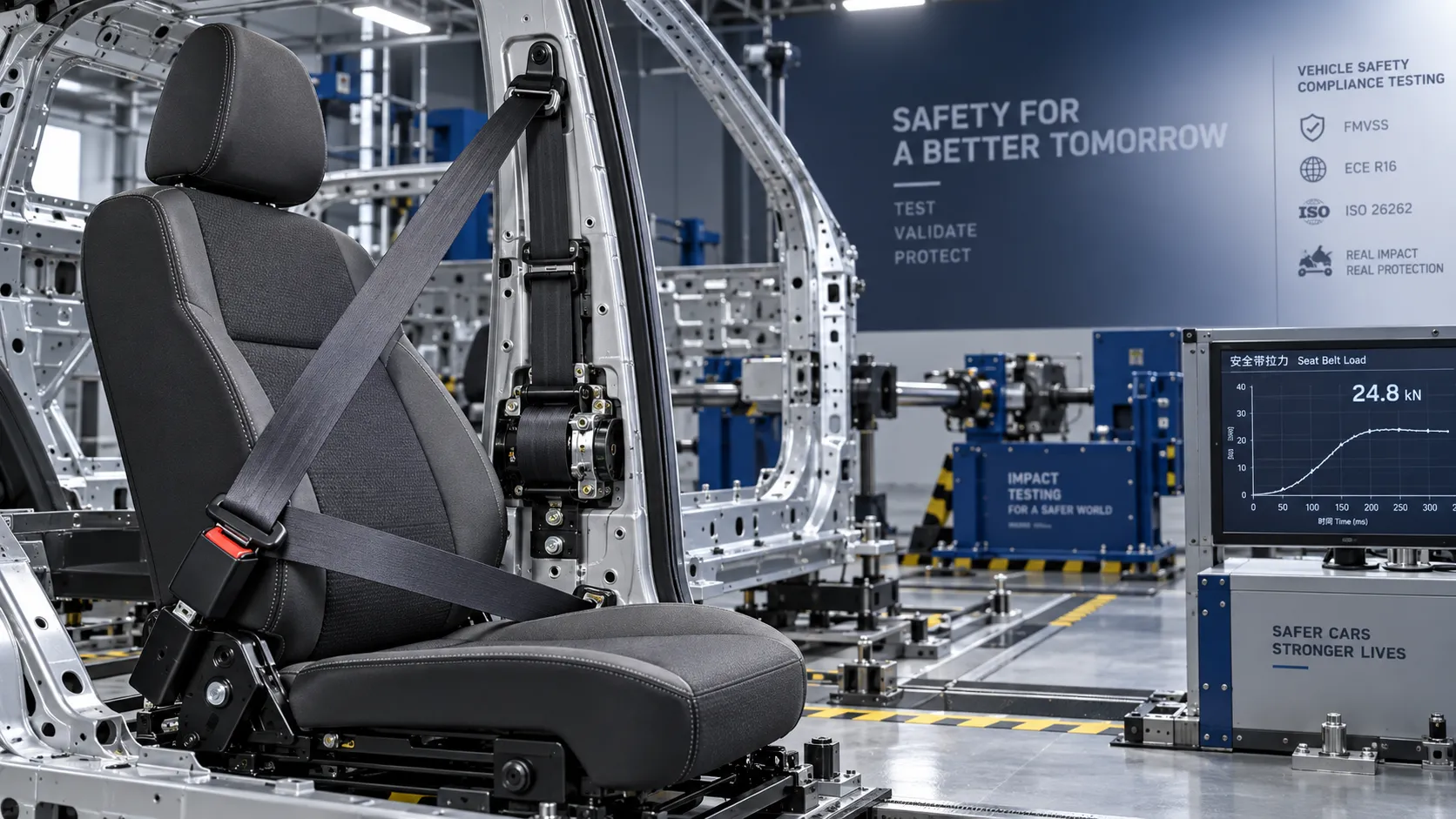
Crash Test Regulations for Seatbelts: Key Compliance Requirements Explained
Crash test regulations seatbelts explained: explore FMVSS, UN rules, anchorage strength, and dynamic restraint testing for safer, compliant vehicle systems.

How to Calculate the Total Cost of Automotive Lightweighting for a Vehicle Program
Automotive lightweight solutions cost: learn how to calculate program-level costs, including materials, tooling, joining, validation, risk, and vehicle-level value.
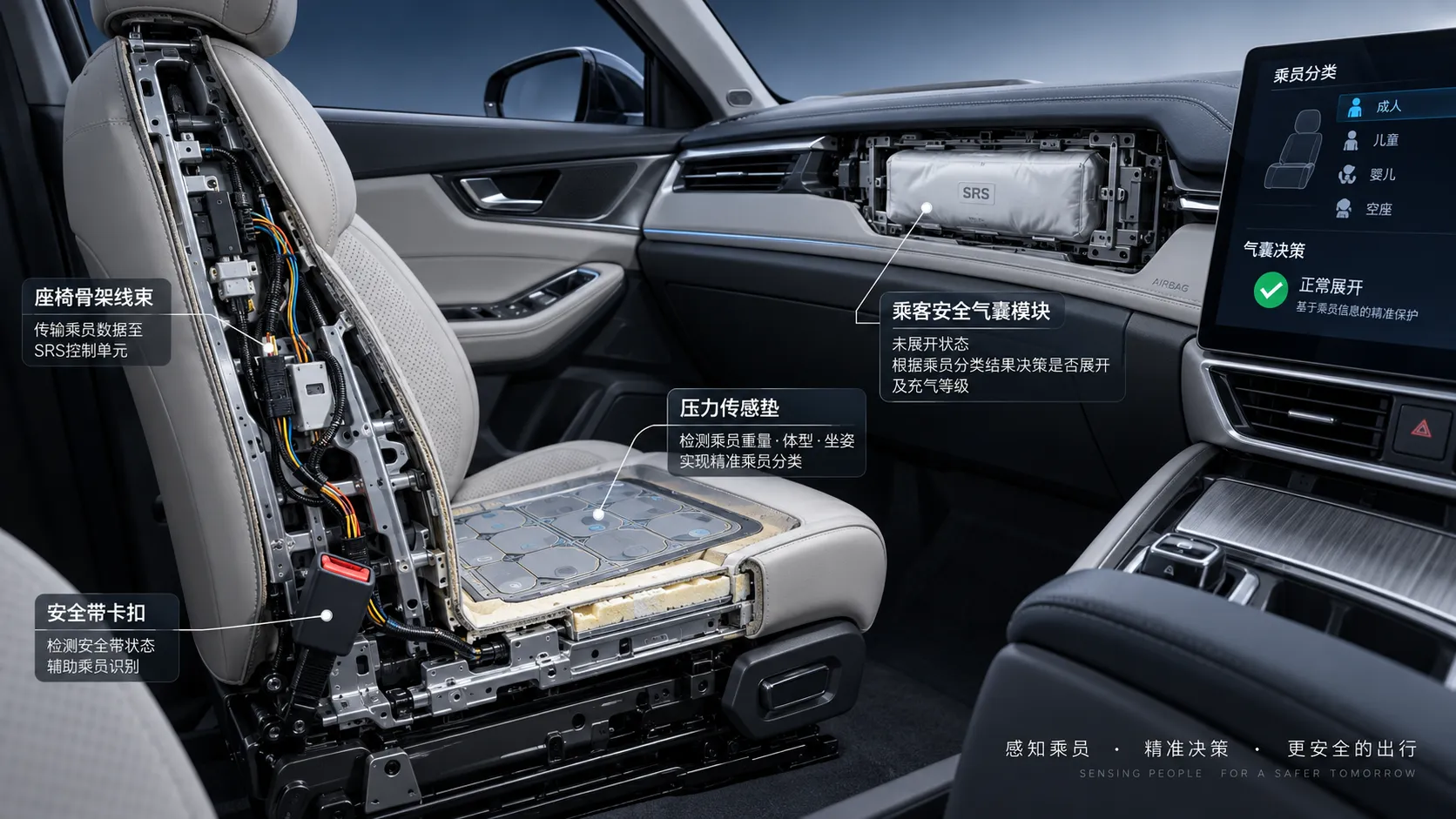
How Automotive Seat Occupancy Sensing Improves Airbag Deployment Decisions
Automotive seat occupancy sensing helps optimize airbag deployment decisions, improving passenger classification, safety diagnostics, and compliance across real-world conditions.

What Drives Lightweight Body Component Costs in High-Volume Vehicle Programs?
Lightweight body components cost depends on material yield, forming, joining, tooling, validation, and logistics. Explore proven ways to optimize total vehicle program cost.
Related News
- 00
0000-00
How to Specify Integrated Marine Electronics for Reliable Bridge Operations - 00
0000-00
How Adjustable Cabin Ergonomics Reduce Operator Fatigue in Long-Shift Vehicles - 00
0000-00
How to Evaluate a Marine Safety Systems Manufacturer for Vessel Compliance and Reliability - 00
0000-00
How to Calculate the Total Cost of Automotive Lightweighting for a Vehicle Program - 00
0000-00
What Drives Lightweight Body Component Costs in High-Volume Vehicle Programs?
Weekly Insights
Stay ahead with our curated technology reports delivered every Monday.