
Maritime Navigation Solutions Price Comparison: ECDIS, GNSS, and Integration Costs Explained
Comparing maritime navigation solutions price is no longer a matter of lining up equipment quotes and choosing the lowest figure. In practice, ECDIS, GNSS, sensors, software subscriptions, bridge integration, training, and compliance support all shape the real budget. For fleets balancing safety, uptime, and regulatory confidence, price only becomes meaningful when it is tied to vessel profile, operating waters, and lifecycle obligations.
That is why this topic now sits at the center of marine procurement. Navigation technology has become more connected, more software-defined, and more compliance-sensitive. A cheap purchase can turn expensive after installation delays, chart update costs, or integration gaps. A higher initial spend can sometimes reduce risk, simplify bridge operations, and lower maintenance exposure over several years.
What maritime navigation solutions price really includes
At a basic level, maritime navigation solutions cover electronic chart systems, satellite positioning, radar interfaces, autopilot links, AIS connectivity, and supporting bridge software. Yet the price discussion usually starts too late, after core cost drivers have already been missed.
ECDIS is often treated as a standalone display purchase. It is not. A compliant ECDIS setup may include hardware, official chart licensing, backup arrangements, software maintenance, alarms, and crew familiarization.
GNSS pricing also varies beyond the receiver itself. Accuracy requirements, redundancy design, interference resilience, correction services, and interface compatibility can change the cost structure quickly.
Integration is the third major layer. Connecting ECDIS and GNSS with radar, gyrocompass, echo sounder, AIS, conning systems, and voyage data workflows often creates the largest gap between quoted price and final project cost.
Why buyers are watching navigation costs more closely
The marine sector is moving toward tighter digital coordination, much like other safety-critical mobility industries. GNCS tracks this shift across navigation, passive safety, and intelligent equipment, where performance increasingly depends on data integrity, system compatibility, and regulatory traceability.
In maritime operations, those pressures show up in several ways. Chart updates must remain current. Software revision control matters more. Cybersecurity expectations are rising. Remote support is becoming part of the commercial offer.
More importantly, vessel owners want fewer isolated systems on the bridge. They want navigation stacks that can exchange reliable data, reduce operator workload, and hold up under inspection. This pushes maritime navigation solutions price upward, but it also changes what “value” means.
Typical cost ranges for ECDIS, GNSS, and integration
Market pricing differs by brand, classification needs, and vessel complexity, but broad ranges help frame negotiations. The table below reflects common budgeting logic rather than a fixed market tariff.
For a small retrofit, the maritime navigation solutions price may stay controlled. For deep bridge modernization on larger vessels, the total can expand quickly once integration engineering and downtime are counted.
Where cost comparisons often go wrong
The most common mistake is comparing hardware-only quotes. Two suppliers may appear close on paper, while one excludes chart services, interface converters, testing, or after-sales response.
Another issue is underestimating legacy bridge conditions. Older vessels often require extra serial converters, rewiring, cabinet work, power conditioning, or software bridging between mixed-generation systems.
Training is also undervalued. Navigation equipment that is technically capable but poorly adopted by bridge teams creates hidden cost through slower operations, avoidable alarms, and audit friction.
Compliance support deserves equal attention. Type approval, flag expectations, chart carriage rules, and documented software status all affect whether the solution remains economical after deployment.
A more reliable comparison method
- Separate capital expense from recurring expense.
- List every interface required on the bridge.
- Ask whether chart updates and support are included.
- Check commissioning scope and onboard test procedures.
- Estimate downtime cost beside equipment cost.
- Review software lifecycle and cybersecurity update policy.
How vessel type changes the pricing logic
A coastal workboat, a tanker, and a container vessel may all buy ECDIS and GNSS, but they do not buy the same outcome. Route complexity, bridge layout, reporting demands, and inspection exposure all influence the maritime navigation solutions price.
Smaller vessels usually focus on practical functionality and limited retrofit disruption. Deep-sea fleets often prioritize redundancy, chart portfolio scale, remote diagnostics, and standardized bridge architecture across multiple ships.
Research vessels and specialized offshore assets can see higher costs because sensor fusion matters more. Integration with sonar, dynamic positioning, survey systems, or mission software can move the project far beyond a standard navigation refresh.
Typical decision priorities by scenario
Looking beyond purchase price to lifecycle value
The better question is not simply, “What is the maritime navigation solutions price?” It is, “What cost profile follows this choice over three to seven years?” That view changes the ranking of suppliers.
Recurring chart subscriptions, software updates, spare parts access, remote troubleshooting, and service attendance fees can outweigh initial discounts. A lower-cost system may become expensive if support is slow or proprietary dependencies are rigid.
There is also a human-factor dimension. GNCS often frames advanced equipment through the broader lens of precision perception and containment protection. In navigation, that means interfaces must help crews interpret data clearly under stress, not just satisfy a technical checklist.
When systems are easier to maintain, easier to update, and easier to operate, cost efficiency becomes more durable. That is a stronger purchasing outcome than a low headline number.
Practical checkpoints before requesting final quotations
A disciplined specification process improves both pricing accuracy and supplier accountability. It also reduces negotiation noise, because bids are responding to the same operational brief.
- Map existing bridge equipment, protocols, and age.
- Define compliance needs by route, flag, and class.
- Clarify redundancy requirements for positioning and display.
- Request separate pricing for hardware, software, and services.
- Ask for annual cost forecasts, not only project totals.
- Check service network coverage near operating regions.
- Confirm training depth for both commissioning and turnover periods.
A structured comparison makes maritime navigation solutions price easier to interpret. It also reveals where one supplier is selling equipment, while another is offering an operational system.
A clearer way to move forward
Price comparison works best when it starts from mission profile, not catalog pages. ECDIS, GNSS, and bridge integration should be assessed as a connected safety and performance stack, with technical fit, compliance continuity, and serviceability all priced into the decision.
For teams building a short list, the next useful step is to create a vessel-specific comparison sheet covering capital cost, annual fees, integration scope, commissioning risk, and support responsiveness. That approach turns maritime navigation solutions price into a decision metric that is accurate, comparable, and commercially defensible.
Related News

How Crash Management Components Reduce Repair Costs and Improve Impact Performance
Crash management components help reduce repair costs, protect critical vehicle structures, and improve impact performance. Learn how smarter design supports safer, more cost-efficient mobility programs.
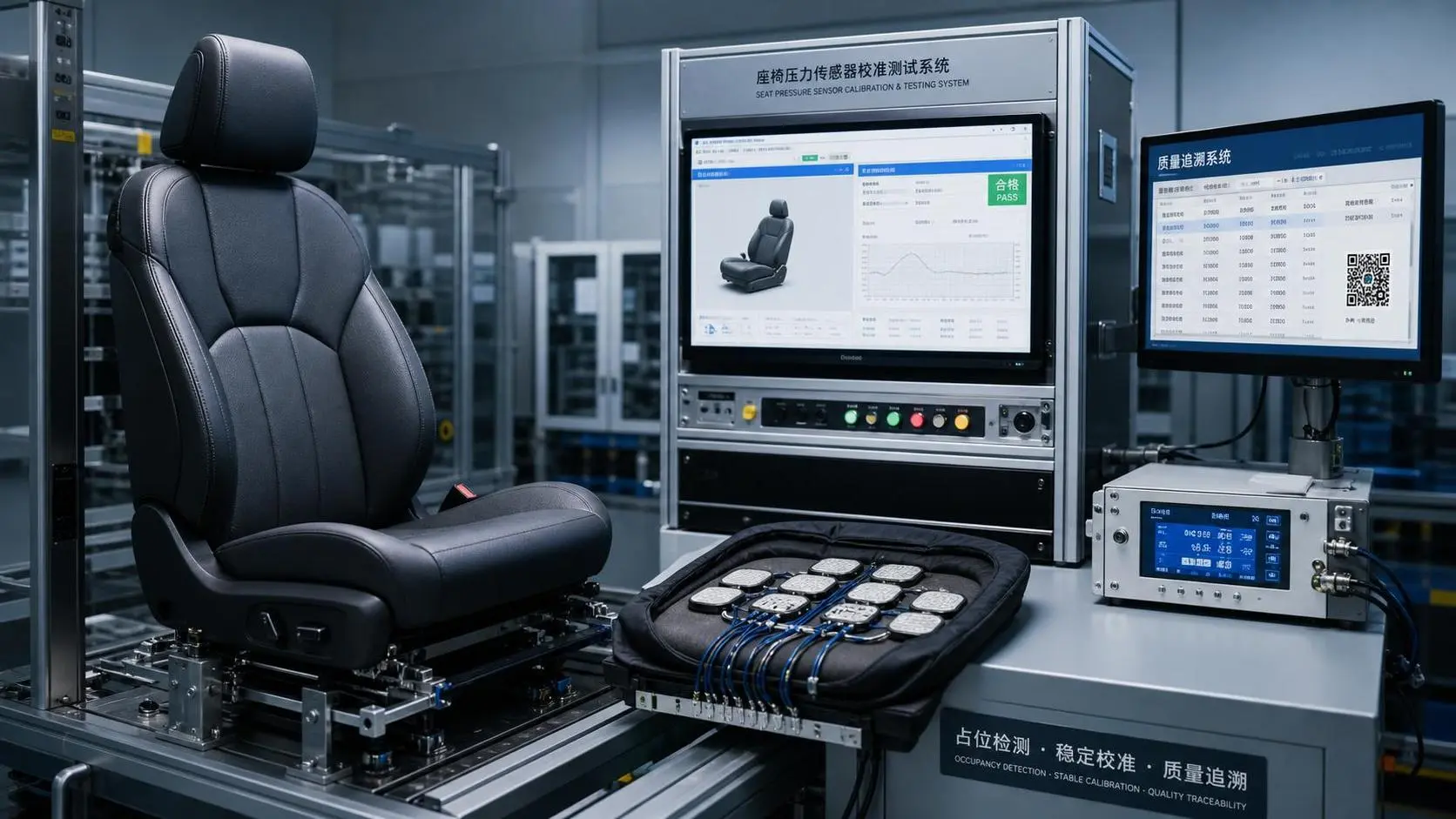
How to Evaluate a Seat Sensing Systems Factory for Automotive Safety Programs
Seat sensing systems factory selection goes beyond price. Learn how to assess quality control, validation, PPAP readiness, and long-term supply reliability for safer automotive programs.

Supplier Capability Evaluation Process: Key Criteria for B2B Sourcing Decisions
Supplier capability evaluation process explained: learn the key criteria for B2B sourcing decisions, reduce supplier risk, and choose partners with confidence.
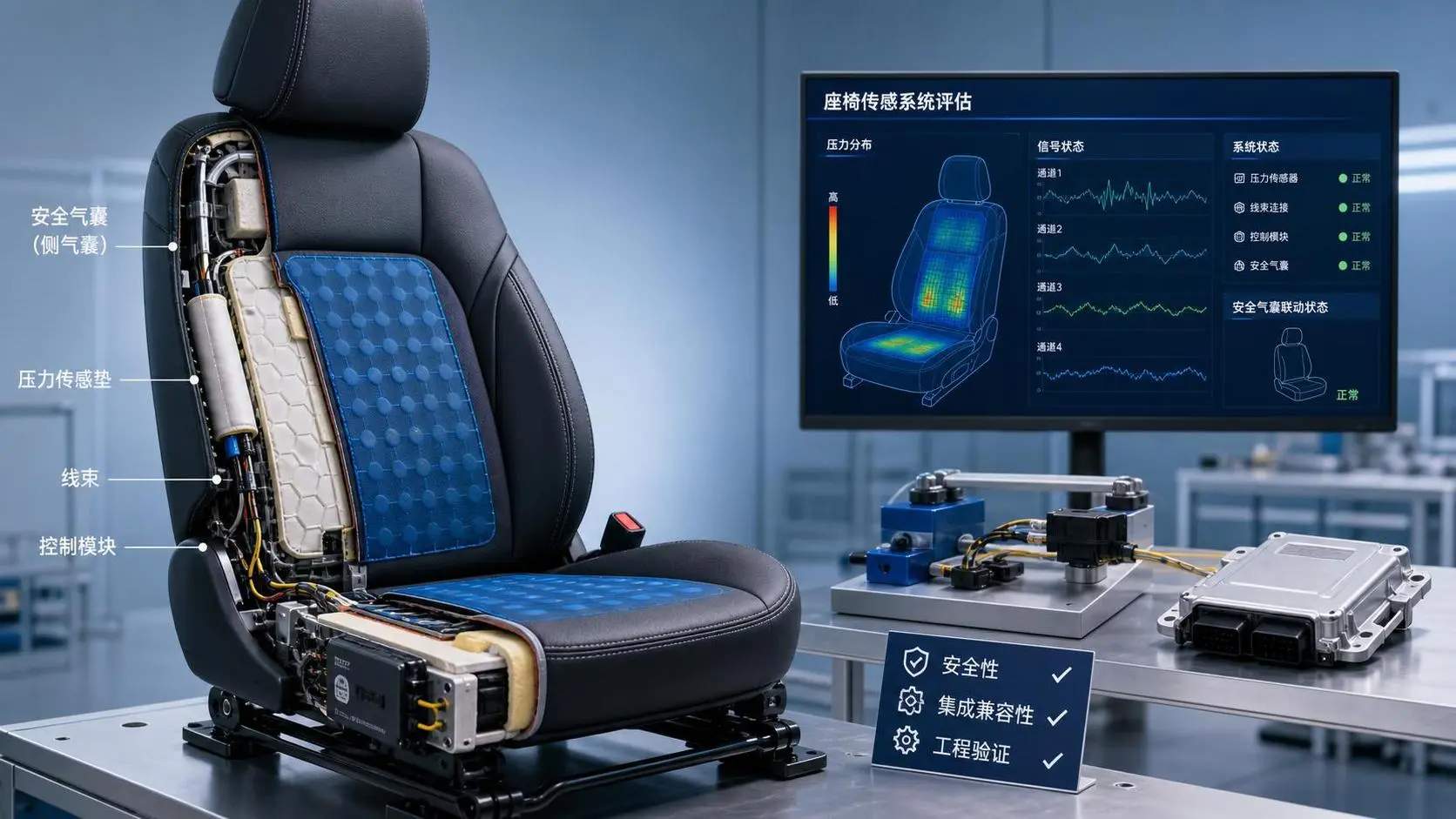
How to Evaluate a Seat Sensing Technology Supplier for Safety and Integration?
Seat sensing technology supplier evaluation guide: compare safety maturity, integration fit, algorithm reliability, and validation support to choose a partner that reduces risk.

How to Evaluate Custom Smart Automotive Seating for Premium Vehicle Programs?
Custom smart automotive seating evaluation starts with safety, comfort, integration, and production readiness. Discover how premium vehicle teams choose smarter, lower-risk seat solutions.
B2B Product Intelligence Platforms: How to Compare Features, Data Coverage, and ROI
B2B product intelligence platform comparison: learn how to evaluate data coverage, feature depth, compliance visibility, and ROI to choose a sourcing tool that reduces risk and speeds decisions.

Climate Control Seats Cost: What Drives Price and Long-Term Ownership Value?
Climate control seats cost depends on materials, thermal tech, and integration. Learn what drives price and how to judge long-term value before you buy.
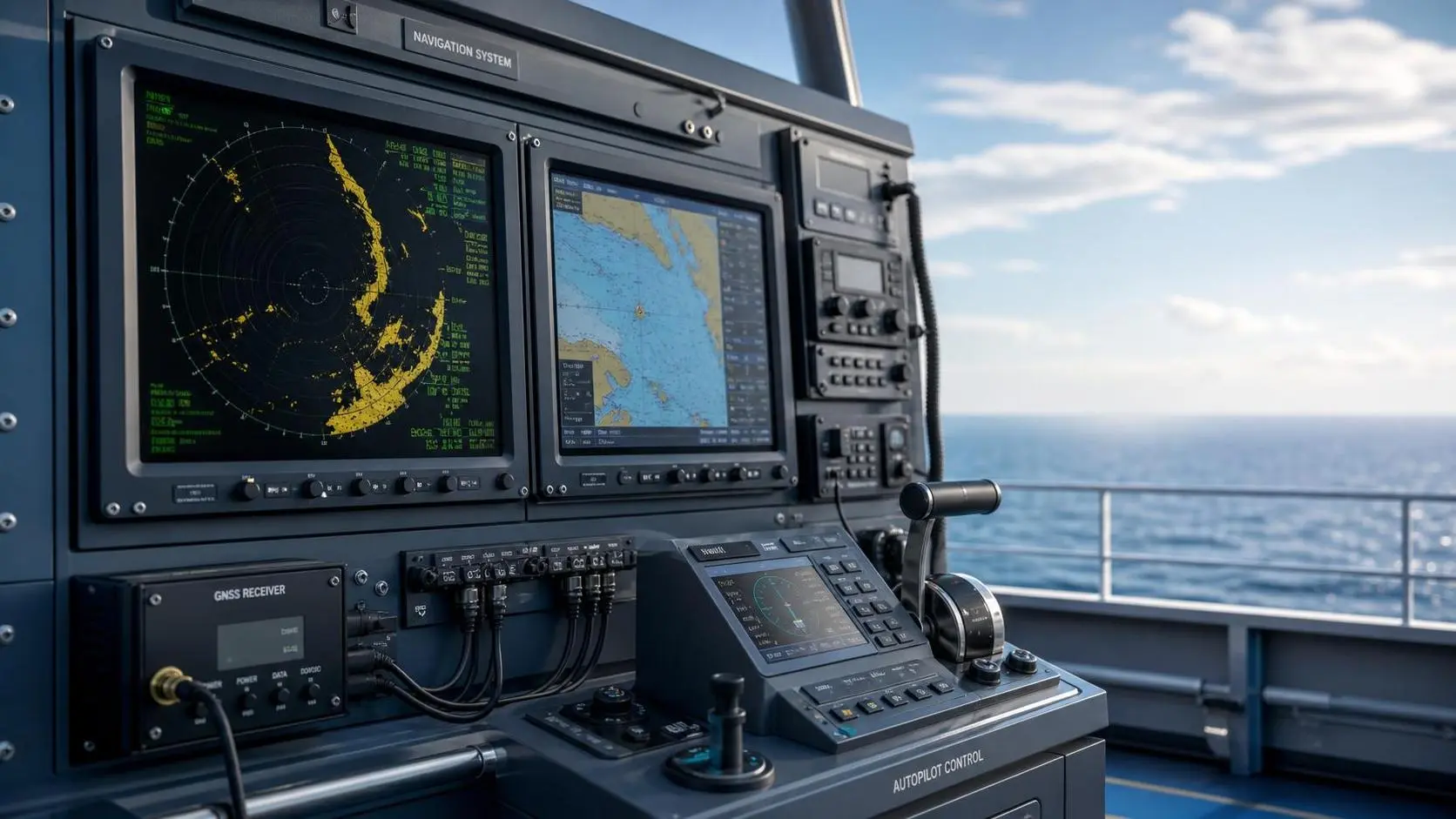
What Factors Drive Marine Navigation Components Cost in Commercial Vessel Projects?
Marine navigation components cost is shaped by integration, compliance, installation, and lifecycle support. Discover what drives pricing and how buyers can reduce risk while improving value.

How Much Does Seat Occupancy Sensing Cost? Key Pricing Factors for Buyers
Seat occupancy sensing price varies widely by technology, integration, and compliance needs. Learn the key cost drivers, avoid hidden fees, and make smarter buying decisions.
Related News
- 00
0000-00
How Crash Management Components Reduce Repair Costs and Improve Impact Performance - 00
0000-00
Supplier Capability Evaluation Process: Key Criteria for B2B Sourcing Decisions - 00
0000-00
How to Evaluate a Seat Sensing Technology Supplier for Safety and Integration? - 00
0000-00
B2B Product Intelligence Platforms: How to Compare Features, Data Coverage, and ROI - 00
0000-00
What Factors Drive Marine Navigation Components Cost in Commercial Vessel Projects?
Weekly Insights
Stay ahead with our curated technology reports delivered every Monday.