
Automotive Safety for Seating Systems: Key Design Checks for Crash and Occupant Load Paths
Why Load Paths Change the Real Meaning of Automotive Safety for Seating Systems
In vehicle safety work, seats stop being comfort components the moment impact loads enter the cabin.
Automotive safety for seating systems depends on how forces travel through frames, tracks, recliners, anchors, belts, and nearby body structures.
That is why two seats with similar dimensions can behave very differently in crash validation.
A lightweight urban EV, a premium SUV, and a commercial people mover do not ask the same questions from seat architecture.
The practical issue is not only whether a seat survives a test.
The deeper issue is whether occupant energy is guided into controlled paths without overload, excess rotation, or interface failure.
Within GNCS, this view fits a broader mobility logic.
Marine navigation studies signal accuracy under disturbance, while cabin safety studies force control under collision.
Both disciplines reward precise system linking rather than isolated component decisions.
For automotive safety for seating systems, that means checking load paths early, before styling, mass targets, and sourcing lock in weak assumptions.
In Practice, the First Check Is the Vehicle Scenario
Different scenarios create different seat safety priorities because occupant posture, seat travel, body stiffness, and restraint integration all change together.
A compact battery vehicle often pushes thin packaging and aggressive weight reduction.
That raises questions about rail strength, battery-floor interface stiffness, and local deformation near seat mounts.
A larger SUV usually adds higher H-point variation, wider occupant spread, and more complex second-row use cases.
Here, recliner robustness and belt geometry consistency matter as much as pure static strength.
In multi-purpose cabins, fold-flat or removable seat concepts introduce another layer of risk.
Every convenience feature can interrupt a clean load path unless joints, latches, and hard points are verified under dynamic conditions.
More common mistakes happen when teams assume similar seating layouts imply similar crash behavior.
The actual determinant is the full path from occupant contact surface to body-in-white load receiving zones.
Where the judgment focus usually shifts
- Front-row powered seats: track backlash, motor housing intrusion, recliner torque retention.
- Second-row family seating: belt anchorage geometry, child-restraint compatibility, cushion pitch under load.
- Luxury comfort seats: massage modules, ventilation ducts, and smart sensors must not weaken primary structures.
- Commercial shuttle layouts: repeated usage cycles demand stronger checks on latch wear and anchor durability.
Front Impacts and Rear Impacts Do Not Reward the Same Design Choices
A frequent source of confusion in automotive safety for seating systems is treating crash directions as minor variations of one problem.
They are not.
In frontal events, the load path usually starts with occupant inertia, then moves through belt systems, seat frame reactions, rails, and floor attachments.
That makes anchor stiffness, anti-submarining geometry, and recliner stability central checks.
If the cushion angle or belt path is wrong, the body may slide or rotate before the structure fully engages.
In rear impacts, the seatback becomes a much more active safety element.
Now the concern shifts toward controlled rearward deformation, head restraint timing, and the ability of recliners to resist sudden moment peaks.
An overly soft seatback may look forgiving in comfort reviews but perform poorly when neck injury criteria rise.
A very stiff seatback can also create its own problem if rebound behavior becomes harsher.
This is where GNCS-style cross-domain intelligence becomes useful.
Precise evaluation is less about one headline metric and more about understanding how each interface changes the next reaction.
When Lightweighting Enters the Program, Weak Interfaces Usually Appear First
Automotive safety for seating systems is often challenged during lightweight programs, especially when magnesium, aluminum, or mixed-material frames are introduced.
The opportunity is real.
Mass reduction supports range, emissions targets, and handling balance.
The risk appears when teams validate parts individually and miss interface behavior.
Mixed-material joints can shift local stiffness and change how impact loads concentrate around brackets, weld substitutes, or bolted adapters.
This is especially relevant in thin-floor architectures and high-strength body stampings.
A stronger floor does not automatically protect a lighter seat structure.
Sometimes it pushes more force into the seat subsystem, accelerating failure in rails or recliner housings.
The better judgment method is to compare stiffness distribution, not only component mass.
Where GNCS tracks seat-frame alloy trends, the useful takeaway is straightforward.
Every weight-saving move needs a matching review of load transfer continuity.
Useful checks before design freeze
- Map the main load path under frontal, rear, and oblique pulses.
- Review local stiffness gaps between seat rails, brackets, and floor reinforcements.
- Confirm that comfort features do not occupy critical deformation space.
- Recheck fatigue and misuse cases for folding, sliding, or easy-entry mechanisms.
Smart Seating Adds Sensors, but Passive Safety Still Sets the Boundary
Modern cabins increasingly integrate occupancy sensing, posture detection, climate modules, and active positioning functions.
These upgrades improve user experience, yet they also complicate automotive safety for seating systems.
The main reason is packaging conflict.
Sensors, harnesses, and comfort actuators compete for the same volume needed by structural members and energy management zones.
In actual programs, the hidden issue is often not the sensor itself.
It is the mounting decision around the sensor.
A bracket added late for electronics can create a local hard spot or redirect deformation into a vulnerable joint.
This matters even more when airbags and seatbelt systems rely on seat-based occupant classification.
If calibration assumes one posture but the structure behaves differently during impact, the entire restraint chain loses consistency.
A practical rule is to treat smart seating as a passive safety participant, not an accessory layer added afterward.
The Most Common Misjudgments Usually Start with Incomplete Comparisons
Several recurring errors appear across global mobility projects, regardless of vehicle class.
One is focusing on certification endpoints while ignoring how repeated use changes clearances and joint behavior.
Another is judging seat safety by static peak values only.
Dynamic timing, rotational response, and occupant interaction often explain failures that simple strength checks miss.
There is also a purchasing-side trap in many programs.
A lower-cost seat frame can trigger expensive redesigns when it forces body reinforcement changes or new test loops.
The same applies to platform carryover assumptions.
A seat proven in one program may fail expectations in another because floor topology, belt anchorage position, or battery tunnel geometry changed.
For automotive safety for seating systems, similarity in appearance is rarely enough evidence.
What should be clarified before implementation
- Which crash modes dominate the target market and compliance route.
- Whether seat-mounted belts, body-mounted belts, or mixed restraints are used.
- How much packaging freedom remains after battery, HVAC, and electronics allocation.
- Which interfaces are new, and which are proven carryover points.
- What long-term wear conditions could change latch or rail behavior.
A Better Next Step Is to Build a Seat Safety Decision Map
The strongest programs do not review automotive safety for seating systems as a late compliance item.
They build a decision map linking scenario, load path, material choice, restraint architecture, and validation timing.
That makes trade-offs visible before they become tooling or test problems.
A useful starting point is to separate seating concepts by real operating context.
Then compare frontal, rear, and oblique response expectations against packaging and lightweight targets.
After that, confirm whether smart features alter structural continuity or restraint calibration assumptions.
This method aligns well with the GNCS view of mobility intelligence.
Precise perception and physical containment are different disciplines, yet both depend on accurate system stitching.
For seating development, the practical move is clear.
Define the target crash scenarios, map the occupant load paths, compare interface risks, and only then lock the seat concept.
That sequence improves compliance efficiency while protecting lightweight, comfort, and program timing objectives at the same time.
Related News
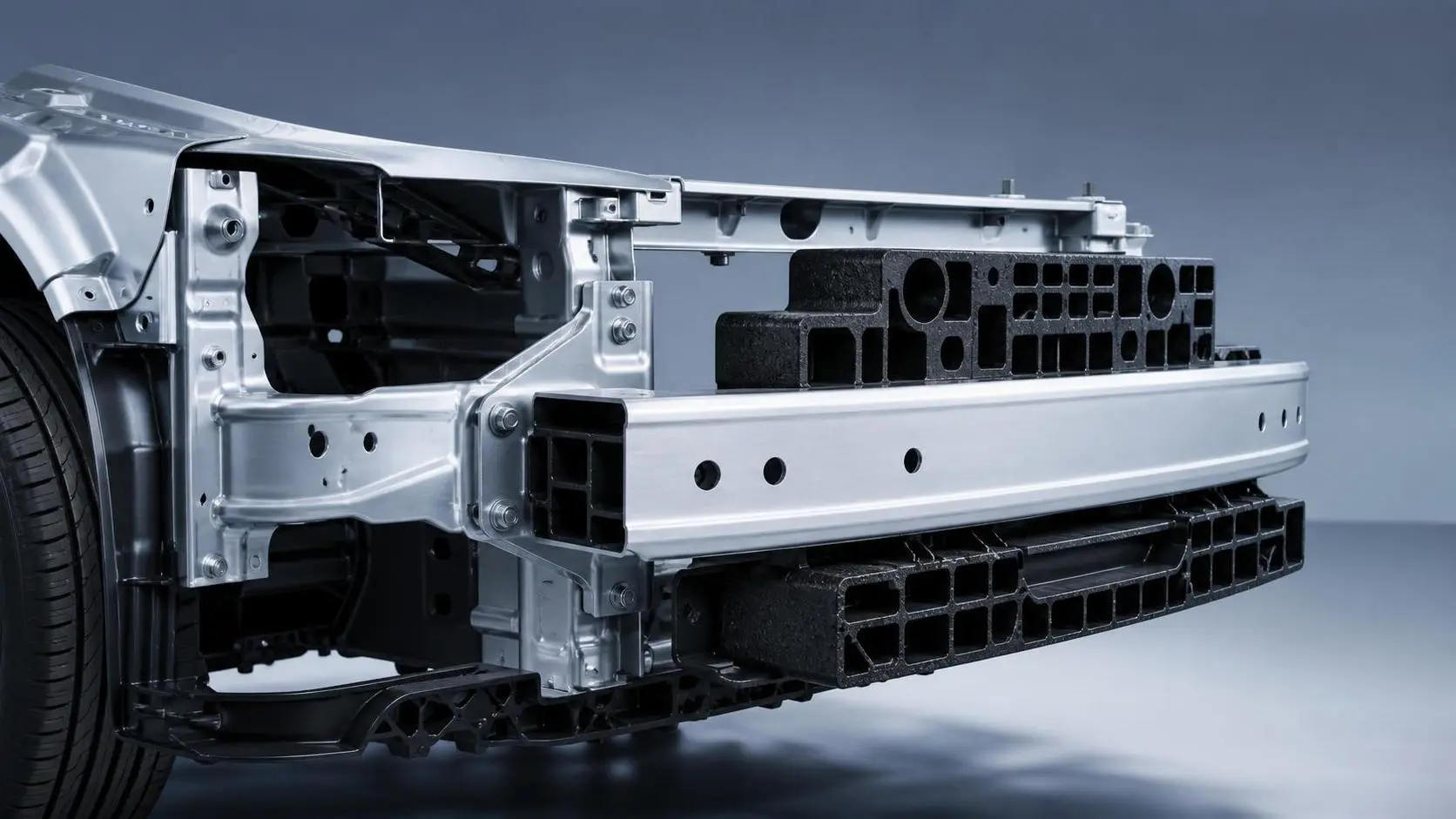
How Crash Management Components Reduce Repair Costs and Improve Impact Performance
Crash management components help reduce repair costs, protect critical vehicle structures, and improve impact performance. Learn how smarter design supports safer, more cost-efficient mobility programs.
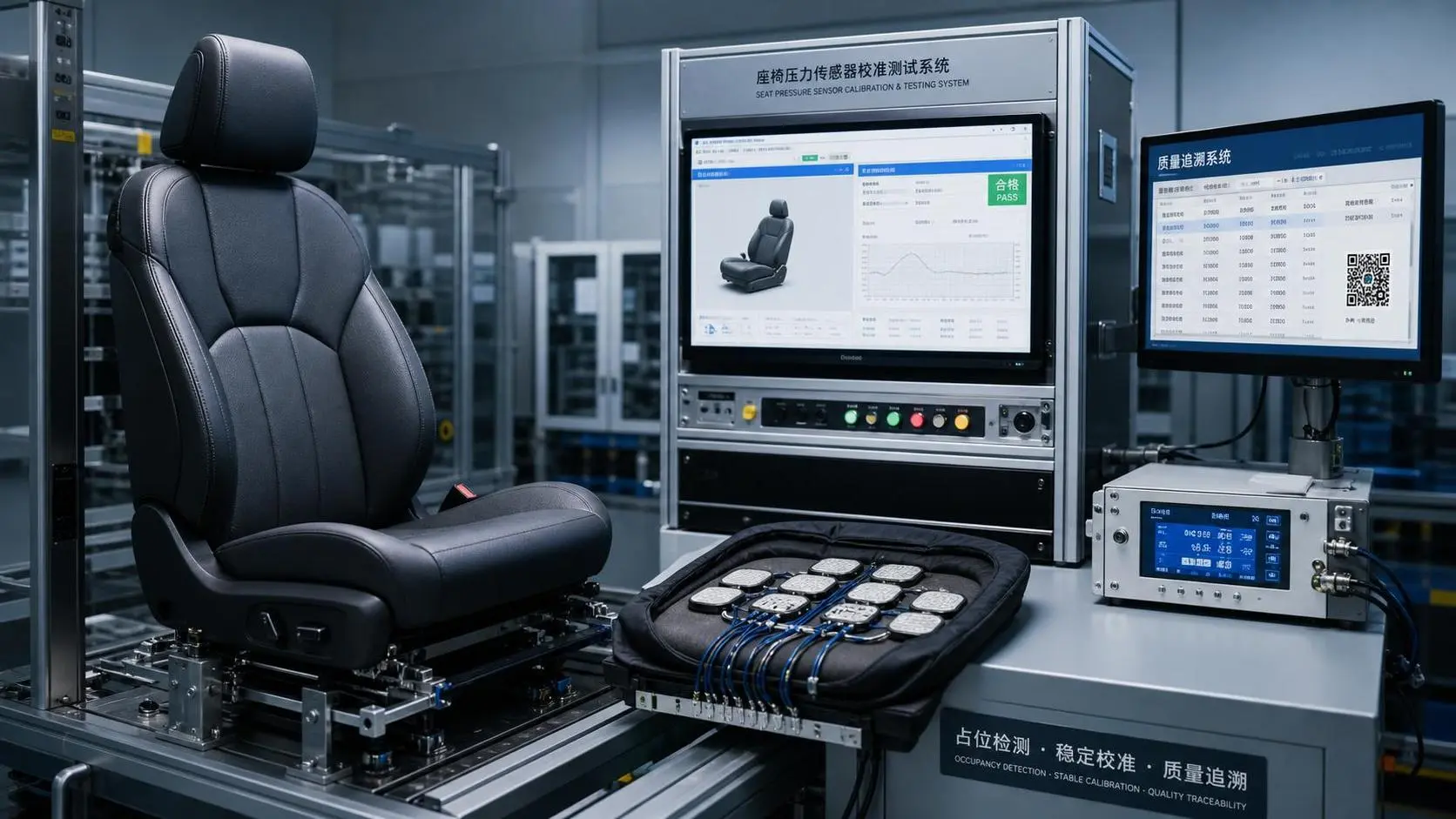
How to Evaluate a Seat Sensing Systems Factory for Automotive Safety Programs
Seat sensing systems factory selection goes beyond price. Learn how to assess quality control, validation, PPAP readiness, and long-term supply reliability for safer automotive programs.
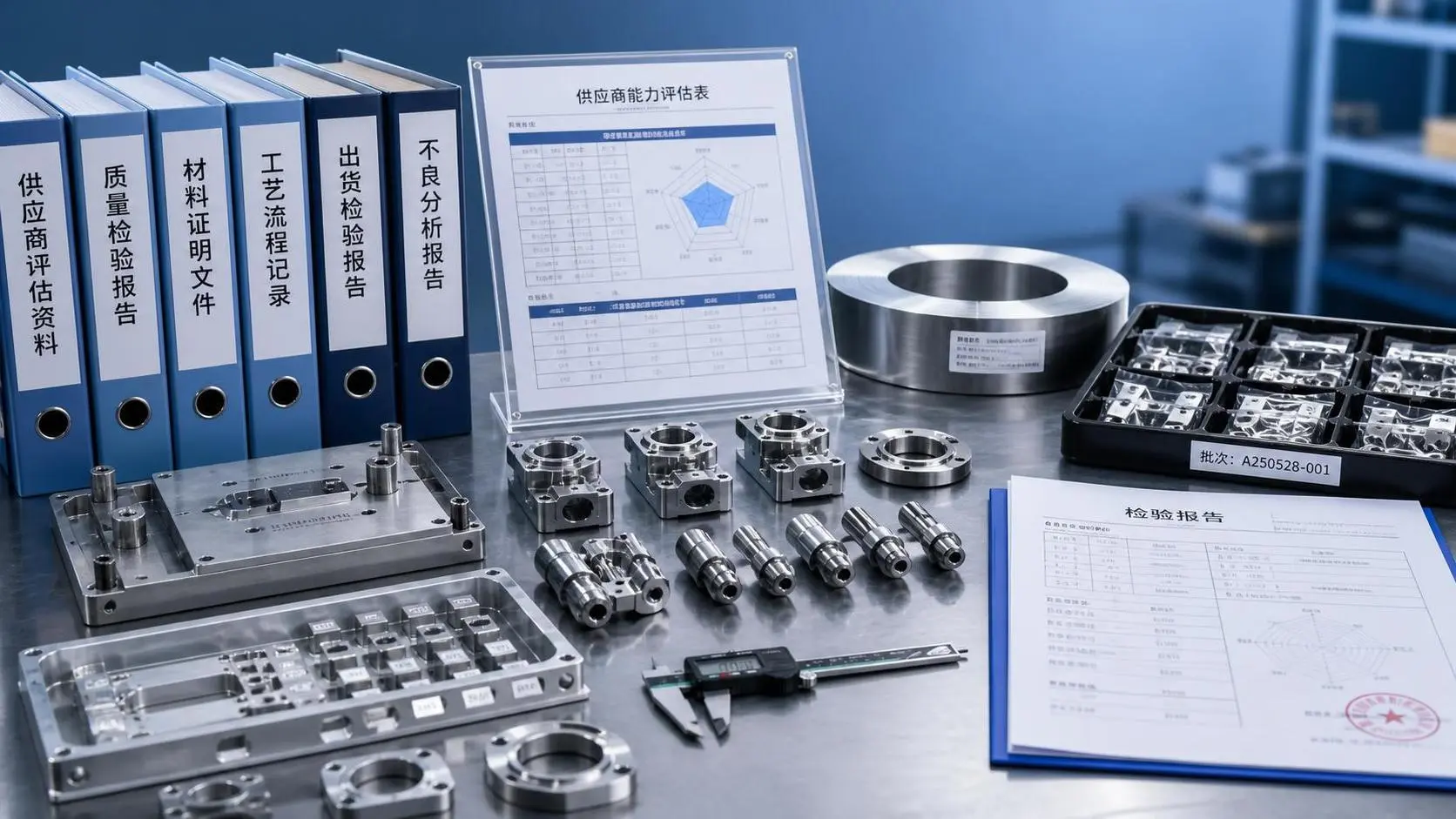
Supplier Capability Evaluation Process: Key Criteria for B2B Sourcing Decisions
Supplier capability evaluation process explained: learn the key criteria for B2B sourcing decisions, reduce supplier risk, and choose partners with confidence.
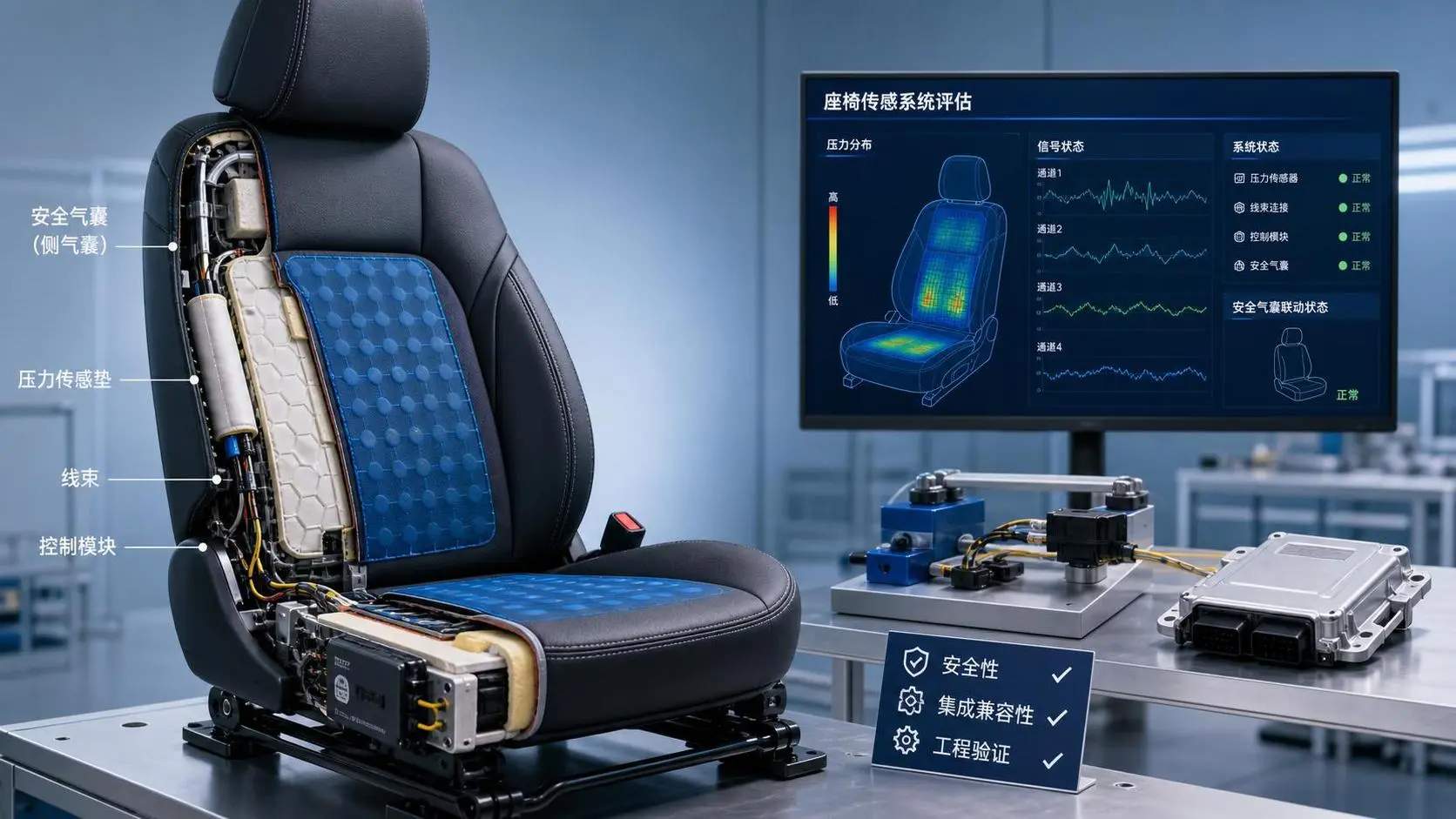
How to Evaluate a Seat Sensing Technology Supplier for Safety and Integration?
Seat sensing technology supplier evaluation guide: compare safety maturity, integration fit, algorithm reliability, and validation support to choose a partner that reduces risk.
How to Evaluate Custom Smart Automotive Seating for Premium Vehicle Programs?
Custom smart automotive seating evaluation starts with safety, comfort, integration, and production readiness. Discover how premium vehicle teams choose smarter, lower-risk seat solutions.
B2B Product Intelligence Platforms: How to Compare Features, Data Coverage, and ROI
B2B product intelligence platform comparison: learn how to evaluate data coverage, feature depth, compliance visibility, and ROI to choose a sourcing tool that reduces risk and speeds decisions.
Climate Control Seats Cost: What Drives Price and Long-Term Ownership Value?
Climate control seats cost depends on materials, thermal tech, and integration. Learn what drives price and how to judge long-term value before you buy.
What Factors Drive Marine Navigation Components Cost in Commercial Vessel Projects?
Marine navigation components cost is shaped by integration, compliance, installation, and lifecycle support. Discover what drives pricing and how buyers can reduce risk while improving value.

How Much Does Seat Occupancy Sensing Cost? Key Pricing Factors for Buyers
Seat occupancy sensing price varies widely by technology, integration, and compliance needs. Learn the key cost drivers, avoid hidden fees, and make smarter buying decisions.
Related News
- 00
0000-00
Automotive Safety for Seating Systems: Key Design Checks for Crash and Occupant Load Paths - 00
0000-00
Seatbelt Systems Sourcing Guide: Cost Drivers, Certification Checks, and Supplier Questions - 00
0000-00
Seatbelt Systems Buying Guide: What to Check for Safety Ratings, Retraction, and Cost - 00
0000-00
What makes seatbelt systems fail safety reviews? - 00
0000-00
Force-limiting systems: what separates safe from compliant
Weekly Insights
Stay ahead with our curated technology reports delivered every Monday.