
Magnesium Alloys vs Aluminum Alloys: How to Compare Weight, Strength, and Corrosion Risk
Magnesium Alloys vs Aluminum Alloys: what matters beyond lighter weight?
When people compare magnesium alloys with aluminum alloys, weight is usually the first number they check.
That is useful, but it is not enough for a sound material decision.
In marine systems, vehicle structures, and cabin safety parts, lower mass changes handling, energy use, and packaging freedom.
At the same time, strength, corrosion behavior, joining difficulty, and lifecycle cost can shift the final answer.
This is why magnesium alloys remain a serious topic across GNCS coverage, especially in lightweight seat frames and mobility hardware.
A lighter part only creates value when it still meets durability, compliance, and safety targets under real operating conditions.
Is magnesium always the better choice if weight reduction is the goal?
Not always, although magnesium alloys are clearly lighter than aluminum alloys by density.
Magnesium is roughly one-third lighter than aluminum, which makes it attractive for mass-sensitive designs.
That advantage matters most when every saved gram improves range, fuel economy, vibration response, or ergonomic packaging.
Seat structures, steering supports, portable housings, and selected instrument frames often benefit from that reduction.
But a lower density does not guarantee a lighter final assembly.
If the part needs thicker walls, extra coatings, or complex inserts, some weight savings can disappear.
A practical comparison starts with system weight, not raw material density alone.
In actual programs, engineers ask whether magnesium alloys reduce total mass after tooling, fastening, and protection layers are included.
A quick decision table helps frame the first judgment
This kind of table is more useful than asking which metal is better in general.
How do strength and stiffness really compare in practice?
This is where many simplified comparisons become misleading.
Some magnesium alloys offer good specific strength, meaning strength relative to weight can look very competitive.
However, aluminum alloys usually provide higher absolute strength options and better-established structural design data.
Stiffness is another important point.
Magnesium has a lower elastic modulus than aluminum, so it bends more easily under the same load.
That means a magnesium part may need different geometry to control deflection and vibration.
For crash-related structures, brackets, or housings near safety systems, geometry often decides more than a single material property.
GNCS often tracks this issue in seat structures and passive safety packaging, where weight reduction must not weaken load paths.
So the better question is not whether magnesium alloys are strong enough in theory.
It is whether the chosen alloy and design can meet stiffness, fatigue, and impact targets together.
- Use specific strength when mass is the priority.
- Use absolute strength when peak loads dominate.
- Check stiffness early, especially for thin-wall parts.
- Review fatigue data before treating magnesium alloys as a direct swap.
Where does corrosion risk become the deciding factor?
For many applications, corrosion risk is the real boundary line.
Magnesium alloys are more electrochemically active than aluminum alloys.
In simple terms, they are more vulnerable when moisture, salt, and dissimilar metals are present.
That matters a great deal in marine environments, exposed vehicle underbody zones, and parts with mixed-metal fasteners.
A navigation enclosure near sea spray faces very different risks from an interior seat frame inside a climate-controlled cabin.
This is why magnesium alloys can be excellent in one mobility subsystem and unsuitable in another.
Aluminum also corrodes, but its natural oxide layer usually gives it a more forgiving baseline.
With magnesium, surface treatment, sealing, drainage design, and galvanic isolation need closer attention from the start.
Common corrosion checkpoints
- Salt spray exposure and humidity cycles
- Contact with steel, copper, or carbon-based materials
- Coating damage during assembly or service
- Water traps around ribs, joints, and fasteners
- Maintenance access for inspection and repair
If these checkpoints remain unresolved, the lightweight benefit can be offset by warranty risk or shortened service life.
Which applications usually favor magnesium alloys, and which stay with aluminum?
A useful pattern appears when exposure level and structural demand are reviewed together.
Magnesium alloys often fit interior or semi-protected components where every mass reduction supports efficiency or comfort.
Examples include seat frames, steering supports, electronics housings, and selected instrument carriers.
These are the kinds of parts discussed in advanced mobility intelligence because small mass cuts can scale across large production volumes.
Aluminum alloys remain more common for body structures, marine hardware, and parts facing outdoor corrosion or broader forming requirements.
They are also easier to justify when supply chains need mature fabrication routes and wider repair familiarity.
In marine navigation systems, aluminum is often favored for exposed housings because durability and corrosion tolerance are more critical than absolute lightness.
In cabin safety systems, magnesium alloys can make more sense where the environment is controlled and packaging efficiency matters.
What hidden costs or implementation issues are easy to underestimate?
Material price is only one part of the story.
A realistic comparison should include forming, casting yield, coating requirements, joining methods, scrap handling, and validation time.
Magnesium alloys may reduce system mass, but they can also increase process sensitivity.
That is especially true when galvanic isolation, dedicated fasteners, or strict surface protection are required.
Testing can also take longer if the application has demanding crash, vibration, or marine exposure criteria.
For industries monitored by compliance frameworks such as IIHS, E-NCAP, or marine operating standards, evidence matters more than material hype.
In other words, magnesium alloys should be evaluated as part of a validated engineering path, not as a shortcut.
So how should you compare magnesium alloys with aluminum alloys step by step?
A disciplined comparison usually gives better answers than broad material rankings.
Start with the part function.
Then map the true environment, load case, compliance target, and service expectations.
After that, compare magnesium alloys and aluminum alloys at the assembly level.
- Define how much weight reduction actually changes system value.
- Check whether stiffness or impact behavior limits the geometry.
- Review corrosion exposure, especially salt and galvanic contact.
- Add coating, joining, and validation cost into the decision.
- Use prototypes or test coupons before scaling the material choice.
The main takeaway is simple.
Magnesium alloys are not just lighter aluminum substitutes.
They offer a distinct lightweight opportunity, but only when design, protection, and operating conditions are aligned.
If the application is exposed, repair-sensitive, or heavily dependent on corrosion tolerance, aluminum alloys often remain the steadier option.
If the application is mass-critical and reasonably protected, magnesium alloys deserve closer analysis.
The next useful step is to build a comparison sheet for one target component, then test weight, stiffness, corrosion control, and lifecycle cost side by side.
Related News

How to Specify Integrated Marine Electronics for Reliable Bridge Operations
Integrated marine electronics: learn how to specify reliable bridge systems with clear data flows, redundancy, alarm control, lifecycle interfaces, and operational testing.

How to Evaluate Navigation Radar Manufacturers for Commercial Vessel Projects
Navigation radar manufacturers: learn how to compare performance, compliance, integration, support, and lifecycle cost for commercial vessel projects.
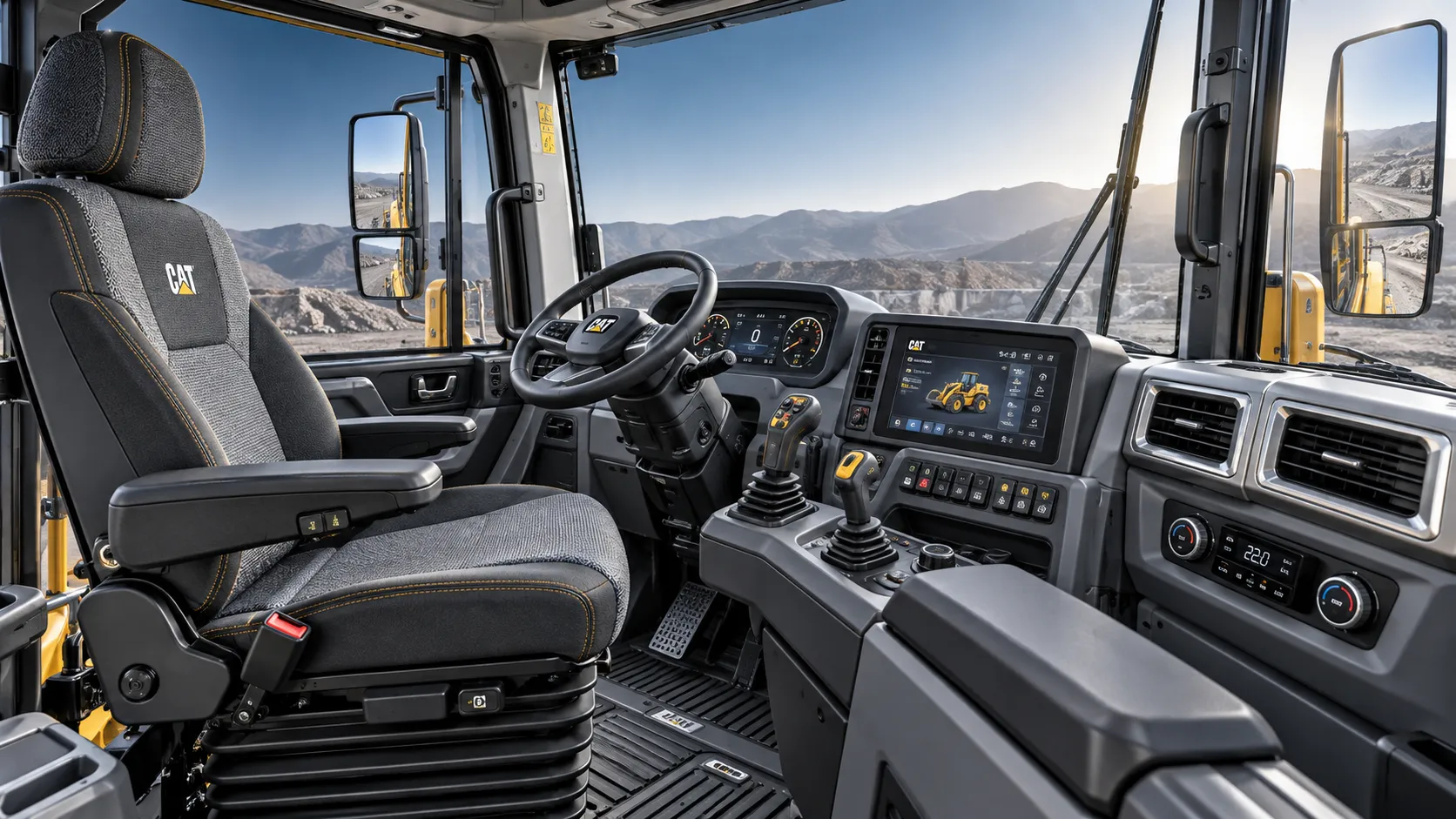
How Adjustable Cabin Ergonomics Reduce Operator Fatigue in Long-Shift Vehicles
Adjustable cabin ergonomics reduces operator fatigue through better seating, reach, visibility, vibration control, and climate comfort for safer long-shift vehicles.
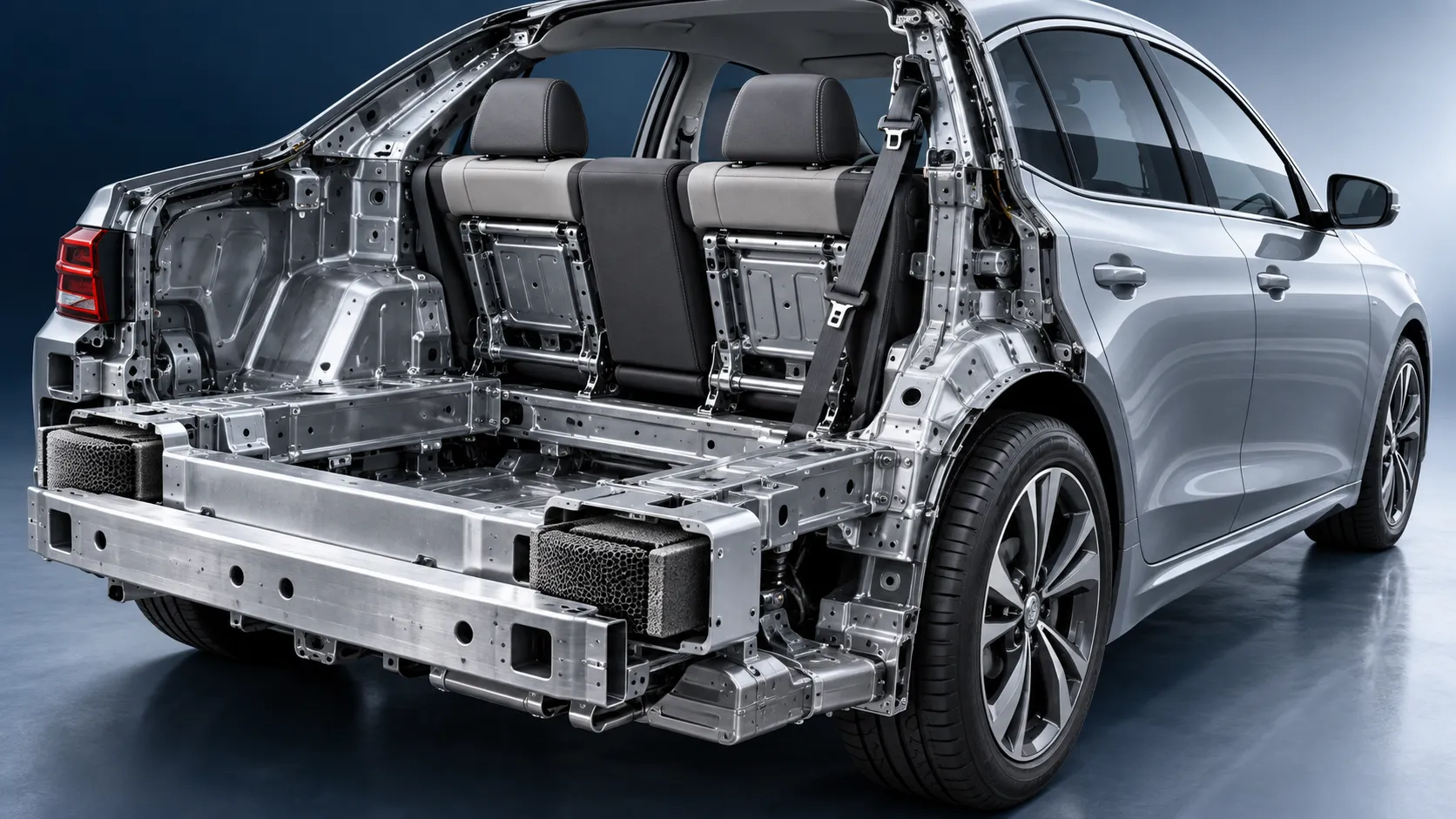
How Rear-Impact Safety Components Work Together to Protect Vehicle Occupants
Explore how automotive safety components for rear impact work together—from crash structures and seats to head restraints and belts—to enhance occupant protection.

How to Evaluate a Marine Safety Systems Manufacturer for Vessel Compliance and Reliability
Marine safety systems manufacturer evaluation guide: verify compliance, engineering quality, lifecycle costs, and global service support for safer, reliable vessel operations.
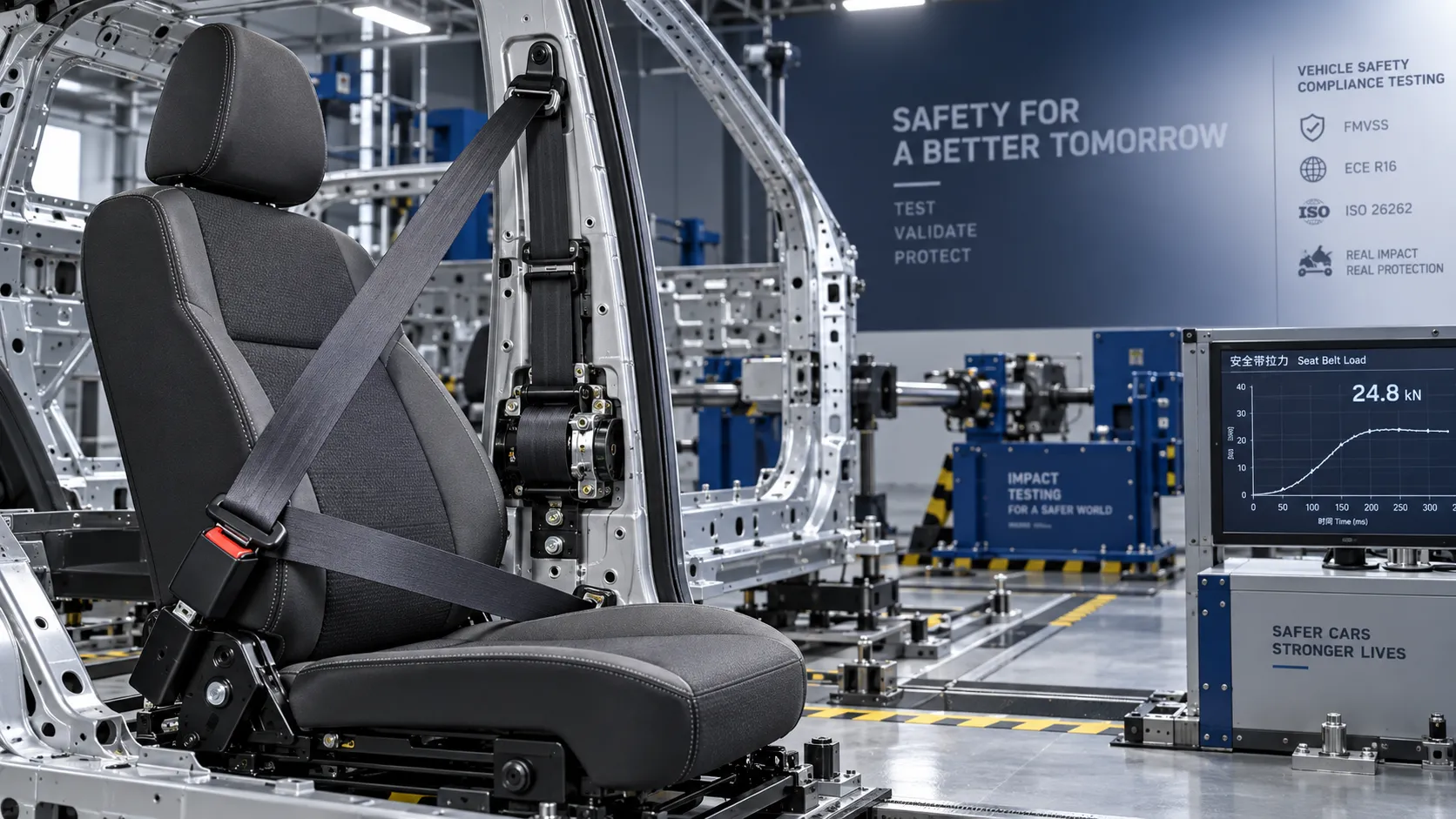
Crash Test Regulations for Seatbelts: Key Compliance Requirements Explained
Crash test regulations seatbelts explained: explore FMVSS, UN rules, anchorage strength, and dynamic restraint testing for safer, compliant vehicle systems.

How to Calculate the Total Cost of Automotive Lightweighting for a Vehicle Program
Automotive lightweight solutions cost: learn how to calculate program-level costs, including materials, tooling, joining, validation, risk, and vehicle-level value.

How Automotive Seat Occupancy Sensing Improves Airbag Deployment Decisions
Automotive seat occupancy sensing helps optimize airbag deployment decisions, improving passenger classification, safety diagnostics, and compliance across real-world conditions.

What Drives Lightweight Body Component Costs in High-Volume Vehicle Programs?
Lightweight body components cost depends on material yield, forming, joining, tooling, validation, and logistics. Explore proven ways to optimize total vehicle program cost.
Related News
- 00
0000-00
How to Evaluate an Aluminum Automotive Stampings Supplier for Cost, Quality, and Lead Time - 00
0000-00
How to Evaluate Aluminum for Vehicle Lightweight Solutions: Key Trade-Offs in Cost, Strength, and Formability - 00
0000-00
Stamped Aluminum Body Parts: Key Grades, Forming Limits, and Best-Fit Vehicle Applications - 00
0000-00
How Aluminum Automotive Stampings for Body Panels Improve Weight, Corrosion Resistance, and Formability - 00
0000-00
Automotive Lightweight Solutions: How to Compare Materials, Processes, and Cost Drivers
Weekly Insights
Stay ahead with our curated technology reports delivered every Monday.