
How vehicle lightweight solutions cut cost without risk
Vehicle lightweight solutions are shifting from cost tactic to risk-controlled growth strategy
For procurement teams under pressure to lower material, logistics, and compliance costs, vehicle lightweight solutions offer a practical path to stronger margins without compromising safety or supply reliability.
From high-strength steel stampings to magnesium seat frames and optimized passive safety components, the right strategy reduces total vehicle weight while protecting crash performance, quality consistency, and long-term sourcing value.
Across the mobility sector, weight reduction is no longer just an engineering ambition. It now shapes sourcing choices, freight economics, regulatory readiness, and platform competitiveness.
This is why vehicle lightweight solutions are attracting attention far beyond design teams. Their impact now reaches cost control, supply resilience, cabin safety, and lifecycle efficiency.
Current signals show lightweighting is being judged by total cost, not part price alone
The strongest market signal is simple. Buyers are evaluating weight reduction through total cost of ownership rather than isolated component quotations.
A lighter body structure can reduce fuel or energy demand. It can also ease transport loads, simplify assembly interfaces, and improve emissions compliance.
At the same time, lightweight decisions are being screened more carefully for risk. Poor material substitution can create quality escapes, repair complexity, or unstable sourcing.
That is why vehicle lightweight solutions with proven crash data, process maturity, and multi-region supply support are gaining priority over experimental alternatives.
In sectors covered by GNCS, this trend is visible in hot-stamped body parts, airbag housings, seat structures, and seatbelt-related integration zones.
What the market is rewarding now
- Weight reduction backed by validated crash and fatigue performance.
- Material changes that preserve forming speed and quality yield.
- Structures that lower logistics cost without adding repair risk.
- Vehicle lightweight solutions compatible with global compliance pathways.
The main forces behind vehicle lightweight solutions are becoming more structural
Several forces are pushing lightweighting from optional improvement to strategic requirement. These drivers are economic, technical, and regulatory at the same time.
These drivers explain why demand is rising for balanced solutions rather than extreme substitutions. The market wants savings, but not at the expense of operational confidence.
Where cost savings appear first when vehicle lightweight solutions are deployed well
The cost benefits of lightweighting often appear in multiple layers. Some are visible immediately, while others emerge over the full product lifecycle.
Direct and indirect savings areas
- Reduced raw material usage through geometry optimization and thinner high-strength sections.
- Lower shipping cost due to decreased component and system mass.
- Potential assembly simplification through part integration and better structural packaging.
- Improved energy efficiency during vehicle use.
- Lower compliance burden when emissions or efficiency targets become easier to meet.
In automotive body systems, hot-stamped ultra-high-strength steel can reduce gauge while retaining structural capability. That creates a realistic balance between mass reduction and scalable production.
In seating, magnesium or mixed-material frames can remove unnecessary weight from a high-volume interior system. The gain often extends to comfort, actuation response, and package flexibility.
Vehicle lightweight solutions also matter in passive safety zones. Smart design can reduce mass around restraint systems without reducing load path reliability.
Risk stays low only when lightweighting is validated across safety, process, and supply
The phrase “without risk” should never mean “without testing.” It should mean that risks are identified early and controlled through data, tooling discipline, and sourcing structure.
Many failed lightweight projects do not fail because the material is weak. They fail because joining, corrosion control, tolerance behavior, or regional supply readiness was underestimated.
Critical risk checkpoints
- Crash performance under real load cases, not just coupon testing.
- Forming stability, springback control, and scrap rate in mass production.
- Joining compatibility with adhesives, welding, riveting, or hybrid methods.
- Corrosion durability across climate and service conditions.
- Repairability, replacement cost, and aftersales complexity.
- Regional dual-source or backup-source feasibility.
This is where intelligence-led evaluation matters. GNCS tracks evolving standards, material pathways, and safety architectures that influence lightweight implementation quality.
Vehicle lightweight solutions become commercially safer when technical validation and market intelligence move together rather than separately.
Different business functions feel the impact of vehicle lightweight solutions in different ways
Lightweighting affects more than engineering outcomes. It changes how costs, schedules, quality controls, and compliance plans are managed across the business.
Because the effects are cross-functional, the best vehicle lightweight solutions are reviewed as platform decisions, not isolated part changes.
The most important focus points are shifting toward material fit, system balance, and data confidence
Three years ago, the main question was often how much weight could be removed. Today, the better question is how much reliable value each kilogram can deliver.
Key points worth close attention
- Use the right material in the right zone, not one material everywhere.
- Prioritize lightweight body and seating systems with proven production references.
- Measure total landed cost, not only quoted component price.
- Check whether passive safety interfaces remain stable after mass reduction.
- Include compliance evolution in long-term vehicle lightweight solutions planning.
This balanced approach is especially relevant for mixed-material architectures. The value comes from integration quality, not simply from using advanced alloys.
A practical path forward is to evaluate lightweighting by stage, evidence, and supply resilience
A disciplined response avoids both delay and overreach. The smartest route is to phase decisions based on readiness and measurable business return.
Suggested decision path
- Map high-mass systems with strong savings potential.
- Screen candidate vehicle lightweight solutions against crash and process evidence.
- Compare total cost effects across material, tooling, logistics, and compliance.
- Validate supplier depth and regional continuity before commitment.
- Track field and production data for continuous optimization.
This framework helps separate real value from marketing claims. It also supports more confident decisions in body structures, seat assemblies, and safety-related modules.
Vehicle lightweight solutions cut cost without risk when they are treated as evidence-based system upgrades. The strongest results come from linking weight reduction to safety, manufacturability, and compliance from the start.
For organizations following GNCS, the next step is clear: monitor validated material trends, compare region-specific standards, and focus on lightweight pathways that improve margin while preserving trust in every critical component.
Related News
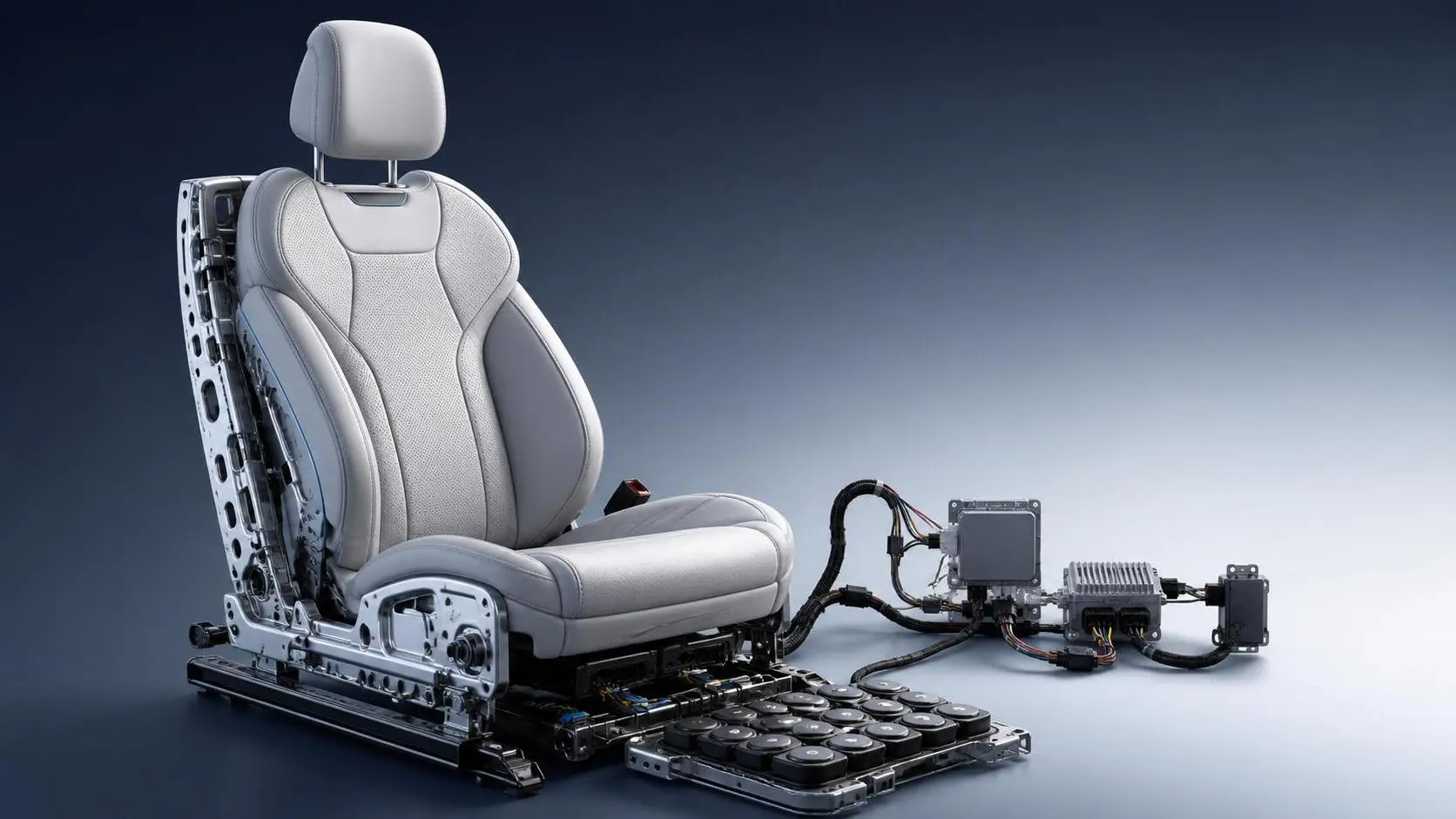
How to Evaluate Custom Smart Automotive Seating for Premium Vehicle Programs?
Custom smart automotive seating evaluation starts with safety, comfort, integration, and production readiness. Discover how premium vehicle teams choose smarter, lower-risk seat solutions.
B2B Product Intelligence Platforms: How to Compare Features, Data Coverage, and ROI
B2B product intelligence platform comparison: learn how to evaluate data coverage, feature depth, compliance visibility, and ROI to choose a sourcing tool that reduces risk and speeds decisions.
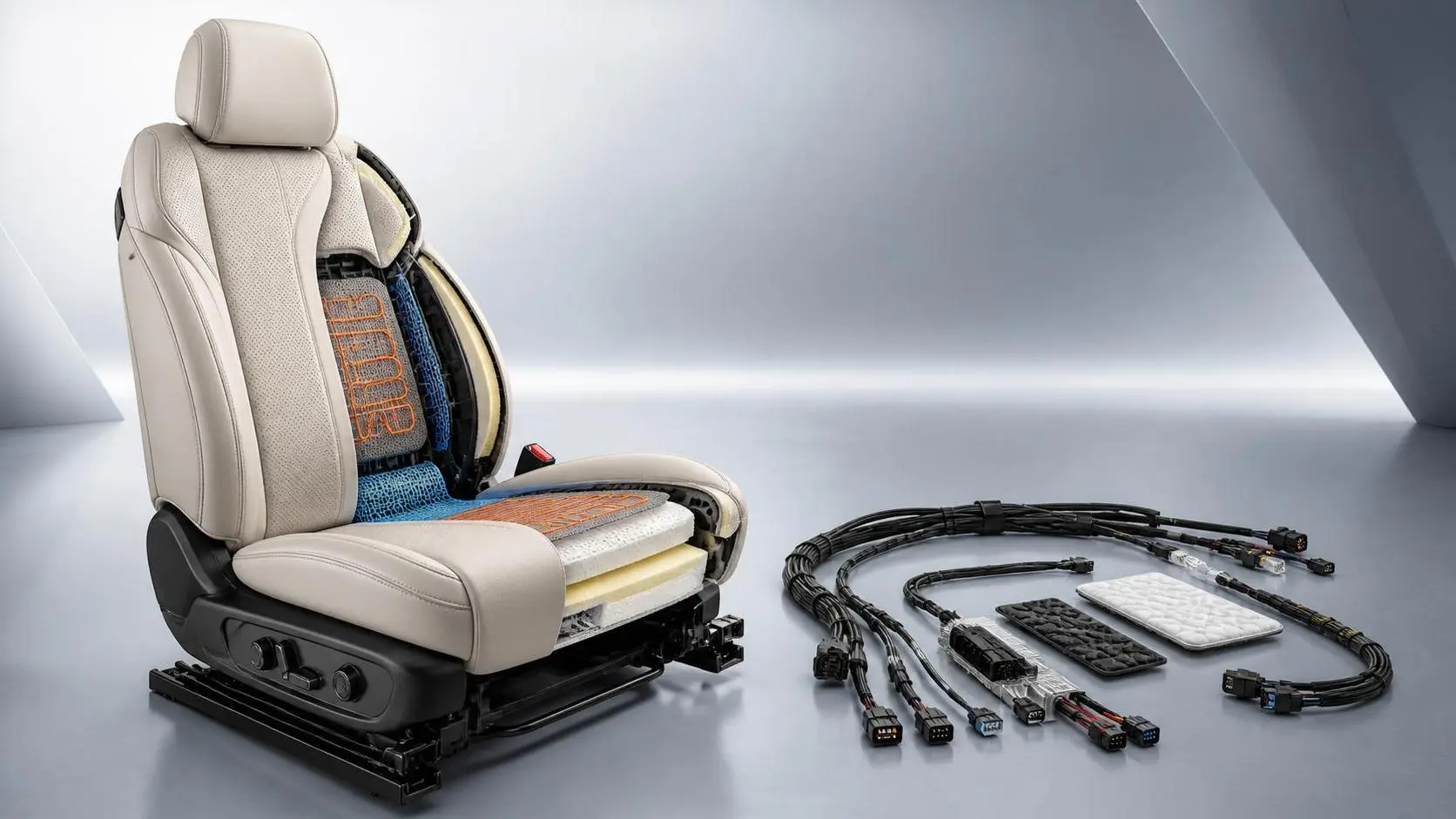
Climate Control Seats Cost: What Drives Price and Long-Term Ownership Value?
Climate control seats cost depends on materials, thermal tech, and integration. Learn what drives price and how to judge long-term value before you buy.

What Factors Drive Marine Navigation Components Cost in Commercial Vessel Projects?
Marine navigation components cost is shaped by integration, compliance, installation, and lifecycle support. Discover what drives pricing and how buyers can reduce risk while improving value.

How Much Does Seat Occupancy Sensing Cost? Key Pricing Factors for Buyers
Seat occupancy sensing price varies widely by technology, integration, and compliance needs. Learn the key cost drivers, avoid hidden fees, and make smarter buying decisions.
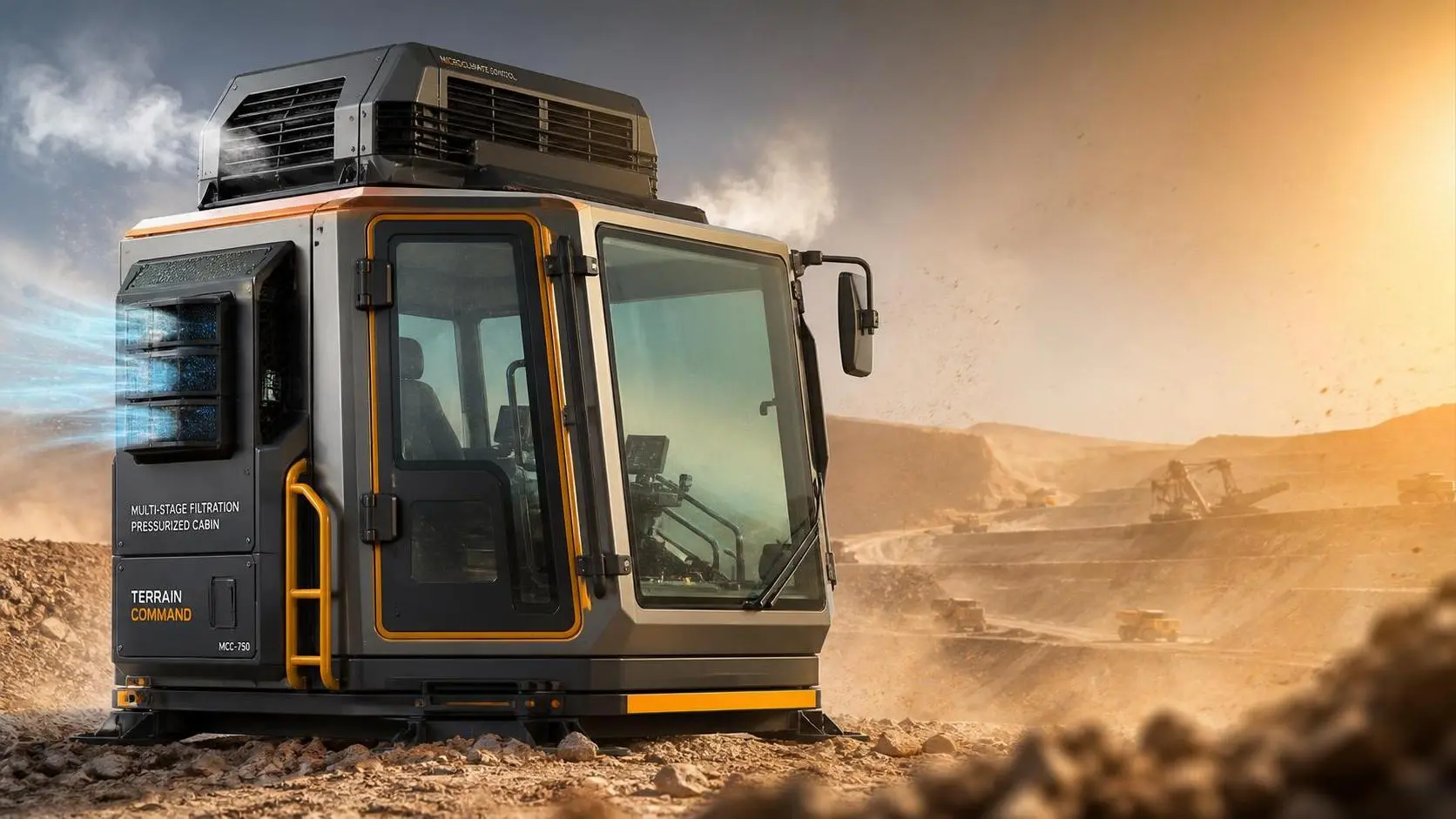
How to Specify Micro-Climate Control Cabins for Harsh Outdoor Worksites?
Micro-climate control cabins for harsh outdoor worksites: learn how to specify thermal control, filtration, pressurization, and durability for safer uptime and smarter buying.

How to Evaluate a B2B Product Knowledge Platform for Faster Procurement Decisions
B2B product knowledge platform procurement starts with reducing decision risk. Learn how to compare specs, compliance, and supplier data to speed sourcing with confidence.

How to Evaluate an Occupant Restraint Systems Exporter for Quality, Compliance, and Supply Risk
Occupant restraint systems exporter evaluation guide: learn how to verify quality controls, compliance evidence, and supply risk before sourcing to avoid recalls, delays, and hidden costs.

Navigation Compliance Certification: Which Marine Systems Need It and How to Prepare?
Navigation compliance certification explained: discover which marine systems need approval, what documents matter, and how to prepare early to avoid delays, rework, and costly project risks.
Related News
- 00
0000-00
How to Evaluate an Aluminum Automotive Stampings Supplier for Cost, Quality, and Lead Time - 00
0000-00
How to Evaluate Aluminum for Vehicle Lightweight Solutions: Key Trade-Offs in Cost, Strength, and Formability - 00
0000-00
Stamped Aluminum Body Parts: Key Grades, Forming Limits, and Best-Fit Vehicle Applications - 00
0000-00
How Aluminum Automotive Stampings for Body Panels Improve Weight, Corrosion Resistance, and Formability - 00
0000-00
Automotive Lightweight Solutions: How to Compare Materials, Processes, and Cost Drivers
Weekly Insights
Stay ahead with our curated technology reports delivered every Monday.