
How Automotive Crash Protection Systems Are Selected for EVs and Lightweight Vehicles
Selecting automotive crash protection for EVs and lightweight vehicles is no longer a simple matter of adding stronger parts. Battery packs, mixed materials, and stricter test regimes have changed the logic of safety engineering.
The core task is to control crash energy, protect occupants, preserve critical vehicle zones, and still meet ambitious mass targets. That balance matters across the wider mobility equipment sector, where structural efficiency and compliance increasingly shape product value.
From the GNCS perspective, this topic sits at the intersection of lightweight body design, passive safety components, and cabin protection strategy. In practice, effective evaluation depends on seeing the vehicle as one connected containment system rather than a collection of isolated parts.
Why selection criteria have changed
Conventional crash structures were developed around internal combustion layouts, familiar mass distribution, and steel-dominant bodies. EV architectures disrupt all three conditions.
A floor-mounted battery raises the importance of underbody integrity. Compact front modules can alter deformation space. Lightweight vehicles also rely more heavily on aluminum, tailored blanks, adhesives, and hybrid joining methods.
That means automotive crash protection must be selected with attention to load paths, intrusion management, thermal risk, and restraint timing. A part that performs well in one platform may behave poorly in another.
This is also why industry observers track not only crash ratings, but the material and systems logic behind them. GNCS follows that logic through body stampings, airbag assemblies, seatbelt systems, and seat structures as one integrated safety chain.
What automotive crash protection includes in modern vehicles
In technical terms, automotive crash protection covers more than visible impact beams. It includes every structure and restraint element that manages energy or controls occupant motion during a collision.
Structural protection layers
These are the body-side and underbody systems that absorb, redirect, or contain crash loads. Typical examples include front crash boxes, side sills, cross members, pillars, battery enclosures, and reinforced seat mounts.
Occupant containment layers
These include airbags, seatbelts, pretensioners, load limiters, seat frames, head restraints, and occupant sensing logic. Their role is to synchronize with structural deformation, not compensate for poor structural behavior.
System control layers
Sensors, controllers, and calibration strategies determine when protection devices deploy and how they respond to crash severity, seating position, and vehicle orientation.
For lightweight vehicles, these layers must work within tighter packaging and smaller crash margins. Selection therefore becomes a systems engineering exercise rather than a component checklist.
The evaluation logic behind system selection
A strong assessment starts with crash intent. The vehicle must be examined according to the impact modes it is most likely to face and the regulations it must satisfy.
This evaluation logic helps explain why automotive crash protection cannot be chosen only by nominal strength or material grade. Performance under dynamic loading is the real filter.
Materials matter, but load paths matter more
Lightweighting often creates the impression that material substitution alone can solve the problem. In reality, replacing steel with aluminum or composites changes energy management in ways that require a new structural strategy.
High-strength steel can preserve survival space with controlled deformation. Aluminum can reduce mass, but often needs larger sections or different joining concepts. Multi-material bodies can perform very well, yet only if transitions between zones are carefully engineered.
The best automotive crash protection concepts therefore focus on continuous load paths. Energy must flow through predictable routes, away from the occupant cell and away from the battery enclosure.
This is one reason auto body stampings remain central. Tailored thickness, hot-formed reinforcements, and geometry-driven collapse behavior often decide whether a lightweight platform behaves safely in a real crash.
Cabin protection is part of the same decision
A vehicle may show strong structural performance and still deliver poor occupant outcomes if the restraint system is not aligned with deformation timing.
Airbags, seatbelts, and seat assemblies should be assessed as linked components. Belt pretensioning force, load limiting thresholds, airbag venting, and seatback stiffness all influence occupant motion.
In lightweight vehicles, seat mounting zones and floor stiffness deserve extra scrutiny. If the local structure moves too much, restraint geometry changes during impact, reducing protection quality.
GNCS often frames this as physical containment protection. The phrase is useful because it emphasizes what matters in practice: keeping the occupant within a survivable motion envelope while the structure manages crash energy outside that envelope.
Where technical evaluators usually focus first
In real project reviews, several questions tend to reveal whether an automotive crash protection concept is robust or only superficially optimized.
- Does the front and side structure protect the battery without creating excessive deceleration for occupants?
- Do joints and interfaces behave consistently under mixed loading, including bending, shear, and torsion?
- Are restraint calibrations validated for different seating positions, body sizes, and crash pulses?
- Is lightweighting concentrated in non-critical zones, or has it weakened key containment paths?
- Can the design maintain performance after manufacturing variation, repair events, or minor pre-damage?
These checks are practical because they connect simulation results, material selection, and certification readiness. They also reduce the risk of late-stage redesign.
Regulations, ratings, and market pressure
Crash protection decisions are shaped by more than engineering preference. IIHS, Euro NCAP, and related programs influence body architecture, restraint logic, and even component sourcing.
For EVs, compliance expectations increasingly extend beyond occupant injury metrics. Battery integrity, post-crash isolation, and rescue safety are now part of the broader safety conversation.
This is where intelligence platforms like GNCS add value. Tracking regulation shifts, material evolution, inflator chemistry, and seat frame lightweighting helps translate external signals into earlier design decisions.
In commercial terms, better automotive crash protection selection also protects program timing. It supports supplier credibility, lowers validation risk, and improves the chance of meeting premium platform requirements.
A practical way to compare options
When several protection concepts appear technically feasible, comparison should stay structured and evidence-based.
Start with system priorities
Define the non-negotiables first: target crash ratings, battery protection threshold, cabin intrusion limits, mass budget, and manufacturing constraints.
Then compare interaction effects
A lighter side sill may require stronger cross members. A stiffer seat structure may require different belt load management. Single-point optimization often shifts risk elsewhere.
Use validation depth as a decision factor
Preference should go to solutions supported by simulation correlation, crash test evidence, material traceability, and manufacturing repeatability data.
That approach makes automotive crash protection selection more defensible, especially when a project must balance innovation with certification confidence.
What to review next
For the next evaluation step, it helps to map the vehicle into three connected zones: energy absorption, occupant containment, and battery preservation. Weakness in one zone usually affects the other two.
Then compare candidate structures, restraint packages, and joining methods against the actual crash cases that matter most. Benchmarks are useful, but platform-specific behavior should lead the decision.
The most reliable automotive crash protection choices usually come from disciplined cross-checking, not from the strongest single component. In EVs and lightweight vehicles, the winning solution is the one that manages energy, preserves space, and remains manufacturable at scale.
A sensible next move is to build a review matrix that links crash modes, structural paths, restraint timing, and compliance targets. That creates a clearer basis for judging whether a protection concept is merely promising or truly ready.
Related News
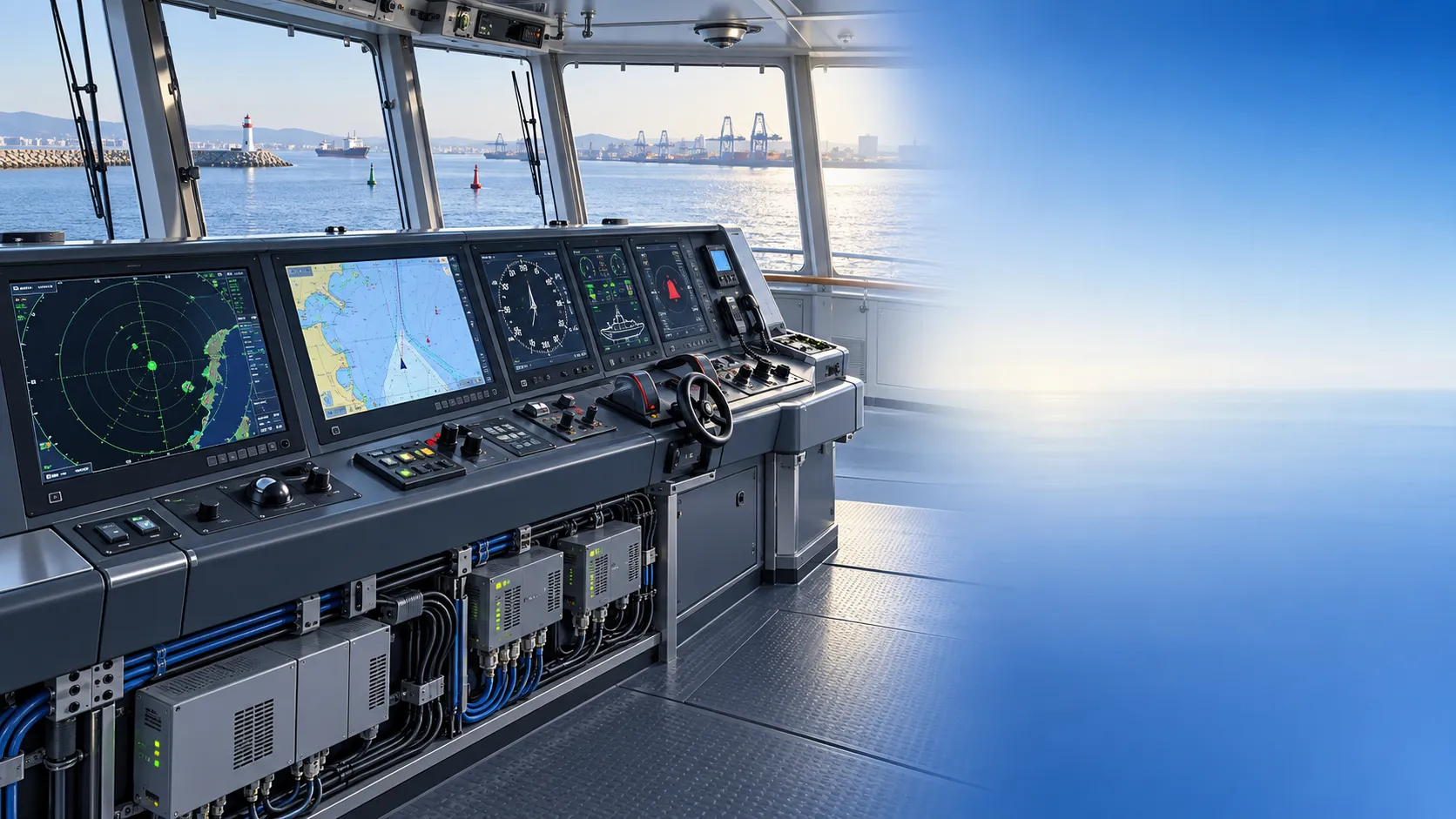
How to Specify Integrated Marine Electronics for Reliable Bridge Operations
Integrated marine electronics: learn how to specify reliable bridge systems with clear data flows, redundancy, alarm control, lifecycle interfaces, and operational testing.

How to Evaluate Navigation Radar Manufacturers for Commercial Vessel Projects
Navigation radar manufacturers: learn how to compare performance, compliance, integration, support, and lifecycle cost for commercial vessel projects.
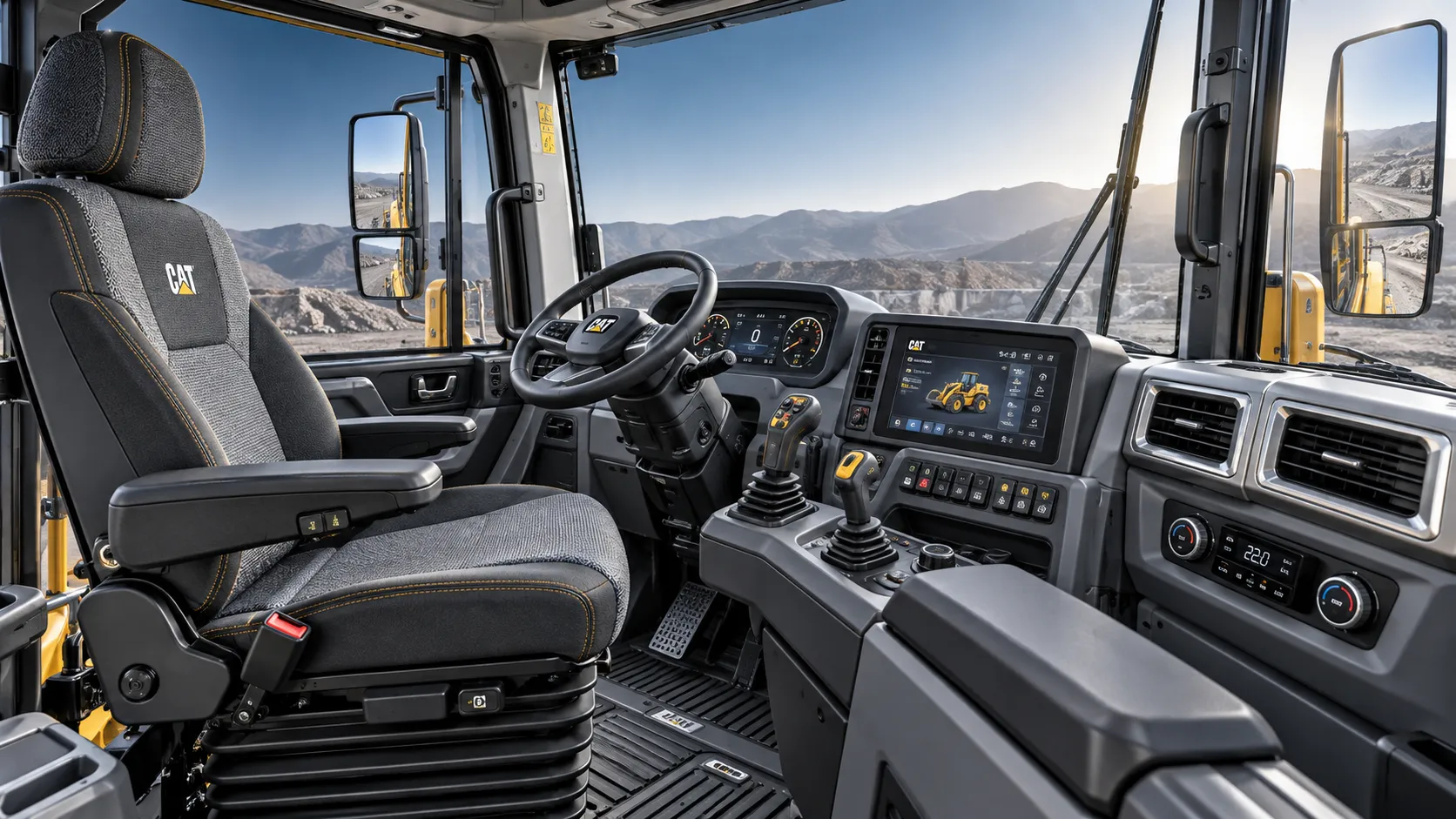
How Adjustable Cabin Ergonomics Reduce Operator Fatigue in Long-Shift Vehicles
Adjustable cabin ergonomics reduces operator fatigue through better seating, reach, visibility, vibration control, and climate comfort for safer long-shift vehicles.
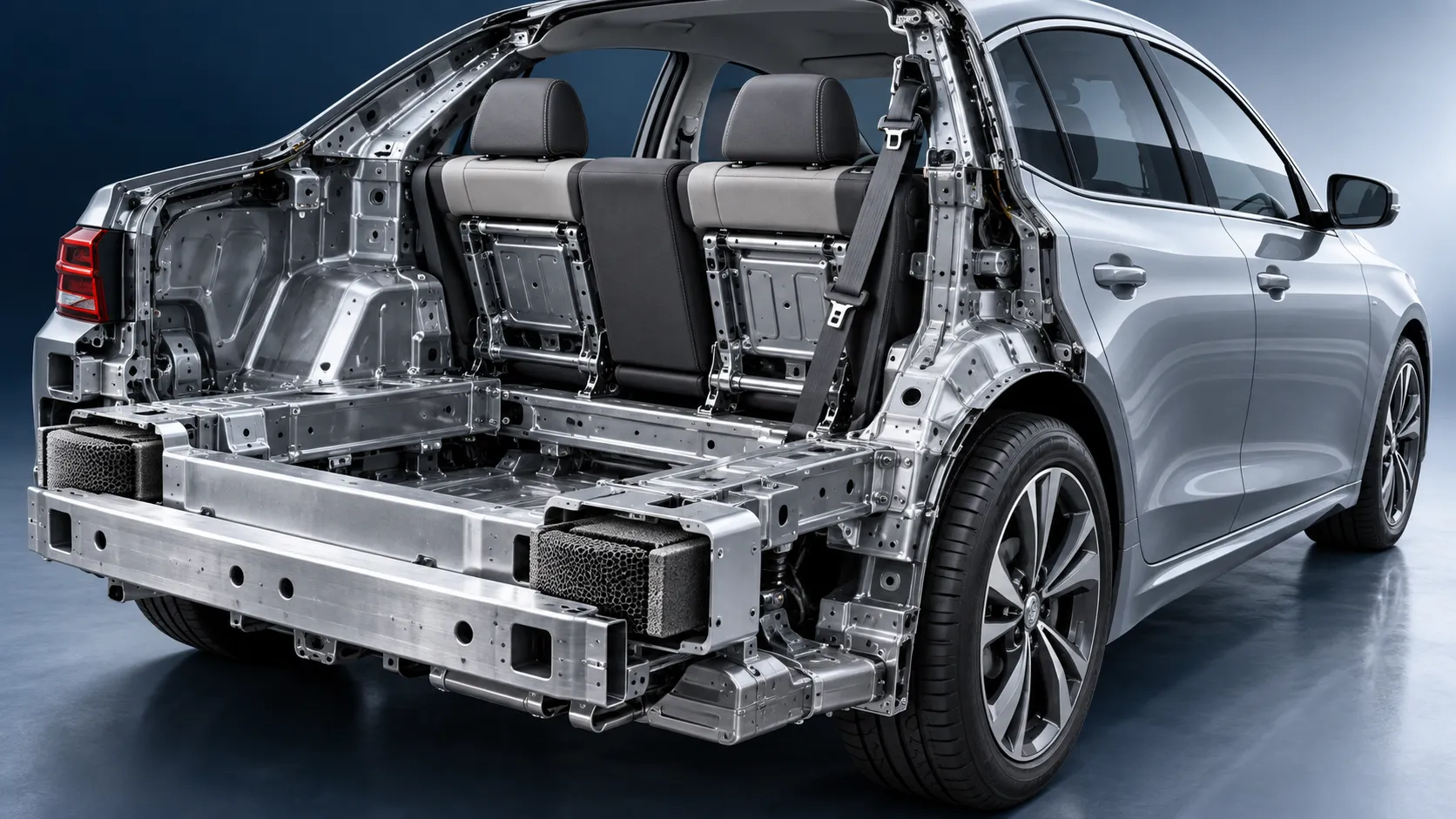
How Rear-Impact Safety Components Work Together to Protect Vehicle Occupants
Explore how automotive safety components for rear impact work together—from crash structures and seats to head restraints and belts—to enhance occupant protection.
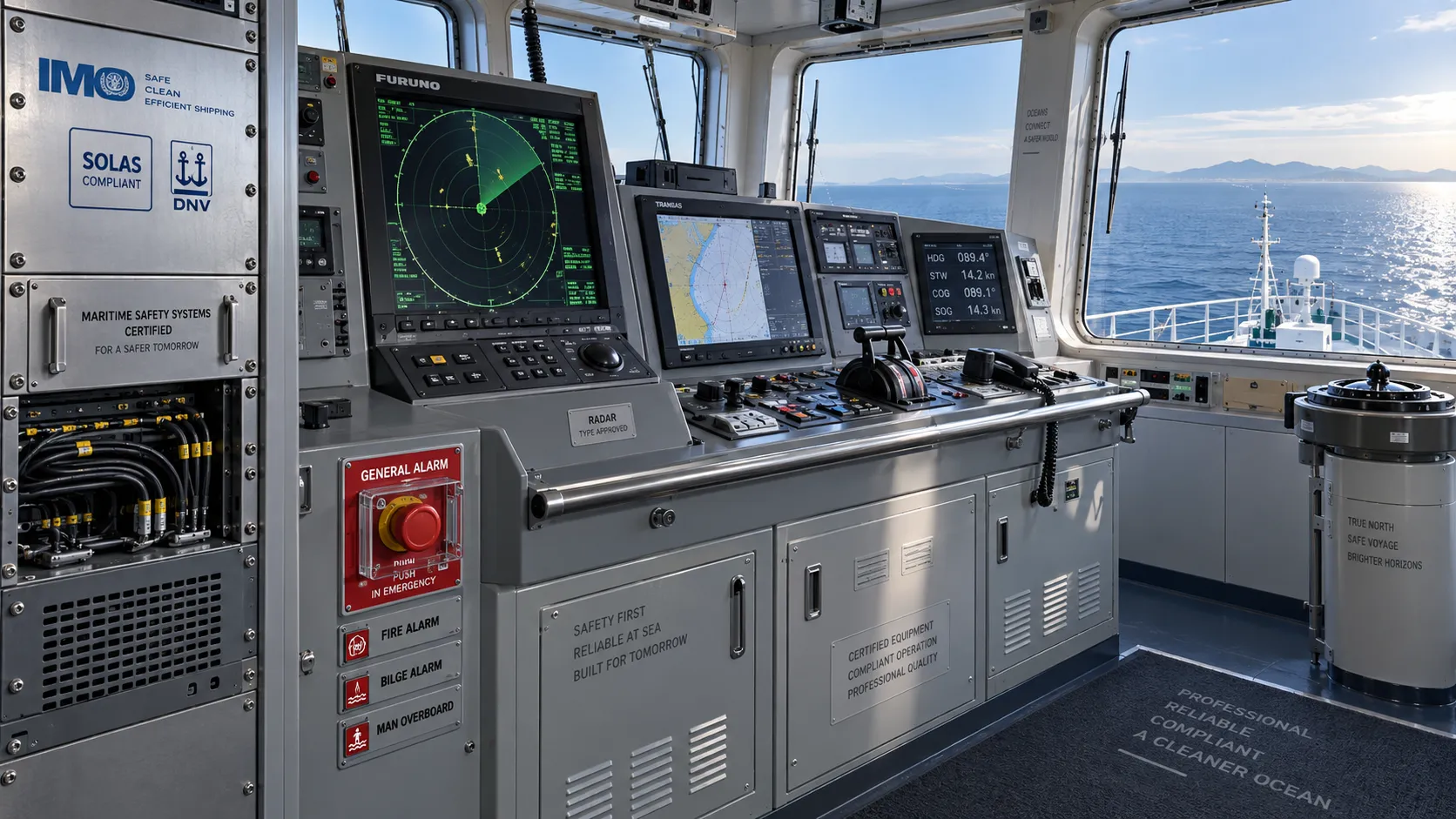
How to Evaluate a Marine Safety Systems Manufacturer for Vessel Compliance and Reliability
Marine safety systems manufacturer evaluation guide: verify compliance, engineering quality, lifecycle costs, and global service support for safer, reliable vessel operations.
Crash Test Regulations for Seatbelts: Key Compliance Requirements Explained
Crash test regulations seatbelts explained: explore FMVSS, UN rules, anchorage strength, and dynamic restraint testing for safer, compliant vehicle systems.

How to Calculate the Total Cost of Automotive Lightweighting for a Vehicle Program
Automotive lightweight solutions cost: learn how to calculate program-level costs, including materials, tooling, joining, validation, risk, and vehicle-level value.

How Automotive Seat Occupancy Sensing Improves Airbag Deployment Decisions
Automotive seat occupancy sensing helps optimize airbag deployment decisions, improving passenger classification, safety diagnostics, and compliance across real-world conditions.

What Drives Lightweight Body Component Costs in High-Volume Vehicle Programs?
Lightweight body components cost depends on material yield, forming, joining, tooling, validation, and logistics. Explore proven ways to optimize total vehicle program cost.
Related News
- 00
0000-00
How Automotive Seat Occupancy Sensing Improves Airbag Deployment Decisions - 00
0000-00
How Smart Seating Sensors Improve Occupant Detection and Airbag Deployment - 00
0000-00
How to Qualify an Airbag Modules Supplier for OEM Safety and Delivery Requirements - 00
0000-00
How to Select Occupant Safety Systems for Vehicles Operating in the Middle East - 00
0000-00
Which Passive Safety Engineering Standards Apply to Automotive Restraint Systems?
Weekly Insights
Stay ahead with our curated technology reports delivered every Monday.