
Automotive Crash Protection Systems Explained: Key Components and How They Work Together
Why does automotive crash protection matter beyond airbags and seatbelts?
Automotive crash protection is often reduced to airbags. In reality, it is a timed system that manages energy, motion, and occupant position within milliseconds.
That broader view matters because a vehicle does not protect people with one part. It protects them through coordinated structure, restraint, sensing, and interior design.
A strong cabin alone is not enough. An airbag alone is not enough. A seatbelt alone is not enough either.
Modern automotive crash protection works by deciding where crash energy should go, how quickly occupants move, and when protective devices should deploy.
This is why researchers often study passive safety as a network rather than a feature list. The same logic also appears across GNCS coverage of lightweight bodies, airbags, seatbelt systems, and smart seating.
In practical terms, the best automotive crash protection reduces intrusion, controls deceleration, and keeps the body aligned with restraints during impact.
What are the core parts of an automotive crash protection system?
Most people recognize the visible parts first. The hidden structure, however, usually determines whether the rest of the system can work as intended.
The main elements of automotive crash protection usually include the following:
- Body-in-white structure, including reinforced passenger cell sections.
- Crumple zones that deform in a controlled way.
- Seatbelt systems with pretensioners and load limiters.
- Airbag modules for front, side, curtain, and knee protection.
- Seats and head restraints that manage posture and whiplash risk.
- Sensors, control units, and firing logic.
Auto body stampings are especially important because they define load paths. High-strength steel, aluminum, and hot-stamped parts influence stiffness, weight, and energy absorption.
Seat systems also deserve more attention than they usually get. The seat frame, track, recliner, foam, and geometry all affect occupant kinematics during a crash.
At GNCS, this cross-component view is central. Crash performance is not isolated from lightweight design or seating architecture. It depends on both.
How do these components actually work together during a crash?
The sequence is fast, but the logic is clear. Automotive crash protection follows a chain of events rather than a single reaction.
First, the front or side structure begins to deform. This absorbs part of the collision energy before it reaches the passenger compartment.
Almost at the same time, sensors measure deceleration, impact direction, and sometimes occupant status. The control unit interprets those signals in milliseconds.
Then the seatbelt pretensioner removes slack. That step is critical because the occupant must be held in the right position before the airbag becomes effective.
Next, the load limiter manages belt force. Without that balance, chest loads may become too high even if forward motion is reduced.
If crash conditions meet deployment thresholds, airbags inflate to create cushioning surfaces. Front airbags help with head and chest loads. Side and curtain airbags help with lateral impacts.
Meanwhile, the seat and head restraint support body alignment. In rear impacts, this can reduce neck motion. In frontal crashes, seat geometry influences submarining risk.
A simple way to understand automotive crash protection is to think in layers: absorb energy, position the occupant, limit body loads, and preserve survival space.
A quick reference table for how each part contributes
The table below helps separate roles that are often mixed together in everyday discussion.
Why are lightweight body design and smart seating now part of the same conversation?
Years ago, people often discussed crash structure, airbags, and seats as separate topics. That is less useful today.
Vehicle platforms are getting lighter, more electrified, and more electronically managed. As a result, automotive crash protection must meet safety targets without excessive mass.
This is where advanced stampings matter. Hot-stamped steel can create strong occupant cells. Aluminum can help reduce mass, but it changes joining and deformation behavior.
The seat is changing too. Smart seats may include occupancy sensing, posture detection, and integrated restraint strategies. Those details affect deployment logic and injury outcomes.
GNCS often frames this as the connection between physical containment protection and system intelligence. That idea is useful because structure and sensing now influence one another more directly.
In actual development work, the question is no longer just, “Is this part strong?” A better question is, “How does this part behave within the full crash protection chain?”
What are the most common misunderstandings about automotive crash protection?
One common mistake is assuming more airbags automatically mean better protection. Airbag count matters less than timing, coverage, and occupant positioning.
Another misunderstanding is thinking body strength should always mean maximum stiffness. Overly rigid structures can transfer too much force if energy is not managed progressively.
People also underestimate seatbelt technology. Yet in many crashes, belt pretensioning and load limiting do as much safety work as the airbag itself.
A further misconception is that crash ratings tell the whole story. They are useful, but they reflect specific test conditions, vehicle configurations, and regional protocols.
In research, a more reliable approach is to compare several indicators together:
- Structural load paths and intrusion control.
- Occupant restraint strategy and sensor logic.
- Seat interaction and posture management.
- Compliance alignment with IIHS, Euro NCAP, or similar tests.
That broader view is especially useful when reviewing supplier intelligence, technology trends, or future platform changes.
If you are comparing systems or researching suppliers, what should you look at first?
Start with system logic, not marketing labels. The most useful comparison begins with how the vehicle manages energy and occupant motion as one package.
A practical checklist can help narrow the review:
- Which structural materials are used in key load paths?
- How are pretensioners, load limiters, and airbags calibrated together?
- Does the seat design support stable occupant posture in multiple crash modes?
- Which standards or rating protocols shaped the development target?
- Are there trade-offs involving mass, repair complexity, or component replacement cost?
In many cases, cost should be judged over the full safety architecture, not one component at a time. A cheaper part can create a more expensive calibration problem later.
This is also why intelligence platforms like GNCS matter. Good decisions usually come from linking body engineering, passive safety hardware, regulatory shifts, and seating evolution.
So what is the clearest way to understand automotive crash protection today?
The clearest answer is that automotive crash protection is a coordinated containment system. It is designed to absorb energy, preserve cabin space, and manage human motion with precise timing.
If you only examine airbags, you miss the structure. If you only examine structure, you miss the restraint strategy. If you ignore seating, you miss occupant positioning.
A useful next step is to map any vehicle or technology question against four checkpoints: structure, restraint, sensing, and seat interaction.
That framework makes research clearer. It also helps when comparing safety claims, reading crash regulations, or following changes in lightweight body and cabin system design.
In short, better automotive crash protection comes from how the parts work together, not from how impressive each part sounds on its own.
For deeper evaluation, the most practical move is to track component interaction, test context, and material strategy together before drawing conclusions.
Related News
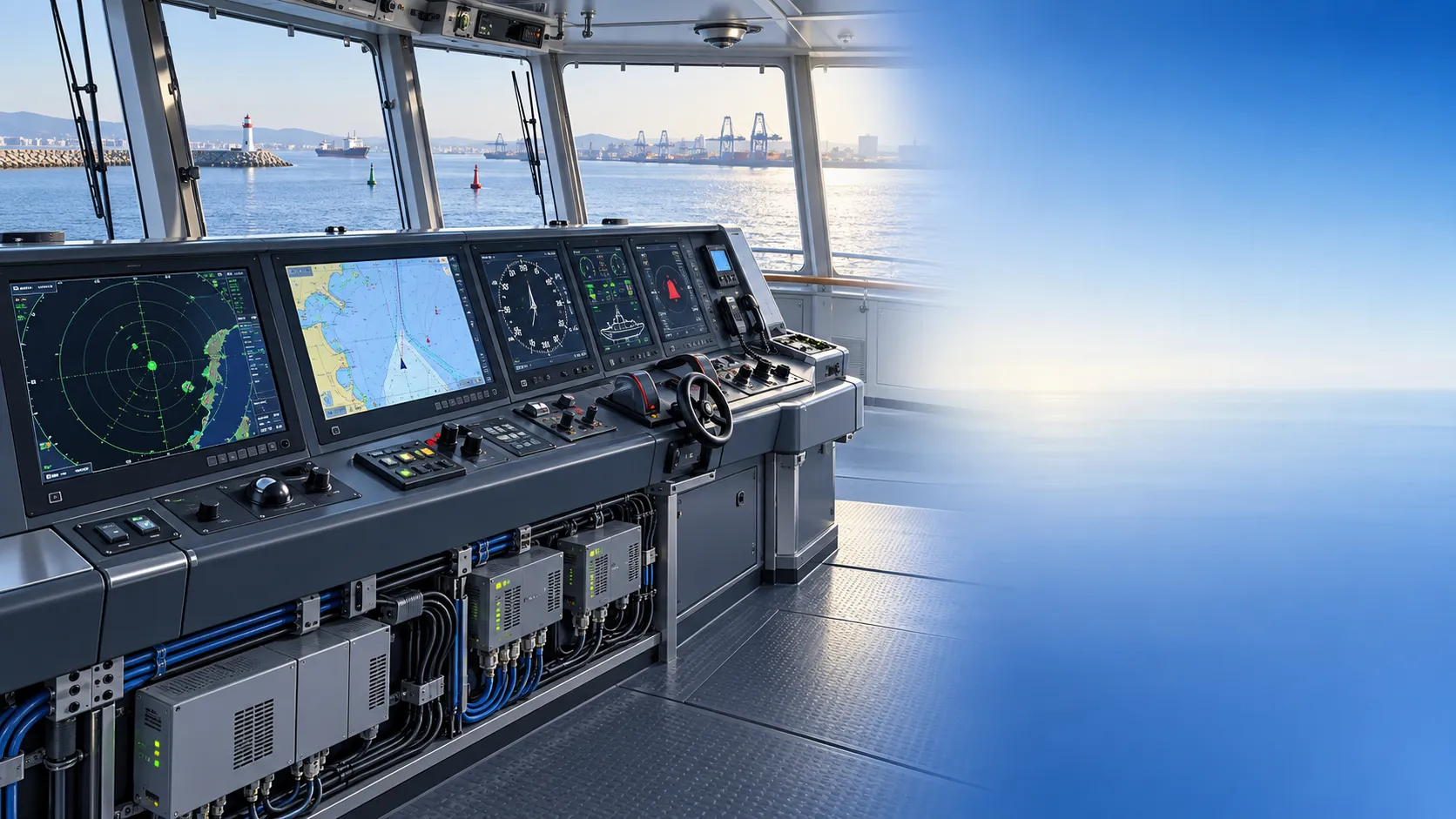
How to Specify Integrated Marine Electronics for Reliable Bridge Operations
Integrated marine electronics: learn how to specify reliable bridge systems with clear data flows, redundancy, alarm control, lifecycle interfaces, and operational testing.

How to Evaluate Navigation Radar Manufacturers for Commercial Vessel Projects
Navigation radar manufacturers: learn how to compare performance, compliance, integration, support, and lifecycle cost for commercial vessel projects.
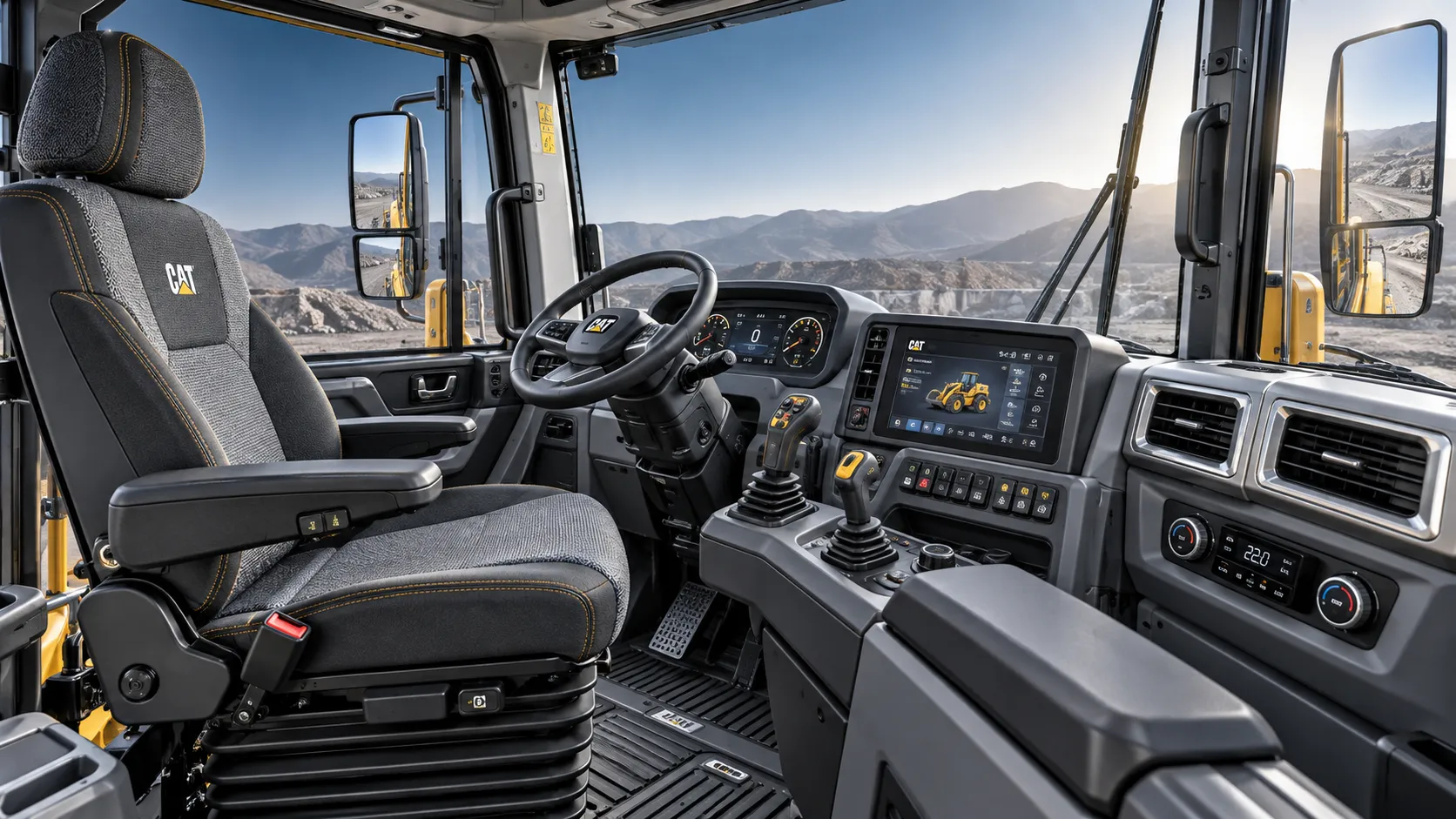
How Adjustable Cabin Ergonomics Reduce Operator Fatigue in Long-Shift Vehicles
Adjustable cabin ergonomics reduces operator fatigue through better seating, reach, visibility, vibration control, and climate comfort for safer long-shift vehicles.
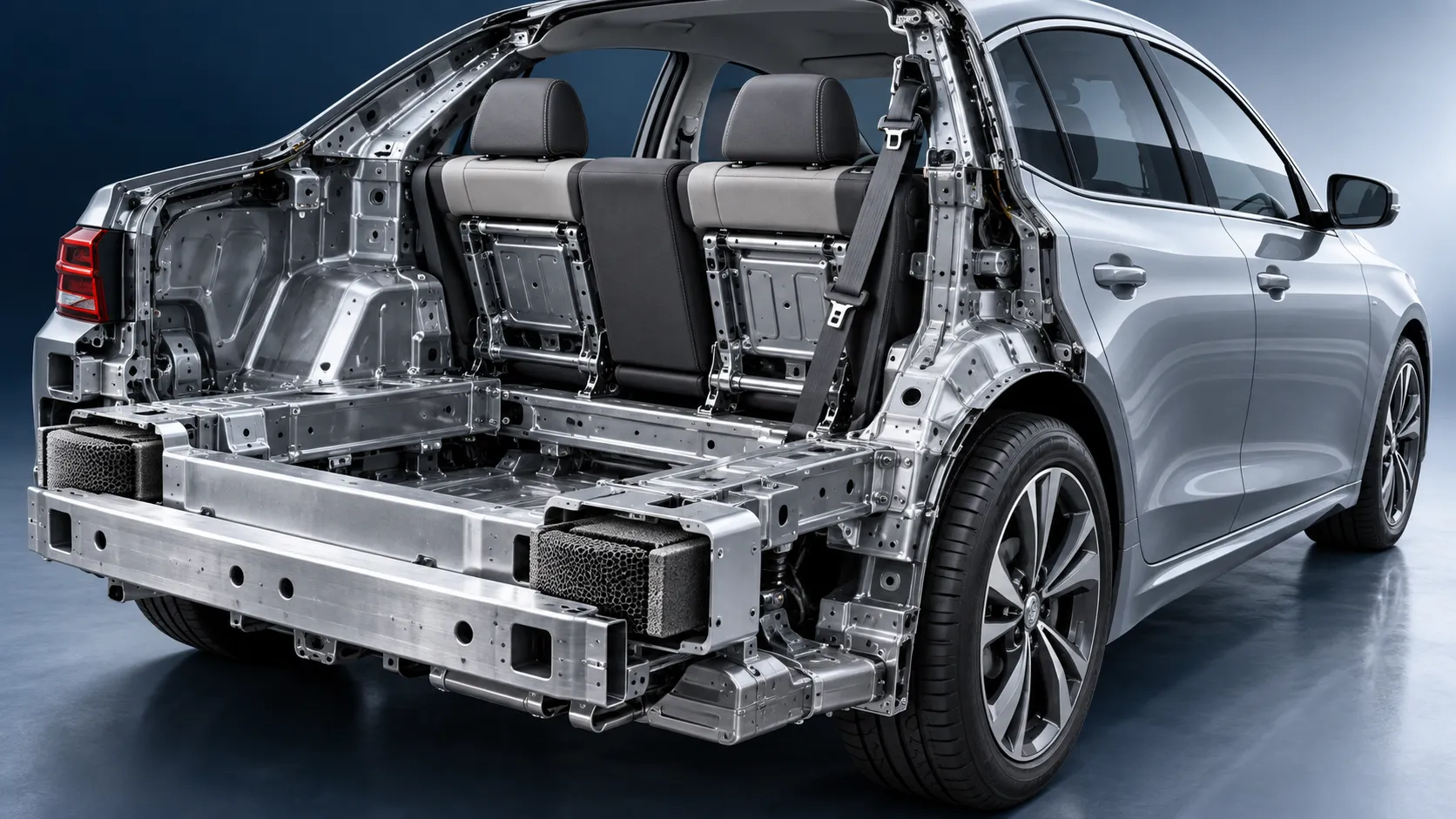
How Rear-Impact Safety Components Work Together to Protect Vehicle Occupants
Explore how automotive safety components for rear impact work together—from crash structures and seats to head restraints and belts—to enhance occupant protection.
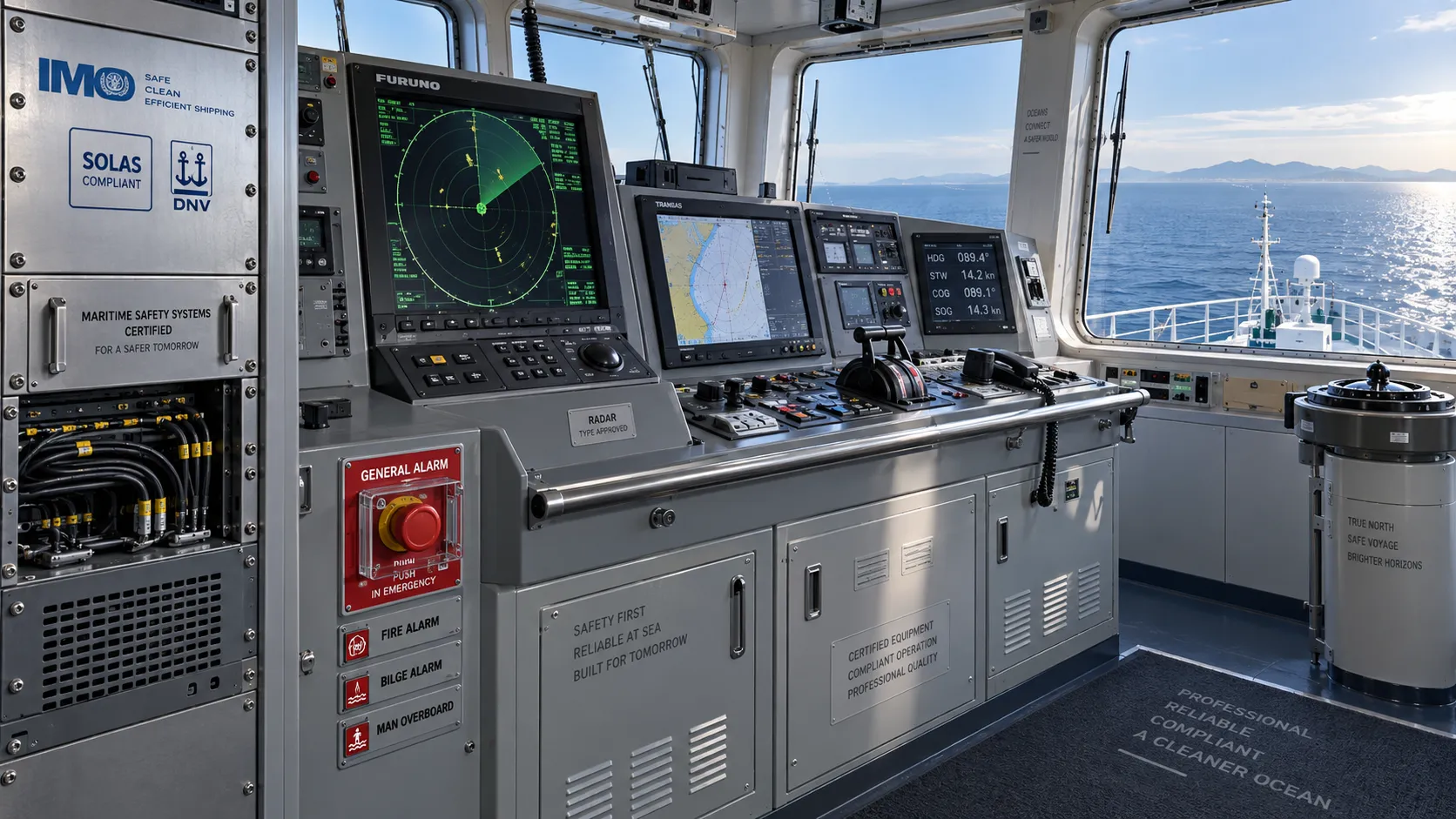
How to Evaluate a Marine Safety Systems Manufacturer for Vessel Compliance and Reliability
Marine safety systems manufacturer evaluation guide: verify compliance, engineering quality, lifecycle costs, and global service support for safer, reliable vessel operations.
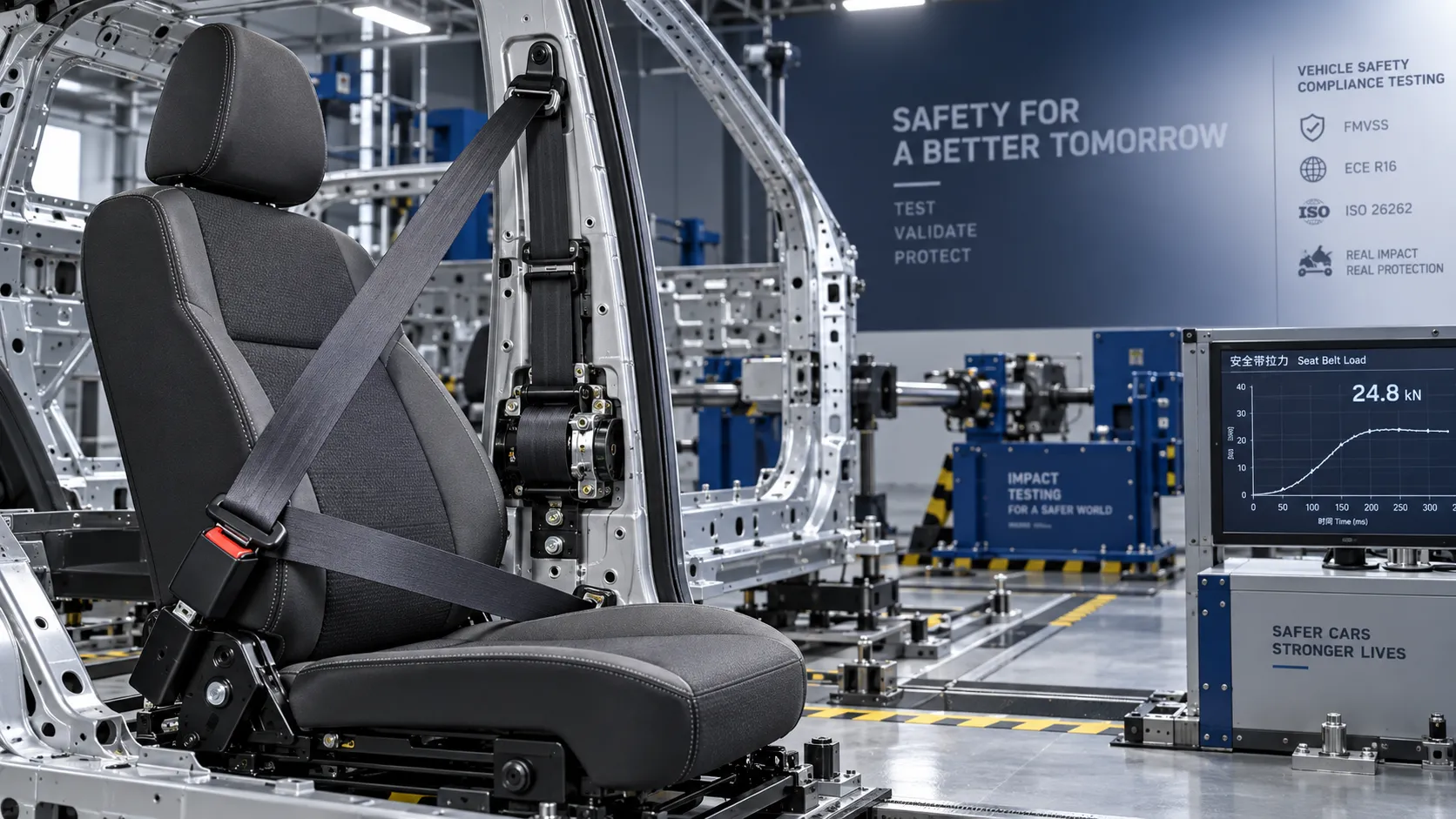
Crash Test Regulations for Seatbelts: Key Compliance Requirements Explained
Crash test regulations seatbelts explained: explore FMVSS, UN rules, anchorage strength, and dynamic restraint testing for safer, compliant vehicle systems.
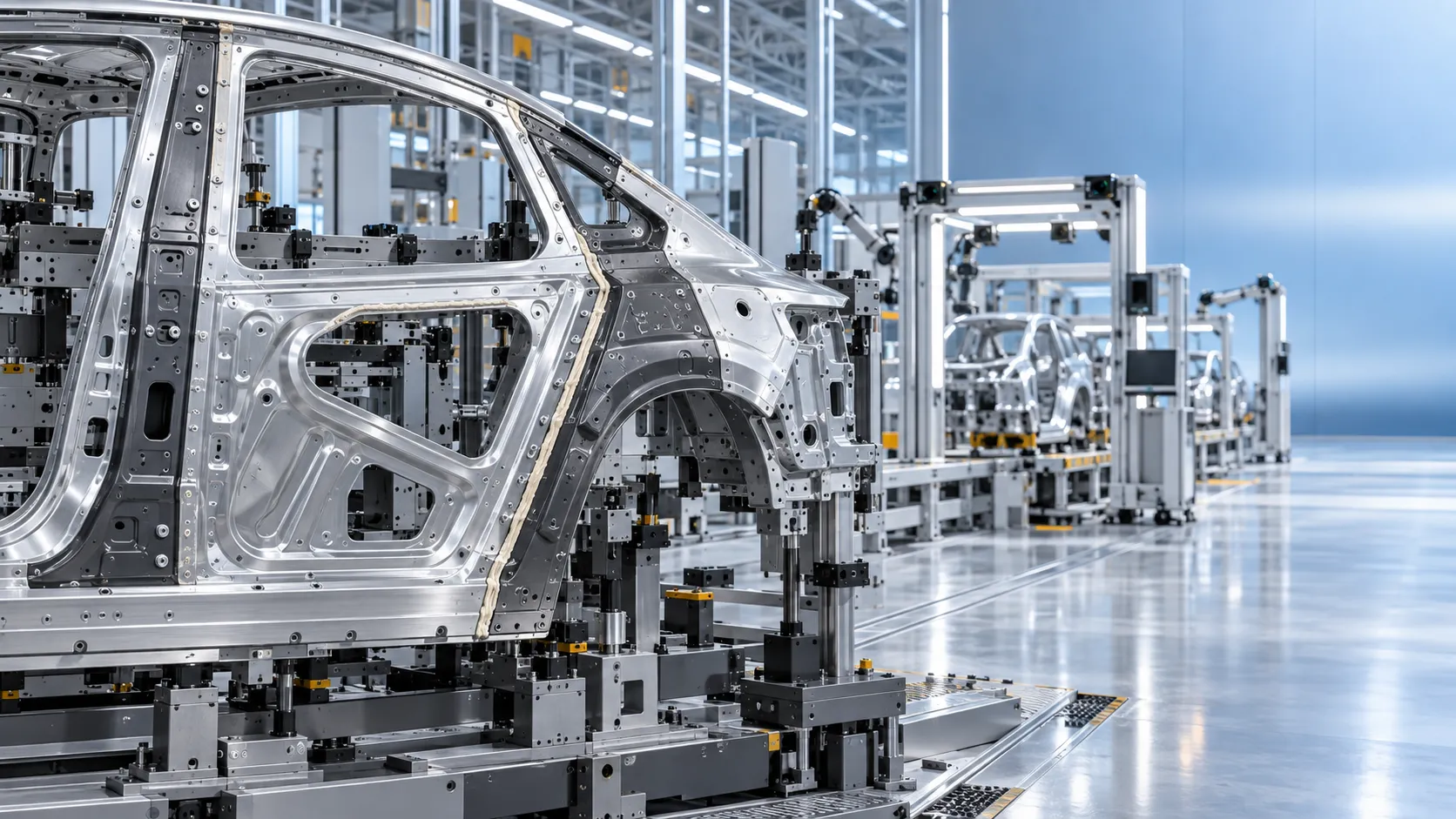
How to Calculate the Total Cost of Automotive Lightweighting for a Vehicle Program
Automotive lightweight solutions cost: learn how to calculate program-level costs, including materials, tooling, joining, validation, risk, and vehicle-level value.

How Automotive Seat Occupancy Sensing Improves Airbag Deployment Decisions
Automotive seat occupancy sensing helps optimize airbag deployment decisions, improving passenger classification, safety diagnostics, and compliance across real-world conditions.
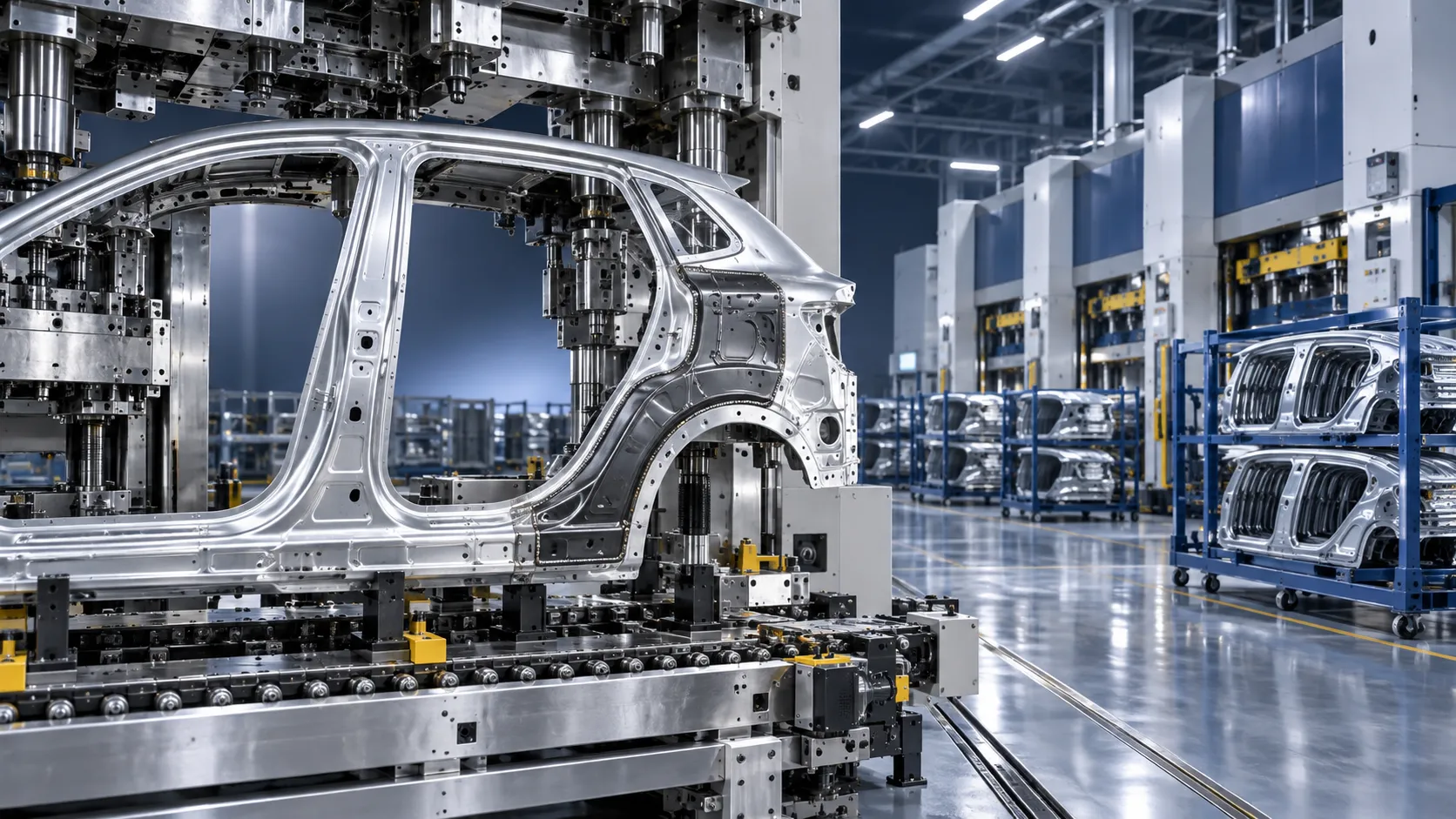
What Drives Lightweight Body Component Costs in High-Volume Vehicle Programs?
Lightweight body components cost depends on material yield, forming, joining, tooling, validation, and logistics. Explore proven ways to optimize total vehicle program cost.
Related News
- 00
0000-00
How Automotive Seat Occupancy Sensing Improves Airbag Deployment Decisions - 00
0000-00
How Smart Seating Sensors Improve Occupant Detection and Airbag Deployment - 00
0000-00
How to Qualify an Airbag Modules Supplier for OEM Safety and Delivery Requirements - 00
0000-00
How to Select Occupant Safety Systems for Vehicles Operating in the Middle East - 00
0000-00
Which Passive Safety Engineering Standards Apply to Automotive Restraint Systems?
Weekly Insights
Stay ahead with our curated technology reports delivered every Monday.