
Airbag Inflators Manufacturer Comparison: Pyrotechnic vs Hybrid vs Stored Gas Designs
Selecting an airbag inflators manufacturer is rarely a simple cost exercise. In current mobility programs, pyrotechnic, hybrid, and stored gas inflators create different outcomes in deployment timing, thermal load, package size, calibration range, and validation effort. That matters across the wider GNCS view of safety systems, where body structures, seatbelt control, seating geometry, and crash compliance must work as one integrated protection chain.
Why inflator architecture still shapes safety performance
An inflator is the energy source behind airbag deployment. Its design determines how quickly gas is generated or released, how hot the output becomes, and how consistently the cushion fills under different crash conditions.
That is why an airbag inflators manufacturer cannot be judged only by catalog breadth. The deeper issue is whether the inflator behavior matches the restraint strategy, module layout, and vehicle architecture.
From the GNCS perspective, this comparison also reflects a broader industry pattern. Passive safety components are now evaluated in relation to lightweight body design, smart seating positions, and stricter global validation standards.
Three designs, three engineering logics
Pyrotechnic inflators generate gas through a rapid chemical reaction. They are common because they offer compact packaging, mature manufacturing routes, and fast initial pressure rise for many frontal and side airbag applications.
Hybrid inflators combine stored compressed gas with a pyrotechnic trigger. The igniter opens or activates the system, while stored gas contributes the main fill volume. This often improves gas temperature control and output shaping.
Stored gas inflators rely mainly on pre-pressurized gas released by a triggering mechanism. They avoid heavy dependence on gas-generating propellant, which can be useful where cooler gas and predictable long-duration flow are priorities.
A capable airbag inflators manufacturer usually supports more than one architecture. The real distinction is how well each design is tuned for specific module types, deployment windows, and regional compliance targets.
Comparison at a glance
Where technical differences become practical decisions
Deployment speed is usually the first screen, but it is not the whole story. Very fast inflation may help early occupant capture, yet excessive initial aggressiveness can complicate occupant interaction and venting strategy.
Gas output stability is just as important. A strong airbag inflators manufacturer should provide narrow production tolerances, repeatable pressure curves, and clear aging data across temperature extremes.
Thermal behavior also deserves closer attention. Pyrotechnic designs can introduce higher gas temperatures, influencing bag fabric durability, filter design, and nearby component exposure.
Packaging limits often decide the winner before performance does. A hybrid or stored gas unit may offer attractive flow characteristics, yet space inside the steering wheel, instrument panel, seat, or roof rail can rule it out quickly.
Then comes system integration. Inflators do not operate alone. They interact with crash sensors, seatbelt pretensioners, seat position sensing, occupant classification, and lightweight structures designed to manage energy in very specific sequences.
Why the market is paying closer attention now
Several industry signals are pushing inflator selection higher on the decision list. One is the continued spread of lighter body architectures, especially hot-stamped steel and aluminum combinations that alter crash pulse characteristics.
Another is the growth of smarter cabin layouts. Seat travel, posture sensing, and more complex interior geometries change how quickly restraint systems must react and how airbags must hold pressure.
Compliance pressure is rising as well. IIHS, Euro NCAP, and related regional protocols increasingly reward not only deployment, but occupant interaction quality across varied seating positions and impact scenarios.
Against that background, an airbag inflators manufacturer is being evaluated on technical transparency, propellant evolution, traceability, and long-term reliability, not simply production capacity.
This is consistent with the GNCS intelligence model. Safety performance is no longer isolated by component category. It is interpreted through connected data across structures, sensors, compliance pathways, and supply resilience.
How each design tends to fit real programs
Pyrotechnic designs
These remain attractive for programs requiring compact packaging and cost discipline. They often fit well where mature validation history matters and module volume does not demand a long gas discharge profile.
The strongest case appears in conventional frontal and side applications, especially where the platform already has proven thermal shielding and filter solutions.
Hybrid designs
Hybrid inflators are often selected when cushion volume rises or when pressure management needs a more controlled curve. They can be useful in curtain systems or applications requiring broader deployment balance.
They also help in programs where a slightly larger package is acceptable in exchange for lower thermal stress and more flexible tuning.
Stored gas designs
Stored gas options are more specialized, but they stay relevant where cooler inflation gas, long-duration filling, or reduced propellant chemistry risk carries extra value.
Their challenge is usually less about concept merit and more about packaging, vessel integrity, and lifecycle sealing confidence.
What to examine when comparing an airbag inflators manufacturer
A useful comparison framework should move from headline specifications to validation depth. Catalog claims are easy to match. Real program risk appears in process control, data quality, and deviation handling.
- Check pressure-time curves across full temperature ranges, not only nominal tests.
- Review inflator aging data, seal durability, and storage stability.
- Examine thermal output and particulate control against bag material requirements.
- Confirm packaging tolerances, connector robustness, and module interface repeatability.
- Verify change-management discipline for propellant chemistry, filters, and sub-tier materials.
- Assess regulatory history, recall exposure, and regional certification readiness.
- Look at production redundancy, traceability systems, and supply continuity under demand swings.
A reliable airbag inflators manufacturer should also explain trade-offs directly. If one design improves fill consistency but increases package diameter, that needs to be explicit early in the sourcing cycle.
A broader reading of supplier capability
Inflator selection sits inside a larger system question. A supplier that understands only the inflator may still fall short if it cannot align with seatbelt timing, occupant sensing logic, and body crash energy pathways.
That is where GNCS-style intelligence becomes useful. Cross-domain analysis helps connect inflator chemistry trends, module integration limits, and global compliance movement before they become launch-stage problems.
In practice, the best choice is often the one that reduces total validation friction. A slightly higher unit cost can be justified if calibration time, redesign risk, and certification uncertainty drop meaningfully.
How to move from comparison to decision
A sound next step is to map the inflator architecture to the exact airbag module, crash pulse, occupant packaging, and target regulation set. That prevents overvaluing generic performance data.
Then compare each airbag inflators manufacturer using a weighted matrix that includes thermal behavior, gas consistency, package fit, validation evidence, and supply assurance. Those factors usually expose clearer differences than price alone.
For teams tracking the mobility safety chain end to end, the most useful view is integrated rather than isolated. Inflators, structures, restraint controls, and cabin geometry should be judged together, because that is how real-world protection is ultimately delivered.
Related News

Climate Control Seats Cost: What Drives Price and Long-Term Ownership Value?
Climate control seats cost depends on materials, thermal tech, and integration. Learn what drives price and how to judge long-term value before you buy.

What Factors Drive Marine Navigation Components Cost in Commercial Vessel Projects?
Marine navigation components cost is shaped by integration, compliance, installation, and lifecycle support. Discover what drives pricing and how buyers can reduce risk while improving value.

How Much Does Seat Occupancy Sensing Cost? Key Pricing Factors for Buyers
Seat occupancy sensing price varies widely by technology, integration, and compliance needs. Learn the key cost drivers, avoid hidden fees, and make smarter buying decisions.

How to Specify Micro-Climate Control Cabins for Harsh Outdoor Worksites?
Micro-climate control cabins for harsh outdoor worksites: learn how to specify thermal control, filtration, pressurization, and durability for safer uptime and smarter buying.
How to Evaluate a B2B Product Knowledge Platform for Faster Procurement Decisions
B2B product knowledge platform procurement starts with reducing decision risk. Learn how to compare specs, compliance, and supplier data to speed sourcing with confidence.
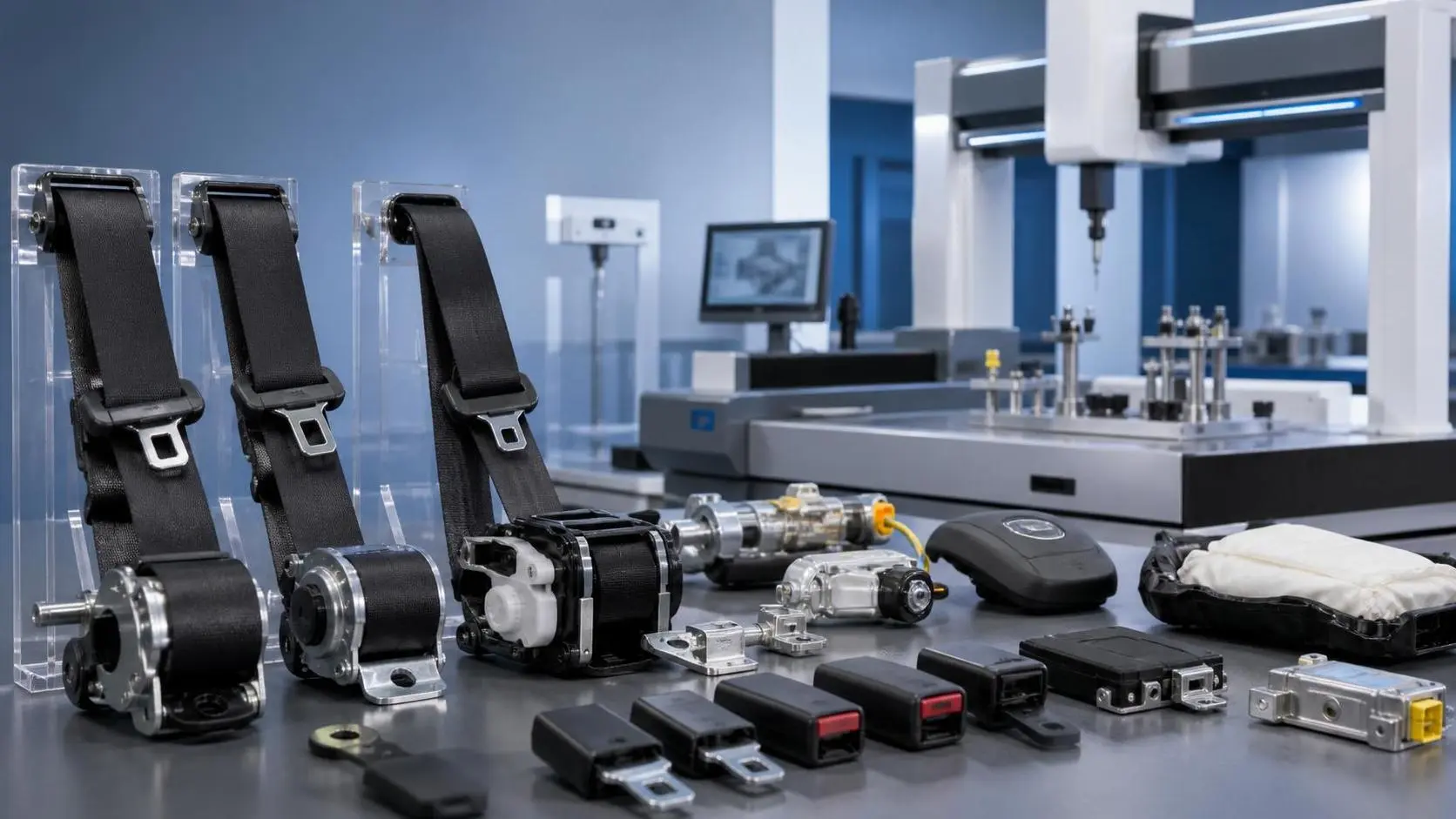
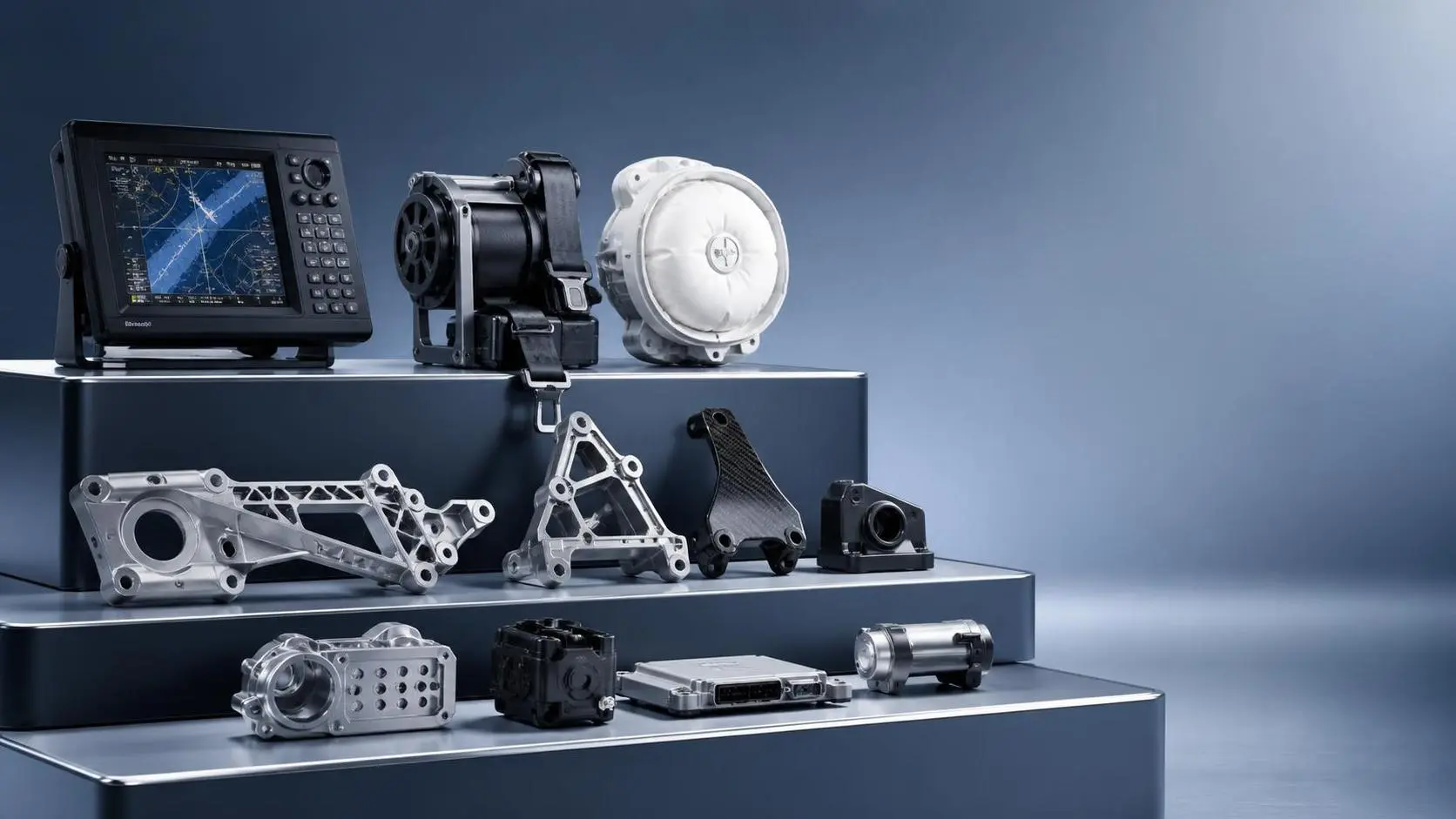
How to Evaluate an Occupant Restraint Systems Exporter for Quality, Compliance, and Supply Risk
Occupant restraint systems exporter evaluation guide: learn how to verify quality controls, compliance evidence, and supply risk before sourcing to avoid recalls, delays, and hidden costs.

Navigation Compliance Certification: Which Marine Systems Need It and How to Prepare?
Navigation compliance certification explained: discover which marine systems need approval, what documents matter, and how to prepare early to avoid delays, rework, and costly project risks.
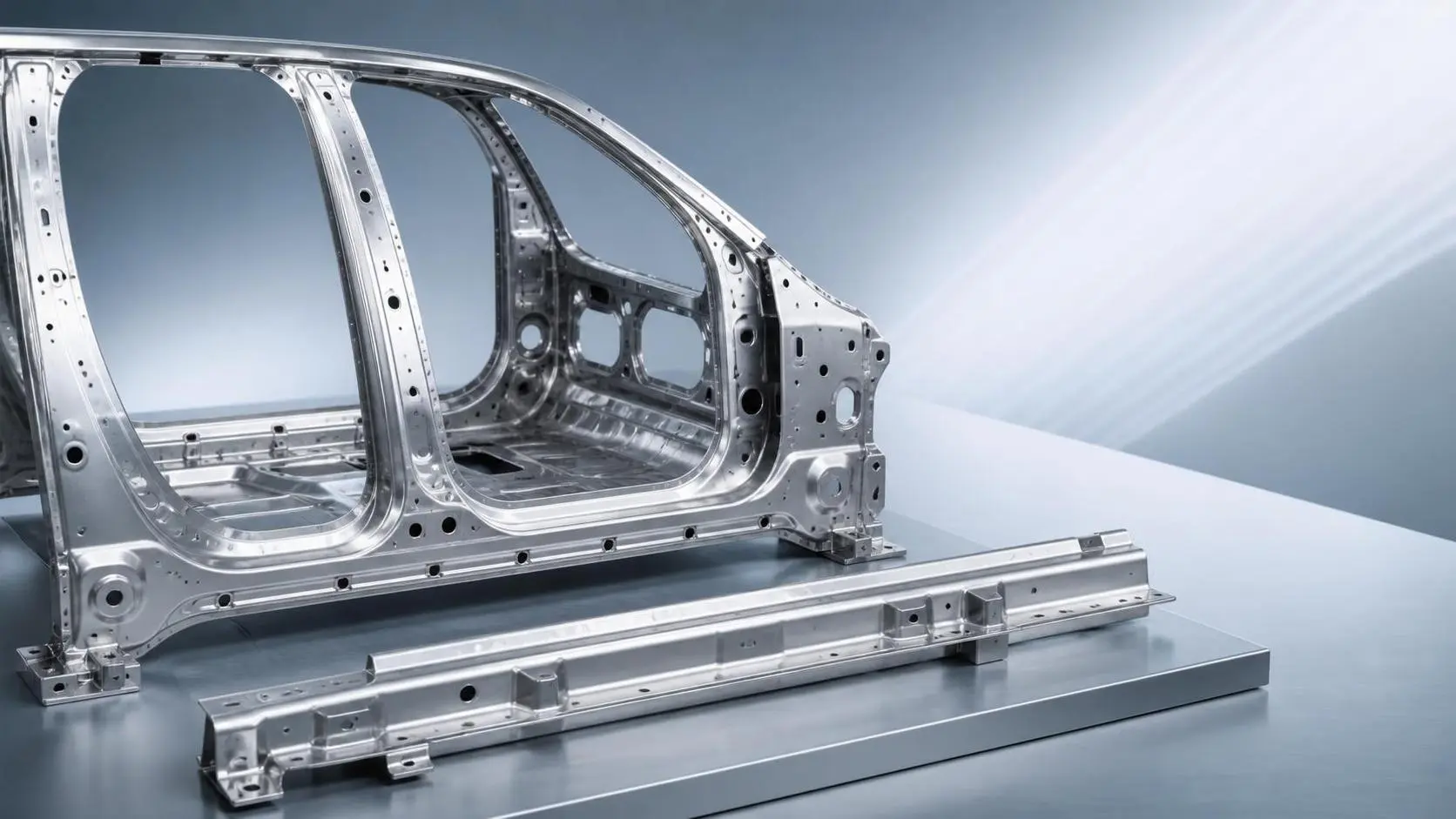
How to Evaluate Steel Auto Body Stampings for Strength, Fit, and Cost
Steel auto body stampings should be judged by strength, fit, and total cost together. Learn how to compare materials, forming limits, springback, joining, and tooling before choosing.
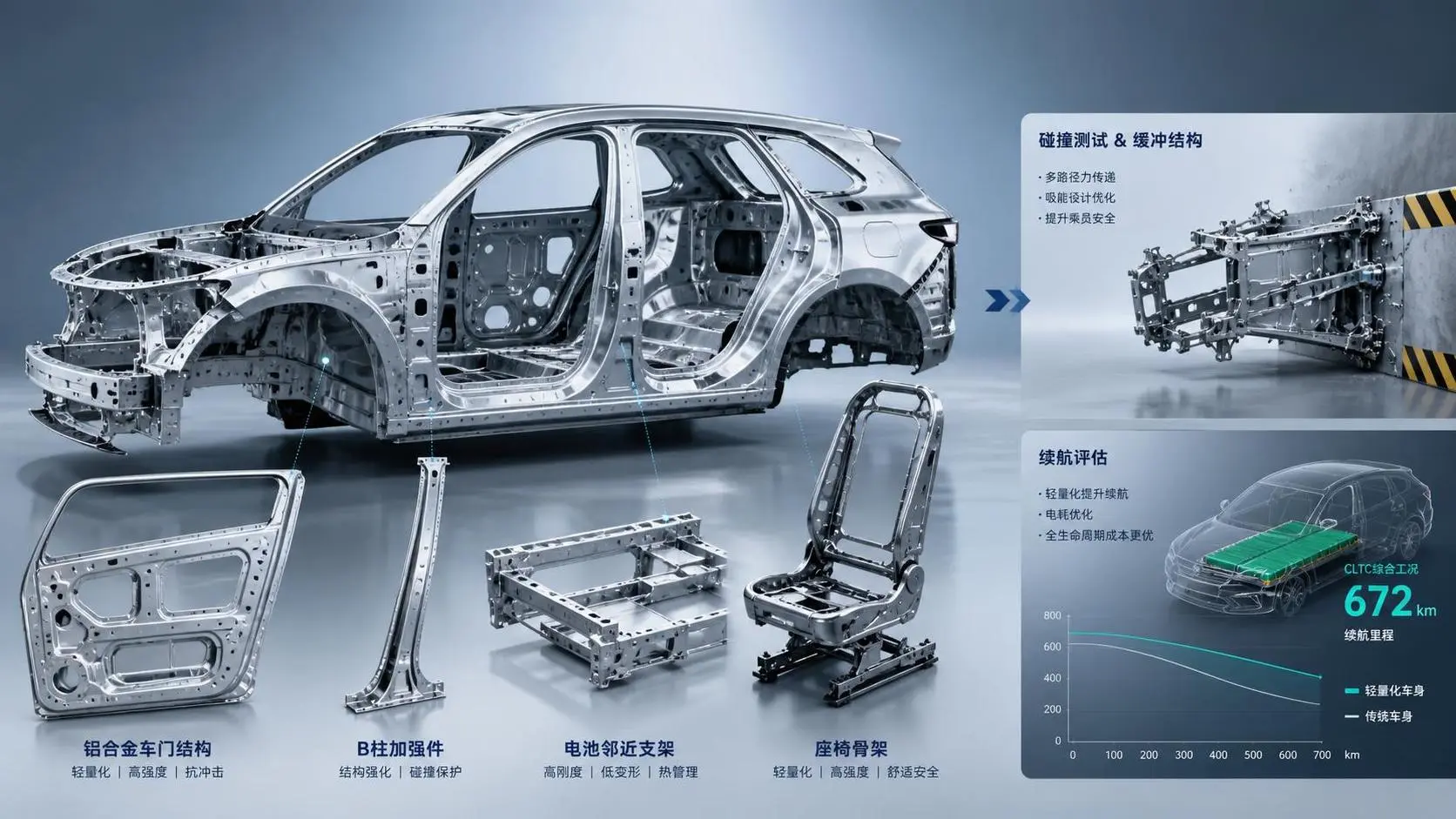
How to Evaluate Lightweight Automotive Components for EV Range and Crash Performance
Lightweight automotive components for EVs: learn how to evaluate real range gains, crash performance, joining risk, and manufacturability to choose safer, smarter EV parts.
Related News
- 00
0000-00
Automotive Inflator Technology Price: What Drives Cost Across Types and Performance Levels? - 00
0000-00
Inflator Technology Price Breakdown: What Drives Cost Across Materials, Output, and Certification - 00
0000-00
How to Evaluate Certified Automotive Inflator Technology for Safety, Output, and Integration - 00
0000-00
Non-Toxic Propellants for Inflators: Key Types, Performance Trade-Offs, and Safety Standards - 00
0000-00
Airbag Inflators Manufacturer Comparison: Pyrotechnic vs Hybrid vs Stored Gas Designs
Weekly Insights
Stay ahead with our curated technology reports delivered every Monday.