
How to Evaluate Certified Automotive Inflator Technology for Safety, Output, and Integration
Certified automotive inflator technology sits at the center of modern passive safety decisions. It affects not only whether an airbag deploys, but how predictably it performs across vehicle architectures, climates, crash modes, and regulatory regimes.
That is why evaluation has moved beyond checking a certificate number. In a market shaped by tighter safety scrutiny, lighter vehicle structures, and faster platform cycles, inflator selection now influences risk exposure, validation cost, and supplier resilience.
For a platform focused on precision perception and physical containment protection, GNCS tracks this topic as part of a broader mobility equation. Inflators connect chemical energy control, electronic triggering logic, seat and belt coordination, and global compliance into one tightly managed safety event.
Why inflator evaluation matters now
Airbag systems are under pressure from several directions at once. Vehicles are becoming lighter, cabins are more complex, and occupant protection targets now extend across more seating positions and crash scenarios.
At the same time, certification expectations are not standing still. Evolving test protocols, traceability requirements, and recall sensitivity have made certified automotive inflator technology a strategic sourcing issue rather than a routine component choice.
This shift is especially important when body structures, seat systems, and restraint logic are developed together. A small change in gas output timing or pressure profile can alter the performance window of the full occupant protection package.
What certified automotive inflator technology actually covers
The term refers to inflator systems that have been validated against defined safety, quality, and regulatory requirements. That usually includes design verification, production control, material traceability, and performance consistency under specified conditions.
In practical terms, certified automotive inflator technology combines several layers. Propellant chemistry, housing strength, ignition stability, filtration, sealing, and gas generation behavior all matter. So do process capability and batch-level repeatability.
Certification alone, however, does not mean universal suitability. An inflator can be fully compliant and still be a weak fit for a given module, seat geometry, or crash calibration strategy.
Common inflator formats in evaluation
Different module locations call for different design tradeoffs. Driver airbags, passenger airbags, side curtains, and seat-mounted units may require distinct output curves, package sizes, and environmental resistance levels.
The right choice depends on the restraint architecture, not just unit price or nominal output rating.
Safety performance starts with stable deployment behavior
Safety assessment begins with deployment consistency. The key question is whether the inflator delivers the intended gas volume and pressure curve within a narrow and repeatable window.
That window matters because airbags operate in milliseconds. If ignition lags, output spikes, or venting behavior shifts, the airbag cushion may arrive too late, too hard, or with poor shape retention.
A robust review usually looks at:
- ignition delay tolerance across temperature extremes
- peak pressure and pressure rise rate
- gas output uniformity across production lots
- particle filtration and thermal by-product control
- long-term stability after humidity, vibration, and corrosion exposure
Certified automotive inflator technology should show evidence from environmental testing, abuse testing, and aging simulation, not just nominal bench performance.
Output quality is more than gas volume
Gas output is often reduced to a single number. That is a weak shortcut. What matters is the shape of the output event and how it interacts with cushion design, vent tuning, and occupant kinematics.
A useful evaluation compares the inflator’s output profile against the actual protection target. Frontal modules may prioritize rapid fill and controlled pressure decay. Curtain systems may need sustained pressure retention during rollover timing.
This is where certified automotive inflator technology should be examined alongside seatbelt pretensioners, load limiters, seat position sensing, and lightweight body crash paths. Inflator performance does not live in isolation.
Signals that deserve closer review
- Output data presented without tolerance bands
- Limited evidence for hot and cold condition repeatability
- Unclear propellant evolution history
- Test results tied to one module design only
- No clear explanation of lot traceability after scale-up
Certification should be read in context
Certification is essential, but it should be interpreted with care. A certificate proves alignment with a defined framework. It does not automatically cover every market, every vehicle segment, or every integration condition.
Relevant standards may involve UNECE requirements, FMVSS-linked validation pathways, IATF 16949 quality systems, PPAP documentation, and customer-specific test plans. Crash rating ecosystems such as Euro NCAP or IIHS can also shape what “good enough” means.
In GNCS coverage, this mirrors what happens in marine navigation and cabin systems as well. Compliance has become a living process. Technical documentation, update discipline, and regional rules increasingly decide commercial viability.
Integration determines real-world value
The commercial value of certified automotive inflator technology is realized only when integration is clean. Packaging limits, connector interfaces, ECU calibration, module geometry, and seat layout all affect system readiness.
In actual programs, integration issues often create more delay than basic certification gaps. A qualified inflator may still require redesign if mounting loads, thermal shielding, or deployment direction conflict with the surrounding architecture.
This matters even more in lightweight vehicles. When hot-stamped structures, magnesium seat frames, and compact interiors are used, tolerance stacking becomes tighter and restraint tuning becomes less forgiving.
Practical integration checks
- module fit within available package envelope
- electrical compatibility with sensing and trigger architecture
- interaction with seat, belt, and trim materials
- serviceability and recall containment planning
- change management discipline for chemistry or tooling revisions
How to compare suppliers with fewer blind spots
A strong comparison model blends performance evidence with manufacturing credibility. The objective is not to find the lowest quoted cost, but to understand whether the supplier can hold safety behavior stable over time and volume.
Useful questions include how the inflator chemistry has evolved, whether non-toxic propellant paths are being adopted, how process drifts are detected, and how quickly field anomalies can be isolated to a lot or station.
Certified automotive inflator technology from a mature source usually comes with stronger validation narratives. That includes design FMEA logic, abuse test history, regional compliance mapping, and a documented approach to engineering changes.
Commercially, this also protects launch timing. A supplier that communicates clearly across certification, test evidence, and integration support tends to reduce downstream cost from revalidation, claims handling, and late-stage redesign.
A grounded next step
The most effective way to assess certified automotive inflator technology is to build a review matrix that links three things: safety behavior, output consistency, and integration fit. Any one of them, on its own, gives an incomplete picture.
Start with the intended airbag application and crash target. Then compare certification scope, test conditions, output curves, environmental durability, and production traceability against that use case.
From there, the quality of the decision improves quickly. The conversation shifts from generic compliance to platform suitability, lifecycle control, and long-term safety confidence, which is where certified automotive inflator technology should always be judged.
Related News
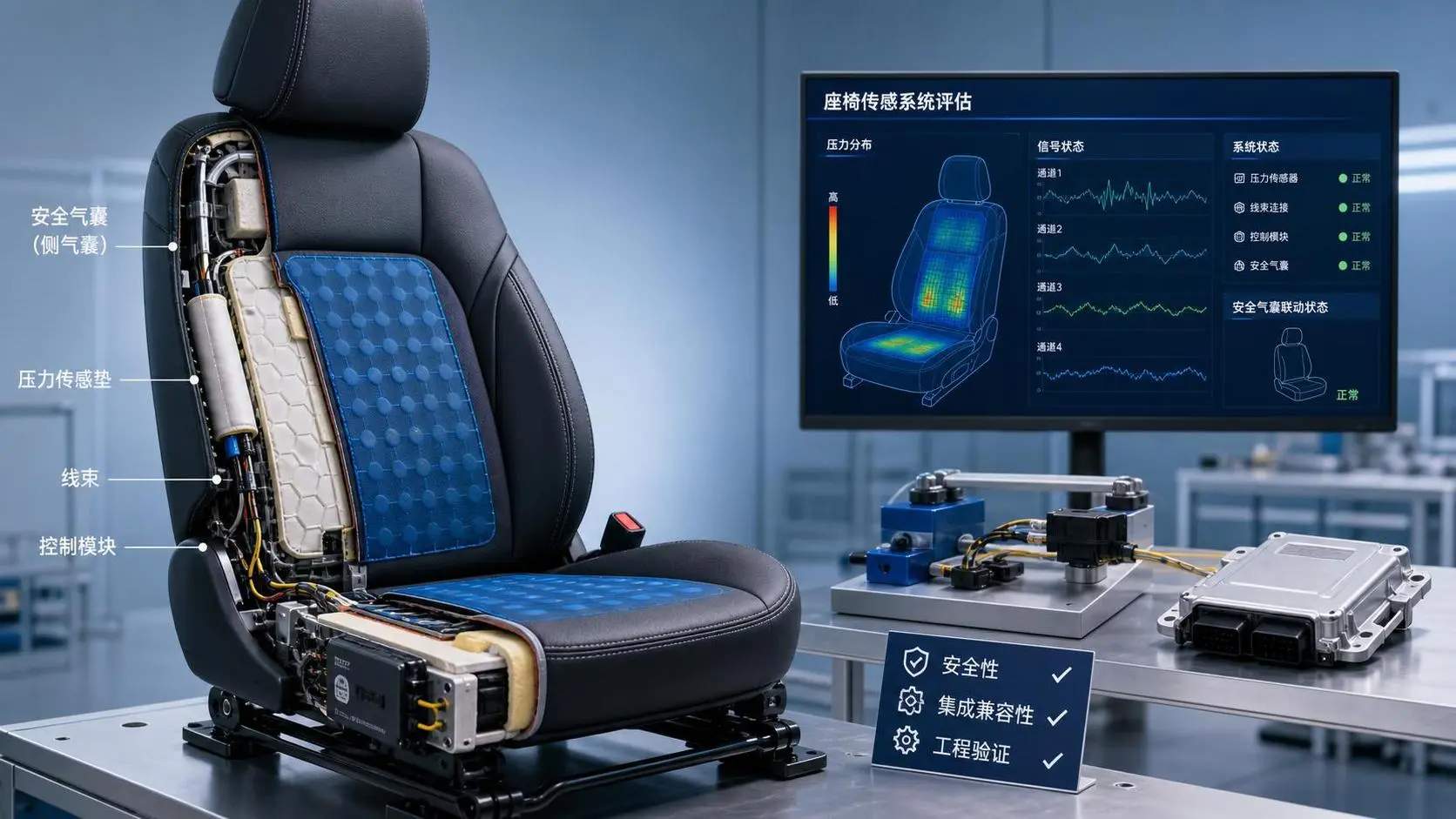
How to Evaluate a Seat Sensing Technology Supplier for Safety and Integration?
Seat sensing technology supplier evaluation guide: compare safety maturity, integration fit, algorithm reliability, and validation support to choose a partner that reduces risk.
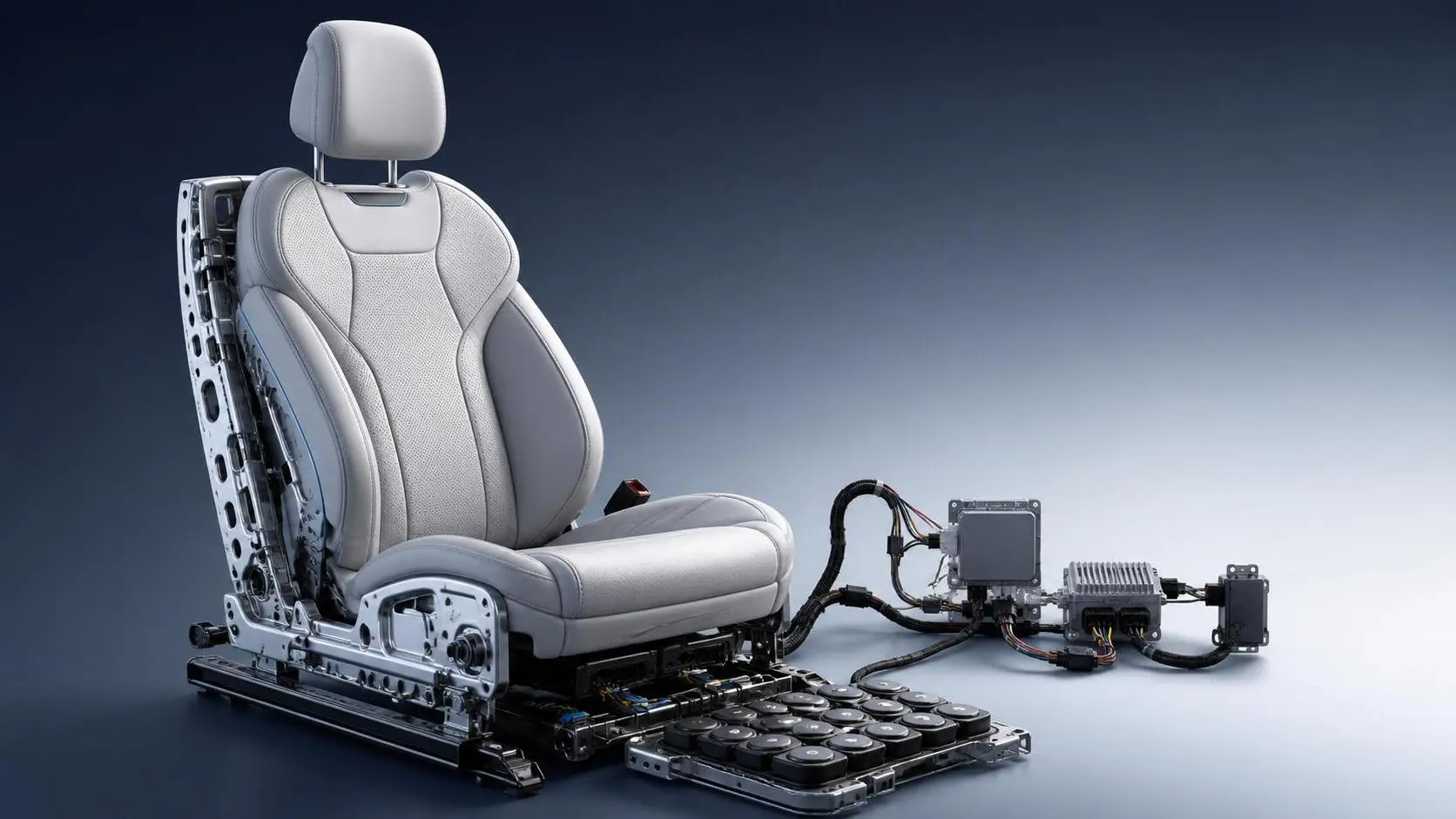
How to Evaluate Custom Smart Automotive Seating for Premium Vehicle Programs?
Custom smart automotive seating evaluation starts with safety, comfort, integration, and production readiness. Discover how premium vehicle teams choose smarter, lower-risk seat solutions.
B2B Product Intelligence Platforms: How to Compare Features, Data Coverage, and ROI
B2B product intelligence platform comparison: learn how to evaluate data coverage, feature depth, compliance visibility, and ROI to choose a sourcing tool that reduces risk and speeds decisions.
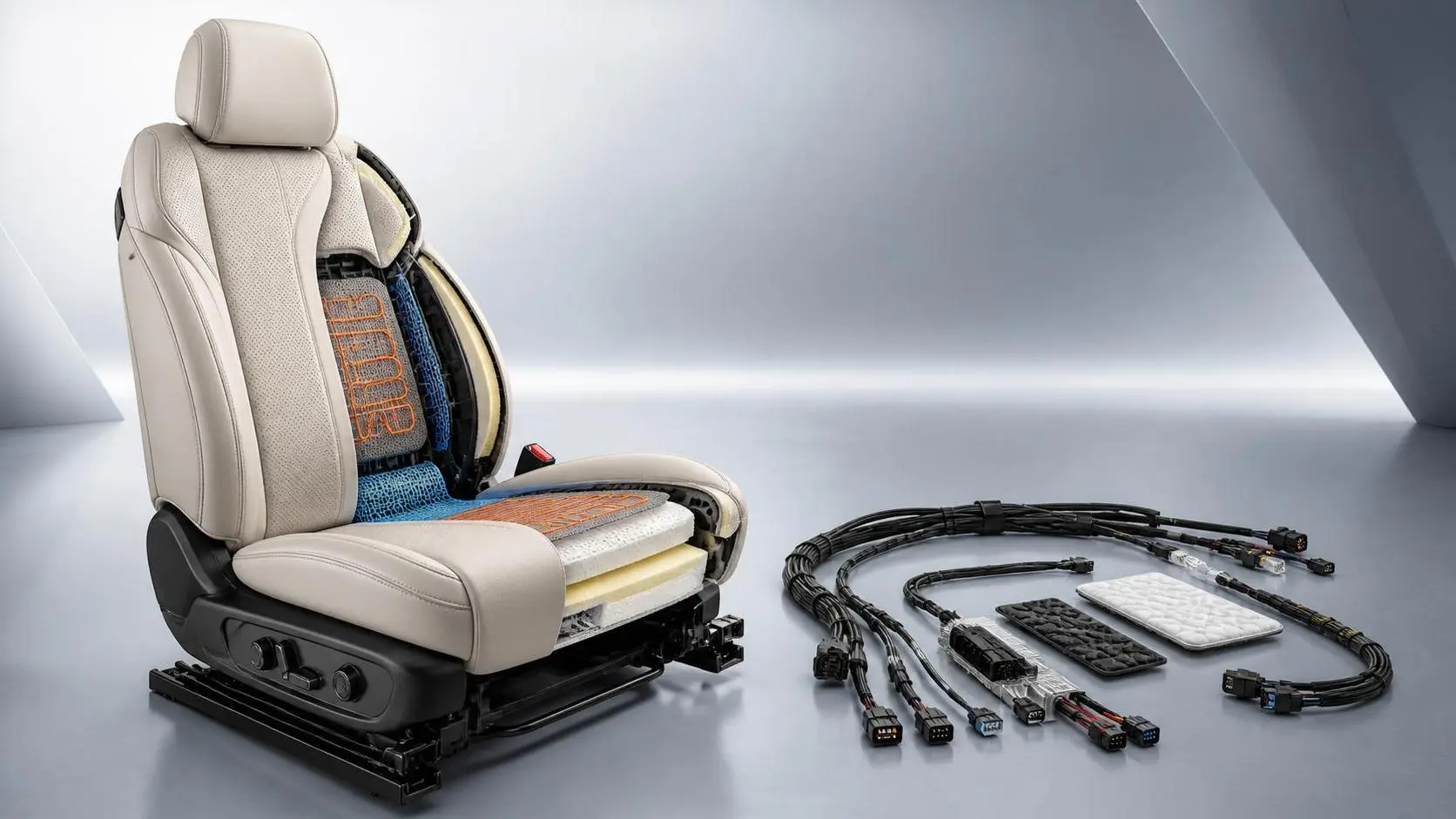
Climate Control Seats Cost: What Drives Price and Long-Term Ownership Value?
Climate control seats cost depends on materials, thermal tech, and integration. Learn what drives price and how to judge long-term value before you buy.

What Factors Drive Marine Navigation Components Cost in Commercial Vessel Projects?
Marine navigation components cost is shaped by integration, compliance, installation, and lifecycle support. Discover what drives pricing and how buyers can reduce risk while improving value.
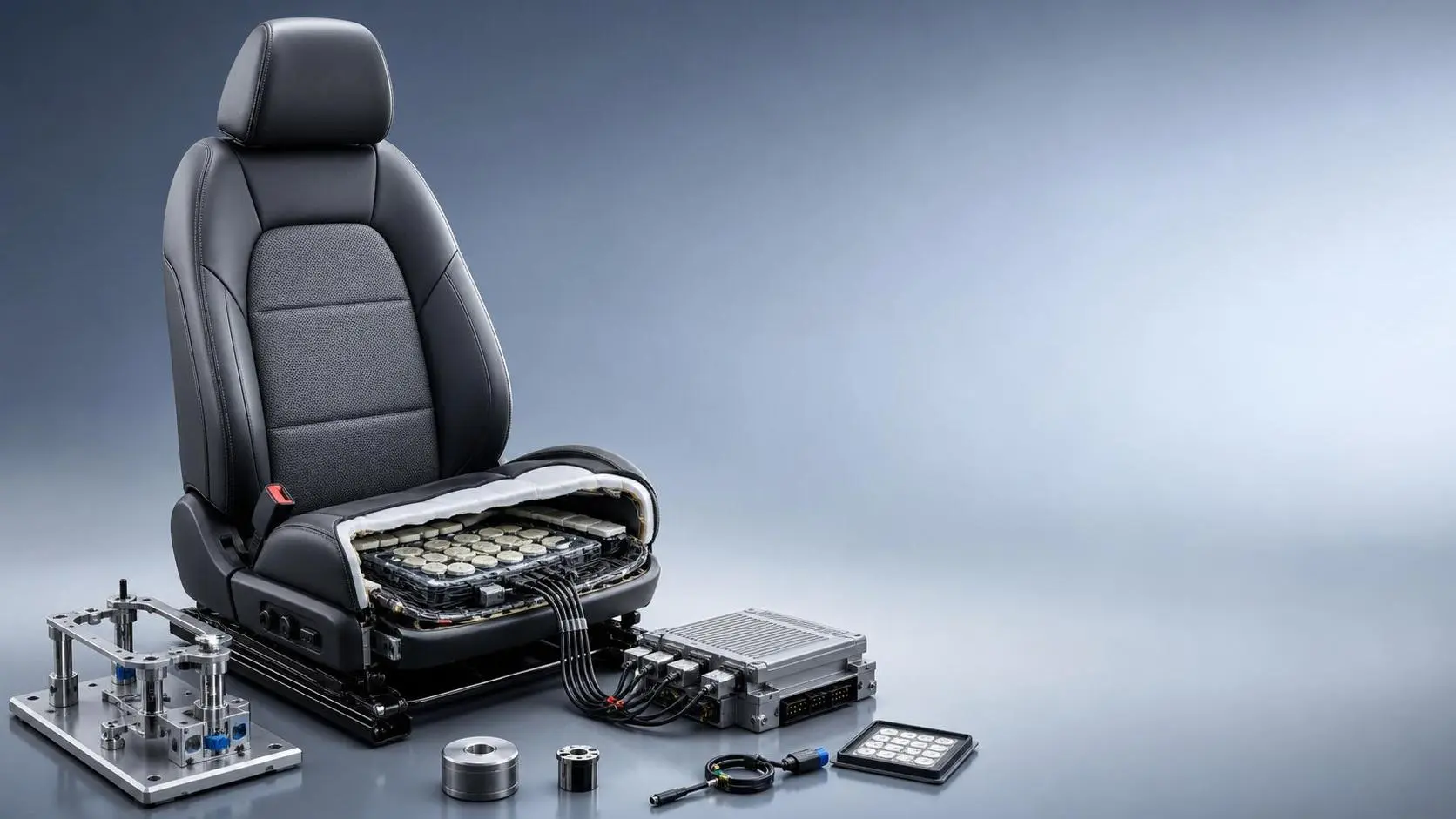
How Much Does Seat Occupancy Sensing Cost? Key Pricing Factors for Buyers
Seat occupancy sensing price varies widely by technology, integration, and compliance needs. Learn the key cost drivers, avoid hidden fees, and make smarter buying decisions.
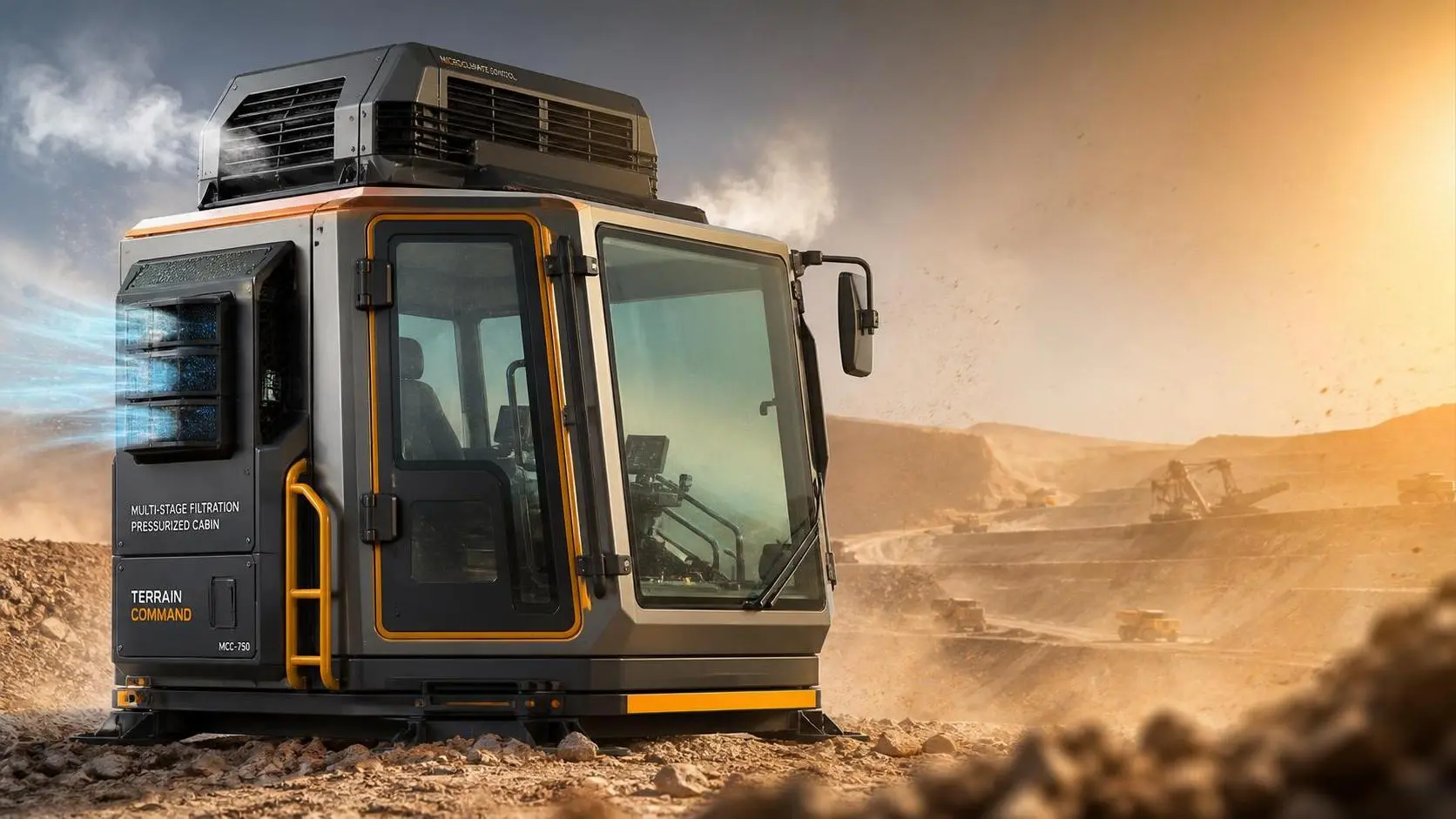
How to Specify Micro-Climate Control Cabins for Harsh Outdoor Worksites?
Micro-climate control cabins for harsh outdoor worksites: learn how to specify thermal control, filtration, pressurization, and durability for safer uptime and smarter buying.
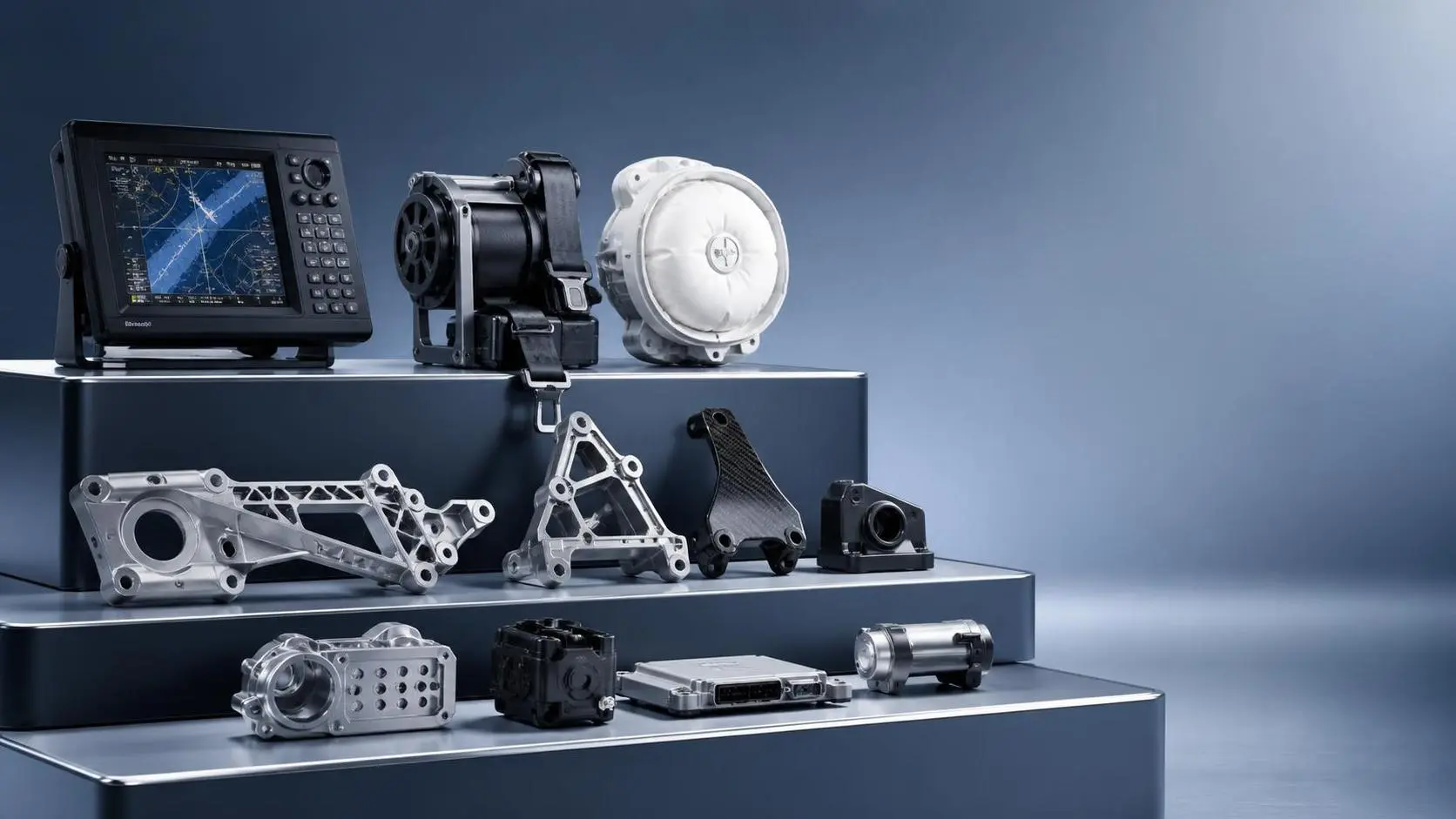
How to Evaluate a B2B Product Knowledge Platform for Faster Procurement Decisions
B2B product knowledge platform procurement starts with reducing decision risk. Learn how to compare specs, compliance, and supplier data to speed sourcing with confidence.
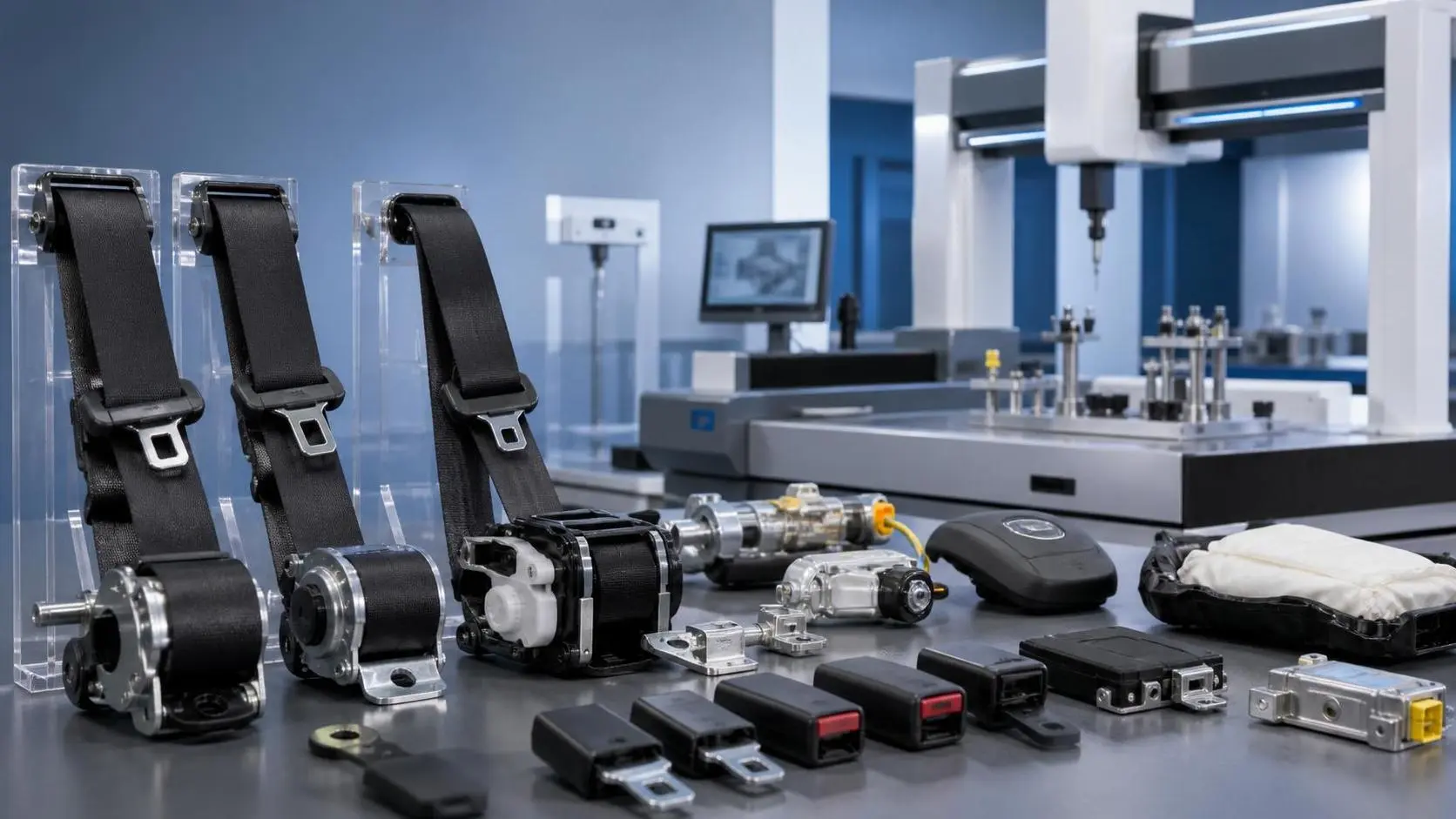
How to Evaluate an Occupant Restraint Systems Exporter for Quality, Compliance, and Supply Risk
Occupant restraint systems exporter evaluation guide: learn how to verify quality controls, compliance evidence, and supply risk before sourcing to avoid recalls, delays, and hidden costs.
Related News
- 00
0000-00
Automotive Inflator Technology Price: What Drives Cost Across Types and Performance Levels? - 00
0000-00
Inflator Technology Price Breakdown: What Drives Cost Across Materials, Output, and Certification - 00
0000-00
How to Evaluate Certified Automotive Inflator Technology for Safety, Output, and Integration - 00
0000-00
Non-Toxic Propellants for Inflators: Key Types, Performance Trade-Offs, and Safety Standards - 00
0000-00
Airbag Inflators Manufacturer Comparison: Pyrotechnic vs Hybrid vs Stored Gas Designs
Weekly Insights
Stay ahead with our curated technology reports delivered every Monday.